Digital Technologies and Global Politics - Böcker
Visar alla böcker i serien Digital Technologies and Global Politics. Handla med fri frakt och snabb leverans.
7 produkter
7 produkter
1 276 kr
Skickas inom 10-15 vardagar
From the global geopolitical arena to the smart city, control over knowledge—particularly over data and intellectual property—has become a key battleground for the exercise of economic and political power. For companies and governments alike, control over knowledge—what scholar Susan Strange calls the knowledge structure—has become a goal unto itself.The rising dominance of the knowledge structure is leading to a massive redistribution of power, including from individuals to companies and states. Strong intellectual property rights have concentrated economic benefits in a smaller number of hands, while the “internet of things” is reshaping basic notions of property, ownership, and control. In the scramble to create and control data and intellectual property, governments and companies alike are engaging in ever-more surveillance.This open access book is a guide to and analysis of these changes, and of the emerging phenomenon of the knowledge-driven society. It highlights how the pursuit of the control over knowledge has become its own ideology, with its own set of experts drawn from those with the ability to collect and manipulate digital data. Haggart and Tusikov propose a workable path forward—knowledge decommodification—to ensure that our new knowledge is not treated simply as a commodity to be bought and sold, but as a way to meet the needs of the individuals and communities that create this knowledge in the first place.The ebook editions of this book are available open access under a CC BY-NC-ND 4.0 licence on bloomsburycollections.com. Open access was funded by Social Sciences and Humanities Research Council of Canada (SSHRC)
1 343 kr
Skickas inom 10-15 vardagar
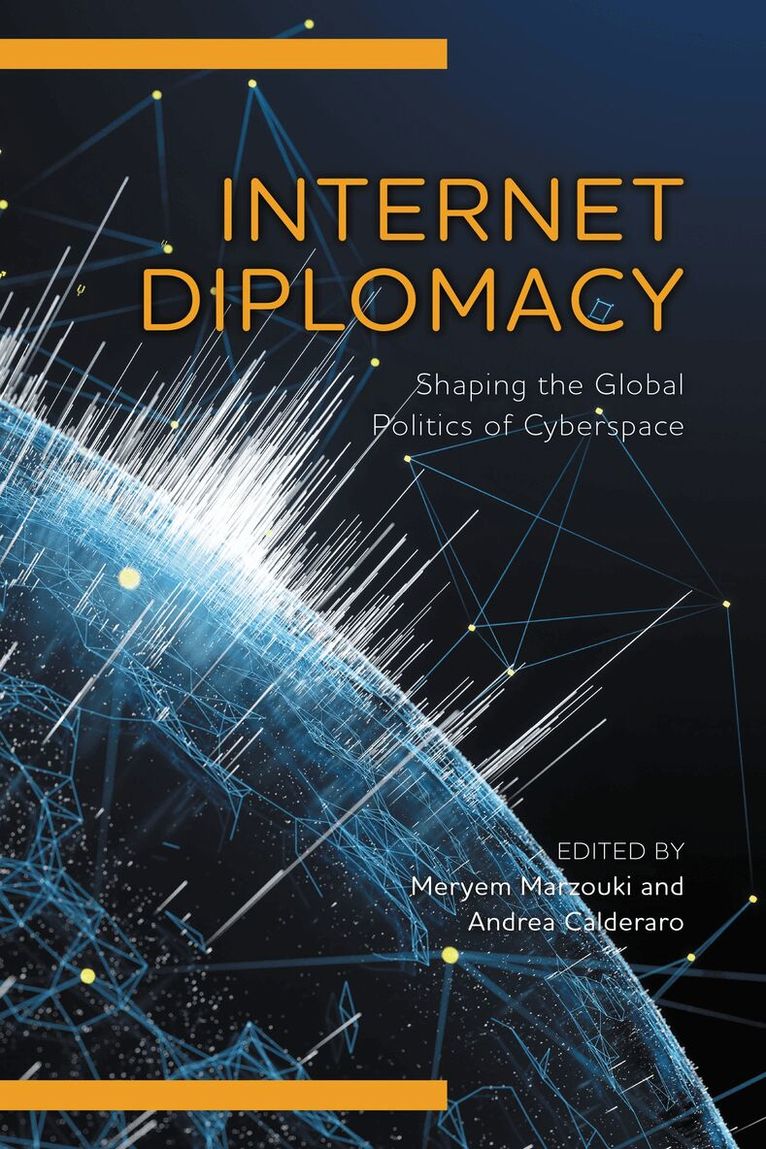
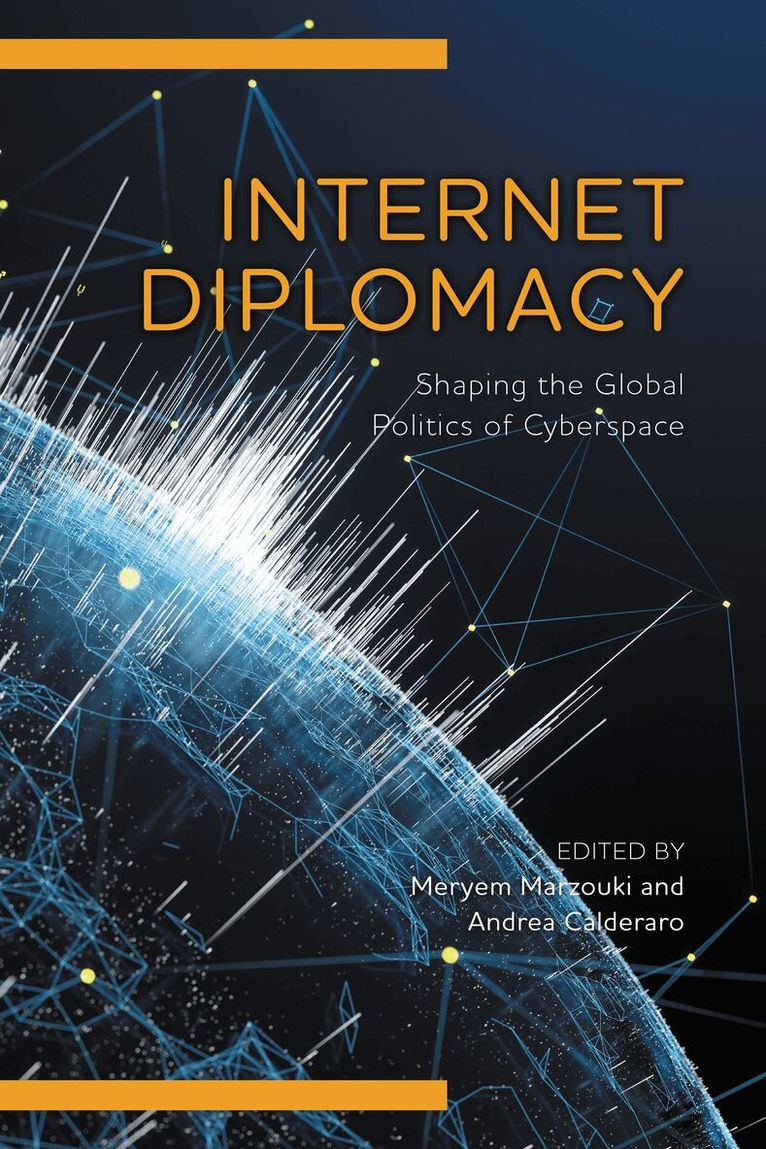
The governance of the internet has gained a central role in global politics. International cooperation is increasingly mobilized to ensure that the expansion of connectivity infrastructure, digital services and their usages also safeguards security, human rights, and economic benefits. The field is truly transnational, including a vibrant stakeholder community that plays an active role in building sustainable ‘digital sovereignty’. Over the past decade, novel diplomatic practices have been adopted in negotiating technical standards, norms, regulations, and policies in the intersection of national and global priorities. This book defines this novel tool for diplomatic dialogue as Internet Diplomacy, a concept that entails the broad range of emerging international practices clustered around digital environments, including cybersecurity and internet governance. In broadening our view of diplomacy in the digital age, the book includes a comprehensive collection of contributions and cases addressing Internet Diplomacy. Collectively, it expands our understanding of transformations in international diplomacy and transnational digital governance, their drivers and their nature, their capacity to challenge power relations, and, ultimately, the values they carry and channel onto the global scene.
434 kr
Skickas inom 10-15 vardagar
The governance of the internet has gained a central role in global politics. International cooperation is increasingly mobilized to ensure that the expansion of connectivity infrastructure, digital services and their usages also safeguards security, human rights, and economic benefits. The field is truly transnational, including a vibrant stakeholder community that plays an active role in building sustainable ‘digital sovereignty’. Over the past decade, novel diplomatic practices have been adopted in negotiating technical standards, norms, regulations, and policies in the intersection of national and global priorities. This book defines this novel tool for diplomatic dialogue as Internet Diplomacy, a concept that entails the broad range of emerging international practices clustered around digital environments, including cybersecurity and internet governance. In broadening our view of diplomacy in the digital age, the book includes a comprehensive collection of contributions and cases addressing Internet Diplomacy. Collectively, it expands our understanding of transformations in international diplomacy and transnational digital governance, their drivers and their nature, their capacity to challenge power relations, and, ultimately, the values they carry and channel onto the global scene.
1 142 kr
Skickas inom 10-15 vardagar
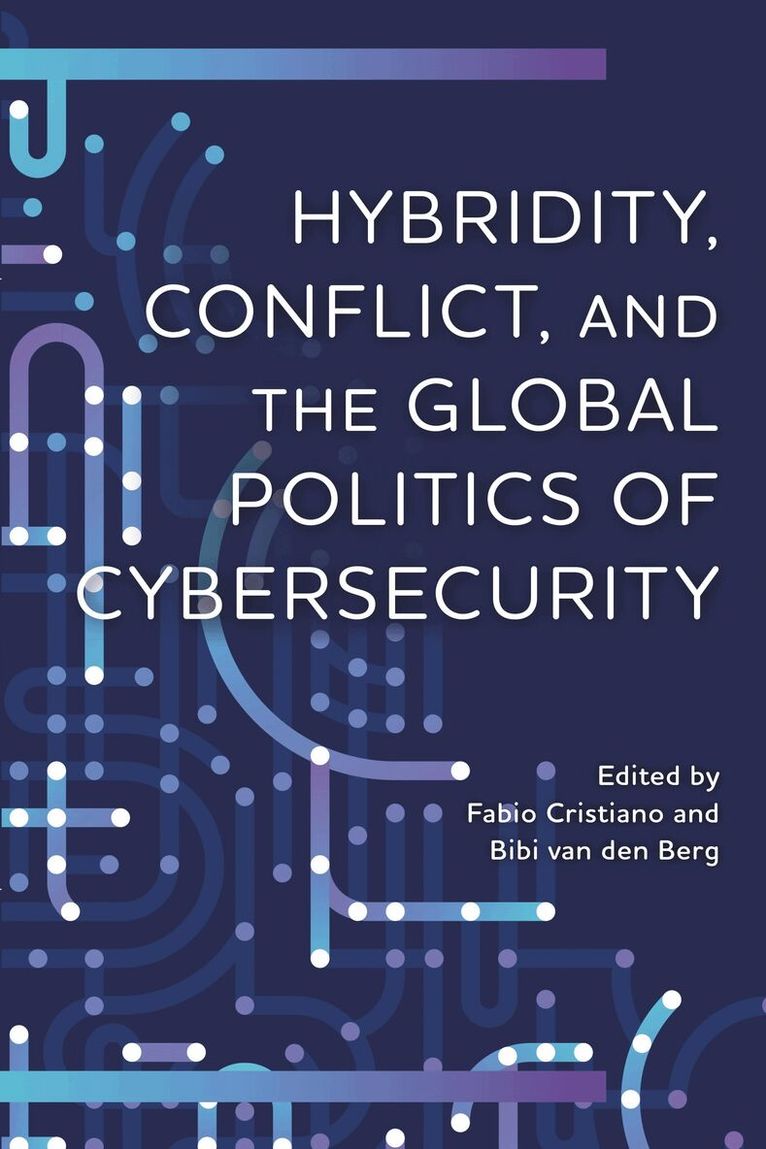
Cyberspace has become the ultimate frontier and central issue of international conflict, geopolitical competition, and security. Emerging threats and technologies continuously challenge the prospect of an open, secure, and free cyberspace. Additionally, the rising influence of technology on society and culture increasingly pushes international diplomacy to establish responsible state behavior in cyberspace and internet governance against the backdrop of fragmentation and polarization. In this context, novel normative practices and actors are emerging both inside and outside the conventional sites of international diplomacy and global governance.In this open access title, Fabio Cristiano and Bibi van den Berg explore the hybridity and conflict inherent to these recent processes of remodulation of the global politics of cybersecurity by analyzing emerging normative practices, threats and technologies, and actors. Through this comprehensive analysis, this edited volume ultimately sheds light on the problematic technical logic of emergence that informs the global politics of cybersecurity and delineates novel normative paths for cyberspace moving forward.The ebook editions of this book are available open access under a CC BY-NC-ND 4.0 licence on bloomsburycollections.com. Open access was funded by Leiden University
1 142 kr
Skickas inom 10-15 vardagar
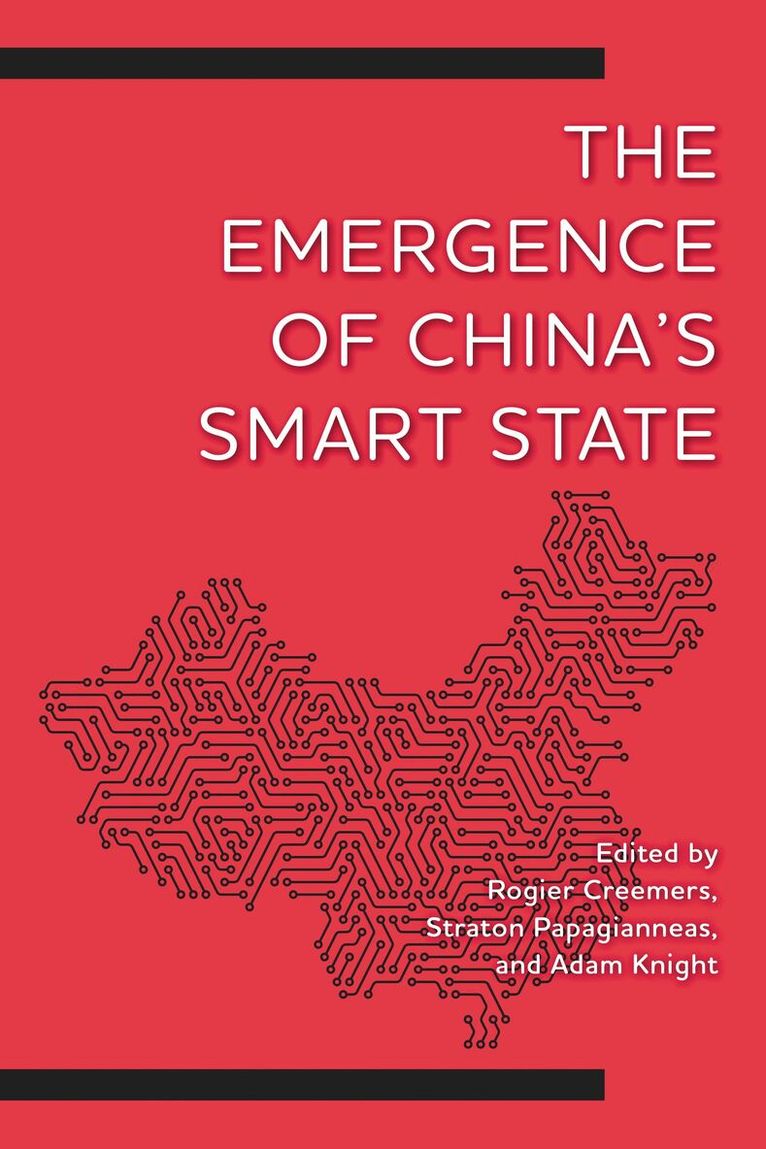
China’s emergence as a technology leader has become a major factor in geopolitics, transforming global political and economic relationships. In its bid to achieve digital great power status, China’s government has reformed laws and policies, drastically increased investment, and become more assertive internationally. Chinese companies have expanded at home and abroad, but relationships between government and the private sector have sometimes been fractious.This open access book assesses the extent to which the Chinese government has been able to achieve its ambitious digital goals, and more broadly, how this reflects rapidly changing domestic and international political and economic dynamics surrounding China’s rise as a major technology player. This is the first book of its kind, interrogating the complex, dynamic interactions between political, market, and technological factors that structure China’s digital development. It will provide information and intellectual frameworks for scholars, policymakers, and professionals to appreciate the complexity of China’s digital policy landscape, the process of learning and iteration the Party continues to experience as external events impact the policy process, and the impact China’s innovation policies, regulations, and achievements have had, or may have, in the future.The ebook editions of this book are available open access under a CC BY-NC-ND 4.0 licence on bloomsburycollections.com. Open access was funded by Netherlands Ministry of Foreign Affairs
1 476 kr
Skickas inom 10-15 vardagar
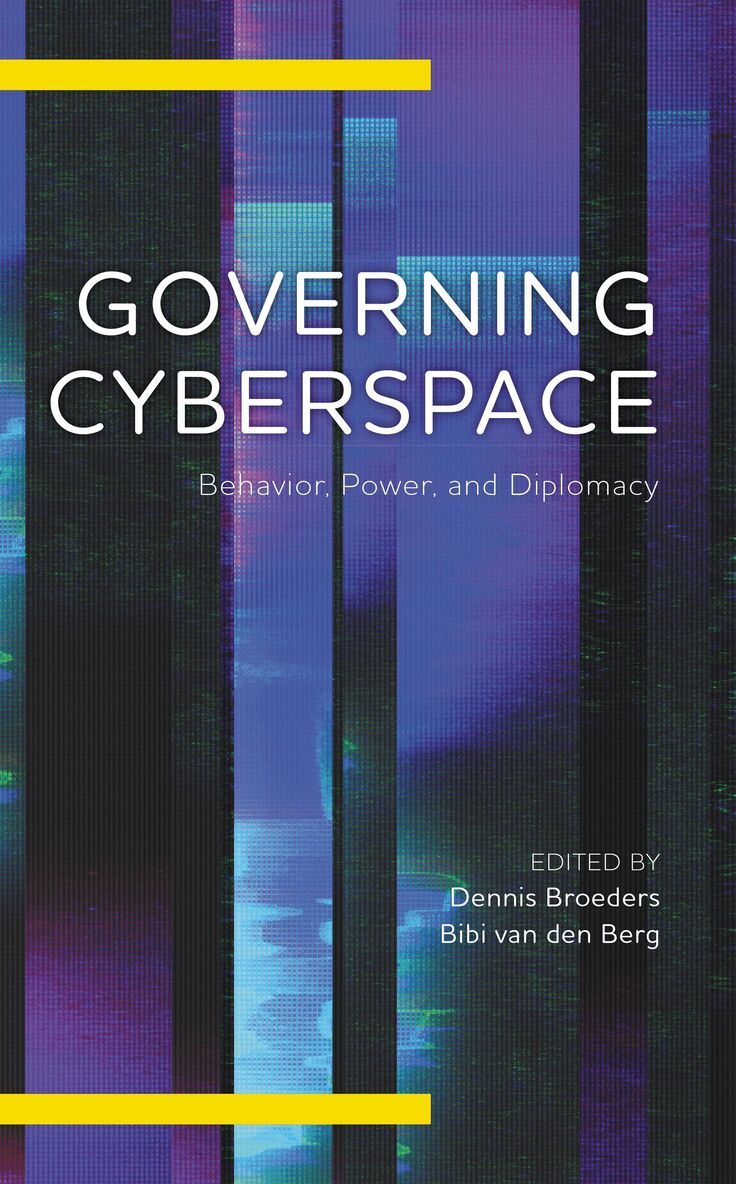
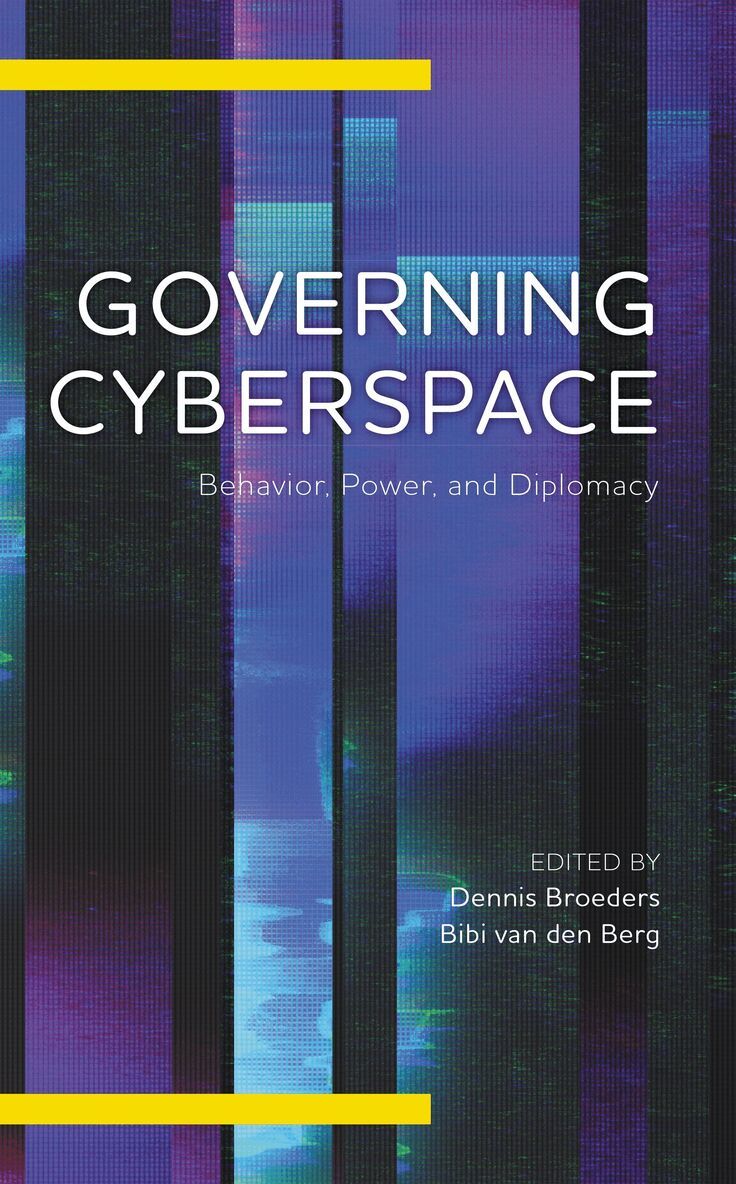
Cyber norms and other ways to regulate responsible state behavior in cyberspace is a fast-moving political and diplomatic field. The academic study of these processes is varied and interdisciplinary, but much of the literature has been organized according to discipline. Seeking to cross disciplinary boundaries, this timely open access book brings together researchers in fields ranging from international law, international relations, and political science to business studies and philosophy to explore the theme of responsible state behavior in cyberspace. .Divided into three parts, Governing Cyberspace first looks at current debates in and about international law and diplomacy in cyberspace. How does international law regulate state behaviour and what are its limits? How do cyber superpowers like China and Russia shape their foreign policy in relation to cyberspace? The second focuses on power and governance. What is the role for international organisations like NATO or for substate actors like intelligence agencies? How do they adapt to the realities of cyberspace and digital conflict? How does the classic balance of power play out in cyberspace and how do different states position themselves? The third part takes a critical look at multistakeholder and corporate diplomacy. How do global tech companies shape their role as norm entrepreneurs in cyberspace, and how do their cyber diplomatic efforts relate to their corporate identity?The ebook editions of this book are available open access under a CC BY-NC-ND 4.0 licence on bloomsburycollections.com. Open access was funded by Leiden University
541 kr
Skickas inom 10-15 vardagar
Cyber norms and other ways to regulate responsible state behavior in cyberspace is a fast-moving political and diplomatic field. The academic study of these processes is varied and interdisciplinary, but much of the literature has been organized according to discipline. Seeking to cross disciplinary boundaries, this timely open access book brings together researchers in fields ranging from international law, international relations, and political science to business studies and philosophy to explore the theme of responsible state behavior in cyberspace. .Divided into three parts, Governing Cyberspace first looks at current debates in and about international law and diplomacy in cyberspace. How does international law regulate state behaviour and what are its limits? How do cyber superpowers like China and Russia shape their foreign policy in relation to cyberspace? The second focuses on power and governance. What is the role for international organisations like NATO or for substate actors like intelligence agencies? How do they adapt to the realities of cyberspace and digital conflict? How does the classic balance of power play out in cyberspace and how do different states position themselves? The third part takes a critical look at multistakeholder and corporate diplomacy. How do global tech companies shape their role as norm entrepreneurs in cyberspace, and how do their cyber diplomatic efforts relate to their corporate identity?The ebook editions of this book are available open access under a CC BY-NC-ND 4.0 licence on bloomsburycollections.com. Open access was funded by Leiden University