Language, Discourse and Mental Health – serie
Visar alla böcker i serien Language, Discourse and Mental Health. Handla med fri frakt och snabb leverans.
8 produkter
8 produkter
Inbunden, Engelska, 2023
1 056 kr
Skickas inom 5-8 vardagar
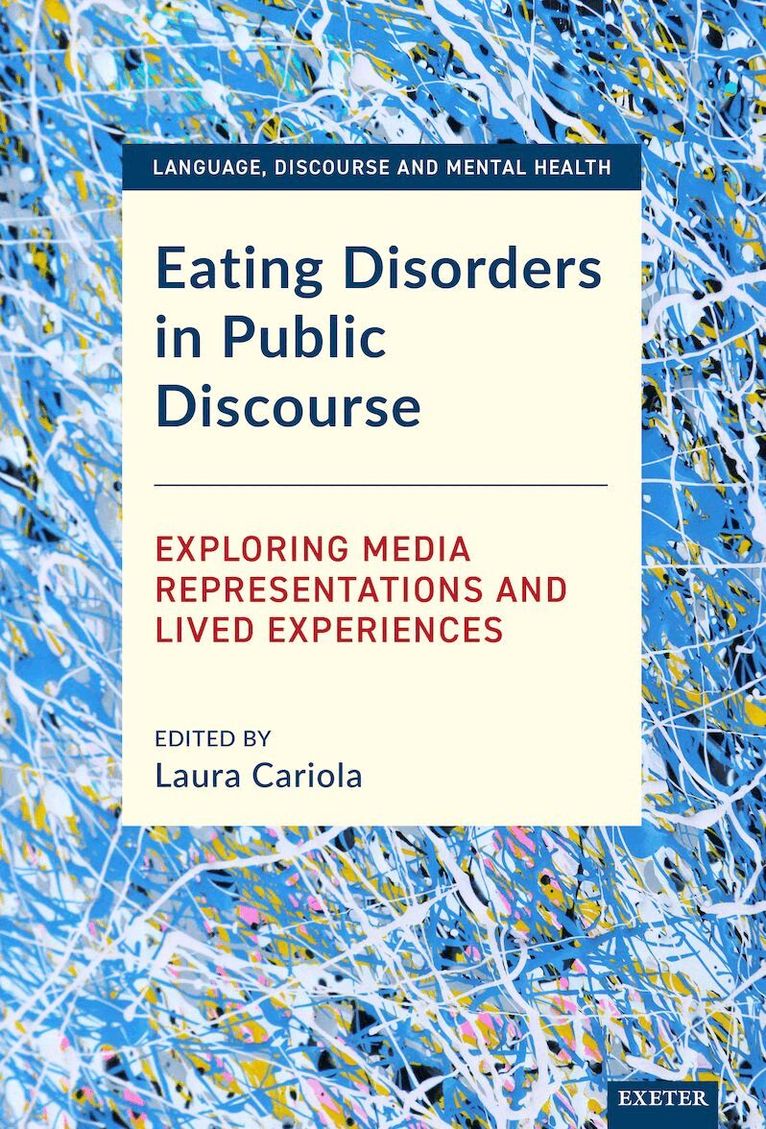
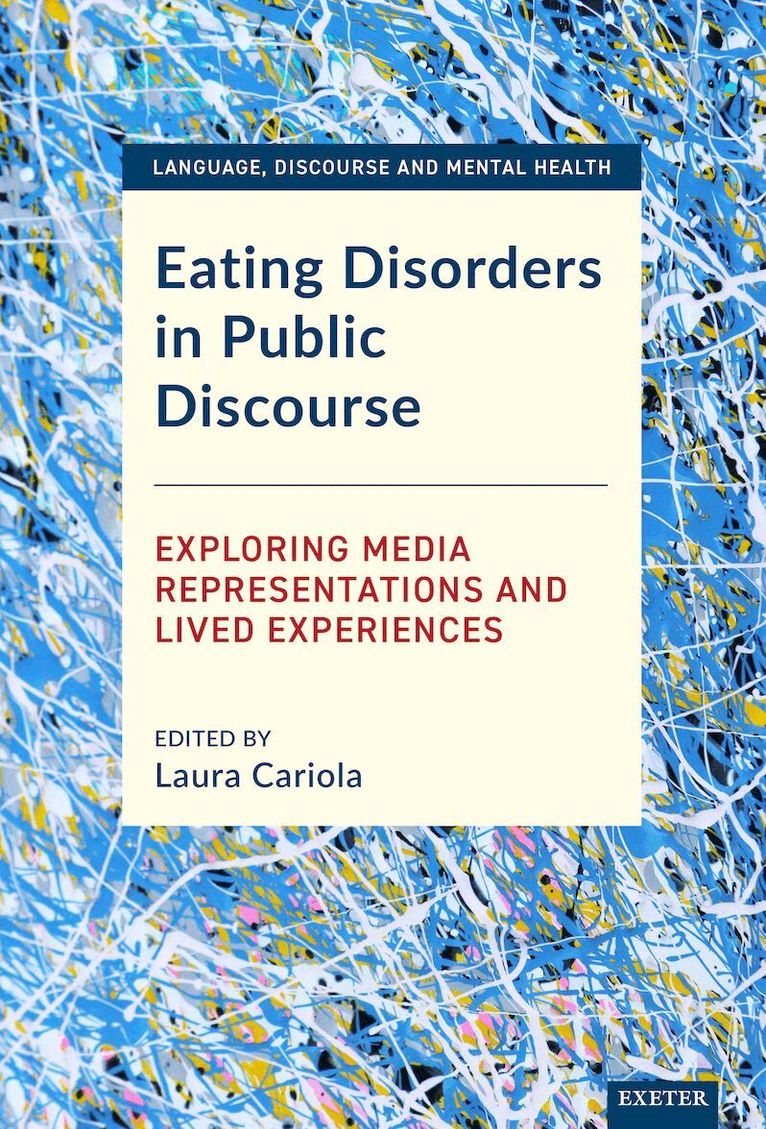
Eating disorders remain little understood by the public, and sensationalist stories in the media have done little to dispel simplistic and reductionist perspectives. This edited volume uses a range of language-centred approaches to provide much needed critical in-depth analysis and interdisciplinary synthesis.The book brings together researchers from a variety of disciplinary backgrounds – including communication and information studies, journalism, linguistics, mental health, nursing, psychology and public health – in a collective endeavour to explore the complex relationship between eating disorders, public discourse and lived experiences. Topics tackled include the use of stigmatising narrative frames, stereotypes and metaphors; identity construction in online spaces; the ways in which individuals affected by eating disorders interpret media representations; and how parents write about their experiences of caring for children with eating disorders. The volume synthesises evidence from a range of data types, including UK and international newspapers, social media, online communities, blogs and forums, apps and in-depth interviews, and reflects a variety of cultural perspectives, including those held in the United States, the UK, Spain and Turkey. It will be of interest to academics, practitioners, students, mental health advocates, and anyone interested in how we make sense of eating disorders.
Inbunden, Engelska, 2024
1 053 kr
Skickas inom 5-8 vardagar
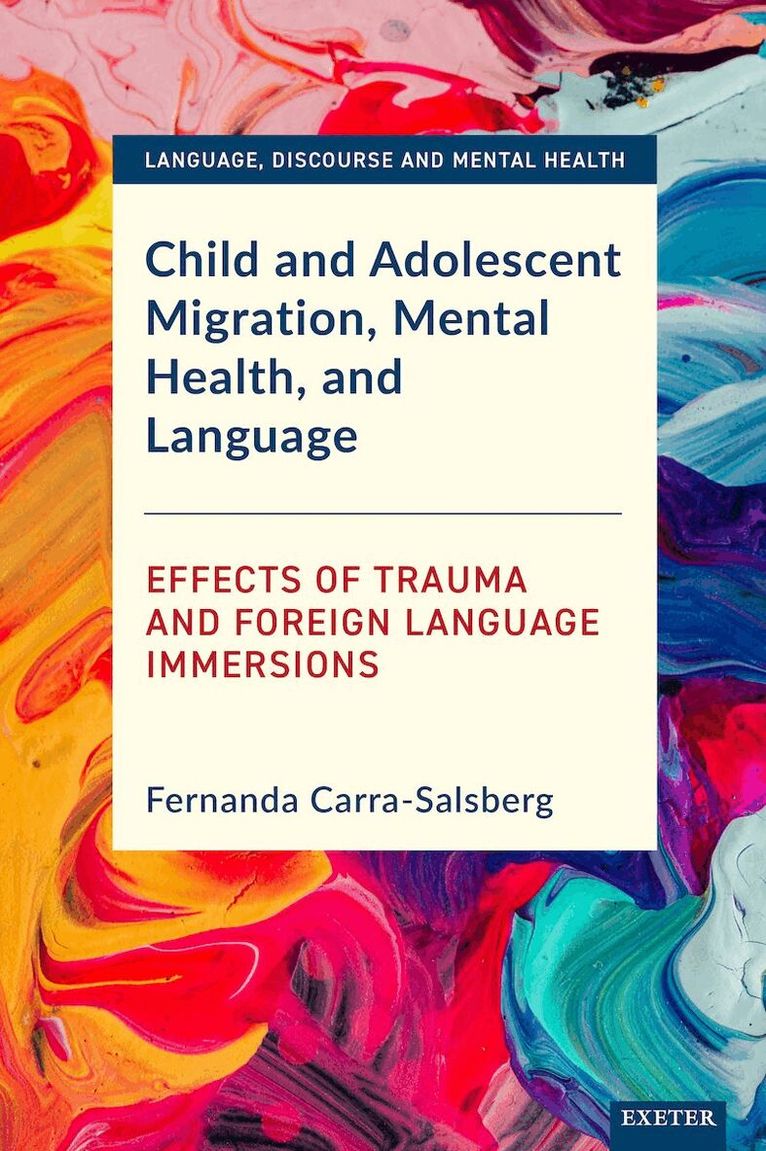
Child and Adolescent Migration, Mental Health, and Language, focuses on migration and the socio-affective significance of language. It examines how this influences children’s and adolescents’ development, subjectivity, identifications, and identity formations. By taking a thorough approach to the intricacy of migrancy, this timely publication examines the many challenges that young economic migrants, environmental migrants, refugees, irregular migrants, and asylum seekers encounter prior to and following their geographic, sociocultural, and linguistic relocations. While not disregarding the benefits that can stem from international relocations, Carra-Salsberg also addresses contemporary concerns influencing young migrants’ socio-affective experiences.As part of the book’s discussion on the subjective significance of language, it takes a semiotic, pedagogic, and psychoanalytic approach to study the effects of foreign-language immersions and significant language learning, and how these can add to pre-existing traumas. The developmental importance of language is considered through theory, the analysis of memoirs, and the author’s depiction and understanding of her own experiences between languages. Written for academics, psychologists, psychiatrists, pedagogues, counsellors, human rights advocates, and policy-makers, this book highlights the intricate connections between language, migration, and mental health. The restorative significance of language is also reflected upon in relation to migrants’ natural need to grieve, testify, and find meaning within their past and present sense of self.
Inbunden, Engelska, 2026
1 489 kr
Skickas inom 5-8 vardagar
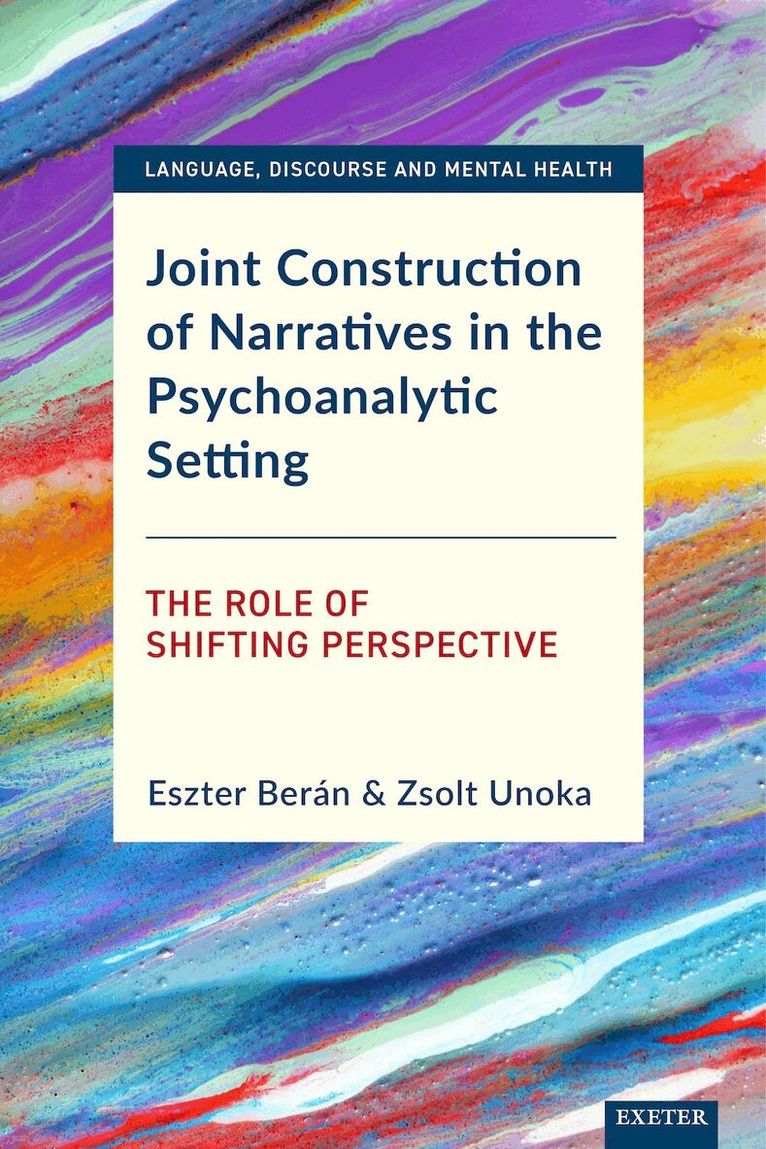
Self-narratives of the client serve as a starting point in verbally oriented psychotherapies. Therapeutic work involves the reconstruction of the clients’ self-narratives, with both client and therapist taking an active role: the therapist helping to elaborate and transform various aspects of the client’s story by asking questions and offering interpretations etc. The therapist’s involvement in constructing the client’s self-narratives results in what is considered a joint construction of narratives. This book shows how such narrative interaction contributes to psychotherapy process by analyzing perspective shifts of speakers during the joint construction of narratives, using a novel discourse-based model of narrative perspective. Gathering empirical data from psychoanalytic psychotherapy over a number of years, the book also examines the analyst’s role in transforming narratives by facilitating the client’s perspective shifts.Joint Construction of Narratives in the Psychoanalytic Setting will be of benefit to scholars of narrative discourse, clinical practitioners, and to students of both narrative and psychotherapy.
Häftad, Engelska, 2025
432 kr
Skickas inom 5-8 vardagar
Eating disorders remain little understood by the public, and sensationalist stories in the media have done little to dispel simplistic and reductionist perspectives. This edited volume uses a range of language-centred approaches to provide much needed critical in-depth analysis and interdisciplinary synthesis.The book brings together researchers from a variety of disciplinary backgrounds – including communication and information studies, journalism, linguistics, mental health, nursing, psychology and public health – in a collective endeavour to explore the complex relationship between eating disorders, public discourse and lived experiences. Topics tackled include the use of stigmatising narrative frames, stereotypes and metaphors; identity construction in online spaces; the ways in which individuals affected by eating disorders interpret media representations; and how parents write about their experiences of caring for children with eating disorders. The volume synthesises evidence from a range of data types, including UK and international newspapers, social media, online communities, blogs and forums, apps and in-depth interviews, and reflects a variety of cultural perspectives, including those held in the United States, the UK, Spain and Turkey. It will be of interest to academics, practitioners, students, mental health advocates, and anyone interested in how we make sense of eating disorders.
Häftad, Engelska, 2025
478 kr
Skickas inom 5-8 vardagar
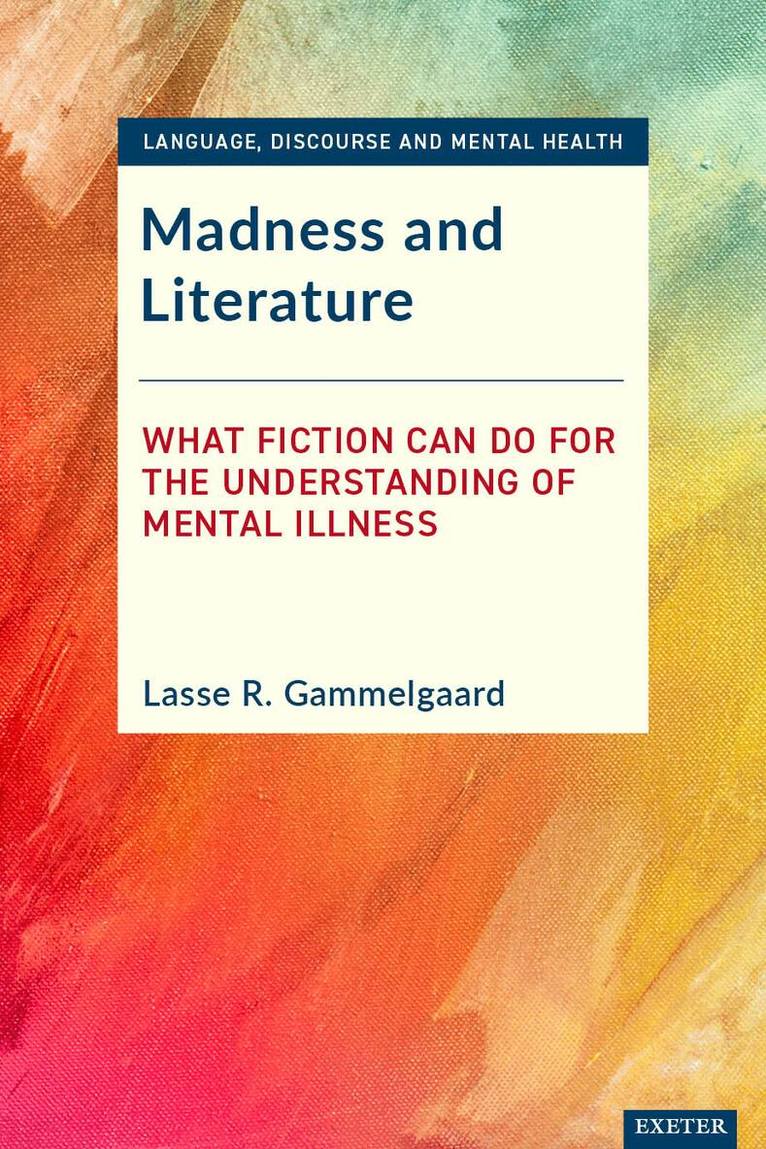
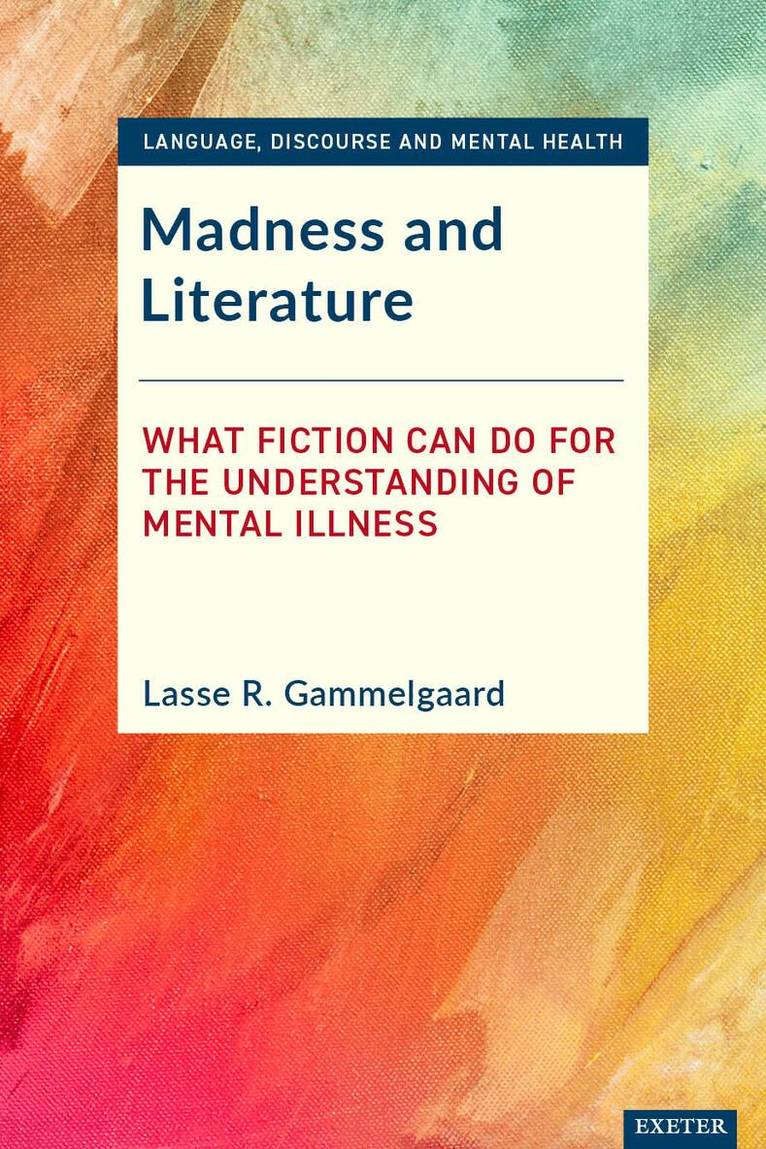
Mental illness has been a favourite topic for authors throughout the history of literature, while psychologists and psychiatrists such as Sigmund Freud and Karl Jaspers have in turn been interested in and influenced by literature. Pioneers within philosophy, psychiatry and literature share the endeavour to explore and explain the human mind and behaviour, including what a society deems as being outside perceived normality.Using a theoretical approach that is eclectic and transdisciplinary, this volume engages with literature’s multifarious ways of probing minds and bodies in a state of mental ill health. The cases and the theory are in dialogue with a clinical approach, addressing issues and diagnoses such as trauma, psychosis, bipolar disorder, eating disorders, self-harm, hoarding disorder, PTSD and Digital Sexual Assault.The chapters in Part I address literary representations of madness with a historical awareness, outlining the socio-political potentials of madness literature. Part II investigates how representations of mental illness in literature can offer unique insights into the subjective experience of alternative states of mind. Part III reflects on how literary cases can be applied to help inform mental health education, how they can be used therapeutically and how they are giving credence to new diagnoses. Throughout the book, the contributors consider how the language and discourses of literature—both stylistically and theoretically—can teach us something new about what it means to be mentally unwell.
Inbunden, Engelska, 2022
1 169 kr
Skickas inom 5-8 vardagar
Mental illness has been a favourite topic for authors throughout the history of literature, while psychologists and psychiatrists such as Sigmund Freud and Karl Jaspers have in turn been interested in and influenced by literature. Pioneers within philosophy, psychiatry and literature share the endeavour to explore and explain the human mind and behaviour, including what a society deems as being outside perceived normality.Using a theoretical approach that is eclectic and transdisciplinary, this volume engages with literature’s multifarious ways of probing minds and bodies in a state of mental ill health. The cases and the theory are in dialogue with a clinical approach, addressing issues and diagnoses such as trauma, psychosis, bipolar disorder, eating disorders, self-harm, hoarding disorder, PTSD and Digital Sexual Assault.The chapters in Part I address literary representations of madness with a historical awareness, outlining the socio-political potentials of madness literature. Part II investigates how representations of mental illness in literature can offer unique insights into the subjective experience of alternative states of mind. Part III reflects on how literary cases can be applied to help inform mental health education, how they can be used therapeutically and how they are giving credence to new diagnoses. Throughout the book, the contributors consider how the language and discourses of literature—both stylistically and theoretically—can teach us something new about what it means to be mentally unwell.
Inbunden, Engelska, 2020
1 047 kr
Skickas inom 5-8 vardagar
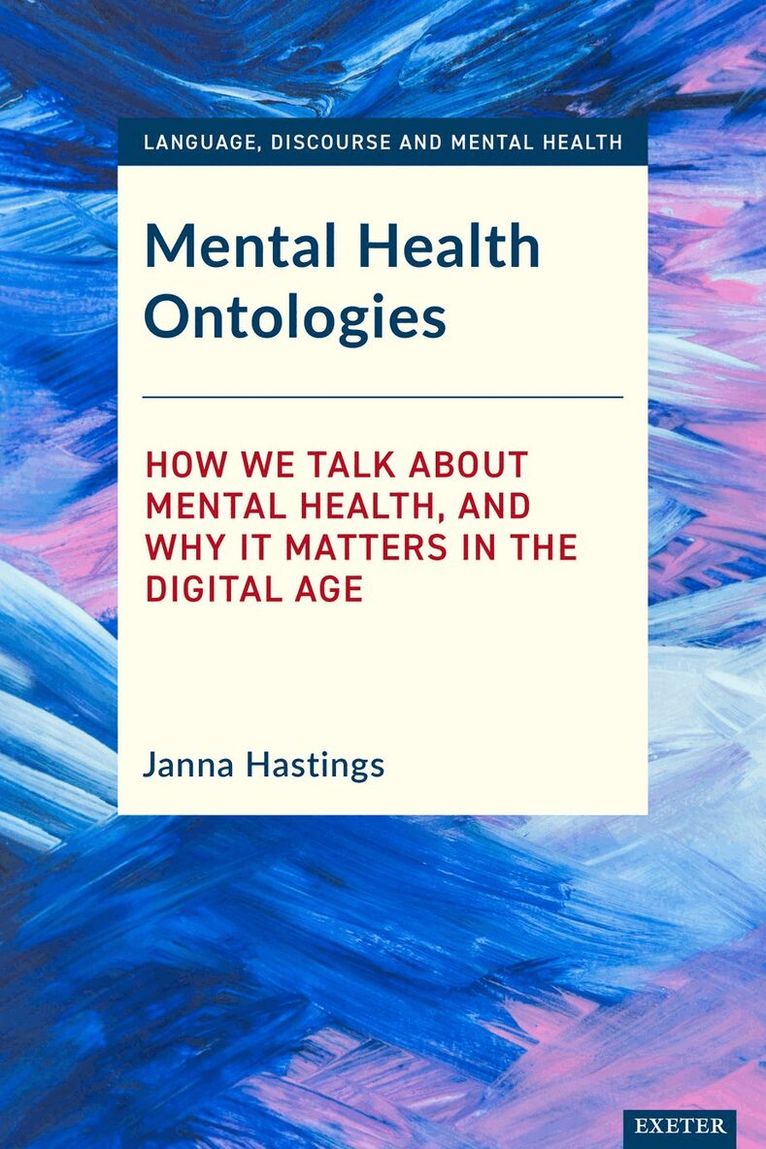
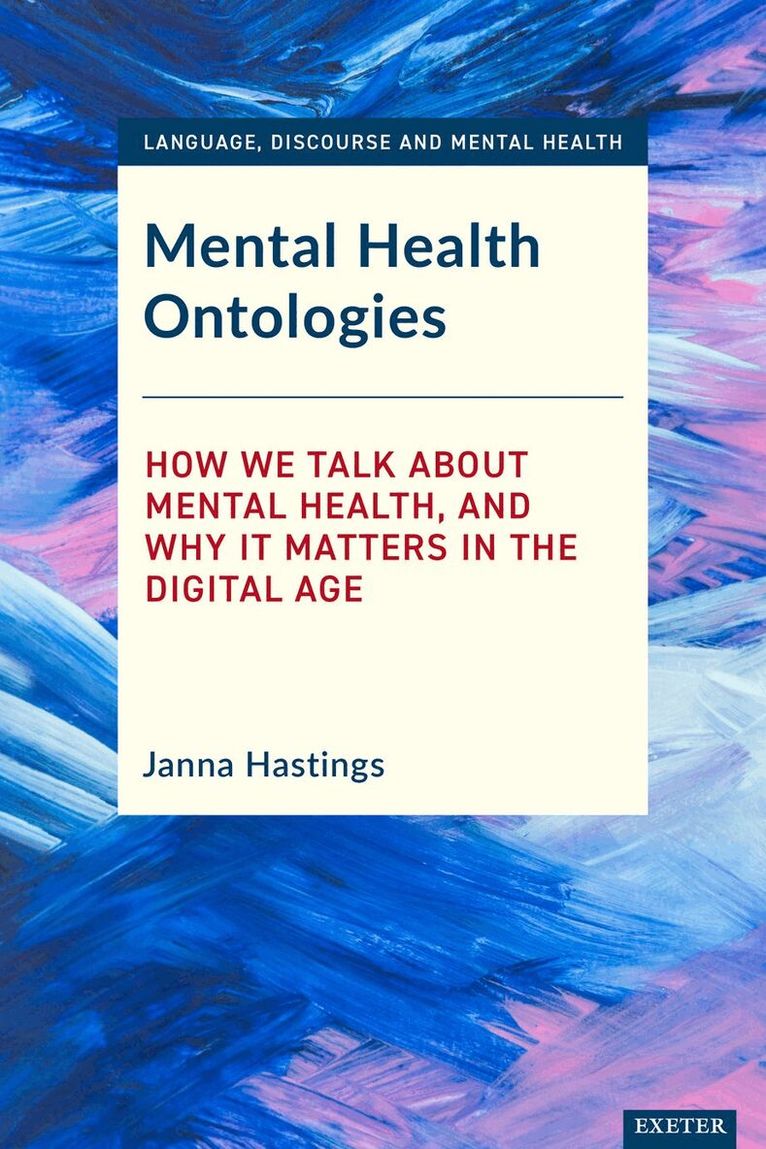
Mental health presents one of the defining public health challenges of our time. Proponents of different conceptions of what mental illness is wage war for the hearts and minds of patients, practitioners, policy-makers, and the public. Debate and fragmentation around the nature of the entities that feature in the mental health domain divide resources and reduce progress. The way mental health is publicly discussed in the media has tangible effects, in terms of stigma, access to healthcare and resources, and private expectations of recovery.This book explores in detail the sorts of statements that are made about mental health in the media and public reporting of scientific research, grounding them in the wider context of the theoretical frameworks, assumptions and metaphors that they draw from. The author shows how a holistic understanding of the way that different aspects of mental illness are interrelated can be developed from evidence-based interpretation of the latest research findings. She offers some ideas about corrective, integrative approaches to discussing mental health-related matters publicly that may reduce the opposition between conceptualisations while still aiming to reduce stigma, shame and blame. In particular, she emphasises that discourse in the media needs to be anchored to an overview of all the research results across the field and argues that this could be achieved using new technological infrastructures.The author provides an integrative account of what mental health is, together with an improved understanding of the factors driving the persistence of oppositional accounts in the public discourse. The book will be of benefit to researchers, practitioners and students in the domain of mental health.
Häftad, Engelska, 2020
551 kr
Skickas inom 5-8 vardagar
Mental health presents one of the defining public health challenges of our time. Proponents of different conceptions of what mental illness is wage war for the hearts and minds of patients, practitioners, policy-makers, and the public. Debate and fragmentation around the nature of the entities that feature in the mental health domain divide resources and reduce progress. The way mental health is publicly discussed in the media has tangible effects, in terms of stigma, access to healthcare and resources, and private expectations of recovery.This book explores in detail the sorts of statements that are made about mental health in the media and public reporting of scientific research, grounding them in the wider context of the theoretical frameworks, assumptions and metaphors that they draw from. The author shows how a holistic understanding of the way that different aspects of mental illness are interrelated can be developed from evidence-based interpretation of the latest research findings. She offers some ideas about corrective, integrative approaches to discussing mental health-related matters publicly that may reduce the opposition between conceptualisations while still aiming to reduce stigma, shame and blame. In particular, she emphasises that discourse in the media needs to be anchored to an overview of all the research results across the field and argues that this could be achieved using new technological infrastructures.The author provides an integrative account of what mental health is, together with an improved understanding of the factors driving the persistence of oppositional accounts in the public discourse. The book will be of benefit to researchers, practitioners and students in the domain of mental health.