Empires and Entanglements in the Early Modern World - Böcker
Visar alla böcker i serien Empires and Entanglements in the Early Modern World. Handla med fri frakt och snabb leverans.
6 produkter
6 produkter
1 314 kr
Skickas inom 10-15 vardagar
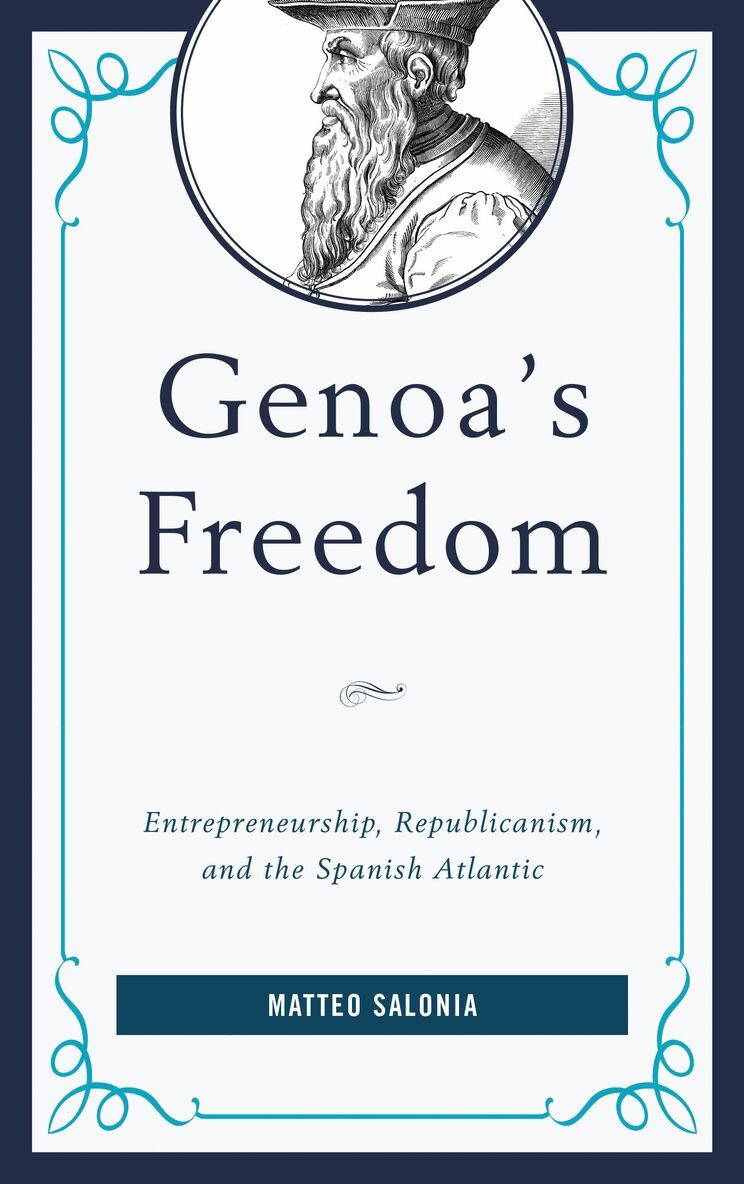
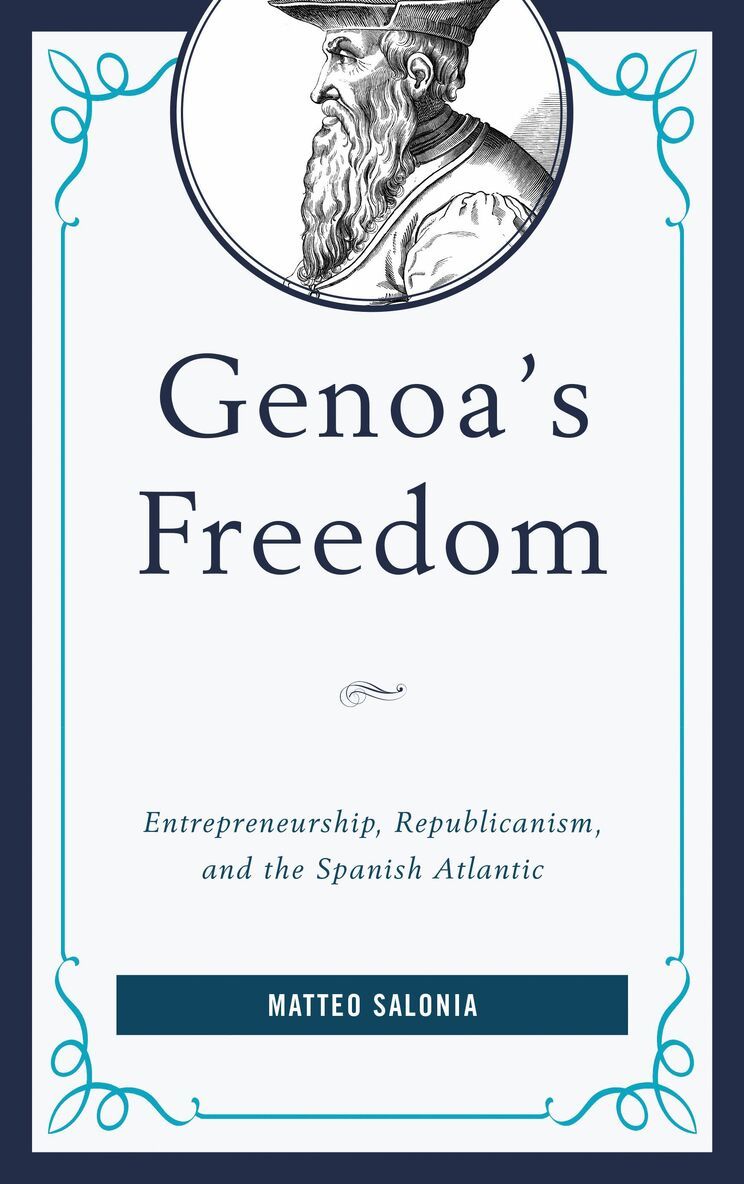
This book investigates the economic, intellectual and political history of late medieval and early modern Genoa and the historical origins of the Genoese presence in the Spanish Atlantic. Salonia describes Genoa’s late medieval economic expansion and commercial networks through several case studies, from the Black Sea to southern England, and briefly compares it to the state-run military expansion of Venice’s empire. The author links the adaptability and entrepreneurial skills of Genoese merchants and businessmen to the constitutional history of the Genoese commune and to the specific idea of freedom progressively protected by its constitutions and embodied by institutions like the Bank of St. George. Moreover, this book offers an unprecedented account of the actions with which Ferdinand the Catholic protected Genoese merchants in his dominions and of the later, mutual understanding between the Genoese community and emperor Charles V during the Italian Wars, and in particular during the 1520s. These developments in Hispanic-Genoese diplomatic and economic relations are of great significance. The sixteenth-century Hispanic-Genoese alliance is important to understand the characteristics of Habsburg governance and the resilience of Genoa’s republican conservatism. Genoa’s republicanism (based on private wealth and private arms) contradicts historiographical narratives that assume the inevitability of the emergence of the modern, militarized and centralized state. It also shows the inadequacy of Tuscan-centric historical accounts of Renaissance republicanism. The last chapter of the book reveals the consequences of the 1528 Hispanic-Genoese alliance by considering case studies that illustrate the Genoese presence in the Spanish Americas, from Chile to Mexico, since the early stages of conquest and settlement.
530 kr
Skickas inom 10-15 vardagar
This book investigates the economic, intellectual and political history of late medieval and early modern Genoa and the historical origins of the Genoese presence in the Spanish Atlantic. Salonia describes Genoa’s late medieval economic expansion and commercial networks through several case studies, from the Black Sea to southern England, and briefly compares it to the state-run military expansion of Venice’s empire. The author links the adaptability and entrepreneurial skills of Genoese merchants and businessmen to the constitutional history of the Genoese commune and to the specific idea of freedom progressively protected by its constitutions and embodied by institutions like the Bank of St. George. Moreover, this book offers an unprecedented account of the actions with which Ferdinand the Catholic protected Genoese merchants in his dominions and of the later, mutual understanding between the Genoese community and emperor Charles V during the Italian Wars, and in particular during the 1520s. These developments in Hispanic-Genoese diplomatic and economic relations are of great significance. The sixteenth-century Hispanic-Genoese alliance is important to understand the characteristics of Habsburg governance and the resilience of Genoa’s republican conservatism. Genoa’s republicanism (based on private wealth and private arms) contradicts historiographical narratives that assume the inevitability of the emergence of the modern, militarized and centralized state. It also shows the inadequacy of Tuscan-centric historical accounts of Renaissance republicanism. The last chapter of the book reveals the consequences of the 1528 Hispanic-Genoese alliance by considering case studies that illustrate the Genoese presence in the Spanish Americas, from Chile to Mexico, since the early stages of conquest and settlement.
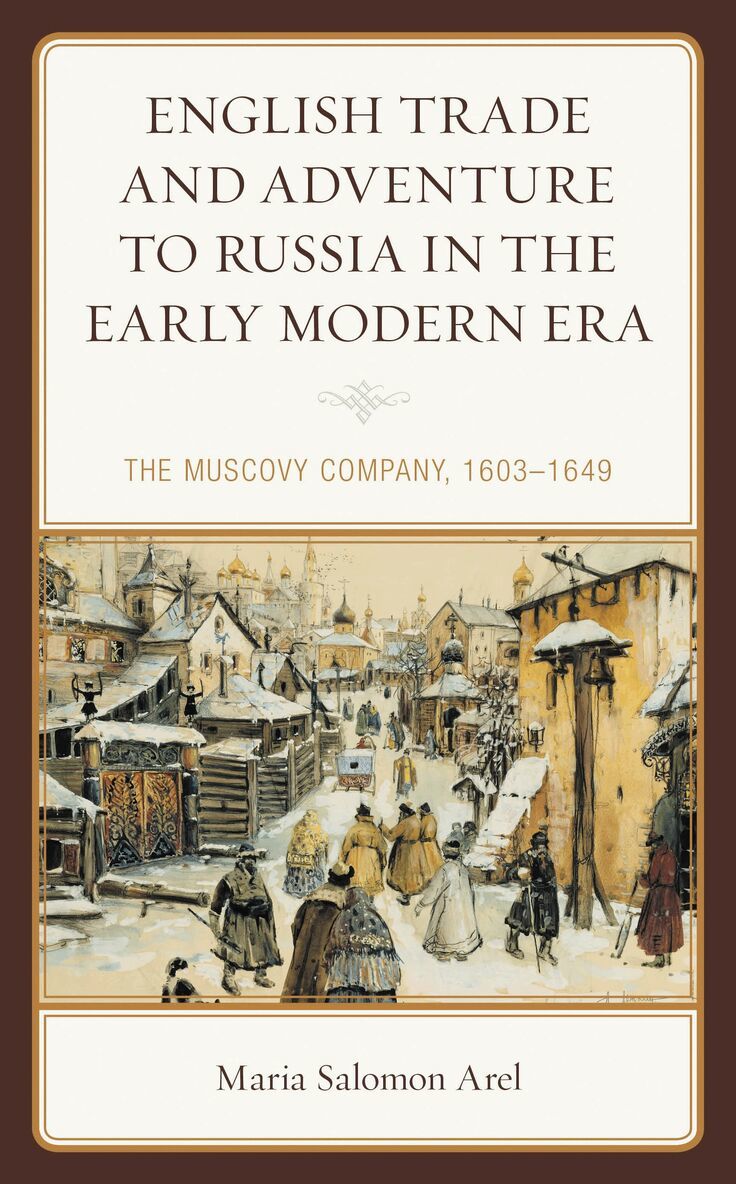
English Trade and Adventure to Russia in the Early Modern Era
The Muscovy Company, 1603–1649
Häftad, Engelska, 2022
502 kr
Skickas inom 10-15 vardagar
In English Trade and Adventure to Russia in the Early Modern Era, Maria Salomon Arel revisits Anglo-Russian trade in first half of the seventeenth century. Drawing on largely neglected Russian and English sources, she reconstructs the history of the Muscovy Company in a period of expanding opportunities for foreigners in Russia and of tightening links between regional markets across the globe. In her strongly revisionist telling, the Company successfully rebuilt in the aftermath of the devastating Time of Troubles, securing its uniquely privileged position in the Russian market at the hands of a newly installed tsar and Romanov dynasty keen to revive the country’s decimated economy through the stimulus of foreign trade. Meanwhile, on the London end of a trade clearly deemed relevant to commercial and shipping interests increasingly dependent on Russian naval stores and invested in the Russian re-export trades to and from the Mediterranean and Asia, the Company restructured its organization and finances with crucial royal support in furtherance of the ‘public good’ and early Stuart dynastic honor. As Arel documents, by the 1630s-40s, English trade to Russia was flourishing, as seen in the growing number of Muscovy Company men active all along the Moscow-Archangel route, their substantial commercial infrastructure, extensive supply networks among a broad swath of Russian merchants and traders, and prominent role in the exploitation of monopoly trades established to fill the tsar’s coffers with specie. The picture drawn by Arel overturns a traditional narrative on the Russia trade that has relegated the English to the shadows, demonstrating the tenacity and continued development of their enterprise at the intersection of English commercial expansion, Russian economic growth, and advancing globalization processes. Taking the narrative even further, the book opens up new perspectives and research directions by pointing to an incipient link between the Russian and transatlantic markets, while shifting the lens on the Anglo-Dutch relationship in the Russia trade away from the time-worn dichotomy of cutthroat competition to a more nuanced understanding of mutual cooperation and business association between merchants on the ground, even in the face of commercial and territorial competition between nations.
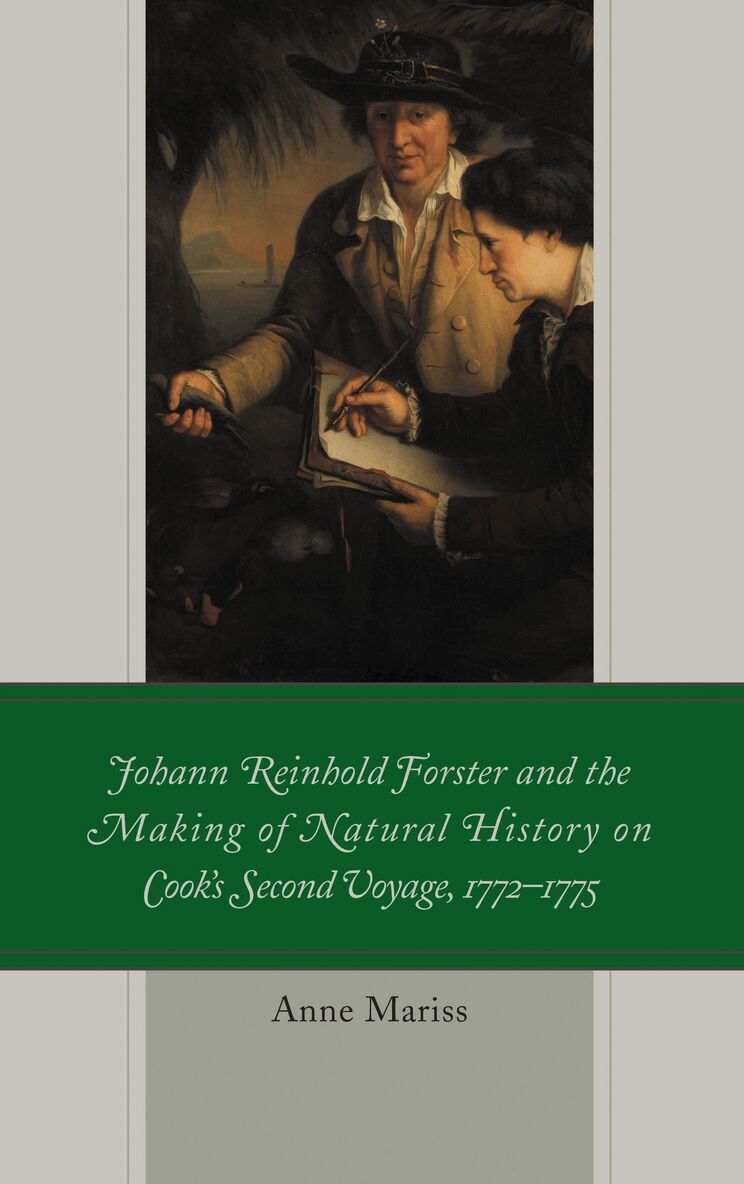
Johann Reinhold Forster and the Making of Natural History on Cook's Second Voyage, 1772–1775
Inbunden, Engelska, 2019
1 245 kr
Skickas inom 10-15 vardagar
James Cook’s voyages of exploration are a turning point not only in the history of the British Empire, but also in the history of science and exploration of the Pacific. The last decades have seen a wide-ranging scholarly interest in Cook’s voyages, focusing on their impact on European and Polynesian societies, their scientific results, and their protagonists, such as Cook himself or the nobleman Joseph Banks who took part in Cook’s first voyage of exploration. This book examines the hitherto underestimated role of the German scholar Johann Reinhold Forster who, together with his son Georg Forster, accompanied Cook on his second voyage of exploration (1772–1775) as a principal naturalist. For a long time, the German traveler has remained a rather shadowy figure of Cook’s voyages of exploration and has only attracted scholarly attention occasionally. Focusing on the making of knowledge onboard the ship and the islands where it made landfall, the study provides a historical reappraisal of Forster’s scientific performance as a leading naturalist of his time. By examining Forster’s Resolution Journal, Anne Mariss takes a microhistorical approach toward the making of natural history knowledge during the expedition to the Pacific. Mariss unveils the difficulties the traveling naturalists encountered while collecting, describing, classifying, and painting the natural world. Her study brings to light the contribution of the various actors who were involved in this undertaking, such as the scientific assistants, sailors, officers, and the local actors of the Pacific world.
Object of Seduction
Chinese Silk in the Early Modern Transpacific Trade, 1500–1700
Inbunden, Engelska, 2022
1 177 kr
Skickas inom 10-15 vardagar
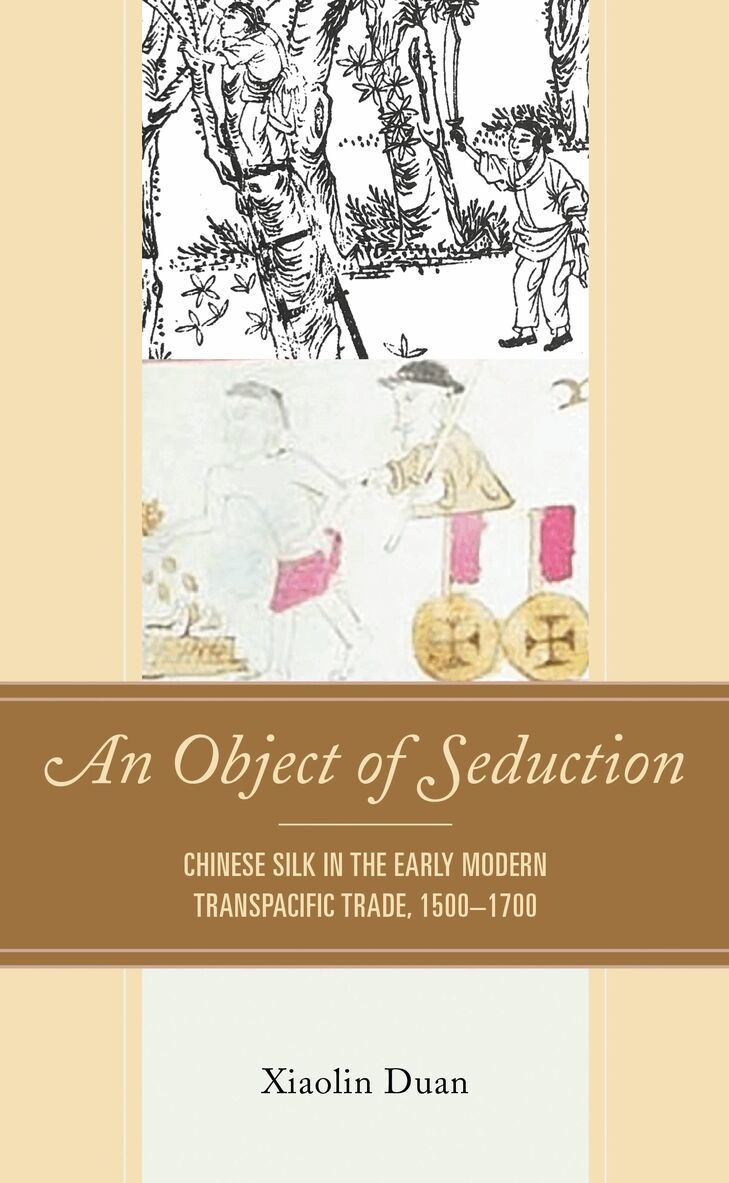
The first book-length English-language study focusing on the early modern export of Chinese silk to New Spain from the sixteenth to the seventeenth century, An Object of Seduction compares and contrasts the two regions from perspectives of the sericulture development, the widespread circulation of silk fashion, and the government attempts at regulating the use of silk. Xiaolin Duan argues that the increasing demand for silk on the worldwide market on the one hand contributed to the parallel development of silk fashion and sericulture in China and New Spain, and on the other hand created conflicts on imperial regulations about foreign trade and hierarchical systems. Incorporating evidence from local gazetteers, correspondence, manual books, illustrated treatises, and miscellanies, this book explores how the growing desire for and production of raw silk and silk textiles empowered individuals and societies to claim and redefine their positions in changing time and space, thus breaking away from the traditional state control.
Object of Seduction
Chinese Silk in the Early Modern Transpacific Trade, 1500–1700
Häftad, Engelska, 2023
447 kr
Skickas inom 10-15 vardagar
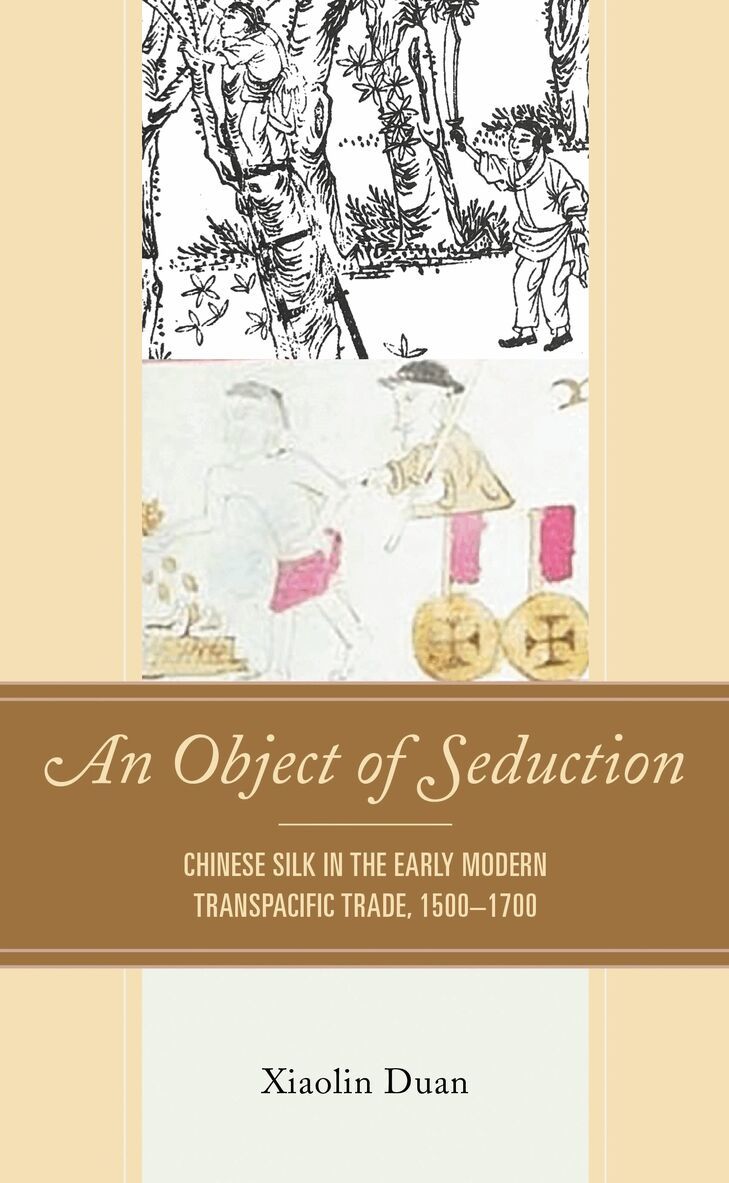
The first book-length English-language study focusing on the early modern export of Chinese silk to New Spain from the sixteenth to the seventeenth century, An Object of Seduction compares and contrasts the two regions from perspectives of the sericulture development, the widespread circulation of silk fashion, and the government attempts at regulating the use of silk. Xiaolin Duan argues that the increasing demand for silk on the worldwide market on the one hand contributed to the parallel development of silk fashion and sericulture in China and New Spain, and on the other hand created conflicts on imperial regulations about foreign trade and hierarchical systems. Incorporating evidence from local gazetteers, correspondence, manual books, illustrated treatises, and miscellanies, this book explores how the growing desire for and production of raw silk and silk textiles empowered individuals and societies to claim and redefine their positions in changing time and space, thus breaking away from the traditional state control.