Environmental Toxin Series - Böcker
Visar alla böcker i serien Environmental Toxin Series. Handla med fri frakt och snabb leverans.
3 produkter
3 produkter
1 062 kr
Skickas inom 10-15 vardagar
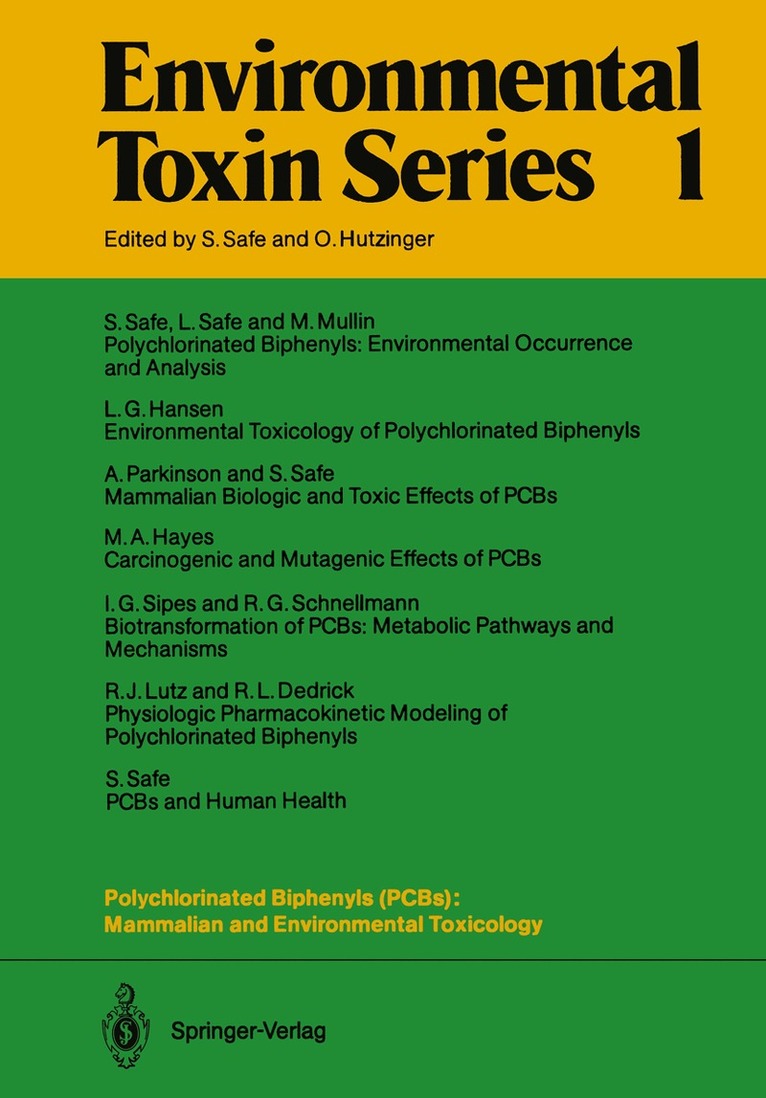
Polychlorinated biphenyls (PCBs) have been produced commercially since be fore 1930. They proved to be highly versatile mixtures and their uses continued to expand during the early 1970's even after the unanticipated world-wide en vironmental contamination had been discovered (Jensen et aI. , 1969; Koeman et aI. , 1969). Over 600,000 metric-tons were produced and/or used in the U. S. during this time and it is estimated that worldwide production totaled about 1,200,000 metric-tons (Table 1). With low acute toxicities (Fishbein, 1974), these mixtures were considered gen erally biologically inactive even though industrial exposure had demonstrated he patic and dermatological effects (Fishbein, 1974; Hansen, 1987). Thus, use and disposal were not carefully monitored and it is estimated that one-third of the world-wide production of PCBs has been released into the global environment (Table 1). Table 1. Estimated production and disposition of PCBs b U. s. a Worldwide 6 6 Production/use 610 X 10 kg 1200 X 10 kg Mobil environmental reservoir 82 400 Static reservoirs In service 340 Dumps 130 Total static 470 800 a NAS, 1979 b Tatsukawa and Tanaba, 1984 2 Environmental Distribution Many countries now impose strict controls on the use and release of PCBs. Re lease into the environment has declined dramatically in the last decade, but con tinued release from reservoirs (Table 1) into burdened ecosystems (Table 2) ap pears inevitable for several more decades (Barros et aI. , 1984).
1 062 kr
Skickas inom 10-15 vardagar
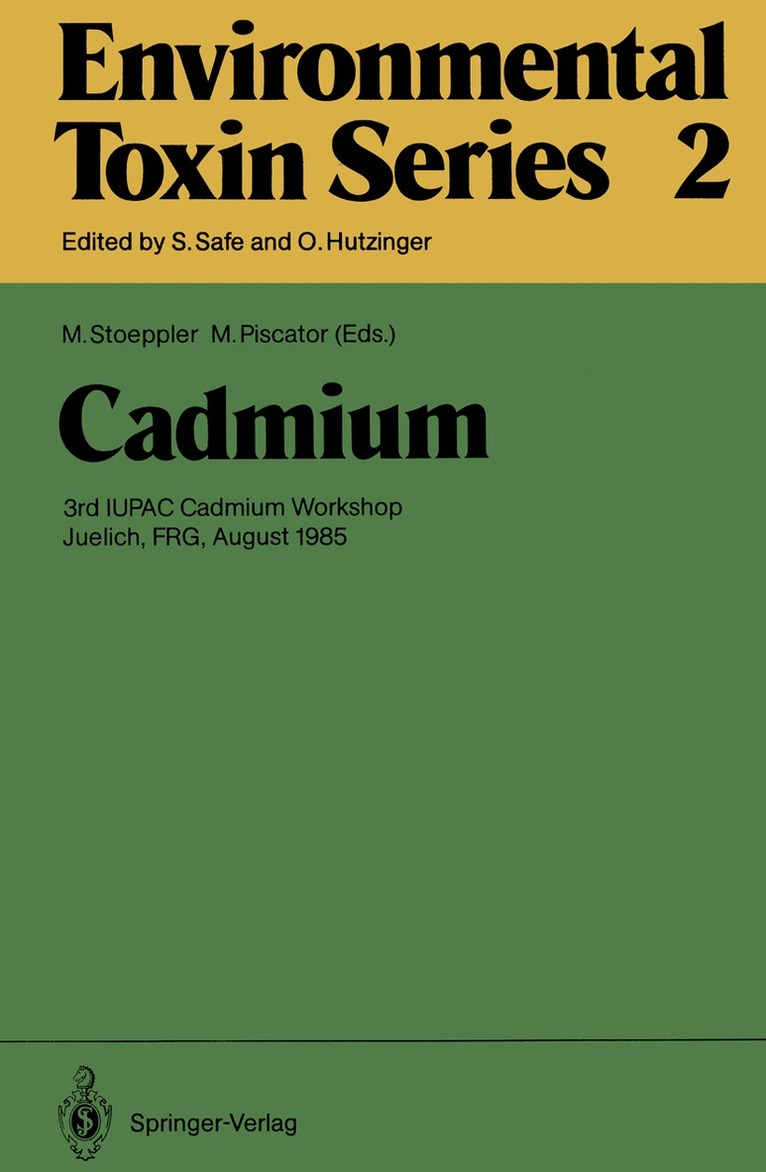
On May 25,1978, the Commission on Toxicology ofthe Division of Clinical Chemistry of the International Union of Pure and Applied Chemistry (IUPAC) established its Subcommittee on Environmental and Occupational Toxicology of Cadmium following aseries of Commission meetings in Kristiansand, Norway. I was appointed chairman ofthe new Subcommittee by the Commission on Toxicology (chairman at that time F. w. Sun derman Jr. ) in which I served from 1977 as an Associate Member and from 1979 as a Titular Member. From the beginning the Cadmium Subcommittee aimed not only at bringing together cadmium experts from around the world for scientific discussions but also at assessing, improving and the harmonization of analysis of cadmium. Due to the membership of many laboratories of the world engaged in scientific and analytical work on cadmium, and following some preliminary studies in a few laboratories from Sweden, The Netherlands and the Federal Republic of Germany, the Cadmium Subcommittee conducted from 1979 to 1985 four international interlaboratory surveys on cadmium analysis in body fluids. Two studies have been performed for cadmium in human and lyophilized bovine blood (1979 to 1980 and 1981) and another two for cadmium in artificial and human urines (1983 and 1985). At present in collaboration with the Selenium Subcommittee and the Subcommittee on Harmonization of Methods, a 5th survey for cadmium, lead and mercury in lyophilized human blood and serum reference materials is con ducted.
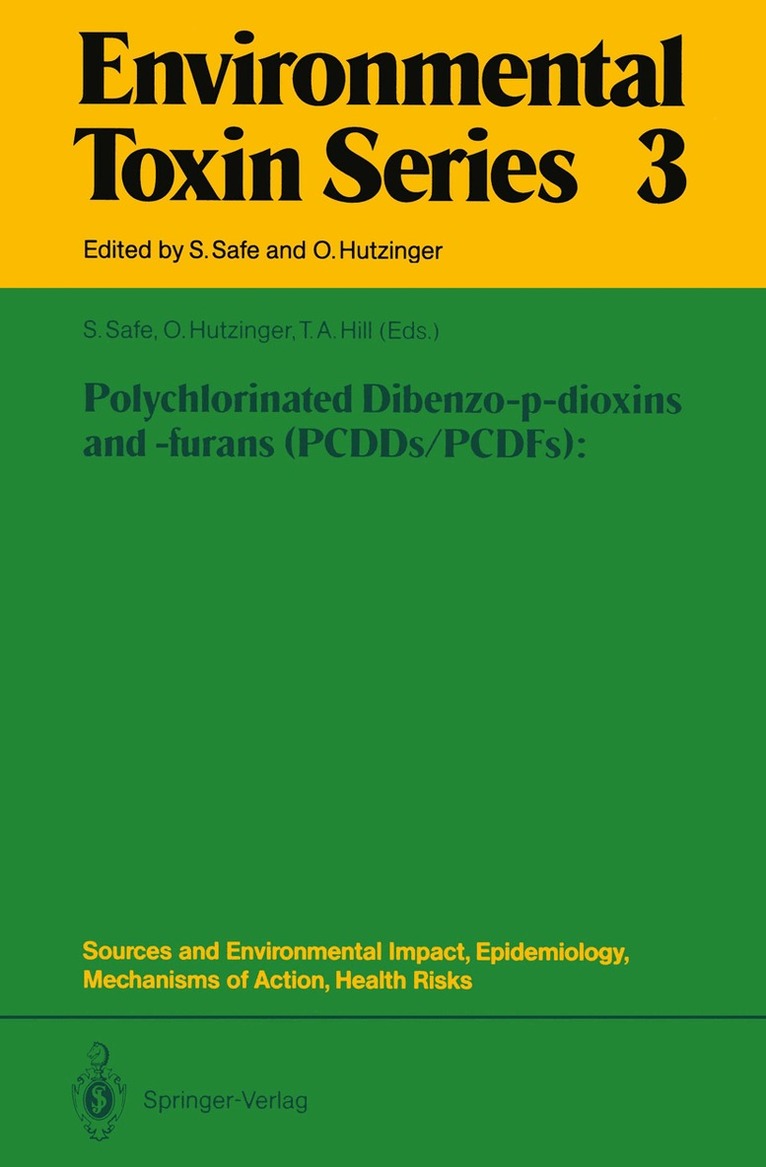
Polychlorinated Dibenzo-p-dioxins and -furans (PCDDs/PCDFs): Sources and Environmental Impact, Epidemiology, Mechanisms of Action, Health Risks
Häftad, Engelska, 2011
534 kr
Skickas inom 10-15 vardagar
Polychlorinated Dibenzodioxins and -furans (PCDDs and PCDFs) are potent environmental toxins. Environmental exposures to these compounds in part-per-billion (ppb) and part-per-trillion (ppt) concentrations are of particular interest. These exposures may arise from bleached paper products, paper production process sludge, effluent waste water from paper plants, consumption of food and water from contaminated sources and contact to paper products.