Ethnobotany of India – Serie
Visar alla böcker i serien Ethnobotany of India. Handla med fri frakt och snabb leverans.
10 produkter
10 produkter
1 705 kr
Skickas inom 10-15 vardagar
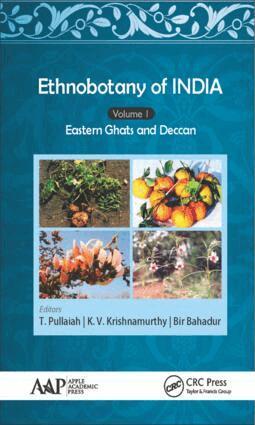
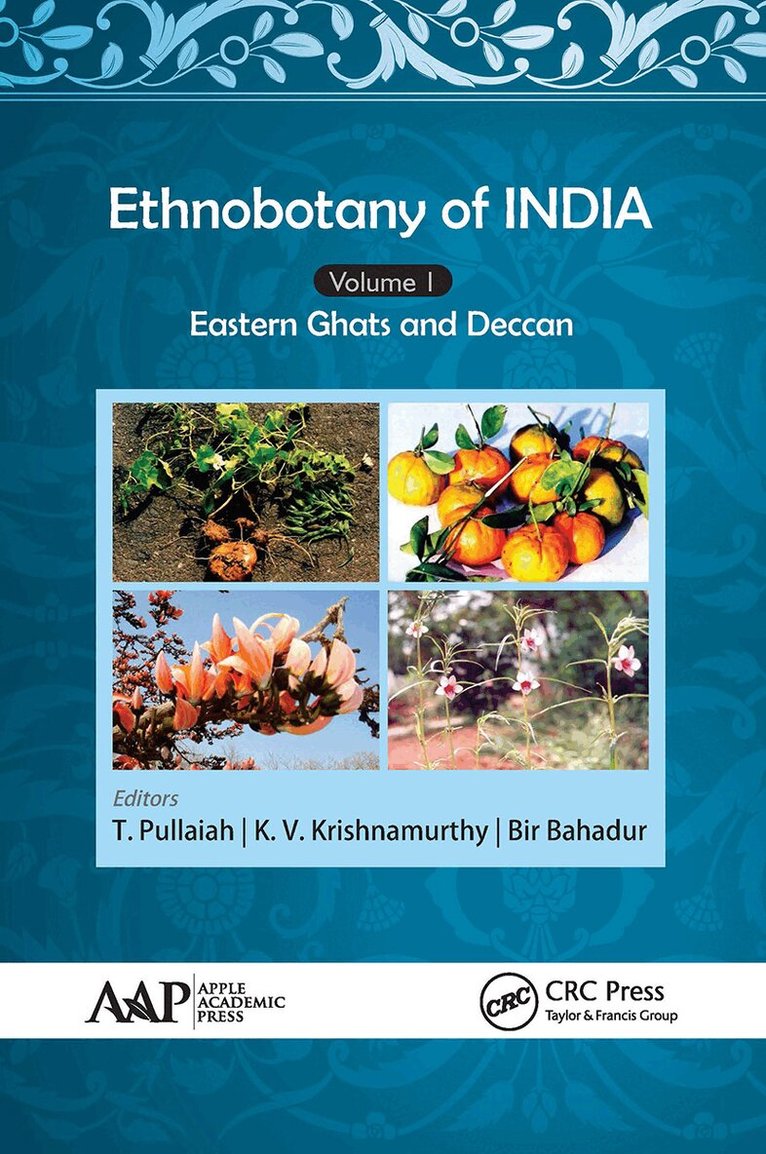
Ethnobotany of India: Volume 1: Eastern Ghats and Adjacent Deccan, the first of a five-volume set, provides an informative overview of human-plant interrelationships in this southern area of India. The volume looks at the ethnic diversity, ethnobotany, ethnomedicine, ethnoveterinary medicine, and ethnic food of the region. With chapters written by experts in the field, the book provides comprehensive information on the tribals (the indigenous populations of the region) and knowledge on plants that grow around them.
Ethnobotany of India, Volume 2
Western Ghats and West Coast of Peninsular India
Inbunden, Engelska, 2016
1 427 kr
Skickas inom 7-10 vardagar
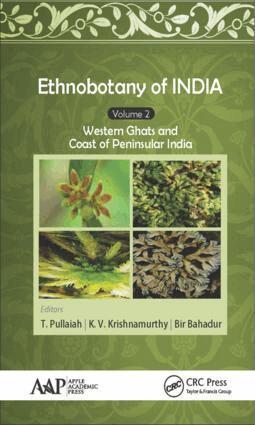
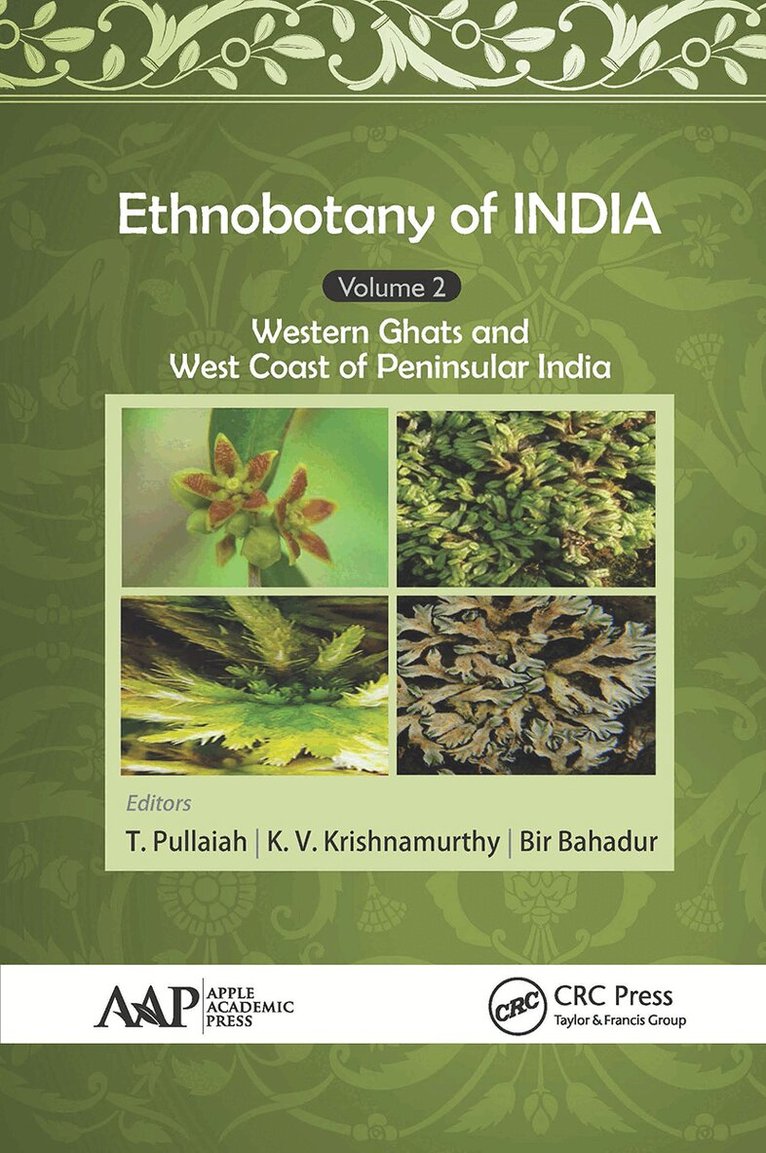
This is the second of a five-volume set. This series of volumes on the ethnobotany of different regions of India melds important knowledge in one place. India is one of the most important regions of the old world and has culturally rich and diverse knowledge systems. The expert authors have been selected to summarize information on the various aspects of ethnobotany of India, such as ethnoecology, traditional agriculture, cognitive ethnobotany, material sources, traditional pharmacognosy, ethnoconservation strategies, bioprospection of ethnodirected knowledge, and protection of ethnobotanical knowledge.
Ethnobotany of India, Volume 3
North-East India and the Andaman and Nicobar Islands
Inbunden, Engelska, 2017
1 616 kr
Skickas inom 10-15 vardagar
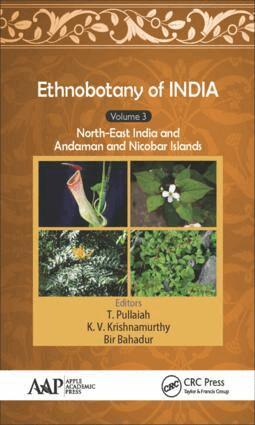
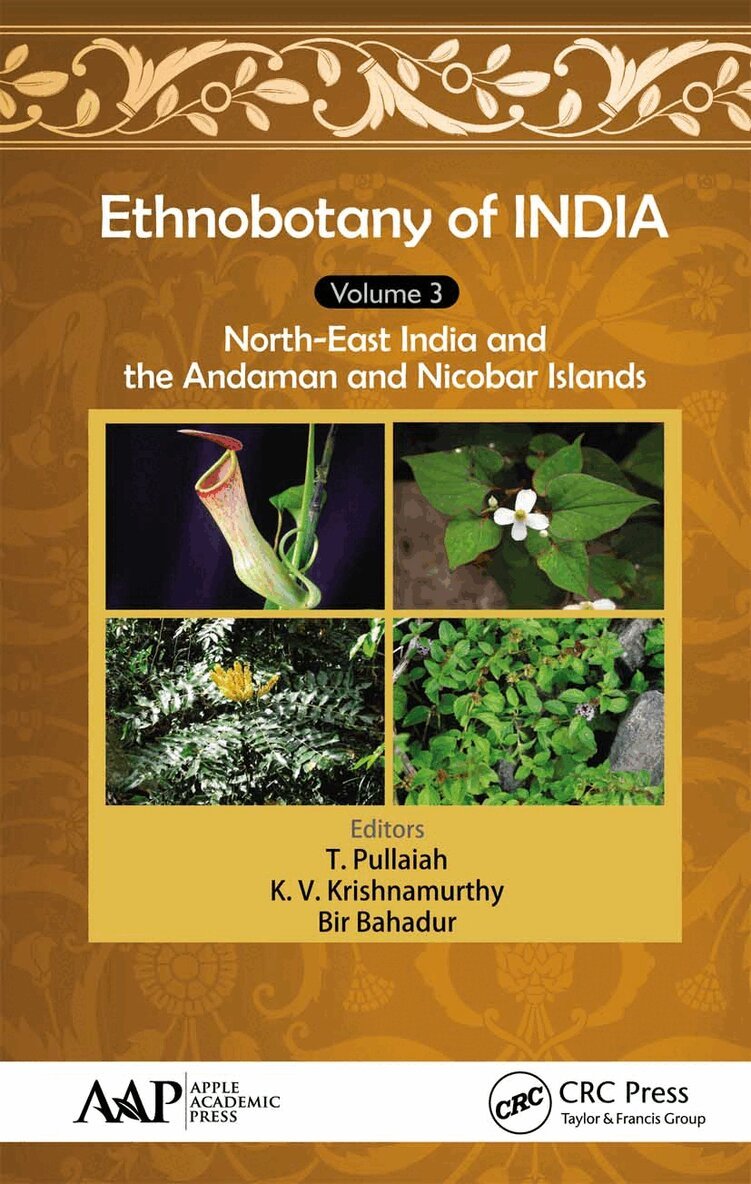
Ethnobotany of India: Volume 3: North-East India and Andaman and Nicobar Islands is the third of a five-volume set of Ethnobotany of India. Bringing together in one place the important information on the ethnobotany of the North-East India and Andaman and Nicobar Island region of India, this informative volume presents the details of the tribes of the region, their numbers, their habitat, their culture, and particularly their usage of plants for various purposes.
1 525 kr
Tillfälligt slut
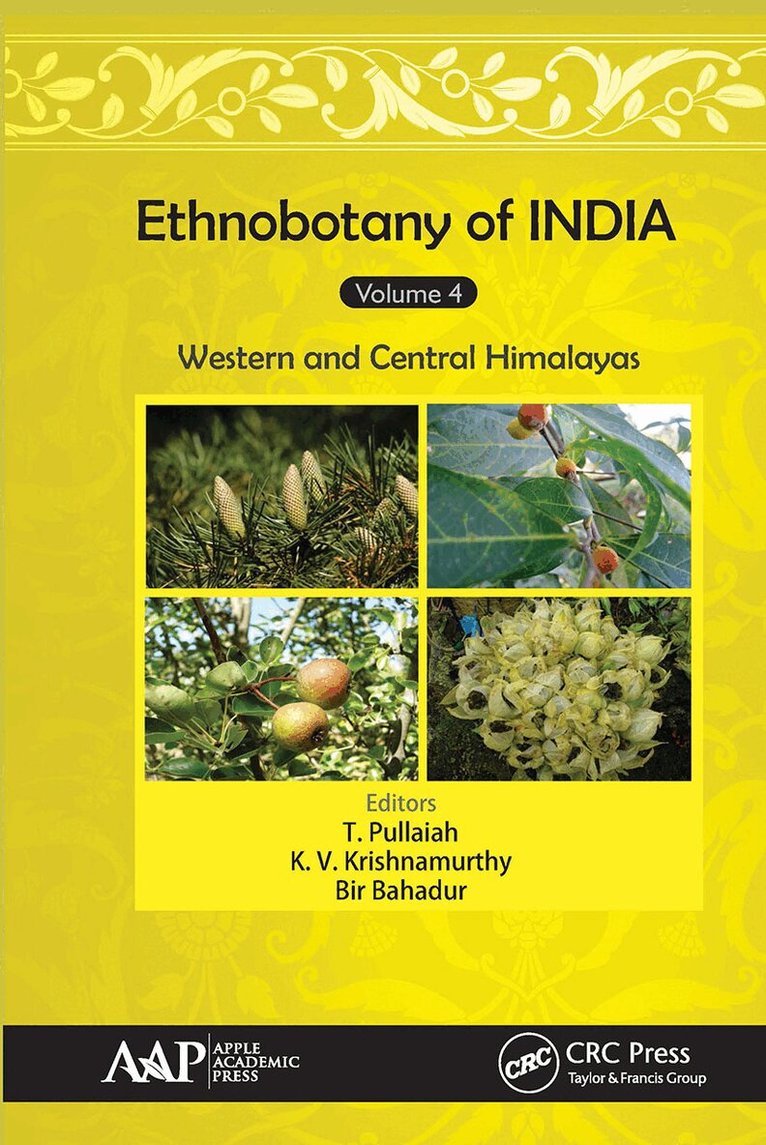
Ethnobotany of India: Volume 4: Western and Central Himalayas is the 4th volume of the 5-volume set, an informative book series on the ethnobotanical aspects of India. The books cover different regions, including Volume 1: Eastern Ghats and Deccan Volume 2: Western Ghats and West Coast of Peninsular IndiaVolume 3: North-East India and Andaman and Nicobar IslandsVolume 4: Western and Central HimalayasVolume 5: The Indo-Gangetic RegionEach volume looks at the important ethnic plants of the specific region. Volume 4 covers the Western and Central Himalayas, the well-known mountain range on the Indian subcontinent. The unique flora and fauna of the Himalayas are varied, affected by climate, rainfall, altitude, and soils, and are vulnerable to impacts from climate change. The editors espouse that because indigenous non-Western societies form the vast majority of people now as well as in the past, a study of their plant interrelationships is necessary, and India is one of the most important regions of the old world for its ancient and culturally rich and diverse knowledge of ethnobotany. With this in mind, these volumes share a great deal of information that will be valuable to plant botanists and others working in and interested in ethnobotany. This important volume covers the ethnobotanical aspects of many plants of the region. It looks at ethnic diversity of people ethnic food plants and food preparationethnomedical aspects of plantspsychedelic plants and their possible link to soma, a vedic ritual drink whose plant origins are a mysteryethnoveterinary medicinal plantsethno-conservation practicesbiodiversity heritage sitesThe volume includes the details of the plants used, their scientific names, the parts used, and how the plants are used, providing the what, how, and why of plant usage. The book is well illustrated with 20 color and 67 b/w illustrations.Together, the five volumes in the Ethnobotany of India series presents the available ethnobotanical knowledge of India in one place. India’s ancient and culturally rich and diverse information and use of ethnobotany will be valuable to those in the fields of botany and plant sciences, pharmacognosy and pharmacology, nutraceuticals, and others. The books also consider the threat to plant biodiversity imposed by environmental degradation, which impacts cultural diversity.
1 832 kr
Skickas inom 7-10 vardagar
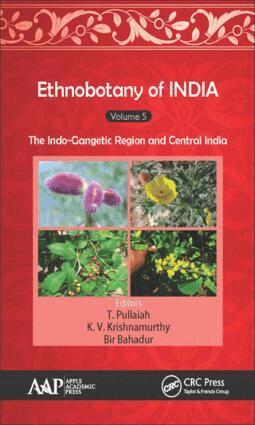
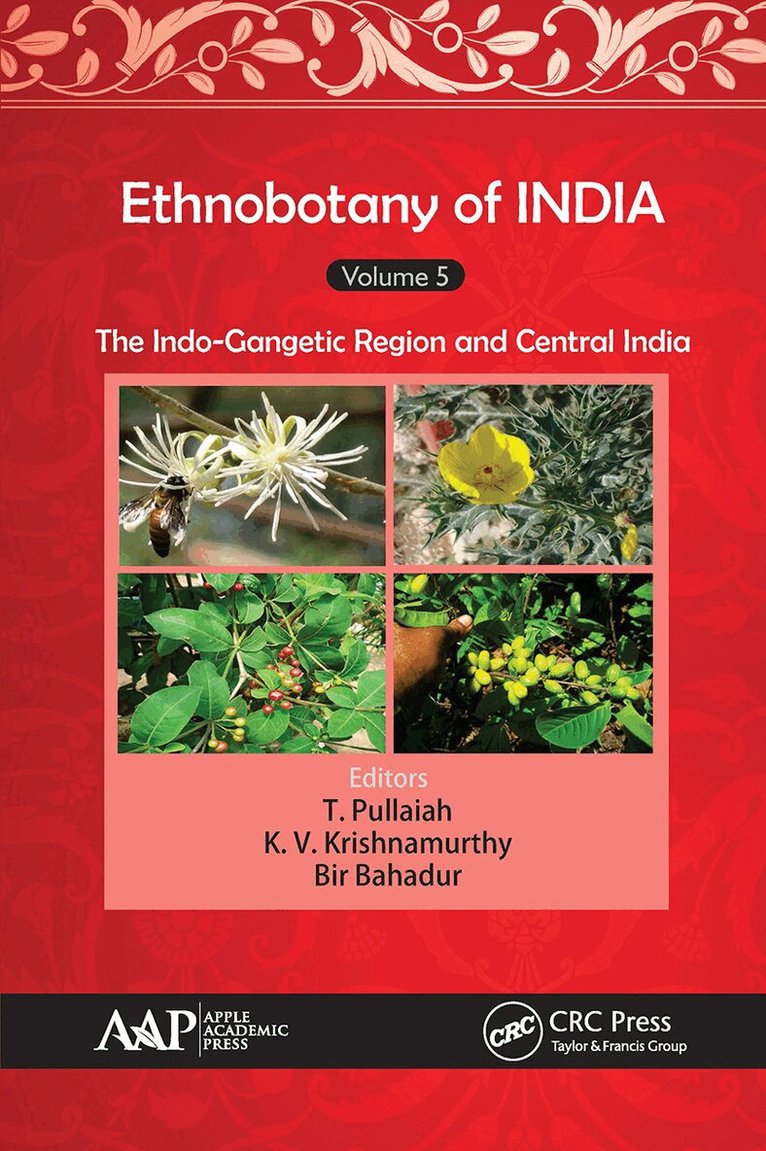
Ethnobotany of India, Volume 5: The Indo-Gangetic Region and Central India is the fifth of a five-volume set on the ethnobotany of India. Bringing together in one place information on the ethnobotany of the Indo-Gangetic Region and Central India, this volume presents the valuable details of the ethnobotanical aspects of many plants of the region. Competent authors have been selected to summarize information on the various aspects of ethnobotany of India, such as ethnoecology, traditional agriculture, cognitive ethnobotany, material sources, traditional pharmacognosy, ethnoconservation strategies, bioprospection of ethno-directed knowledge, and documentation and protection of ethnobotanical knowledge.With chapters written by experts in the field, the book provides comprehensive information on the tribals (the indigenous populations of the region) and knowledge on plants that grow around them. The volume looks at ethnic diversity of people of the region ethnic food plants and food preparationethnomedical aspects of plants of the region, including hepatoprotective properties, uses to alleviate skin diseases, contraceptive uses, the trade in Indian medicinal plantsmulitidisciplinary approaches for herbal medicine explorationThe volume includes the details of the plants studies, their medicinal uses, their scientific names, the specific parts used, and how the plants are used, providing the what, how, and why of plant usage. The book is well illustrated with 23 color and 6 b/w illustrations.Together, the five volumes in the Ethnobotany of India series presents the available ethnobotanical knowledge of India in one place. India’s ancient and culturally rich and diverse information and use of ethnobotany will be valuable to those in the fields of botany and plant sciences, pharmacognosy and pharmacology, nutraceuticals, and others. The books also consider the threat to plant biodiversity imposed by environmental degradation, which impacts cultural diversity.
1 135 kr
Skickas inom 10-15 vardagar
Ethnobotany of India: Volume 1: Eastern Ghats and Adjacent Deccan, the first of a five-volume set, provides an informative overview of human-plant interrelationships in this southern area of India. The volume looks at the ethnic diversity, ethnobotany, ethnomedicine, ethnoveterinary medicine, and ethnic food of the region. With chapters written by experts in the field, the book provides comprehensive information on the tribals (the indigenous populations of the region) and knowledge on plants that grow around them.
Ethnobotany of India, Volume 2
Western Ghats and West Coast of Peninsular India
Häftad, Engelska, 2021
1 135 kr
Skickas inom 10-15 vardagar
This is the second of a five-volume set. This series of volumes on the ethnobotany of different regions of India melds important knowledge in one place. India is one of the most important regions of the old world and has culturally rich and diverse knowledge systems. The expert authors have been selected to summarize information on the various aspects of ethnobotany of India, such as ethnoecology, traditional agriculture, cognitive ethnobotany, material sources, traditional pharmacognosy, ethnoconservation strategies, bioprospection of ethnodirected knowledge, and protection of ethnobotanical knowledge.
Ethnobotany of India, Volume 3
North-East India and the Andaman and Nicobar Islands
Häftad, Engelska, 2021
1 135 kr
Skickas inom 10-15 vardagar
Ethnobotany of India: Volume 3: North-East India and Andaman and Nicobar Islands is the third of a five-volume set of Ethnobotany of India. Bringing together in one place the important information on the ethnobotany of the North-East India and Andaman and Nicobar Island region of India, this informative volume presents the details of the tribes of the region, their numbers, their habitat, their culture, and particularly their usage of plants for various purposes.
1 135 kr
Skickas inom 10-15 vardagar
Ethnobotany of India: Volume 4: Western and Central Himalayas is the 4th volume of the 5-volume set, an informative book series on the ethnobotanical aspects of India. The books cover different regions, including Volume 1: Eastern Ghats and Deccan Volume 2: Western Ghats and West Coast of Peninsular IndiaVolume 3: North-East India and Andaman and Nicobar IslandsVolume 4: Western and Central HimalayasVolume 5: The Indo-Gangetic RegionEach volume looks at the important ethnic plants of the specific region. Volume 4 covers the Western and Central Himalayas, the well-known mountain range on the Indian subcontinent. The unique flora and fauna of the Himalayas are varied, affected by climate, rainfall, altitude, and soils, and are vulnerable to impacts from climate change. The editors espouse that because indigenous non-Western societies form the vast majority of people now as well as in the past, a study of their plant interrelationships is necessary, and India is one of the most important regions of the old world for its ancient and culturally rich and diverse knowledge of ethnobotany. With this in mind, these volumes share a great deal of information that will be valuable to plant botanists and others working in and interested in ethnobotany. This important volume covers the ethnobotanical aspects of many plants of the region. It looks at ethnic diversity of people ethnic food plants and food preparationethnomedical aspects of plantspsychedelic plants and their possible link to soma, a vedic ritual drink whose plant origins are a mysteryethnoveterinary medicinal plantsethno-conservation practicesbiodiversity heritage sitesThe volume includes the details of the plants used, their scientific names, the parts used, and how the plants are used, providing the what, how, and why of plant usage. The book is well illustrated with 20 color and 67 b/w illustrations.Together, the five volumes in the Ethnobotany of India series presents the available ethnobotanical knowledge of India in one place. India’s ancient and culturally rich and diverse information and use of ethnobotany will be valuable to those in the fields of botany and plant sciences, pharmacognosy and pharmacology, nutraceuticals, and others. The books also consider the threat to plant biodiversity imposed by environmental degradation, which impacts cultural diversity.
1 135 kr
Skickas inom 10-15 vardagar
Ethnobotany of India, Volume 5: The Indo-Gangetic Region and Central India is the fifth of a five-volume set on the ethnobotany of India. Bringing together in one place information on the ethnobotany of the Indo-Gangetic Region and Central India, this volume presents the valuable details of the ethnobotanical aspects of many plants of the region. Competent authors have been selected to summarize information on the various aspects of ethnobotany of India, such as ethnoecology, traditional agriculture, cognitive ethnobotany, material sources, traditional pharmacognosy, ethnoconservation strategies, bioprospection of ethno-directed knowledge, and documentation and protection of ethnobotanical knowledge.With chapters written by experts in the field, the book provides comprehensive information on the tribals (the indigenous populations of the region) and knowledge on plants that grow around them. The volume looks at ethnic diversity of people of the region ethnic food plants and food preparationethnomedical aspects of plants of the region, including hepatoprotective properties, uses to alleviate skin diseases, contraceptive uses, the trade in Indian medicinal plantsmulitidisciplinary approaches for herbal medicine explorationThe volume includes the details of the plants studies, their medicinal uses, their scientific names, the specific parts used, and how the plants are used, providing the what, how, and why of plant usage. The book is well illustrated with 23 color and 6 b/w illustrations.Together, the five volumes in the Ethnobotany of India series presents the available ethnobotanical knowledge of India in one place. India’s ancient and culturally rich and diverse information and use of ethnobotany will be valuable to those in the fields of botany and plant sciences, pharmacognosy and pharmacology, nutraceuticals, and others. The books also consider the threat to plant biodiversity imposed by environmental degradation, which impacts cultural diversity.