Popular Cultures, Everyday Lives – serie
Visar alla böcker i serien Popular Cultures, Everyday Lives. Handla med fri frakt och snabb leverans.
21 produkter
21 produkter
Inbunden, Engelska, 1997
1 986 kr
Skickas inom 3-6 vardagar
Interzones is an innovative account of how the color line was drawn--and how it was crossed--in twentieth-century American cities. Kevin Mumford chronicles the role of vice districts in New York and Chicago as crucibles for the shaping of racial categories and racial inequalities. Focusing on Chicago's South Side and Levee districts, and Greenwich Village and Harlem in New York at the height of the Progressive era, Mumford traces the connections between the Great Migration, the commercialization of leisure, and the politics of reform and urban renewal. Interzones is the first book to examine in depth the combined effects on American culture of two major transformations: the migration north of southern blacks and the emergence of a new public consumer culture. Mumford writes an important chapter in Progressive-era history from the perspectives of its most marginalized and dispossessed citizens. Recreating the mixed-race underworlds of brothels and dance halls, and charting the history of a black-white sexual subculture, Mumford shows how fluid race relations were in these "interzones."From Jack Johnson and the "white slavery" scare of the 1910's to the growth of a vital gay subculture and the phenomenon of white slumming, he explores in provocative detail the connections between political reforms and public culture, racial prejudice and sexual taboo, the hardening of the color line and the geography of modern inner cities. The complicated links between race and sex, and reform and reaction, are vividly displayed in Mumford's look at a singular moment in the settling of American culture and society.
Häftad, Engelska, 1997
551 kr
Skickas inom 3-6 vardagar
Interzones is an innovative account of how the color line was drawn--and how it was crossed--in twentieth-century American cities. Kevin Mumford chronicles the role of vice districts in New York and Chicago as crucibles for the shaping of racial categories and racial inequalities. Focusing on Chicago's South Side and Levee districts, and Greenwich Village and Harlem in New York at the height of the Progressive era, Mumford traces the connections between the Great Migration, the commercialization of leisure, and the politics of reform and urban renewal. Interzones is the first book to examine in depth the combined effects on American culture of two major transformations: the migration north of southern blacks and the emergence of a new public consumer culture. Mumford writes an important chapter in Progressive-era history from the perspectives of its most marginalized and dispossessed citizens. Recreating the mixed-race underworlds of brothels and dance halls, and charting the history of a black-white sexual subculture, Mumford shows how fluid race relations were in these "interzones."From Jack Johnson and the "white slavery" scare of the 1910's to the growth of a vital gay subculture and the phenomenon of white slumming, he explores in provocative detail the connections between political reforms and public culture, racial prejudice and sexual taboo, the hardening of the color line and the geography of modern inner cities. The complicated links between race and sex, and reform and reaction, are vividly displayed in Mumford's look at a singular moment in the settling of American culture and society.
Inbunden, Engelska, 2002
2 070 kr
Skickas inom 3-6 vardagar
Alice Echols has never shied away from controversy. Long before it was fashionable, she wrote searing critiques of antiporn feminism. Her subsequent books about the 1960s are trenchant and provocative, and written with unflinching honesty. Now she maps an alternative history of contemporary American culture, taking on such subjects as hippies, gay/lesbian and women's liberation, disco and the racial politics of music, and artists as diverse as Joni Mitchell and Lenny Kravitz. Echols upends many of our bedrock assumptions about American culture since the 1950s, challenging in particular the notions that the '60s represented a total rupture with the past and that the '70s marked the end of meaningful change.
Häftad, Engelska, 2002
579 kr
Skickas inom 3-6 vardagar
Alice Echols has never shied away from controversy. Long before it was fashionable, she wrote searing critiques of antiporn feminism. Her subsequent books about the 1960s are trenchant and provocative, and written with unflinching honesty. Now she maps an alternative history of contemporary American culture, taking on such subjects as hippies, gay/lesbian and women's liberation, disco and the racial politics of music, and artists as diverse as Joni Mitchell and Lenny Kravitz. Echols upends many of our bedrock assumptions about American culture since the 1950s, challenging in particular the notions that the '60s represented a total rupture with the past and that the '70s marked the end of meaningful change.
Häftad, Engelska, 1999
610 kr
Skickas inom 3-6 vardagar
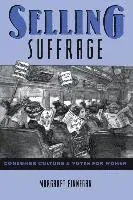
Margaret Finnegan's pathbreaking study of woman suffrage from the 1850s to the Nineteenth Amendment in 1920 reveals how activists came to identify with consumer culture and employ its methods of publicity to win popular support through carefully crafted images of enfranchised women as "personable, likable, and modern." Drawing on organization records, suffragists' papers and memoirs, and newspapers and magazines, Finnegan shows how women found it in their political interest to ally themselves with the rise of consumer culture--but the cost of this alliance was a concession of possibilities for social reform. When manufacturers and department stores made consumption central to middle-class life, suffragists made an argument for the ballot by comparing good voters to prudent comparison shoppers. Through suffrage commodities such as newspapers, sunflower badges, Kewpie dolls, and "Womanalls" (overalls for the modern woman), as well as pantomimes staged on the steps of the federal Treasury building, fashionable window displays, and other devices, "Votes for Women" entered public space and the marketplace.Together these activities and commodities helped suffragists claim legitimacy in a consumer capitalist society.Imaginatively interweaving cultural and political history, Selling Suffrage is a revealing look at how the growth of consumerism influenced women's self-identity.
Inbunden, Engelska, 1998
1 162 kr
Skickas inom 5-8 vardagar
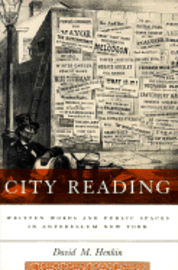
Cultural historian David Henkin explores the influential but little-noticed role played by reading in New York City's public life between 1825 and 1865. From the opening of the Erie Canal to the end of the Civil War, New York became a metropolis, and demographic, economic, and physical changes erased the old markers of continuity and order. As New York became a crowded city of strangers, everyday encounters with impersonal signs, papers, and bank notes altered people's perceptions of connectedness to the new world they lived in. The 'ubiquitous urban texts'--from newspapers to paper money, from street signs to handbills--became both indispensable urban guides and apt symbols for a new kind of public life that emerged first in New York. City Reading focuses on four principal categories of public reading: street signs and store signs; handbills and trade cards; newspapers; and paper money.Drawing on a wealth of visual sources and written texts that document the changing cityscape--including novels, diaries, newspapers, municipal guides, and government records--Henkin shows that public acts of reading (to a much greater extent than private, solitary reading) determined how New Yorkers of all backgrounds came to define themselves and their urban community.
Häftad, Engelska, 1998
288 kr
Skickas inom 5-8 vardagar
Cultural historian David Henkin explores the influential but little-noticed role played by reading in New York City's public life between 1825 and 1865. From the opening of the Erie Canal to the end of the Civil War, New York became a metropolis, and demographic, economic, and physical changes erased the old markers of continuity and order. As New York became a crowded city of strangers, everyday encounters with impersonal signs, papers, and bank notes altered people's perceptions of connectedness to the new world they lived in. The 'ubiquitous urban texts'--from newspapers to paper money, from street signs to handbills--became both indispensable urban guides and apt symbols for a new kind of public life that emerged first in New York. City Reading focuses on four principal categories of public reading: street signs and store signs; handbills and trade cards; newspapers; and paper money.Drawing on a wealth of visual sources and written texts that document the changing cityscape--including novels, diaries, newspapers, municipal guides, and government records--Henkin shows that public acts of reading (to a much greater extent than private, solitary reading) determined how New Yorkers of all backgrounds came to define themselves and their urban community.
Inbunden, Engelska, 1999
1 208 kr
Skickas inom 5-8 vardagar
Birth stories, Della Pollock tells us, "are everywhere and nowhere," permeating and haunting our everyday lives. In this remarkable volume Pollock explores the myriad ways in which men and women recount the ritual performance of giving birth. Many of these stories, Pollock observes, rise out of the depths of terror, flirting with disaster only to end with a profound sense of relief at what medical discourse calls a "good outcome." Others represent pain, make counterclaims on reproductive technologies, and suggest complex associations between maternity, sexuality, and body politics in the contemporary United States. Pollock retells stories about some of the injustices that structure giving and telling birth--finding there a reckoning with the unknown and unknowable. Focusing on the performances of birth stories, Pollock writes an intimate ethnography: an account of listening "body to body" to stories that press the borders of cultural critique with virtuosity, possibility, desire, and risk. She draws on cultural criticism, performance studies, and narrative theory to unpack this long-ignored practice.Most striking, however, are the stories presented here: unsanctioned, bold, fragmentary, and often furtive, they both unnerve and inspire even as they realize and resist cultural norms.
Häftad, Engelska, 1999
303 kr
Skickas inom 5-8 vardagar
Birth stories, Della Pollock tells us, "are everywhere and nowhere," permeating and haunting our everyday lives. In this remarkable volume Pollock explores the myriad ways in which men and women recount the ritual performance of giving birth. Many of these stories, Pollock observes, rise out of the depths of terror, flirting with disaster only to end with a profound sense of relief at what medical discourse calls a "good outcome." Others represent pain, make counterclaims on reproductive technologies, and suggest complex associations between maternity, sexuality, and body politics in the contemporary United States. Pollock retells stories about some of the injustices that structure giving and telling birth--finding there a reckoning with the unknown and unknowable. Focusing on the performances of birth stories, Pollock writes an intimate ethnography: an account of listening "body to body" to stories that press the borders of cultural critique with virtuosity, possibility, desire, and risk. She draws on cultural criticism, performance studies, and narrative theory to unpack this long-ignored practice.Most striking, however, are the stories presented here: unsanctioned, bold, fragmentary, and often furtive, they both unnerve and inspire even as they realize and resist cultural norms.
Inbunden, Engelska, 1999
2 132 kr
Skickas inom 3-6 vardagar
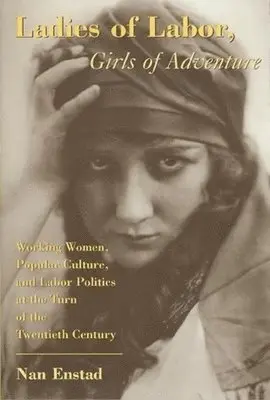
At the beginning of the twentieth century, labor leaders in women's unions routinely chastised their members for their ceaseless pursuit of fashion, avid reading of dime novels, and "affected" ways, including aristocratic airs and accents. Indeed, working women in America were eagerly participating in the burgeoning consumer culture available to them. While the leading activists, organizers, and radicals feared that consumerist tendencies made working women seem frivolous and dissuaded them from political action, these women, in fact, went on strike in very large numbers during the period, proving themselves to be politically active, astute, and effective. In Ladies of Labor, Girls of Adventure, historian Nan Enstad explores the complex relationship between consumer culture and political activism for late nineteenth- and twentieth-century working women. While consumerism did not make women into radicals, it helped shape their culture and their identities as both workers and political actors.Examining material ranging from early dime novels about ordinary women who inherit wealth or marry millionaires, to inexpensive, ready-to-wear clothing that allowed them to both deny and resist mistreatment in the workplace, Enstad analyzes how working women wove popular narratives and fashions into their developing sense of themselves as "ladies." She then provides a detailed examination of how this notion of "ladyhood" affected the great New York shirtwaist strike of 1909-1910. From the women's grievances, to the walkout of over 20,000 workers, to their style of picketing, Enstad shows how consumer culture was a central theme in this key event of labor strife. Finally, Enstad turns to the motion picture genre of female adventure serials, popular after 1912, which imbued "ladyhood" with heroines' strength, independence, and daring.
Häftad, Engelska, 1999
597 kr
Skickas inom 3-6 vardagar
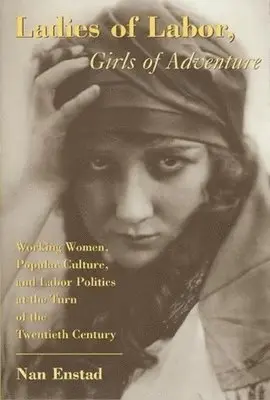
At the beginning of the twentieth century, labor leaders in women's unions routinely chastised their members for their ceaseless pursuit of fashion, avid reading of dime novels, and "affected" ways, including aristocratic airs and accents. Indeed, working women in America were eagerly participating in the burgeoning consumer culture available to them. While the leading activists, organizers, and radicals feared that consumerist tendencies made working women seem frivolous and dissuaded them from political action, these women, in fact, went on strike in very large numbers during the period, proving themselves to be politically active, astute, and effective. In Ladies of Labor, Girls of Adventure, historian Nan Enstad explores the complex relationship between consumer culture and political activism for late nineteenth- and twentieth-century working women. While consumerism did not make women into radicals, it helped shape their culture and their identities as both workers and political actors.Examining material ranging from early dime novels about ordinary women who inherit wealth or marry millionaires, to inexpensive, ready-to-wear clothing that allowed them to both deny and resist mistreatment in the workplace, Enstad analyzes how working women wove popular narratives and fashions into their developing sense of themselves as "ladies." She then provides a detailed examination of how this notion of "ladyhood" affected the great New York shirtwaist strike of 1909-1910. From the women's grievances, to the walkout of over 20,000 workers, to their style of picketing, Enstad shows how consumer culture was a central theme in this key event of labor strife. Finally, Enstad turns to the motion picture genre of female adventure serials, popular after 1912, which imbued "ladyhood" with heroines' strength, independence, and daring.
Inbunden, Engelska, 2002
2 425 kr
Skickas inom 3-6 vardagar
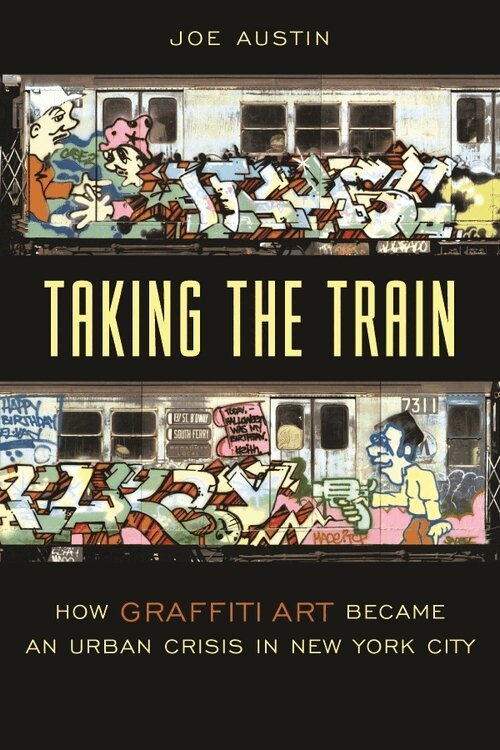
In the 1960s and early 1970s, young people in New York City radically altered the tradition of writing their initials on neighborhood walls. Influenced by the widespread use of famous names on billboards, in neon, in magazines, newspapers, and typographies from advertising and comics, city youth created a new form of expression built around elaborately designed names and initials displayed on public walls, vehicles, and subways. Critics called it "graffiti," but to the practitioners it was "writing." Taking the Train traces the history of "writing" in New York City against the backdrop of the struggle that developed between the city and the writers. Austin tracks the ways in which "writing"- a small, seemingly insignificant act of youthful rebellion-assumed crisis-level importance inside the bureaucracy and the public relations of New York City mayoral administrations and the Metropolitan Transportation Authority for almost two decades. Taking the Train reveals why a global city short on funds made "wiping out graffiti" an expensive priority while other needs went unfunded.Although the city eventually took back the trains, Austin eloquently shows how and why the culture of "writing" survived to become an international art movement and a vital part of hip-hop culture.
Häftad, Engelska, 2002
337 kr
Skickas inom 5-8 vardagar
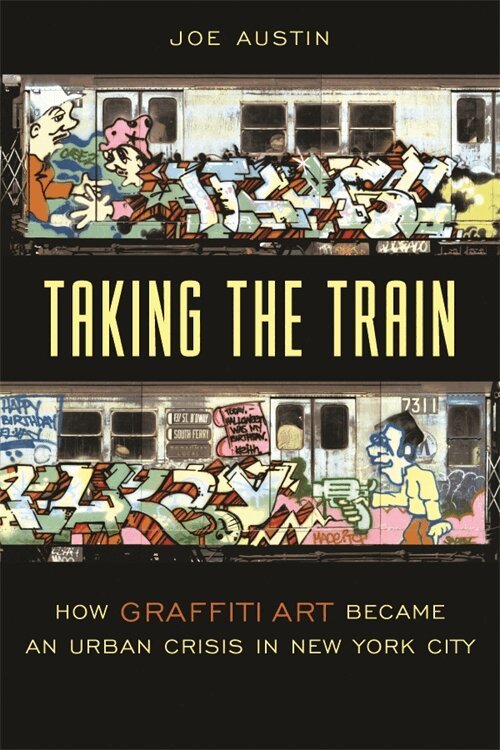
In the 1960s and early 1970s, young people in New York City radically altered the tradition of writing their initials on neighborhood walls. Influenced by the widespread use of famous names on billboards, in neon, in magazines, newspapers, and typographies from advertising and comics, city youth created a new form of expression built around elaborately designed names and initials displayed on public walls, vehicles, and subways. Critics called it "graffiti," but to the practitioners it was "writing." Taking the Train traces the history of "writing" in New York City against the backdrop of the struggle that developed between the city and the writers. Austin tracks the ways in which "writing"- a small, seemingly insignificant act of youthful rebellion-assumed crisis-level importance inside the bureaucracy and the public relations of New York City mayoral administrations and the Metropolitan Transportation Authority for almost two decades. Taking the Train reveals why a global city short on funds made "wiping out graffiti" an expensive priority while other needs went unfunded.Although the city eventually took back the trains, Austin eloquently shows how and why the culture of "writing" survived to become an international art movement and a vital part of hip-hop culture.
Inbunden, Engelska, 2006
2 132 kr
Skickas inom 3-6 vardagar
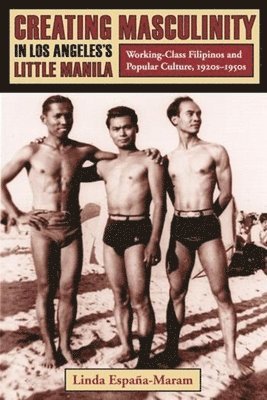
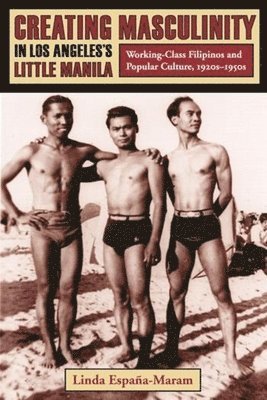
In this new work, Linda Espana-Maram analyzes the politics of popular culture in the lives of Filipino laborers in Los Angeles's Little Manila, from the 1920s to the 1940s. The Filipinos' participation in leisure activities, including the thrills of Chinatown's gambling dens, boxing matches, and the sensual pleasures of dancing with white women in taxi dance halls sent legislators, reformers, and police forces scurrying to contain public displays of Filipino virility. But as Espana-Maram argues, Filipino workers, by flaunting "improper" behavior, established niches of autonomy where they could defy racist attitudes and shape an immigrant identity based on youth, ethnicity, and notions of heterosexual masculinity within the confines of a working class. Espana-Maram takes this history one step further by examining the relationships among Filipinos and other Angelenos of color, including the Chinese, Mexican Americans, and African Americans. Drawing on oral histories and previously untapped archival records, Espana-Maram provides an innovative and engaging perspective on Filipino immigrant experiences.
Häftad, Engelska, 2006
581 kr
Skickas inom 3-6 vardagar
In this new work, Linda Espana-Maram analyzes the politics of popular culture in the lives of Filipino laborers in Los Angeles's Little Manila, from the 1920s to the 1940s. The Filipinos' participation in leisure activities, including the thrills of Chinatown's gambling dens, boxing matches, and the sensual pleasures of dancing with white women in taxi dance halls sent legislators, reformers, and police forces scurrying to contain public displays of Filipino virility. But as Espana-Maram argues, Filipino workers, by flaunting "improper" behavior, established niches of autonomy where they could defy racist attitudes and shape an immigrant identity based on youth, ethnicity, and notions of heterosexual masculinity within the confines of a working class. Espana-Maram takes this history one step further by examining the relationships among Filipinos and other Angelenos of color, including the Chinese, Mexican Americans, and African Americans. Drawing on oral histories and previously untapped archival records, Espana-Maram provides an innovative and engaging perspective on Filipino immigrant experiences.
Inbunden, Engelska, 2004
2 354 kr
Skickas inom 3-6 vardagar
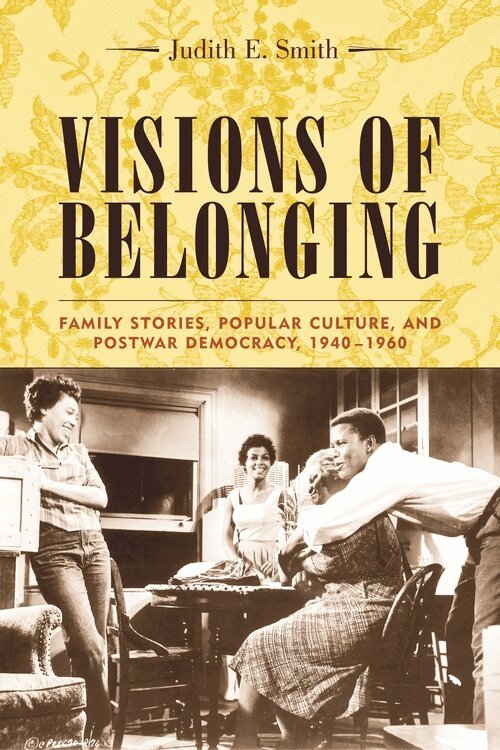
Visions of Belonging explores how beloved and still-remembered family stories-A Tree Grows in Brooklyn, I Remember Mama, Gentleman's Agreement, Death of a Salesman, Marty, and A Raisin in the Sun-entered the popular imagination and shaped collective dreams in the postwar years and into the 1950s. These stories helped define widely shared conceptions of who counted as representative Americans and who could be recognized as belonging. The book listens in as white and black authors and directors, readers and viewers reveal divergent, emotionally textured, and politically charged social visions. Their diverse perspectives provide a point of entry into an extraordinary time when the possibilities for social transformation seemed boundless. But changes were also fiercely contested, especially as the war's culture of unity receded in the resurgence of cold war anticommunism, and demands for racial equality were met with intensifying white resistance. Judith E. Smith traces the cultural trajectory of these family stories, as they circulated widely in bestselling paperbacks, hit movies, and popular drama on stage, radio, and television.Visions of Belonging provides unusually close access to a vibrant conversation among white and black Americans about the boundaries between public life and family matters and the meanings of race and ethnicity. Would the new appearance of white working class ethnic characters expand Americans'understanding of democracy? Would these stories challenge the color line? How could these stories simultaneously show that black families belonged to the larger "family" of the nation while also representing the forms of danger and discriminations that excluded them from full citizenship? In the 1940s, war-driven challenges to racial and ethnic borderlines encouraged hesitant trespass against older notions of "normal." But by the end of the 1950s, the cold war cultural atmosphere discouraged probing of racial and social inequality and ultimately turned family stories into a comforting retreat from politics. The book crosses disciplinary boundaries, suggesting a novel method for cultural history by probing the social history of literary, dramatic, and cinematic texts.Smith's innovative use of archival research sets authorial intent next to audience reception to show how both contribute to shaping the contested meanings of American belonging.
Häftad, Engelska, 2006
330 kr
Skickas inom 5-8 vardagar
Visions of Belonging explores how beloved and still-remembered family stories-A Tree Grows in Brooklyn, I Remember Mama, Gentleman's Agreement, Death of a Salesman, Marty, and A Raisin in the Sun-entered the popular imagination and shaped collective dreams in the postwar years and into the 1950s. These stories helped define widely shared conceptions of who counted as representative Americans and who could be recognized as belonging. The book listens in as white and black authors and directors, readers and viewers reveal divergent, emotionally textured, and politically charged social visions. Their diverse perspectives provide a point of entry into an extraordinary time when the possibilities for social transformation seemed boundless. But changes were also fiercely contested, especially as the war's culture of unity receded in the resurgence of cold war anticommunism, and demands for racial equality were met with intensifying white resistance. Judith E. Smith traces the cultural trajectory of these family stories, as they circulated widely in bestselling paperbacks, hit movies, and popular drama on stage, radio, and television.Visions of Belonging provides unusually close access to a vibrant conversation among white and black Americans about the boundaries between public life and family matters and the meanings of race and ethnicity. Would the new appearance of white working class ethnic characters expand Americans'understanding of democracy? Would these stories challenge the color line? How could these stories simultaneously show that black families belonged to the larger "family" of the nation while also representing the forms of danger and discriminations that excluded them from full citizenship? In the 1940s, war-driven challenges to racial and ethnic borderlines encouraged hesitant trespass against older notions of "normal." But by the end of the 1950s, the cold war cultural atmosphere discouraged probing of racial and social inequality and ultimately turned family stories into a comforting retreat from politics. The book crosses disciplinary boundaries, suggesting a novel method for cultural history by probing the social history of literary, dramatic, and cinematic texts.Smith's innovative use of archival research sets authorial intent next to audience reception to show how both contribute to shaping the contested meanings of American belonging.
Inbunden, Engelska, 2004
1 991 kr
Skickas inom 3-6 vardagar
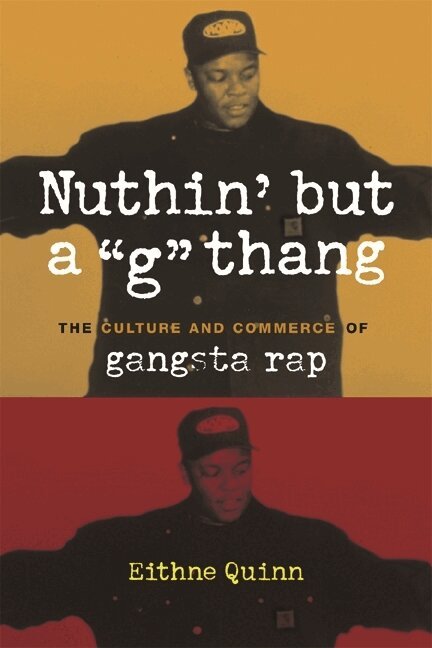
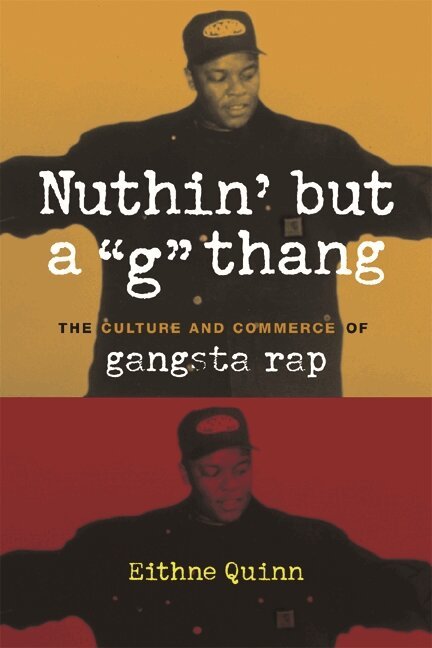
In the late 1980s, gangsta rap music emerged in urban America, giving voice to-and making money for-a social group widely considered to be in crisis: young, poor, black men. From its local origins, gangsta rap went on to flood the mainstream, generating enormous popularity and profits. Yet the highly charged lyrics, public battles, and hard, fast lifestyles that characterize the genre have incited the anger of many public figures and proponents of "family values." Constantly engaging questions of black identity and race relations, poverty and wealth, gangsta rap represents one of the most profound influences on pop culture in the last thirty years. Focusing on the artists Ice Cube, Dr. Dre, the Geto Boys, Snoop Dogg, and Tupac Shakur, Quinn explores the origins, development, and immense appeal of gangsta rap. Including detailed readings in urban geography, neoconservative politics, subcultural formations, black cultural debates, and music industry conditions, this book explains how and why this music genre emerged.In Nuthin'but a "G" Thang, Quinn argues that gangsta rap both reflected and reinforced the decline in black protest culture and the great rise in individualist and entrepreneurial thinking that took place in the U.S. after the 1970s. Uncovering gangsta rap's deep roots in black working-class expressive culture, she stresses the music's aesthetic pleasures and complexities that have often been ignored in critical accounts.
Häftad, Engelska, 2004
274 kr
Skickas inom 5-8 vardagar
In the late 1980s, gangsta rap music emerged in urban America, giving voice to-and making money for-a social group widely considered to be in crisis: young, poor, black men. From its local origins, gangsta rap went on to flood the mainstream, generating enormous popularity and profits. Yet the highly charged lyrics, public battles, and hard, fast lifestyles that characterize the genre have incited the anger of many public figures and proponents of "family values." Constantly engaging questions of black identity and race relations, poverty and wealth, gangsta rap represents one of the most profound influences on pop culture in the last thirty years. Focusing on the artists Ice Cube, Dr. Dre, the Geto Boys, Snoop Dogg, and Tupac Shakur, Quinn explores the origins, development, and immense appeal of gangsta rap. Including detailed readings in urban geography, neoconservative politics, subcultural formations, black cultural debates, and music industry conditions, this book explains how and why this music genre emerged.In Nuthin'but a "G" Thang, Quinn argues that gangsta rap both reflected and reinforced the decline in black protest culture and the great rise in individualist and entrepreneurial thinking that took place in the U.S. after the 1970s. Uncovering gangsta rap's deep roots in black working-class expressive culture, she stresses the music's aesthetic pleasures and complexities that have often been ignored in critical accounts.
Inbunden, Engelska, 2004
849 kr
Tillfälligt slut
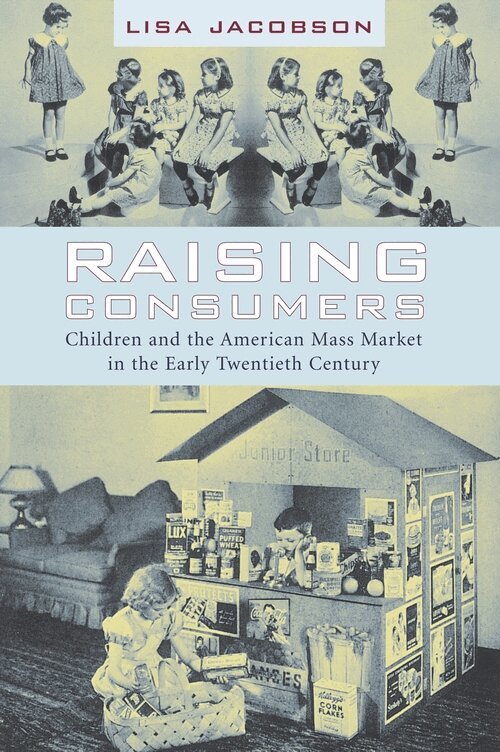
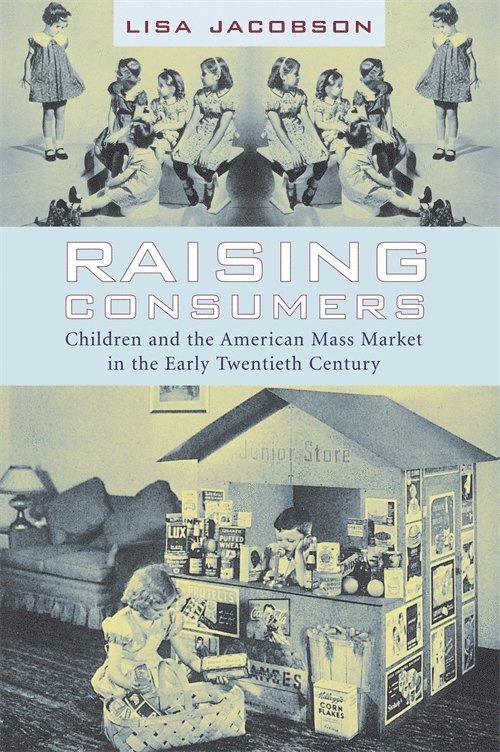
In the present electronic torrent of MTV and teen flicks, Nintendo and Air Jordan advertisements, consumer culture is an unmistakably important-and controversial-dimension of modern childhood. Historians and social commentators have typically assumed that the child consumer became significant during the postwar television age. But the child consumer was already an important phenomenon in the early twentieth century. The family, traditionally the primary institution of child socialization, began to face an array of new competitors who sought to put their own imprint on children's acculturation to consumer capitalism. Advertisers, children's magazine publishers, public schools, child experts, and children's peer groups alternately collaborated with, and competed against, the family in their quest to define children's identities. At stake in these conflicts and collaborations was no less than the direction of American consumer society-would children's consumer training rein in hedonistic excesses or contribute to the spread of hollow, commercial values?Not simply a new player in the economy, the child consumer became a lightning rod for broader concerns about the sanctity of the family and the authority of the market in modern capitalist culture. Lisa Jacobson reveals how changing conceptions of masculinity and femininity shaped the ways Americans understood the virtues and vices of boy and girl consumers-and why boys in particular emerged as the heroes of the new consumer age. She also analyzes how children's own behavior, peer culture, and emotional investment in goods influenced the dynamics of the new consumer culture. Raising Consumers is a provocative examination of the social, economic, and cultural forces that produced and ultimately legitimized a distinctive children's consumer culture in the early twentieth century.
Inbunden, Engelska, 2004
898 kr
Tillfälligt slut
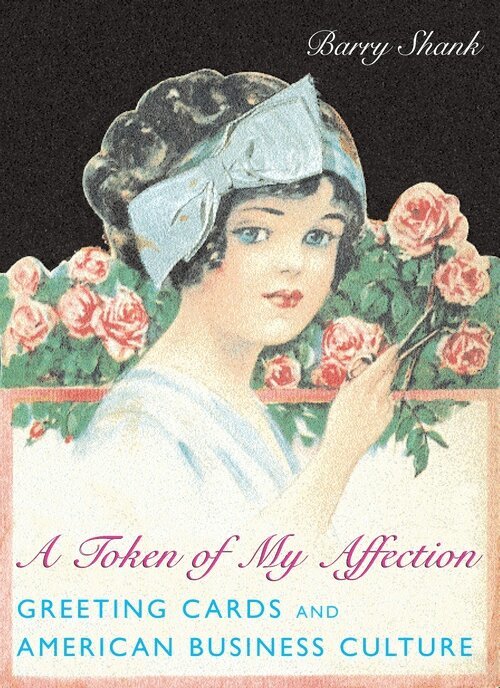
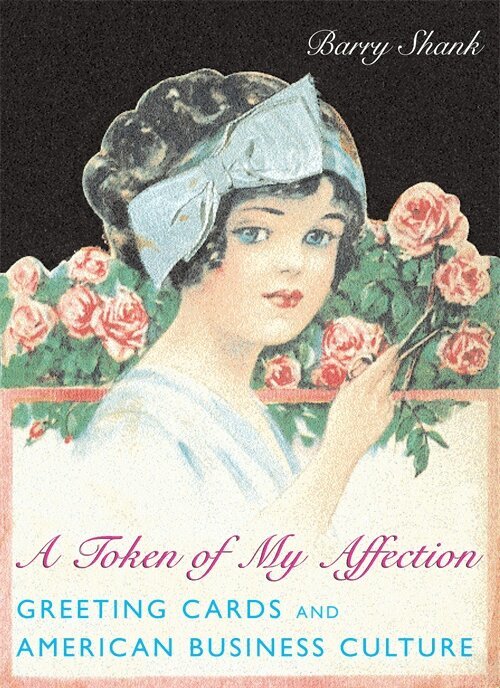
Each year in the United States, millions of mass-produced greeting cards proclaim their occasional messages: "For My Loving Daughter," "On the Occasion of Your Marriage," and "It's a Boy!" For more than 150 years, greeting cards have tapped into and organized a shared language of love, affection, and kinship, becoming an integral part of American life and culture. Contemporary incarnations of these emotional transactions performed through small bits of decorated paper are often dismissed as vacuous cliches employing worn-out stereotypes. Nevertheless, the relationship of greeting cards to systems of material production is well worth studying and understanding, for the modern greeting card is the product of an industry whose values and aims seem to contradict the sentiments that most cards express. In fact, greeting cards articulate shifting forms of love and affiliation experienced by people whose lives have been shaped by the major economic changes of the late nineteenth and twentieth centuries.A Token of My Affection shows in fascinating detail how the evolution of the greeting card reveals the fundamental power of economic organization to enable and constrain experiences of longing, status, desire, social connectedness, and love and to structure and partially determine the most private, internal, and intimate of feelings. Beautifully illustrated, A Token of My Affection follows the development of the modern greeting card industry from the 1840s, as a way of recovering that most elusive of things-the emotional subjectivity of another age. Barry Shank charts the evolution of the greeting card from an afterthought to a traditional printing and stationery business in the mid-nineteenth century to a multibillion-dollar industry a hundred years later. He explains what an industry devoted to emotional sincerity means for the lives of all Americans. Blending archival research in business history with a study of surviving artifacts and a literary analysis of a broad range of relevant texts and primary sources, Shank demonstrates the power of business to affect love and the ability of love to find its way in the marketplace of consumer society.