Exploring World History - Böcker
Visar alla böcker i serien Exploring World History. Handla med fri frakt och snabb leverans.
16 produkter
16 produkter
1 245 kr
Skickas inom 10-15 vardagar
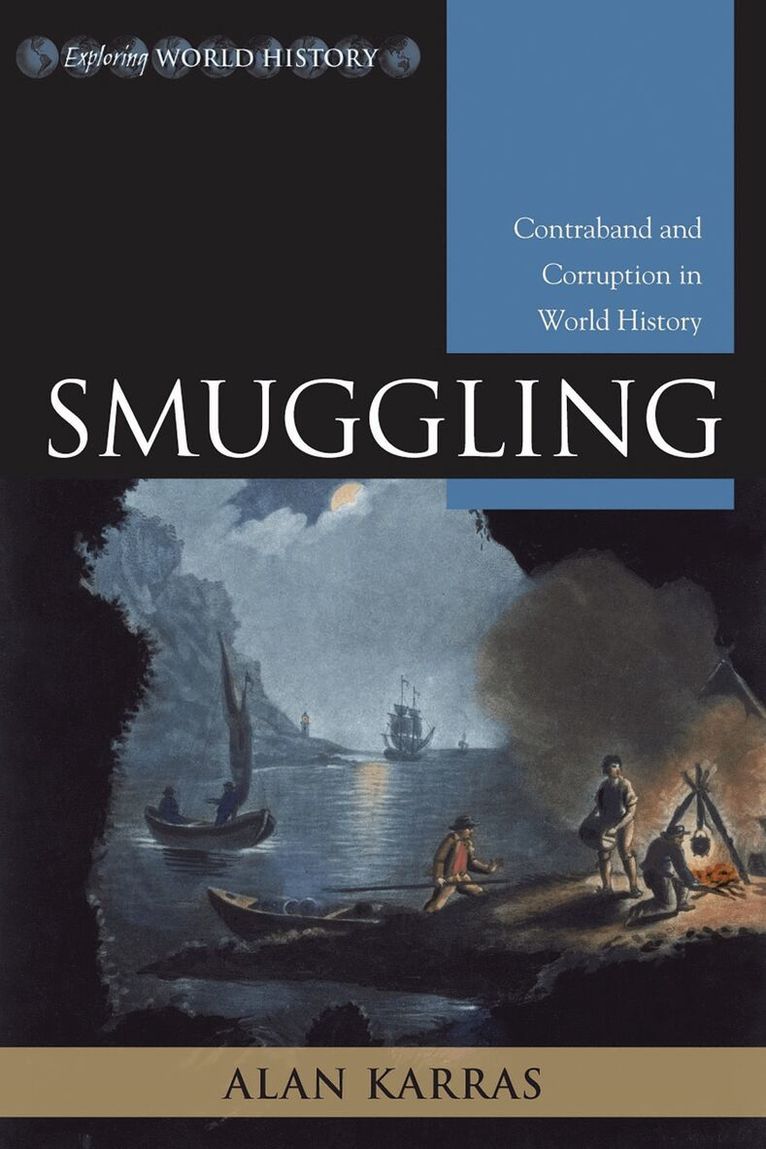
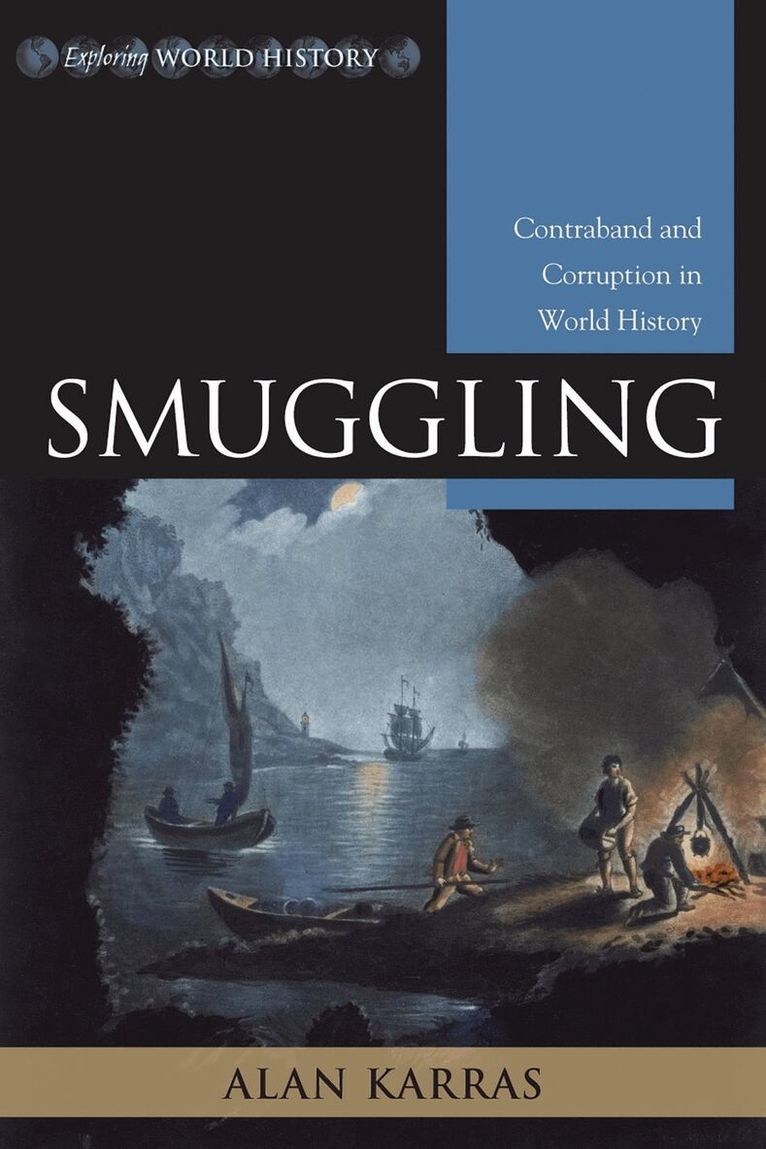
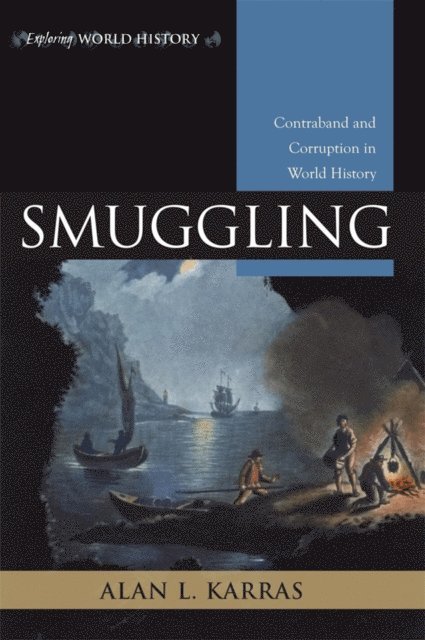
In this lively book, Alan L. Karras traces the history of smuggling around the world and explores all aspects of this pervasive and enduring crime. Through a compelling set of cases drawn from a rich array of historical and contemporary sources, Karras shows how smuggling of every conceivable good has flourished in every place, at every time. Significantly, Karras draws a clear distinction between smugglers and their more popular criminal cousins, pirates, who operated in the open with a type of violence that was nearly always shunned by smugglers. Explaining the divergence between the two groups, the book illustrates both crossovers and differences.At the same time, states and empires tolerated smuggling since eliminating smuggling was a sure route to a disgruntled and disorderly citizenry, and governments required order to remain in power. As a result, smuggling allowed individuals to negotiate an unstated social contract that minimized the role of government in their lives. Thus, Karras provocatively argues that smuggling was, and is, tightly woven into an uneasy relationship among governments, taxation, citizenship, and corruption.Bringing smugglers and smuggling to life, this book provides a fascinating exploration for all readers interested in crime and corruption throughout modern history.
502 kr
Skickas inom 10-15 vardagar
In this lively book, Alan L. Karras traces the history of smuggling around the world and explores all aspects of this pervasive and enduring crime. Through a compelling set of cases drawn from a rich array of historical and contemporary sources, Karras shows how smuggling of every conceivable good has flourished in every place, at every time. Significantly, Karras draws a clear distinction between smugglers and their more popular criminal cousins, pirates, who operated in the open with a type of violence that was nearly always shunned by smugglers. Explaining the divergence between the two groups, the book illustrates both crossovers and differences.At the same time, states and empires tolerated smuggling since eliminating smuggling was a sure route to a disgruntled and disorderly citizenry, and governments required order to remain in power. As a result, smuggling allowed individuals to negotiate an unstated social contract that minimized the role of government in their lives. Thus, Karras provocatively argues that smuggling was, and is, tightly woven into an uneasy relationship among governments, taxation, citizenship, and corruption.Bringing smugglers and smuggling to life, this book provides a fascinating exploration for all readers interested in crime and corruption throughout modern history.
Insatiable Appetite
The United States and the Ecological Degradation of the Tropical World
Häftad, Engelska, 2007
528 kr
Skickas inom 10-15 vardagar
Now in a concise edition created expressly for students and general readers, this widely hailed study traces the transformation of the tropics in modern times. Exploring the central role of the United States in the ongoing devastation of tropical lands, Richard P. Tucker shows how, in the late 1800s, American speculators first became participants in the centuries-long history of European economic and ecological hegemony in the tropics. Beginning as buyers in the tropical ports of the Atlantic and Pacific, they evolved into land speculators, controlling and managing the areas where tropical crops were grown for carefully fostered consumer markets at home. As corporate agro-industry emerged, the speculators took direct control of the ecological destinies of many tropical lands. Supported by the U.S. government's diplomatic and military protection, they built private empires in the Caribbean, Central and South America, the Pacific, Southeast Asia, and West Africa.Yankee investors and plantation managers mobilized engineers, agronomists, and loggers to undertake what they called the "Conquest of the Tropics," claiming to bring civilization to benighted peoples and cultivation to unproductive nature. In competitive cooperation with local landed and political elites, they not only cleared natural forests but also displaced multicrop tribal and peasant lands with monocrop export plantations rooted in private property regimes.In a masterful narrative, Tucker highlights the unrelenting pressure that the demands of U.S. consumerism placed on fragile tropical lands. The forced domestication of widely varied natural systems ultimately led to a devastating decline in biodiversity. The author brings his analysis to life with a series of vivid case studies of sugar, bananas, coffee, rubber, beef, and timber—each a virtual empire in itself. All readers who are interested in environmental degradation and its links to the world economy will be enlightened by this nuanced history.
585 kr
Skickas inom 10-15 vardagar
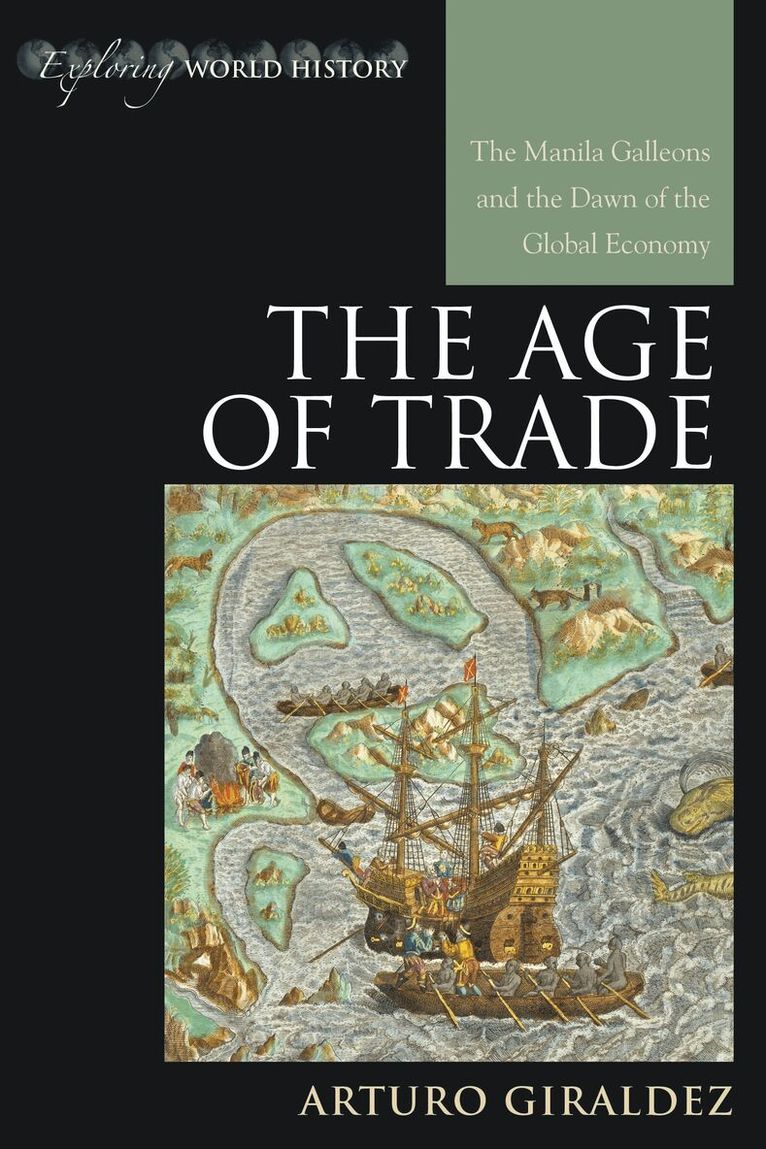
This groundbreaking book presents the first full history of the Manila galleons, which marked the true beginning of a global economy. Arturo Giraldez, the world’s leading scholar of the galleons, traces the rise of the maritime route, which began with the founding of the city of Manila in 1571 and ended in 1815 when the last galleon left the port of Acapulco in New Spain (Mexico) for the Philippines, establishing a permanent connection between the Spanish empire in America with Asian countries, most importantly China, the main supplier of commodities during that era. Throughout the two-and-a-half-century history of the Manila galleons, the strategic commodity fuelling global networks was always silver. Giraldez shows how this most important of precious metals shaped world history, with influences that stretch to the present.
833 kr
Skickas inom 10-15 vardagar
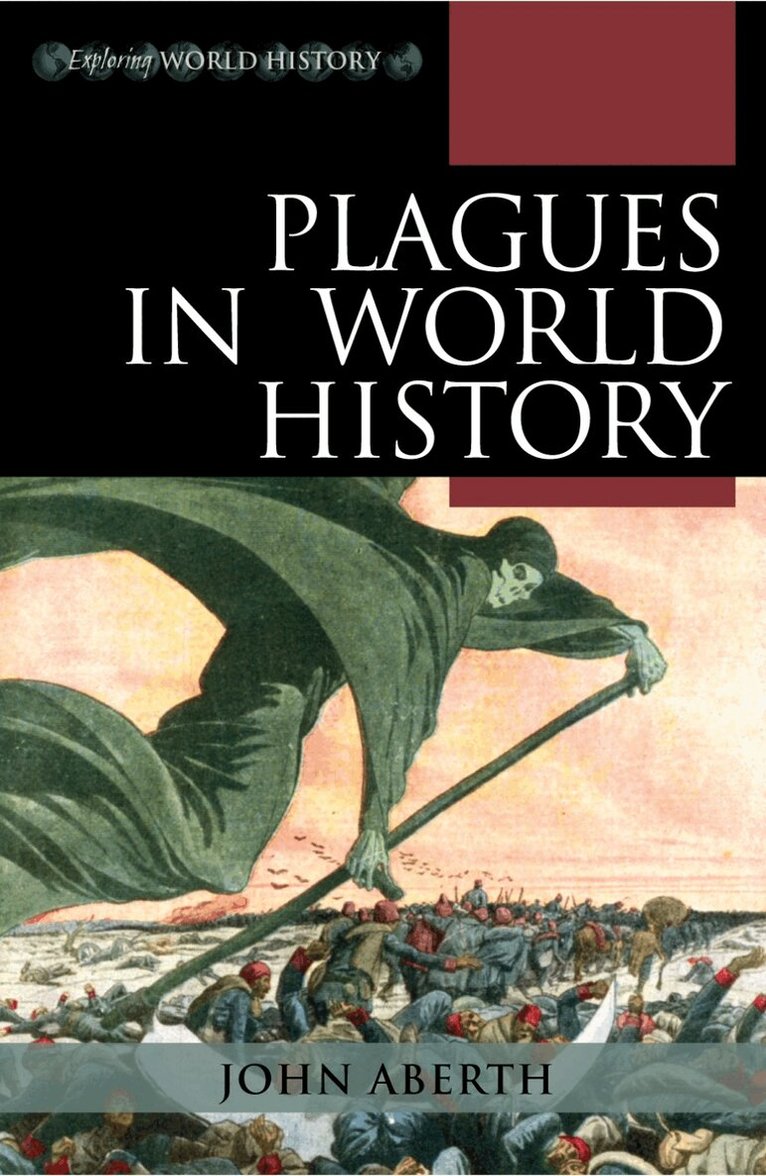
Plagues in World History provides a concise, comparative world history of catastrophic infectious diseases, including plague, smallpox, tuberculosis, cholera, influenza, and AIDS. Geographically, these diseases have spread across the entire globe; temporally, they stretch from the sixth century to the present. John Aberth considers not only the varied impact that disease has had upon human history but also the many ways in which people have been able to influence diseases simply through their cultural attitudes toward them. The author argues that the ability of humans to alter disease, even without the modern wonders of antibiotic drugs and other medical treatments, is an even more crucial lesson to learn now that AIDS, swine flu, multidrug-resistant tuberculosis, and other seemingly incurable illnesses have raged worldwide. Aberth's comparative analysis of how different societies have responded in the past to disease illuminates what cultural approaches have been and may continue to be most effective in combating the plagues of today.
502 kr
Skickas inom 10-15 vardagar
Plagues in World History provides a concise, comparative world history of catastrophic infectious diseases, including plague, smallpox, tuberculosis, cholera, influenza, and AIDS. Geographically, these diseases have spread across the entire globe; temporally, they stretch from the sixth century to the present. John Aberth considers not only the varied impact that disease has had upon human history but also the many ways in which people have been able to influence diseases simply through their cultural attitudes toward them. The author argues that the ability of humans to alter disease, even without the modern wonders of antibiotic drugs and other medical treatments, is an even more crucial lesson to learn now that AIDS, swine flu, multidrug-resistant tuberculosis, and other seemingly incurable illnesses have raged worldwide. Aberth's comparative analysis of how different societies have responded in the past to disease illuminates what cultural approaches have been and may continue to be most effective in combating the plagues of today.
480 kr
Skickas inom 7-10 vardagar
This innovative book looks beyond the traditional history of European expansion—which highlights European conquests, empire building, and hegemony—in order to explore the more human and realistic dimensions of European experiences abroad. David Ringrose argues that Early Modern Europe was relatively poor and that its industrial and military technology, while distinctive in some ways, was not obviously superior to that of Africa or Asia. As a result, the interaction between Europeans abroad and the peoples they met was vastly different from the relationship created by the economic and military imperialism of the post-1750 Industrial Revolution. Instead, the author depicts it as a process of cultural interaction, collaboration, and assimilation, masked by narratives of European conquest or assertion of control. Ringrose convincingly shows that Europeans who went abroad before 1700 engaged in an exchange of cross-cultural contact and has framed the process in its own time rather than as the precursor of what came later. Then, as now, historical actors knew nothing of the unexpected consequences of their actions.
1 108 kr
Skickas inom 10-15 vardagar
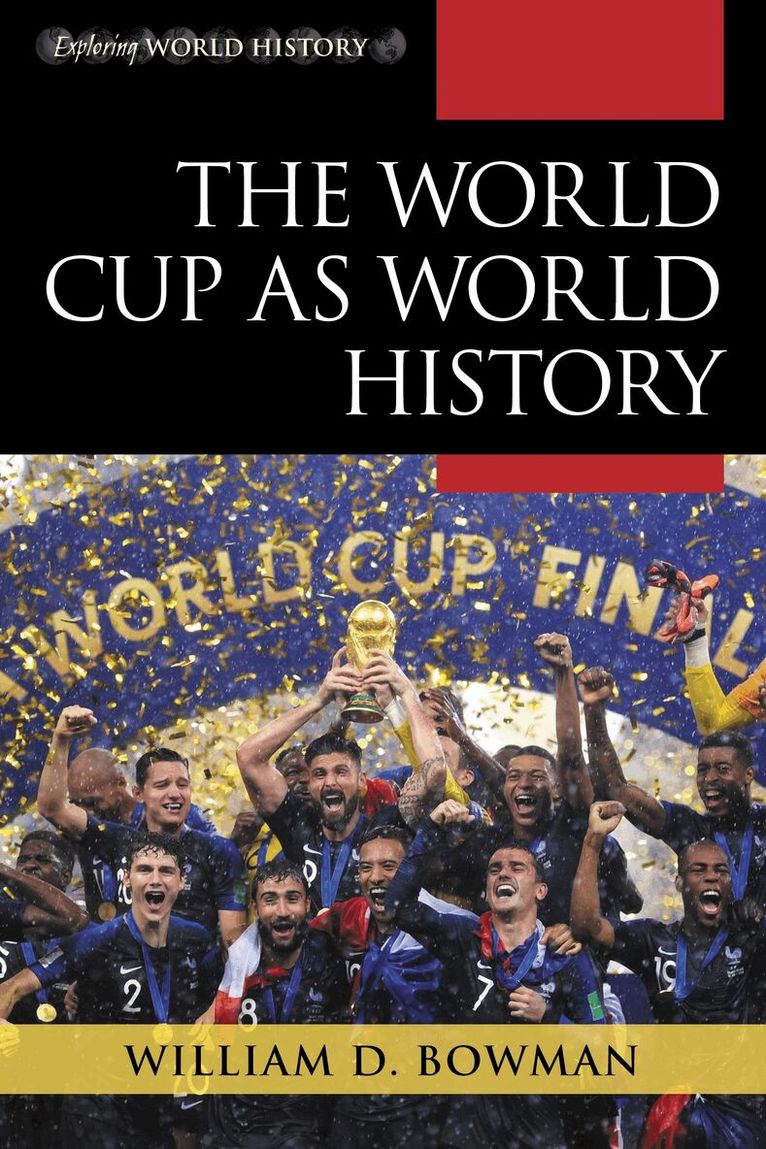
The World Cup as World History uses football’s premier event to analyze modern sports and world history. William D. Bowman traces the history of a tournament that has become a global phenomenon that generates intense political, economic, and cultural interest and profound discussions about racial, ethnic, and gender identity in the contemporary era. By focusing on the World Cup, the book keeps a tight thematic focus that allows for an integrated discussion of the core issues of globalization, money and finance, sport as spectacle, race and gender, and contemporary politics.
447 kr
Skickas inom 10-15 vardagar
The World Cup as World History uses football’s premier event to analyze modern sports and world history. William D. Bowman traces the history of a tournament that has become a global phenomenon that generates intense political, economic, and cultural interest and profound discussions about racial, ethnic, and gender identity in the contemporary era. By focusing on the World Cup, the book keeps a tight thematic focus that allows for an integrated discussion of the core issues of globalization, money and finance, sport as spectacle, race and gender, and contemporary politics.
449 kr
Skickas inom 10-15 vardagar
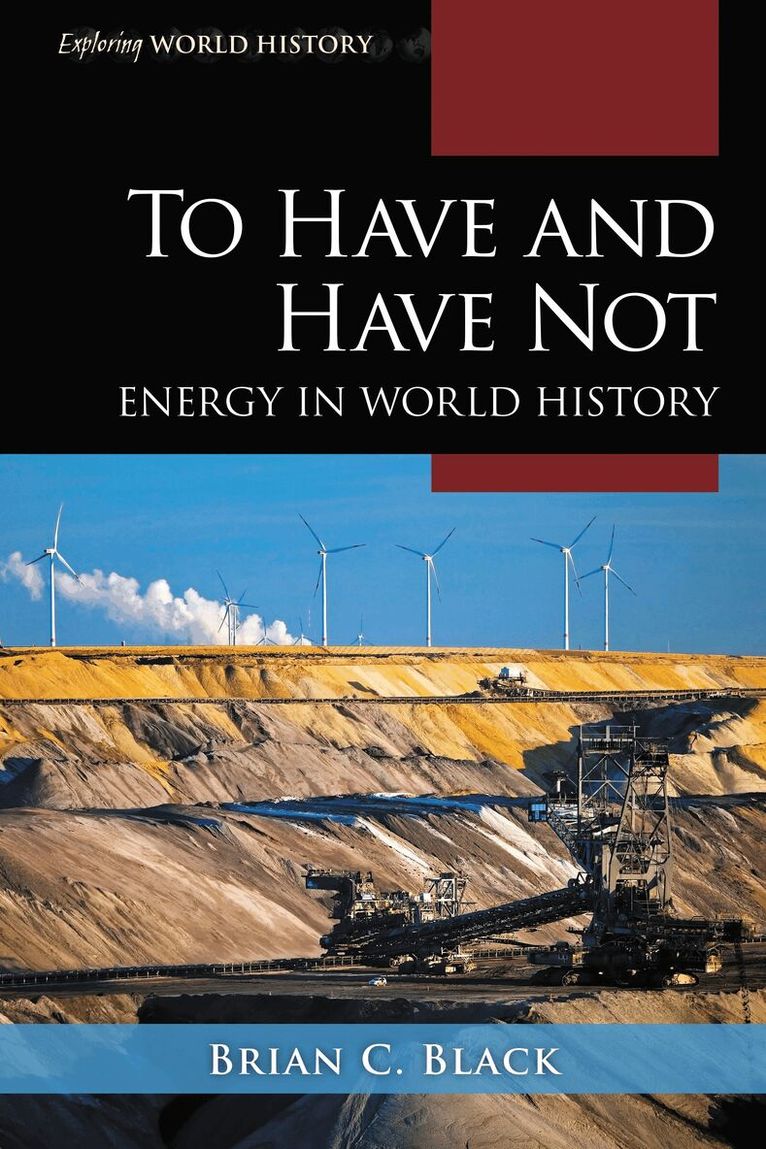
A 2023 Choice Reviews Outstanding Academic TitleWritten by a leading scholar, this essential introduction to the history of energy traces one of humans’ most basic ecological interactions: energy exchange. From fire to agriculture, water wheels to electric dynamos, the rise in intensity led humans to define a new “high energy” existence during the twentieth century. Industrialization and consumption increased the connection between energy and economic and political power, clarifying its importance throughout the world wars and into the Cold War. To Have and Have Not reveals a world in which energy supply now defines global standing, starkly revealing the connection between history and current events that perfectly situates our modern conundrum of a future without fossil fuels. Climate change and the supply of sustainable energy now permeates our modern policy making as we bear witness to the waning years of energy borrowed from the distant past. Brian Black argues that our history of growing energy reliance and past transitions is essential context for understanding our inevitable shift to cleaner energy. Placing this story within the current, rapidly changing historical discourse, this book is timely and persuasive as it lays out our current transition from fossil fuels.
1 108 kr
Skickas inom 10-15 vardagar
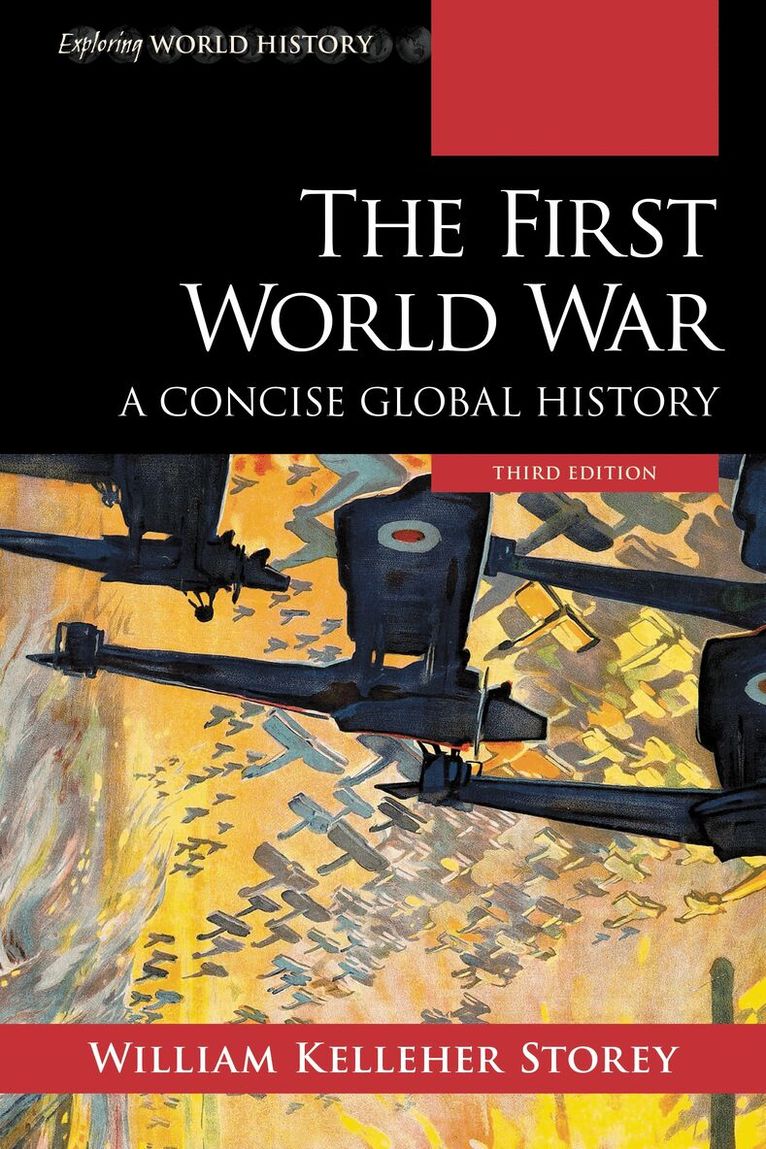
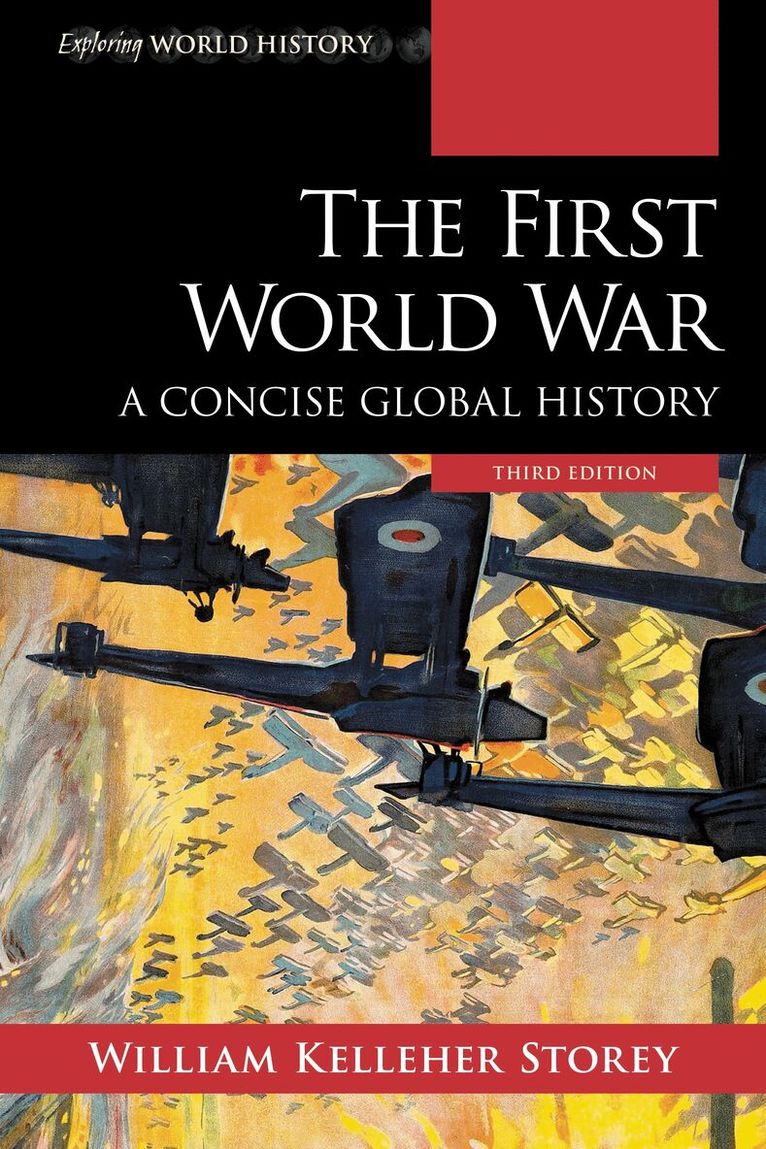
In a compact but comprehensive and clear narrative, this book explores the First World War from a genuinely global perspective. Putting a human face on the war, William Kelleher Storey takes into account individual decisions and experiences as well as environmental and technological factors, such as food, geography, manpower, and weapons.
447 kr
Skickas inom 10-15 vardagar
In a compact but comprehensive and clear narrative, this book explores the First World War from a genuinely global perspective. Putting a human face on the war, William Kelleher Storey takes into account individual decisions and experiences as well as environmental and technological factors, such as food, geography, manpower, and weapons.
1 177 kr
Skickas inom 10-15 vardagar
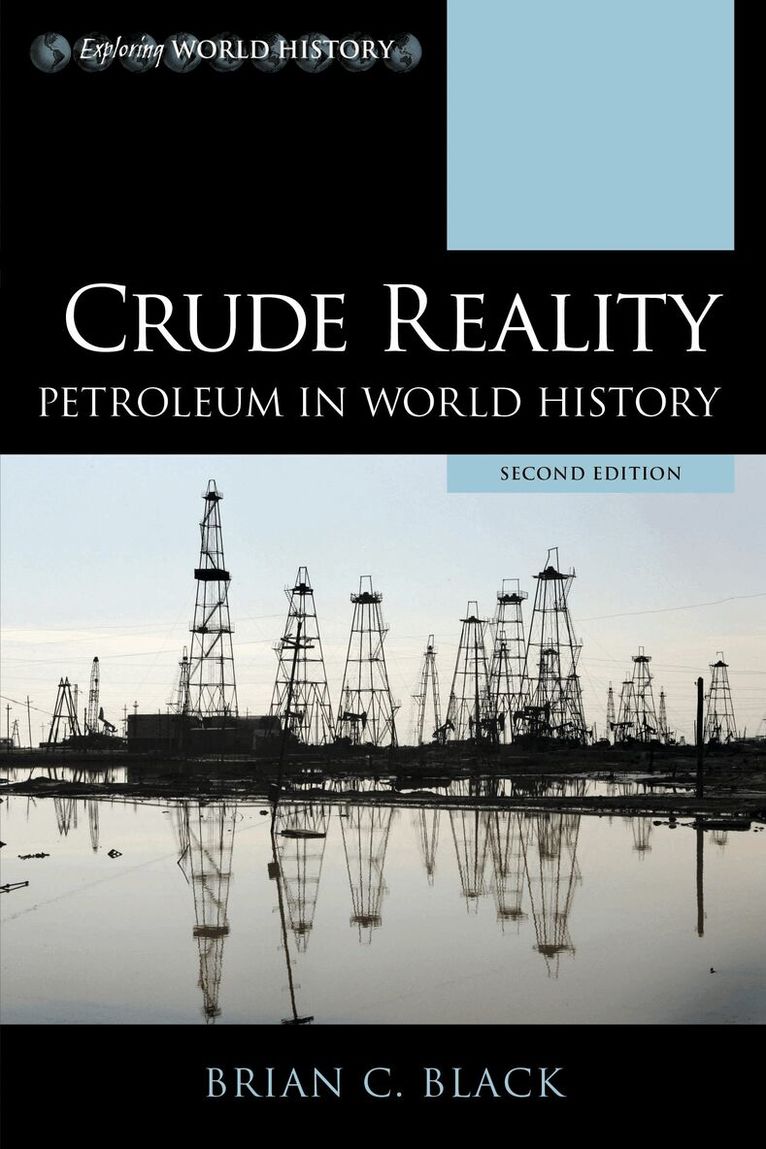
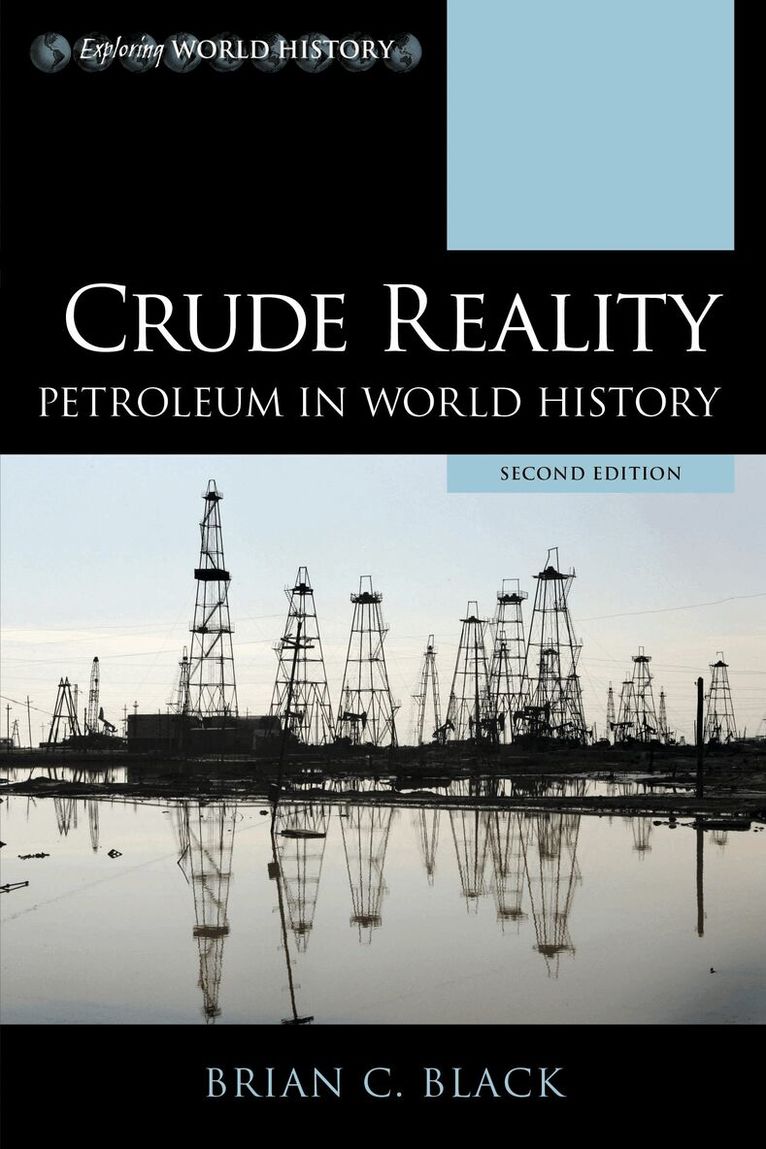
This concise, accessible introduction to the history of oil tells the story of how petroleum has shaped human life since it was first discovered oozing inconspicuously from the soil. For a century, human dependence on petroleum caused little discomfort as we enjoyed the heyday of cheap crude—a glorious episode of energy gluttony that was destined to end. Today, we see the disastrous results in environmental degradation, political instability, and world economic disparity in the waning years of a petroleum-powered civilization—lessons rooted in the finite nature of oil. Considering the nature of oil itself as well as humans’ remarkable relationship with it, Brian C. Black spotlights our modern conundrum and then explores the challenges of our future without oil. It is this essential context, he argues, that will prepare us for our energy transition. Bringing his global perspective and wide-ranging technical knowledge, Black has written an essential contribution to environmental history and the rapidly emerging field of energy history in this sweeping, forward-looking survey.
447 kr
Skickas inom 10-15 vardagar
This concise, accessible introduction to the history of oil tells the story of how petroleum has shaped human life since it was first discovered oozing inconspicuously from the soil. For a century, human dependence on petroleum caused little discomfort as we enjoyed the heyday of cheap crude—a glorious episode of energy gluttony that was destined to end. Today, we see the disastrous results in environmental degradation, political instability, and world economic disparity in the waning years of a petroleum-powered civilization—lessons rooted in the finite nature of oil. Considering the nature of oil itself as well as humans’ remarkable relationship with it, Brian C. Black spotlights our modern conundrum and then explores the challenges of our future without oil. It is this essential context, he argues, that will prepare us for our energy transition. Bringing his global perspective and wide-ranging technical knowledge, Black has written an essential contribution to environmental history and the rapidly emerging field of energy history in this sweeping, forward-looking survey.
1 076 kr
Skickas inom 10-15 vardagar
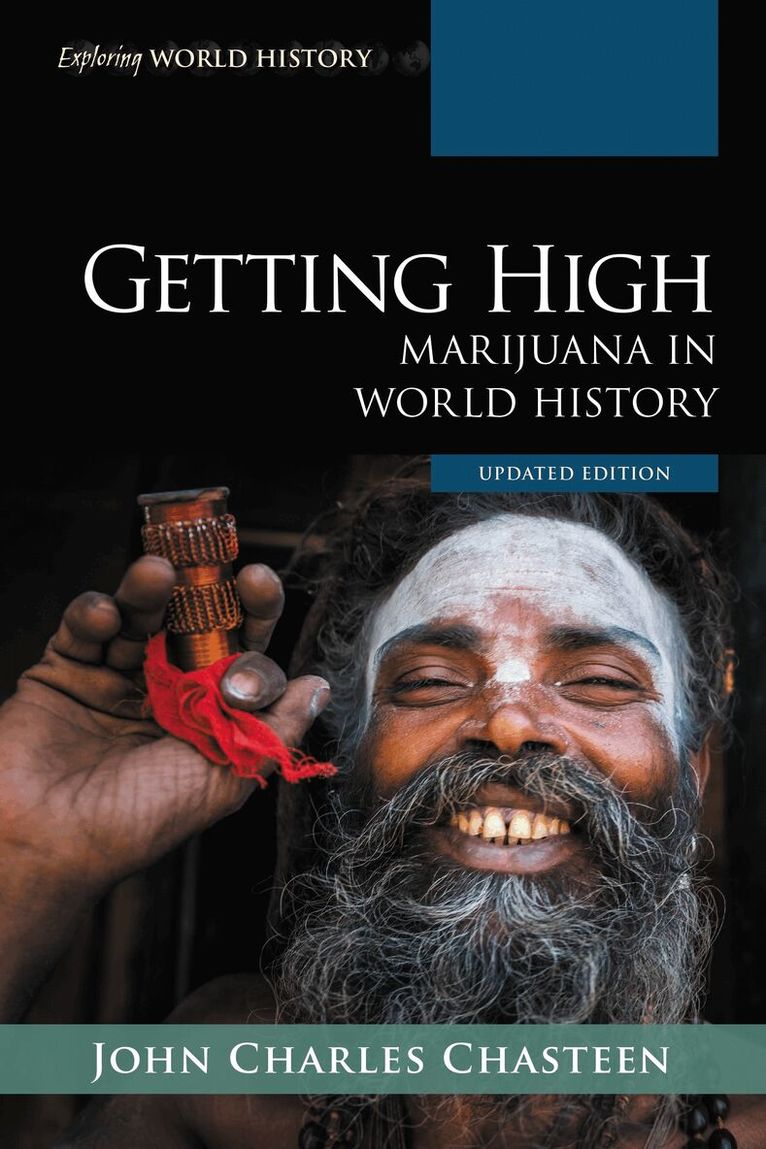
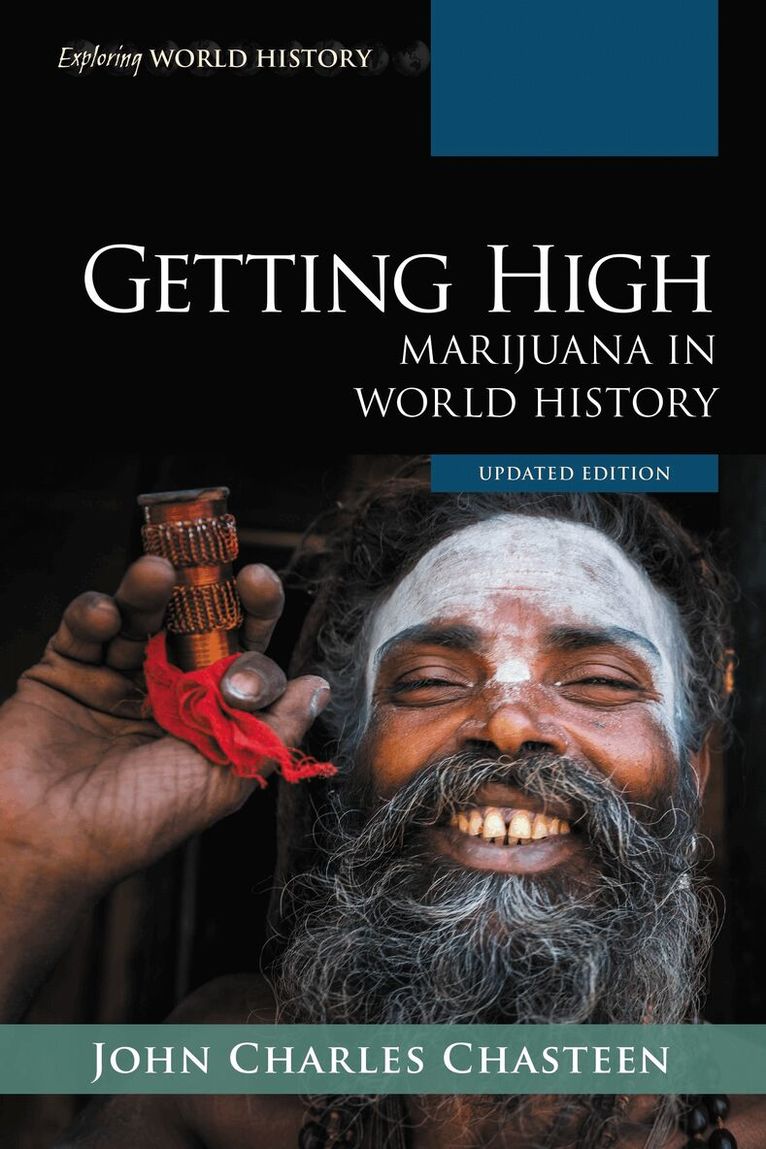
Noted historian John Chasteen traces the global history of marijuana, exploring its rich heritage with captivating insight. Among the first domesticated plants, Surprisingly, though, only infrequently has it been used as a recreational drug. Instead, there is a vibrant spiritual dimension to its long history that has been continually ignored.
354 kr
Skickas inom 10-15 vardagar
Noted historian John Chasteen traces the global history of marijuana, exploring its rich heritage with captivating insight. Among the first domesticated plants, Surprisingly, though, only infrequently has it been used as a recreational drug. Instead, there is a vibrant spiritual dimension to its long history that has been continually ignored.