Fons Vitae Al-Ghazali Series – serie
Visar alla böcker i serien Fons Vitae Al-Ghazali Series. Handla med fri frakt och snabb leverans.
8 produkter
Bane of the Tongue
Book 24 of Ihya' 'ulum al-din, The Revival of the Religious Sciences
Av Abu Hamid Muhammad al-Ghazali
Häftad, 2024
301 kr
Lägg i varukorg
The Bane of Tongue (Kitab afat al-lisan) is Book 24 of the Imam al-Ghazali’ s magnum opus, I?ya? ?ulum al-din, The Revival of the Religious Sciences. Within the architecture of this monumental work, Afat al-lisan is the fourth book of the third quarter, The Ways to Perdition (Rub? al-muhlikat), in …
Principles of the Creed
Book 2 of the Revival of the Religious Sciences
Häftad, 2016
248 kr
Lägg i varukorg
Mysteries of Purification
Book 3 of the Revival of the Religious Sciences
Häftad, 2017
292 kr
Lägg i varukorg
In The Mysteries of Purification ( Kitab asrar al tahara ), the third of the forty books of the Revival of the Religious Sciences (Ihya' 'ulum al-din), Abu Hamid al-Ghazali explains the fundamentals of the purification that is necessary in order to perform the five daily prayers.
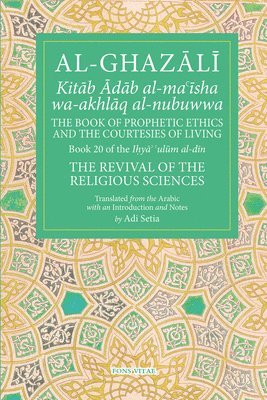
Prophetic Ethics and the Courtesies of Living
Av Al-Ghazali
Häftad, 2019
356 kr
Lägg i varukorg
In book twenty of the forty books which compose the Revival of the Religious Sciences (Ihya’ ‘ulum al-din), Abu hamid al-Ghazali gives a full account of the customs and character of the Messenger of God, Muhammad. It is not a biography of Muhammad (peace and blessing of God be upon him) but a …
Book of Contemplation
Book 39 of the Ihya' 'ulum al-din
Häftad, 2021
362 kr
Lägg i varukorg
The Book of Contemplation is the thirty-ninth of the forty Books of The Revival of the Religious Sciences (Ihya’ ‘ulum al-din) and the very last to appear in English translation. Abu Hamid al-Ghazali’s purpose in this Book is to explain the nature and importance of contemplation, or reflection, as …
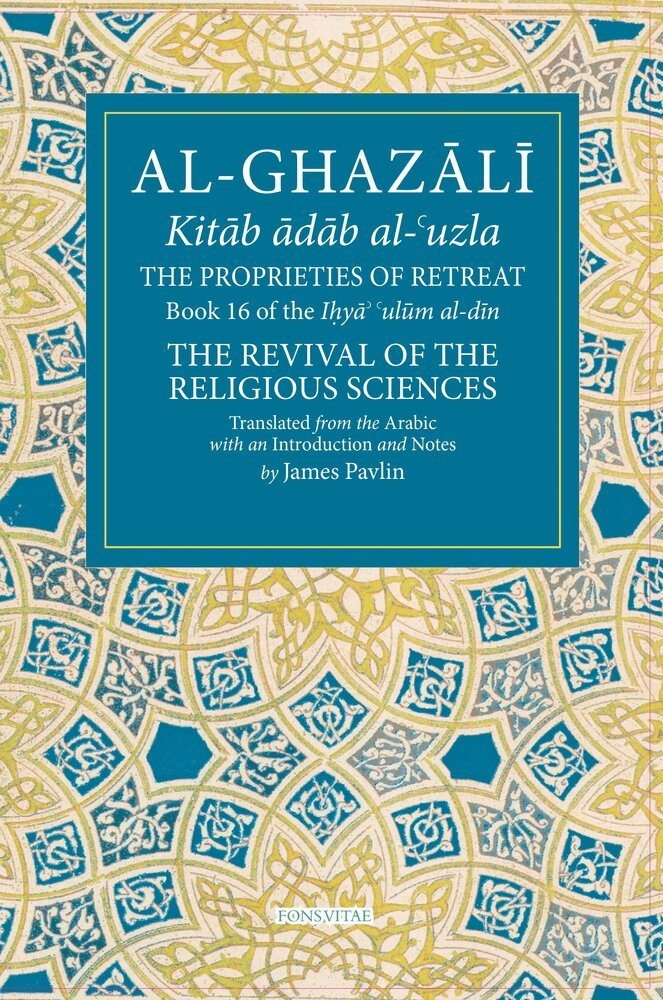
Proprieties of Retreat
Book 16 of the Ihya' 'ulum al-din, The Revival of the Religious Sciences
Häftad, 2023
232 kr
Lägg i varukorg
Al-Ghazalis Kitab adab al-'uzla ( The Properties of Retreat ) is the sixth book in the Rub' al-'adat ( Quarter of Customary Practices ) in his monumental work known as Ihya' 'ulum al-din ( Revival of the Religious Sciences ). Focusing on the issue of seclusion, or retreat from society, the main …
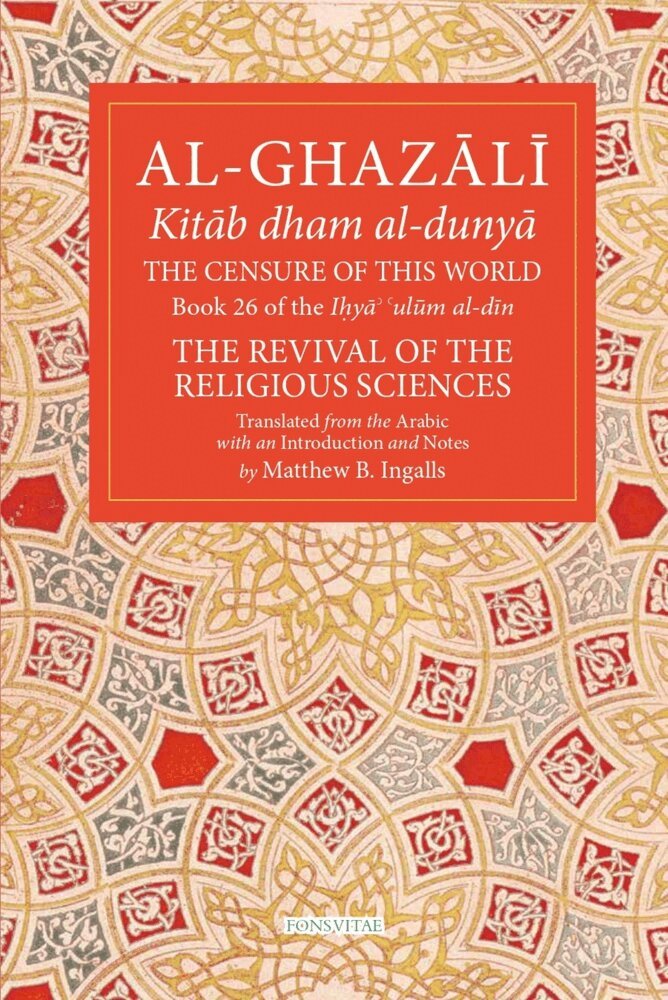
Censure of This World
Book 26 of Ihya' 'ulum al-din, The Revival of the Religious Sciences
Av Abu Hamid Muhammad al-Ghazali
Häftad, 2023
350 kr
Lägg i varukorg