Freelance Academy Press – serie
Visar alla böcker i serien Freelance Academy Press. Handla med fri frakt och snabb leverans.
23 produkter
23 produkter
Häftad, Engelska, 2016
544 kr
Skickas
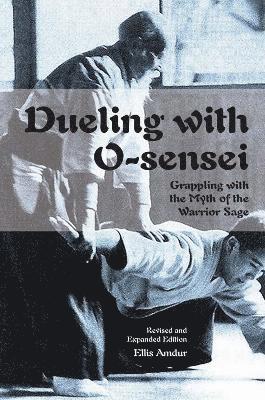
If you are a long-time martial artist, you have likely been either the recipient, the victim – or both – of the "wise old master" phenomenon, whereby budo students reverentially enfold their teachers as martial, moral and mystical juggernauts sans reproach, in which case, this book will make you clench your fists and laugh out loud, often while reading the same sentence. Iconoclastic, rebellious, yet fiercely holding to some of the most traditional values of Japanese martial culture, Amdur brought something new to martial arts writing - a startling honesty about the flaws, not only within martial arts culture, but also within its practitioners, often using himself as an exemplar of the latter.Originally published in 2000, and now fully revised, with eight new chapters, new artwork and photography, Dueling with O Sensei, Revised and Expanded Edition will be an invaluable addition to the library of old readers and new alike.
Inbunden, Engelska, 2025
1 415 kr
Skickas inom 5-8 vardagar
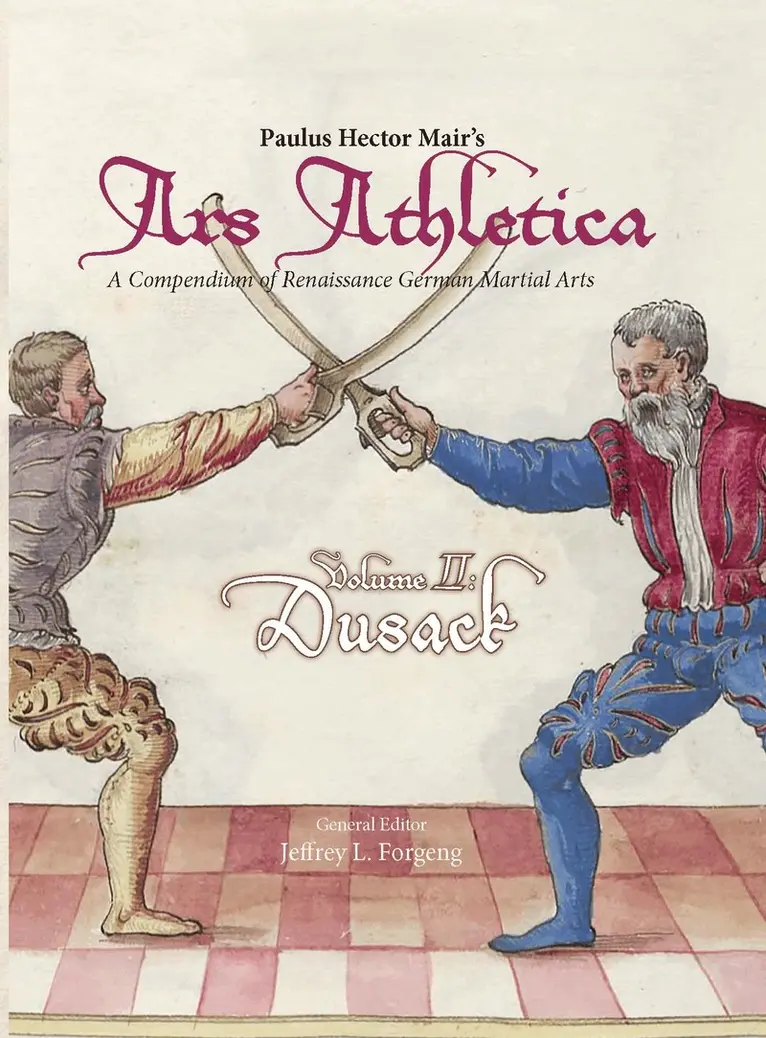
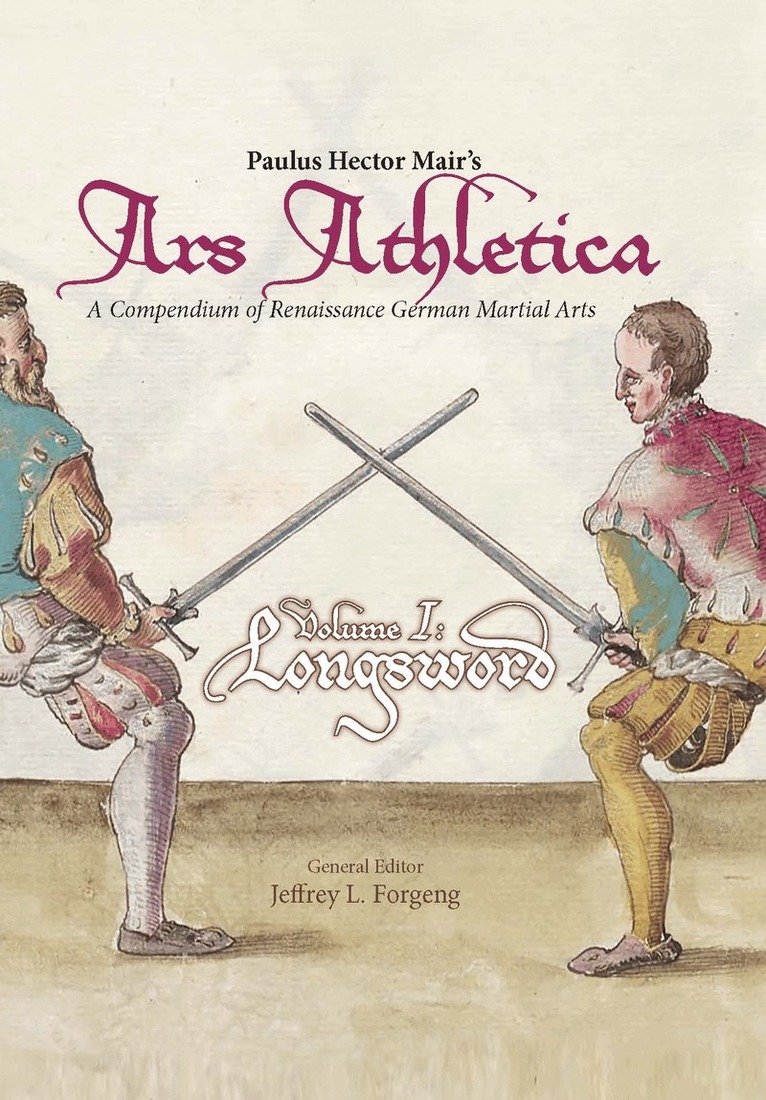
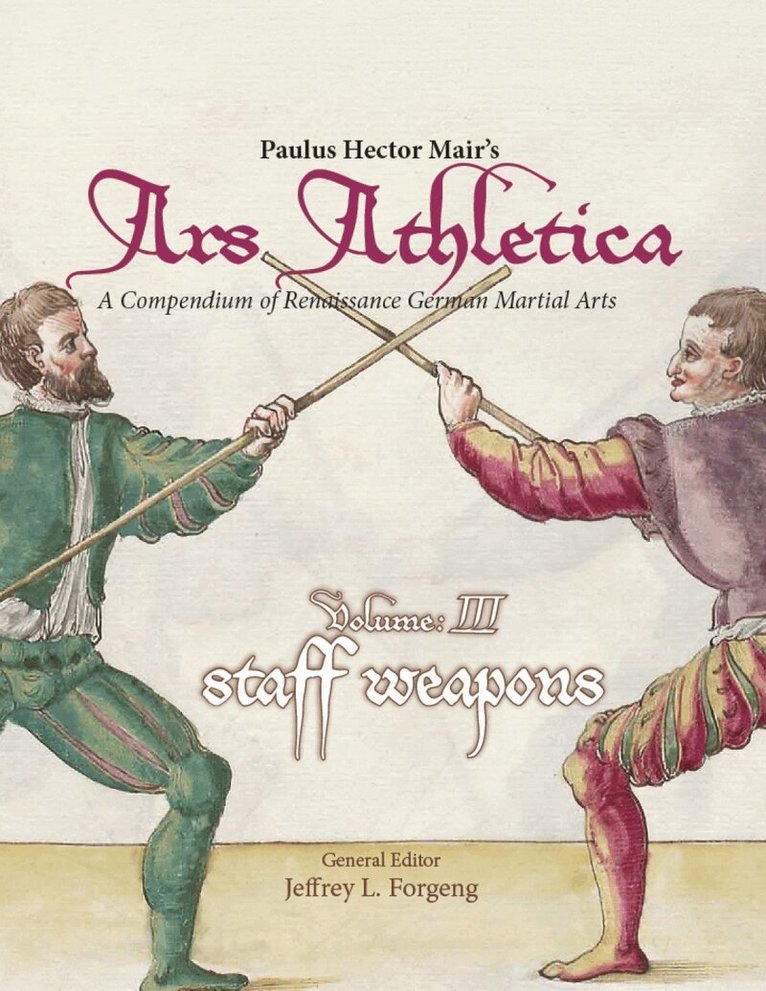
To those who study the physical culture of arms in medieval Europe, the German Fechtbücher—treatises on combat arts—are among the most important surviving documentary sources: no other region in Europe produced such an extensive body of writings on the techniques of medieval combat. Among these, the massive compendia commissioned by the scholar-swordsman Paulus Hector Mair (1517-1579) stand out as uniquely ambitious and monumental. The text survives in three manuscript copies, each consisting of two volumes, with each manuscript running to approximately 1200 pages. They include about 17 weapon-forms, from two-handed sword to rapier, armoured combat to sickle and scythe; each form consists of anywhere from 8 to 136 lavishly illustrated techniques, in many cases followed by one or more seminal texts on the form.The combination of text and image in the illustrated techniques offers obvious advantages to the understanding of a physical practice, and Mair is unique among the German masters in systematically giving instructions to both combatants, so that as one learns how to perform a technique, they also learn how to counter it. Lastly, one of the most important features of the Ars Athletica is the Latin translation, which serves as something of a Rosetta stone for interpreting the vocabulary of these long-lost martial arts. In this series, Jeffrey Forgeng, translator of the equally seminal Fechtbücher of Joachim Meyer and Hans Lecküchner, has brought together a team of translator-practitioners to tackle Mair’s opus. Over a decade of work has gone into transcribing, translating and annotating the Ars Athletica (Treatise on the Martial Arts) presenting both the original German and Latin, as well as a modern English translation.Volume Two of this series presents the Dusack, a sporting version of the older Langesmesser (long-knife) a single-edged utility sword characteristic of the German-speaking areas of Europe. Made sometimes of wood, sometimes of leather, occasionally of steel, the Dusack was the training weapon for all single-handed swords. Mair’s Dusack sequences represent one of the earliest surviving treatises on this weapon; the section ends with his redactions of some of the most famous Messer texts of the previous century.
Häftad, Engelska, 2010
494 kr
Skickas
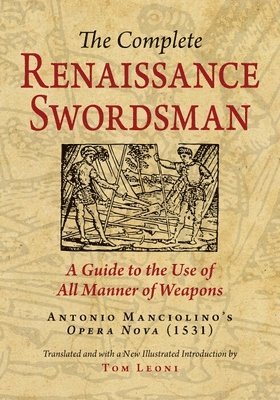
Dating from the 1520's, Bolognese swordsmaster's Antonio Manciolino's Opera Nova is the earliest surviving printed book on Italian martial arts. This seminal and eclectic Renaissance work contains clear and systematic instruction on the use of the sword and small buckler, sword and large buckler, sword and targa, sword and dagger, sword and cape, two swords, sword alone, and sword and rotella, plus a fascinating compendium on the use of polearms. Clearly and elegantly written, Manciolino's text is one of the best and clearest presentations of the martial skills required of the ideal Renaissance man. For the first time since its original publishing, this book has been translated into English by experienced historical fencing instructor Tom Leoni. Also included is a valuable and extensive technical introduction, complete with illustrations from both original sources and modern photographs, making it easy to follow Manciolino's instructions, sword-in-hand, even by beginners, while providing years of training for veteran martial artists.
Häftad, Engelska, 2010
737 kr
Skickas inom 5-8 vardagar
Martial Arts are literally 'The Arts of Mars,' the Roman god of war. For over two and a half millennia, the combat arts of Europe served the hoplite, gladiator, legionnaire, knight, duelist, boxer and wrestler on the battlefield, in the duel, as street defense and in the ring. Interest in these traditions has grown dramatically over the last twenty years, bringing together a unique combination of fighters and scholars in the quest to resurrect and preserve this proud heritage of fighting lore.The Western Martial Arts Workshop (WMAW) was founded in 1999 as a way for the students of these martial arts to meet, train, exchange research and lay the foundation for an enduring Western martial arts community. In the Service of Mars, Volume One is both a compilation of some of the most popular and detailed lectures and class notes from WMAW's first decade, and a record of the growth of the Western martial arts community in depth and breadth over the same time. But it is not only a 'best-of' anthology; most of the inclusions here are substantially different from the form in which they first appeared in the WMAW event guides. The contributions in this book have been substantially revised, expanded and photo-illustrated, coming as close to recreating an actual class in the subject as the written word can ever replicate a physical discipline.From armoured axe combat to the elegant and swift rapier; the wrestling of Germany to the swordplay of the Scots Highlander, In the Service of Mars contains something new for every student of the Western martial arts, providing hours of training, food for thought and a chronicle of the community's growth over the last decade.
Inbunden, Engelska, 2013
1 345 kr
Skickas inom 5-8 vardagar
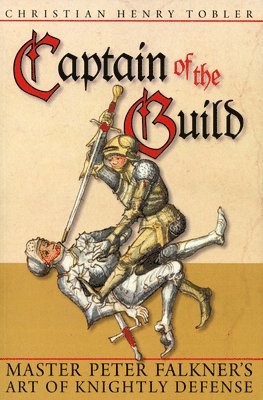
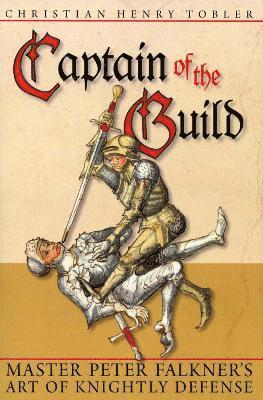
In the late 14th century, the German swordsman Johannes Liechtenauer developed and codified a system of armed combat with sword, spear and dagger that spread through the Holy Roman Empire and dominated German martial arts for nearly 300 years. By the end of the 15th century, a fellowship of swordsmen in Frankfurt known as 'the Brotherhood of Saint Mark,' or Marxbruder, had been granted an imperial charter to train and test swordmasters.Peter Falkner was a long-time member and sometime captain of this famed fencing guild, and it was during this tenure that he set about creating an illustrated fight book of his own; colourful, painted figures and short captions depict combat with a wide variety of weapons: the longsword, dagger, staff, poleaxe, halberd, dueling shield and mounted combat. Where his work excels, however, is in its extensive treatment of the falchion-like messer and the unique variations of core techniques of the Liechtenauer canon.In this first, printed edition of Falkner's work, German martial arts teacher and scholar Christian Tobler includes a full translation, transcription and analysis, combined with a photographic reproduction of the original manuscript. The end result is a lovingly rendered, English translation of a 500 year old picture-book that shows an adaptation of the Liechtenauer tradition, by a known master of its most prestigious school, as taught over a century after its foundation.
Häftad, Engelska, 2011
689 kr
Skickas inom 5-8 vardagar
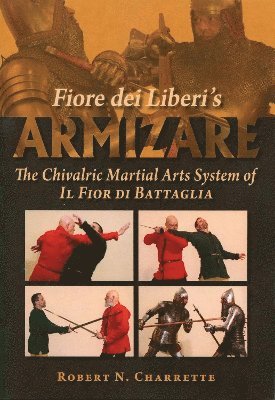
Armizare ('the Art of Arms') was the name the warriors of medieval Italy gave to their martial art, which included the wielding of sword, axe and spear with wrestling, knife-fighting and mounted combat. In the waning years of the 14th century, Fiore dei Liberi was a famed master of this art, whose students included some of the most renowned and dangerous fighting men of his day.Toward the end of his life, Master Fiore preserved his teachings in a series of illustrated manuscripts, four of which have survived to the present day, and have become the basis of a world-wide effort to reconstruct this lost martial art. However, because medieval books were written for an audience with different expectations than the modern readers 'how-to' manuals, today's students often have trouble understanding the old swordsman's choices in including, omitting or organising information as he did. They may see that fighting art was a system, but lack the background to see the systematic instruction of the book itself.In Armizare: The Chivalric Martial Arts System of il Fior di Battaglia, Robert Charrette brings together his experiences as a martial artist and respected 14th century living historian with his skills as a professional author graphic artist to not only take readers on a walking tour of Master Fiore's manuscripts, but into the mindset behind its creation. More than just an interpretation of an old book's contents, this is a tool-kit that reveals Fiore dei Liberi's brilliance as not just a fighter, but as martial arts teacher. Whether a long-time student, a newcomer to the art or a more academic devoté of the medieval warrior and his craft, readers will find themselves educated and entertained as a door is opened into another time and place - the training hall of the medieval knight.This is a highly illustrated title.
Häftad, Engelska, 2010
444 kr
Skickas inom 5-8 vardagar
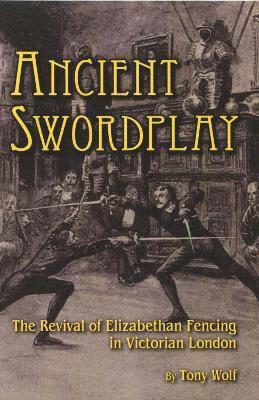
In late Victorian England, even as the sword was being rendered useless on the battlefield, swordsmanship was experiencing a unique revival. Captain Alfred Hutton and Egerton Castle, both devoted fencers and amateur historians, led a systematic study and reconstruction of combat with all the weapons of the Elizabethan arsenal - the elegant rapier, deadly sword and buckler, and the massive two-handed sword. Their work found practical expression in classes, exhibitions, academic lectures and theatrical combat, for audiences as diverse as school children, soldiers and the Prince of Wales.Yet for all of their efforts, Hutton and Castle did not establish a tradition of historical swordsmanship that survived their own generation. Instead, their books and essays were largely forgotten until the second revival of ancient swordplay in the late 20th century, and today's researchers often view these early efforts with a cavalier or dismissive eye. In Ancient Swordplay: the Revival of Elizabethan Swordplay in Victorian England, 19th-century martial arts scholar, theatrical fight director and martial artist Tony Wolf reexamines Hutton and Castle's work, both through their own words and those of their enthusiasts, students and critics. Rather than earnest but misguided amateur scholars, they are revealed to be the inventors of a systematic study and practice of lost fighting arts that has only been exceeded in recent years, worthy of being celebrated as the true pioneers in the field.
Häftad, Engelska, 2011
339 kr
Skickas
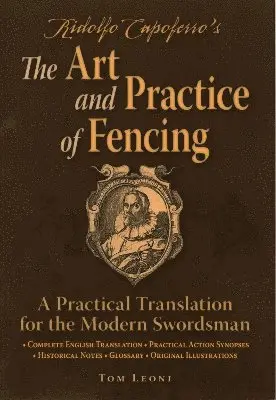
In the 1600s, the elegant and deadly Italian rapier was the choice sword of duelists, officers, gentlemen and noblemen: to master the rapier was to be a feared martial artist and a paragon in single combat.Among the original treatises on the use of this weapon, the most prized by historical fencing revivalists in the last 150 year has been the Great Representation of the Art and Practice of Fencing, written in 1610 by Master Ridolfo Capoferro. In this remarkable text, Capoferro described and illustrated - in unmatched detail - the use of the rapier alone and with a left-handed dagger, cloak and shield, offering the modern historical fencing student a true wealth of Renaissance fencing theory, form and repertoire.With this book, expert researcher and rapier instructor Tom Leoni offers a full, accurate and accessible English translation of Capoferro's teachings, complete with high-resolution reproductions of the 43 original illustrations. To make the book even more useful, Tom has included bullet-point synopses of all the actions illustrated by Capoferro, as well as a glossary of rapier-fencing terms with examples referring the reader to how they are used in the text. Also included is a primer on key rapier-fencing concepts and actions, as well as a historical introduction about Capoferro and his extraordinary relevance in the revival of historical martial arts.
Häftad, Engelska, 2015
715 kr
Skickas inom 5-8 vardagar
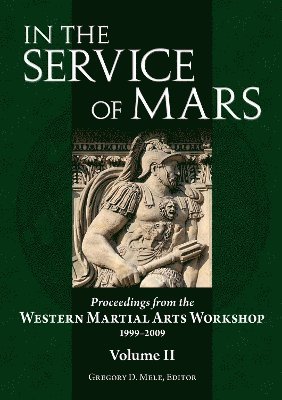
Martial Arts are literally "The Arts of Mars," the Roman god of war. For over two and a half millennia, the combat arts of Europe served the hoplite, gladiator, legionnaire, knight, duelist, boxer and wrestler on the battlefield, in duels, and in the ring. Interest in these traditions has grown dramatically over the last twenty years, bringing together a unique combination of fighters and scholars to preserve the heritage of fighting lore.The Western Martial Arts Workshop (WMAW), founded in 1999, gave students of these martial arts the opportunity to meet, train, and exchange research. In the Service of Mars, Volume Two is both a compilation of the most popular and detailed lectures and class notes from WMAW's first decade, and a record of the growth of the Western martial arts community over the same time. From longsword to sword and buckler fencing; deadly knife-fighting to mounted combat, the martial traditions of England, Germany, Italy and Spain are all amply represented and combined with detailed, practical instruction.
Häftad, Engelska, 2011
715 kr
Skickas inom 5-8 vardagar
In the late 14th century, the German swordsman Johannes Liechtenauer developed and codified a system of armed combat with sword, spear and dagger that spread through the Holy Roman Empire and dominated German martial arts for nearly 300 years. By the end of the 15th century, a fellowship of swordsmen in Frankfurt known as 'the Brotherhood of Saint Mark,' or Marxbruder, had been granted an imperial charter to train and test swordmasters.Peter Falkner was a long-time member and sometime captain of this famed fencing guild, and it was during this tenure that he set about creating an illustrated fight book of his own; colourful, painted figures and short captions depict combat with a wide variety of weapons: the longsword, dagger, staff, poleaxe, halberd, dueling shield and mounted combat. Where his work excels, however, is in its extensive treatment of the falchion-like messer and the unique variations of core techniques of the Liechtenauer canon.In this first, printed edition of Falkner's work, German martial arts teacher and scholar Christian Tobler includes a full translation, transcription and analysis, combined with a photographic reproduction of the original manuscript. The end result is a lovingly rendered, English translation of a 500 year old picture-book that shows an adaptation of the Liechtenauer tradition, by a known master of its most prestigious school, as taught over a century after its foundation.
Inbunden, Engelska, 2020
2 158 kr
Skickas inom 5-8 vardagar
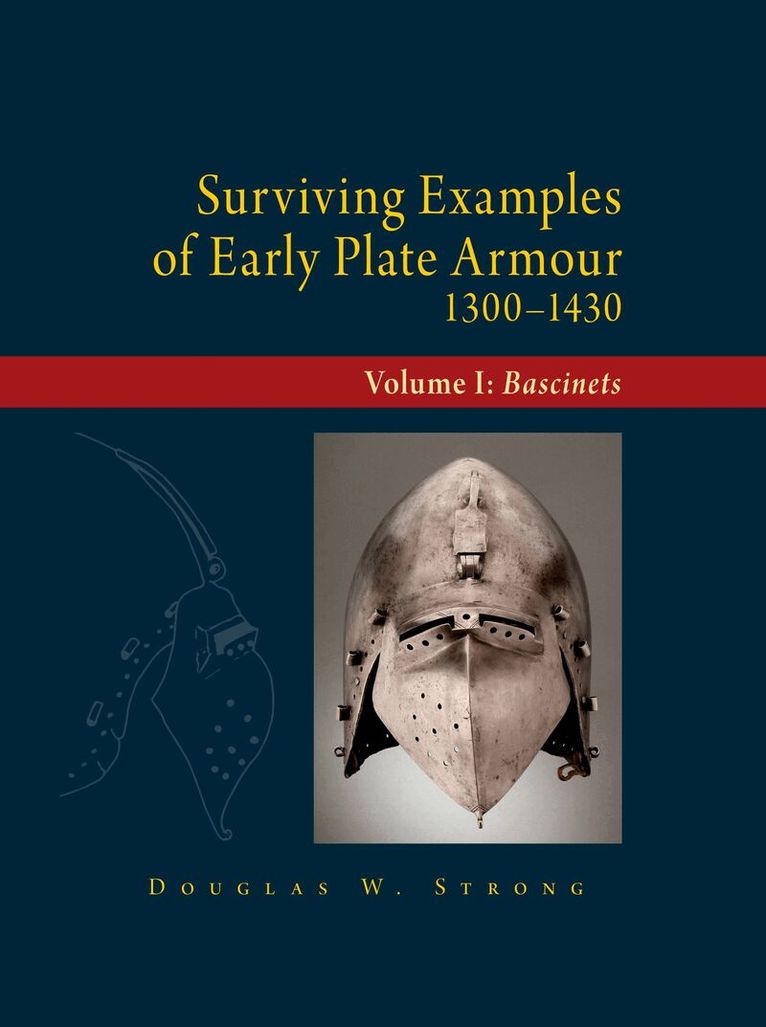
The fourteenth century witnessed a late medieval arms race; an era that began with knightly combatants armed in mail—and ended with them dressed head-to-toe in the complete plate armour that is commonly associated with knights. Although well documented in art and effigies, only a very few examples of this early plate armour survive. In this series of four planned volumes, Douglas Strong brings together three decades of research to offer a lavishly illustrated catalogue of these surviving pieces with a detailed record of their provenance, characteristics, construction details, and current whereabouts. Filled with colour and black-white photos, line-drawings, this book is a piece of artwork in its own right. Volume One focuses on the bascinet, the ubiquitous helmet of the period. Developing out of a small skull-cap worn beneath the great helm, it quickly evolved into a complete head defence of its own, becoming the helmet that defines the knightly harness of the second half of the fourteenth century and which survived in common usage into the early decades of the fifteenth century. Organizing the surviving examples into broad, morphological categories for both helmets and visors, Douglas Strong not only creates a catalogue of surviving pieces, but presents a basic typology, the first of its kind, into which future discoveries can be placed. Colour and b&w illustrations. Forthcoming volumes include: Volume II: Additional Head Defenses Volume III: Limb Defenses Volume IV: Body Defenses
Häftad, Engelska, 2015
767 kr
Skickas inom 5-8 vardagar
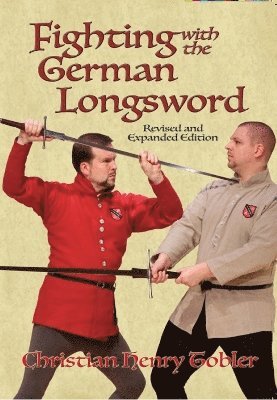
Recorded over six centuries ago, the teachings of the 14th-century Master-at-Arms Johannes Liechtenauer have been given new life by a world-wide community of modern swordsmen and women, fascinated by the elegance, efficiency and depth of his unique martial art. Christian Henry Tobler was one of the pioneers in reviving the medieval Master's art, creating the first, published syllabus for training with the two-handed longsword back in 2004. This fully rewritten, revised and expanded edition brings to bear a decade of refinement, creating a definitive, "how to" guide for students. Beginning with a short historical overview of the art, Mr. Tobler teaches stance, footwork, methods for gripping the sword, and step-by-step instructions for executing the core techniques of the Liechtenauer tradition. Additional chapters introduce students to wrestling, spear and armoured combat; demonstrating the art's depth and breadth. Heavily photo-illustrated, the book also makes use of decision-trees and training drills to aid in learning. Used as a complete, self-contained course, or a primer for studying the original medieval works themselves, this unique book will be invaluable to martial artists, reenactors, medieval historians, or anyone who has ever wondered "how did knights fight?"
Häftad, Engelska, 2017
514 kr
Skickas inom 5-8 vardagar
Originally published in 1804 and aimed at the volunteer regiments of the Napoleonic Era, when engagements with swords were still a reality of warfare, The Art of Defence was written for civilians wanting to learn to fence with the sabre, broad-sword or spadroon.The growing interest in Historical European Martial Arts (HEMA) has led to a world-wide increase in clubs and societies, and this text is aimed at these new students.The content is presented in a highly-structured way and in easily accessible language. Although primarily aimed at the novice, the text contains a number of more advanced techniques, from which more experienced fencers can benefit.This newly transcribed edition puts the complete, original text into a modern typesetting to make it easily accessible during lessons, but is otherwise left unchanged. To ensure the transcription will remain as compatible with other sources that refer to specific parts of the text as the original edition, all content has remained on the same page.All the plates, including the foldouts, have been photographed and digitally enhanced in order to reproduce them in as much detail as possible.
Häftad, Engelska, 2018
571 kr
Skickas inom 11-20 vardagar
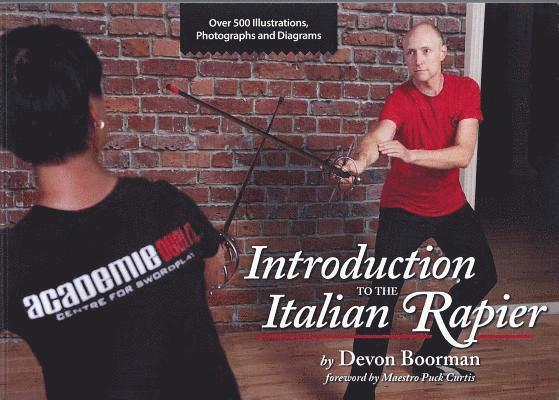
The Italian school of swordsmanship was highly influential amongst the major courts of Europe and produced scholarly writings that are still reprinted and studied today. The rapier was the weapon of choice in the Renaissance at the peak of the duelling era; heavier than its modern counterparts, capable both of thrusting and cutting, it was often used along with a dagger, shield, or cloak.Devon Boorman sets out the foundation for the art of the rapier through a clear modern approach. Beginning with the basics of body mechanics, through the techniques of movement, and the aspects of timing and blade control that made the Italian school so revered. Guidance on training and development of the techniques presented here are valuable and informative for practitioners of nearly any hand-to-hand weapons tradition.
Häftad, Engelska, 2020
553 kr
Skickas
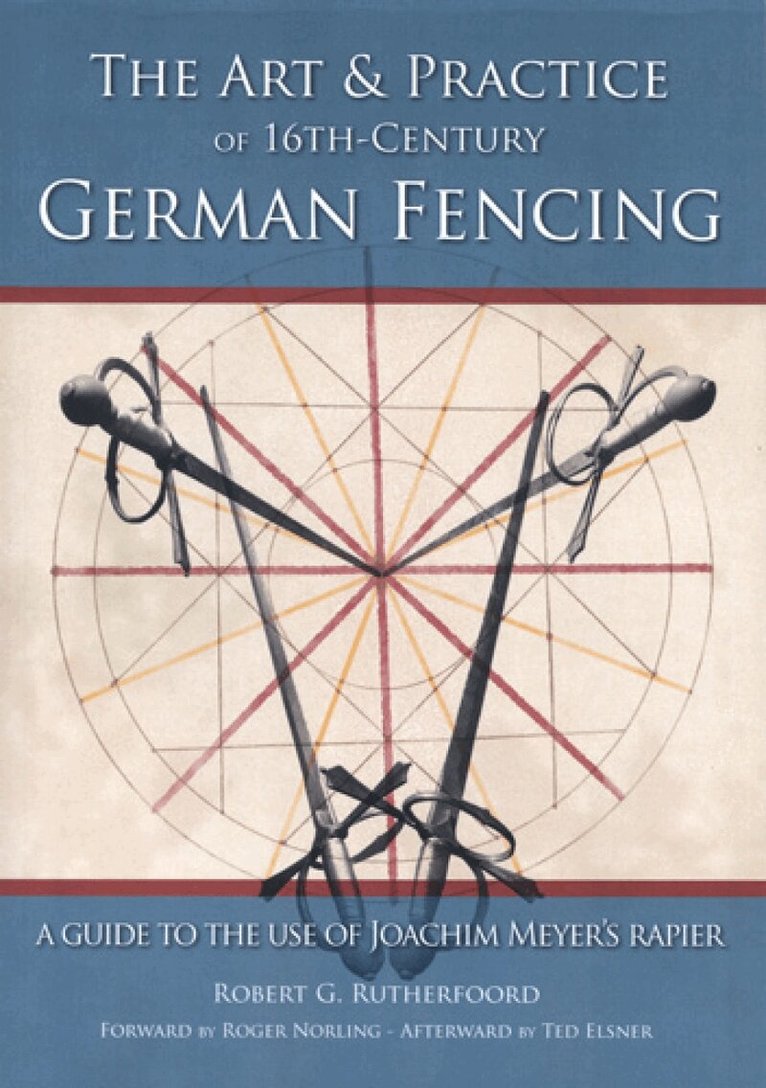
Joachim Meyer (ca. 1537 - 1571) was one of the most influential fencing masters of the Renaissance--a prolific writer of fencing manuals. In this training guide, Robert Rutherfoord unpacks the complex and elegant art of Meyer's rapier in word and image, including over 200 easy to follow illustrations to bring the art to life. Meyer's monumental "A Thorough Description of the Free, Chivalric, and Noble Art of Fencing, Showing Various Customary Defenses, Affected and Put Forth with Many Handsome and Useful Drawings" was reprinted, adapted and outright plagiarized for over a century after his death. As a martial artist, he was both the last great master of the medieval Liechtenauer fencing tradition and a young innovator, who combined his native, German traditions with those of the Italian and Spanish fencing masters to create a wholly unique systems of fighting with a vast number of weapons. The centrepiece of his work, however, was the cut-and-thrust "sidesword" or "early rapier" which was rapidly eclipsing the knightly two-handed longsword in popularity. Meyer's synthesis not only adapted his native art to this Mediterranean weapon, but in some cases, his innovations prefigured the developments of rapier fencing that Italian masters would promote in the next quarter century after his untimely death.
Häftad, Engelska, 2019
494 kr
Skickas inom 5-8 vardagar
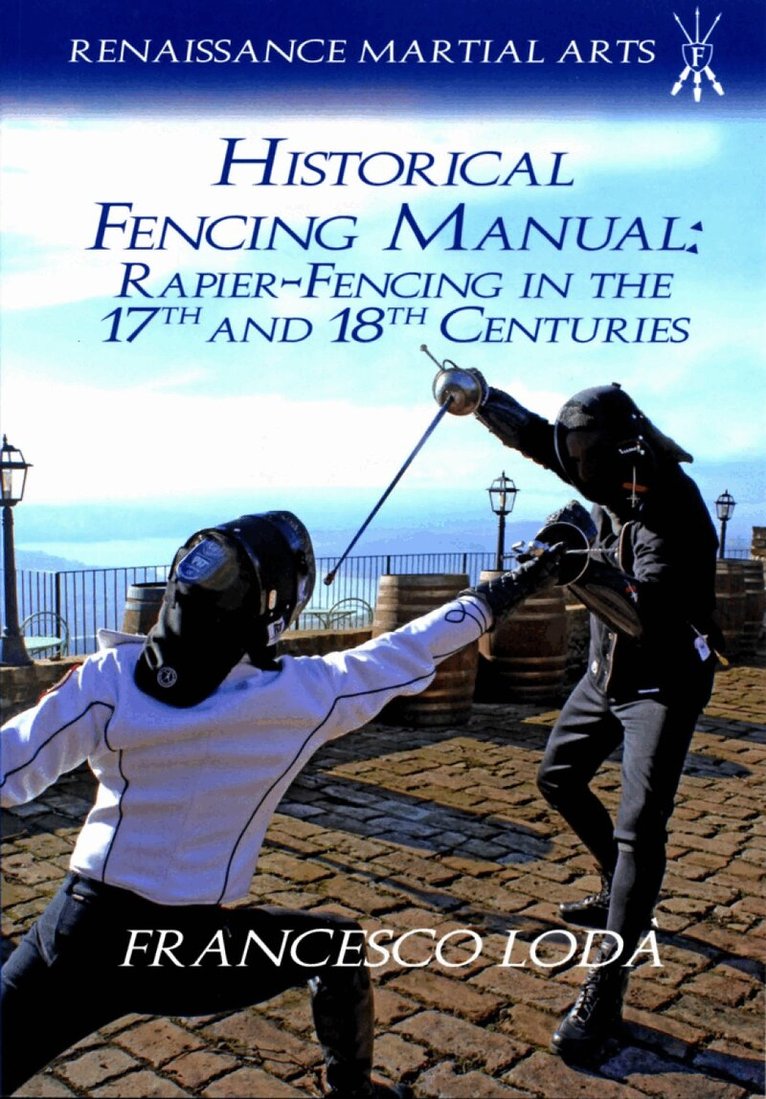
Modern fencing's origins come from the elegant, and deadly rapier of the late Italian Renaissance. Several schools of rapier fencing existed, amongst which one of the strongest and longest lasting was the Roman-Neapolitan-Sicilian School of swordsmanship (Scuola Romana-Napoletana-Siciliana ). Arising from the early, northern school, the southern school dates to the seventeenth century, in Rome, then spread throughout the south of Italy and evolved uninterruptedly until the nineteenth century, when it merged with the more modern traditions of fencing. Historical Fencing Manual: Rapier-Fencing in the 17th and 18th Centuries, is a true, modern fencing manual for training in this tradition, written by a modern master of the art. The texts of the seventeenth- and eighteenth-century masters are broken-down, synthesized and arranged into a concise, modern pedagogy, opening a gateway to the southern Italian school for the very first time. Beginning with fundamentals of stance, footwork, attack and defence, the text also covers complex provocations, disarms and grapples, and use of the left-hand dagger—a complete course under one cover!
Inbunden, Engelska, 2021
774 kr
Skickas
Noted medieval combat authorities Dierk Hagedorn and Christian Henry Tobler join forces to present a transcription, translation and analysis of the Peter von Danzig Fight Book, one of the finest manuscripts of the 15th century devoted to the fencing tradition of German grandmaster Johannes Liechtenauer. The codex features anonymous commentaries on Liechtenauer's own mnemonic verses, as well as treatises by other masters of his circle: Masters Lignitzer, Huntfelt, Ott and Peter von Danzig himself. A compendium of teachings for how to fight with the long sword, spear, sword and buckler, dagger, as well as unarmed grappling, both in and out of armour, this volume is a valuable resource for historical martial artists, historians and medieval re-enactors.
Inbunden, Engelska, 2021
854 kr
Skickas inom 5-8 vardagar
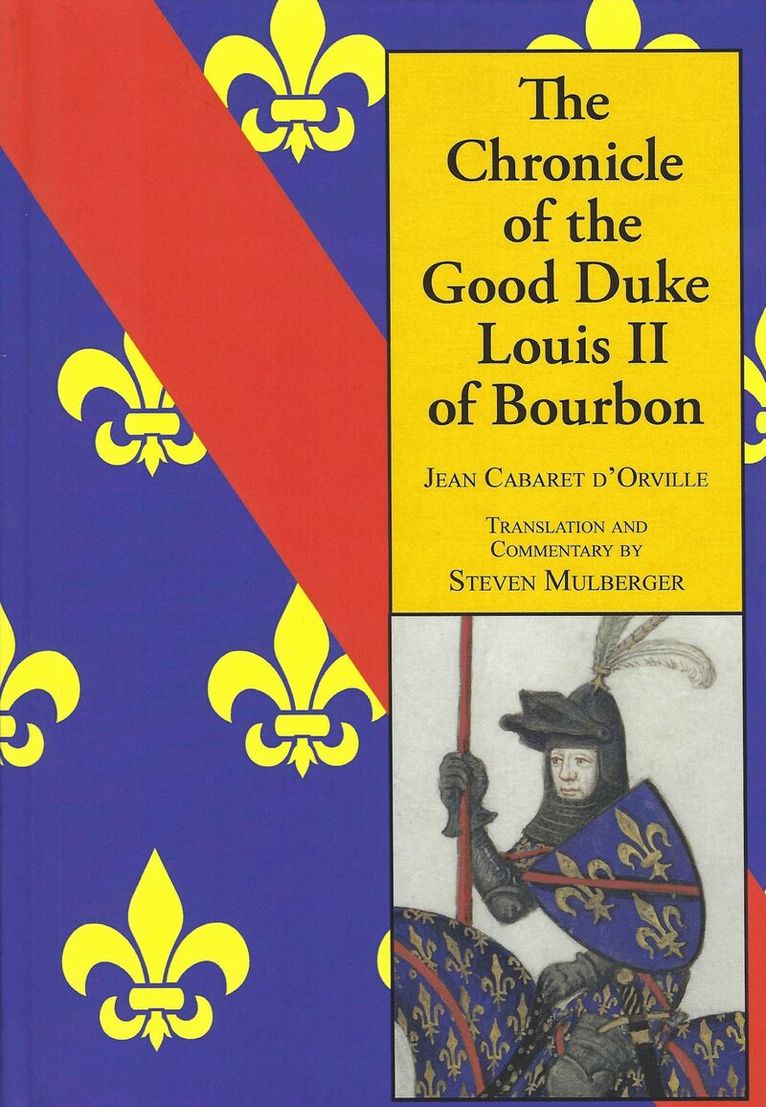
The Chronicle of the Bourbon Duke Louis II is translated here into English for the first time. It gives a striking picture of the Hundred Years' War, providing vivid first-hand descriptions of military life of the late 14th century. This record of the activities of ‘Good’ Duke Louis spans the French war against the English and other military campaigns launched by the French in the late medieval period. Duke Louis II of Bourbon was a descendant of the French King Louis IX (Saint Louis, d. 1270) and of the first Duke of Bourbon. As cousin of Kings Charles VI and Charles VII, and ruler of a key French duchy, Louis was a leader of the French in the Hundred Years' War (1337-1452); a general and a diplomat in the campaigns against the English, and later in the campaigns in the Baltic region, Muslim North Africa and the Iberian peninsula. He was considered a pious Christian who moderated the worst excesses of the French royal dukes, making him a rare figure: a leader in every aspect of a bloody war, from battlefield to high level politics, in all respects a hero. At least, that is how his friends saw it: what they thought of him is preserved in The Chronicle of the Good Duke Louis II. The Chronicle is as much a portrait of Louis' circle of friends as it is of Louis himself. It gives modern readers a striking picture of the Hundred Years' War, providing vivid descriptions of the war camps, courts, and battlefields of the late 14th century. Historian Steven Muhlberger renders his translation, the first of the Chronicle into any modern language, in crisp modern English.
Inbunden, Engelska, 2025
1 939 kr
Skickas inom 5-8 vardagar
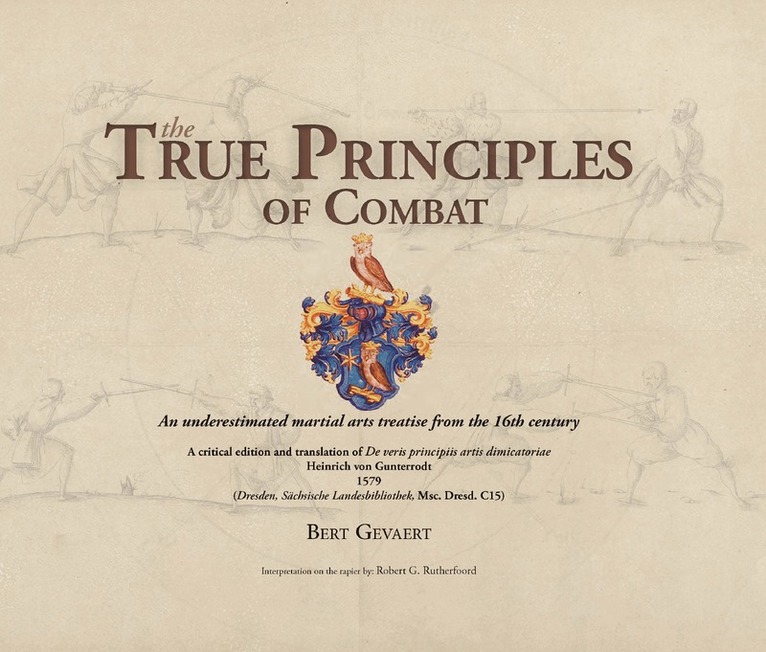
The late 16th century was one of great political and social upheaval, an era in which medieval knights, feudal armies, town levies and hired mercenaries were giving way to modern militaries. Pike and shot had come to dominate the field, and swordplay had become a pastime, as often used to settle affairs of honour as in military matters. For most students of European Martial Arts, the name Heinrich von Gunterrodt is known as the 16th-century owner of Europe’s oldest known fencing text, a c.1300 sword and buckler manuscript (known as Ms. I.33). However, this Saxon nobleman was a swordsman, soldier and fencing historian in his own right. In 1579, he penned a short treatise on the history of fencing, entitled De Veris Principiis Artis Dimicatoriæ (Of the True Principles of the Art of Combat) and dedicated it to Johan Albrecht, Duke of Mecklenburg.Ostensibly a history, tracing the art of swordsmanship and wrestling from antiquity, the text is also interesting because of the relationships von Gunterrodt draws between fencing and unarmed combat, and his comparisons between what was taught in the fencing schools of his own day with the lessons contained in Ms. I.33. Perhaps of most interest to modern students of swordplay in this period is his scathing critique of the Marxbrüder fencing guild and public fencing contests, or Fechtschulen, which he sees as little more than crudely-skilled, drunken sporting events; a criticism that parallels contemporary writers analysing the fencing guilds and public prize-fights in England and Spain. This beautiful, full-colour edition presents a full facsimile, transcription and translation of von Gunterrodt’s original manuscript, along with complete annotations and comparisons with other Renaissance martial arts texts. A critical analysis of the author’s practical fencing advice, by swordplay researcher Robert Rutherfoord (author of The Art and Practice of 16th-Century German Rapier Fencing), is also included. Students of HEMA (Historical European Martial Arts), and those interested more generally in the sweeping changes in the nature and purpose of swordplay, will find this essay a fascinating addition to their libraries.
Inbunden, Engelska, 2026
1 555 kr
Skickas
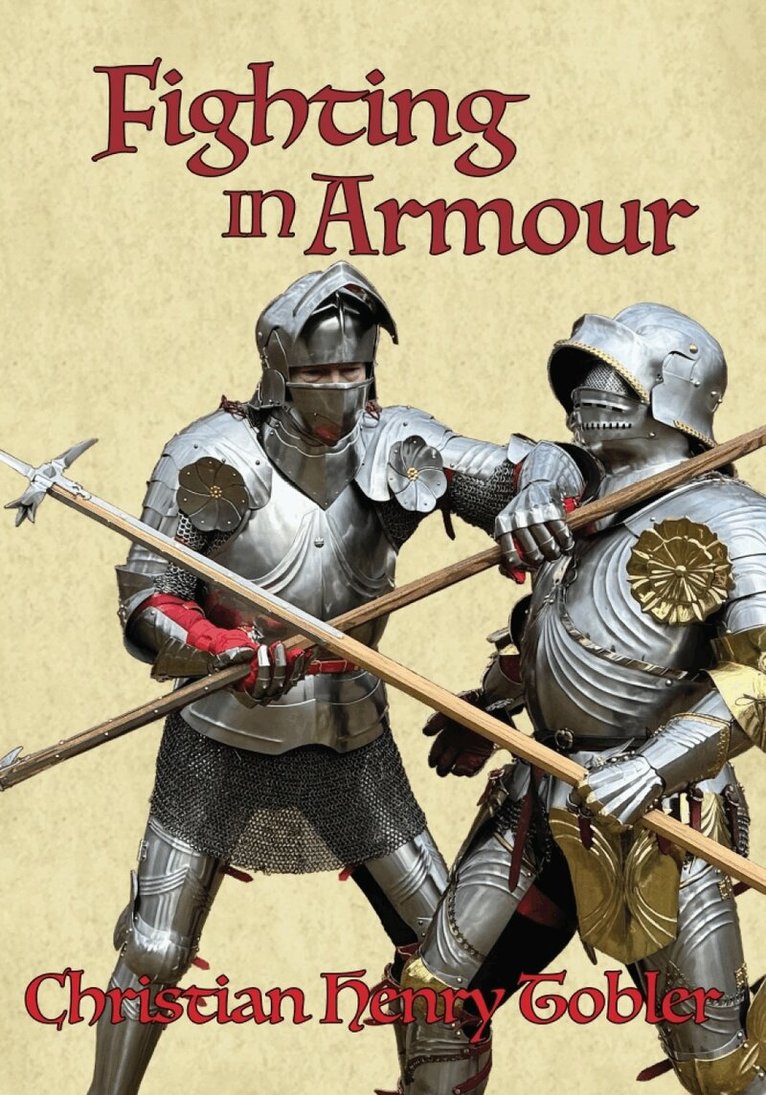
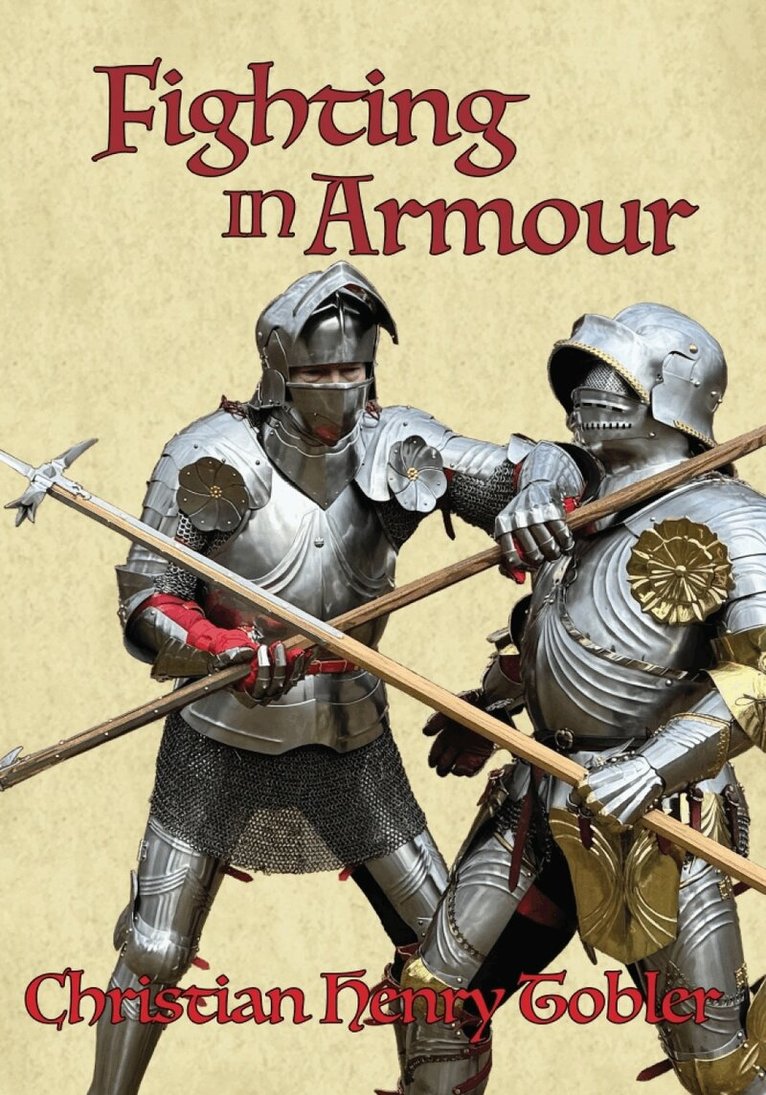
“Young knight learn to love God and revere women so that your honour grows. Practice knighthood and learn the Art that dignifies you, and brings you honour in wars. Wrestle well and wield lance, spear, sword and dagger manfully, whose use in others’ hands is wasted. Strike bravely and hard there!” With these words, the 14th–century Master-at-Arms Johannes Liechtenauer begins his instructions into the knightly art of arms, a robust martial art whose other masters would expand upon over the course of the 15th century to cover the entire panoply of medieval arms: swords, shields, polearms, daggers, wrestling and mounted combat.Christian Henry Tobler here presents a detailed exploration of armoured combat with sword, dagger, spear and axe. Filled with techniques, drills, explanation of armour and its component parts, and an overview of the various sources and their authors, the pages are illustrated with photographs, mainly in colour, of beautiful replica armours of the 14th and 15th centuries.Nothing more symbolizes the medieval knight than his harness of plate armour, and armoured combat with all of these tools, or with none at all, played an important role in the tradition. It is also the driving passion of Christian Henry Tobler, author of the seminal Fighting with the German Longsword. This new book is a true first-of-its-kind primer of medieval armoured combat, and a love song to the Knightly Art whose spirit has infused the author’s own for most of his life.
Häftad, Engelska, 2010
566 kr
Tillfälligt slut
The medieval knight was a well-trained fighting man, expert in the use of sword, lance, spear and dagger, and member of a warrior aristocracy whose values, virtues and vices helped shape European society for over 500 years. As a window into the knight and his craft, In Saint George's Name: An Anthology of Medieval German Fighting Arts brings readers a treasure trove of historic combat treatises, musings on the culture and context of the martial arts in the late Middle Ages and hands-on training exercises for wrestling, dagger, falchion and poleaxe. Join medieval combat expert Christian Henry Tobler on an expansive journey into the lost world of chivalric fighting arts, certain to thrill martial artists, arms and armour enthusiasts, and lovers of history alike.
Inbunden, Engelska, 2006
1 344 kr
Tillfälligt slut
Writing in the mid-15th century, Master Paulus Kal was the agent, confidante and fencing master to the powerful Duke of Ludwig IX of Bavaria-Landshut. In his fencing book, prepared for this ducal patron, he presented standard and variant techniques in the tradition of Johannes Liechtenauer, in beautifully rendered and highly detailed illuminations of figures wielding the sword, sword and buckler, dagger, messer (falchion), spear and poleaxe, plus mounted combat.This English translation is presented in full-colour, oversize leather edition, complete with a protective slipcase.
Häftad, Engelska, 2017
601 kr
Tillfälligt slut
This short text with beautiful watercolour illustrations dates from 1595, and details fencing with the single sword, rapier and dagger, rapier and buckler, halberd, and full pike. Schermkunst is one of the oldest known martial arts treatises from the Low Countries and provides a glimpse into the `Art of Defence’ as it was practiced during a particularly volatile time in Netherlands history.Rebellion against Philip II of Spain led to independence of the Calvinist Northern provinces from Catholic Spain. In the same year, the spice trade expedition set into motion events culminating in the formation of the Dutch East India Company, and a golden age of Dutch history that spanned the 17th century.The original anonymous manuscript is held in the special collections of the Newberry Library of Chicago