From Pole to Pole - Böcker
Visar alla böcker i serien From Pole to Pole. Handla med fri frakt och snabb leverans.
8 produkter
8 produkter
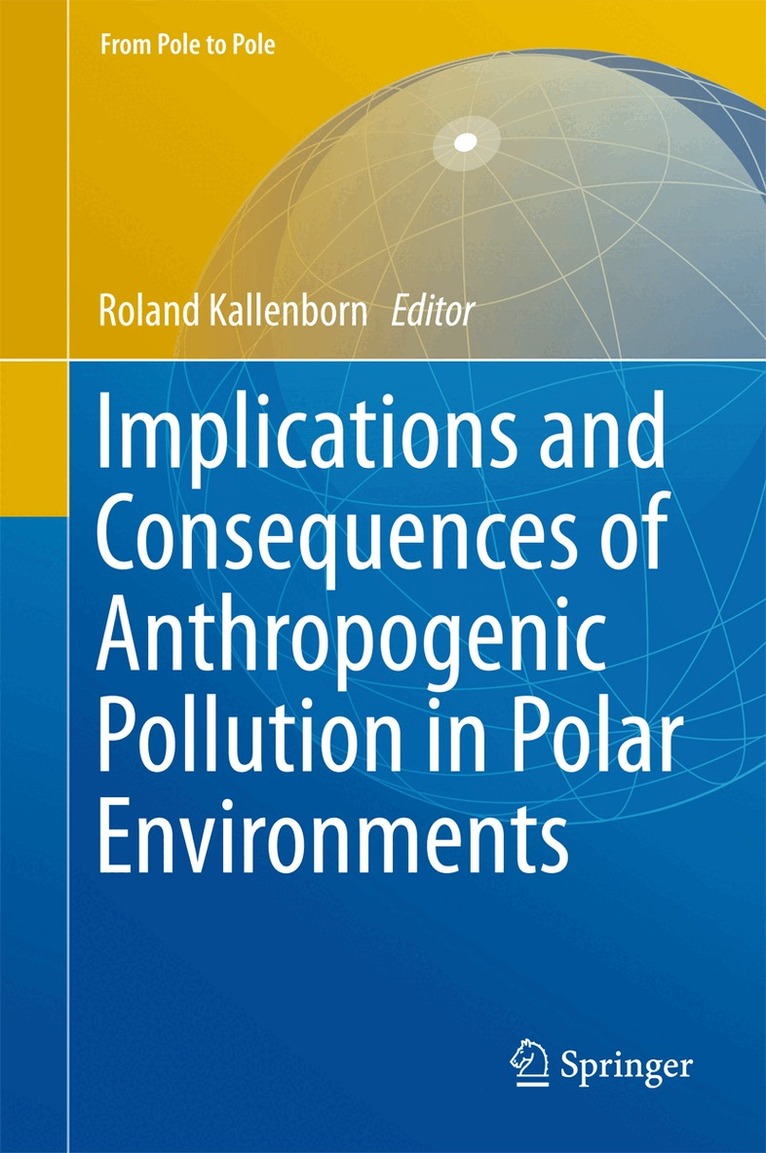
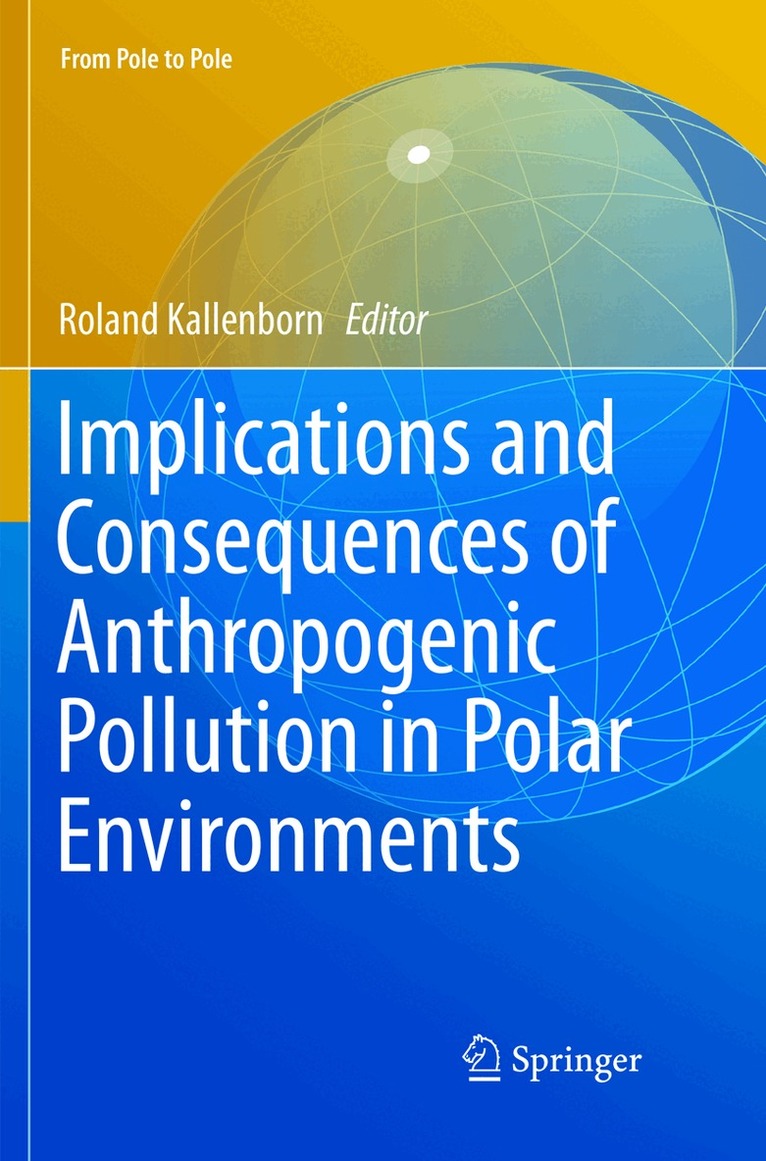
Implications and Consequences of Anthropogenic Pollution in Polar Environments
Inbunden, Engelska, 2016
1 062 kr
Skickas inom 10-15 vardagar
The first evidence on the adverse effects of organic pollutants on Arctic ecosystems was provided by international research initiatives more than 30 years ago. Today, the indigenous people of the North are considered to be affected by exposure to persistent organic pollutants (POPs) and metals through their traditional marine food sources. The occurrence of pollutants of emerging concern in remote Polar environments is considered an essential criterion for prioritising this (largely neglected) type of contamination in national, international and global regulation schemes. Initiated during the first international Polar Years (IPY 2007-2009) and continued afterwards, 11 representative initiatives and projects are summarised as chapters in this book, which highlights today’s interdisciplinary research on POPs in the Polar environment. The individual chapters describe in detail the consequences, priorities and perspectives of international research on POPs (legacy and emerging xenobiotics), its implications for regulations and scientific priorities including societal and cultural developments in the Arctic, as well as conservation priorities in Antarctica. This book is intended for all readers interested in learning more about modern research on environmental pollutants in the Polar environments (with a strong focus on Arctic environments). The impacts of pollution and climate change on Polar regions and the world as a whole will continue to be felt for many years to come. Sound science is, thus, vital in order to underpin actions that need to be taken at the global, regional and local levels. This book contributes to this highly relevant, interdisciplinary environmental scientific endeavour.
2 116 kr
Skickas inom 10-15 vardagar
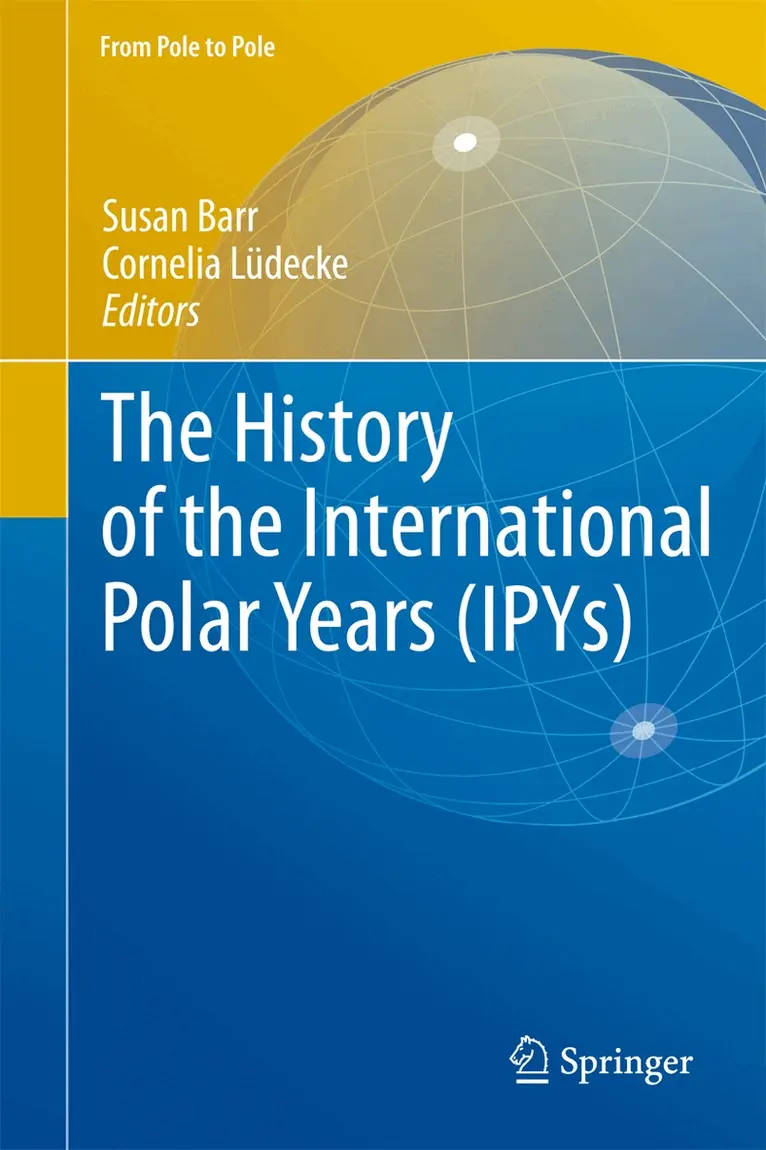
Although international scientific cooperation - particularly in meteorology - was established previous to the first International Polar Year, the IPY-1 (1882-83) is considered to be the first revolutionary step towards an extensive international cooperation in the polar areas for the benefit of science rather than national prestige and territorial gain. This was followed by IPY-2 (1932-33) and IPY-3 - actually the International Geophysical Year (1957-58) - before the crowning effort of IPY-4 (2007-08). The history of these years is recounted here and explains the political, economic, technical and scientific conditions and expectations that laid the basis for each IPY and which gradually expanded both the scope and extent of our understanding of the complexities in polar regions
2 116 kr
Skickas inom 10-15 vardagar
Although international scientific cooperation - particularly in meteorology - was established previous to the first International Polar Year, the IPY-1 (1882-83) is considered to be the first revolutionary step towards an extensive international cooperation in the polar areas for the benefit of science rather than national prestige and territorial gain. This was followed by IPY-2 (1932-33) and IPY-3 - actually the International Geophysical Year (1957-58) - before the crowning effort of IPY-4 (2007-08). The history of these years is recounted here and explains the political, economic, technical and scientific conditions and expectations that laid the basis for each IPY and which gradually expanded both the scope and extent of our understanding of the complexities in polar regions
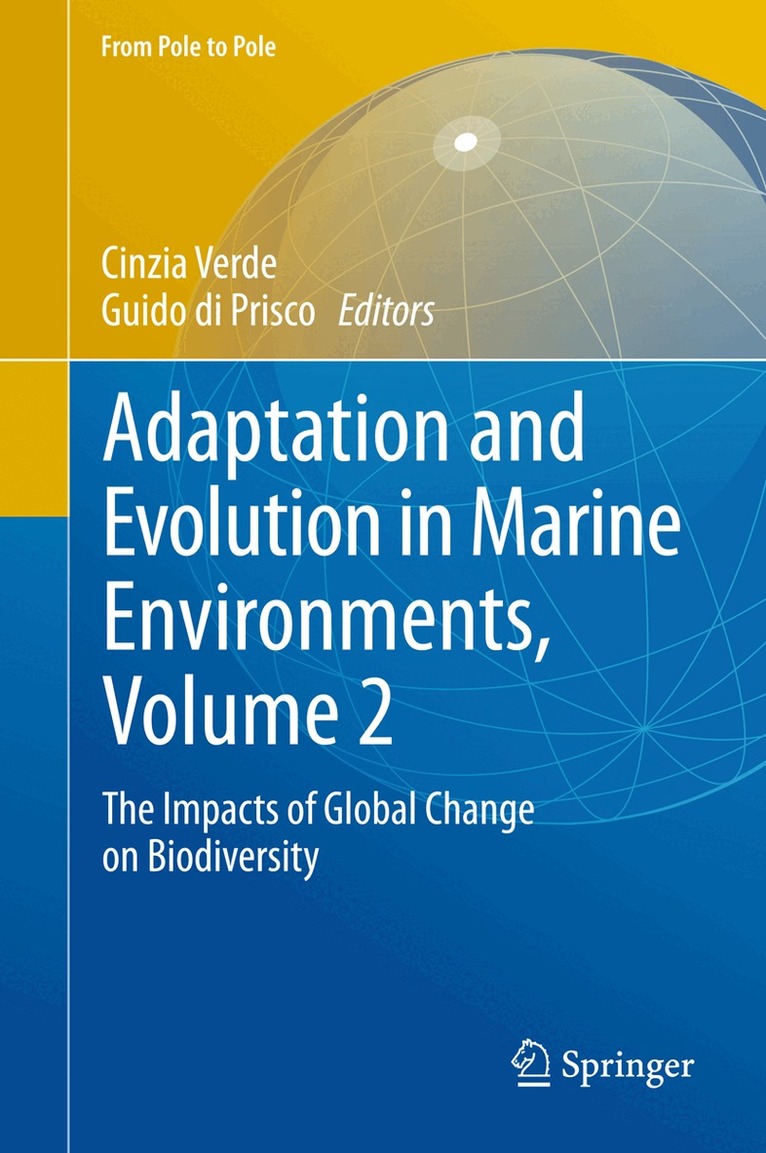
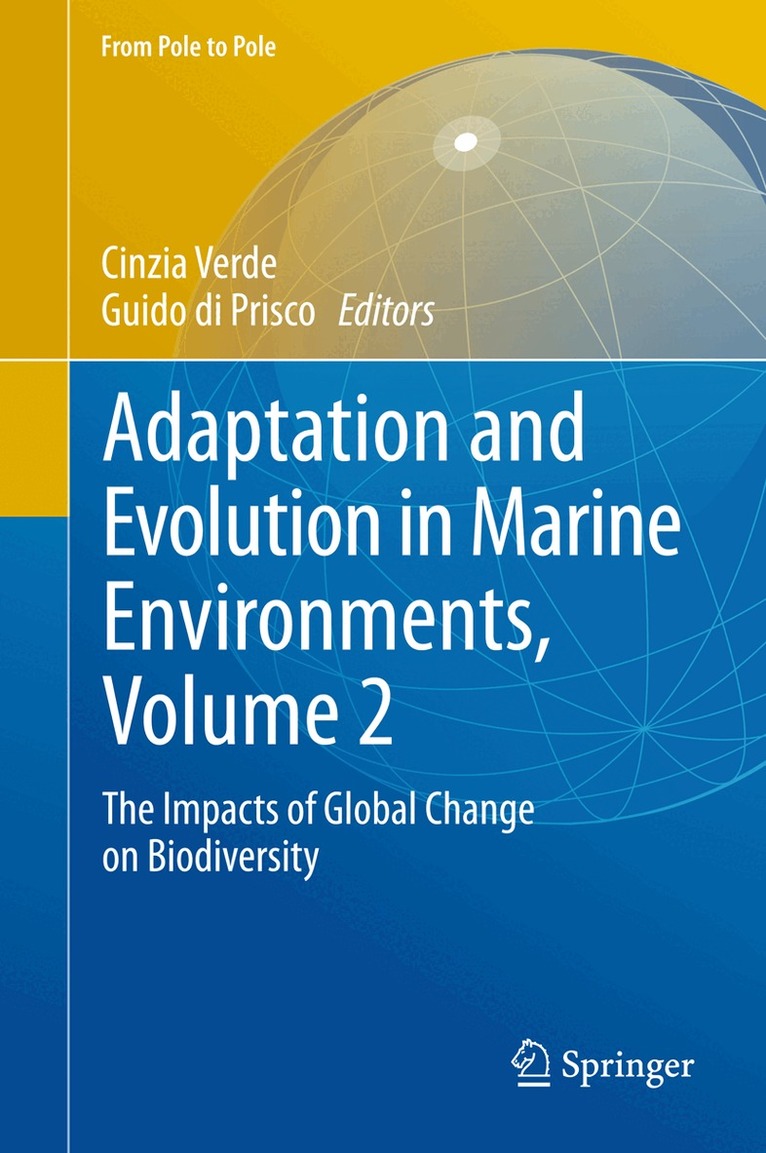
Adaptation and Evolution in Marine Environments, Volume 2
The Impacts of Global Change on Biodiversity
Inbunden, Engelska, 2012
1 062 kr
Skickas inom 10-15 vardagar
This book discusses organisms from bacteria and ciliates to higher vertebrates that live on polar continental shelves, slopes and deep sea. Discussion includes shrinking sea ice, and organisms adapted to cold climates that are now vulnerable to rapid warming.
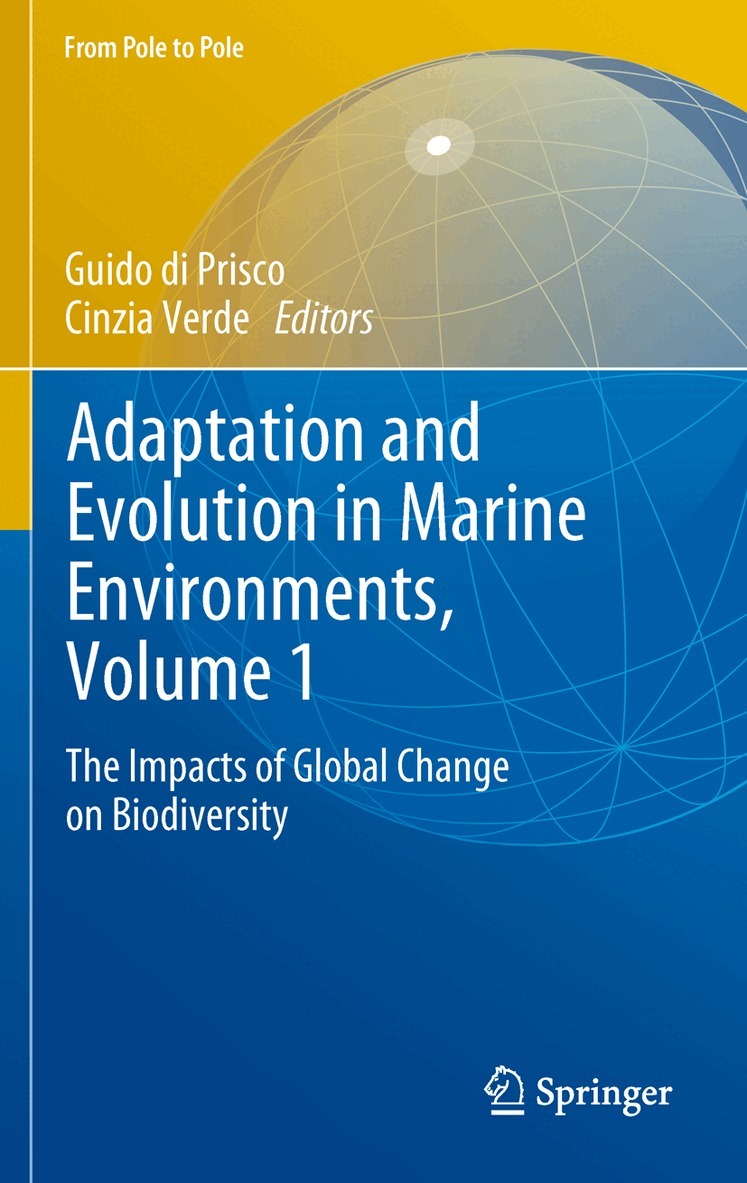
Adaptation and Evolution in Marine Environments, Volume 1
The Impacts of Global Change on Biodiversity
Inbunden, Engelska, 2012
1 062 kr
Skickas inom 10-15 vardagar
The poles undergo climate changes exceeding those in the rest of the world in terms of their speed and extent, and have a key role in modulating the climate of the Earth. Ecosystems adapted to polar environments are likely to become vulnerable to climate changes. Their responses allow us to analyse and foresee the impact of changes at lower latitudes. We need to increase our knowledge of the polar marine fauna of continental shelves, slopes and deep sea, as identifying the responses of species and communities is crucial to establishing efficient strategies against threats to biodiversity, using international and cross-disciplinary approaches. The IPY 2007-2009 was a scientific milestone. The outstanding contribution of Marine Biology is reflected in this volume and the next one on “Adaptation and Evolution in Marine Environments – The Impacts of Global Change on Biodiversity” from the series “From Pole to Pole”, making these volumes a unique and invaluable component of the scientific outcome of the IPY.
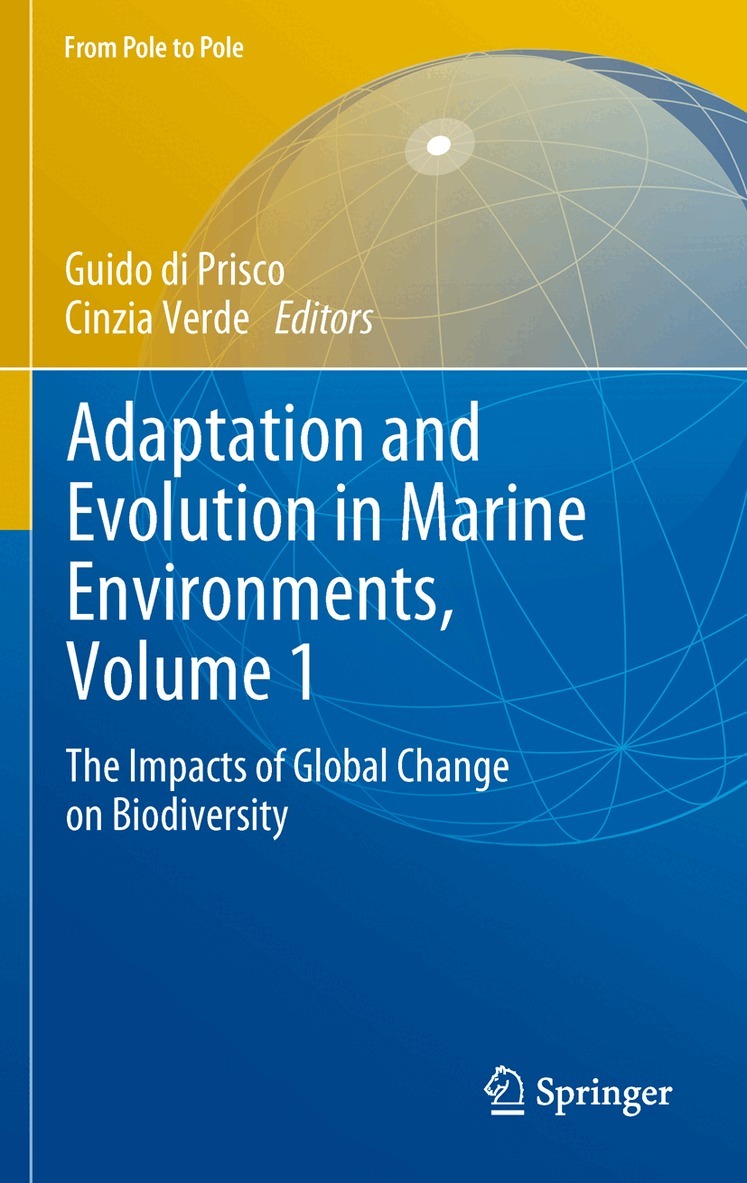
Adaptation and Evolution in Marine Environments, Volume 1
The Impacts of Global Change on Biodiversity
Häftad, Engelska, 2014
1 062 kr
Skickas inom 10-15 vardagar
The poles undergo climate changes exceeding those in the rest of the world in terms of their speed and extent, and have a key role in modulating the climate of the Earth. Ecosystems adapted to polar environments are likely to become vulnerable to climate changes. Their responses allow us to analyse and foresee the impact of changes at lower latitudes. We need to increase our knowledge of the polar marine fauna of continental shelves, slopes and deep sea, as identifying the responses of species and communities is crucial to establishing efficient strategies against threats to biodiversity, using international and cross-disciplinary approaches. The IPY 2007-2009 was a scientific milestone. The outstanding contribution of Marine Biology is reflected in this volume and the next one on “Adaptation and Evolution in Marine Environments – The Impacts of Global Change on Biodiversity” from the series “From Pole to Pole”, making these volumes a unique and invaluable component of the scientific outcome of the IPY.
Adaptation and Evolution in Marine Environments, Volume 2
The Impacts of Global Change on Biodiversity
Häftad, Engelska, 2014
1 062 kr
Skickas inom 10-15 vardagar
The second volume of “Adaptation and Evolution in Marine Environments – The Impacts of Global Change on Biodiversity” from the series “From Pole to Pole” integrates the marine biology contribution of the first tome to the IPY 2007-2009, presenting overviews of organisms (from bacteria and ciliates to higher vertebrates) thriving on polar continental shelves, slopes and deep sea. The speed and extent of warming in the Arctic and in regions of Antarctica (the Peninsula, at the present ) are greater than elsewhere. Changes impact several parameters, in particular the extent of sea ice; organisms, ecosystems and communities that became finely adapted to increasing cold in the course of millions of years are now becoming vulnerable, and biodiversity is threatened. Investigating evolutionary adaptations helps to foresee the impact of changes in temperate areas, highlighting the invaluable contribution of polar marine research to present and future outcomes of the IPY in the Earth system scenario.
Implications and Consequences of Anthropogenic Pollution in Polar Environments
Häftad, Engelska, 2018
1 062 kr
Skickas inom 10-15 vardagar
The first evidence on the adverse effects of organic pollutants on Arctic ecosystems was provided by international research initiatives more than 30 years ago. Today, the indigenous people of the North are considered to be affected by exposure to persistent organic pollutants (POPs) and metals through their traditional marine food sources. The occurrence of pollutants of emerging concern in remote Polar environments is considered an essential criterion for prioritising this (largely neglected) type of contamination in national, international and global regulation schemes. Initiated during the first international Polar Years (IPY 2007-2009) and continued afterwards, 11 representative initiatives and projects are summarised as chapters in this book, which highlights today’s interdisciplinary research on POPs in the Polar environment. The individual chapters describe in detail the consequences, priorities and perspectives of international research on POPs (legacy and emerging xenobiotics), its implications for regulations and scientific priorities including societal and cultural developments in the Arctic, as well as conservation priorities in Antarctica. This book is intended for all readers interested in learning more about modern research on environmental pollutants in the Polar environments (with a strong focus on Arctic environments). The impacts of pollution and climate change on Polar regions and the world as a whole will continue to be felt for many years to come. Sound science is, thus, vital in order to underpin actions that need to be taken at the global, regional and local levels. This book contributes to this highly relevant, interdisciplinary environmental scientific endeavour.