Fundação Calouste Gulbenkian – serie
Visar alla böcker i serien Fundação Calouste Gulbenkian. Handla med fri frakt och snabb leverans.
10 produkter
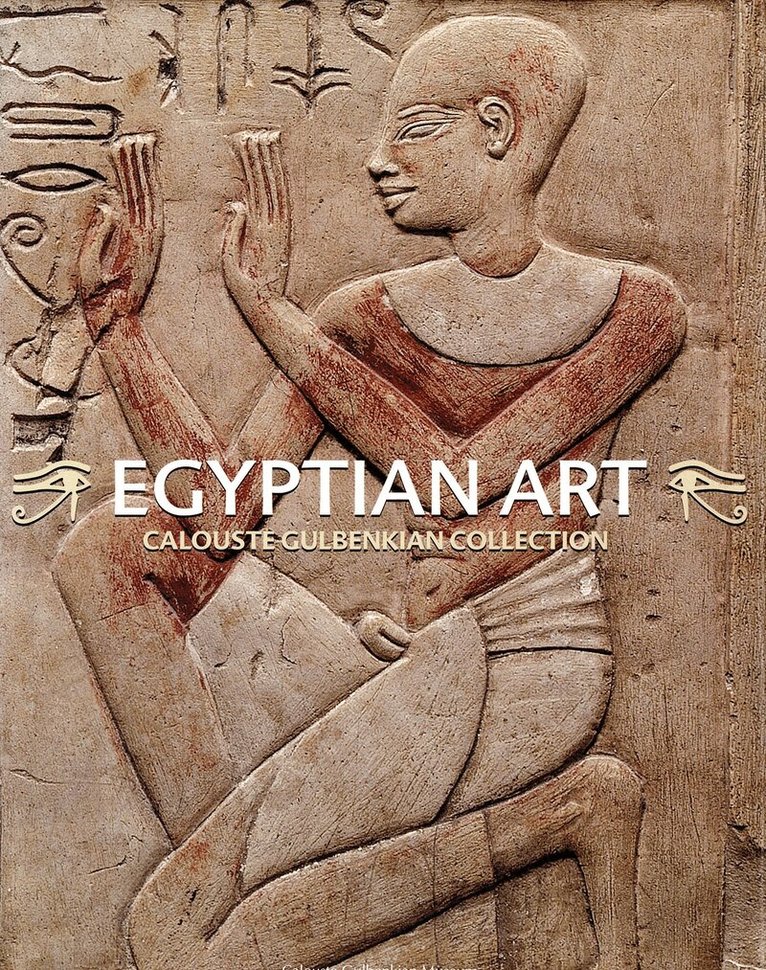
Egyptian Art. Calouste Gulbenkian Collection
Egyptian Art. Calouste Gulbenkian Collection
Inbunden, 2025
631 kr
Lägg i varukorg
Continuing the publication program that aims to disseminate the Collection through albums that present specific sections in a systematic manner, this volume focuses on Egyptian Art. The section was first studied by Christiane Desroches-Noblecourt, when the pieces that would be included in the …
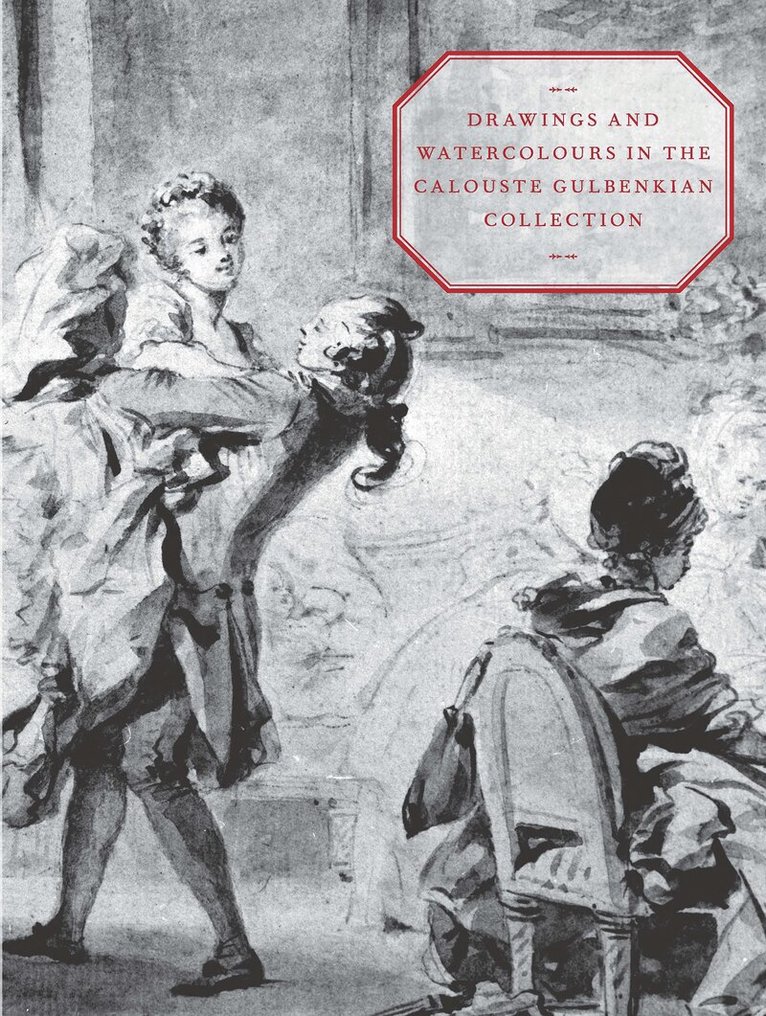
Drawings and Watercolours in the Calouste Gulbenkian Collection
Inbunden, 2025
645 kr
Lägg i varukorg
In keeping with an editorial strategy that aims to bring to public attention all of the various groups of works belonging to the Calouste Gulbenkian Collection, a book devoted to its drawings and watercolours has been published. Featuring texts by Manuela Fidalgo, who worked as a curator at the …
Histories of a Collection
Modern and Contemporary Art from CAM
Av Ana Vasconcelos, Antonia Gaeta m. fl.
Häftad, 2025
631 kr
Lägg i varukorg
Published in conjunction with the exhibition Histories of a Collection. Modern and Contemporary Art from the CAM, this catalogue follows various stories relating to the creation of the CAM Collection (Centro de Arta Moderna Gulbenkian), from the first acquisitions by the Foundation in the 1950s to …
Power with which We Leap Together
Women Artists in Spain and Portugal between Dictatorship and Democracy
Av Giulia Lamoni, Patricia Mayayo
Häftad, 2025
508 kr
Lägg i varukorg
The catalogue for The power with which we leap together. Women artists in Spain and Portugal between dictatorship and democracy stems from an exhibition held at IVAM – Institut Valencià d’Art Modern, in partnership with CAM and curated by Giulia Lamoni and Patricia Mayayo.Bringing together works by …
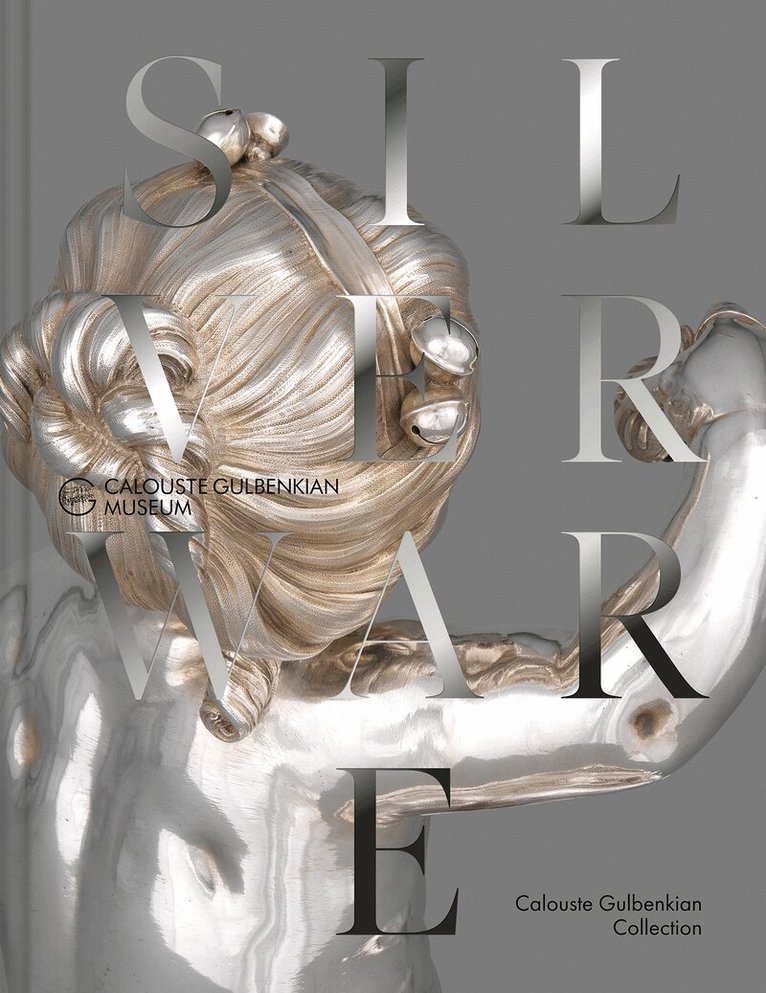
French Silverware in the Calouste Gulbenkian Collection
Inbunden, 2025
861 kr
Lägg i varukorg
The collection of 18th- and early-19th-century French silverware brought together by Calouste Sarkis Gulbenkian is the most important of its time and one of the most significant sections of the Gulbenkian Museum’s collection. Amassed between 1900 and 1950, these pieces constitute a unique group due …
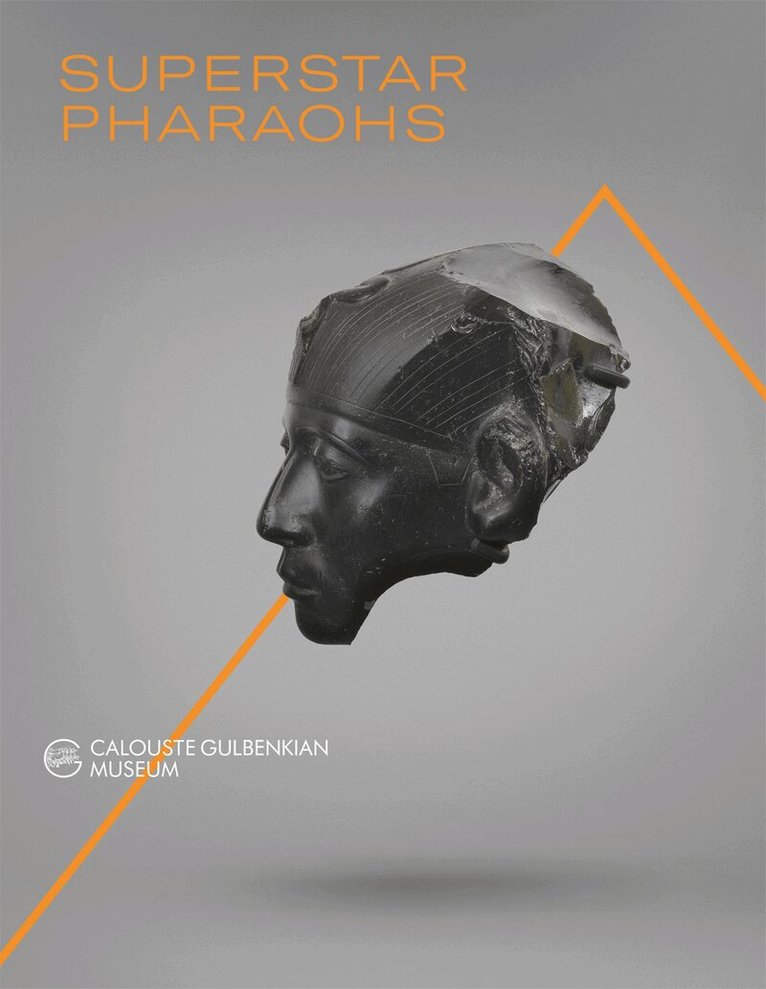
Superstar Pharaohs
Av Guillemette Andreu-Lanoë, Frédéric Mougenot m. fl.
Häftad, 2025
708 kr
Lägg i varukorg
Superstar Pharaohs was the exhibition presented by the Calouste Gulbenkian Museum, in partnership with MUCEM (Marseille), in 2022, the year that marks the centenary of the discovery of Tutankhamun’s tomb by Howard Carter and the bicentenary of the deciphering of hieroglyphs by Jean-François …
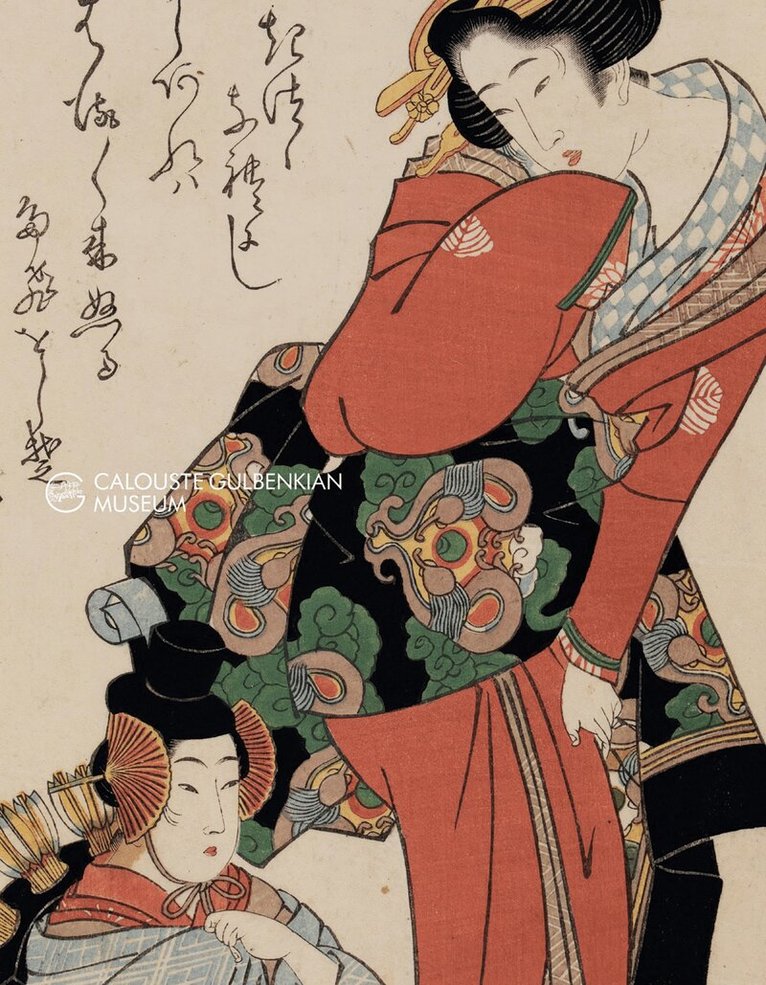
Floating world: 'ukiyo-e' Japanese Prints
Av Jorge Rodrigues, Rui Xavier m. fl.
Häftad, 2025
582 kr
Lägg i varukorg
Calouste Gulbenkian amassed a remarkable collection of Japanese art. This lesser known facet of the collector’s activity was explored in the exhibition Floating world: ‘ukiyo-e’ Japanese prints, which presented a large number of Japanese prints produced between the 17th and 19th centuries that …
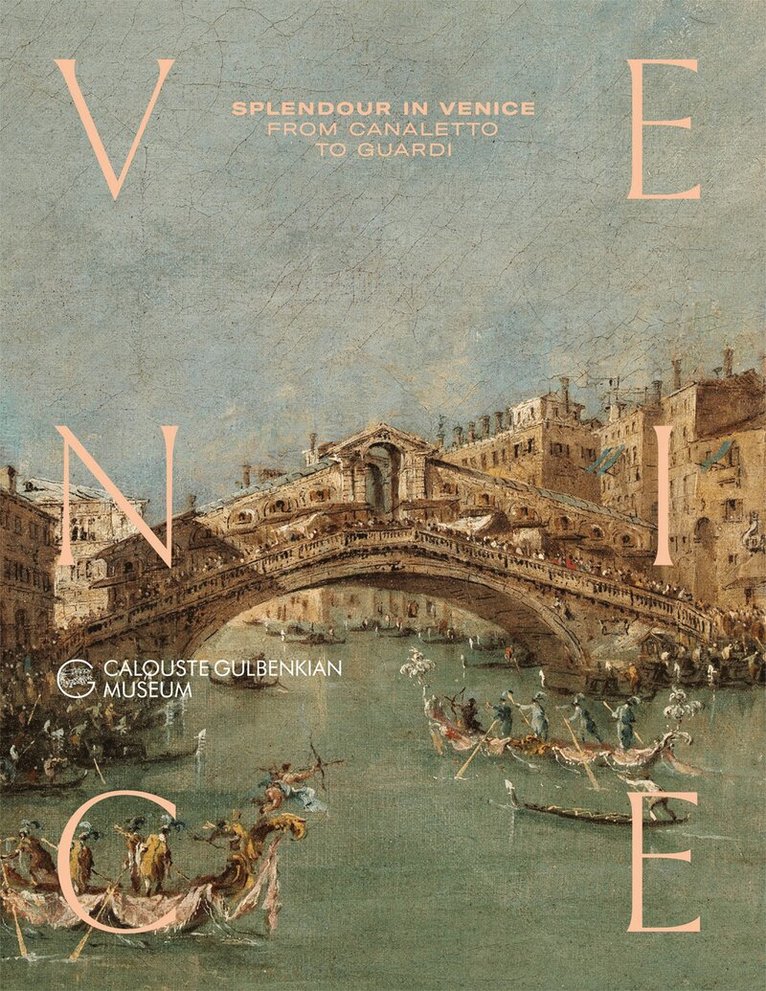
Splendour in Venice
From Canaletto to Guardi
Av Alberto Craievich, Luísa Sampaio m. fl.
Häftad, 2025
772 kr
Lägg i varukorg
In October 2024 The Calouste Gulbenkian Museum, in collaboration with the Museo Thyssen-Bornemisza, in Madrid, presented the exhibition Splendour in Venice. From Canaletto to Guardi, devoted to 18th century Venetian painting.Painters such as Canaletto, Francesco Guardi, Bernardo Bellotto, and …
70 years/70 works
Inbunden, 2026
322 kr
Kommande
Published as part of the celebrations marking the 70th anniversary of the Calouste Gulbenkian Foundation, this publication symbolically presents 70 works of art from the collection assembled by its founder. Seventy Years, Seventy Works also marks the reopening of the Gulbenkian Museum following its …
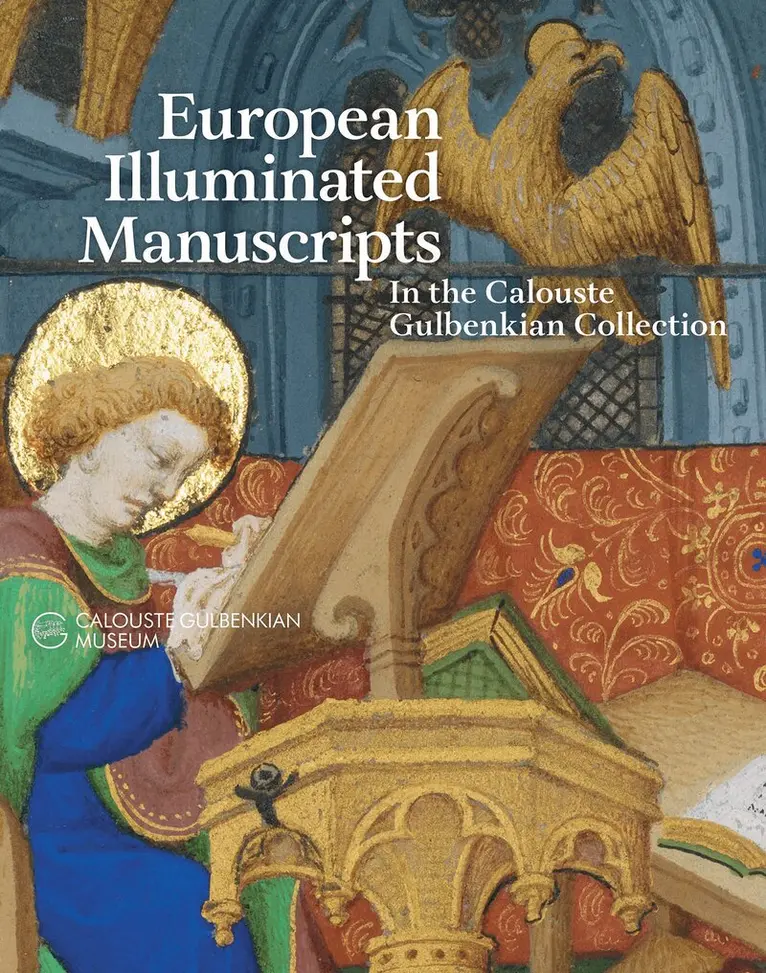
European Illuminated Manuscripts in the Calouste Gulbenkian Collection
Av Angela Dillon Bussi, Frederica Toniolo m. fl.
Inbunden, 2025
763 kr
Tillfälligt slut
The Gulbenkian Museum published its long-awaited catalogue of Calouste Gulbenkian’s collection of illuminated manuscripts, marking the culmination of several years of research and collaboration by a group of international scholars.This group of works, which was particularly prized by the collector, …