
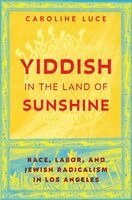
How a cohort of young Jewish radicals from the borderlands of Eastern Europe was critical in reshaping multiracial left-wing activism in southern CaliforniaYiddish in the Land of Sunshine offers a novel account of Eastern European Jewish immigration and Yiddish public culture in Southern California. It traces the journeys of a cohort of young Jewish radicals as they moved from the borderlands of the Russian empire to the borderlands of the American southwest, exploring their engagement with well-known labor and left-wing movements in Los Angeles.Much of the book is focused on Boyle Heights, a residential neighborhood east of the L.A. River once home to the highest concentration of Jews west of Chicago as well as to dozens of other diasporic communities, showing how the neighborhood's particular ethno-racial diversity shaped Yiddish public culture. Rich with new details drawn from previously untranslated Yiddish sources, it examines new relationships and tensions that emerged as the Jewish radicals worked to forge multiracial coalitions in the workplace and the community, including with their Mexican, Asian, and African-American neighbors. It frames the community as a site of convergence, where multiple marginalized populations cultivated their own modes of belonging in overlapping ways, as well as of divergence, where residents' experiences were differentiated by international and domestic political-economic developments. The book decenters traditional narratives of Jewish immigration and acculturation focused on cities of the northeast, moving Jewish workers in the west from the margins to the center of American Jewish history. It showcases the variety of organizing practices through which Jewish radicals recreated Yiddish public culture in LA, offering a new perspective on the relational dynamics of race and place-making in the American west. Yiddish in the Land of Sunshine recovers the contributions of Eastern European Jewish radicals and trade unionists, demonstrating the ways in which immigrant workers shaped the city of Los Angeles.

Investigates the boom in Jewish literature and popular culture in the twenty-fist-century United StatesAs the end of the 20th century approached, critics predicted that Jews would no longer play major roles in American culture in the new millennium. They were profoundly wrong. In the first decades of the 21st century, popular and literary culture in the U.S. turned out to be more deeply influenced by Jews than it had been at any time since the late 1960s. Across literature, sound work, television, and film, many established and emerging voices centered their Jewish questions and concerns in their creative production.After the Death of Jewish Culture argues that two factors drove the profusion of new Jewish cultural creativity in the twenty-first century U.S.: institutionalization and technological change. The book advances this claim with detailed case studies of books such as Everything is Illuminated, the television series Transparent, and the PlayStation game The Last of Us, Part 2, as well as examinations of institutions including Ivy League universities, The New Yorker, the Jewish Book Council, This American Life, and Amazon Prime Video. While demonstrating the continuing vitality of Jewish culture, these cases reflect the complex, often deeply ambivalent consequences of gatekeeping, philanthropy, and technological development.At its core, the book provides an overview of Jewish literary and popular culture in the U.S. over the past quarter century, explaining the factors that led to its development. It demonstrates that the rumors of the demise of Jewish culture were greatly exaggerated—instead, the new millennium heralded renewed prominence and an effusion of cultural production for American Jews.
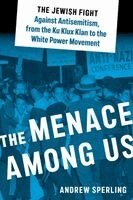
A comprehensive study of American Jewish responses to twentieth-century antisemitic extremismDespite significant advances in Jewish civil rights and socioeconomic conditions throughout the twentieth century, American Jews withstood shocking acts of violence and vitriolic propaganda at the hands of right-wing, extremist groups. From the second revival of the Ku Klux Klan in the 1920s to the rise of American Nazi groups, right-wing extremism transformed in symbolism and leadership, all while making Jews a central target of their bigotry.In The Menace Among Us, Andrew Sperling charts the history of this antagonism throughout the twentieth century US, exploring both the roots of far-right antisemitism and the diverse strategies American Jews employed to counter antisemitic extremists. For too long, the impact of American extremism on Jewish lives has been overlooked because of the false premise that "crackpot" organizations and individuals posed no meaningful threat to Jews. By closely examining Jewish experiences with extremism, this book prompts readers to rethink the role of antisemitism in American society. Relying on organizational records and personal stories often buried in local newspapers, Sperling reveals how extremist organizations mobilized against Jews and how their efforts were often tolerated by local police or dismissed by Jewish or Gentile leaders.Harrowing yet insightful, The Menace Among Us highlights the belief systems and practices that contributed to right-wing extremism's ascent, the varied Jewish responses to antisemitic antagonism, and what we can learn from their responses when confronting antisemitism today.
How a cohort of young Jewish radicals from the borderlands of Eastern Europe was critical in reshaping multiracial left-wing activism in southern CaliforniaYiddish in the Land of Sunshine offers a novel account of Eastern European Jewish immigration and Yiddish public culture in Southern California. It traces the journeys of a cohort of young Jewish radicals as they moved from the borderlands of the Russian empire to the borderlands of the American southwest, exploring their engagement with well-known labor and left-wing movements in Los Angeles.Much of the book is focused on Boyle Heights, a residential neighborhood east of the L.A. River once home to the highest concentration of Jews west of Chicago as well as to dozens of other diasporic communities, showing how the neighborhood's particular ethno-racial diversity shaped Yiddish public culture. Rich with new details drawn from previously untranslated Yiddish sources, it examines new relationships and tensions that emerged as the Jewish radicals worked to forge multiracial coalitions in the workplace and the community, including with their Mexican, Asian, and African-American neighbors. It frames the community as a site of convergence, where multiple marginalized populations cultivated their own modes of belonging in overlapping ways, as well as of divergence, where residents' experiences were differentiated by international and domestic political-economic developments. The book decenters traditional narratives of Jewish immigration and acculturation focused on cities of the northeast, moving Jewish workers in the west from the margins to the center of American Jewish history. It showcases the variety of organizing practices through which Jewish radicals recreated Yiddish public culture in LA, offering a new perspective on the relational dynamics of race and place-making in the American west. Yiddish in the Land of Sunshine recovers the contributions of Eastern European Jewish radicals and trade unionists, demonstrating the ways in which immigrant workers shaped the city of Los Angeles.
Investigates the boom in Jewish literature and popular culture in the twenty-fist-century United StatesAs the end of the 20th century approached, critics predicted that Jews would no longer play major roles in American culture in the new millennium. They were profoundly wrong. In the first decades of the 21st century, popular and literary culture in the U.S. turned out to be more deeply influenced by Jews than it had been at any time since the late 1960s. Across literature, sound work, television, and film, many established and emerging voices centered their Jewish questions and concerns in their creative production.After the Death of Jewish Culture argues that two factors drove the profusion of new Jewish cultural creativity in the twenty-first century U.S.: institutionalization and technological change. The book advances this claim with detailed case studies of books such as Everything is Illuminated, the television series Transparent, and the PlayStation game The Last of Us, Part 2, as well as examinations of institutions including Ivy League universities, The New Yorker, the Jewish Book Council, This American Life, and Amazon Prime Video. While demonstrating the continuing vitality of Jewish culture, these cases reflect the complex, often deeply ambivalent consequences of gatekeeping, philanthropy, and technological development.At its core, the book provides an overview of Jewish literary and popular culture in the U.S. over the past quarter century, explaining the factors that led to its development. It demonstrates that the rumors of the demise of Jewish culture were greatly exaggerated—instead, the new millennium heralded renewed prominence and an effusion of cultural production for American Jews.
A comprehensive study of American Jewish responses to twentieth-century antisemitic extremismDespite significant advances in Jewish civil rights and socioeconomic conditions throughout the twentieth century, American Jews withstood shocking acts of violence and vitriolic propaganda at the hands of right-wing, extremist groups. From the second revival of the Ku Klux Klan in the 1920s to the rise of American Nazi groups, right-wing extremism transformed in symbolism and leadership, all while making Jews a central target of their bigotry.In The Menace Among Us, Andrew Sperling charts the history of this antagonism throughout the twentieth century US, exploring both the roots of far-right antisemitism and the diverse strategies American Jews employed to counter antisemitic extremists. For too long, the impact of American extremism on Jewish lives has been overlooked because of the false premise that "crackpot" organizations and individuals posed no meaningful threat to Jews. By closely examining Jewish experiences with extremism, this book prompts readers to rethink the role of antisemitism in American society. Relying on organizational records and personal stories often buried in local newspapers, Sperling reveals how extremist organizations mobilized against Jews and how their efforts were often tolerated by local police or dismissed by Jewish or Gentile leaders.Harrowing yet insightful, The Menace Among Us highlights the belief systems and practices that contributed to right-wing extremism's ascent, the varied Jewish responses to antisemitic antagonism, and what we can learn from their responses when confronting antisemitism today.