Green Chemical Innovations and Sustainability - Böcker
Visar alla böcker i serien Green Chemical Innovations and Sustainability. Handla med fri frakt och snabb leverans.
7 produkter
7 produkter
1 826 kr
Skickas inom 10-15 vardagar
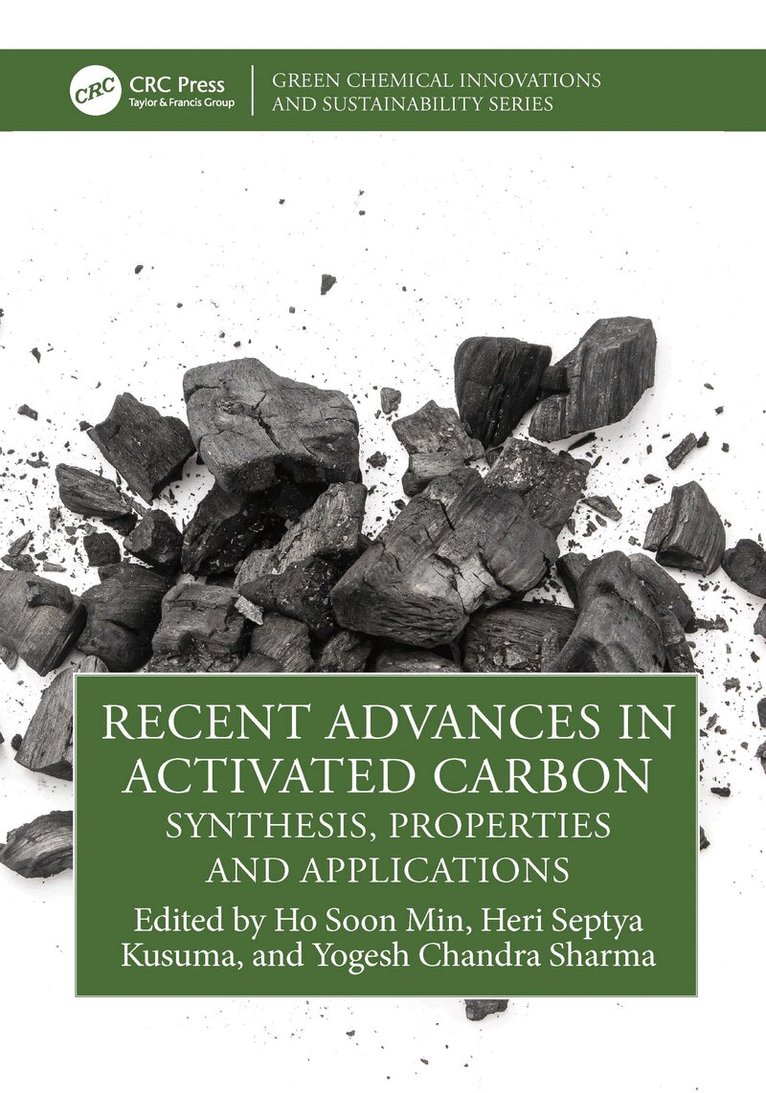
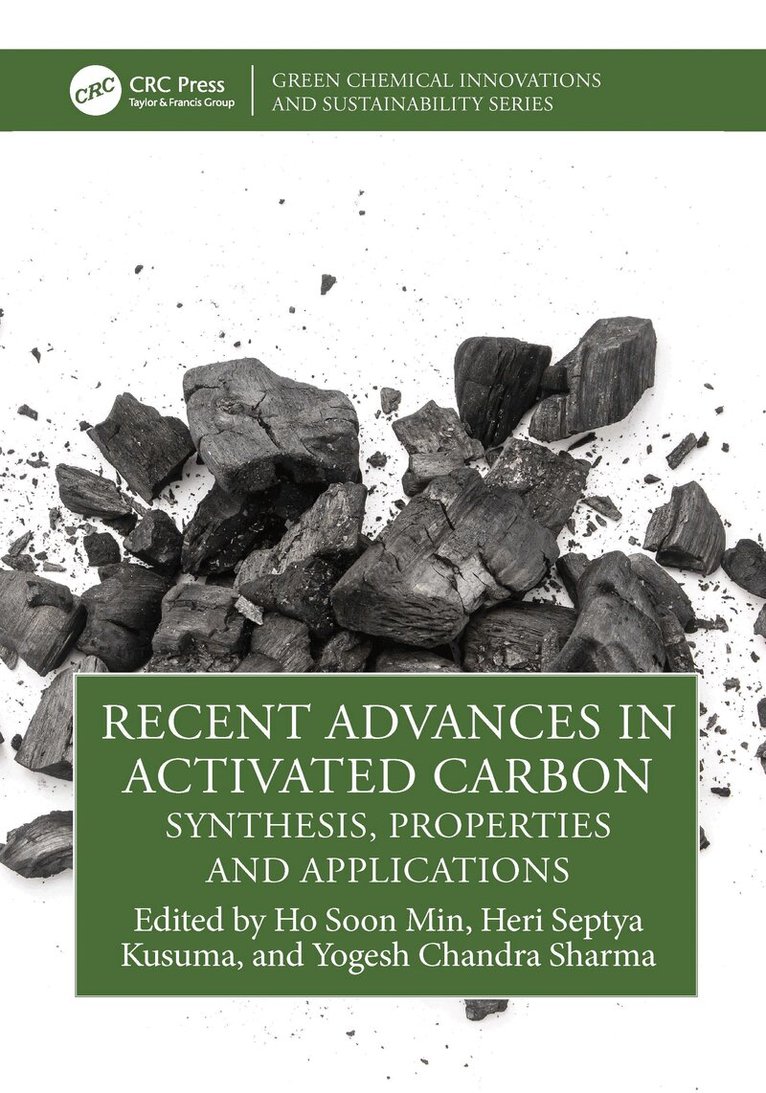
The world’s activated carbon market volume has increased rapidly in recent years due to environmental regulations. It is being used in a variety of fields including water treatment, air purification, and food processing. This volume in the Green Chemical Innovations and Sustainability Series studies the physical, biological, and chemical modification of activated carbon to enhance the adsorption performance. Recent experimental results indicating improved adsorption capacity are presented as well as novel applications using activated carbon. The authors focus on identifying potential precursors from agricultural waste, municipal waste, and industrial waste and investigate toxic pollutants.FeaturesDemonstrates how researchers can produce synthetic adsorbents (activated carbon) via agricultural waste, industrial waste, and household waste.Describes the actions of adsorption capacity or percentage removal with respect to factors affecting the adsorption process.Investigates activated carbon's removal efficiency of dyes, organic compounds, pharmaceutically active compounds, heavy metals, pesticides, fungicides, herbicides, antibiotics, and other toxic pollutantsDiscusses the search for low-cost adsorbents that can be produced by using agricultural wastes, industrial wastes, and natural materials.
904 kr
Kommande
The world’s activated carbon market volume has increased rapidly in recent years due to environmental regulations. It is being used in a variety of fields including water treatment, air purification, and food processing. This volume in the Green Chemical Innovations and Sustainability Series studies the physical, biological, and chemical modification of activated carbon to enhance the adsorption performance. Recent experimental results indicating improved adsorption capacity are presented as well as novel applications using activated carbon. The authors focus on identifying potential precursors from agricultural waste, municipal waste, and industrial waste and investigate toxic pollutants.FeaturesDemonstrates how researchers can produce synthetic adsorbents (activated carbon) via agricultural waste, industrial waste, and household waste.Describes the actions of adsorption capacity or percentage removal with respect to factors affecting the adsorption process.Investigates activated carbon's removal efficiency of dyes, organic compounds, pharmaceutically active compounds, heavy metals, pesticides, fungicides, herbicides, antibiotics, and other toxic pollutantsDiscusses the search for low-cost adsorbents that can be produced by using agricultural wastes, industrial wastes, and natural materials.
Microbial Green Surfactants
Environmental Sustainability and Ecological Remediation
Inbunden, Engelska, 2026
2 984 kr
Kommande
This volume in the Green Chemical Innovations and Sustainability Series presents the latest research on biosurfactant molecules and their role in environmental sustainability. Advances in organic chemistry have traditionally enabled the development of hydrophobic and hydrophilic surfactants, largely relying on synthetic materials such as organic polymers. In contrast, biosurfactants—derived from microorganisms or plant sources—offer significant advantages, including high biodegradability, low toxicity, ready availability of raw materials, and ease of application. Also known as green surfactants, these sustainable alternatives play a vital role in modern industrial sectors, including petroleum recovery, personal care products, food processing, and medical applications.Key FeaturesProvides chronological advancements in microbial green surfactants using smart bio-based microorganisms or plant materials.Discusses how green surfactants are obtained from sources based on petroleum or those with microbial or botanical origins and have been extensively used for environmental applications.Includes current developments and challenges during manufacturing of green surfactants.Up-to-date reference material, including websites of interest and information about the latest research.
Perfluoroalkyl and Polyfluoroalkyl Substances
Environmental Fate, Health Impacts, and Remediation Strategies
Inbunden, Engelska, 2025
2 806 kr
Skickas inom 10-15 vardagar
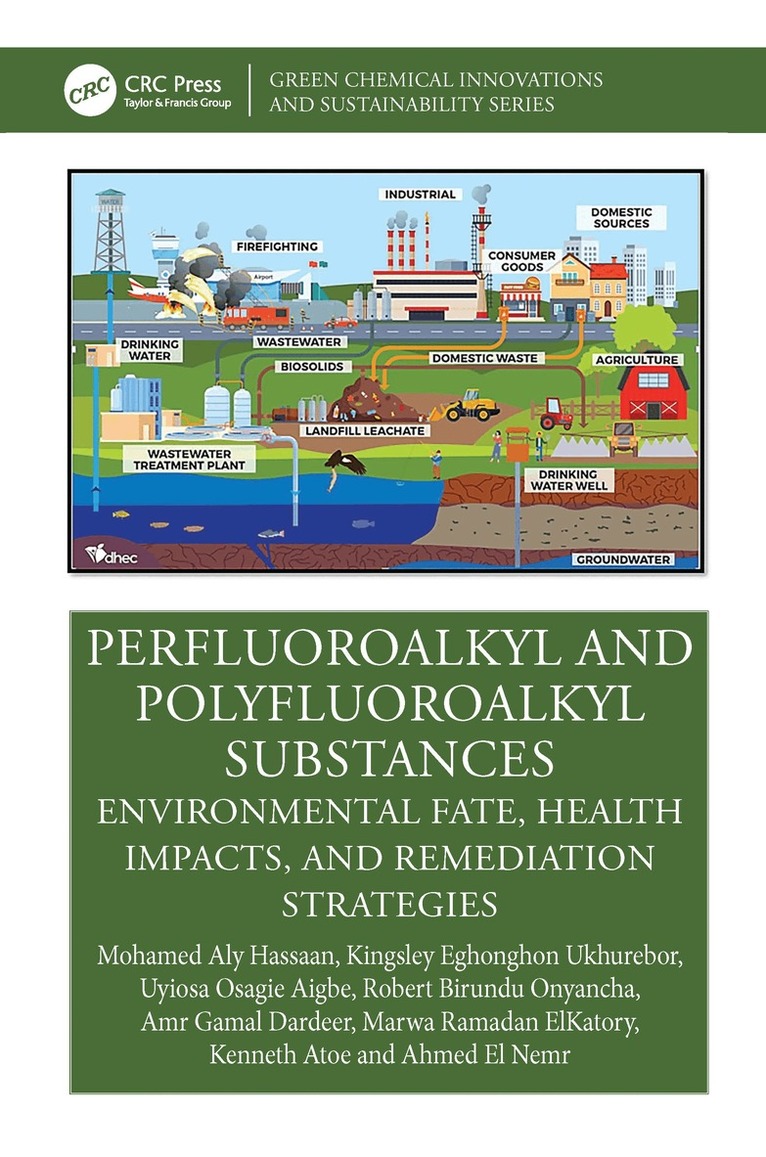
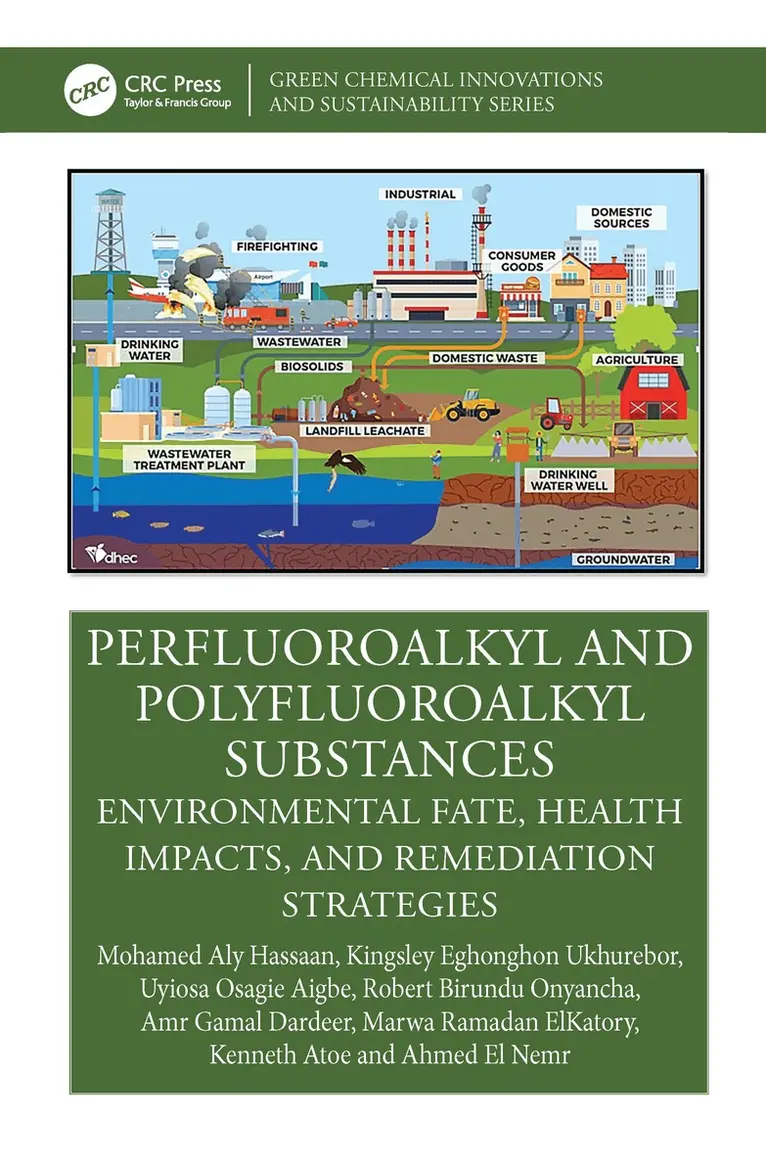
Perfluoroalkyl and Polyfluoroalkyl Substances: Environmental Fate, Health Impacts, and Remediation Strategies provides useful information on recent advancements in the use of perfluoroalkyl and polyfluoroalkyl substances, as well as their sources, environmental fate and conveyance, potential health impacts, and remediation strategies by harnessing the latest research findings and key scientific literature. The book draws its strength from a multidisciplinary approach with an emphasis on the enhancement of the understanding of perfluoroalkyl and polyfluoroalkyl substances and informs future research and management efforts.Key FeaturesThe book focuses on how perfluoroalkyl and polyfluoroalkyl substances can be used in the environmental and biomedical sectors to create sustainability.The book covers practical case studies, implementation guides, and the latest advancements and future trends in perfluoroalkyl and polyfluoroalkyl substances for environmental and biomedical sustainability.The book is unique in its comprehensive coverage of sustainability and its applications in sustainable environmental and biomedical science, as highlighted by the title.
Perfluoroalkyl and Polyfluoroalkyl Substances
Environmental Fate, Health Impacts, and Remediation Strategies
Häftad, Engelska, 2025
735 kr
Skickas inom 10-15 vardagar
Perfluoroalkyl and Polyfluoroalkyl Substances: Environmental Fate, Health Impacts, and Remediation Strategies provides useful information on recent advancements in the use of perfluoroalkyl and polyfluoroalkyl substances, as well as their sources, environmental fate and conveyance, potential health impacts, and remediation strategies by harnessing the latest research findings and key scientific literature. The book draws its strength from a multidisciplinary approach with an emphasis on the enhancement of the understanding of perfluoroalkyl and polyfluoroalkyl substances and informs future research and management efforts.Key FeaturesThe book focuses on how perfluoroalkyl and polyfluoroalkyl substances can be used in the environmental and biomedical sectors to create sustainability.The book covers practical case studies, implementation guides, and the latest advancements and future trends in perfluoroalkyl and polyfluoroalkyl substances for environmental and biomedical sustainability.The book is unique in its comprehensive coverage of sustainability and its applications in sustainable environmental and biomedical science, as highlighted by the title.
777 kr
Kommande
Biomasses serve as primary examples of bio-waste conversion for value-added products. The processes presented in this book are also applicable to similar bio-wastes. Each chapter details the bioconversion, bioprocessing, and downstream processing of chemical substitutes derived from used biomass, produced through mild methods and ending with zero waste. This approach bypasses the challenges associated with conventional methods. This conversion process offers a twofold benefit: mitigating air pollution from bad disposal as waste open burning and producing environmentally friendly alternatives for petroleum-based products.Key FeaturesPrimary Renewable Source for Chemical Feedstocks Biomass is emerging as the leading renewable alternative to petrochemicals, offering a sustainable pathway for producing chemical raw materials while reducing dependence on fossil fuels.Waste-to-Value Conversion Technology The research focuses on transforming various bio-wastes (straws, used oil, urine, chicken feathers, gelatin, and paper wastes) into valuable industrial raw materials through innovative chemical recycling processes.Environmental Dual Benefits The bioconversion process provides two major environmental advantages: preventing air pollution from improper waste disposal (like open burning that causes "black clouds") and creating eco-friendly alternatives to petroleum-based products.Cost-Effective Industrial Applications The technology offers low-cost processes that produce affordable local alternatives to imported products, providing significant economic benefits alongside environmental improvements.Zero-Waste Mild Processing Methods The approach utilizes gentle, environmentally friendly processing techniques that result in complete waste elimination, bypassing the challenges and harsh conditions associated with conventional chemical manufacturing methods. These features highlight how biomass conversion technology addresses multiple challenges simultaneously: environmental protection, economic efficiency, and sustainable industrial development.
2 911 kr
Kommande
Biomasses serve as primary examples of bio-waste conversion for value-added products. The processes presented in this book are also applicable to similar bio-wastes. Each chapter details the bioconversion, bioprocessing, and downstream processing of chemical substitutes derived from used biomass, produced through mild methods and ending with zero waste. This approach bypasses the challenges associated with conventional methods. This conversion process offers a twofold benefit: mitigating air pollution from bad disposal as waste open burning and producing environmentally friendly alternatives for petroleum-based products.Key FeaturesPrimary Renewable Source for Chemical Feedstocks Biomass is emerging as the leading renewable alternative to petrochemicals, offering a sustainable pathway for producing chemical raw materials while reducing dependence on fossil fuels.Waste-to-Value Conversion Technology The research focuses on transforming various bio-wastes (straws, used oil, urine, chicken feathers, gelatin, and paper wastes) into valuable industrial raw materials through innovative chemical recycling processes.Environmental Dual Benefits The bioconversion process provides two major environmental advantages: preventing air pollution from improper waste disposal (like open burning that causes "black clouds") and creating eco-friendly alternatives to petroleum-based products.Cost-Effective Industrial Applications The technology offers low-cost processes that produce affordable local alternatives to imported products, providing significant economic benefits alongside environmental improvements.Zero-Waste Mild Processing Methods The approach utilizes gentle, environmentally friendly processing techniques that result in complete waste elimination, bypassing the challenges and harsh conditions associated with conventional chemical manufacturing methods. These features highlight how biomass conversion technology addresses multiple challenges simultaneously: environmental protection, economic efficiency, and sustainable industrial development.