Gwumc Department of Biochemistry and Molecular Biology Annual Spring Symposia – serie
Visar alla böcker i serien Gwumc Department of Biochemistry and Molecular Biology Annual Spring Symposia. Handla med fri frakt och snabb leverans.
19 produkter
19 produkter
Inbunden, Engelska, 1992
2 217 kr
Skickas inom 10-15 vardagar
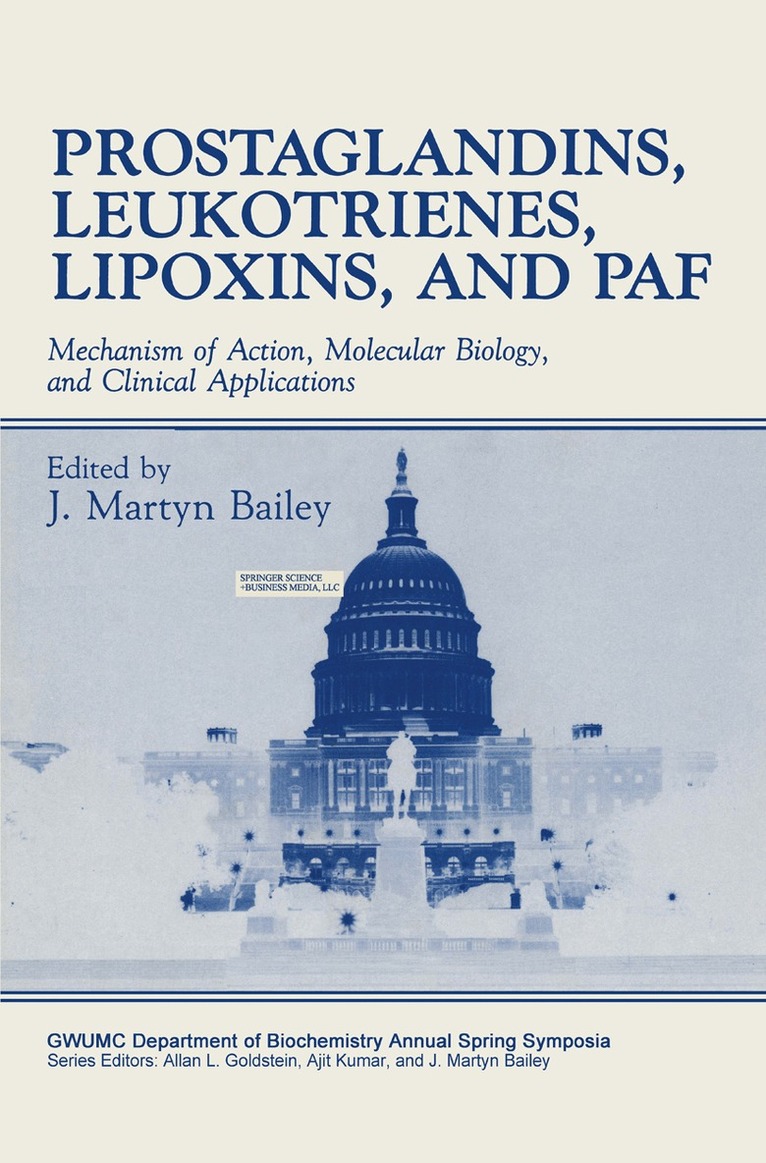
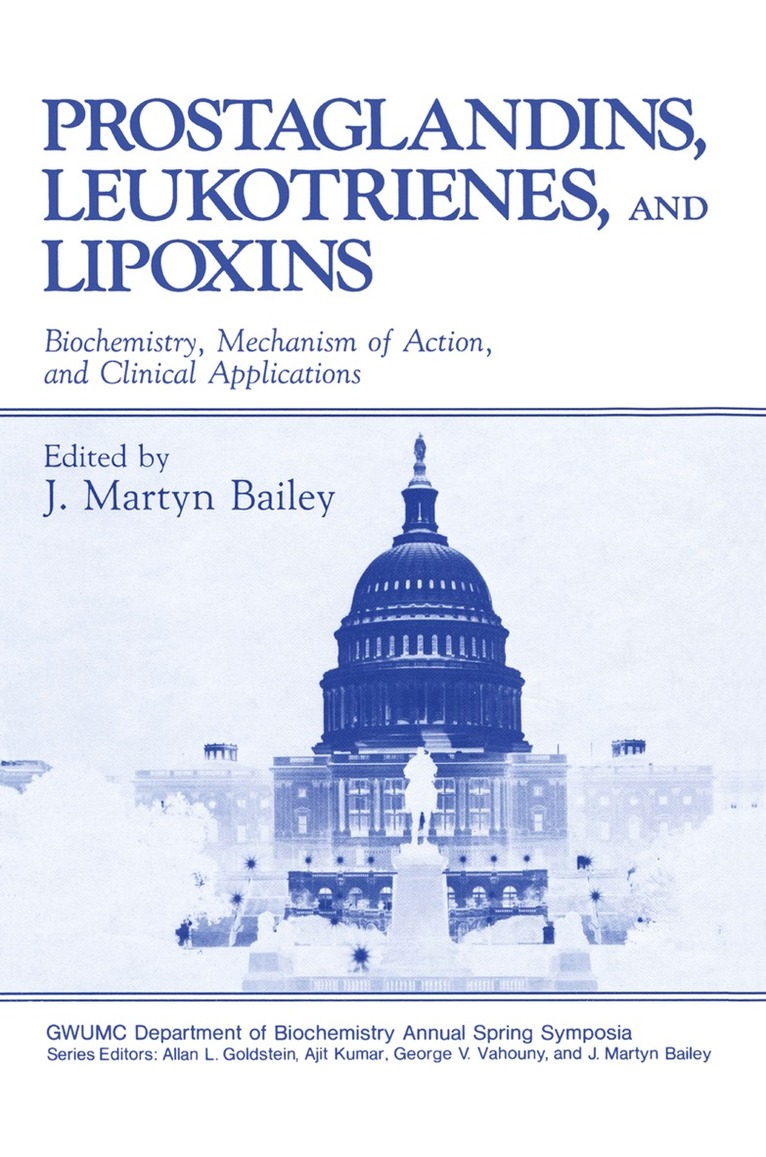
The field of eicosanoid metabolism and function continues to grow. Synthesis of the prostaglandins from essential fatty acids was first described by Bergstrom and Sarnuelsson in 1964. The thromboxanes were discovered in 1975, the prostacyclins, by Moncada and Vane, in 1976, and the leukotrienes by Samuelsson in 1979. A new class of biologically active arachidonic acid metabolites named lipoxins was announced by Bengt Samuelsson in May 1984. Since that time major advances have been made in the molecular biology of the eicosanoids including the cloning of prostaglandin synthases and 5, 12, and 15-lipoxygenases from several different species, including man. This volume, Prostaglandins, Leukotrienes, Lipoxins, and P AF: Their Mechanism of Action, Molecular Biology, and Clinical Applications contains most of the papers presented in the plenary sessions of the Xlth International Washington Spring Symposium on Health Sciences. The book is divided into six parts, each covering a different aspect of this rapidly expanding field, and contains a total of 42 chapters by an internationally recognized group of authors in each area.Part I contains 11 chapters and covers the molecular biology and enzymology of prostaglandins and leukotrienes. Chapter 1 by the Editor details new mechanisms for the antiinflammatory glucocorticoids involving translational control of the messenger RNA for prostaglandin synthase. Chapter 2 by Yamamoto describes the molecular evolution of two distinct mammalian 12-lipoxygenases.
Inbunden, Engelska, 1996
2 217 kr
Skickas inom 10-15 vardagar
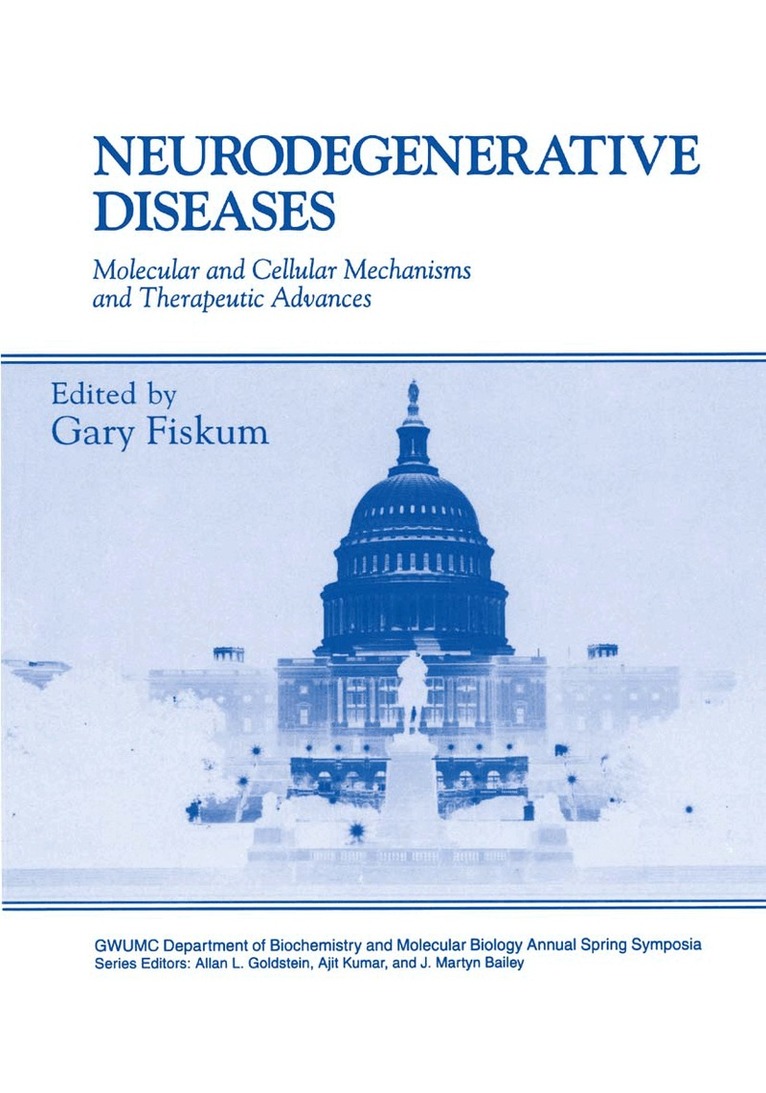
This book presents much of the exciting new information on mechanisms of neurodegenerative disorders that was presented at the XVth International Spring Symposium on Health Sciences at George Washington University in Washington, D.C. The organization of the symposium as weIl as the chapters within this book were based upon fundamental molecular and cellular mechanisms of neurodegeneration rather than upon different clinically defined disorders, in order to emphasize the commonality of cause rather than effect. The first part of the book is devoted to the relationships between selective vulnerability of different neuronal cell types to injury and their functional characteristics related to the transport, binding, and responses for excitatory amino acids, e.g., glutamate, as weIl as other neurotransmitters involved in toxicity. These relationships are studied in the context of neurodegeneration associated with several disorders including Parkinson's disease, amyotrophic lateral sclerosis (ALS), cerebral ischemia, and AIDS dementia. Part 11 emphasizes the role of amyloid proteins in neurodegeneration but also covers other molecular and genetic risk factors, e.g., expression of different apo lipoprotein isoforms and the involvement of abnormal superoxide dismutase in neuropathology.These topics are applied primarily to the aging brain, Alzheimer's disease, and ALS.
Inbunden, Engelska, 1996
1 616 kr
Skickas inom 10-15 vardagar
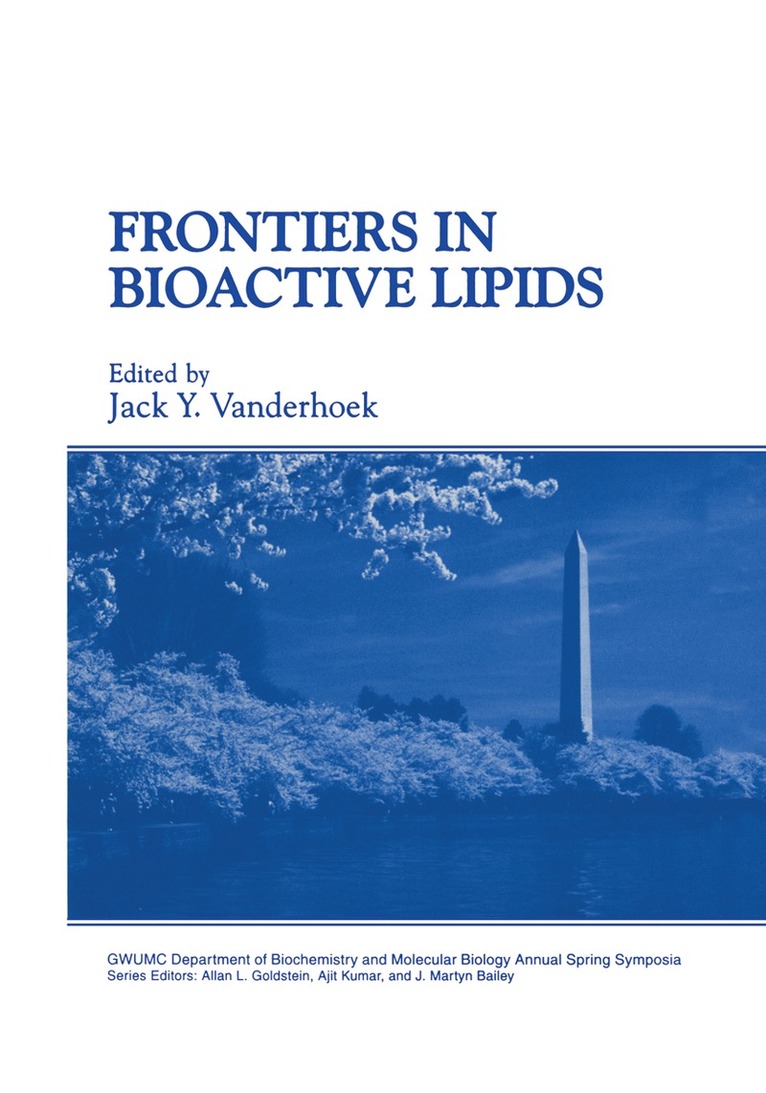
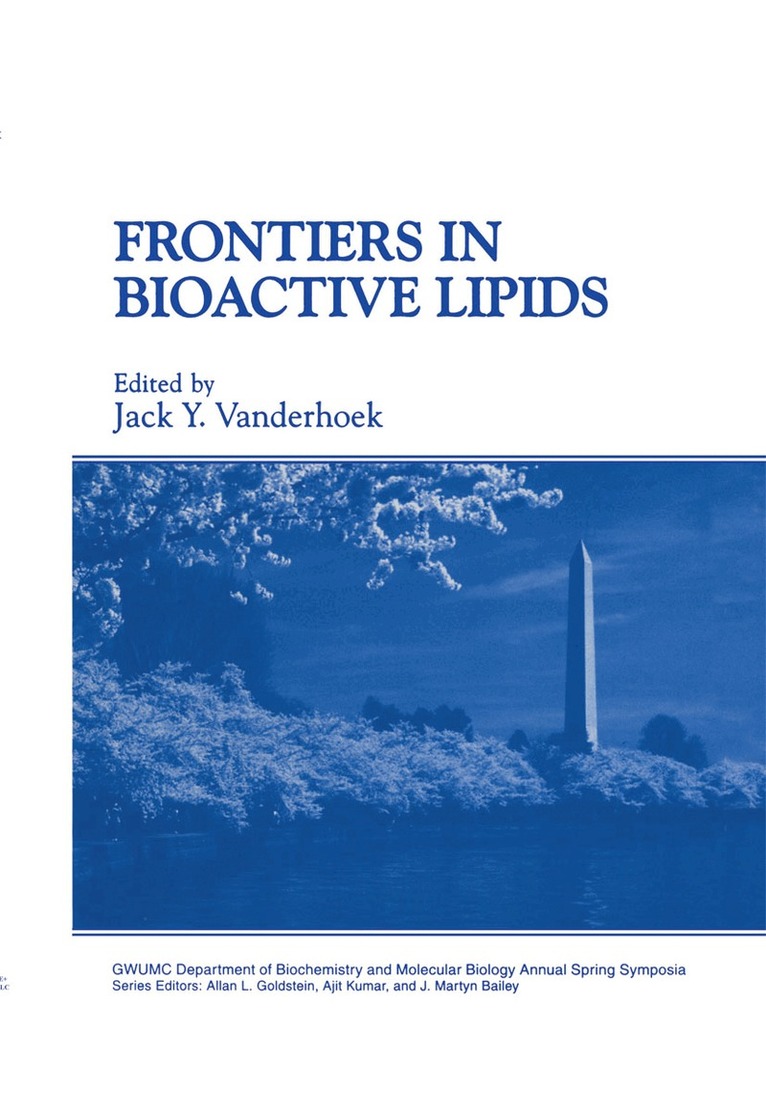
Recent advances in our understanding of the fundamental role of bioactive lipids in normal and abnormal physiology was the theme of the XVlth International Spring Sympo- 6-9, 1996 at the George Washington University School sium on Health Sciences held on May of Medicine in Washington, D.C. Over 250 participants shared their latest findings on fundamental mechanisms in lipid metabolism, transport, and signal transduction. Most of the papers presented at the plenary sessions have been collected in this volume, which is divided into seven parts. The focus of Part I is on the new roles that fatty acids and esters play in cellular function. These activities include regulation of gene expression, control of eicosanoid-me- diated responses, and intracellular calcium sequestration. Most biological effects of fatty acids, esters, and phospholipids are transmitted via the interaction of these lipid molecules with specific lipid binding proteins. The chapters in Part II detail the involvement of these in the transport of fatty acids, fatty acyl CoA esters, and phospholipids, and in the proteins modulation of the fatty acid-induced activation of the peroxisome proliferator-activated receptors.The study of arachidonic acid metabolism continues to be the subject of intense interest and research. A number of studies in Part III deal with the substantial differences between the constitutive prostaglandin H synthase isozyme (PGHS-l or COX-I) and the inducible form PGHS-2 (COX-2) regarding compartmentation, control, and expression.
Häftad, Engelska, 2011
560 kr
Skickas inom 10-15 vardagar
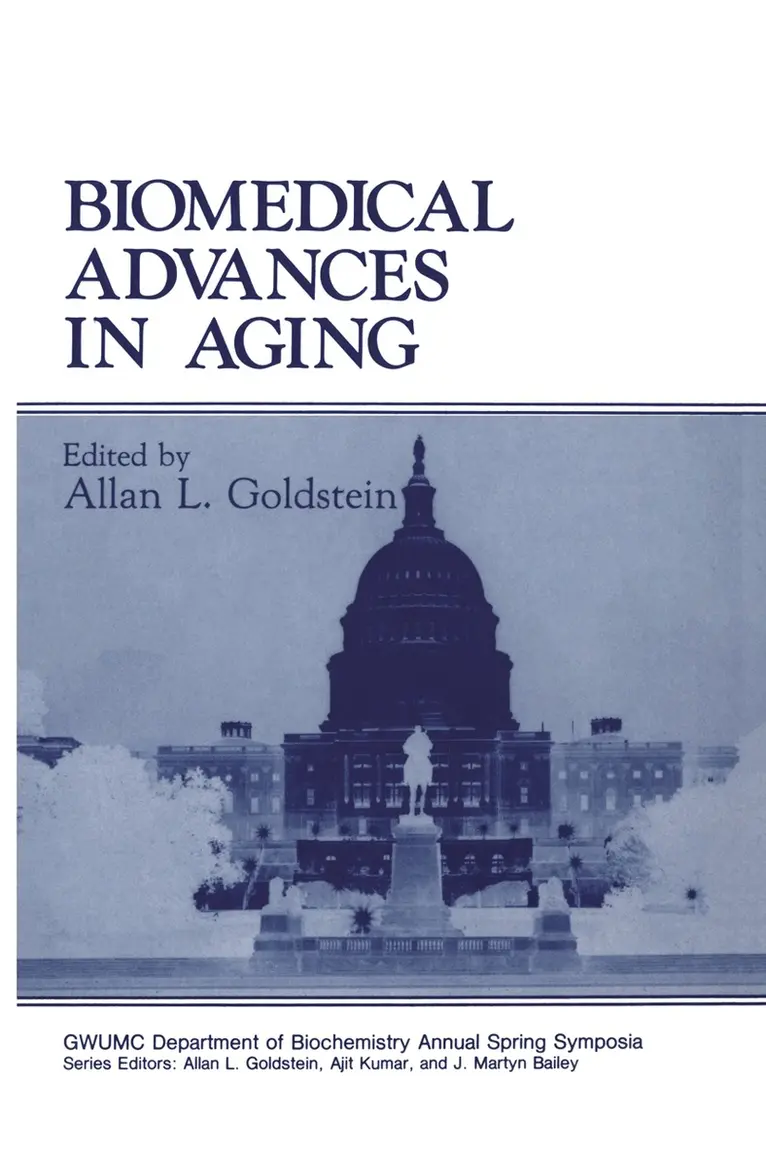
The VIIIth Annual International Spring Symposium on Health Sciences held at the George Washington University School of Medicine in Washington, D.C., attracted over three hun dred fifty scientists from twenty-five countries. The leading scientific experts in the field reported on recent biomedical advances in aging. They provided an up-to-date account of the molecular, genetic, nutritional, and immunological mechanisms associated with the aging process and approaches to intervention and treatment of the major disorders associated with the aging process, including Alzheimer's disease. A unique aspect of this meeting was a concurrent one-day hearing of the U.S. Senate Sub-Committee on Aging, organized by the Alliance for Aging Research. The theme for the hearing was "Advances in Aging Research." Seven scientists attending our aging sym posium were asked to testify. They were Drs. Carl Cotman (University of California-Irvine), Trudy Bush (Johns Hopkins University), Takashi Makinodan (University of California-Los Angeles), William Ershler (University of Wisconsin-Madison), Gino Doria (ENEA, Rome), Mr. Dan Perry (Director of the Alliance for Aging Research), and myself.
Häftad, Engelska, 2011
543 kr
Skickas inom 10-15 vardagar
Intercellular communication in multicellular organisms enables cells to respond to environmental changes. Intercellular signal transduction transmitters include hormones, peptide growth factors, neurotransmitters as well as some lipid-soluble mediators. Once signalling molecules are bound to their cell surface receptors, one or more intracellular signals are generated which alter the Qehavior of the target cell. The IXth International Washington Spring Symposium at the George Washington University in Washington, D.C. was organized to assess the current status of the field of signal transduction processes and regulatory mechanisms. The symposium was held on May 8-'.2, 1989 and was attended by more than 1000 scientists from 30 countries. Most of the papers presented at the plenary sessions have been collected in this volume. The first section of this book details the action and regulation of receptors such as ,B-pdr.'nergic receptors and receptors for EGF, insulin, leukotrienes, phosphoinositides and prostaglandins. Section two focuses on the family of guanine nucleotide regulatory proteins (G proteins). These G proteins are known to mediate the coupling of receptor-mediated signals to several intracellular effector systems. Papers are presented describing the intracellular localization of G proteins, the utilization of G protein antibodies, the interaction of G proteins with tubulin and the involvement of G proteins in the regulation of ion channels, adenylate cy~lase and in the activation of neutrophils and T cells. In the third section, several papers describe the second messenger role of phosphoinositides as well as the regulation of phosphoinositide production.
Häftad, Engelska, 2012
560 kr
Skickas inom 10-15 vardagar
The Fourteenth Washington International Spring Symposium, held in Washington, D.C., in June 1994, brought together over 400 leading scientists from 21 countries to review and update research on cardiovascular disease. This group satisfied the symposium goals of formulating a more comprehensive and integrated picture of the events contributing to atherosclerosis and of exploring modified gene expression as an to understanding the causes of atherosclerosis and providing clues to the approach prevention and treatment. This volume contains most of the papers presented at the eight plenary sessions together with selected contributions from the special sessions. The multidisciplinary nature of the chapters and their authors should stimulate the interests of biochemists, cell and molecular biologists, pathologists, pharmacologists, epidemiologists, nutritionists, and clinicians. The volume is divided into eight sections which reflect the focus of the plenary sessions. Part I focuses on the pathophysiology of atherosclerotic plaques and predicts that the nature of the fibrous cap of atheroma determines plaque disruption and clinical events. Papers in Part II deal with atherogenic lipoproteins. The introductory paper reviews the current view of the role of plasma lipoproteins in atherosclerosis. With respect to the newer members on the list,: [oxidized LDL, Lp(a)] evidence is provided that suggests the involvement of one major gene in the development of oxidized LDL lipids. the expression of inflammatory genes, and the development of aortic fatty streaks.
Häftad, Engelska, 2012
543 kr
Skickas inom 10-15 vardagar
Interest in the cell cycle has grown explosively in recent years as a result of the identification of key cell cycle regulators and their substrates. Scientific topics presented ranged from molecular regulators and effectors to mitosis specific changes in cell architecture to the role of the cell cycle in development and disease.
Häftad, Engelska, 2012
560 kr
Skickas inom 10-15 vardagar
The Twelfth Annual Washington Spring Symposium on Health Sciences attracted over 300 scientists from 20 countries. It was held at the Lisner Auditorium of the George Washington University in Washington, D.C. during June 1-5, 1992. The theme of the meeting was "Growth Factors, Peptides, and Receptors," and speakers emphasized both basic and clinical research in these areas. The seven plenary sessions emphasized Peptides, Growth Factors, Peptide Receptors, Growth Factor Receptors, Second Messengers, Proliferation, and Clinical Correlations. The chapters in this volume are derived from each of these scientific sessions plus the poster and special sessions. The Abraham White Distinguished Scientist Award was presented to Dr. Solomon H. Snyder for his numerous contributions to the field of neurochemistry. He presented the keynote address "Nitric Oxide: A Novel Neuronal Messenger." Dr. Snyder discussed the pathway of nitric oxide (NO) synthesis by the enzyme NO synthase. Released NO may be responsible for the neuronal toxicity associated with NMDA, an excitatory amino acid analogue. Dr. Snyder noted that NO may be the first of a new class of transmitters, with carbon monoxide being another candidate. The Distinguished Public Service Award was presented to Senator Fritz Hollings in of his leadership and outstanding achievements in the United States Senate recognition and for his legislative support for biomedical research and education. In the symposium banquet address, Senator Hollings stressed the need for continued support of research to combat serious diseases such as cancer.
Häftad, Engelska, 2012
1 665 kr
Skickas inom 10-15 vardagar
Recent advances in our understanding of the fundamental role of bioactive lipids in normal and abnormal physiology was the theme of the XVlth International Spring Sympo- 6-9, 1996 at the George Washington University School sium on Health Sciences held on May of Medicine in Washington, D.C. Over 250 participants shared their latest findings on fundamental mechanisms in lipid metabolism, transport, and signal transduction. Most of the papers presented at the plenary sessions have been collected in this volume, which is divided into seven parts. The focus of Part I is on the new roles that fatty acids and esters play in cellular function. These activities include regulation of gene expression, control of eicosanoid-me- diated responses, and intracellular calcium sequestration. Most biological effects of fatty acids, esters, and phospholipids are transmitted via the interaction of these lipid molecules with specific lipid binding proteins. The chapters in Part II detail the involvement of these in the transport of fatty acids, fatty acyl CoA esters, and phospholipids, and in the proteins modulation of the fatty acid-induced activation of the peroxisome proliferator-activated receptors.The study of arachidonic acid metabolism continues to be the subject of intense interest and research. A number of studies in Part III deal with the substantial differences between the constitutive prostaglandin H synthase isozyme (PGHS-l or COX-I) and the inducible form PGHS-2 (COX-2) regarding compartmentation, control, and expression.
Häftad, Engelska, 2012
1 112 kr
Skickas inom 10-15 vardagar
Dietary fiber is a topic that has burgeoned from an esoteric interest of a few research laboratories to a subject of international interest. This growth has been helped by the intense public interest in the potential benefits of adding fiber to the diet. The general popularity of fiber may have been helped by the perception that, for once, medicine was saying "do" instead of "don't. " There has been a proliferation of excellent scientific books on dietary fiber. Why another? The Spring Symposium on Dietary Fiber in Health and Disease was an outgrowth of our belief that informal discussion among peers-a discussion in which fact is freely interlaced with speculation-was the most effective way to organize our knowledge and direct our thinking. The normal growth progression of a discipline inc1udes its branching into many areas. Soon the expertise, which was once general, is broken into many specialties. Intercommunication becoIlles increasingly difficult. It was our intent to provide a forum that would expose its participants to developments in areas related to their research interest. Free exchange under these conditions could not help but broaden everyone's knowl edge and expand his horizons. We feel that this symposium was singularly successful in achieving its goals. It resulted in a free and friendly exchange of knowledge and ideas. It helped to establish seeds for future collaborations based on mutual interest and friendship. The proceedings of this conference will serve as yet another basic resource in the fiber field.
Häftad, Engelska, 2012
543 kr
Skickas inom 10-15 vardagar
The Third Annual Symposium on Health Sciences attracted over 400 scientists from 15 countries. It was held at the National Academy of Sciences in Washington, D.C. The theme of this meeting was "Thymic Hormones and Lymphokines: Basic Chem istry and Clinical Applications." The meeting emphasized the state of the art with regard to chemistry, mech anism of action, and clinical applications of thymic hormones and lymphokines. In addition to the five sessions, the chairmen of each session were asked to prepare a synthesis and overview of each of the sessions. Some of the chairmen used this time to summarize the new material presented while others addressed important areas of conflict and terminology. The chairmen of the plenary sessions prepared short summary papers which have been incorporated into this volume at the end of each major section. We also invited several of the scientists who took part in the poster presentations to submit short papers. In addition to the scientific sessions, there were two awards and lectures. One, the Abraham White Distinguished Science Award, was given to Dr. Robert C. Gallo, who gave the keynote lecture. He was recognized for his pioneering research and scientific contributions to our understanding of the regulation of hematopoietic cell differentiation and the role of viruses in the development of human leukemias.
Häftad, Engelska, 2012
543 kr
Skickas inom 10-15 vardagar
The family of known essential fatty acid metabolites continues to grow. Synthesis of the prostaglandins from essential fatty acids was first described by Bergstrom and Samuelsson in 1964. The thromboxanes were discovered in 1975, the pros- tacyclins, by Moncada and Vane, in 1976, and the leukotrienes by Samuelsson in 1979. The discovery of a new class of biologically active arachidonic acid metab- olites named lipoxins was announced by Bengt Samuelsson at the IVth International Spring Symposium on Health Sciences held in Washington D. C. , May 1984. This volume, Prostaglandins, Leukotrienes and Lipoxins, contains most of the papers presented in the plenary sessions of the Washington Symposium. The book is divided into six parts, each covering a different aspect of this rapidly expanding field, and contains a total of 63 chapters by an internationally recognized group of authors in each area. Part I contains 11 chapters and covers the basic biochemistry and enzymology of prostaglandins, leukotrienes, and lipoxins. Chapter 1 by Professor Samuelsson details the discovery of lipoxins.The enzymatic synthesis and biological activities of the first two members of this series, lipoxins A and B, are described. They appear to have selective secretagogue activity for human neutrophils. The lipoxins contain a conjugated trihydroxytetraene structure and thus differ significantly from the previously described leukotrienes and THETEs and, in contrast to these sub- stances, are derived by the integrated activity of two different lipoxygenase path- ways.
Häftad, Engelska, 2012
560 kr
Skickas inom 10-15 vardagar
The Fifth Annual Washington Spring Symposium on Health Sciences attracted over 400 scientists from 20 countries. It was held at the Lisner Auditorium of the George Washington University in Washington. D.C. The theme of the meeting was neural and endocrine peptides and receptors. The meeting emphasized basic and clinical research on neural and endocrine peptides and receptors. The six plenary sessions emphasized pituitary peptides, releasing factors, brain peptides, growth factors, peripheral peptides, and clinical applications. The chapters in this volume are derived from each of these six scientific sessions plus the poster and special sessions. The Abraham White Distinguished Scientist A ward was presented to Dr. Julius Axelrod for his numerous contributions to the field of neurochemistry. He presented the keynote address, which was entitled "The Regulation of the Release of ACTH." Dr. Axelrod discussed numerous factors, such as the peptides CRF, VIP, and somatostatin, that regulate hormone secretion from pituitary cells. The Distinguished Public Service Award was presented to Senator Lowell Weicker, Jr., in recognition of his leadership and outstanding achievements in the United States Senate and for his legislative support for biomedical research and education. In the symposium banquet address, Senator Weicker stressed the need for continued federal support of biomedical science research.
Häftad, Engelska, 2012
560 kr
Skickas inom 10-15 vardagar
The Sixth Annual International Spring Symposium on Health Sciences, held in Washington, D. C. , in May 1986, brought together over 650 scientists from 19 countries to review and update research on cardiovascular disease. In this volume, which contains 59 chapters, an internationally recognized group of authors con tribute up-to-date accounts of molecular and cellular processes occurring in the vessel wall in atherogenesis and describe approaches to the prevention and treatment of atherosclerosis. The volume is divided into six major sections. Two sections deal with current aspects of lipoprotein metabolism. In Part I, we are alerted to the impact on li poprotein metabolism of structural heterogeneity within the four broad lipoprotein classes. Attention then turns to the components that orchestrate lipoprotein metab olism. Apolipoprotein identities, processing, and functions are described, as are the roles of lipid transfer proteins in plasma lipoprotein remodeling. Hepatic lipase synthesis and secretion are described. In Part II, Nobel Laureates Michael S. Brown and Joseph L. Goldstein describe mutations in the LDL receptor that reveal the functions of its various domains and point out how understanding the LDL receptor has provided a rational basis for its regulation. A discussion of the role of receptors in regulating cholesterol uptake by tissues follows, with emphasis on receptor-ligand interactions. Additional pathways for cholesterol delivery to cells are explored, as are pathways for cholesterol egress.
Häftad, Engelska, 2012
560 kr
Skickas inom 10-15 vardagar
A widespread appreciation for the role that calcium plays in cell physiology and patho physiology has now been achieved due to the pioneering studies of many of the scientists who attended the VIIth International Spring Symposium on Health Sciences at George Washington University in Washington, D. C. The participants in this unique meeting rep resented diverse fields of basic and clinical research, such as molecular physiology, oncology, molecular genetics, cardiology, bioenergetics, pathology, and endocrinology. The content of the proceedings of the symposium represents work in these and other areas of biomedical research. Organization of the book is aimed at striking a balance between the biochemistry 2 and physiology of normal cell Ca + metabolism and the pathological consequences of al 2 terations in cell Ca + homeostasis. The first section of the book is devoted to the transport mechanisms responsible for 2 2 regulating intracellular Ca + and the pharmacological modalities for controlling cell Ca + . Particular attention is given to the molecular basis for plasma membrane transport activities, 2 2 including the ATP-driven Ca + pump, the Na + -Ca + exchange system, and voltage sensitive 2 Ca + channels. The second section covers the exciting relationships between phosphoinositide metab 2 olism, signal transduction, and cell Ca + metabolism. This section begins with an eloquent overview by Professor Michael Berridge, who was the keynote speaker at the symposium and the recipient of the scientific merit award.
Häftad, Engelska, 2012
543 kr
Skickas inom 10-15 vardagar
Since the discovery of HIV-l as the etiologic agent of acquired immunodeficiency syndrome (AIDS) in the early 1980s, remarkable progress has been made in both the basic understanding of the biological processes leading to AIDS and an accelerated effort in finding new treatments. As is often the case in rapidly advancing fields, most of the scientific discussions are best handled in specialized groups. The effort to organize a meeting on advances in molecular biology and targeted treatment for AIDS was an experiment of sorts to gather experts in selected areas of overlapping interests where advances in basic biology and its application in the development of new drugs could be discussed. Of necessity, the scope of the meeting had to be limited to maintain a certain focus. Important areas of rapid development in AIDS research, such as the vaccine development, epidemiology, animal models, etc. , had to be left out for more specialized meetings. The result, from all accounts, appeared to be quite a successful gathering, which provided a forum for informal discussions among scientists from industry and academic institutions. A remarkable feature of the AIDS virus is its genetic complexity and how some of its seemingly "extra genes" manage to regulate the normal functions of the host and most importantly its immune system.
Häftad, Engelska, 2012
1 112 kr
Skickas inom 10-15 vardagar
The recent surge of interest in recombinant DNA research is understandable considering that biologists from all disciplines, using recently developed mo lecular techniques, can now study with great precision the structure and regulation of specific genes. As a discipline, molecular biology is no longer a mere subspeciality of biology or biochemistry: it is the new biology. Current approaches to the outstanding problems in virtually all the traditional disci plines in biology are now being explored using the recombinant DNA tech nology. In this atmosphere of rapid progress, the role of information exchange and swift publication becomes quite crucial. Consequently, there has been an equally rapid proliferation of symposia volumes and review articles, apart from the explosion in popular science magazines and news media, which are always ready to simplify and sensationalize the implications of recent dis coveries, often before the scientific community has had the opportunity to fully scrutinize the developments. Since many of the recent findings in this field have practical implications, quite often the symposia in molecular biology are sponsored by private industry and are of specialized interest and in any case quite expensive for students to participate in. Given that George Wash ington University is a teaching institution, our aim in sponsoring these Annual Spring Symposia is to provide, at cost, a forum for students and experts to discuss the latest developments in selected areas of great significance in biology. Additionally, since the University is located in Washington, D. C.
Häftad, Engelska, 2013
1 907 kr
Skickas inom 3-6 vardagar
This book presents much of the exciting new information on mechanisms of neurodegenerative disorders that was presented at the XVth International Spring Symposium on Health Sciences at George Washington University in Washington, D.C. The organization of the symposium as weIl as the chapters within this book were based upon fundamental molecular and cellular mechanisms of neurodegeneration rather than upon different clinically defined disorders, in order to emphasize the commonality of cause rather than effect. The first part of the book is devoted to the relationships between selective vulnerability of different neuronal cell types to injury and their functional characteristics related to the transport, binding, and responses for excitatory amino acids, e.g., glutamate, as weIl as other neurotransmitters involved in toxicity. These relationships are studied in the context of neurodegeneration associated with several disorders including Parkinson's disease, amyotrophic lateral sclerosis (ALS), cerebral ischemia, and AIDS dementia. Part 11 emphasizes the role of amyloid proteins in neurodegeneration but also covers other molecular and genetic risk factors, e.g., expression of different apo lipoprotein isoforms and the involvement of abnormal superoxide dismutase in neuropathology.These topics are applied primarily to the aging brain, Alzheimer's disease, and ALS.
Häftad, Engelska, 2013
2 217 kr
Skickas inom 10-15 vardagar
The field of eicosanoid metabolism and function continues to grow. Synthesis of the prostaglandins from essential fatty acids was first described by Bergstrom and Sarnuelsson in 1964. The thromboxanes were discovered in 1975, the prostacyclins, by Moncada and Vane, in 1976, and the leukotrienes by Samuelsson in 1979. A new class of biologically active arachidonic acid metabolites named lipoxins was announced by Bengt Samuelsson in May 1984. Since that time major advances have been made in the molecular biology of the eicosanoids including the cloning of prostaglandin synthases and 5, 12, and 15-lipoxygenases from several different species, including man. This volume, Prostaglandins, Leukotrienes, Lipoxins, and P AF: Their Mechanism of Action, Molecular Biology, and Clinical Applications contains most of the papers presented in the plenary sessions of the Xlth International Washington Spring Symposium on Health Sciences. The book is divided into six parts, each covering a different aspect of this rapidly expanding field, and contains a total of 42 chapters by an internationally recognized group of authors in each area.Part I contains 11 chapters and covers the molecular biology and enzymology of prostaglandins and leukotrienes. Chapter 1 by the Editor details new mechanisms for the antiinflammatory glucocorticoids involving translational control of the messenger RNA for prostaglandin synthase. Chapter 2 by Yamamoto describes the molecular evolution of two distinct mammalian 12-lipoxygenases.