Histories and Cultures of Tourism – serie
Visar alla böcker i serien Histories and Cultures of Tourism. Handla med fri frakt och snabb leverans.
12 produkter
12 produkter
1 384 kr
Skickas inom 10-15 vardagar
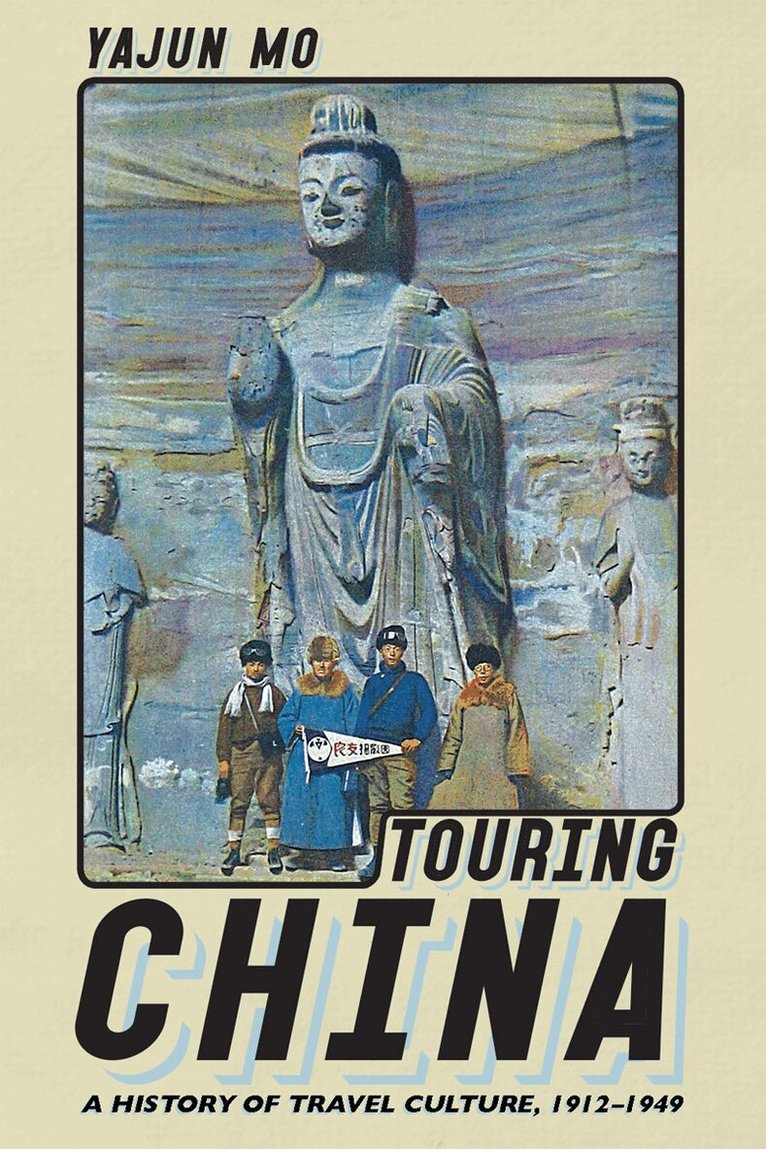
In Touring China, Yajun Mo explores how early twentieth century Chinese sightseers described the destinations that they visited, and how their travel accounts gave Chinese readers a means to imagine their vast country.The roots of China's tourism market stretch back over a hundred years, when railroad and steamship networks expanded into the coastal regions. Tourism-related businesses and publications flourished in urban centers while scientific exploration, investigative journalism, and wartime travel propelled many Chinese from the eastern seaboard to its peripheries. Mo considers not only accounts of overseas travel and voyages across borderlands, but also trips within China. On the one hand, via travel and travel writing, the unity of China's coastal regions, inland provinces, and western frontiers was experienced and reinforced. On the other, travel literature revealed a persistent tension between the aspiration for national unity and the anxiety that China might fall apart. Touring China tells a fascinating story about the physical and intellectual routes people took on various journeys, against the backdrop of the transition from Chinese empire to nation-state.
324 kr
Skickas inom 10-15 vardagar
In Touring China, Yajun Mo explores how early twentieth century Chinese sightseers described the destinations that they visited, and how their travel accounts gave Chinese readers a means to imagine their vast country.The roots of China's tourism market stretch back over a hundred years, when railroad and steamship networks expanded into the coastal regions. Tourism-related businesses and publications flourished in urban centers while scientific exploration, investigative journalism, and wartime travel propelled many Chinese from the eastern seaboard to its peripheries. Mo considers not only accounts of overseas travel and voyages across borderlands, but also trips within China. On the one hand, via travel and travel writing, the unity of China's coastal regions, inland provinces, and western frontiers was experienced and reinforced. On the other, travel literature revealed a persistent tension between the aspiration for national unity and the anxiety that China might fall apart. Touring China tells a fascinating story about the physical and intellectual routes people took on various journeys, against the backdrop of the transition from Chinese empire to nation-state.
1 604 kr
Skickas inom 10-15 vardagar
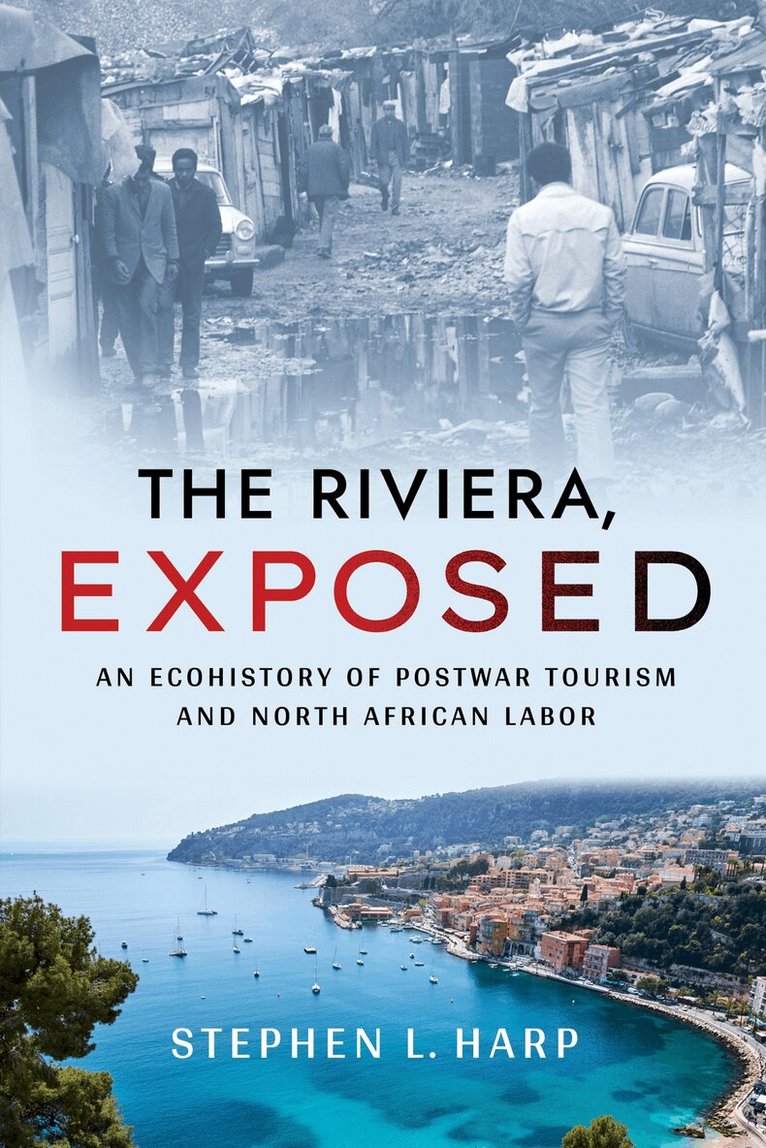
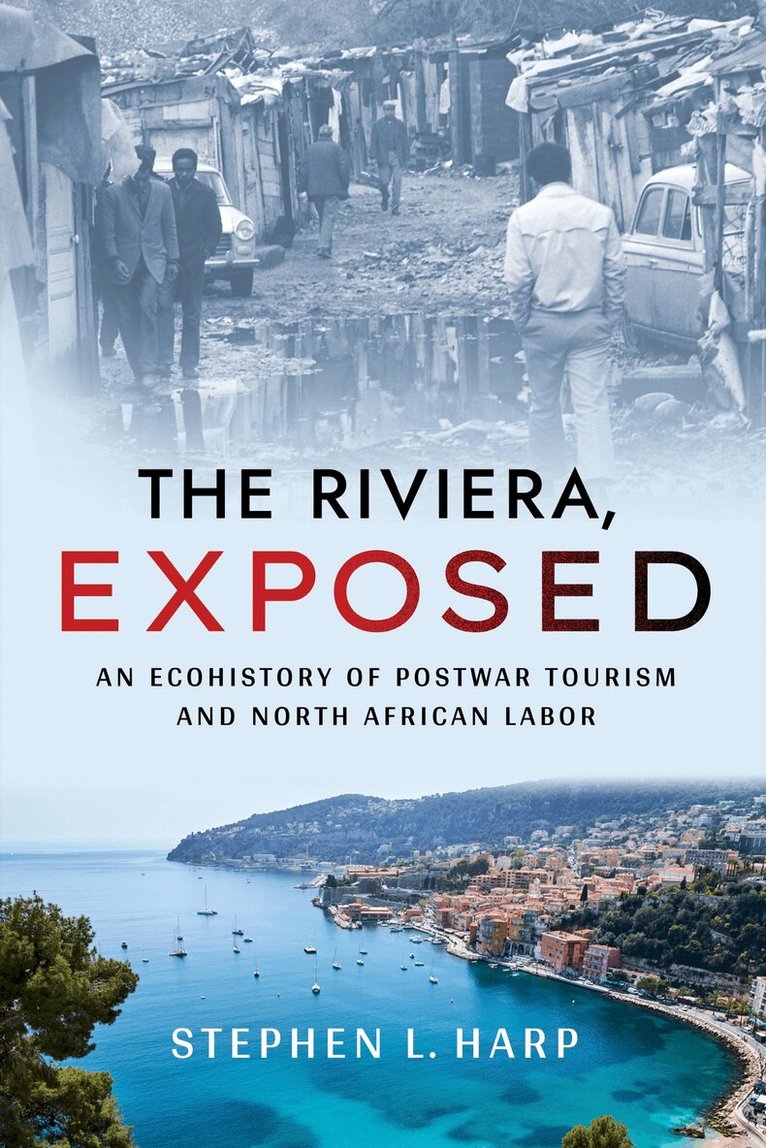
A sweeping social and environmental history, The Riviera, Exposed illuminates the profound changes to the physical space that we know as the quintessential European tourist destination. Stephen L. Harp uncovers the behind-the-scenes impact of tourism following World War II, both on the environment and on the people living and working on the Riviera, particularly North African laborers, who not only did much of the literal rebuilding of the Riviera but also suffered in that process.Outside of Paris, the Riviera has been the most visited region in France, depending almost exclusively on tourism as its economic lifeline. Until recently, we knew a great deal about the tourists but much less about the social and environmental impacts of their activities or about the life stories of the North African workers upon whom the Riviera's prosperity rests. The technologies embedded in roads, airports, hotels, water lines, sewers, beaches, and marinas all required human intervention—and travelers were encouraged to disregard this intervention. Harp's sharp analysis explores the impacts of massive construction and public works projects, revealing the invisible infrastructure of tourism, its environmental effects, and the immigrants who built the Riviera.The Riviera, Exposed unearths a gritty history, one of human labor and ecological degradation that forms the true foundation of the glamorous Riviera of tourist mythology.
1 604 kr
Skickas inom 10-15 vardagar
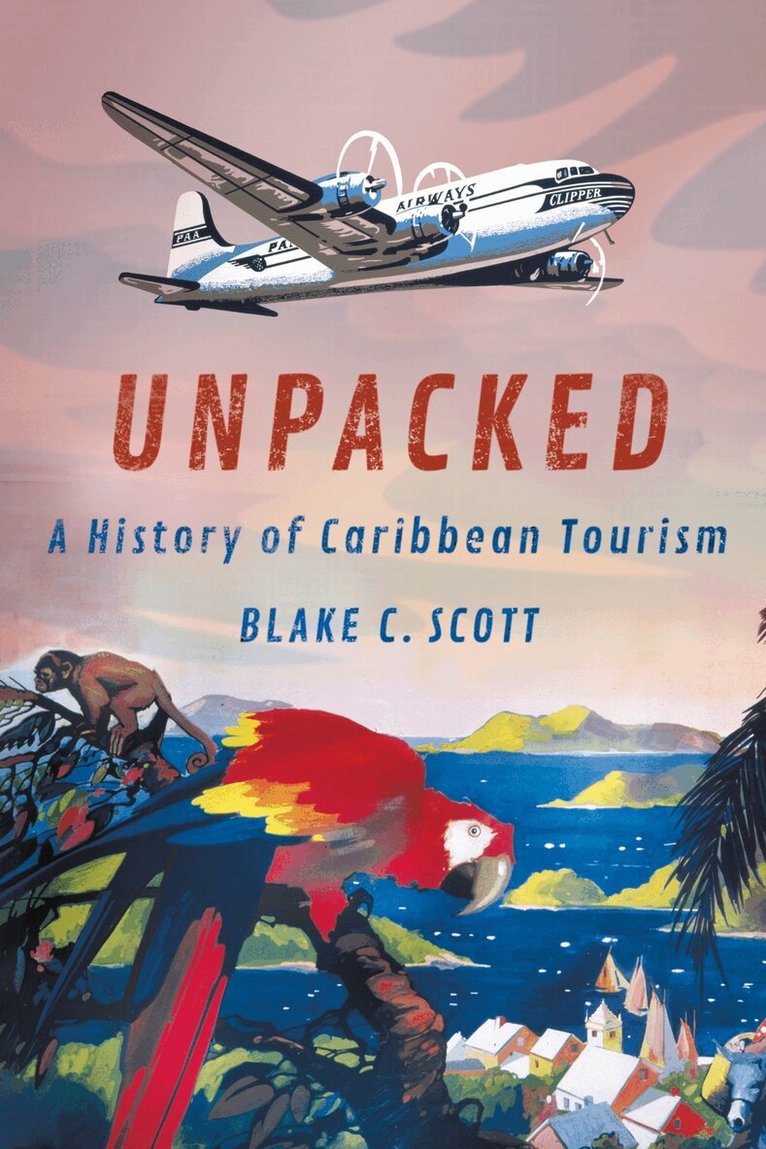
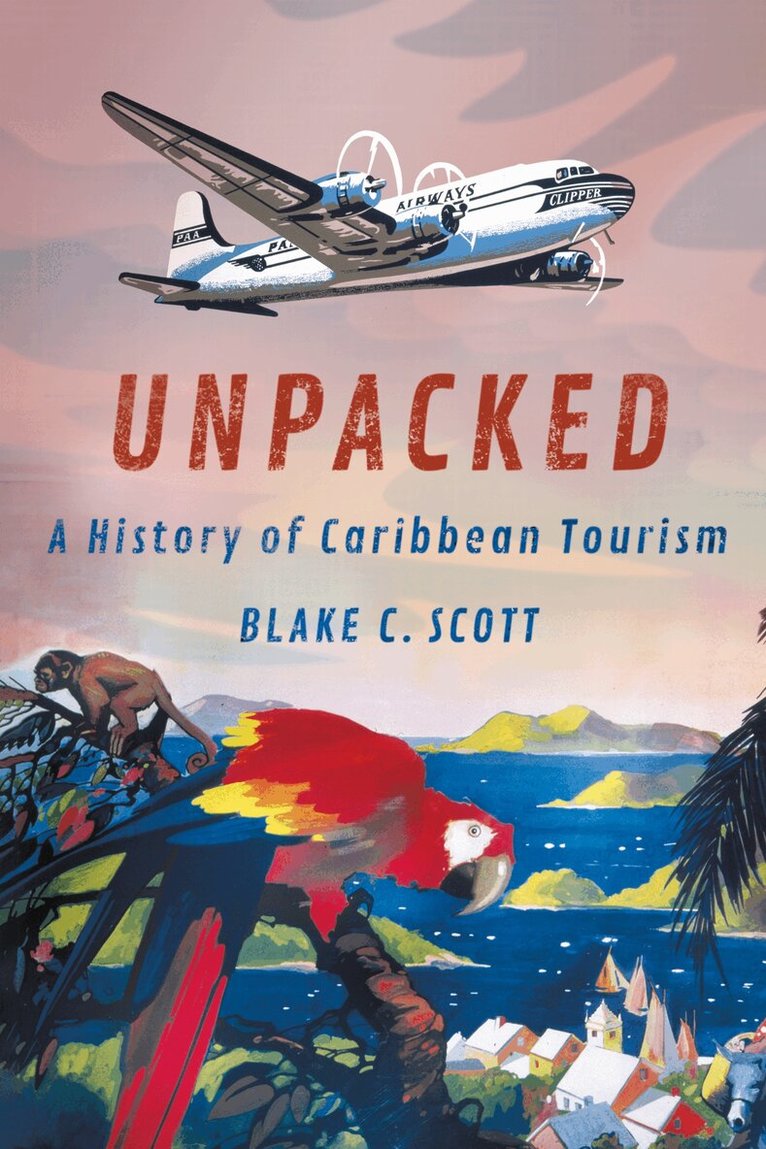
Unpacked offers a critical, novel perspective on the Caribbean's now taken-for-granted desirability as a tourist's paradise. Dreams of a tropical vacation have become a quintessential aspect of the modern Caribbean, as millions of tourists travel to the region and spend extravagantly to pursue vacation fantasies. At the beginning of the twentieth century, however, travelers from North America and Europe thought of the Caribbean as diseased, dangerous, and, according to many observers, "the white man's graveyard." How then did a trip to the Caribbean become a supposedly fun and safe experience?Unpacked examines the historical roots of the region's tourism industry by following a well-traveled sea route linking the US East Coast with the island of Cuba and the Isthmus of Panama. Blake C. Scott describes how the cultural and material history of US imperialism became the heart of modern Caribbean tourism. In addition, he explores how advances in tropical medicine, perceptions of the tropical environment, and development of infrastructure and transportation networks opened a new playground for visitors.
351 kr
Skickas inom 10-15 vardagar
Unpacked offers a critical, novel perspective on the Caribbean's now taken-for-granted desirability as a tourist's paradise. Dreams of a tropical vacation have become a quintessential aspect of the modern Caribbean, as millions of tourists travel to the region and spend extravagantly to pursue vacation fantasies. At the beginning of the twentieth century, however, travelers from North America and Europe thought of the Caribbean as diseased, dangerous, and, according to many observers, "the white man's graveyard." How then did a trip to the Caribbean become a supposedly fun and safe experience?Unpacked examines the historical roots of the region's tourism industry by following a well-traveled sea route linking the US East Coast with the island of Cuba and the Isthmus of Panama. Blake C. Scott describes how the cultural and material history of US imperialism became the heart of modern Caribbean tourism. In addition, he explores how advances in tropical medicine, perceptions of the tropical environment, and development of infrastructure and transportation networks opened a new playground for visitors.
Alluring Opportunities
Tourism, Empire, and African Labor in Colonial Mozambique
Inbunden, Engelska, 2023
544 kr
Skickas inom 10-15 vardagar
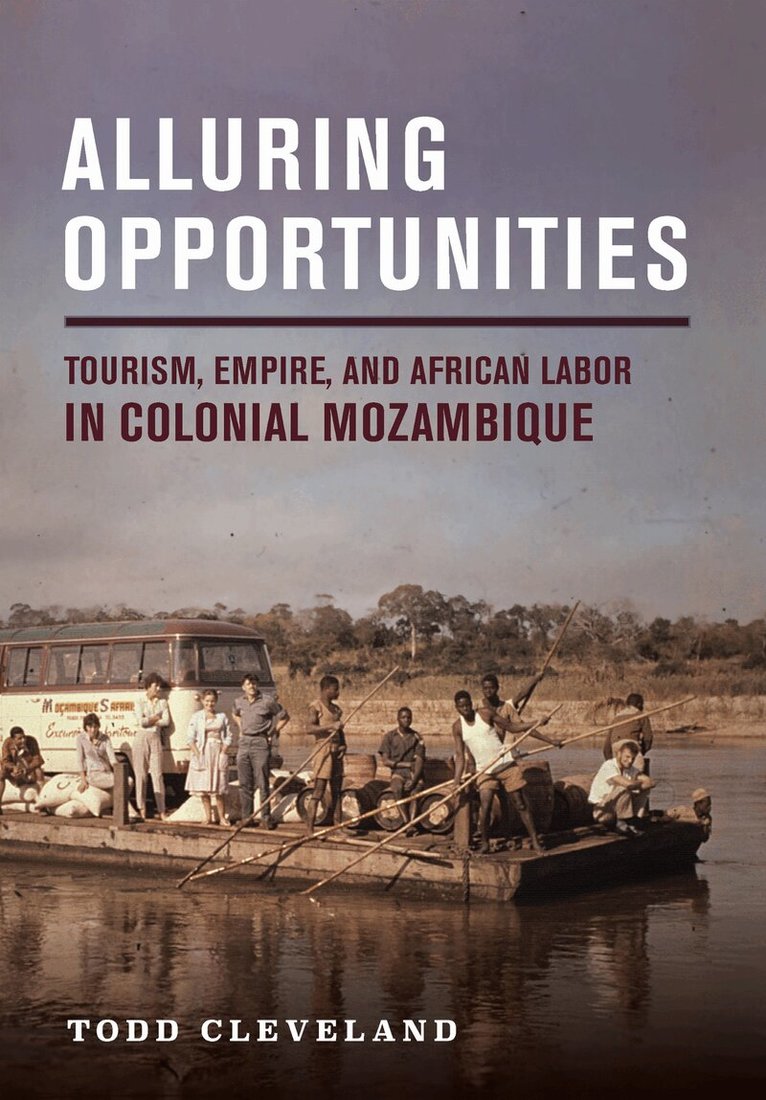
Alluring Opportunities examines the lives of African laborers in the tourism industry in the Portuguese colony of Mozambique and the social ascension that many of these workers achieved in spite of demanding conditions. From the origin of the colonial period until its end in 1975, the tourism industry developed on the backs of these laborers and ultimately became an important source of foreign exchange for Portugal.Todd Cleveland explores the daily experiences of local tourism workers in the genesis and expansion of this vital industry with an analytical utility that transcends Africa's borders by complicating the narrative established and reinforced by an expansive body of literature that stresses the exploitation of indigenous tourism workers. He argues that just as foreign tourists embraced the opportunity to travel to various locations in Mozambique, so too did many Indigenous laborers seize opportunities for employment in the tourism industry in an effort to realize social mobility via both the steady wages that they earned and their daily interactions with sojourning clientele. Alluring Opportunities reconstructs these workers' lives, highlighting their critical contributions to the local industry, while also prompting a reconsideration of Indigenous labor and social mobility in colonial Africa. As a result, Cleveland reveals new ways of thinking, more broadly, about the ways that tourism shapes processes of empire, interracial interactions, and power relations.
351 kr
Skickas inom 10-15 vardagar
A sweeping social and environmental history, The Riviera, Exposed illuminates the profound changes to the physical space that we know as the quintessential European tourist destination. Stephen L. Harp uncovers the behind-the-scenes impact of tourism following World War II, both on the environment and on the people living and working on the Riviera, particularly North African laborers, who not only did much of the literal rebuilding of the Riviera but also suffered in that process.Outside of Paris, the Riviera has been the most visited region in France, depending almost exclusively on tourism as its economic lifeline. Until recently, we knew a great deal about the tourists but much less about the social and environmental impacts of their activities or about the life stories of the North African workers upon whom the Riviera's prosperity rests. The technologies embedded in roads, airports, hotels, water lines, sewers, beaches, and marinas all required human intervention—and travelers were encouraged to disregard this intervention. Harp's sharp analysis explores the impacts of massive construction and public works projects, revealing the invisible infrastructure of tourism, its environmental effects, and the immigrants who built the Riviera.The Riviera, Exposed unearths a gritty history, one of human labor and ecological degradation that forms the true foundation of the glamorous Riviera of tourist mythology.
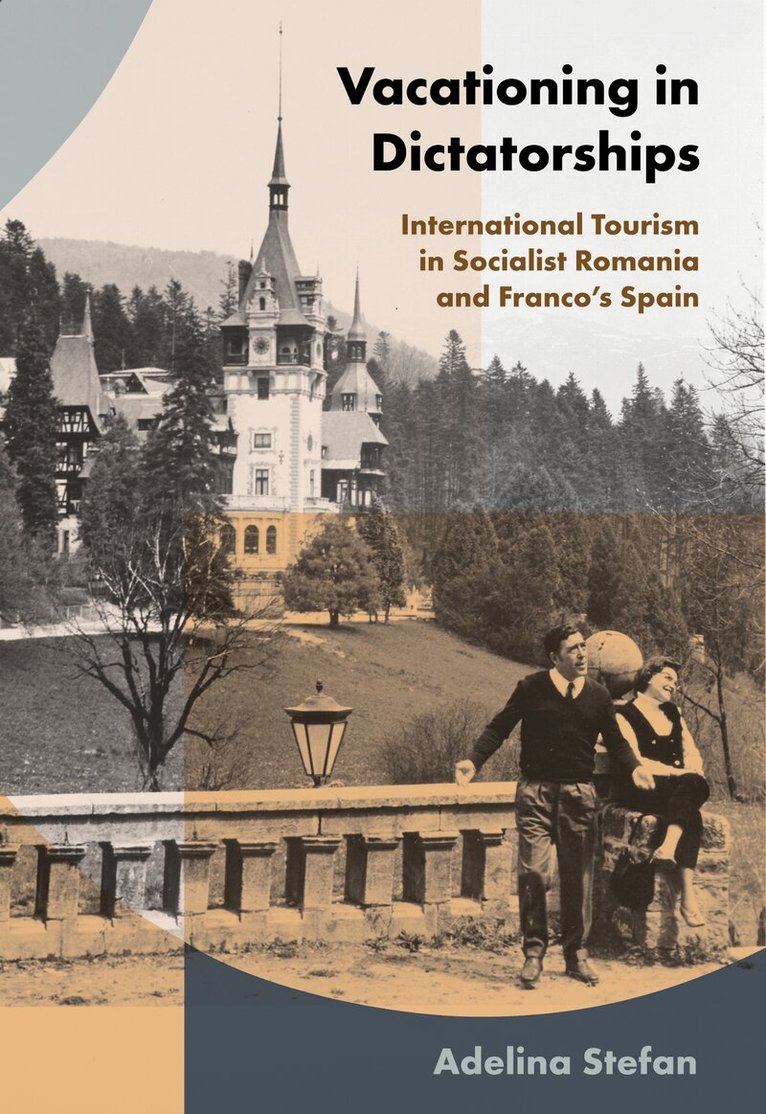
Vacationing in Dictatorships
International Tourism in Socialist Romania and Franco's Spain
Inbunden, Engelska, 2024
1 604 kr
Skickas inom 10-15 vardagar
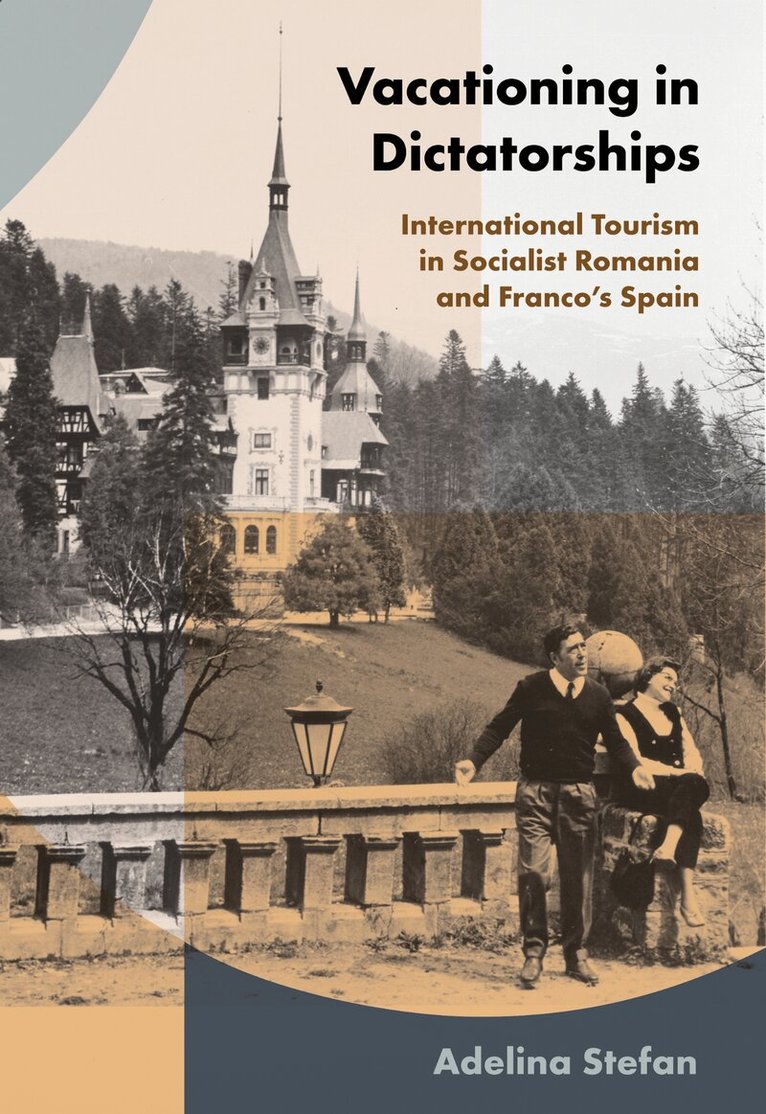
Vacationing in Dictatorships examines the political effects of international tourism in socialist Romania and Francoist Spain in the postwar era. Despite sharp economic and political differences between the two dictatorial regimes at the start of the Cold War, significant similarities existed as both states took advantage of international tourism to improve their image abroad and pursued processes of economic modernization to acquire hard currencies. By the end of the 1970s though, the two countries achieved rather different results in terms of tourism development, despite the fact that both shared many features in the 1940s and 1950s.By comparing the rise and evolution of international tourism on different sides of the Iron Curtain, Adelina Stefan provides a different assessment of the geopolitics of postwar Europe that further refines the Cold War's geographies separating Eastern and Western Europe. As a result, Vacationing in Dictatorships reveals a new perspective on the Cold War that reveals not only the developmental similarities between Eastern and Southern Europe but also the ideological struggle that pitted socialist East against capitalist West.
Vacationing in Dictatorships
International Tourism in Socialist Romania and Franco's Spain
Häftad, Engelska, 2024
365 kr
Skickas inom 10-15 vardagar
Vacationing in Dictatorships examines the political effects of international tourism in socialist Romania and Francoist Spain in the postwar era. Despite sharp economic and political differences between the two dictatorial regimes at the start of the Cold War, significant similarities existed as both states took advantage of international tourism to improve their image abroad and pursued processes of economic modernization to acquire hard currencies. By the end of the 1970s though, the two countries achieved rather different results in terms of tourism development, despite the fact that both shared many features in the 1940s and 1950s.By comparing the rise and evolution of international tourism on different sides of the Iron Curtain, Adelina Stefan provides a different assessment of the geopolitics of postwar Europe that further refines the Cold War's geographies separating Eastern and Western Europe. As a result, Vacationing in Dictatorships reveals a new perspective on the Cold War that reveals not only the developmental similarities between Eastern and Southern Europe but also the ideological struggle that pitted socialist East against capitalist West.
1 626 kr
Kommande
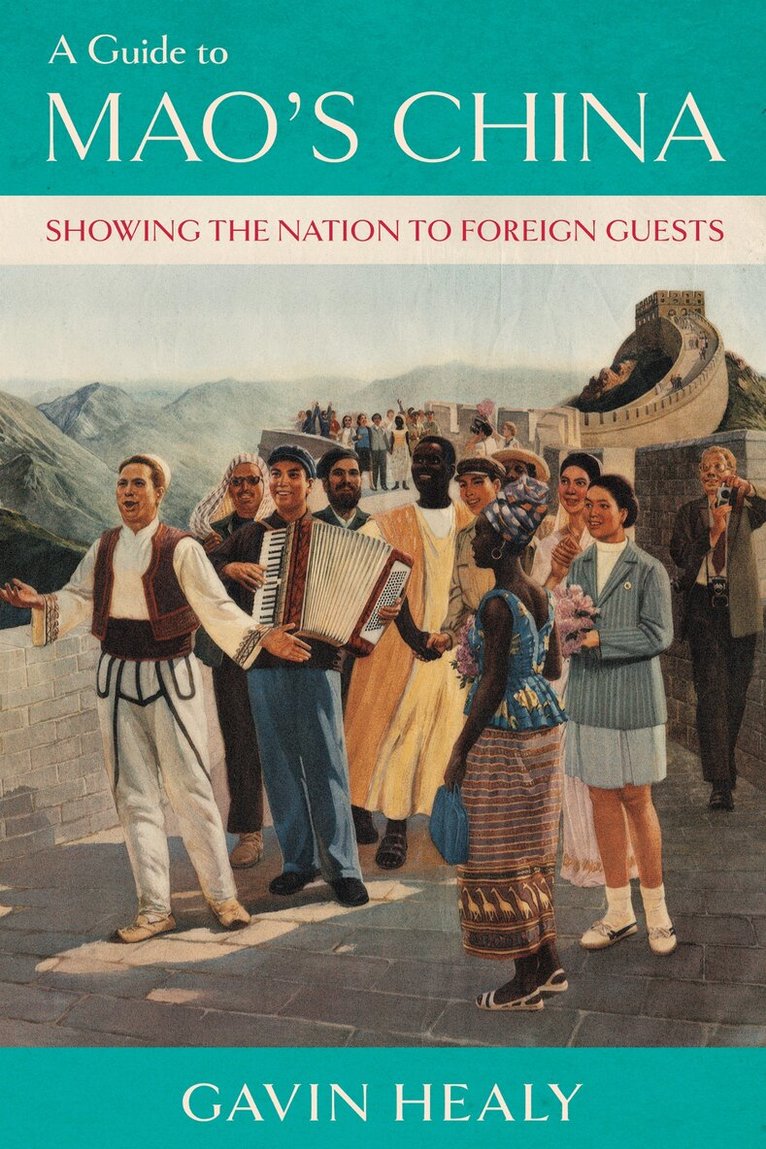
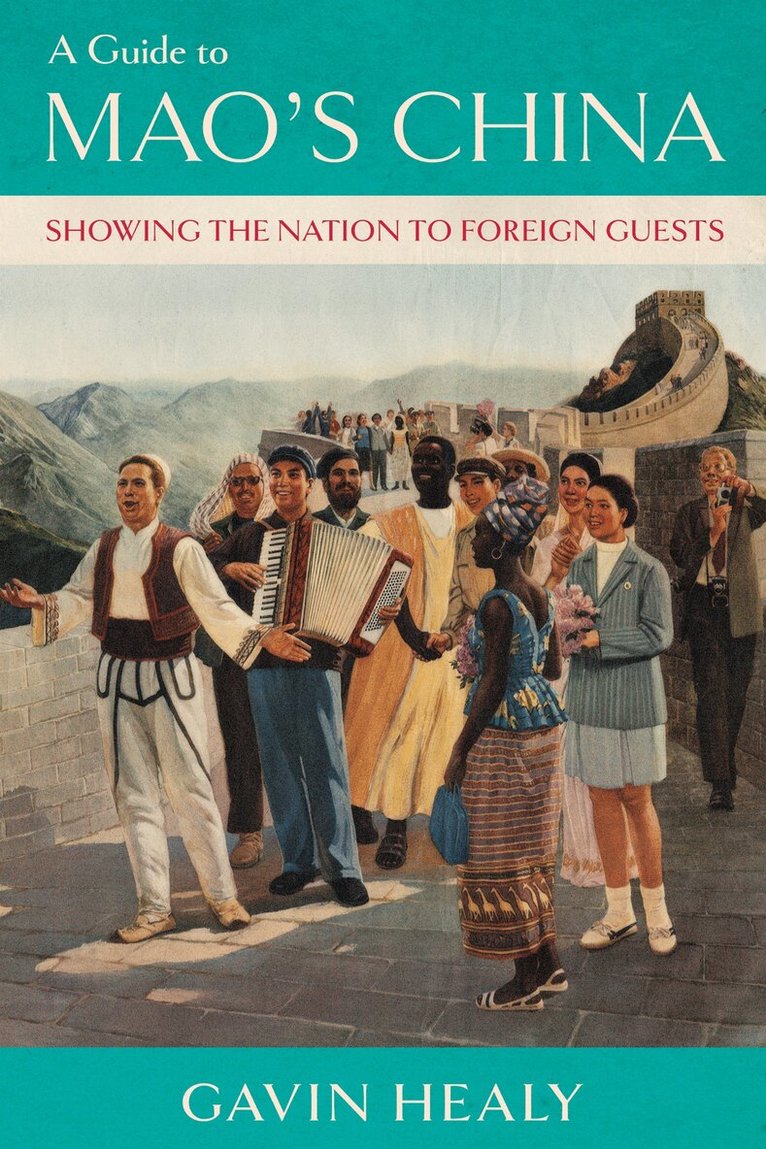
A Guide to Mao's China explores how personnel within China's state tourism bureaucracy during the Mao era struggled to balance inbound foreign tourism as a form of political, historical, and cultural representation with demands for developing a revenue-generating service industry in a socialist economy. The People's Republic crafted its national narrative through tightly managed tours, and foreign visitors were led through model communes and factories by officials, guides, and service workers still negotiating what tourism meant within a socialist state.Drawing on government archives, service worker manuals, firsthand tourist reports, and rare ephemera, Gavin Healy offers a human face to people-to-people diplomacy and shows how tourism workers shaped foreign impressions of Chinese socialism, while grappling with its meaning themselves. A Guide to Mao's China offers a fresh view of Mao-era China as more globally engaged and performative than often remembered.
383 kr
Kommande
A Guide to Mao's China explores how personnel within China's state tourism bureaucracy during the Mao era struggled to balance inbound foreign tourism as a form of political, historical, and cultural representation with demands for developing a revenue-generating service industry in a socialist economy. The People's Republic crafted its national narrative through tightly managed tours, and foreign visitors were led through model communes and factories by officials, guides, and service workers still negotiating what tourism meant within a socialist state.Drawing on government archives, service worker manuals, firsthand tourist reports, and rare ephemera, Gavin Healy offers a human face to people-to-people diplomacy and shows how tourism workers shaped foreign impressions of Chinese socialism, while grappling with its meaning themselves. A Guide to Mao's China offers a fresh view of Mao-era China as more globally engaged and performative than often remembered.
2 266 kr
Kommande
Come See the Truth explains how socialist Yugoslavia became a hot spot for international tourism during the Cold War. Following the 1948 split with the Soviet Union, Yugoslavia boldly and dynamically exploited tourism for political ends, inviting foreigners to "come see the truth" to counter Soviet invectives. During the following years, a combination of pragmatism and innovation led to an open-door policy that was fundamental to the country's tourism strategy and that allowed Yugoslav citizens to freely travel abroad for both work and leisure. Situating this history in the dual contexts of the Cold War and the history of tourism, Igor Tchoukarine traces efforts by politicians, federal and republican administrations, tourist organizations, and individuals to develop international tourism in Yugoslavia. He reveals how tourism was inseparable from geopolitics, allowing Tito's state to enjoy international prestige and political legitimacy on both domestic and international levels. Yet Come See the Truth also uncovers the pitfalls of Yugoslavia's tourism boom, which exacerbated economic difficulties and rivalries and came to an end during the country's early-1990s collapse and descent into nationalist fervor and violence.