Indigenous Justice – serie
Visar alla böcker i serien Indigenous Justice. Handla med fri frakt och snabb leverans.
4 produkter
4 produkter
348 kr
Skickas inom 5-8 vardagar
This volume of the Indigenous Justice series explores the global effects of marginalizing Indigenous law. The essays in this book argue that European-based law has been used to force Indigenous peoples to assimilate, has politically disenfranchised Indigenous communities, and has destroyed traditional Indigenous social institutions. European-based law not only has been used as a tool to infringe upon Indigenous human rights, it also has been used throughout global history to justify environmental injustices, treaty breaking, and massacres. The research in this volume focuses on the resurgence of traditional law, tribal - state relations in the United States, laws that have impacted Native American women, laws that have failed to protect Indigenous sacred sites, the effect of international conventions on domestic laws, and the role of community justice organizations in operationalizing international law.While all of these issues are rooted in colonization, Indigenous peoples are using their own solutions to demonstrate the resilience, persistence, and innovation of their communities. With chapters focusing on the use and misuse of law as it pertains to Indigenous peoples in North America, Latin America, Canada, Australia, and New Zealand, this book offers a wide scope of global injustice. Despite proof of oppressive legal practices concerning Indigenous peoples worldwide, this book also provides hope for amelioration of colonial consequences.
348 kr
Skickas inom 5-8 vardagar
This volume clearly distinguishes Indigenous environmental justice (IEJ) from the broader idea of environmental justice (EJ) while offering detailed examples from recent history of environmental injustices that have occurred in Indian Country. With connections to traditional homelands being at the heart of Native identity, environmental justice is of heightened importance to Indigenous communities. Not only do irresponsible and exploitative environmental policies harm the physical and financial health of Indigenous communities, they also cause spiritual harm by destroying land held in a place of exceptional reverence for Indigenous peoples.With focused essays on important topics such as the uranium mining on Navajo and Hopi lands, the Dakota Access Pipeline dispute on the Standing Rock Indian Reservation, environmental cleanup efforts in Alaska, and many other pertinent examples, this volume offers a timely view of the environmental devastation that occurs in Indian Country. It also serves to emphasize the importance of self-determination and sovereignty in victories of Indigenous environmental justice.The book explores the ongoing effects of colonization and emphasizes Native American tribes as governments rather than ethnic minorities. Combining elements of legal issues, human rights issues, and sovereignty issues, Indigenous Environmental Justice creates a clear example of community resilience in the face of corporate greed and state indifference.
336 kr
Skickas inom 5-8 vardagar
This new volume offers a broad overview of topics pertaining to gender-related health, violence, and healing. Employing a strength-based approach (as opposed to a deficit model), the chapters address the resiliency of Indigenous women and two-spirit people in the face of colonial violence and structural racism.The book centers the concept of “rematriation”—the concerted effort to place power, peace, and decision making back into the female space, land, body, and sovereignty—as a decolonial practice to combat injustice. Chapters include such topics as reproductive health, diabetes, missing and murdered Indigenous women, Indigenous women in the academy, and Indigenous women and food sovereignty.As part of the Indigenous Justice series, this book provides an overview of the topic, geared toward undergraduate and graduate classes.Contributors:Alisse Ali-JosephMichÈle CompanionBrooke de HeerLomayumtewa K. IshiiMary Jo Tippeconnic FoxKaren Jarratt-SniderLynn C. JonesAnne Luna-GordinierKelly McCueMarianne O. NielsenLinda M. RobynMelinda S. SmithJamie Wilson
376 kr
Skickas inom 5-8 vardagar
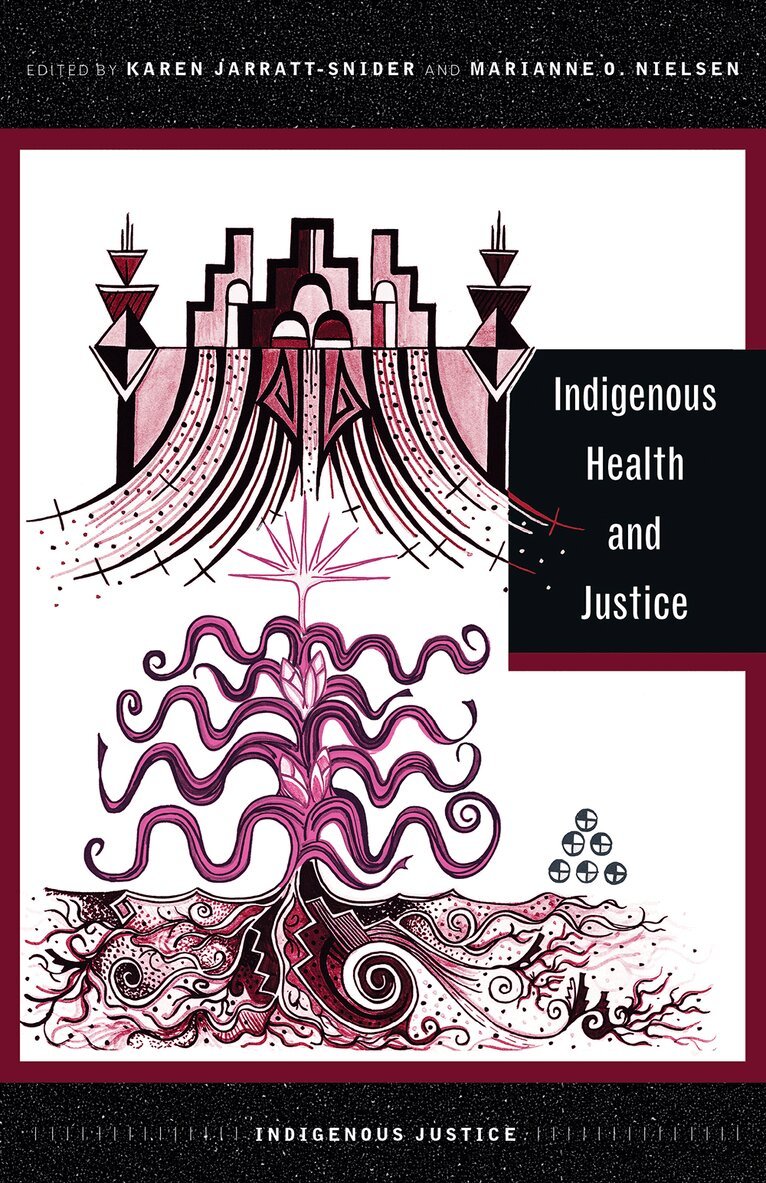
Colonial oppression, systemic racism, discrimination, and poor access to a wide range of resources detract from Indigenous health and contribute to continuing health inequities and injustices. These factors have led to structural inadequacies that contribute to circular challenges such as chronic underfunding, understaffing, and culturally insensitive health-care provision. Nevertheless, Indigenous Peoples are working actively to end such legacies.In Indigenous Health and Justice contributors demonstrate how Indigenous Peoples, individuals, and communities create their own solutions. Chapters focus on both the challenges created by the legacy of settler colonialism and the solutions, strengths, and resilience of Indigenous Peoples and communities in responding to these challenges. It introduces a range of examples, such as the ways in which communities use traditional knowledge and foodways to address health disparities.Indigenous Health and Justice is the fifth volume in the Indigenous Justice series. The series editors have focused on different aspects of the many kinds of justice that affect Indigenous Peoples. This volume is for students, scholars, activists, policymakers, and health-care professionals interested in health and well-being.