Interior Architecture - Böcker
Visar alla böcker i serien Interior Architecture. Handla med fri frakt och snabb leverans.
8 produkter
8 produkter
3 425 kr
Skickas inom 5-8 vardagar
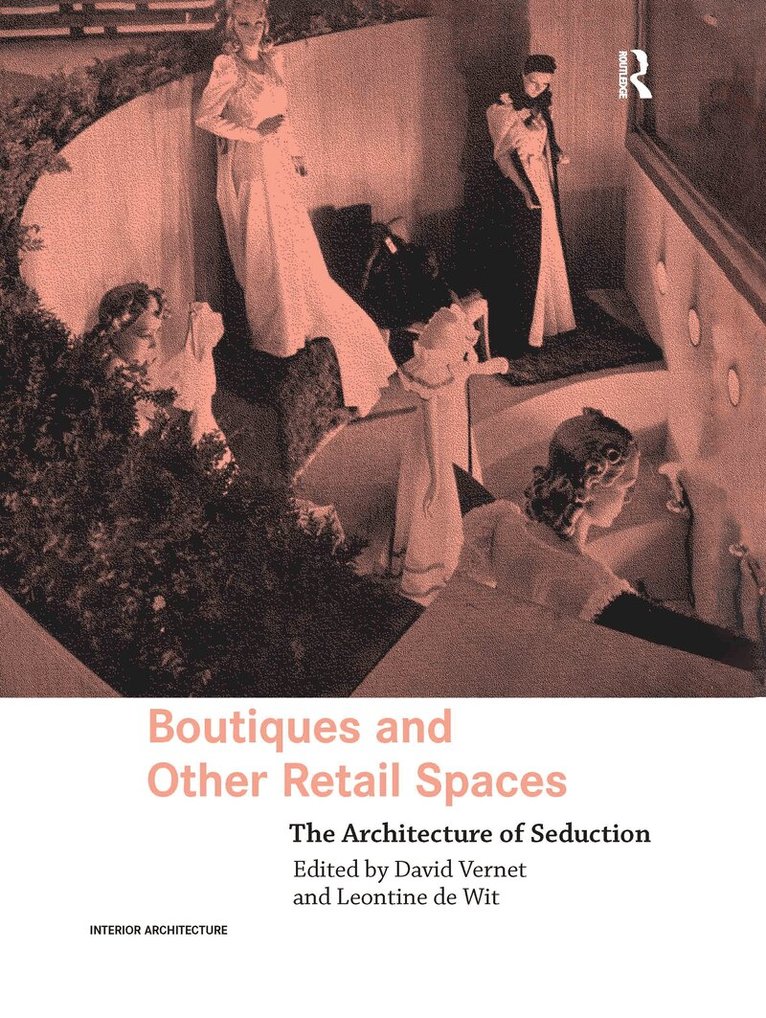
Presenting a critical and theoretical dimension to retail design, Boutiques and Other Retail Spaces links the ideas behind it to real practice in this innovative and important contribution to architectural/interior theory literature.Retail structure has been subject to a dramatic and ongoing transformation over the past thirty years, materializing in the emergence of large-scale out-of-town shopping centres and new specialized shops in city centres. These specialized boutiques are highly designed, involving well-known architectural firms such as OMA/Rem Koolhaas, David Chipperfield, Herzog + de Meuron amongst others.With case studies and over 100 black and white images, Vernet and de Wit set forth original and well-grounded theory to accompany this popular and lucrative area of work.
716 kr
Skickas inom 10-15 vardagar
Presenting a critical and theoretical dimension to retail design, Boutiques and Other Retail Spaces links the ideas behind it to real practice in this innovative and important contribution to architectural/interior theory literature.Retail structure has been subject to a dramatic and ongoing transformation over the past thirty years, materializing in the emergence of large-scale out-of-town shopping centres and new specialized shops in city centres. These specialized boutiques are highly designed, involving well-known architectural firms such as OMA/Rem Koolhaas, David Chipperfield, Herzog + de Meuron amongst others.With case studies and over 100 black and white images, Vernet and de Wit set forth original and well-grounded theory to accompany this popular and lucrative area of work.
2 649 kr
Skickas inom 10-15 vardagar
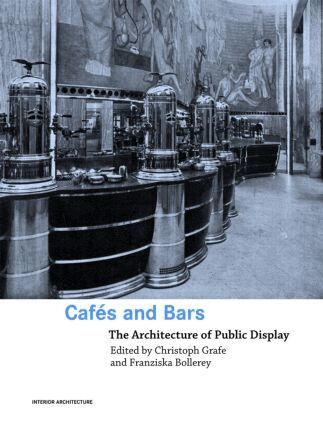
The design of bars and cafes has played an important role in the development of architecture in the twentieth century. This influence has been felt particularly strongly over the past thirty years, in a time when these social spaces have contributed significantly to the rediscovery and reinvention of cities across Europe and North America.This volume presents and examines this significant urban architectural production, and discusses it against a background of the design of cafes and bars across the nineteenth and twentieth centuries. Major themes and developments are discussed and illustrated with case studies, from the functionalist pre-World War Two architects in Central Europe representing modern society through the design of public spaces, right up to the design of sophisticated bars and cafes as part of the recent urban renaissance of Barcelona and Paris in 1980s and London in the '90s.
716 kr
Skickas inom 10-15 vardagar
The design of bars and cafes has played an important role in the development of architecture in the twentieth century. This influence has been felt particularly strongly over the past thirty years, in a time when these social spaces have contributed significantly to the rediscovery and reinvention of cities across Europe and North America.This volume presents and examines this significant urban architectural production, and discusses it against a background of the design of cafes and bars across the nineteenth and twentieth centuries. Major themes and developments are discussed and illustrated with case studies, from the functionalist pre-World War Two architects in Central Europe representing modern society through the design of public spaces, right up to the design of sophisticated bars and cafes as part of the recent urban renaissance of Barcelona and Paris in 1980s and London in the '90s.
2 162 kr
Skickas inom 10-15 vardagar
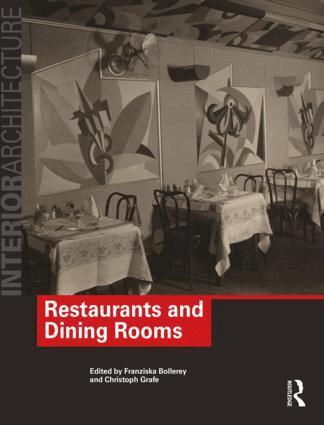
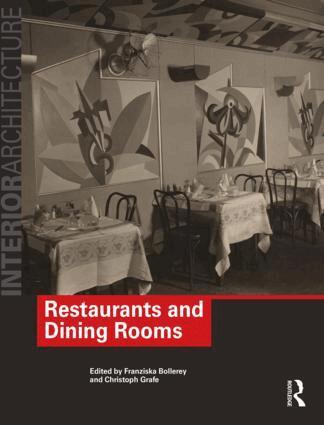
According to urban academic myth, the first restaurants emerged in the wake of the French Revolution. From the very beginning in the elegant salons of the latter days of the Ancien Régime, the design of restaurants has been closely related to ideas of how food should be presented and how it may be consumed in public. The appearance and atmosphere created by restaurant owners reflects culturally embedded ideals of comfort, sociability and the good life. As a product of the modern metropolis, the restaurant encapsulates and illustrates the profound change in how its patrons viewed themselves as individuals, how they used their cities and how they met friends or business partners over a meal. The architectural design of environments for the consumption of food necessarily involves an exploration and a manipulation of the human experience of space. It reflects ideas about public and private behaviour for which the restaurant offers a stage. Famous architects were commissioned to provide designs for restaurants in order to lure in an ever more demanding urban clientele. The interior designs of restaurants were often employed to present this particular aspect in consciously evoking an imagery of sophisticated modernity. This book presents the restaurant, its cultural and typological history as it evolved over time. In this unique combination it provides valuable knowledge for designers and students of design, and for everyone interested in the cultural history of the modern metropolis.
633 kr
Skickas inom 10-15 vardagar
According to urban academic myth, the first restaurants emerged in the wake of the French Revolution. From the very beginning in the elegant salons of the latter days of the Ancien Régime, the design of restaurants has been closely related to ideas of how food should be presented and how it may be consumed in public. The appearance and atmosphere created by restaurant owners reflects culturally embedded ideals of comfort, sociability and the good life. As a product of the modern metropolis, the restaurant encapsulates and illustrates the profound change in how its patrons viewed themselves as individuals, how they used their cities and how they met friends or business partners over a meal. The architectural design of environments for the consumption of food necessarily involves an exploration and a manipulation of the human experience of space. It reflects ideas about public and private behaviour for which the restaurant offers a stage. Famous architects were commissioned to provide designs for restaurants in order to lure in an ever more demanding urban clientele. The interior designs of restaurants were often employed to present this particular aspect in consciously evoking an imagery of sophisticated modernity. This book presents the restaurant, its cultural and typological history as it evolved over time. In this unique combination it provides valuable knowledge for designers and students of design, and for everyone interested in the cultural history of the modern metropolis.
2 371 kr
Skickas inom 10-15 vardagar
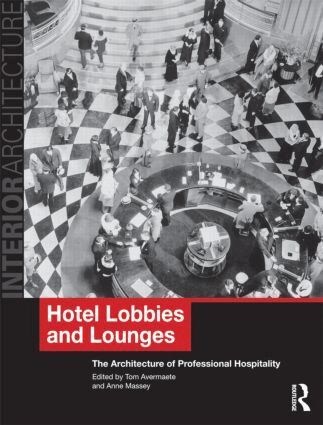
This series investigates the historical, theoretical and practical aspects of interiors. The volumes in the Interior Architecture series can be used as handbooks for the practitioner and as a critical introduction to the history of material culture and architecture.Hotels occupy a particular place in popular imagination. As a place of exclusive sociability and bohemian misery, a site of crime and murder and as a hiding place for illicit liaison, the hotel has embodied the dynamism of the metropolis since the eighteenth century.This book explores the architectural significance of hotels throughout history and how their material construction has reflected and facilitated the social and cultural practices for which they are renowned. Contemporary developments in the planning and design of hotels are addressed through a series of interviews and case studies.Illustrated throughout, this book is an innovative and important contribution to architectural and interior design theory literature.
827 kr
Skickas inom 10-15 vardagar
This series investigates the historical, theoretical and practical aspects of interiors. The volumes in the Interior Architecture series can be used as handbooks for the practitioner and as a critical introduction to the history of material culture and architecture.Hotels occupy a particular place in popular imagination. As a place of exclusive sociability and bohemian misery, a site of crime and murder and as a hiding place for illicit liaison, the hotel has embodied the dynamism of the metropolis since the eighteenth century.This book explores the architectural significance of hotels throughout history and how their material construction has reflected and facilitated the social and cultural practices for which they are renowned. Contemporary developments in the planning and design of hotels are addressed through a series of interviews and case studies.Illustrated throughout, this book is an innovative and important contribution to architectural and interior design theory literature.