Introduction to - Böcker
Visar alla böcker i serien Introduction to. Handla med fri frakt och snabb leverans.
6 produkter
6 produkter
864 kr
Skickas inom 5-8 vardagar
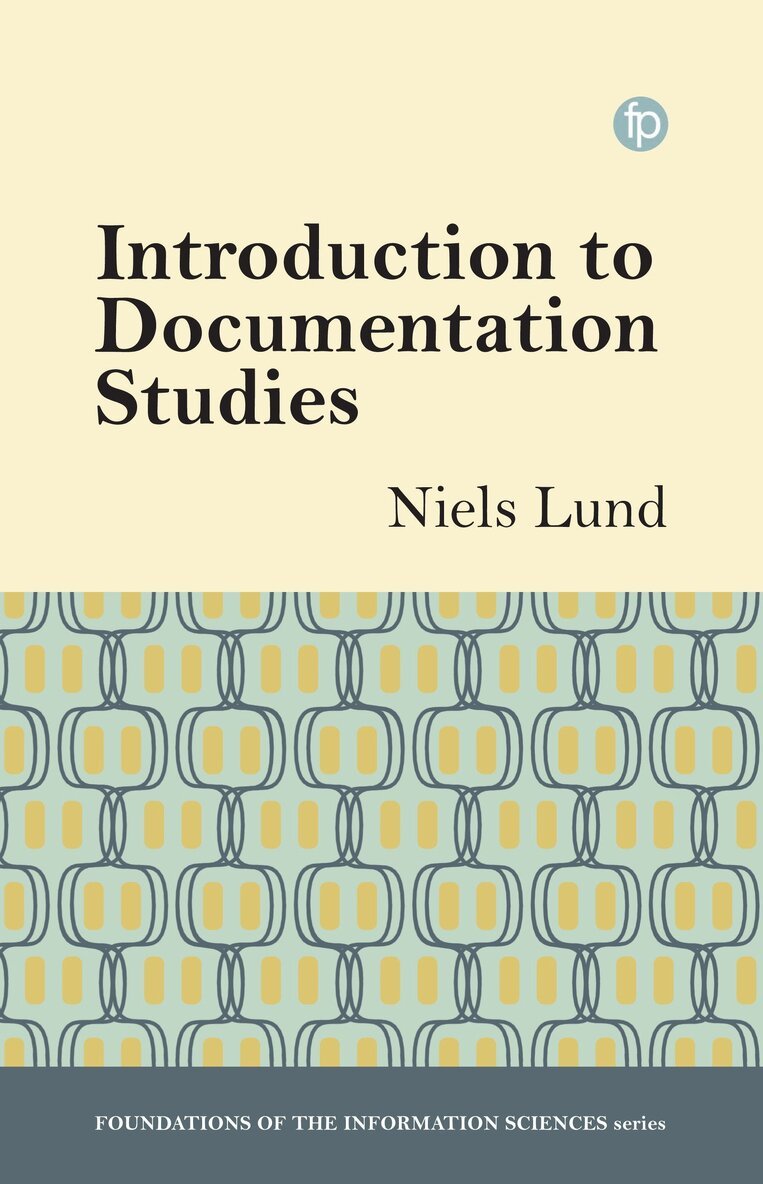
2025 ASIS&T Best Information Science Book AwardThis book presents the first comprehensive introduction to documentation studies. It outlines the historical background of, and the theoretical foundation for a complementary approach to documentation issues and processes: not only in the context of academic study, but also in the practice of documentation in different parts of society.What do a composer, a writer, a painter, a historian, a political activist, and a social agency office have in common? They all create documents to communicate and inform the world, making documentation a necessity for any human interaction in society. Through six case-studies, the book shows how a complementary analysis of the intertwined processes of documentation, communication, and information in any kind of human interaction can be conducted. It demonstrates the relationships between the agents involved, the means chosen and in which modes the resulting complexes of documents are created, regardless of the field.The complementary analytical model and method is relevant not only for documentation, communication, and information scholars, but to a range of fields of research in humanities, social sciences and natural sciences/engineering and design.Written by an expert in documentation, this book provides a solid theoretical and analytical framework for professionals in archives, libraries, and museums, and for all those who manage documents as part of their professional life in healthcare, transportation, education, production and trade.
1 713 kr
Skickas inom 5-8 vardagar
2025 ASIS&T Best Information Science Book AwardThis book presents the first comprehensive introduction to documentation studies. It outlines the historical background of, and the theoretical foundation for a complementary approach to documentation issues and processes: not only in the context of academic study, but also in the practice of documentation in different parts of society.What do a composer, a writer, a painter, a historian, a political activist, and a social agency office have in common? They all create documents to communicate and inform the world, making documentation a necessity for any human interaction in society. Through six case-studies, the book shows how a complementary analysis of the intertwined processes of documentation, communication, and information in any kind of human interaction can be conducted. It demonstrates the relationships between the agents involved, the means chosen and in which modes the resulting complexes of documents are created, regardless of the field.The complementary analytical model and method is relevant not only for documentation, communication, and information scholars, but to a range of fields of research in humanities, social sciences and natural sciences/engineering and design.Written by an expert in documentation, this book provides a solid theoretical and analytical framework for professionals in archives, libraries, and museums, and for all those who manage documents as part of their professional life in healthcare, transportation, education, production and trade.
991 kr
Skickas inom 5-8 vardagar
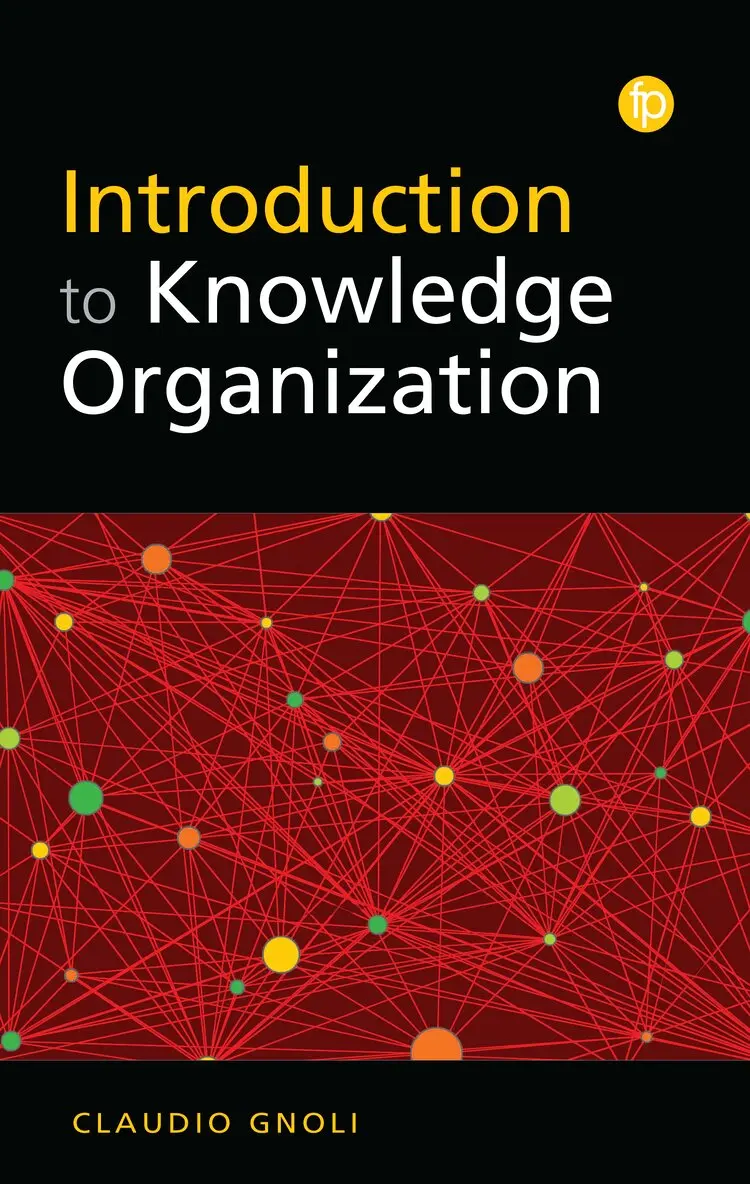
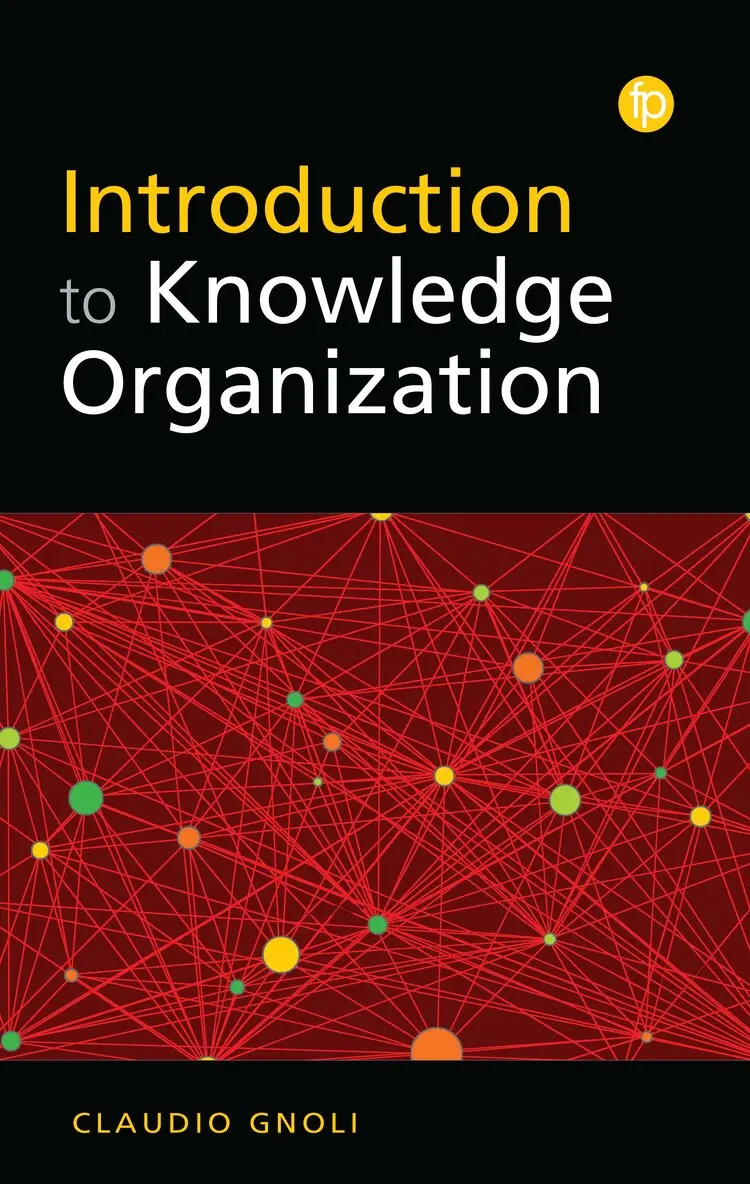
This book provides a complete introduction to the rapidly expanding field of Knowledge organization (KO), presenting historical precedents and theoretical foundations in a discursive, intelligible form, covering the philosophical, linguistic and technical aspects. In the contemporary context of global information exchange through linked data, Knowledge organization systems (KOS) need to be represented in standard inter-operable formats. Different formats for KOS representation including MARC, Dublin Core, SKOS and OWL are introduced as well as the application of Knowledge organization to a variety of activities and contexts: education, encyclopedic knowledge, the Internet, libraries, archives, museums, galleries and other institutions collecting and providing access to recorded knowledge. Key coverage includes:• ontology and epistemology in KO• KO structures: lists, hierarchies, facets...• KO types: tagging, taxonomies, thesauri, classifications...• conceptual analysis of documents• applications in the digital age.Covering theoretical and practical aspects of KO and using real-life examples to illustrate its application, this book will be a valuable resource for students, researchers and practitioners of Knowledge organization, information organization, cataloguing and classification.
2 053 kr
Skickas inom 5-8 vardagar
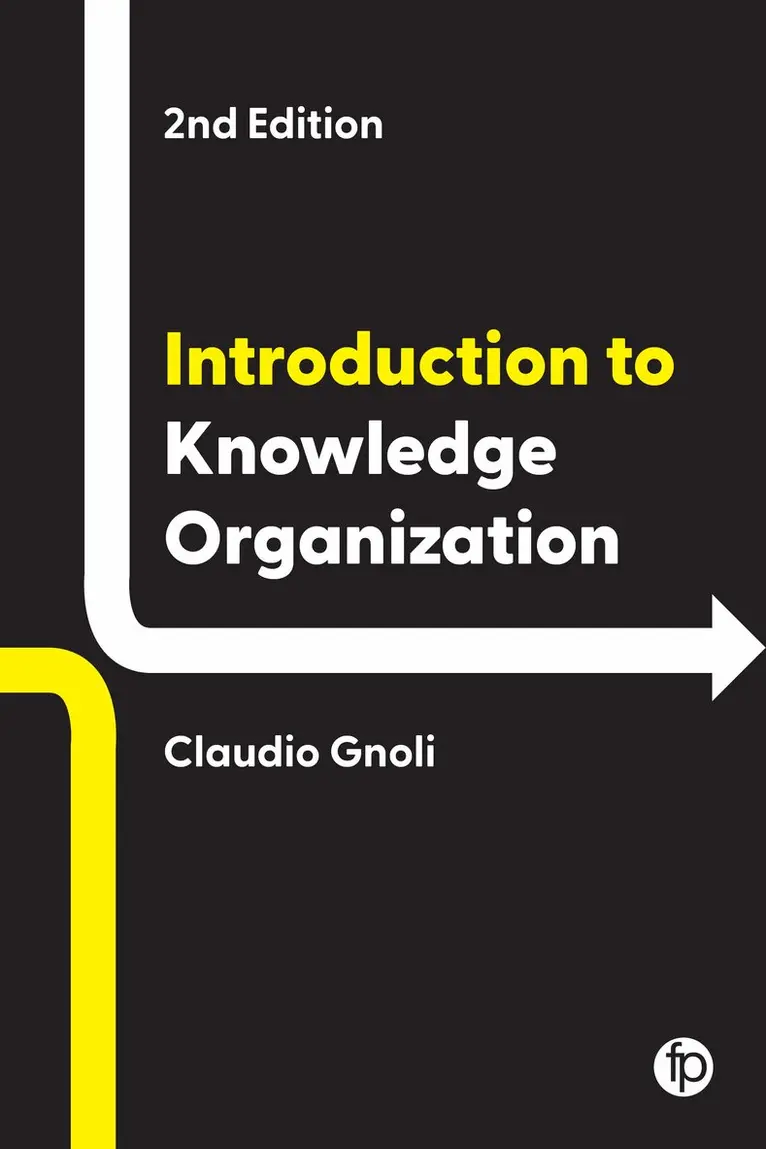
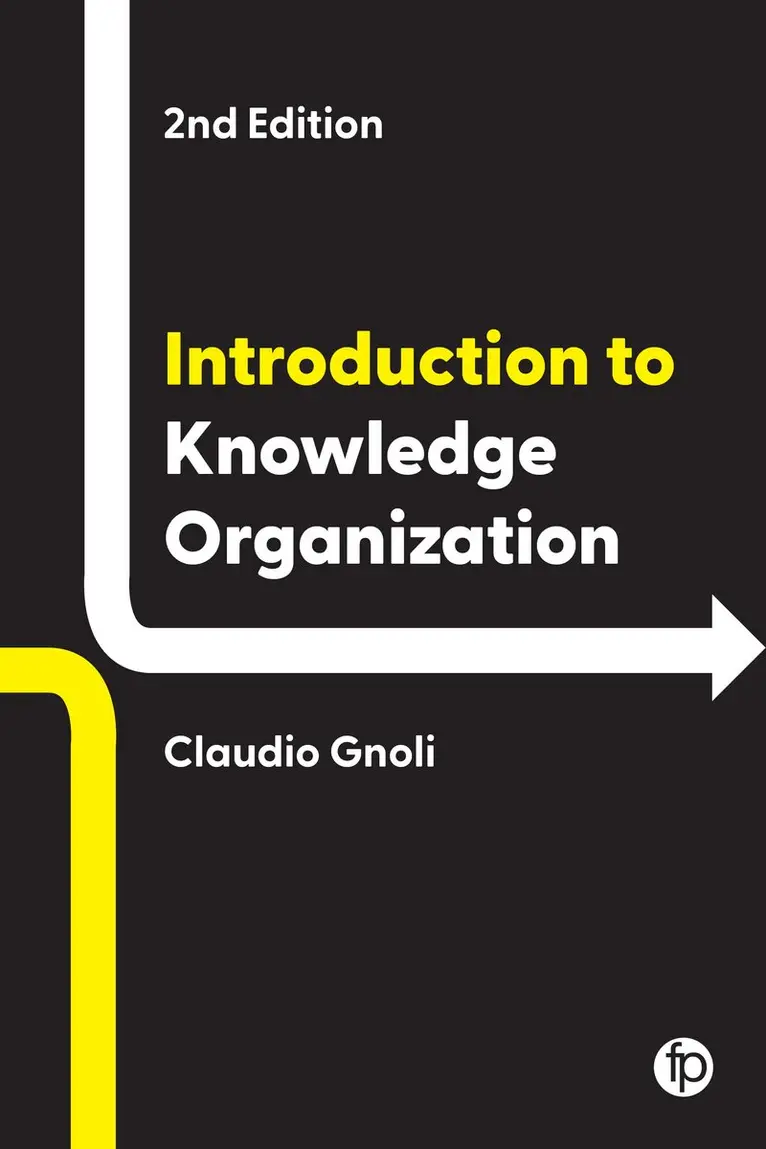
This book provides a complete introduction to the rapidly expanding field of Knowledge organization (KO), presenting historical precedents and theoretical foundations in a discursive, intelligible form, covering the philosophical, linguistic and technical aspects. In the contemporary context of global information exchange through linked data, Knowledge organization systems (KOS) need to be represented in standard inter-operable formats. Different formats for KOS representation including MARC, Dublin Core, SKOS and OWL are introduced as well as the application of Knowledge organization to a variety of activities and contexts: education, encyclopedic knowledge, the Internet, libraries, archives, museums, galleries and other institutions collecting and providing access to recorded knowledge. Key coverage includes:• ontology and epistemology in KO• KO structures: lists, hierarchies, facets...• KO types: tagging, taxonomies, thesauri, classifications...• conceptual analysis of documents• applications in the digital age.Covering theoretical and practical aspects of KO and using real-life examples to illustrate its application, this book will be a valuable resource for students, researchers and practitioners of Knowledge organization, information organization, cataloguing and classification.
694 kr
Skickas inom 5-8 vardagar
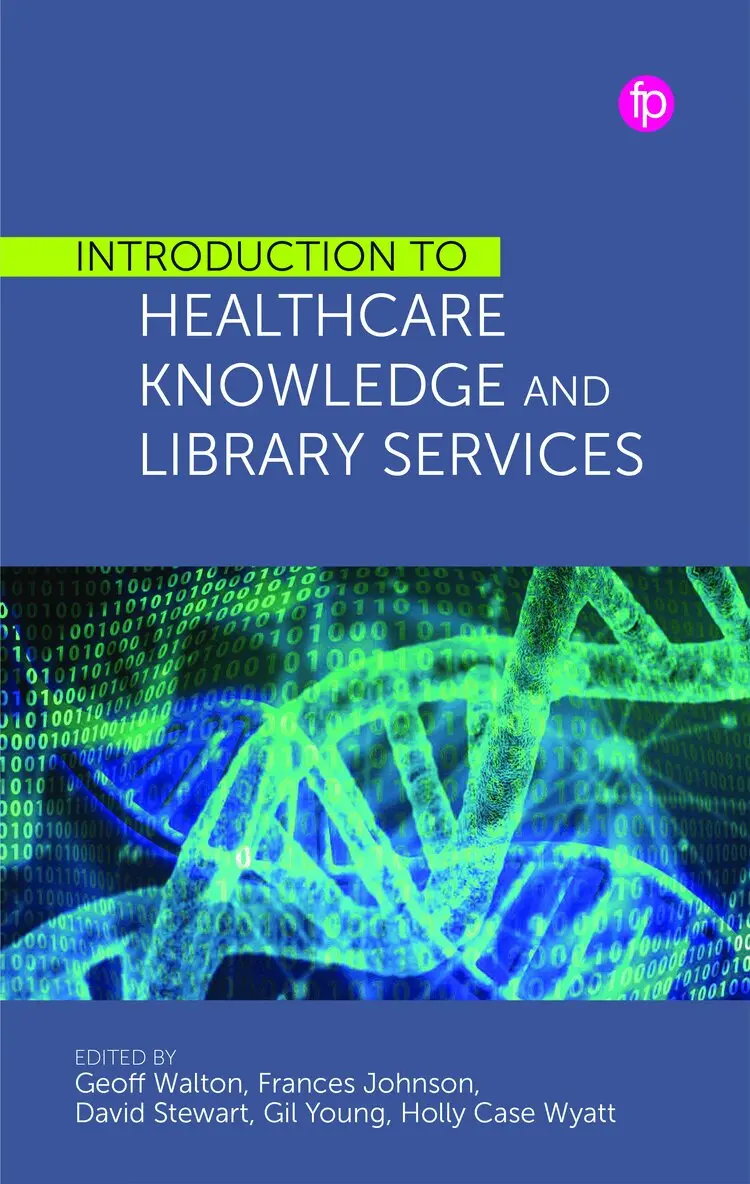
Winner of The Information Resources KM and IM Award 2024The range of roles in healthcare knowledge and library services are many and varied. From ‘traditional’ librarian roles to those that break new ground – including clinical, embedded and outreach librarians and knowledge managers – they are a vital ongoing support for this important sector.This work brings together health information practitioners and researchers with a variety of experience across health information work within knowledge and library services in the NHS. It provides a comprehensive, practitioner-focused introduction to all aspects of knowledge and library work in the health sector with a focus on NHS England. The book begins with an overview of the NHS and how knowledge and library work sit within it. It then addresses such critical areas as services supporting evidence-based practice, the developing area of health information literacy, reflective practice, collaborative working, demonstrating impact and employing digital technology. The book ends with an exploration of what the future might hold for healthcare knowledge and library services such as, the rapid advance of artificial intelligence/machine learning and how it might shape those services and knowledge specialist roles.Knowledge and library specialists offer a valuable gift to healthcare professionals – the ‘gift of time’ enabling them to make informed decisions which directly impact upon patient care. This timely book provides a valuable reference for anyone studying or looking to enter this relevant and diverse field.
1 373 kr
Skickas inom 5-8 vardagar
Winner of The Information Resources KM and IM Award 2024The range of roles in healthcare knowledge and library services are many and varied. From ‘traditional’ librarian roles to those that break new ground – including clinical, embedded and outreach librarians and knowledge managers – they are a vital ongoing support for this important sector.This work brings together health information practitioners and researchers with a variety of experience across health information work within knowledge and library services in the NHS. It provides a comprehensive, practitioner-focused introduction to all aspects of knowledge and library work in the health sector with a focus on NHS England. The book begins with an overview of the NHS and how knowledge and library work sit within it. It then addresses such critical areas as services supporting evidence-based practice, the developing area of health information literacy, reflective practice, collaborative working, demonstrating impact and employing digital technology. The book ends with an exploration of what the future might hold for healthcare knowledge and library services such as, the rapid advance of artificial intelligence/machine learning and how it might shape those services and knowledge specialist roles.Knowledge and library specialists offer a valuable gift to healthcare professionals – the ‘gift of time’ enabling them to make informed decisions which directly impact upon patient care. This timely book provides a valuable reference for anyone studying or looking to enter this relevant and diverse field.