Islamic Law in Context - Böcker
Visar alla böcker i serien Islamic Law in Context. Handla med fri frakt och snabb leverans.
14 produkter
14 produkter
2 100 kr
Skickas inom 10-15 vardagar
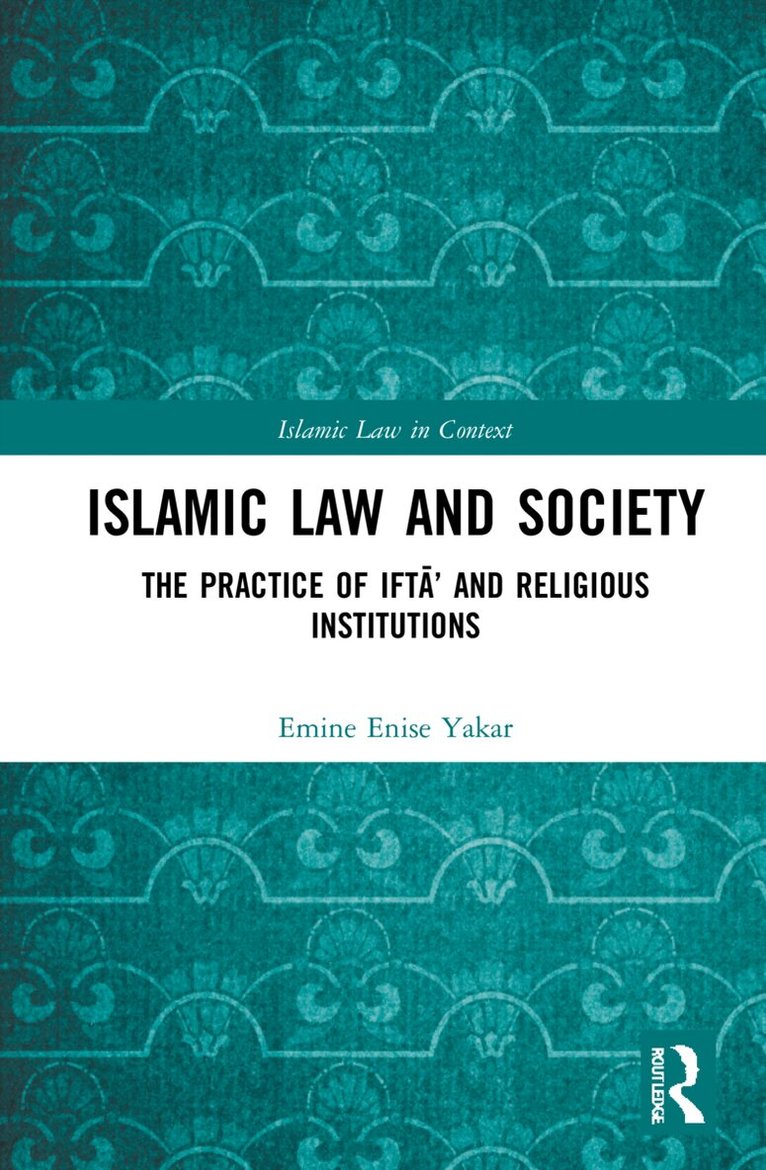
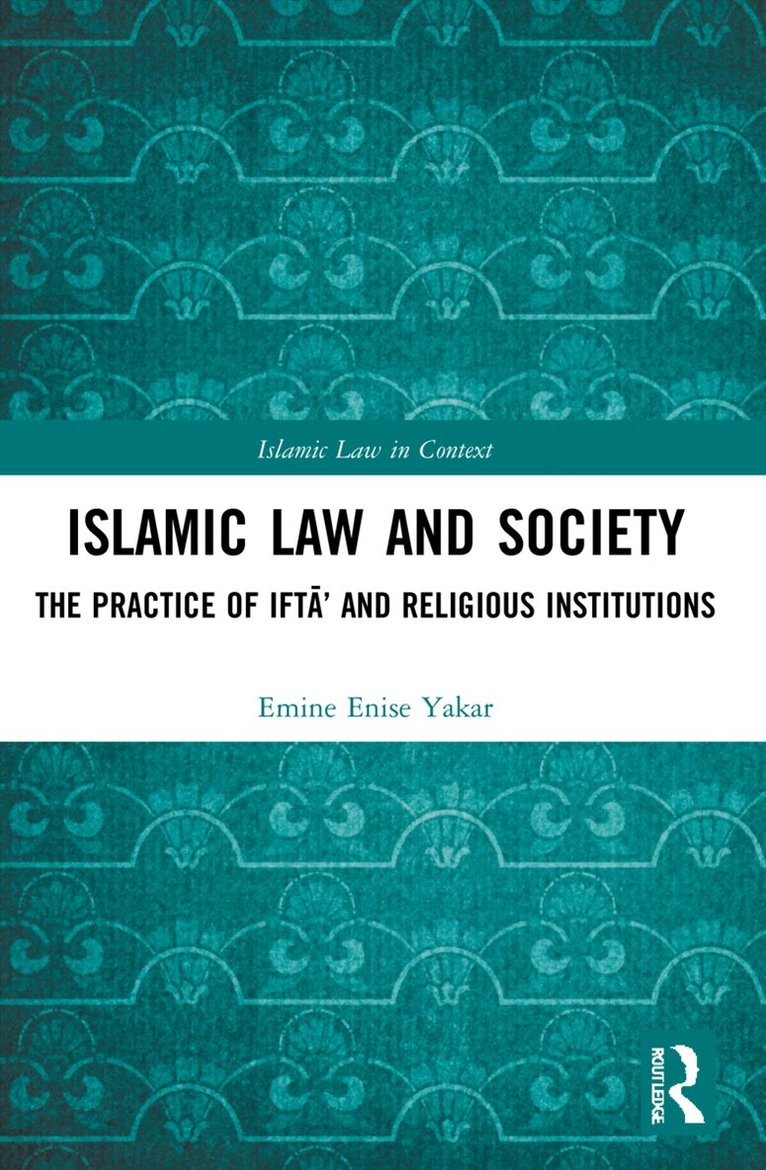
This book places context at the core of the Islamic mechanism of iftā’ to better understand the process of issuing fatwās in Muslim and non-Muslim countries, thus highlighting the connection between context and contemporaneity, on one hand, and the adaptable perception of Islamic law, on the other. The practice of iftā’ is one of the most important mechanisms of Islamic law that keeps Islamic thought about ethical and legal issues in harmony with the demands, exigencies and developments of time. This book builds upon the existing body of work related to the practice of iftā’, but takes the discussion beyond the current debates with the intent of unveiling the interaction between Islamic legal methodologies and different environmental contexts. The book specifically addresses the three institutions (Saudi Arabia’s Dār al-Iftā’, Turkey’s Diyanet and America’s FCNA) and their Islamic legal opinions (fatwās) in a comparative framework. This demonstrates the existence of complex and diverse ideas around similar issues within contemporary Islamic legal opinions that is further complicated by the influence of international, social, political, cultural and ideological contexts. The book thus unveils a more complicated range of interactive constituents in the process of the practice of iftā’ and its outputs, fatwās.The work will be of interest to academics and researchers working in the areas of Islamic law, Middle Eastern studies, religion and politics.
639 kr
Skickas inom 10-15 vardagar
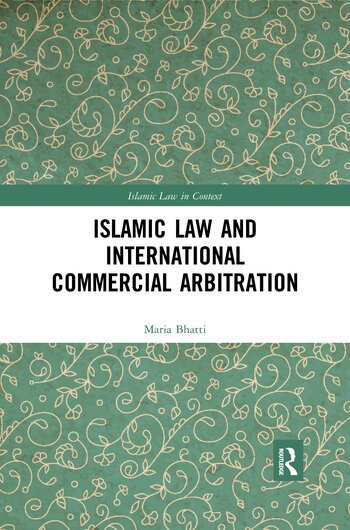
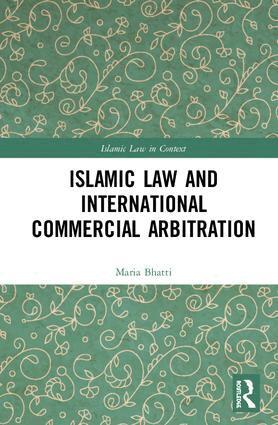
This book examines the intersection between contemporary International Commercial Arbitration and Shariʿa law in order to determine possible tensions that may arise between the two systems. It develops evidentiary and procedural rules under Shariʿa, as well as examining the consequences of stipulating qualifications of arbitrators based on gender and/or religion. The author extensively analyses the prohibition against interest (riba) and uncertainty (gharar) under Shariʿa and its impact on arbitration agreements, arbitral awards and public policy. The book also explores the prohibition against riba in light of international conventions, such as the United Nations Convention on Contracts for the International Sale of Goods. Case studies in the book include the Asian International Arbitration Centre, formerly the Kuala Lumpur Regional Centre for Arbitration, and the International Islamic Centre for Reconciliation and Arbitration, as well as the ‘Shari’a Standards’ developed by the Accounting and Auditing Organization for Islamic Financial Institutions.The book will be a valuable resource for academics, students and practitioners working in the areas of Islamic law and the Islamic finance industry.
564 kr
Skickas inom 10-15 vardagar
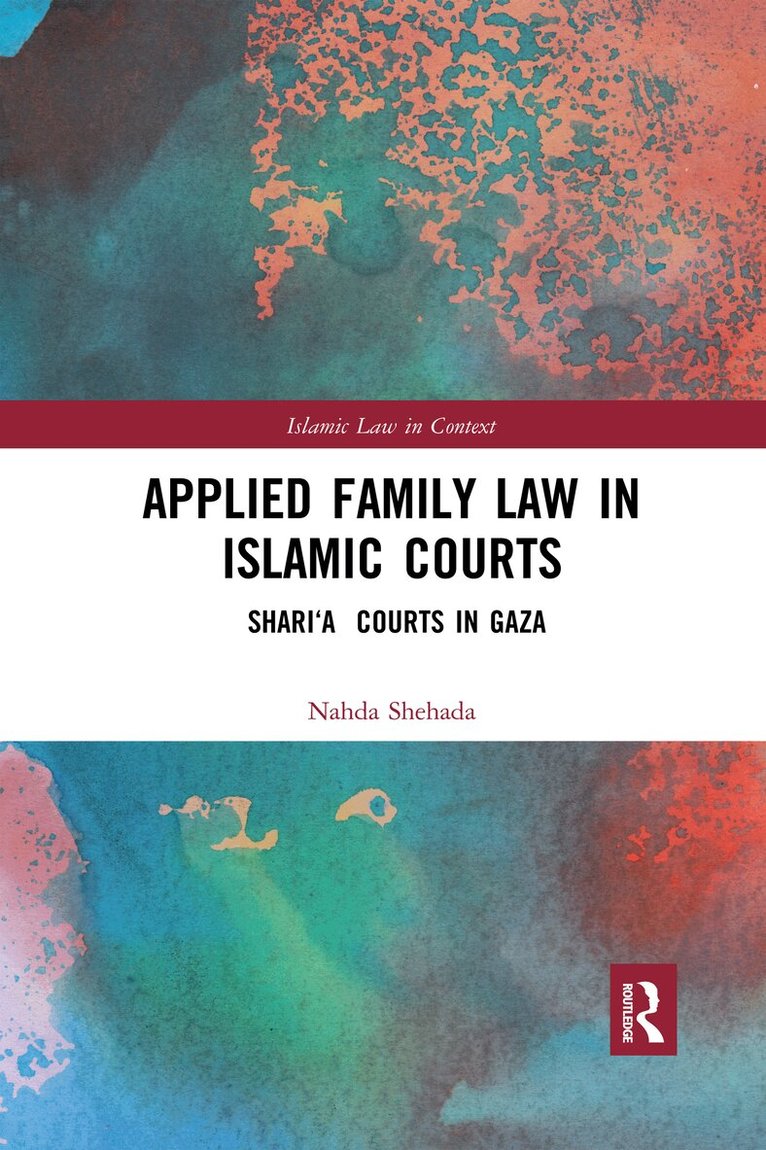
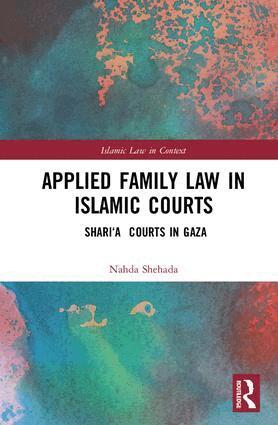
Written from an ethnographic perspective, this book investigates the socio-legal aspects of Islamic jurisprudence in Gaza-Palestine. It examines the way judges, lawyers and litigants operate with respect to the law and with each other, particularly given their different positions in the power structure within the court and within society at large. The book aims at elucidating ambivalences in the codified statutes that allow the actors to find practical solutions to their (often) legally unresolved problems and to manipulate the law. The book demonstrates that present-day judges are not only confronted with novel questions they have to find an answer to, but, perhaps more importantly, they are confronted with contradictions between the letter of codified law and their own notions of justice. The author reminds us that these notions of justice should not be set a priori; they are socially constructed in particular time and space.Making a substantial contribution to a number of theoretical debates on family law and gender, the book will appeal to both academic and non-academic readers alike.
1 928 kr
Skickas inom 10-15 vardagar
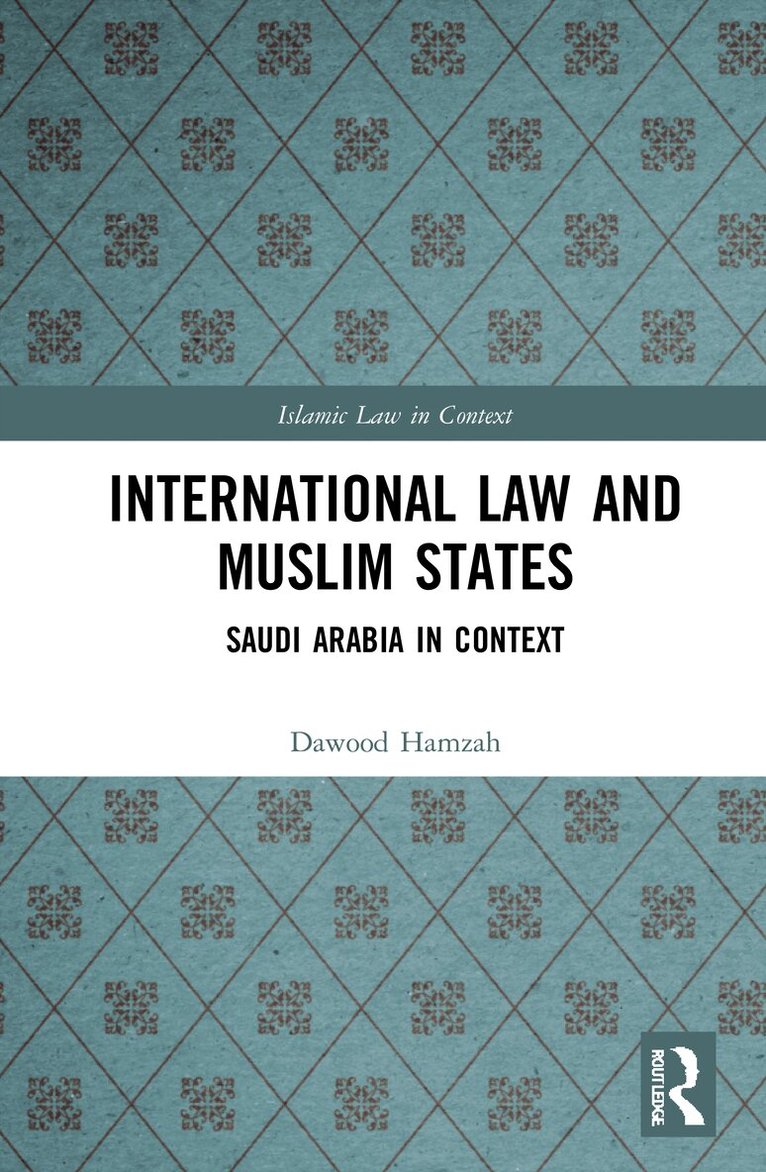
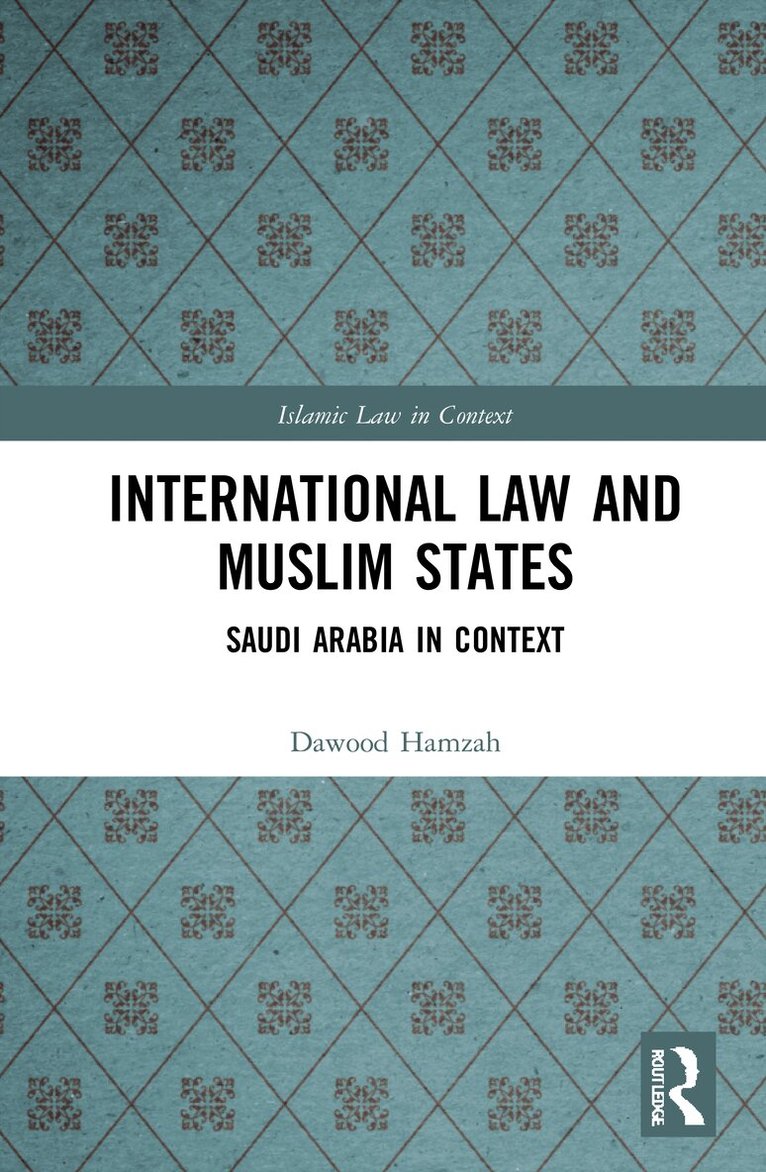
This book analyses the general interaction between international law and Islamic law in the Muslim world today. It interrogates factors that often form the root of the tension between the two legal regimes. Literalist interpretations of Islamic law and the modern international law's disposition that does not give due consideration to differences among cultures and civilizations are some of these factors.This work examines the Saudi Arabia textualist approach to the two primary sources of law in Islam, the Qur’an and Sunnah, and argues that a liberal approach of interpretation has become sine qua non especially now that myriad issues are confronting the Muslim world generally and Saudi Arabia in particular. Similarly, globalization has generated an unprecedented multi-culturalism, legal-pluralism, and trans-border interactions in socio-economic and political relations. Therefore, Saudi Arabia, as the bastion of Islam and Islamic nations, is faced with the imperative of adopting a liberal approach to interpretation of Islamic law, with a view to accommodating a wide spectrum of other laws and cultures. The book provides a timely examination of the issue of modern Saudi Arabia, Islamic legal order vis-à-vis the contemporary concept of international law and international relations in specific areas such as international human rights law and trans-national economic matters. As such it will be of interest to academics and researchers working in Islamic law, international and comparative law, human rights law, and law and religion.
564 kr
Skickas inom 10-15 vardagar
This book analyses the general interaction between international law and Islamic law in the Muslim world today. It interrogates factors that often form the root of the tension between the two legal regimes. Literalist interpretations of Islamic law and the modern international law's disposition that does not give due consideration to differences among cultures and civilizations are some of these factors.This work examines the Saudi Arabia textualist approach to the two primary sources of law in Islam, the Qur’an and Sunnah, and argues that a liberal approach of interpretation has become sine qua non especially now that myriad issues are confronting the Muslim world generally and Saudi Arabia in particular. Similarly, globalization has generated an unprecedented multi-culturalism, legal-pluralism, and trans-border interactions in socio-economic and political relations. Therefore, Saudi Arabia, as the bastion of Islam and Islamic nations, is faced with the imperative of adopting a liberal approach to interpretation of Islamic law, with a view to accommodating a wide spectrum of other laws and cultures. The book provides a timely examination of the issue of modern Saudi Arabia, Islamic legal order vis-à-vis the contemporary concept of international law and international relations in specific areas such as international human rights law and trans-national economic matters. As such it will be of interest to academics and researchers working in Islamic law, international and comparative law, human rights law, and law and religion.
564 kr
Skickas inom 10-15 vardagar
This book places context at the core of the Islamic mechanism of iftā’ to better understand the process of issuing fatwās in Muslim and non-Muslim countries, thus highlighting the connection between context and contemporaneity, on one hand, and the adaptable perception of Islamic law, on the other. The practice of iftā’ is one of the most important mechanisms of Islamic law that keeps Islamic thought about ethical and legal issues in harmony with the demands, exigencies and developments of time. This book builds upon the existing body of work related to the practice of iftā’, but takes the discussion beyond the current debates with the intent of unveiling the interaction between Islamic legal methodologies and different environmental contexts. The book specifically addresses the three institutions (Saudi Arabia’s Dār al-Iftā’, Turkey’s Diyanet and America’s FCNA) and their Islamic legal opinions (fatwās) in a comparative framework. This demonstrates the existence of complex and diverse ideas around similar issues within contemporary Islamic legal opinions that is further complicated by the influence of international, social, political, cultural and ideological contexts. The book thus unveils a more complicated range of interactive constituents in the process of the practice of iftā’ and its outputs, fatwās.The work will be of interest to academics and researchers working in the areas of Islamic law, Middle Eastern studies, religion and politics.
2 159 kr
Skickas inom 10-15 vardagar
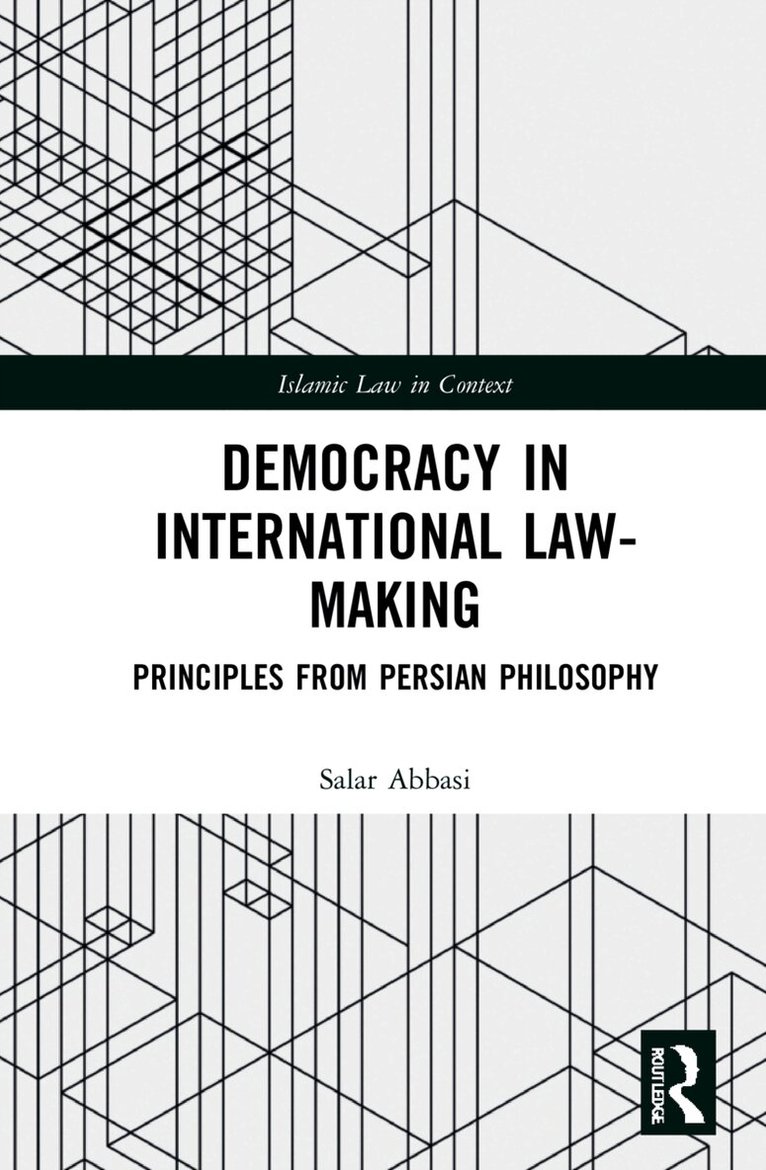
This book provides a critique of current international law-making and draws on a set of principles from Persian philosophers to present an alternative to influence the development of international law-making procedure. The work conceptualizes a substantive notion of democracy in order to regulate international law-making mechanisms under a set of principles developed between the twelfth and seventeenth centuries in Persia. What the author here names ‘democratic egalitarian multilateralism’ is founded on: the idea of ‘egalitarian law’ by Suhrawardi, the account of ‘substantial motion’ by Mulla Sadra, and the ideal of ‘intercultural dialectical democracy’ developed by Rūmī. Following a discussion of the conceptual flaws of the chartered and customary sources of international law, it is argued that ‘democratic egalitarian multilateralism’ could be a source for a set of principles to regulate the procedures through which international treaties are made as well as a criterion for customary international law-ascertainment. Presenting an alternative, drawn from a less dominant culture, to the established ideas of international law-making the book will be essential reading for researchers and academics working in public international law, history of law, legal theory, comparative legal theory, Islamic law, and history.
564 kr
Skickas inom 10-15 vardagar
This book provides a critique of current international law-making and draws on a set of principles from Persian philosophers to present an alternative to influence the development of international law-making procedure. The work conceptualizes a substantive notion of democracy in order to regulate international law-making mechanisms under a set of principles developed between the twelfth and seventeenth centuries in Persia. What the author here names ‘democratic egalitarian multilateralism’ is founded on: the idea of ‘egalitarian law’ by Suhrawardi, the account of ‘substantial motion’ by Mulla Sadra, and the ideal of ‘intercultural dialectical democracy’ developed by Rūmī. Following a discussion of the conceptual flaws of the chartered and customary sources of international law, it is argued that ‘democratic egalitarian multilateralism’ could be a source for a set of principles to regulate the procedures through which international treaties are made as well as a criterion for customary international law-ascertainment. Presenting an alternative, drawn from a less dominant culture, to the established ideas of international law-making the book will be essential reading for researchers and academics working in public international law, history of law, legal theory, comparative legal theory, Islamic law, and history.
1 990 kr
Skickas inom 10-15 vardagar
Written from an ethnographic perspective, this book investigates the socio-legal aspects of Islamic jurisprudence in Gaza-Palestine. It examines the way judges, lawyers and litigants operate with respect to the law and with each other, particularly given their different positions in the power structure within the court and within society at large. The book aims at elucidating ambivalences in the codified statutes that allow the actors to find practical solutions to their (often) legally unresolved problems and to manipulate the law. The book demonstrates that present-day judges are not only confronted with novel questions they have to find an answer to, but, perhaps more importantly, they are confronted with contradictions between the letter of codified law and their own notions of justice. The author reminds us that these notions of justice should not be set a priori; they are socially constructed in particular time and space.Making a substantial contribution to a number of theoretical debates on family law and gender, the book will appeal to both academic and non-academic readers alike.
721 kr
Skickas inom 10-15 vardagar
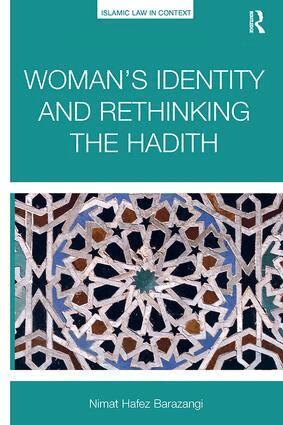
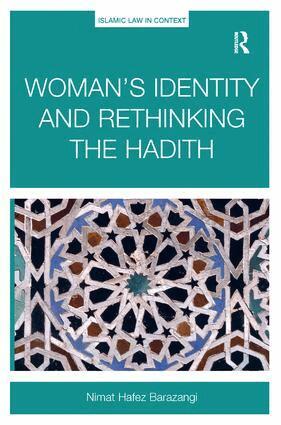
The Prophet Muhammad’s reported traditions have evolved significantly to affect the social, cultural, and political lives of all Muslims. Though centuries of scholarship were spent on the authentication and trustworthiness of the narrators, there has been less study focused on the contents of these narratives, known as Hadith or Sunnah, and their corroboration by the Qur`an. This book is a first step in a comprehensive attempt to contrast Hadith with the Qur`an in order to uncover some of the unjust practices by Muslims concerning women and gender issues. Using specific examples the author helps the reader appreciate and understand the magnitude of the problem. It is argued that the human rights and the human development of Muslim women will not progress in a meaningful and sustainable manner until the Hadith is re-examined in a fresh new approach from within the Islamic framework, shifting the discourse in understanding Islam from a dogmatic religious law to a religio-moral rational worldview. The author argues that such re-examination requires the involvement of women in order to affirm their authority in exegetical and practical leadership within Muslim societies, and she encourages Muslim women to stand up for their rights to effect change in understanding the role of sunnah in their own life.
2 114 kr
Skickas inom 10-15 vardagar
This book examines the intersection between contemporary International Commercial Arbitration and Shariʿa law in order to determine possible tensions that may arise between the two systems. It develops evidentiary and procedural rules under Shariʿa, as well as examining the consequences of stipulating qualifications of arbitrators based on gender and/or religion. The author extensively analyses the prohibition against interest (riba) and uncertainty (gharar) under Shariʿa and its impact on arbitration agreements, arbitral awards and public policy. The book also explores the prohibition against riba in light of international conventions, such as the United Nations Convention on Contracts for the International Sale of Goods. Case studies in the book include the Asian International Arbitration Centre, formerly the Kuala Lumpur Regional Centre for Arbitration, and the International Islamic Centre for Reconciliation and Arbitration, as well as the ‘Shari’a Standards’ developed by the Accounting and Auditing Organization for Islamic Financial Institutions.The book will be a valuable resource for academics, students and practitioners working in the areas of Islamic law and the Islamic finance industry.
667 kr
Skickas inom 10-15 vardagar
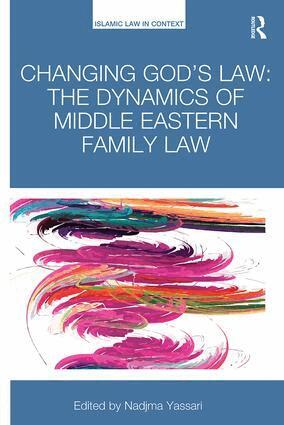
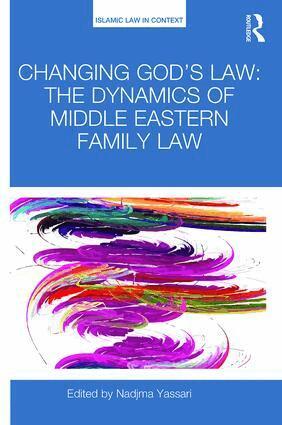
This volume identifies and elaborates on the significance and functions of the various actors involved in the development of family law in the Middle East. Besides the importance of family law regulations for each individual, family law has become the battleground of political and social contestation. Divided into four parts, the collection presents a general overview and analysis of the development of family law in the region and provides insights into the broader context of family law reform, before offering examples of legal development realised by codification drawn from a selection of Gulf states, Iran, and Egypt. It then goes on to present a thorough analysis of the role of the judiciary in the process of lawmaking, before discussing ways the parties themselves may have shaped and do shape the law. Including contributions from leading authors of Middle Eastern law, this timely volume brings together many isolated aspects of legal development and offers a comprehensive picture on this topical subject. It will be of interest to scholars and academics of family law and religion.
1 928 kr
Skickas inom 10-15 vardagar
The Prophet Muhammad’s reported traditions have evolved significantly to affect the social, cultural, and political lives of all Muslims. Though centuries of scholarship were spent on the authentication and trustworthiness of the narrators, there has been less study focused on the contents of these narratives, known as Hadith or Sunnah, and their corroboration by the Qur`an. This book is a first step in a comprehensive attempt to contrast Hadith with the Qur`an in order to uncover some of the unjust practices by Muslims concerning women and gender issues. Using specific examples the author helps the reader appreciate and understand the magnitude of the problem. It is argued that the human rights and the human development of Muslim women will not progress in a meaningful and sustainable manner until the Hadith is re-examined in a fresh new approach from within the Islamic framework, shifting the discourse in understanding Islam from a dogmatic religious law to a religio-moral rational worldview. The author argues that such re-examination requires the involvement of women in order to affirm their authority in exegetical and practical leadership within Muslim societies, and she encourages Muslim women to stand up for their rights to effect change in understanding the role of sunnah in their own life.
1 990 kr
Skickas inom 10-15 vardagar
This volume identifies and elaborates on the significance and functions of the various actors involved in the development of family law in the Middle East. Besides the importance of family law regulations for each individual, family law has become the battleground of political and social contestation. Divided into four parts, the collection presents a general overview and analysis of the development of family law in the region and provides insights into the broader context of family law reform, before offering examples of legal development realised by codification drawn from a selection of Gulf states, Iran, and Egypt. It then goes on to present a thorough analysis of the role of the judiciary in the process of lawmaking, before discussing ways the parties themselves may have shaped and do shape the law. Including contributions from leading authors of Middle Eastern law, this timely volume brings together many isolated aspects of legal development and offers a comprehensive picture on this topical subject. It will be of interest to scholars and academics of family law and religion.