ISRM Book Series - Böcker
Visar alla böcker i serien ISRM Book Series. Handla med fri frakt och snabb leverans.
17 produkter
17 produkter
1 953 kr
Skickas inom 10-15 vardagar
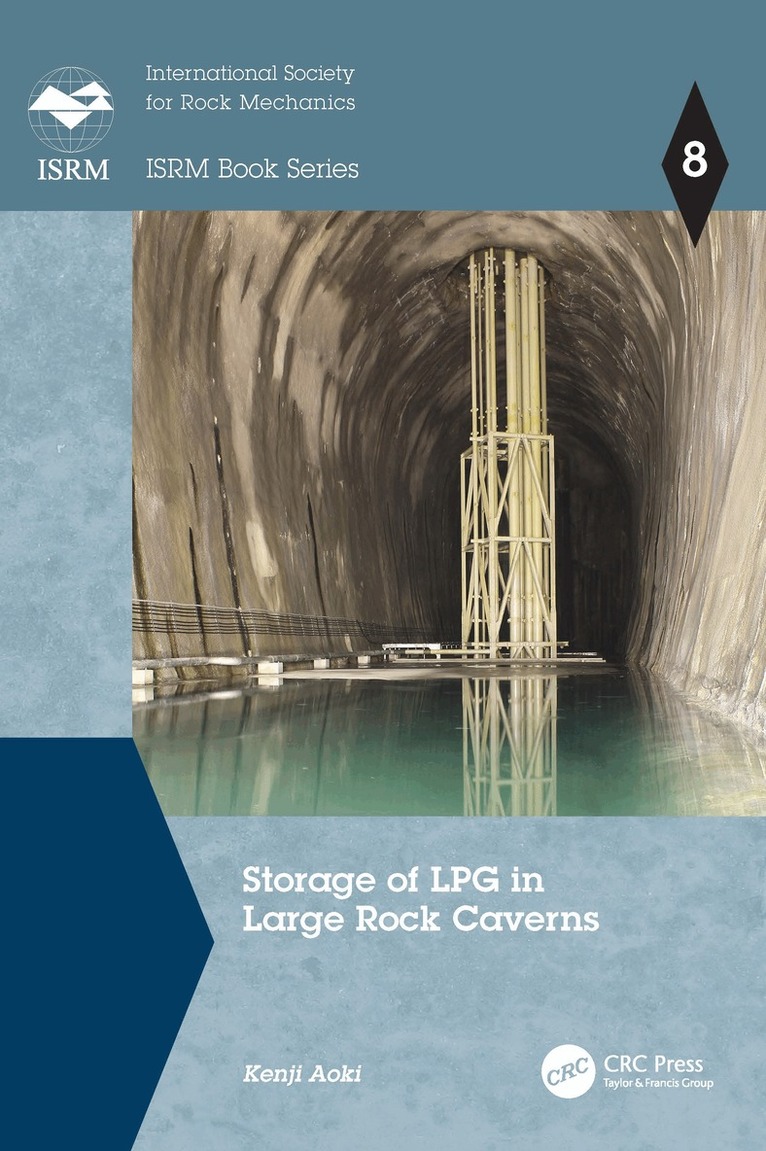
This book uses actual construction projects as examples to elaborate the various technologies regarding groundwater control and air-tightness guarantees for the construction of large storage rock caverns in complicated geological conditions. It introduces the latest technologies to give hands-on experience of what to do in unexpected geological conditions, and provides insight into the design, construction and operation of underground facilities. The book is hence useful in feasibility studies, developments and other research into these underground facilities.Drawing on the experience gained from building Japan's largest LPG storage caves, Storage of LPG in Large Rock Caverns is a must-read for engineers, academics and students in the fields of rock mechanics, geotechnical engineering and related disciplines.
2 289 kr
Skickas inom 10-15 vardagar
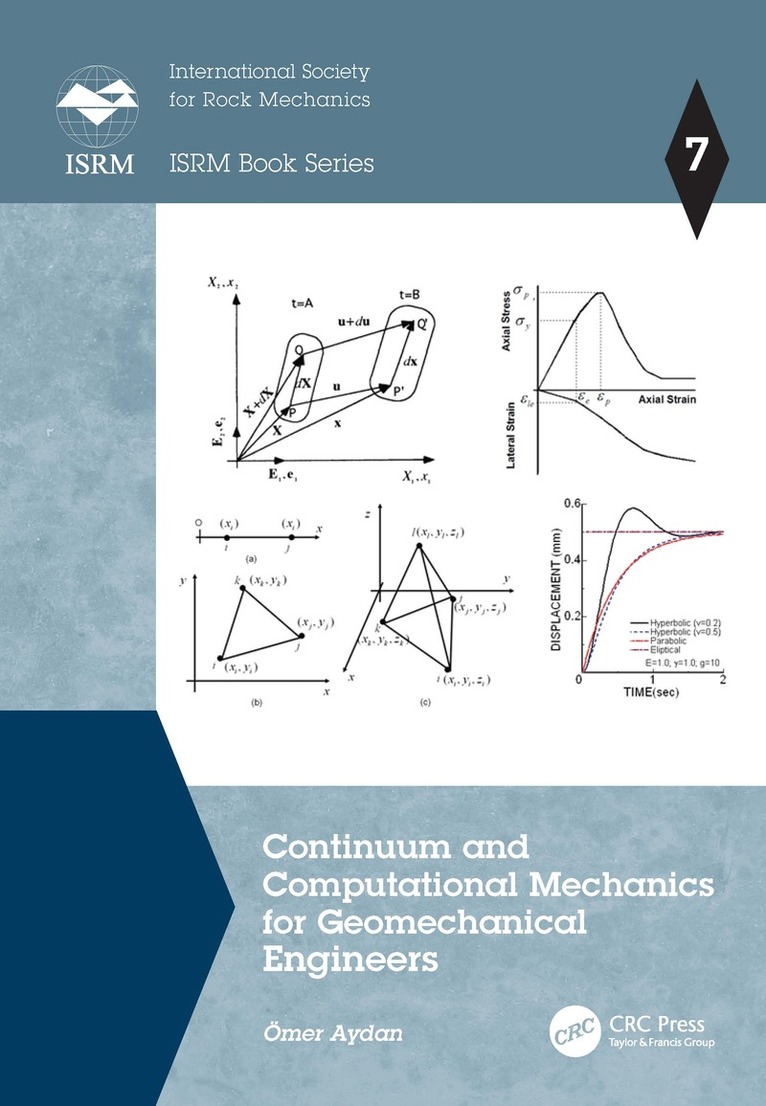
The field of rock mechanics and rock engineering utilizes the basic laws of continuum mechanics and the techniques developed in computational mechanics. This book describes the basic concepts behind these fundamental laws and their utilization in practice irrespective of whether rock/rock mass contains discontinuities.This book consists of nine chapters and six appendices. The first four chapters are concerned with continuum mechanics aspects, which include the basic operations, definition of stress and strain tensors, and derivation of four fundamental conservation laws in the simplest yet precise manner. The next two chapters are the preparation for computational mechanics, which require constitutive laws of geomaterials relevant to each conservation law and the procedures for how to determine required parameters of the constitutive laws. Computational mechanics solves the resulting ordinary and partial differential equations. In Chapter 7, the methods of exact (closed-form) solutions are explained and they are applied to ordinary/partial differential equations with solvable boundary and initial conditions. In Chapter 8, the fundamentals of approximate solution methods are explained for one dimension first and then how to extend them to multi-dimensional problems. The readers are expected to learn and clearly understand how they are derived and applied to various problems in geomechanics. The final chapter involves the applications of the approximate methods to the actual problems in practice for geomechanical engineers, which cover the continuum to discontinuum, including the stress state of the earth as well as the ground motions induced by earthquakes. Six appendices are provided to have a clear understanding of continuum mechanics operations and procedures for how to deal with discontinuities/interfaces often encountered in rock mechanics and rock engineering.
861 kr
Skickas inom 10-15 vardagar
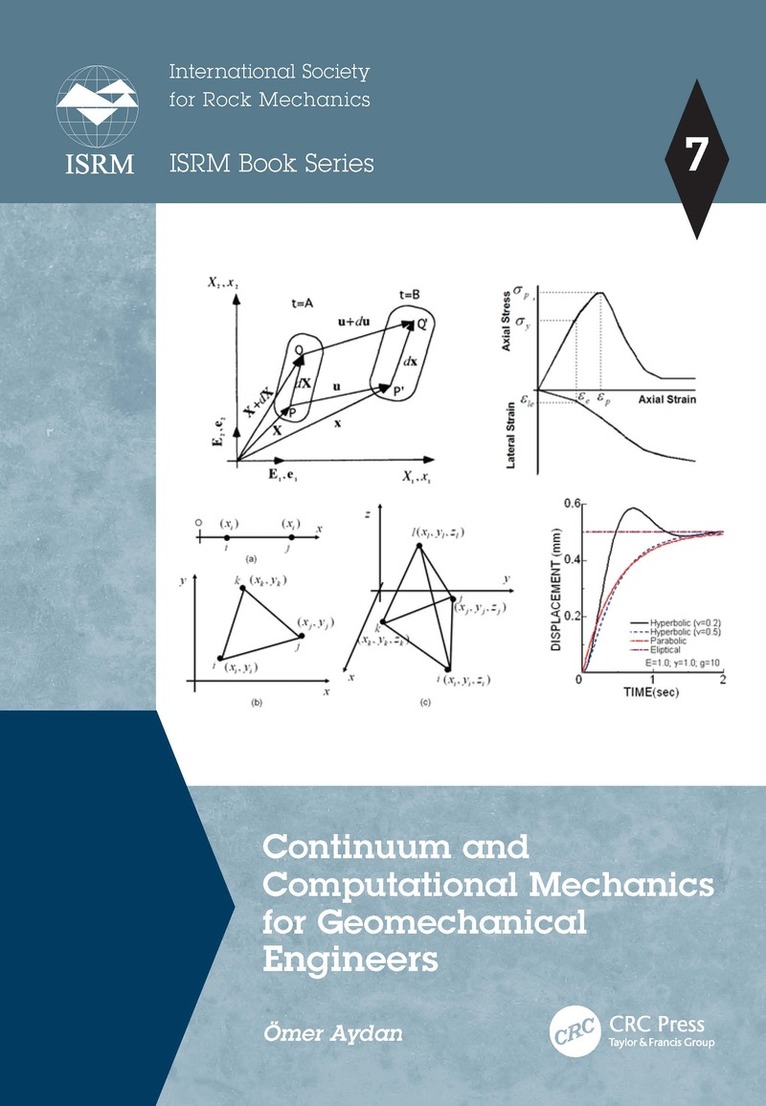
The field of rock mechanics and rock engineering utilizes the basic laws of continuum mechanics and the techniques developed in computational mechanics. This book describes the basic concepts behind these fundamental laws and their utilization in practice irrespective of whether rock/rock mass contains discontinuities.This book consists of nine chapters and six appendices. The first four chapters are concerned with continuum mechanics aspects, which include the basic operations, definition of stress and strain tensors, and derivation of four fundamental conservation laws in the simplest yet precise manner. The next two chapters are the preparation for computational mechanics, which require constitutive laws of geomaterials relevant to each conservation law and the procedures for how to determine required parameters of the constitutive laws. Computational mechanics solves the resulting ordinary and partial differential equations. In Chapter 7, the methods of exact (closed-form) solutions are explained and they are applied to ordinary/partial differential equations with solvable boundary and initial conditions. In Chapter 8, the fundamentals of approximate solution methods are explained for one dimension first and then how to extend them to multi-dimensional problems. The readers are expected to learn and clearly understand how they are derived and applied to various problems in geomechanics. The final chapter involves the applications of the approximate methods to the actual problems in practice for geomechanical engineers, which cover the continuum to discontinuum, including the stress state of the earth as well as the ground motions induced by earthquakes. Six appendices are provided to have a clear understanding of continuum mechanics operations and procedures for how to deal with discontinuities/interfaces often encountered in rock mechanics and rock engineering.
793 kr
Skickas inom 10-15 vardagar
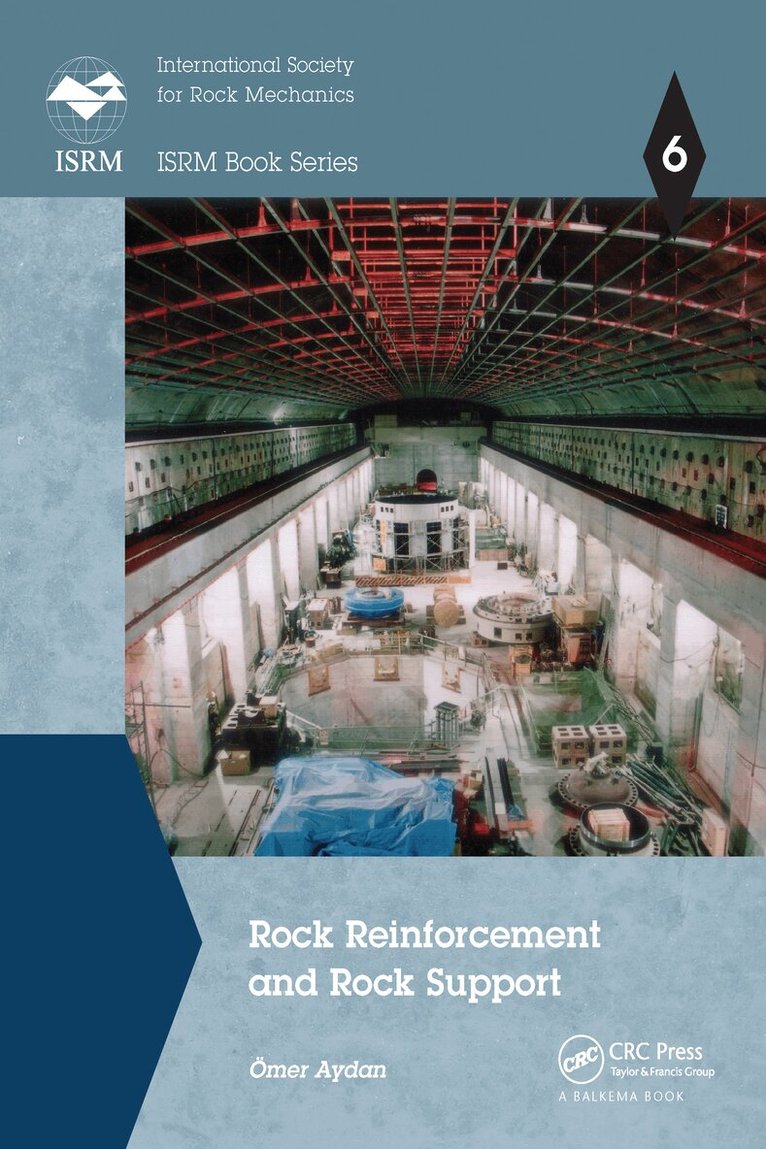
The stability of underground and surface geotechnical structures during and after excavation is of great concern as any kind of instability may result in damage to the environment as well as time-consuming high cost repair work. The forms of instability, their mechanisms and the conditions associated with them must be understood so that correct stabilisation of the structure through rock reinforcement and/or rock support can be undertaken.Rock Reinforcement and Rock Support elucidates the reinforcement functions of rock bolts/rock anchors and support systems consisting of shotcrete, steel ribs and concrete liners and evaluates their reinforcement and supporting effects both qualitatively and quantitatively. It draws on the research activities and practices carried out by the author for more than three decades and has culminated in a most extensive up-to-date and a complete treatise on rock reinforcement and rock support.
956 kr
Skickas inom 10-15 vardagar
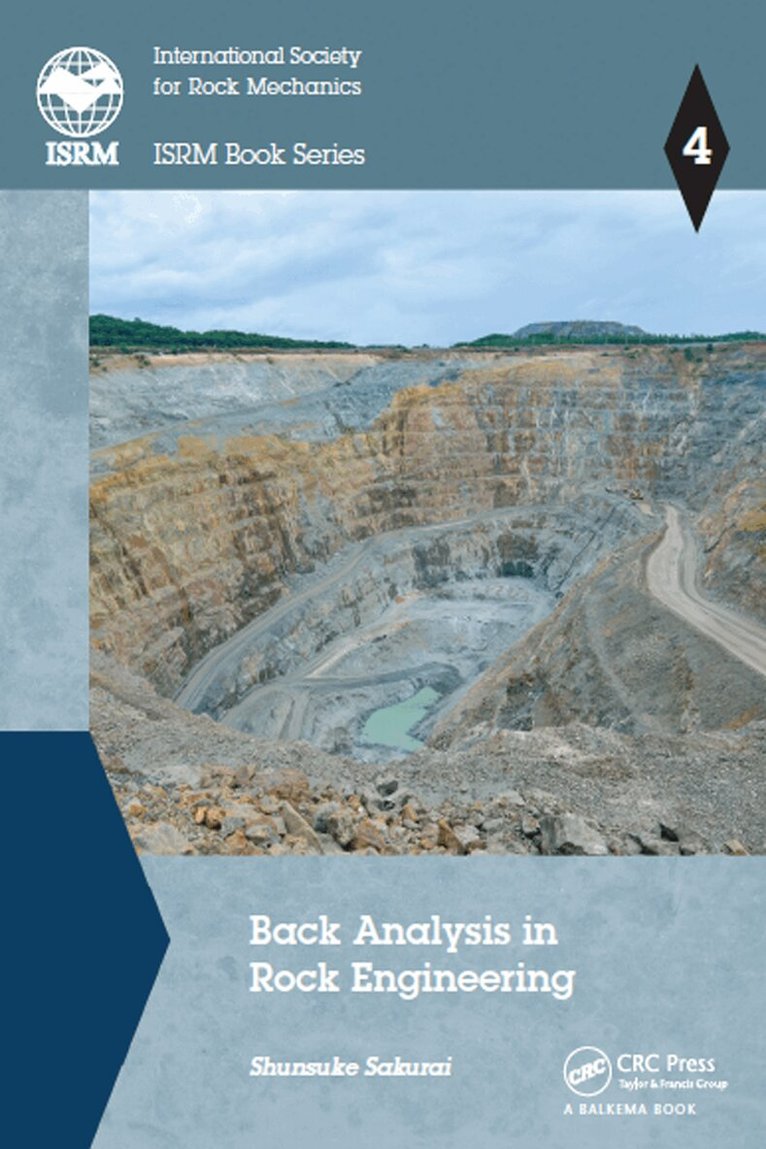
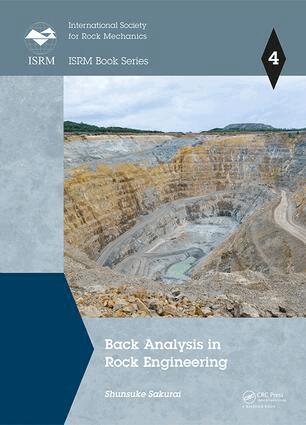
This book provides practicing engineers working in the field of design, construction and monitoring of rock structures such as tunnels and slopes with technical information on how to design, how to excavate and how to monitor the structures during their construction. Based on the long-term engineering experiences of the author, field measurements together with back analyses are presented as the most powerful tools in rock engineering practice. One of the purposes of field measurements is to assess the stability of the rock structures during their construction. However, field measurement results are only numbers unless they are quantitatively interpreted, a process in which back analyses play an important role.The author has developed both the concepts of “critical strain” and of the “anisotropic parameter” of rocks, which can make it possible not only to assess the stability of the structures during their construction, but also to verify the validity of design parameters by the back analysis of field measurement results during the constructions. Based on the back analysis results, the design parameters used at a design stage could be modified if necessary. This procedure is called an “Observational method”, a concept that is entirely different from that of other structures such as bridges and buildings. It is noted that in general, technical books written for practicing engineers mainly focus on empirical approaches which are based on engineers’ experiences. In this book, however, no empirical approaches will be described, instead, all the approaches are based on simple rock mechanics theory. This book is the first to describe an observational method in rock engineering practice, which implies that the potential readers of this book must be practicing engineers working on rock engineering projects.
996 kr
Skickas inom 10-15 vardagar
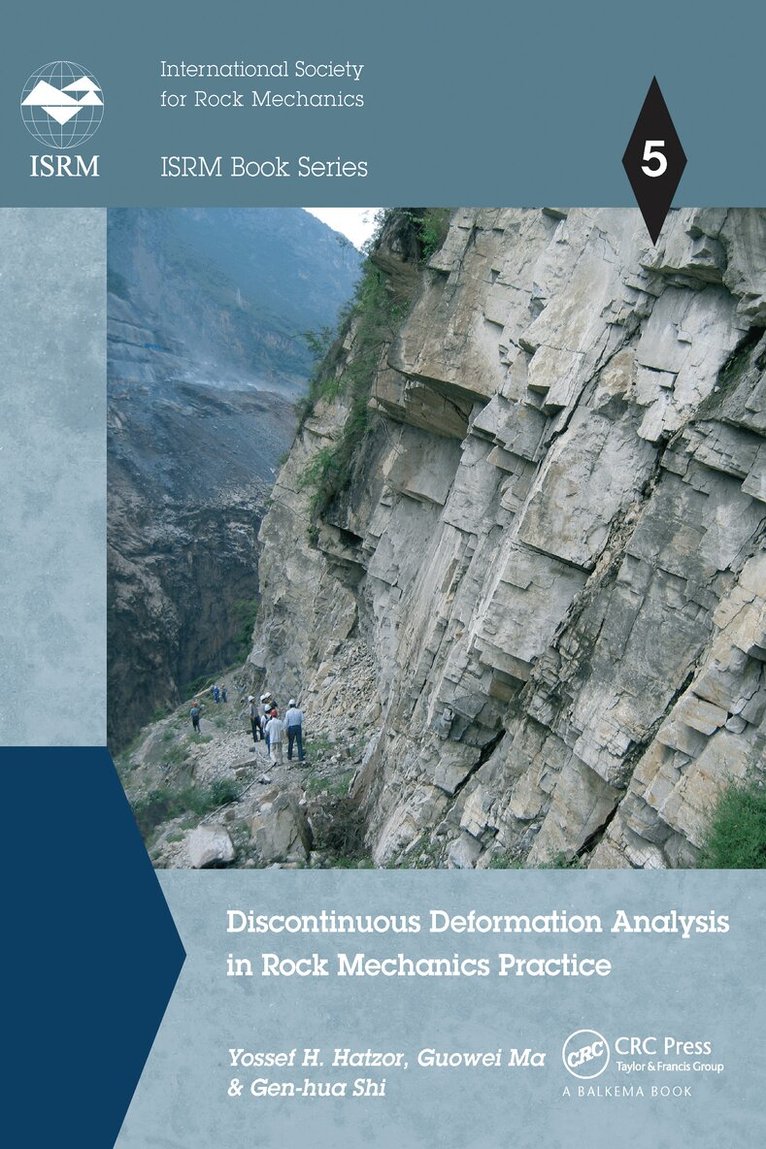
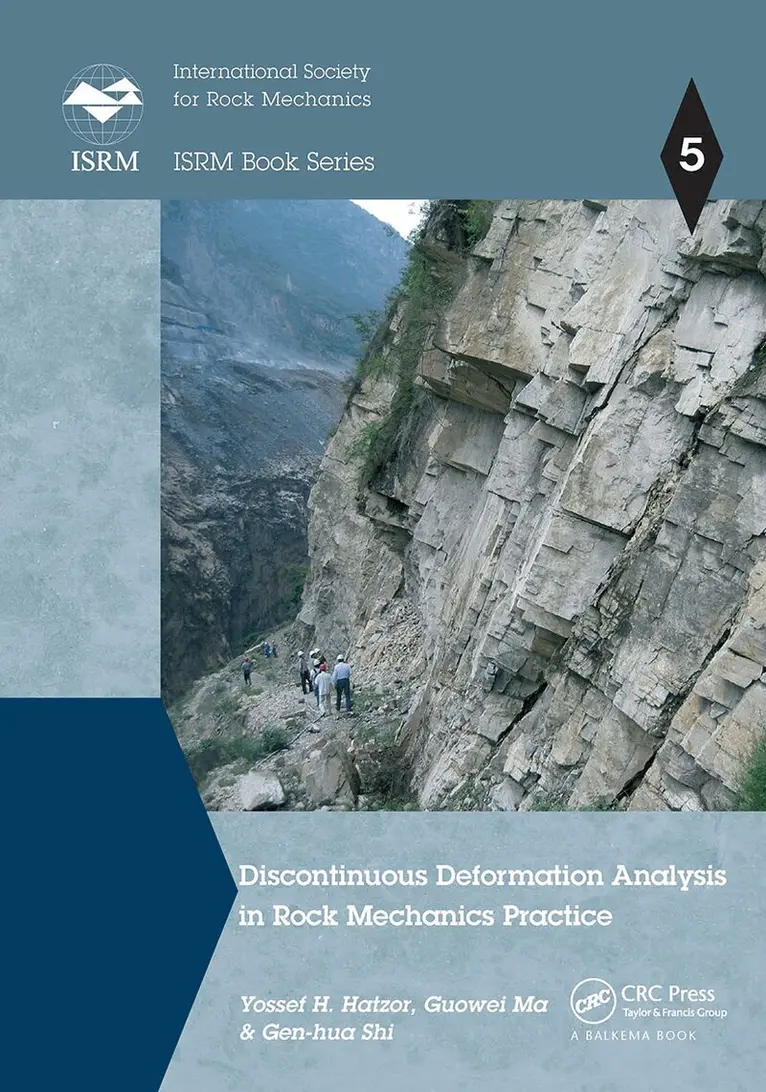
The numerical, discrete element, Discontinuous Deformation Analysis (DDA) method was developed by Dr. Gen-hua Shi while he was working at the University of California, Berkeley, under the supervision of Prof. Richard E. Goodman in the late 1980s. Two-dimensional DDA was published in 1993 and three-dimensional DDA in 2001. Since its publication DDA has been verified, validated and applied in numerous studies worldwide and is now considered a powerful and robust method to address both static and dynamic engineering problems in discontinuous rock masses.In this book Yossef H. Hatzor and Guowei Ma, co-chairs of the International Society for Rock Mechanics (ISRM) Commission on DDA, join Dr. Shi in authoring a monograph that presents the state of the art in DDA research. A comprehensive discussion of DDA development since its publication is provided in Chapter 1, followed by concise reviews of 2D and 3D DDA in chapters 2 and 3. Procedures to select geological and numerical input parameters for DDA are discussed in Chapter 4, and DDA validation and verification is presented in Chapter 5. Applications of DDA in underground and rock slope engineering projects are discussed in chapters 6 and 7. In Chapter 8 the novel contact theory recently developed by Dr. Shi is published in its complete form, for the first time. This book is published within the framework of the ISRM Book Series and is the contribution of the ISRM DDA Commission to the international rock mechanics community.
915 kr
Skickas inom 10-15 vardagar
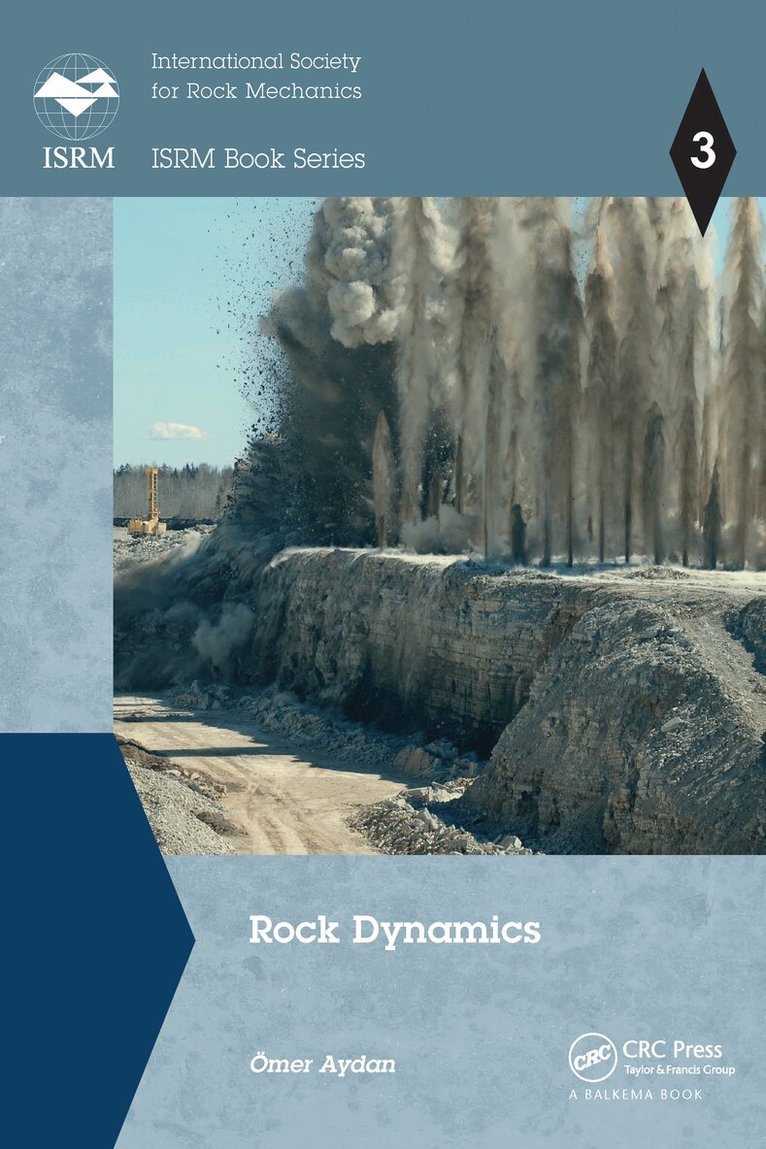
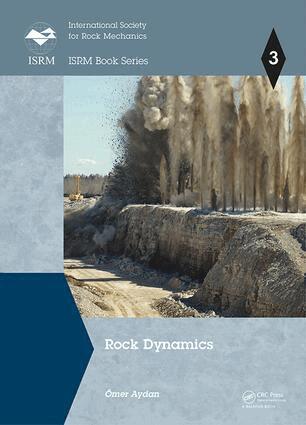
Rock dynamics has become one of the most important topics in the field of rock mechanics and rock engineering. The spectrum of rock dynamics is very wide and it includes the failure of rocks, rock masses and rock engineering structures such as rockbursting, spalling, popping, collapse, toppling, sliding, blasting, non-destructive testing, geophysical explorations, science and engineering of rocks and impacts. The book specifically covers fundamentals of rock dynamics, constitutive models, numerical analysis techniques, dynamic testing procedures, the multi-parameter responses and motions of rocks during fracturing or slippage in laboratory experiments, earthquakes and their strong motion characteristics and their effect on various rock structures such as foundations, underground structures, slopes, dynamic simulation of loading and excavation, blasting and its positive utilization in rock engineering, the phenomenon of rockburst in rock excavations, non-destructive testing of rockbolts and rock anchors and impacts by meteors or projectiles. The main goal of this book is to present a unified and complete treatise on Rock Dynamics and to represent a milestone in advancing the knowledge in this field and in leading to new techniques for experiments, analytical and numerical modelling as well as monitoring of dynamics of rocks and rock engineering structures.
1 050 kr
Skickas inom 10-15 vardagar
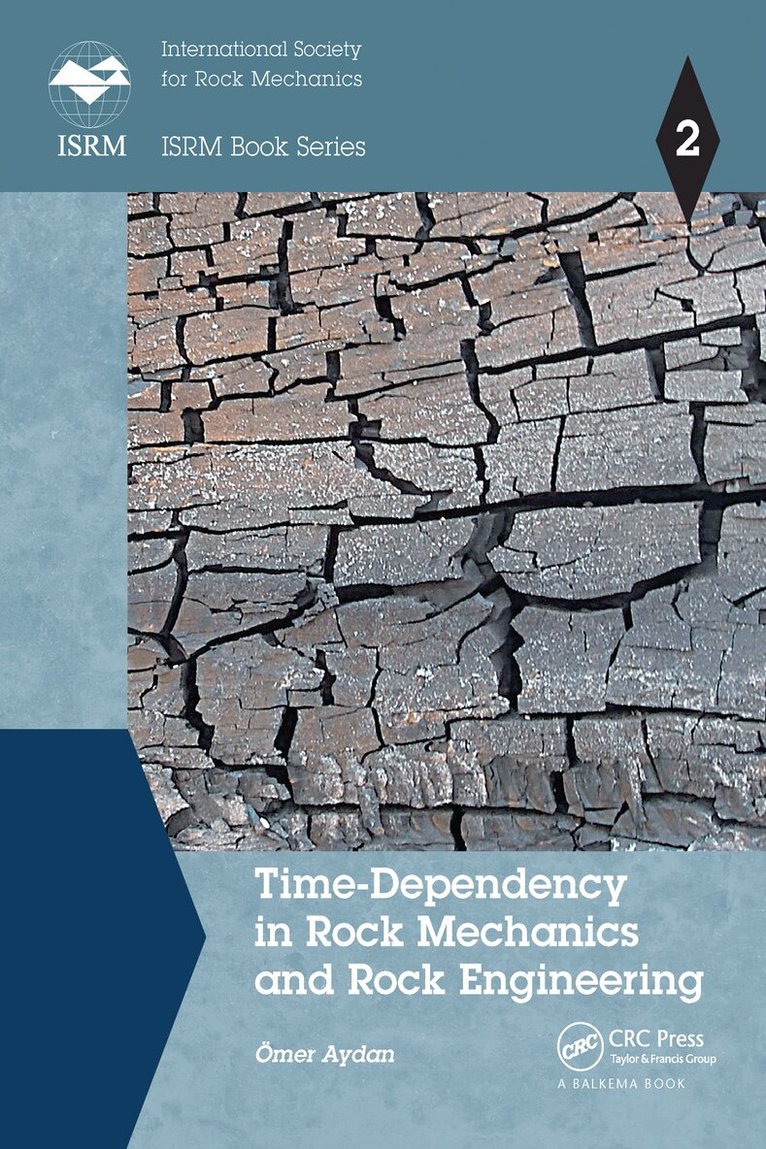
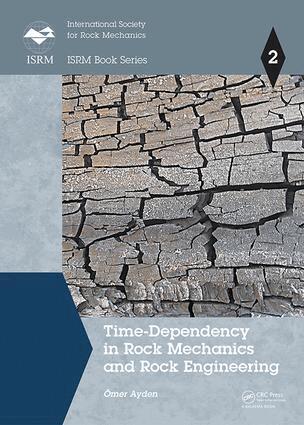
This book is concerned with time-dependency in rock mechanics and rock engineering, whose spectrum is very wide. While the term “time-dependency” involves time-dependent behavior/rate-dependent behavior of rocks in a conventional sense, this books attempts to cover the spectrum as much as possible including coupled processes of thermal, hydrological and diffusions in rocks. It presents theoretical formulations, experiments, numerical formulation and examples of applications. Of paramount concern is the long-term response and stability of rock engineering structures, including for instance man-made and natural slopes and underground facilities such as tunnels and powerhouses.
915 kr
Skickas inom 10-15 vardagar
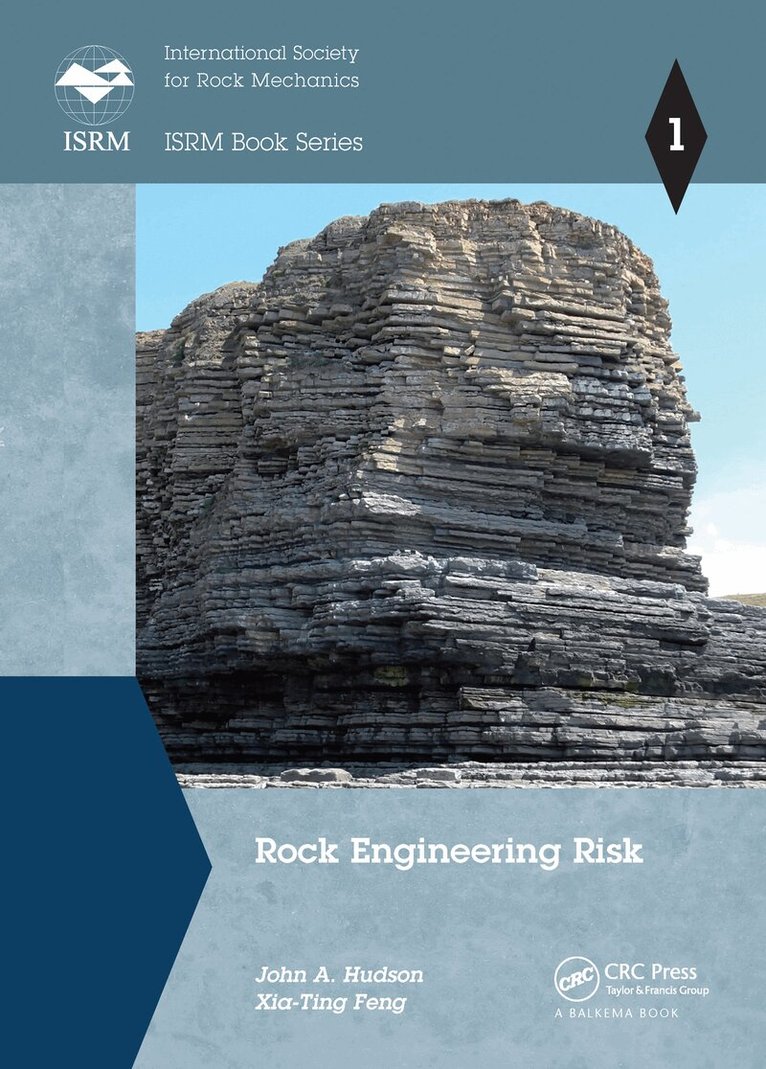
This book provides a new, necessary and valuable approach to the consideration of risk in underground engineering projects constructed within rock masses. There are Chapters on uncertainty and risk, rock engineering systems, rock fractures and rock stress, the design of a repository for radioactive waste, plus two major case examples relating to the headrace tunnels and caverns for a hydroelectric project. These Chapters highlight in detail the authors’ new rock engineering risk approach, especially how monitoring during construction can significantly reduce the construction risks. The book is particularly timely given the current increasing emphasis on geo-engineering safety, accountability and sustainability—which requires stricter attention to risk and greater reliability than ever before.Written by two eminent authors, the two most recent past-Presidents of the International Society for Rock Mechanics (ISRM), this modern and well-illustrated guide on Rock Engineering Risk complements the authors’ previous 2011 book on Rock Engineering Design, also published by Taylor & Francis. The book will benefit engineers, contractors, clients, researchers, lecturers and advanced students who are concerned with rock engineering projects in civil, mining, geological and construction engineering worldwide.
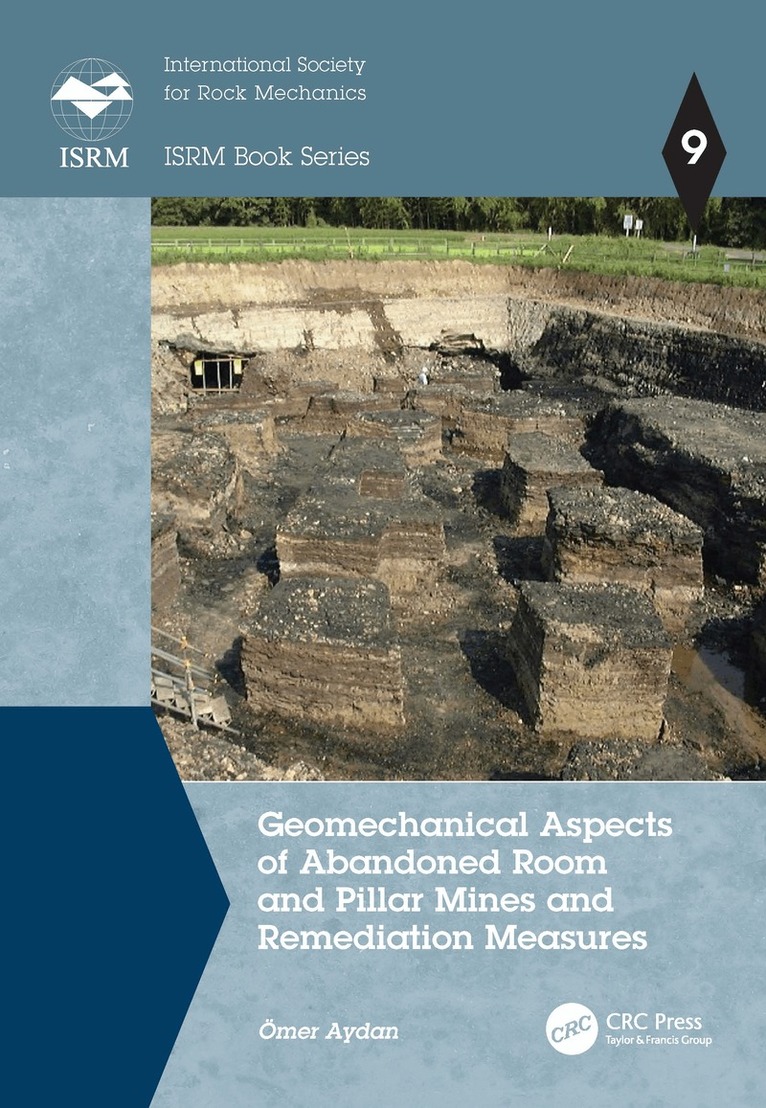
Geomechanical Aspects of Abandoned Room and Pillar Mines and Remediation Measures
Inbunden, Engelska, 2025
1 618 kr
Skickas inom 10-15 vardagar
Geomechanical Aspects of Abandoned Room and Pillar Mines and Remediation Measures addresses the occurrence, prediction, and control of subsidence issues encountered in room and pillar mining, including creep, degradation, and seismic aspects. The book distinguishes itself by:Presenting a unified treatise on room and pillar minesUsing clear definitions and explanations of fundamental conceptsConsidering long-term aspects (creep and degradation), seismic effects, remedial measures, contact types, and remote sensing monitoring techniquesIncluding physical and numerical modelingDemonstrating an in-depth view of procedures and solution techniquesThis book provides a clear understanding of active and/or abandoned room and pillar mines. It is aimed at academics and engineers with a mining and/or civil engineering background, but it also serves as a reference for undergraduate and graduate students.
1 416 kr
Kommande
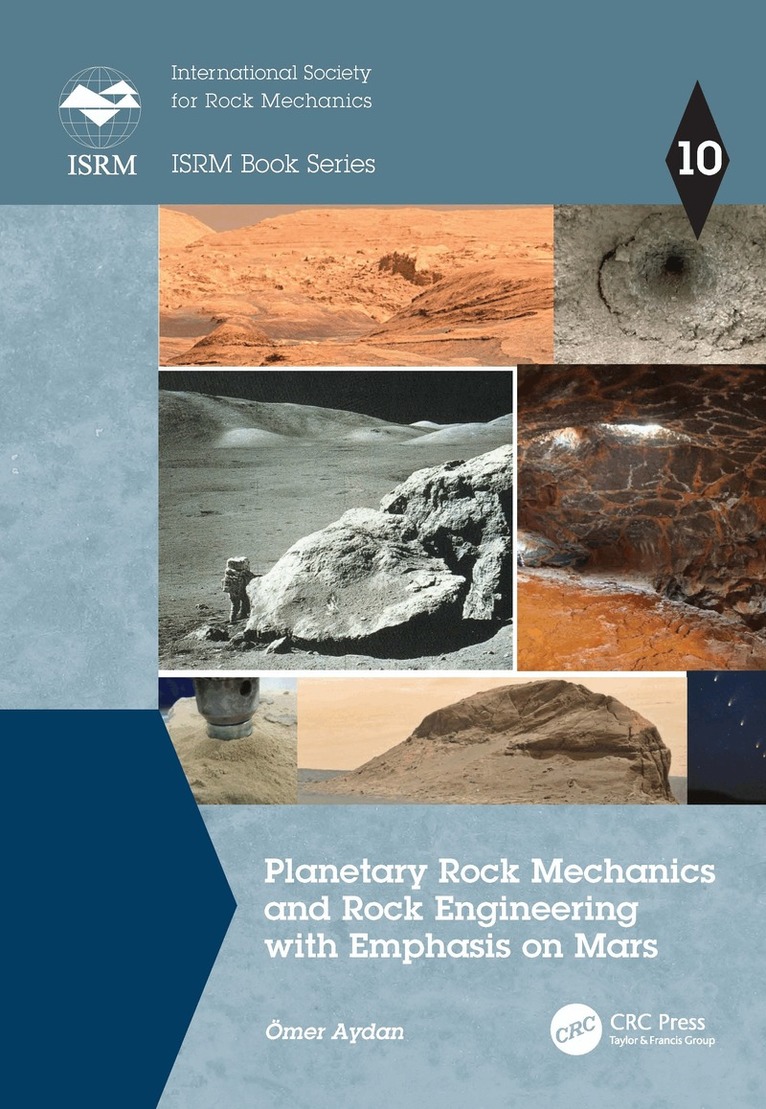
Planetary Rock Mechanics and Rock Engineering with Emphasis on Mars presents a pioneering exploration of rock mechanics principles applied to celestial bodies beyond Earth. Emerging from the author's establishment of the Planetary Rock Mechanics Commission within ISRM in 2019, this comprehensive work analyses spectacular imagery from Mars, Moon, and Venus rovers, plus spacecraft data from comets and asteroids, to develop theoretical frameworks for understanding extraterrestrial rock behaviour and engineering challenges.The book offers unique insights into planetary rock formations, weathering processes, discontinuity patterns, and slope stability phenomena across the solar system. Key features include detailed Martian geological analysis, comparative studies of terrestrial planetary bodies, and practical applications for underground cavity stability and impact crater formation. Readers benefit from comprehensive coverage of fundamental laws adapted for planetary conditions, stress state analysis of celestial bodies, and seismic activity patterns beyond Earth. Special attention examines similarities between Earth's Salda Lake and Mars' Jezero Crater, providing valuable geological analogues.This essential resource serves rock mechanics and engineering communities, academic researchers in planetary science and geological engineering, graduate students, and industry professionals in space mining and exploration missions. The book appeals to interdisciplinary researchers studying celestial bodies for scientific, commercial, or colonization purposes, offering foundational knowledge in planetary material mechanics and extraterrestrial engineering challenges.
3 064 kr
Skickas inom 5-8 vardagar
This book provides a new, necessary and valuable approach to the consideration of risk in underground engineering projects constructed within rock masses. There are Chapters on uncertainty and risk, rock engineering systems, rock fractures and rock stress, the design of a repository for radioactive waste, plus two major case examples relating to the headrace tunnels and caverns for a hydroelectric project. These Chapters highlight in detail the authors’ new rock engineering risk approach, especially how monitoring during construction can significantly reduce the construction risks. The book is particularly timely given the current increasing emphasis on geo-engineering safety, accountability and sustainability—which requires stricter attention to risk and greater reliability than ever before.Written by two eminent authors, the two most recent past-Presidents of the International Society for Rock Mechanics (ISRM), this modern and well-illustrated guide on Rock Engineering Risk complements the authors’ previous 2011 book on Rock Engineering Design, also published by Taylor & Francis. The book will benefit engineers, contractors, clients, researchers, lecturers and advanced students who are concerned with rock engineering projects in civil, mining, geological and construction engineering worldwide.
2 356 kr
Skickas inom 10-15 vardagar
The numerical, discrete element, Discontinuous Deformation Analysis (DDA) method was developed by Dr. Gen-hua Shi while he was working at the University of California, Berkeley, under the supervision of Prof. Richard E. Goodman in the late 1980s. Two-dimensional DDA was published in 1993 and three-dimensional DDA in 2001. Since its publication DDA has been verified, validated and applied in numerous studies worldwide and is now considered a powerful and robust method to address both static and dynamic engineering problems in discontinuous rock masses.In this book Yossef H. Hatzor and Guowei Ma, co-chairs of the International Society for Rock Mechanics (ISRM) Commission on DDA, join Dr. Shi in authoring a monograph that presents the state of the art in DDA research. A comprehensive discussion of DDA development since its publication is provided in Chapter 1, followed by concise reviews of 2D and 3D DDA in chapters 2 and 3. Procedures to select geological and numerical input parameters for DDA are discussed in Chapter 4, and DDA validation and verification is presented in Chapter 5. Applications of DDA in underground and rock slope engineering projects are discussed in chapters 6 and 7. In Chapter 8 the novel contact theory recently developed by Dr. Shi is published in its complete form, for the first time. This book is published within the framework of the ISRM Book Series and is the contribution of the ISRM DDA Commission to the international rock mechanics community.
2 356 kr
Skickas inom 10-15 vardagar
This book provides practicing engineers working in the field of design, construction and monitoring of rock structures such as tunnels and slopes with technical information on how to design, how to excavate and how to monitor the structures during their construction. Based on the long-term engineering experiences of the author, field measurements together with back analyses are presented as the most powerful tools in rock engineering practice. One of the purposes of field measurements is to assess the stability of the rock structures during their construction. However, field measurement results are only numbers unless they are quantitatively interpreted, a process in which back analyses play an important role.The author has developed both the concepts of “critical strain” and of the “anisotropic parameter” of rocks, which can make it possible not only to assess the stability of the structures during their construction, but also to verify the validity of design parameters by the back analysis of field measurement results during the constructions. Based on the back analysis results, the design parameters used at a design stage could be modified if necessary. This procedure is called an “Observational method”, a concept that is entirely different from that of other structures such as bridges and buildings. It is noted that in general, technical books written for practicing engineers mainly focus on empirical approaches which are based on engineers’ experiences. In this book, however, no empirical approaches will be described, instead, all the approaches are based on simple rock mechanics theory. This book is the first to describe an observational method in rock engineering practice, which implies that the potential readers of this book must be practicing engineers working on rock engineering projects.
1 789 kr
Tillfälligt slut
This book is concerned with time-dependency in rock mechanics and rock engineering, whose spectrum is very wide. While the term “time-dependency” involves time-dependent behavior/rate-dependent behavior of rocks in a conventional sense, this books attempts to cover the spectrum as much as possible including coupled processes of thermal, hydrological and diffusions in rocks. It presents theoretical formulations, experiments, numerical formulation and examples of applications. Of paramount concern is the long-term response and stability of rock engineering structures, including for instance man-made and natural slopes and underground facilities such as tunnels and powerhouses.
2 356 kr
Skickas inom 7-10 vardagar
Rock dynamics has become one of the most important topics in the field of rock mechanics and rock engineering. The spectrum of rock dynamics is very wide and it includes the failure of rocks, rock masses and rock engineering structures such as rockbursting, spalling, popping, collapse, toppling, sliding, blasting, non-destructive testing, geophysical explorations, science and engineering of rocks and impacts. The book specifically covers fundamentals of rock dynamics, constitutive models, numerical analysis techniques, dynamic testing procedures, the multi-parameter responses and motions of rocks during fracturing or slippage in laboratory experiments, earthquakes and their strong motion characteristics and their effect on various rock structures such as foundations, underground structures, slopes, dynamic simulation of loading and excavation, blasting and its positive utilization in rock engineering, the phenomenon of rockburst in rock excavations, non-destructive testing of rockbolts and rock anchors and impacts by meteors or projectiles. The main goal of this book is to present a unified and complete treatise on Rock Dynamics and to represent a milestone in advancing the knowledge in this field and in leading to new techniques for experiments, analytical and numerical modelling as well as monitoring of dynamics of rocks and rock engineering structures.
2 021 kr
Skickas inom 10-15 vardagar
The stability of underground and surface geotechnical structures during and after excavation is of great concern as any kind of instability may result in damage to the environment as well as time-consuming high cost repair work. The forms of instability, their mechanisms and the conditions associated with them must be understood so that correct stabilisation of the structure through rock reinforcement and/or rock support can be undertaken.Rock Reinforcement and Rock Support elucidates the reinforcement functions of rock bolts/rock anchors and support systems consisting of shotcrete, steel ribs and concrete liners and evaluates their reinforcement and supporting effects both qualitatively and quantitatively. It draws on the research activities and practices carried out by the author for more than three decades and has culminated in a most extensive up-to-date and a complete treatise on rock reinforcement and rock support.