John Donald – serie
Visar alla böcker i serien John Donald. Handla med fri frakt och snabb leverans.
2 produkter
2 produkter
Häftad, Engelska, 2016
386 kr
Skickas inom 5-8 vardagar
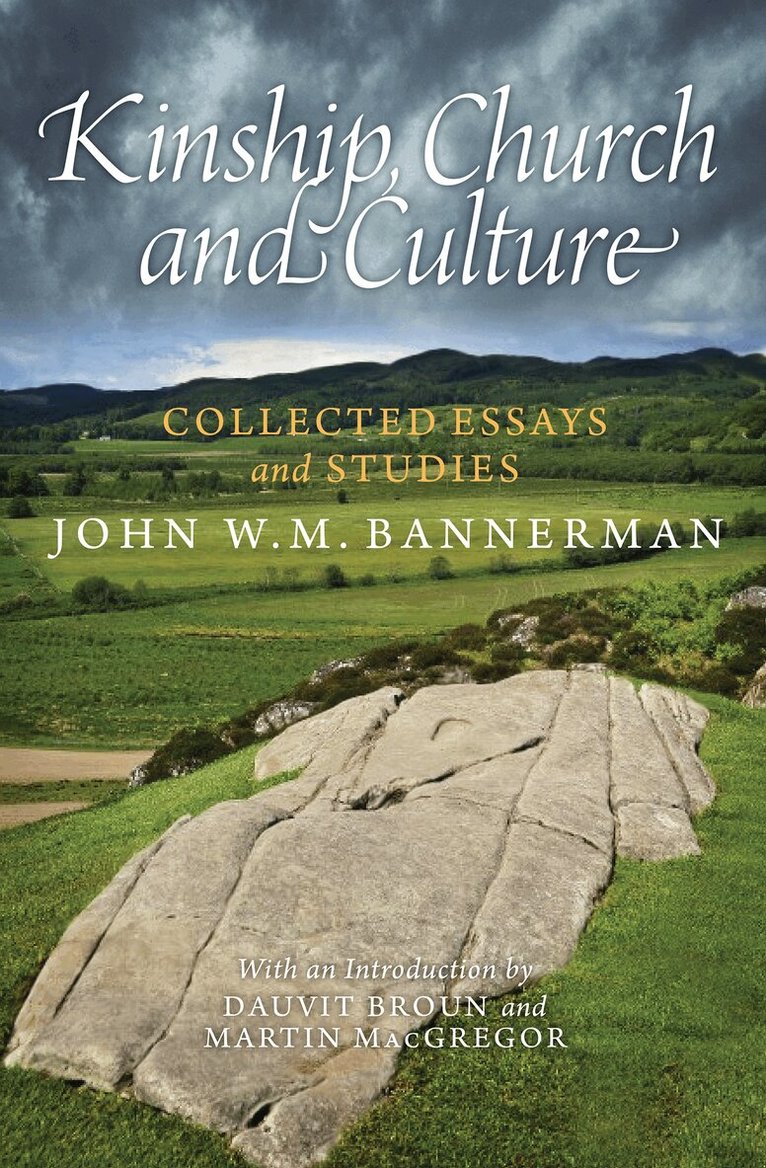
John Bannerman (1932-2008) saw the history of Scotland from a Gaelic perspective, and his outstanding scholarship made that perspective impossible to ignore. As a historian, his natural home was the era between the Romans and the twelfth century when the Scottish kingdom first began to take shape, but he also wrote extensively on the MacDonald Lordship of the Isles in the fourteenth and fifteenth centuries, while his work on the Beatons, the notable Gaelic medical kindred, reached into the early eighteenth century. Across this long millennium, Bannerman ranged and wrote with authority and insight on what he termed the 'kin-based society', with special emphasis upon its church and culture, and its relationship with Ireland.This collection opens with Bannerman's ground-breaking and hugely influential edition and discussion of Senchus fer nAlban ('The History of the Men of Scotland'), which featured in his Studies in the History of Dalriada (1974), now long out of print. To this have been added all of his published essays, plus an essay-length study of the Lordship of the Isles which first featured as an appendix in Late Medieval Monumental Sculpture in the West Highlands (1977).The book will be of interest to anyone who wants to know more about the Gaelic dimension to Scotland's past and present.Now available as print on demand. Click here to order.
Häftad, Engelska, 2011
272 kr
Tillfälligt slut
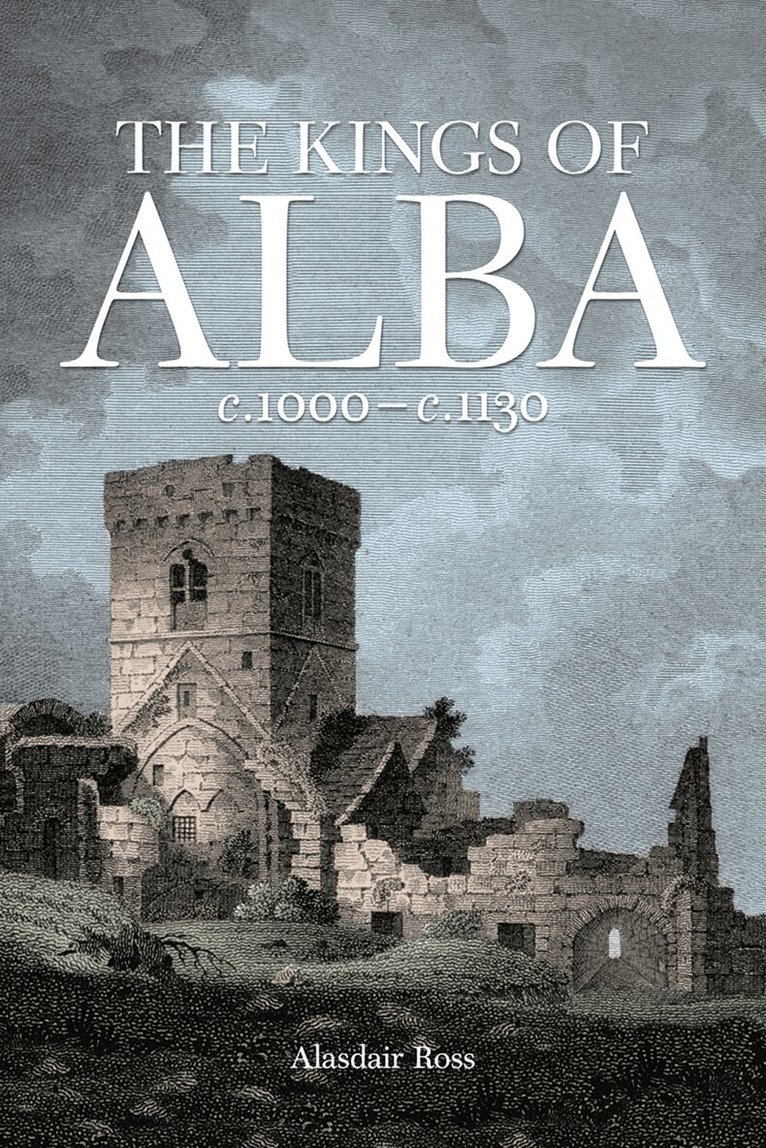
The events of 1000-1130 were crucial to the successful emergence of the medieval kingdom of the Scots. Yet this is one of the least researched periods of Scottish history. We probably now know more about the Picts than the post-1000 events that underpinned the spectacular expansion of the small kingdom which came to dominate north Britain by the 1130s.This expansion included the defeat and absorption of other significant cultural and political groups to the north and south of the core kingdom, and was accompanied by the introduction of reformed monasticism. But perhaps the most momentous process amongst all these political and cultural changes was the move towards the domination of the kingship by just one segment of the royal kindred, the sons of King Mael Coluim mac Donnchada's second marriage to Queen Margaret. The story of how these sons managed to achieve political supremacy through machination, murder and mutilation runs like an unsavoury thread throughout this book.The book also investigates the building blocks from which the kingdom was constructed and the various processes which eventually allowed the kings of the different peoples of north Britain to describe themselves as Rex scottorum. It is a hugely rewarding voyage of discovery for anyone interested in the formation of the kingdom of the Scots.