Jung: The Essential Guides - Böcker
Visar alla böcker i serien Jung: The Essential Guides. Handla med fri frakt och snabb leverans.
4 produkter
4 produkter
2 317 kr
Skickas inom 10-15 vardagar
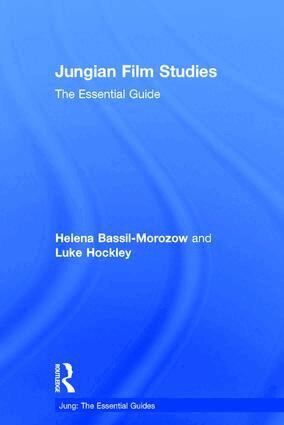
Jungian film studies is a fast-growing academic field, but Jungian and post-Jungian concepts are still new to many academics and film critics. Helena Bassil-Morozow and Luke Hockley present Jungian Film Studies: The Essential Guide, the first book to bring together all the different strands, issues and arguments in the discipline, and guide the reader through the various ways in which Jungian psychology can be applied to moving images. Bassil-Morozow and Hockley cover a range of Jungian concepts including the collective unconscious, archetypes, the individuation process, alchemy, and signs and symbols, showing how they can be used to discuss the core cinematic issues such as narrative structure, gender, identity, genre, authorship, and phenomenology. The authors argue that, as a place where the unconscious and conscious meet, cinema offers the potential for imagery that is psychologically potent, meaningful, and that plays a role in our personal psychological development.This much-needed book, which bridges the space between Jungian concepts and traditional film theory, will be essential reading for scholars and students of Analytical Psychology, psychoanalysis, Jungian film studies, media, film and cultural studies, psychosocial psychology and clinical psychology. It will also appeal to analytical psychologists, psychotherapists and readers with an interest in film analysis.
601 kr
Skickas inom 10-15 vardagar
Jungian film studies is a fast-growing academic field, but Jungian and post-Jungian concepts are still new to many academics and film critics. Helena Bassil-Morozow and Luke Hockley present Jungian Film Studies: The Essential Guide, the first book to bring together all the different strands, issues and arguments in the discipline, and guide the reader through the various ways in which Jungian psychology can be applied to moving images. Bassil-Morozow and Hockley cover a range of Jungian concepts including the collective unconscious, archetypes, the individuation process, alchemy, and signs and symbols, showing how they can be used to discuss the core cinematic issues such as narrative structure, gender, identity, genre, authorship, and phenomenology. The authors argue that, as a place where the unconscious and conscious meet, cinema offers the potential for imagery that is psychologically potent, meaningful, and that plays a role in our personal psychological development.This much-needed book, which bridges the space between Jungian concepts and traditional film theory, will be essential reading for scholars and students of Analytical Psychology, psychoanalysis, Jungian film studies, media, film and cultural studies, psychosocial psychology and clinical psychology. It will also appeal to analytical psychologists, psychotherapists and readers with an interest in film analysis.
2 508 kr
Skickas inom 10-15 vardagar
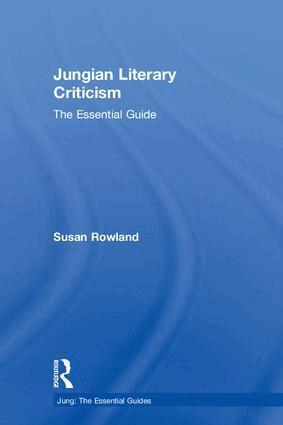
In Jungian Literary Criticism: the essential guide, Susan Rowland demonstrates how ideas such as archetypes, the anima and animus, the unconscious and synchronicity can be applied to the analysis of literature. Jung’s emphasis on creativity was central to his own work, and here Rowland illustrates how his concepts can be applied to novels, poetry, myth and epic, allowing a reader to see their personal, psychological and historical contribution. This multidisciplinary and transdisciplinary approach challenges the notion that Jungian ideas cannot be applied to literary studies, exploring Jungian themes in canonical texts by authors including Shakespeare, Jane Austen and W. B. Yeats as well as works by twenty-first century writers, such as in digital literary art. Rowland argues that Jung’s works encapsulate realities beyond narrow definitions of what a single academic discipline ought to do, and through using case studies alongside Jung’s work she demonstrates how both disciplines find a home in one another. Interweaving Jungian analysis with literature, Jungian Literary Criticism explores concepts from the shadow to contemporary issues of ecocriticism and climate change in relation to literary works, and emphasises the importance of a reciprocal relationship. Each chapter concludes with key definitions, themes and further reading, and the book encourages the reader to examine how worldviews change when disciplines combine. The accessible approach of Jungian Literary Criticism: the essential guide will appeal to academics and students of literary studies, Jungian and post-Jungian studies, literary theory, environmental humanities and ecocentrism. It will also be of interest to Jungian analysts and therapists in training and in practice.
711 kr
Skickas inom 10-15 vardagar
In Jungian Literary Criticism: the essential guide, Susan Rowland demonstrates how ideas such as archetypes, the anima and animus, the unconscious and synchronicity can be applied to the analysis of literature. Jung’s emphasis on creativity was central to his own work, and here Rowland illustrates how his concepts can be applied to novels, poetry, myth and epic, allowing a reader to see their personal, psychological and historical contribution. This multidisciplinary and transdisciplinary approach challenges the notion that Jungian ideas cannot be applied to literary studies, exploring Jungian themes in canonical texts by authors including Shakespeare, Jane Austen and W. B. Yeats as well as works by twenty-first century writers, such as in digital literary art. Rowland argues that Jung’s works encapsulate realities beyond narrow definitions of what a single academic discipline ought to do, and through using case studies alongside Jung’s work she demonstrates how both disciplines find a home in one another. Interweaving Jungian analysis with literature, Jungian Literary Criticism explores concepts from the shadow to contemporary issues of ecocriticism and climate change in relation to literary works, and emphasises the importance of a reciprocal relationship. Each chapter concludes with key definitions, themes and further reading, and the book encourages the reader to examine how worldviews change when disciplines combine. The accessible approach of Jungian Literary Criticism: the essential guide will appeal to academics and students of literary studies, Jungian and post-Jungian studies, literary theory, environmental humanities and ecocentrism. It will also be of interest to Jungian analysts and therapists in training and in practice.