Luke Hockley - Böcker
Visar alla böcker från författaren Luke Hockley. Handla med fri frakt och snabb leverans.
14 produkter
14 produkter
639 kr
Skickas inom 10-15 vardagar
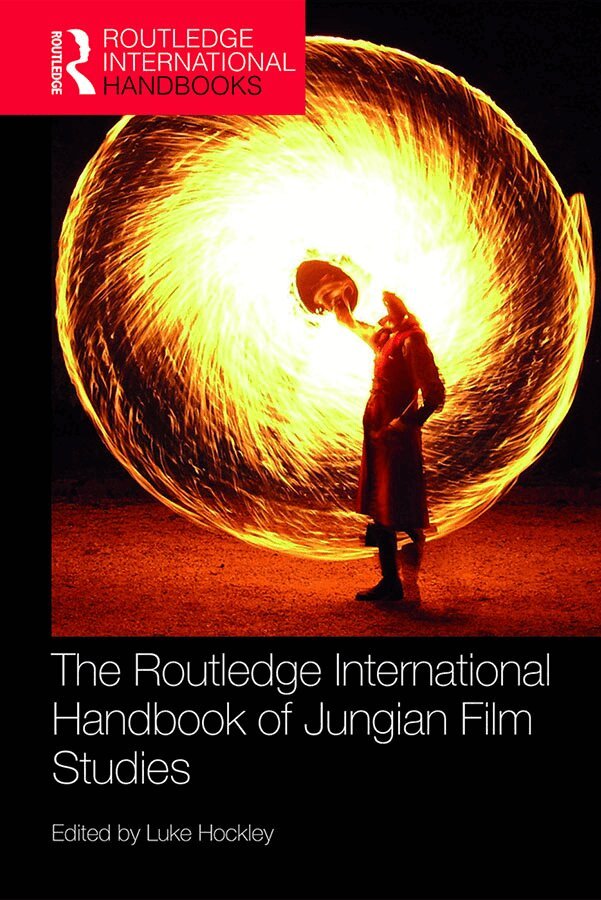
Winner of the IAJS award for best edited book of 2018!The Routledge International Handbook of Jungian Film Studies weaves together the various strands of Jungian film theory, revealing a coherent theoretical position underpinning this exciting recent area of research, while also exploring and suggesting new directions for further study.The book maps the current state of debates within Jungian orientated film studies and sets them within a more expansive academic landscape. Taken as a whole, the collection shows how different Jungian approaches can inform and interact with a broad range of disciplines, including literature, digital media studies, clinical debates and concerns. The book also explores the life of film outside cinema - what is sometimes termed ‘post-cinema’ - offering a series of articles exploring Jungian approaches to cinema and social media, computer games, mobile screens, and on-line communities.The Routledge International Handbook of Jungian Film Studies represents an essential resource for students and researchers interested in Jungian approaches to film. It will also appeal to those interested in film theory more widely, and in the application of Jung’s ideas to contemporary and popular culture.
1 508 kr
Skickas inom 10-15 vardagar
House MD is a globally successful and long-running medical drama. House: The Wounded Healer on Television employs a Jungian perspective to examine the psychological construction of the series and its namesake, Dr Gregory House. The book also investigates the extent to which the continued popularity of House MD has to do with its representation of deeply embedded cultural concerns. It is divided into three parts - Diagnosing House, Consulting House and Dissecting House, - and topics of discussion include:specific details, themes, motifs and tropes throughout the seriesnarrative, character and visual structure the combination of performative effects, text and images of the doctor and his team the activities of the hero, the wounded healer and the puer aeternus.Offering an entirely fresh perspective on House MD, with contributions from medical professionals, academics and therapists, this book is essential reading for students and scholars of Jungian psychology. The inclusion of a glossary of Jungian terms means that this book can also be enjoyed by fans of House MD who have been seeking a more in-depth analysis of the series.
507 kr
Skickas inom 10-15 vardagar
House MD is a globally successful and long-running medical drama. House: The Wounded Healer on Television employs a Jungian perspective to examine the psychological construction of the series and its namesake, Dr Gregory House. The book also investigates the extent to which the continued popularity of House MD has to do with its representation of deeply embedded cultural concerns. It is divided into three parts - Diagnosing House, Consulting House and Dissecting House, - and topics of discussion include:specific details, themes, motifs and tropes throughout the seriesnarrative, character and visual structure the combination of performative effects, text and images of the doctor and his team the activities of the hero, the wounded healer and the puer aeternus.Offering an entirely fresh perspective on House MD, with contributions from medical professionals, academics and therapists, this book is essential reading for students and scholars of Jungian psychology. The inclusion of a glossary of Jungian terms means that this book can also be enjoyed by fans of House MD who have been seeking a more in-depth analysis of the series.
1 703 kr
Skickas inom 10-15 vardagar
Since Jung and Film was first published in 2001, Jungian writing on the moving image in film and television has accelerated. Jung and Film II: The Return provides new contributions from authors across the globe willing to tackle the broader issues of film production and consumption, the audience and the place of film culture in our lives. As well as chapters dealing with particular film makers such as Maya Derren and films such as Birth, The Piano, The Wrestler and Breaking the Wave, there is also a unique chapter co-written by documentary film-maker Tom Hurvitz and New York Jungian analyst Margaret Klenck. Other areas of discussion include: the way in which psychological issues come under scrutiny in many movies the various themes that concern Jungian writers on filmhow Jungian ideas on psychological personality types can be applied in fresh ways to analyse a variety of characters.The book also includes a glossary to help readers with Jungian words and concepts. Jung and Film II is not only a welcome companion to the first volume, it is an important stand- alone work essential for all academics and students of analytical psychology as well as film, media and cultural studies.
600 kr
Skickas inom 10-15 vardagar
Since Jung and Film was first published in 2001, Jungian writing on the moving image in film and television has accelerated. Jung and Film II: The Return provides new contributions from authors across the globe willing to tackle the broader issues of film production and consumption, the audience and the place of film culture in our lives. As well as chapters dealing with particular film makers such as Maya Derren and films such as Birth, The Piano, The Wrestler and Breaking the Wave, there is also a unique chapter co-written by documentary film-maker Tom Hurvitz and New York Jungian analyst Margaret Klenck. Other areas of discussion include: the way in which psychological issues come under scrutiny in many movies the various themes that concern Jungian writers on filmhow Jungian ideas on psychological personality types can be applied in fresh ways to analyse a variety of characters.The book also includes a glossary to help readers with Jungian words and concepts. Jung and Film II is not only a welcome companion to the first volume, it is an important stand- alone work essential for all academics and students of analytical psychology as well as film, media and cultural studies.
2 291 kr
Skickas inom 10-15 vardagar
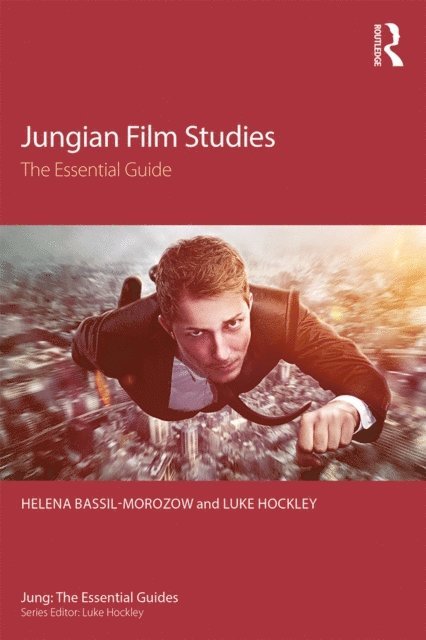
Jungian film studies is a fast-growing academic field, but Jungian and post-Jungian concepts are still new to many academics and film critics. Helena Bassil-Morozow and Luke Hockley present Jungian Film Studies: The Essential Guide, the first book to bring together all the different strands, issues and arguments in the discipline, and guide the reader through the various ways in which Jungian psychology can be applied to moving images. Bassil-Morozow and Hockley cover a range of Jungian concepts including the collective unconscious, archetypes, the individuation process, alchemy, and signs and symbols, showing how they can be used to discuss the core cinematic issues such as narrative structure, gender, identity, genre, authorship, and phenomenology. The authors argue that, as a place where the unconscious and conscious meet, cinema offers the potential for imagery that is psychologically potent, meaningful, and that plays a role in our personal psychological development.This much-needed book, which bridges the space between Jungian concepts and traditional film theory, will be essential reading for scholars and students of Analytical Psychology, psychoanalysis, Jungian film studies, media, film and cultural studies, psychosocial psychology and clinical psychology. It will also appeal to analytical psychologists, psychotherapists and readers with an interest in film analysis.
600 kr
Skickas inom 10-15 vardagar
Jungian film studies is a fast-growing academic field, but Jungian and post-Jungian concepts are still new to many academics and film critics. Helena Bassil-Morozow and Luke Hockley present Jungian Film Studies: The Essential Guide, the first book to bring together all the different strands, issues and arguments in the discipline, and guide the reader through the various ways in which Jungian psychology can be applied to moving images. Bassil-Morozow and Hockley cover a range of Jungian concepts including the collective unconscious, archetypes, the individuation process, alchemy, and signs and symbols, showing how they can be used to discuss the core cinematic issues such as narrative structure, gender, identity, genre, authorship, and phenomenology. The authors argue that, as a place where the unconscious and conscious meet, cinema offers the potential for imagery that is psychologically potent, meaningful, and that plays a role in our personal psychological development.This much-needed book, which bridges the space between Jungian concepts and traditional film theory, will be essential reading for scholars and students of Analytical Psychology, psychoanalysis, Jungian film studies, media, film and cultural studies, psychosocial psychology and clinical psychology. It will also appeal to analytical psychologists, psychotherapists and readers with an interest in film analysis.
Somatic Cinema
The relationship between body and screen - a Jungian perspective
Inbunden, Engelska, 2013
1 964 kr
Skickas inom 10-15 vardagar
Films can hold personal psychological meanings that are often at odds with their narratives. Examining the intersections between mental health and the cinema, Somatic Cinema represents the cutting edge of film theory, evaluating the significance of this phenomenon both in therapy and in the everyday world.Luke Hockley draws on the insights of phenomenological and Jungian film theory and applies them alongside more established psychoanalytic approaches. The result is to combine the idea of affective bodily experience with unconscious processes as a means to explore a new ontology of the cinema. The emphasis is therefore shifted from pure intellectual insight to greater inclusion of personally constructed meanings and experiences. Several key concepts are developed and explored throughout the book. These include: The idea of the ‘Third Image’, occupying the intersubjective space between viewer and screen, and therapist and client The concept of the Cinematic Frame (as opposed to the Film Frame), the container of the psychological relationship between viewer and screen The use of the Cinematic Experience to encapsulate the somatic expression of unconscious effects that develop while a film is viewed and which are central to the creation of personal psychological meanings. With a focus on examining why we develop a personal relationship with films, Somatic Cinema is ideal for academics and students of film studies, media studies and analytical psychology.
Somatic Cinema
The relationship between body and screen - a Jungian perspective
Häftad, Engelska, 2013
534 kr
Skickas inom 10-15 vardagar
Films can hold personal psychological meanings that are often at odds with their narratives. Examining the intersections between mental health and the cinema, Somatic Cinema represents the cutting edge of film theory, evaluating the significance of this phenomenon both in therapy and in the everyday world.Luke Hockley draws on the insights of phenomenological and Jungian film theory and applies them alongside more established psychoanalytic approaches. The result is to combine the idea of affective bodily experience with unconscious processes as a means to explore a new ontology of the cinema. The emphasis is therefore shifted from pure intellectual insight to greater inclusion of personally constructed meanings and experiences. Several key concepts are developed and explored throughout the book. These include: The idea of the ‘Third Image’, occupying the intersubjective space between viewer and screen, and therapist and client The concept of the Cinematic Frame (as opposed to the Film Frame), the container of the psychological relationship between viewer and screen The use of the Cinematic Experience to encapsulate the somatic expression of unconscious effects that develop while a film is viewed and which are central to the creation of personal psychological meanings. With a focus on examining why we develop a personal relationship with films, Somatic Cinema is ideal for academics and students of film studies, media studies and analytical psychology.
2 421 kr
Skickas inom 10-15 vardagar
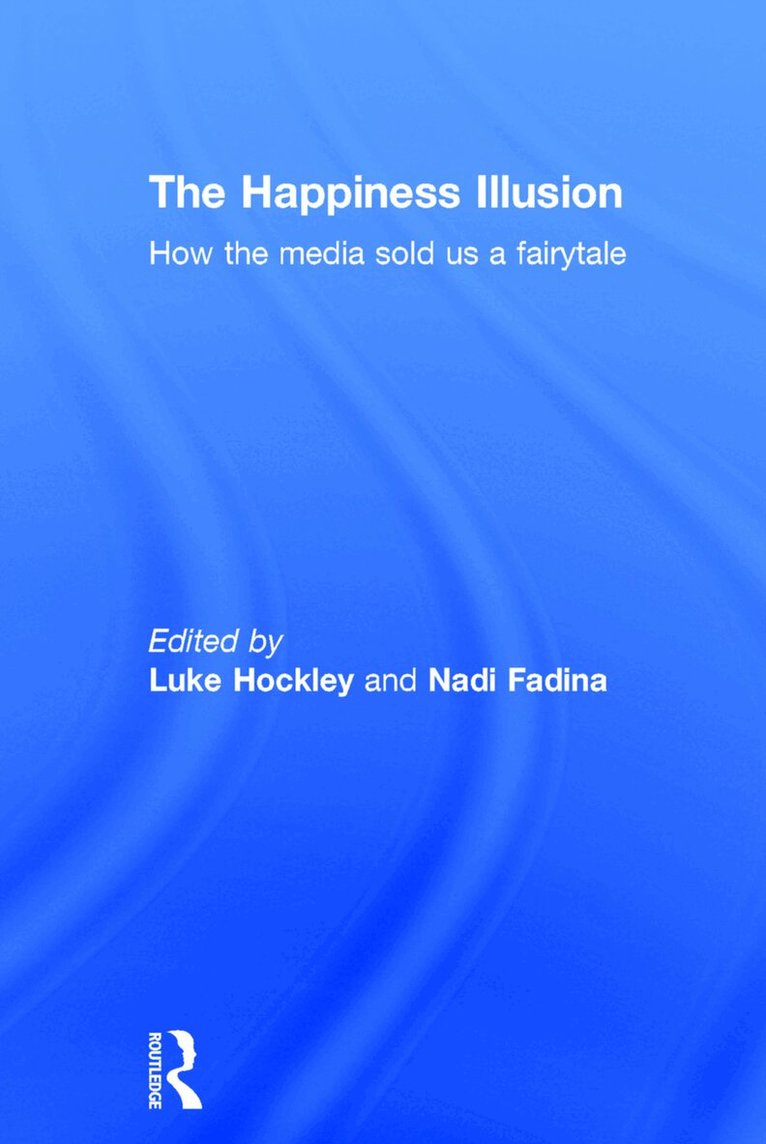
The West has never been more affluent yet the use of anti-depressants is on the increase to the extent that the World Health Organisation has declared it a major source of concern. How has this state of affairs come about and what can be done? Television and advertising media seem to know. Wherever we look they offer countless remedies for our current situation - unfortunately none of them seem to work.The Happiness Illusion explores how the metaphorical insights of fairy-tales have been literalised and turned into commodities. In so doing, their ability to educate and entertain has largely been lost. Instead advertising and television sell us products that offer to magically transform the way we look, how we age, where we live –both in the city and the countryside, the possibility of new jobs, and so forth. All of these are supposed to make us happy. But despite the allure of ‘retail therapy’ modern magic has lost its spell.What then are the sources of happiness in our contemporary society? Through a series of fairy-tales The Happiness Illusion: How the media sold us a fairytale looks at topics such as age, gender, marriage and rom-coms, Nordic Noir and the representations of therapy on television. In doing so it explores alternative ways to relate to the world in a symbolic and less literal manner – it suggests that happiness comes by making sure we don’t fall under the spell of the illusionary promises of contemporary television and advertising. Instead, happiness comes from being ourselves – warts and all. This book will be of interest to Jungian academics, film, media and cultural studies academics, social psychologists and their students, as well as reaching out to those interested in fairy-tale studies, psychotherapists and educated cinema goers.
731 kr
Skickas inom 10-15 vardagar
The West has never been more affluent yet the use of anti-depressants is on the increase to the extent that the World Health Organisation has declared it a major source of concern. How has this state of affairs come about and what can be done? Television and advertising media seem to know. Wherever we look they offer countless remedies for our current situation - unfortunately none of them seem to work.The Happiness Illusion explores how the metaphorical insights of fairy-tales have been literalised and turned into commodities. In so doing, their ability to educate and entertain has largely been lost. Instead advertising and television sell us products that offer to magically transform the way we look, how we age, where we live –both in the city and the countryside, the possibility of new jobs, and so forth. All of these are supposed to make us happy. But despite the allure of ‘retail therapy’ modern magic has lost its spell.What then are the sources of happiness in our contemporary society? Through a series of fairy-tales The Happiness Illusion: How the media sold us a fairytale looks at topics such as age, gender, marriage and rom-coms, Nordic Noir and the representations of therapy on television. In doing so it explores alternative ways to relate to the world in a symbolic and less literal manner – it suggests that happiness comes by making sure we don’t fall under the spell of the illusionary promises of contemporary television and advertising. Instead, happiness comes from being ourselves – warts and all. This book will be of interest to Jungian academics, film, media and cultural studies academics, social psychologists and their students, as well as reaching out to those interested in fairy-tale studies, psychotherapists and educated cinema goers.
2 878 kr
Skickas inom 10-15 vardagar
Winner of the IAJS award for best edited book of 2018!The Routledge International Handbook of Jungian Film Studies weaves together the various strands of Jungian film theory, revealing a coherent theoretical position underpinning this exciting recent area of research, while also exploring and suggesting new directions for further study.The book maps the current state of debates within Jungian orientated film studies and sets them within a more expansive academic landscape. Taken as a whole, the collection shows how different Jungian approaches can inform and interact with a broad range of disciplines, including literature, digital media studies, clinical debates and concerns. The book also explores the life of film outside cinema - what is sometimes termed ‘post-cinema’ - offering a series of articles exploring Jungian approaches to cinema and social media, computer games, mobile screens, and on-line communities.The Routledge International Handbook of Jungian Film Studies represents an essential resource for students and researchers interested in Jungian approaches to film. It will also appeal to those interested in film theory more widely, and in the application of Jung’s ideas to contemporary and popular culture.
450 kr
Skickas inom 5-8 vardagar
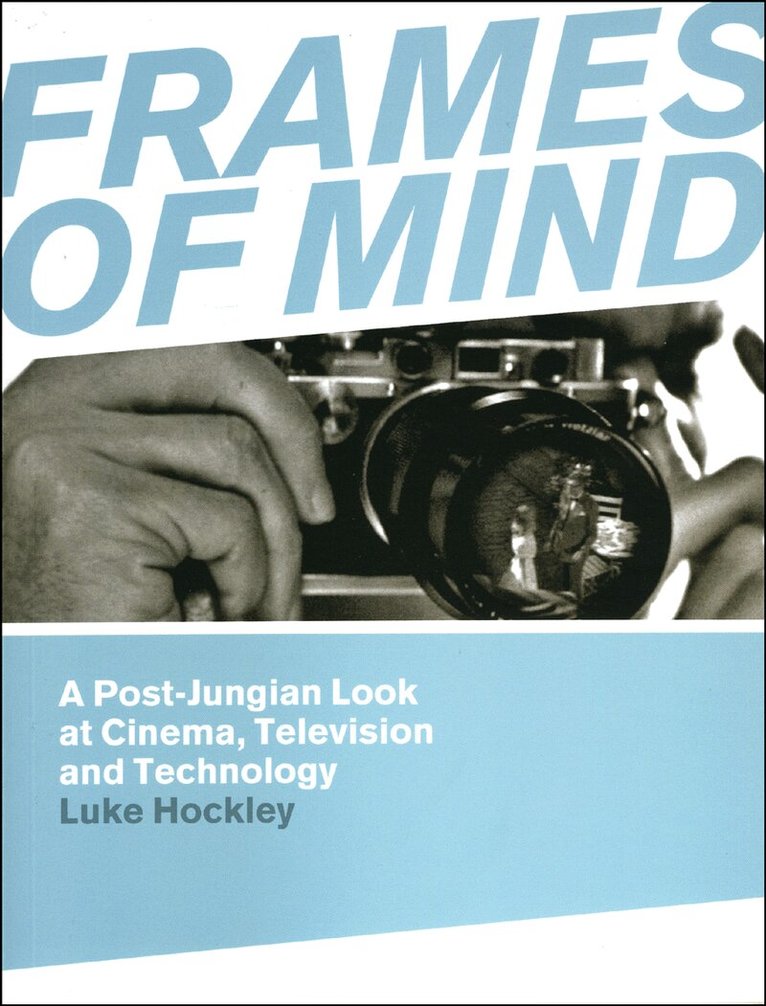
The eminent psychologist Carl Jung is best known for such indelible contributions to modern thought as the concept of the collective unconscious, but his wide-spread work can also be fruitfully employed to analyze popular culture. Frames of Mind offers an introduction to the world of Post-Jungian film and television studies, examining how Jung’s theories can heighten our understanding of everything from Chinatown and Star Trek to advertisements. In this illuminating psychoanalysis of our media environment, Luke Hockley probes questions such as why we have genuine emotional responses to film events we know to be fictional, why we are compulsively driven to watch television, and how advertisers use unconscious motifs to persuade viewers.
495 kr
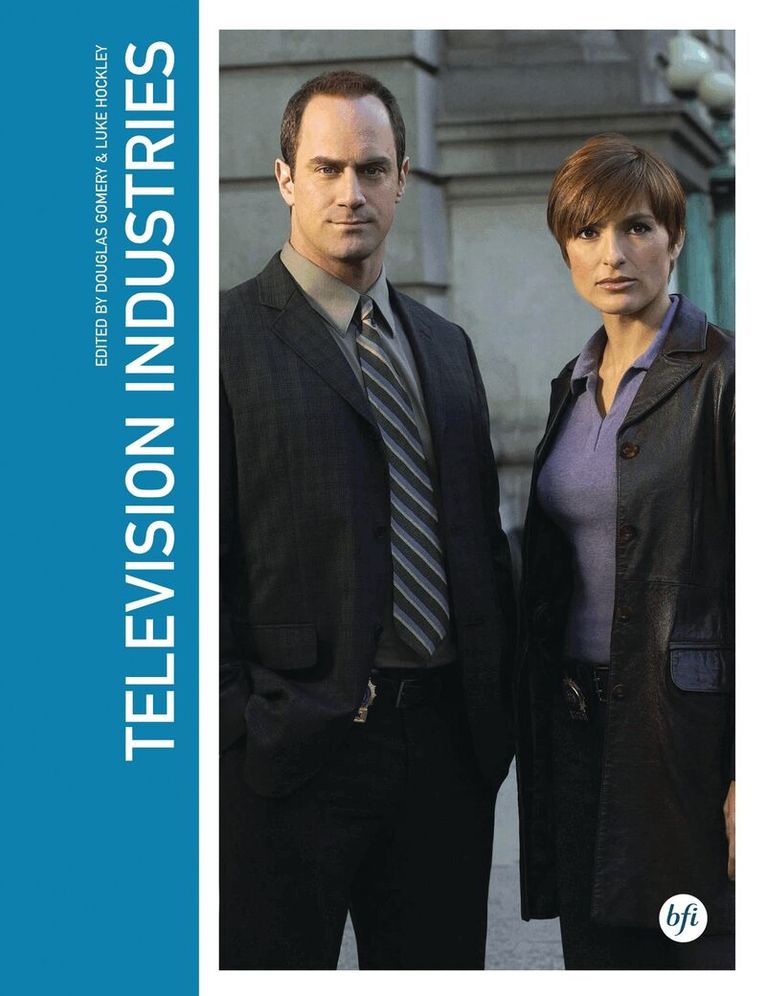
Skickas inom 7-10 vardagar
While not a production study, this book attempts to provide an insight into the inner workings of the television industry. As such its central concern is with processes, not texts or techniques or histories. 'Television Industries' focuses on the essential elements of the industry: the policy and regulatory frameworks, the swiftly changing world of video production technology, all of which provides the backdrops against which broadcasters shape and sell their products. The book also examines the working practices of scheduling, budgeting, selling advertising air-time and so forth. Where issues may be familiar to readers (for example debates around public service broadcasting) the entries aim to be explanatory and fresh. Of course, it's not possible to cover every aspect of what is a complex and ever changing industry. Nonetheless, the aim is to provide a starting point for students and new scholars as they start to research into the nature of the broadcasting industry. Hence, this volume is extensively cross-referenced, to guide the reader as they tease out for themselves some of the complexity of this industry. There are several other elements that are distinctive about this volume. Perhaps the most striking of these is its blend of contributions from the UK and US. This book will raise as many questions as it provides answers. It aims to make a contribution to the on-going debates in the now well-established world of television studies with fresh perspectives on some familiar, and some not so familiar, landscapes. Fully illustrated, 'Television Industries' is intended as an authoritative and accessible guide to the inner workings of the television industry.