Christopher Hauke - Böcker
Visar alla böcker från författaren Christopher Hauke. Handla med fri frakt och snabb leverans.
9 produkter
9 produkter
Contemporary Jungian Analysis
Post-Jungian Perspectives from the Society of Analytical Psychology
Häftad, Engelska, 1998
600 kr
Skickas inom 10-15 vardagar
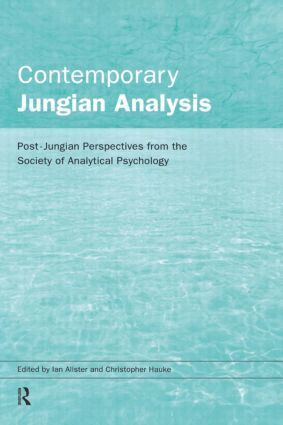
Essential reading for anyone interested in contemporary psychotherapy, Contemporary Jungian Analysis, written by members of the Society of Analytical Psychology in London, covers the key concepts of Jungian analysis and therapy as it is practised today. Each chapter brings together two essays by different authors to give different perspectives on themes which are of common interest to psychotherapists of all persuasions. Topics include:* infancy* gender* transference* popular culture* assessment and pathology* dreams and active imagination* the training of the therapist* religious and spiritual issues.
1 193 kr
Skickas inom 10-15 vardagar
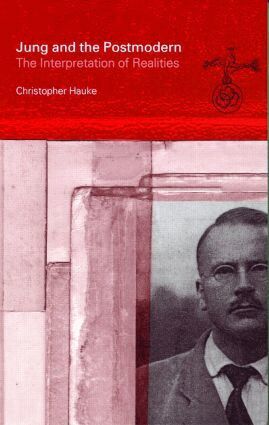
What has Jung to do with the Postmodern? Chris Hauke's lively and provocative book, puts the case that Jung's psychology constitutes a critique of modernity that brings it in line with many aspects of the postmodern critique of contemporary culture. The metaphor he uses is one in which 'we are gazing through a Jungian transparency or filter being held up against the postmodern while, from the other side, we are also able to look through a transparency or filter of the postmodern to gaze at Jung. From either direction there will be a new and surprising vision.'Setting Jung against a range of postmodern thinkers, Hauke recontextualizes Jung' s thought as a reponse to modernity, placing it - sometimes in parallel and sometimes in contrast to - various postmodern discourses. Including chapters on themes such as meaning, knowledge and power, the contribution of architectural criticism to the postmodern debate, Nietzsche's perspective theory of affect and Jung's complex theory, representation and symbolization, constructivism and pluralism, this is a book which will find a ready audience in academy and profession alike.
560 kr
Skickas inom 10-15 vardagar
What has Jung to do with the Postmodern? Chris Hauke's lively and provocative book, puts the case that Jung's psychology constitutes a critique of modernity that brings it in line with many aspects of the postmodern critique of contemporary culture. The metaphor he uses is one in which 'we are gazing through a Jungian transparency or filter being held up against the postmodern while, from the other side, we are also able to look through a transparency or filter of the postmodern to gaze at Jung. From either direction there will be a new and surprising vision.'Setting Jung against a range of postmodern thinkers, Hauke recontextualizes Jung' s thought as a reponse to modernity, placing it - sometimes in parallel and sometimes in contrast to - various postmodern discourses. Including chapters on themes such as meaning, knowledge and power, the contribution of architectural criticism to the postmodern debate, Nietzsche's perspective theory of affect and Jung's complex theory, representation and symbolization, constructivism and pluralism, this is a book which will find a ready audience in academy and profession alike.
1 703 kr
Skickas inom 10-15 vardagar
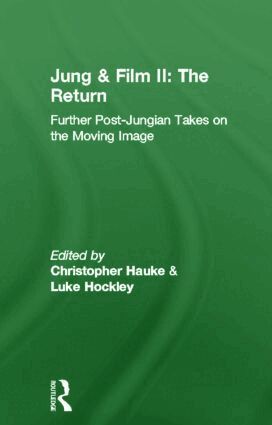
Since Jung and Film was first published in 2001, Jungian writing on the moving image in film and television has accelerated. Jung and Film II: The Return provides new contributions from authors across the globe willing to tackle the broader issues of film production and consumption, the audience and the place of film culture in our lives. As well as chapters dealing with particular film makers such as Maya Derren and films such as Birth, The Piano, The Wrestler and Breaking the Wave, there is also a unique chapter co-written by documentary film-maker Tom Hurvitz and New York Jungian analyst Margaret Klenck. Other areas of discussion include: the way in which psychological issues come under scrutiny in many movies the various themes that concern Jungian writers on filmhow Jungian ideas on psychological personality types can be applied in fresh ways to analyse a variety of characters.The book also includes a glossary to help readers with Jungian words and concepts. Jung and Film II is not only a welcome companion to the first volume, it is an important stand- alone work essential for all academics and students of analytical psychology as well as film, media and cultural studies.
600 kr
Skickas inom 10-15 vardagar
Since Jung and Film was first published in 2001, Jungian writing on the moving image in film and television has accelerated. Jung and Film II: The Return provides new contributions from authors across the globe willing to tackle the broader issues of film production and consumption, the audience and the place of film culture in our lives. As well as chapters dealing with particular film makers such as Maya Derren and films such as Birth, The Piano, The Wrestler and Breaking the Wave, there is also a unique chapter co-written by documentary film-maker Tom Hurvitz and New York Jungian analyst Margaret Klenck. Other areas of discussion include: the way in which psychological issues come under scrutiny in many movies the various themes that concern Jungian writers on filmhow Jungian ideas on psychological personality types can be applied in fresh ways to analyse a variety of characters.The book also includes a glossary to help readers with Jungian words and concepts. Jung and Film II is not only a welcome companion to the first volume, it is an important stand- alone work essential for all academics and students of analytical psychology as well as film, media and cultural studies.
1 324 kr
Skickas inom 10-15 vardagar
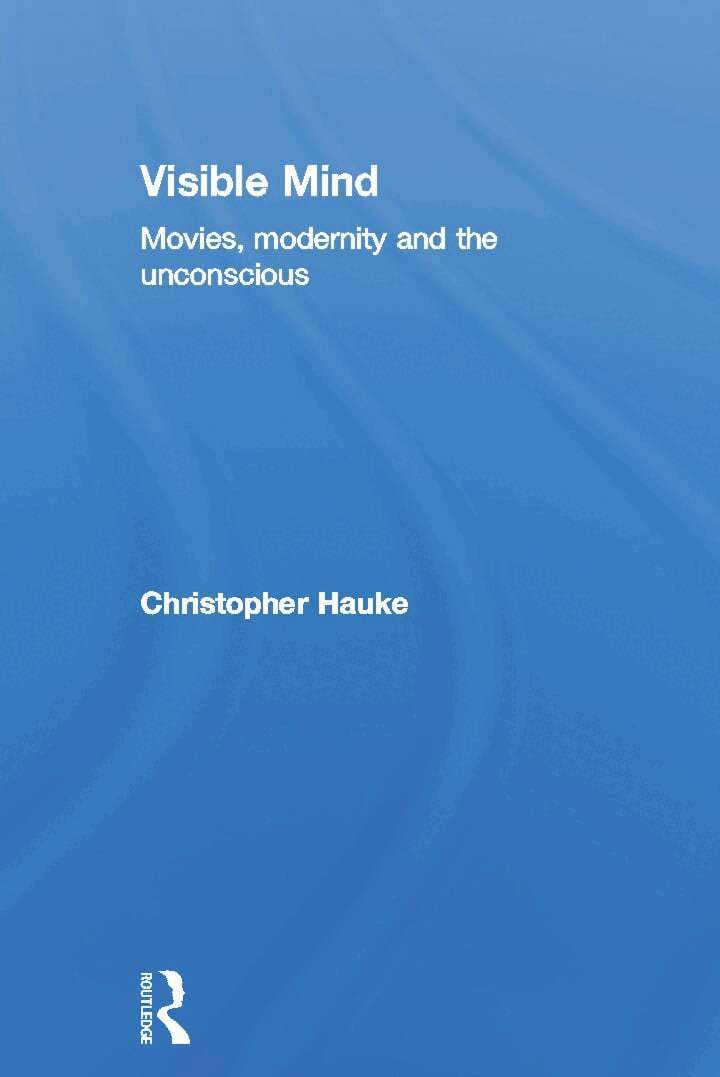
Why is the moving image so important in our lives? What is the link between the psychology of Jung, Freud and films? How do film and psychology address the problems of modernity? Visible Mind is a book about why film is so important to contemporary life, how film affects us psychologically as individuals, and how it affects us culturally as collective social beings. Since its inception, film has been both responsive to historical cultural conditions and reflective of changes in psychological and emotional needs. Arising at the same moment over a century ago, both film and psychoanalysis helped to frame the fragmented experience of modern life in a way that is still with us today. Visible Mind pays attention to the historical context of film for what it can tell us about our inner lives, past and present.Christopher Hauke discusses a range of themes from the perspective of film and analytical psychology, these include: The Face, The Shadow, Narrative and Story, Reality in Film, Cinema and the American Psyche, the use of Movies in the Psychotherapy Session and Archetypal themes in popular film. Unique to Visible Mind, six interviews with top film professionals from different departments both unlocks the door on the role of the unconscious in their creative process, and brings alive the reflexive critical thinking on modernity, postmodernity and Jungian psychology found throughout Visible Mind.Visible Mind is written for academics, filmmakers and students who want to understand what Jung and Freud's psychology can offer on the subject of filmmaking and the creative process, for therapists of any background who want to know more about the significance of movies in their work and for film lovers in general who are curious about what makes movies work.
613 kr
Skickas inom 10-15 vardagar
Why is the moving image so important in our lives? What is the link between the psychology of Jung, Freud and films? How do film and psychology address the problems of modernity? Visible Mind is a book about why film is so important to contemporary life, how film affects us psychologically as individuals, and how it affects us culturally as collective social beings. Since its inception, film has been both responsive to historical cultural conditions and reflective of changes in psychological and emotional needs. Arising at the same moment over a century ago, both film and psychoanalysis helped to frame the fragmented experience of modern life in a way that is still with us today. Visible Mind pays attention to the historical context of film for what it can tell us about our inner lives, past and present.Christopher Hauke discusses a range of themes from the perspective of film and analytical psychology, these include: The Face, The Shadow, Narrative and Story, Reality in Film, Cinema and the American Psyche, the use of Movies in the Psychotherapy Session and Archetypal themes in popular film. Unique to Visible Mind, six interviews with top film professionals from different departments both unlocks the door on the role of the unconscious in their creative process, and brings alive the reflexive critical thinking on modernity, postmodernity and Jungian psychology found throughout Visible Mind.Visible Mind is written for academics, filmmakers and students who want to understand what Jung and Freud's psychology can offer on the subject of filmmaking and the creative process, for therapists of any background who want to know more about the significance of movies in their work and for film lovers in general who are curious about what makes movies work.
507 kr
Skickas inom 10-15 vardagar
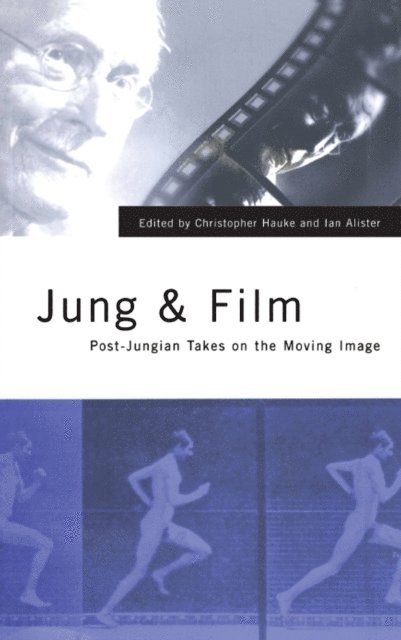
Jung and Film brings together some of the best new writing from both sides of the Atlantic, introducing the use of Jungian ideas in film analyis.Illustrated with examinations of seminal films including Pulp Fiction, Blade Runner, and 2001 - A Space Odyssey, Chris Hauke and Ian Alister, along with an excellent array of contributors, look at how Jungian ideas can help us understand films and the genres to which they belong.The book also includes a glossary to help readers with Jungian terminology. Taking a fresh look at an ever-changing medium, Jung and Film is essential reading for academics and students of analytical psychology, as well as film, media and cultural studies.
468 kr
Skickas inom 10-15 vardagar
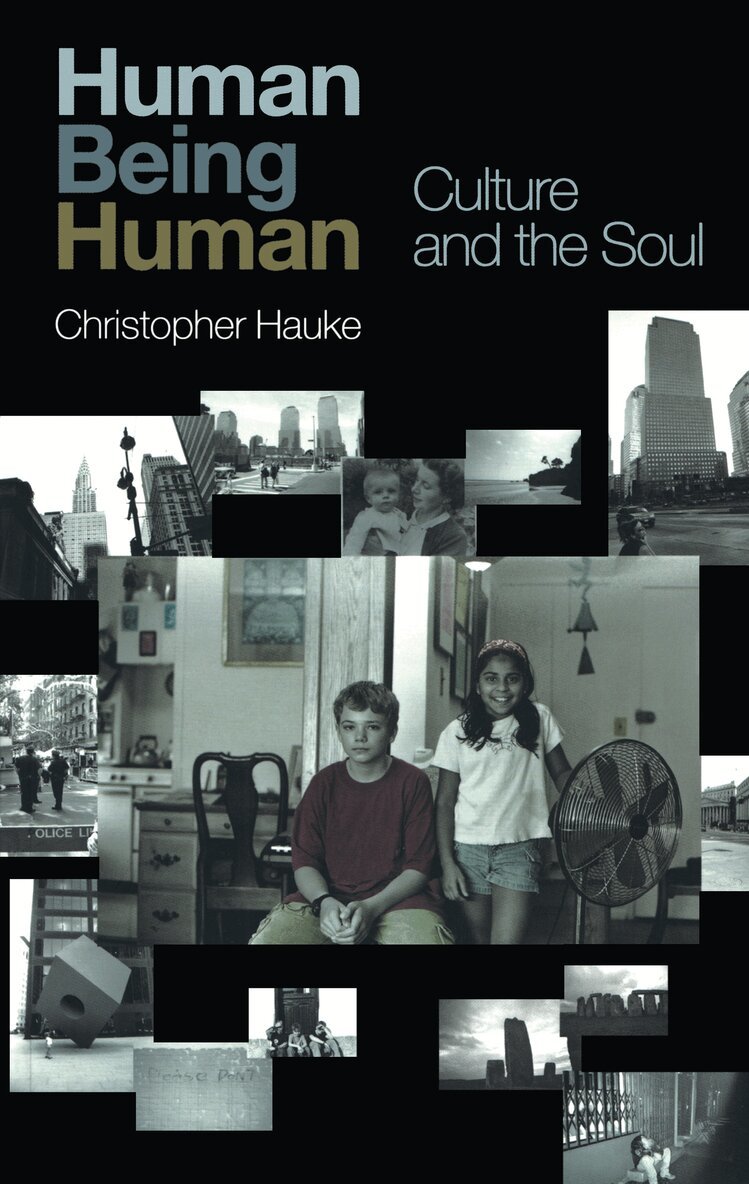
Human Being Human explores the classical question 'What is a human being?'In examining our human being, Christopher Hauke challenges the notion of human nature, questions the assumed superiority of human consciousness and rational thinking and pays close attention to the contradiction of living simultaneously as an autonomous individual and a member of the collective community. The main chapters include:who's in charge here? knowledge power and human being that thinking feeling is modern consciousness different? Modern consciousness and the quest for spirituality endings, the unconscious and time Orpheus, Dionysus and popular culture.The book is also structured around brief panel essays with a distinctly personal tone, such as: the rise of revulsion: spitting and the stones, what is the double when the original is gone? And 'I lived with the Speaking Clock'. All these themes are amplified by examples drawn from psychotherapy, film, literature and popular culture, and illustrated with many evocative photographs and film stills.Human Being Human provides an original perspective on what it is to be a human being, the value of popular culture, the relationship between the individual and the collective and our assumptions about truth, reality and power. Written in a highly accessible style, this book is both intellectually and emotionally satisfying and will fascinate anyone interested in contemporary psychology, cultural studies, film and media, social history and psychotherapy.