
Lab Manual: Manual Series – serie
Visar alla böcker i serien Lab Manual: Manual Series. Handla med fri frakt och snabb leverans.
2 produkter
2 produkter
Häftad, Engelska, 2007
486 kr
Skickas inom 5-8 vardagar
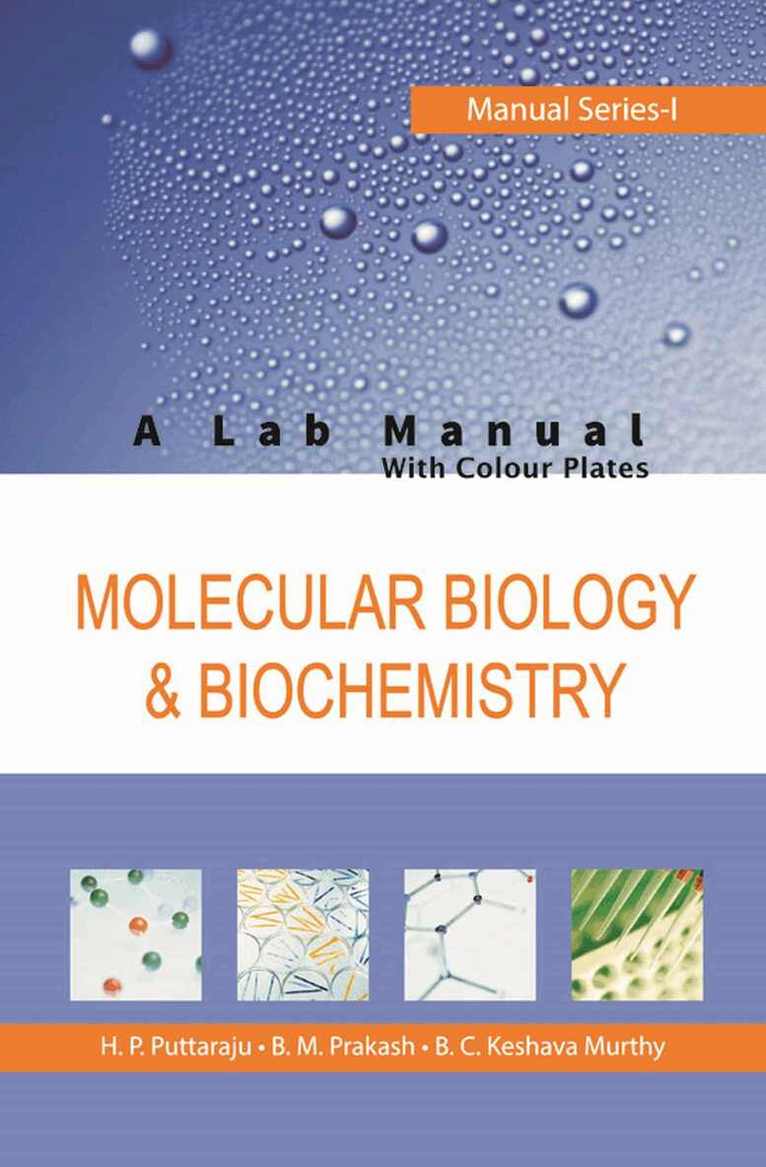
In this era, the field of biology has undergone a significant transformation, with molecular biology emerging as a dominant area of study. The tools of molecular biology have revolutionized the way we manage information, enabling us to access and utilize data in unprecedented ways.The impact of molecular biology tools on our understanding of plant and animal genomes has been remarkable. When combined with traditional research methods, these tools have provided invaluable insights into the structure and function of millions of genesThis book offers a comprehensive guide to molecular biology techniques and protocols, presenting information in an accessible and user-friendly manner. Designed for graduate and postgraduate students and research scholars, the book is divided into ten chapters, each containing an introduction, principles, protocols, applications, and troubleshooting guides. It serves as an essential reference for researchers seeking to develop and enhance their molecular biology skills in the pursuit of new biological discoveries.
Inbunden, Engelska, 2007
965 kr
Skickas inom 5-8 vardagar
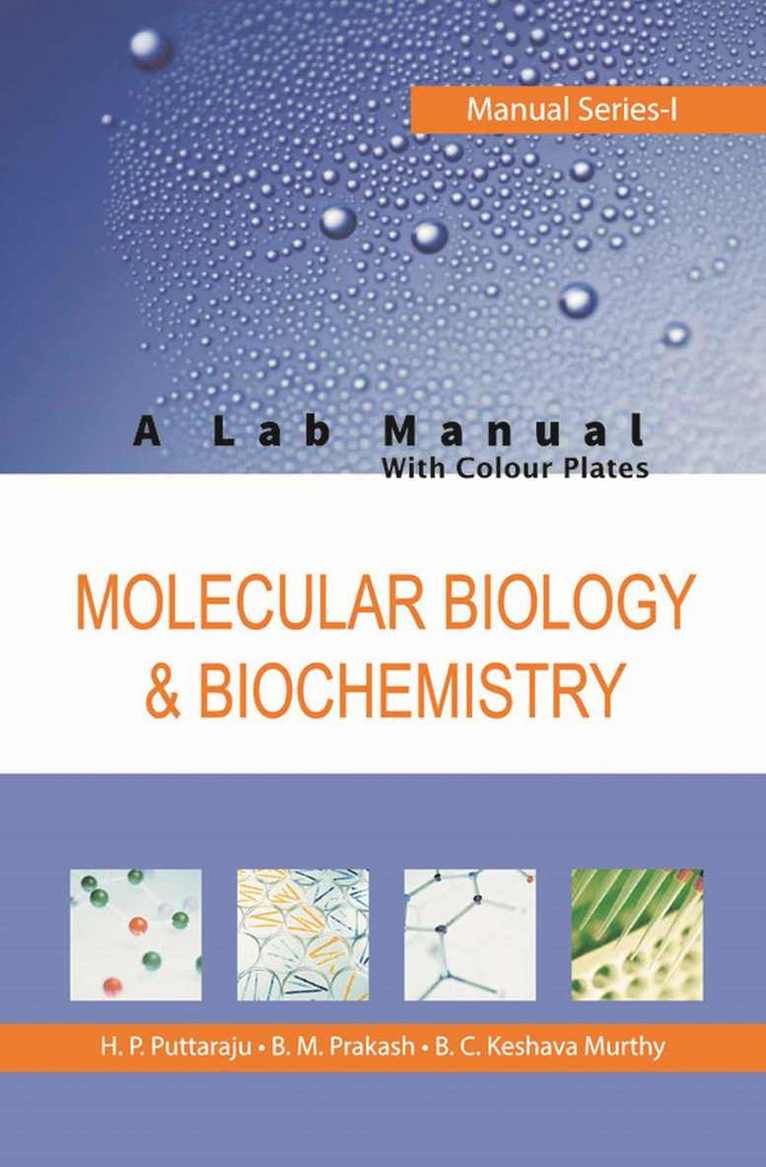
In the current era, students of biology are faced with a vastly different landscape. The field has become more molecular-focused, with molecular biology tools playing a crucial role in advancing our understanding and solving longstanding problems related to the genomes of plants and animals. These tools have proven to be highly effective when combined with traditional research methods to study the structure and function of millions of genes.The book chapters included in this volume provide readers with up-to-date information on methods and protocols in a simplified format that is easy to understand and implement. These methods and protocols serve as a gold-standard reference for scientists aiming to develop and enhance their molecular biology skills towards the discovery of new biological relationships. The book has been organized into 10 chapters, each containing an introduction, principle, protocol, applications, and troubleshooting tips. It is designed to meet the needs of graduate and postgraduate students, as well as research scholars.