LATINOAMERICANA – serie
477 kr
Skickas inom 5-8 vardagar
780 kr
Skickas inom 5-8 vardagar
687 kr
Skickas inom 5-8 vardagar
672 kr
Läs direkt efter köp
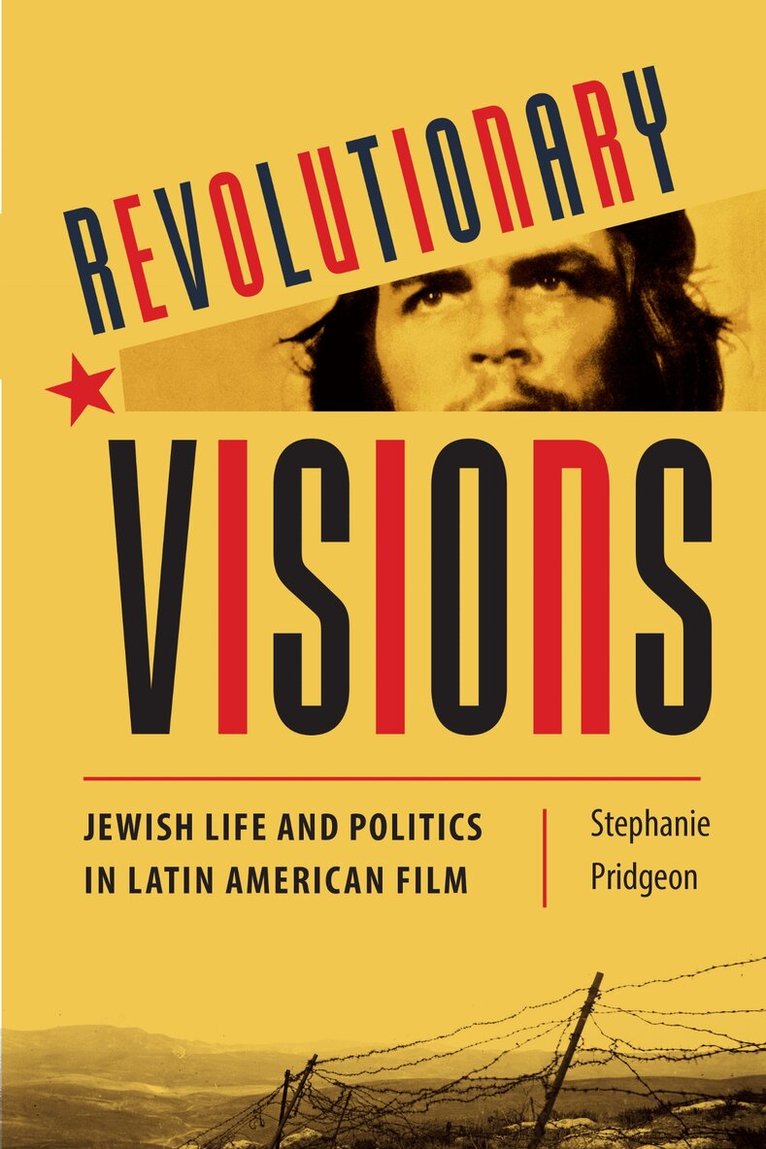
Revolutionary Visions examines recent cinematic depictions of Jewish involvement in 1960s and 1970s revolutionary movements in Latin America. In order to explore the topic, the book bridges critical theory on religion, politics, and hegemony from regional Latin American, national, and global perspectives. Placing these theories in dialogue with recent films, the author asks the following questions: How did revolutionary commitment change Jewish community and families in twentieth-century Latin America? How did Jews contribute to revolutionary causes, and what is the place of Jews in the legacies of revolutionary movements? How is film used to project self-representations of Jewish communities in the national project for a mainstream audience?
Jewish involvement in revolutionary movements is rife with contradictions. On the one hand, it was a natural progression of patterns of political participation, based on the ideological affinities shared between socialist movements and Marxist revolutionary politics. On the other hand, involvement in revolutionary politics would also upset the status quo of Jewish communities because of the extreme nature of revolutionary practices (e.g., guerrilla warfare), revolutionary groups’ alignment with Palestine, and the assimilation into non-Jewish culture that revolutionary involvement often entailed. These contradictions between Jewish self-identification and revolutionary activity continue to confound cultural understandings of the points of contact between identities and political affinities. In this way, Revolutionary Visions contributes to timely debates within cultural studies surrounding identities and politics.
672 kr
Läs direkt efter köp
Revolutionary Visions examines recent cinematic depictions of Jewish involvement in 1960s and 1970s revolutionary movements in Latin America. In order to explore the topic, the book bridges critical theory on religion, politics, and hegemony from regional Latin American, national, and global perspectives. Placing these theories in dialogue with recent films, the author asks the following questions: How did revolutionary commitment change Jewish community and families in twentieth-century Latin America? How did Jews contribute to revolutionary causes, and what is the place of Jews in the legacies of revolutionary movements? How is film used to project self-representations of Jewish communities in the national project for a mainstream audience?
Jewish involvement in revolutionary movements is rife with contradictions. On the one hand, it was a natural progression of patterns of political participation, based on the ideological affinities shared between socialist movements and Marxist revolutionary politics. On the other hand, involvement in revolutionary politics would also upset the status quo of Jewish communities because of the extreme nature of revolutionary practices (e.g., guerrilla warfare), revolutionary groups’ alignment with Palestine, and the assimilation into non-Jewish culture that revolutionary involvement often entailed. These contradictions between Jewish self-identification and revolutionary activity continue to confound cultural understandings of the points of contact between identities and political affinities. In this way, Revolutionary Visions contributes to timely debates within cultural studies surrounding identities and politics.
931 kr
Läs direkt efter köp
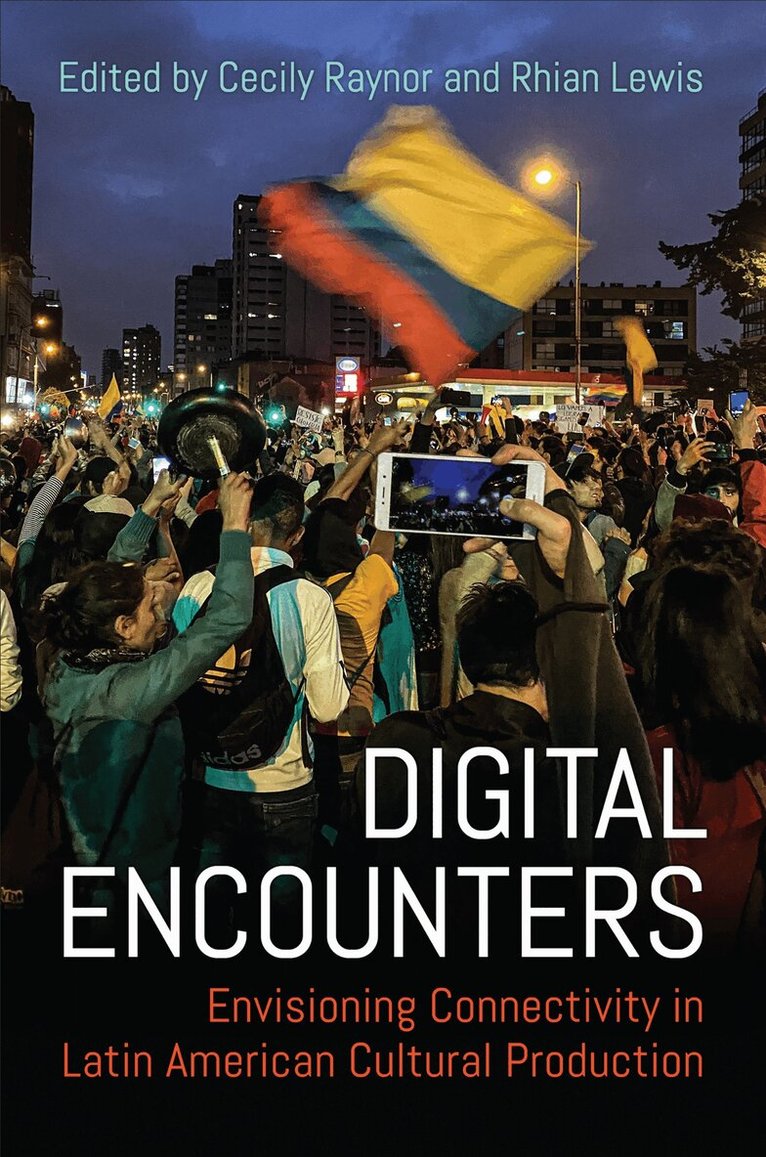
To understand the creative fabric of digital networks, scholars of literary and cultural studies must turn their attention to crowdsourced forms of production, discussion, and distribution. Digital Encounters explores the influence of an increasingly networked world on contemporary Latin American cultural production.
Drawing on a spectrum of case studies, the contributors to this volume examine literature, art, and political activism as they dialogue with programming languages, social media platforms, online publishing, and geospatial metadata. Implicit within these connections are questions of power, privilege, and stratification. The book critically examines issues of inequitable access and data privacy, technology’s capacity to divide people from one another, and the digital space as a site of racialized and gendered violence.
Through an expansive approach to the study of connectivity, Digital Encounters illustrates how new connections – between analog and digital, human and machine, print text and pixel – alter representations of self, Other, and world.
931 kr
Läs direkt efter köp
To understand the creative fabric of digital networks, scholars of literary and cultural studies must turn their attention to crowdsourced forms of production, discussion, and distribution. Digital Encounters explores the influence of an increasingly networked world on contemporary Latin American cultural production.
Drawing on a spectrum of case studies, the contributors to this volume examine literature, art, and political activism as they dialogue with programming languages, social media platforms, online publishing, and geospatial metadata. Implicit within these connections are questions of power, privilege, and stratification. The book critically examines issues of inequitable access and data privacy, technology’s capacity to divide people from one another, and the digital space as a site of racialized and gendered violence.
Through an expansive approach to the study of connectivity, Digital Encounters illustrates how new connections – between analog and digital, human and machine, print text and pixel – alter representations of self, Other, and world.
780 kr
Skickas inom 5-8 vardagar
931 kr
Läs direkt efter köp
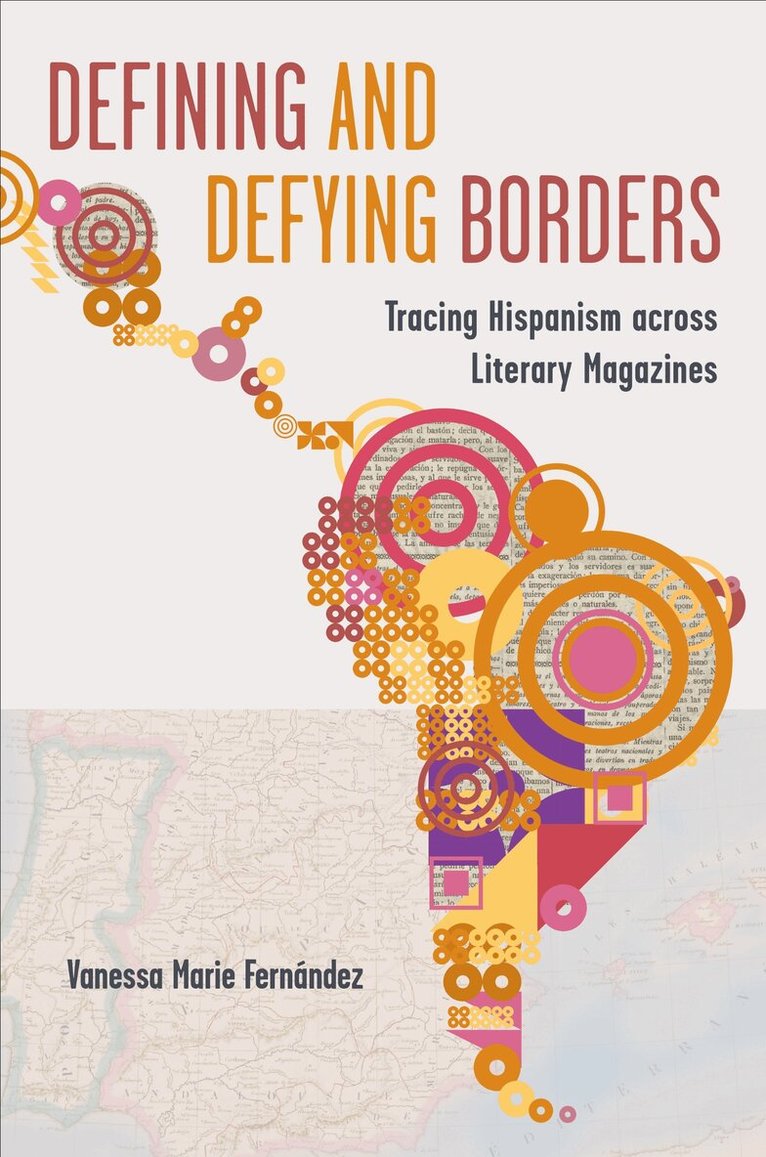
Tracing heated exchanges between Spanish and Latin American intellectuals that took place in journals, magazines, and newspapers in the early twentieth century, Defining and Defying Borders details how borders and boundaries were contested within a medium that simultaneously crossed borders and defined boundaries.
Vanessa Marie Fernández demonstrates that print media is an invaluable resource for scholars because it offers a nuanced perspective of the complex postcolonial relationship between Spain and Latin America that shaped aesthetic production within and beyond national boundaries. Presenting inclusive paradigms that are at once able to transcend borders, acknowledge national boundaries, and account for empire, Defining and Defying Borders illustrates that investigating journals, magazines, and newspapers is crucial to better understanding postcolonial literary and cultural production.
931 kr
Läs direkt efter köp
Tracing heated exchanges between Spanish and Latin American intellectuals that took place in journals, magazines, and newspapers in the early twentieth century, Defining and Defying Borders details how borders and boundaries were contested within a medium that simultaneously crossed borders and defined boundaries.
Vanessa Marie Fernández demonstrates that print media is an invaluable resource for scholars because it offers a nuanced perspective of the complex postcolonial relationship between Spain and Latin America that shaped aesthetic production within and beyond national boundaries. Presenting inclusive paradigms that are at once able to transcend borders, acknowledge national boundaries, and account for empire, Defining and Defying Borders illustrates that investigating journals, magazines, and newspapers is crucial to better understanding postcolonial literary and cultural production.
826 kr
Skickas inom 5-8 vardagar
1 001 kr
Läs direkt efter köp
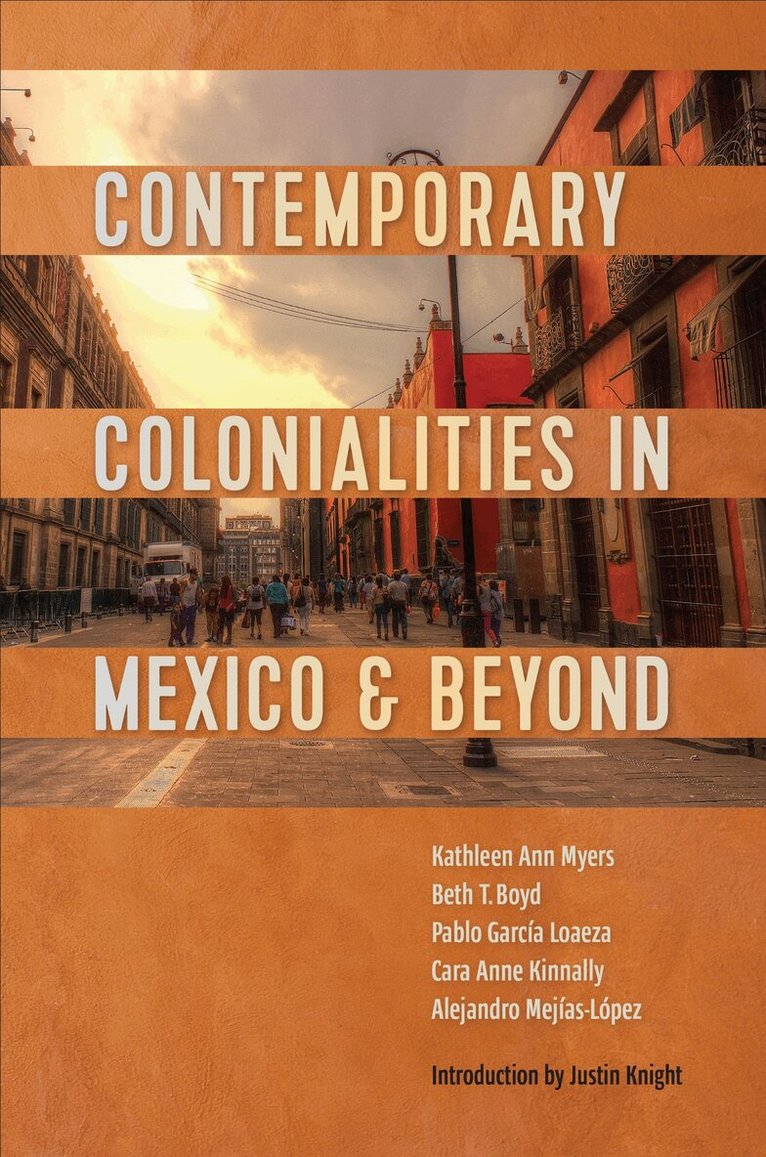
Contemporary Colonialities in Mexico and Beyond explores the changing dynamic of coloniality by focusing on how modern cultural products connect to the foundational structures of colonialism. The book examines how these structures have perpetuated discourses of racial, ethnic, gender, and social exclusion rooted in Mexico’s history. Given the intimate relationship between coloniality and modernity, the volume addresses three central questions: How does the Mexican colonial history influence the definition of Mexico from within and outside its borders? What issues rooted in coloniality recur over time and space? And finally, how do cultural products provide a concrete and tangible way of studying coloniality, its history, and its evolution?
The book analyses how literary works, movies, television series, and social media posts reconfigure colonial difference and spatialization. Supported by careful historical and cultural contextualization, these analyses will allow readers to appreciate contemporary Mexico vis-à-vis culture and borderland issues in the United States and debates on imperial memory in Spain. Ultimately, Contemporary Colonialities in Mexico and Beyond presents a handbook for readers looking to learn more about coloniality as a pervasive part of global interactions today.
822 kr
Skickas
872 kr
Skickas inom 5-8 vardagar