Mapping the World through Primary Documents – serie
Visar alla böcker i serien Mapping the World through Primary Documents. Handla med fri frakt och snabb leverans.
8 produkter
8 produkter
Inbunden, Engelska, 2018
1 343 kr
Skickas inom 10-15 vardagar
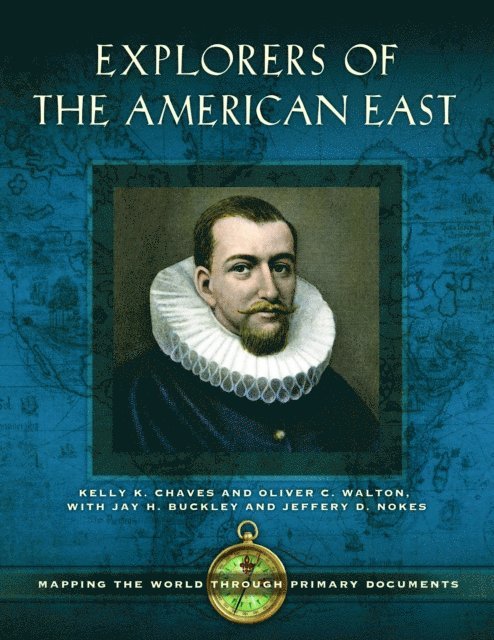
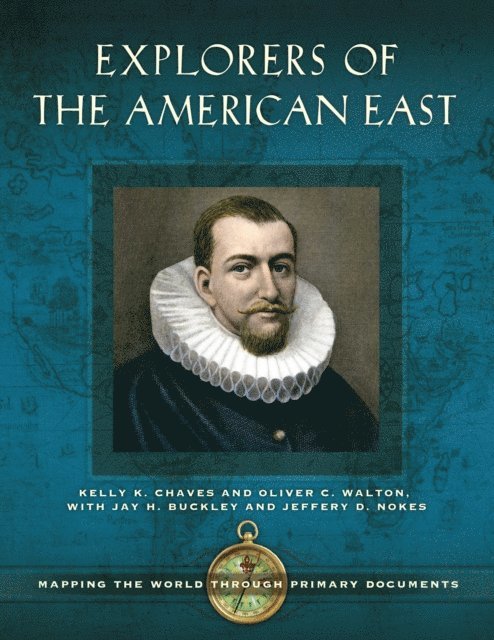
Focusing on ten key figures whose careers illuminate the history of the European exploration of North America, this book presents compelling first-person narratives that bring to life the challenges of historical scholarship in the academic classroom.Explorers of the American East: Mapping the World through Primary Documents covers 280 years of North American exploration and colonization efforts, ranging geographically from Florida to the Arctic. Arranged thematically and mononationally, the work focuses on a selection of 10 explorers who represent the changing course of North American exploration during the early modern period. The use of biography to narrate this history draws in readers and makes the work accessible to both a specialized and general audience. The dozens of primary source documents in this guided source reader span travel accounts, autobiographies, letters, official reports, memoirs, patents, and articles of agreement. This wide variety of primary sources serves to bring to life the failures and triumphs of exploring a newly discovered continent in the early modern period.This work focuses on ten explorers, including those who are well known, including John Cabot, John Smith, Jacques Cartier, and Samuel de Champlain, as well as discoverers who have slipped from our modern historical consciousness, such as George Waymouth, John Lawson, and J.F.W. Des Barres. The documents that narrate the voyages of these adventurers are arranged chronologically, vividly telling the story of historical events and presenting different voices to the reader. This variety of viewpoints serves to heighten readers' critical engagement with historical source material. The vast variety of primary source materials present students with the opportunity to read and engage critically with different types of historical documents, thereby growing their analytical skillsets.
E-bok
Engelska, 20181 473 kr
Läs direkt efter köp
Focusing on ten key figures whose careers illuminate the history of the European exploration of North America, this book presents compelling first-person narratives that bring to life the challenges of historical scholarship in the academic classroom.Explorers of the American East: Mapping the World through Primary Documents covers 280 years of North American exploration and colonization efforts, ranging geographically from Florida to the Arctic. Arranged thematically and mononationally, the work focuses on a selection of 10 explorers who represent the changing course of North American exploration during the early modern period. The use of biography to narrate this history draws in readers and makes the work accessible to both a specialized and general audience. The dozens of primary source documents in this guided source reader span travel accounts, autobiographies, letters, official reports, memoirs, patents, and articles of agreement. This wide variety of primary sources serves to bring to life the failures and triumphs of exploring a newly discovered continent in the early modern period.This work focuses on ten explorers, including those who are well known, including John Cabot, John Smith, Jacques Cartier, and Samuel de Champlain, as well as discoverers who have slipped from our modern historical consciousness, such as George Waymouth, John Lawson, and J.F.W. Des Barres. The documents that narrate the voyages of these adventurers are arranged chronologically, vividly telling the story of historical events and presenting different voices to the reader. This variety of viewpoints serves to heighten readers' critical engagement with historical source material. The vast variety of primary source materials present students with the opportunity to read and engage critically with different types of historical documents, thereby growing their analytical skillsets.
E-bok
Engelska, 20161 473 kr
Läs direkt efter köp
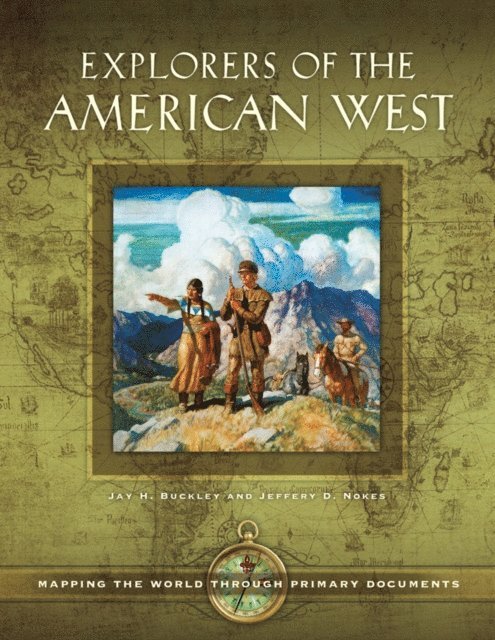
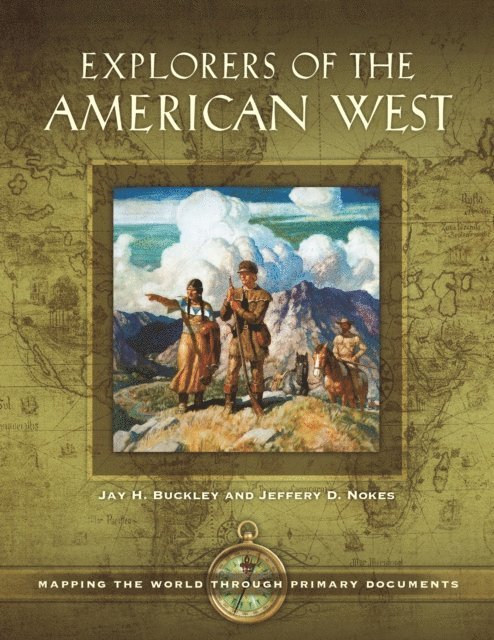
With original primary source documents, this anthology brings readers into the vast unknown 19th-century American West—through the eyes of the explorers who saw it for the first time.This volume brings together book excerpts, maps, and illustrations from 12 explorers from the 19th century, highlighting their lives and contributions. Arranged chronologically, the 10 chapters focus on individual explorers, with biographies and background information about and document excerpts from each person. The chapters offer analyses of each document's relevance to the historical period, geographic knowledge, and cultural perspective. This guide shares the important contributions from explorers like Lewis and Clark, Zebulon Pike, Jedediah Smith, James P. Beckwourth, John C. Fremont, Susan Magoffin, and John Wesley Powell. It also nurtures readers' historical literacy by modeling historians' methods of analyzing primary sources. Readers will see new and familiar events from different perspectives, including that of a woman traveling along the Santa Fe Trail, one of the most famous African American mountain men, and a Civil War veteran, among many others.
Inbunden, Engelska, 2016
1 504 kr
Skickas inom 10-15 vardagar
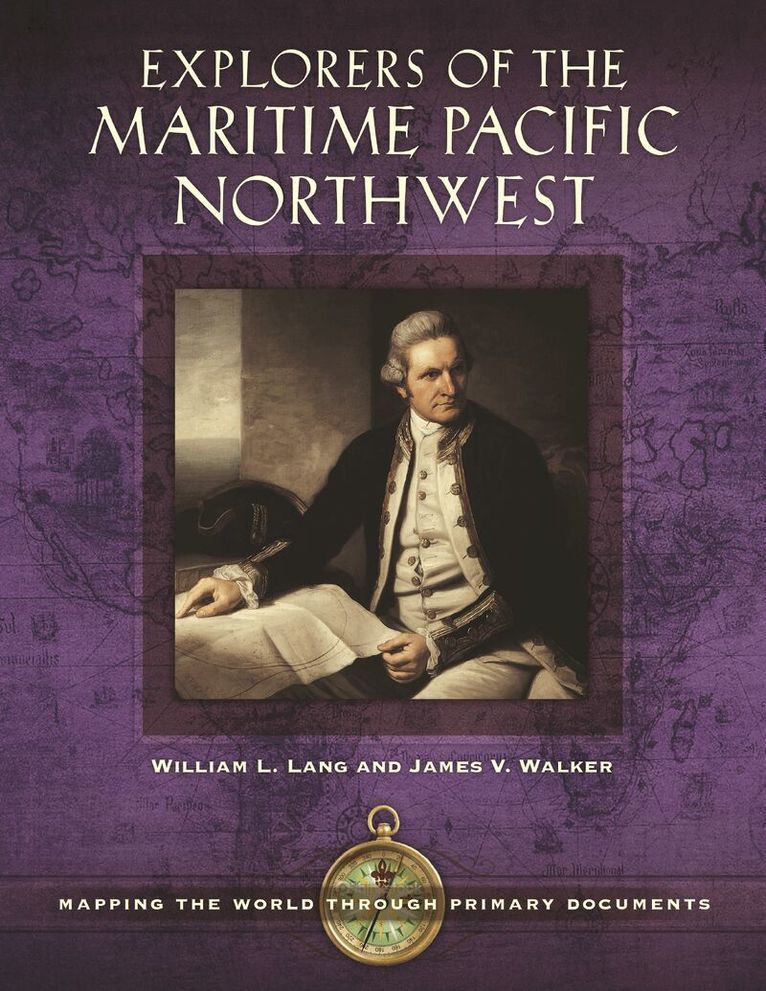
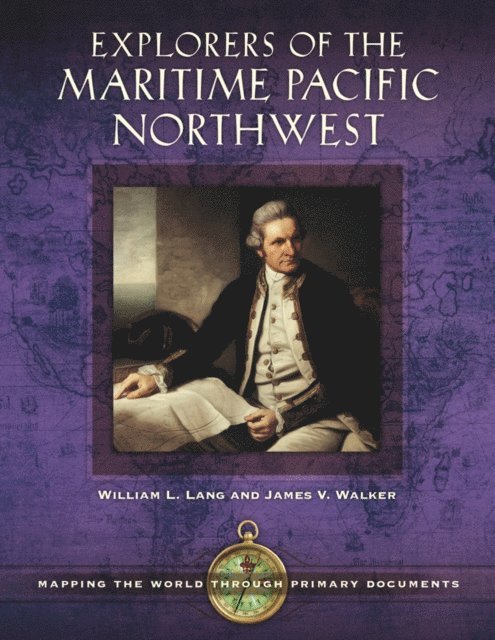
Covering the adventures of coastal and ocean explorers who made key discoveries and landmark observations from northern California up the coastline to Alaska during the mid-1700s to the early 1800s, this anthology of primary source journal entries, book excerpts, maps, and drawings enables readers to "discover" the Northwest Coast for themselves.More than 200 years ago, explorers traveled from Central America, Russia, and even Europe to explore the coastline of the American Pacific Northwest, with goals of developing new trade routes, claiming territory for their home countries, expanding their fur trade, or exploring in the name of scientific discovery. This book will take readers to the decks of the great ships and along for the adventures of legendary explorers, such as James Cook, Alejandro Malaspina, and George Vancouver.This book collects primary source materials such as journal entries, book excerpts, maps, and drawings that document how explorers first experienced the unknown Pacific Northwest coast, as seen through the eyes of non-native people. Readers will learn how explorers such as Vitus Bering and Robert Gray used the full extent of their powers of observation to record the landscape, animals, and plants they witnessed as well as their interactions with indigenous peoples during their search for the mythic Northwest Passage. The book also explains how the maritime explorers of this period mapped the remote regions of the Northwest Coast, working without the benefit of modern technology and relying instead on their knowledge of a range of sciences, mathematics, and seamanship—in addition to their ability to endure harsh and dangerous conditions—to produce exceptionally detailed maps.
E-bok
Engelska, 20161 654 kr
Läs direkt efter köp
Covering the adventures of coastal and ocean explorers who made key discoveries and landmark observations from northern California up the coastline to Alaska during the mid-1700s to the early 1800s, this anthology of primary source journal entries, book excerpts, maps, and drawings enables readers to "discover" the Northwest Coast for themselves.More than 200 years ago, explorers traveled from Central America, Russia, and even Europe to explore the coastline of the American Pacific Northwest, with goals of developing new trade routes, claiming territory for their home countries, expanding their fur trade, or exploring in the name of scientific discovery. This book will take readers to the decks of the great ships and along for the adventures of legendary explorers, such as James Cook, Alejandro Malaspina, and George Vancouver.This book collects primary source materials such as journal entries, book excerpts, maps, and drawings that document how explorers first experienced the unknown Pacific Northwest coast, as seen through the eyes of non-native people. Readers will learn how explorers such as Vitus Bering and Robert Gray used the full extent of their powers of observation to record the landscape, animals, and plants they witnessed as well as their interactions with indigenous peoples during their search for the mythic Northwest Passage. The book also explains how the maritime explorers of this period mapped the remote regions of the Northwest Coast, working without the benefit of modern technology and relying instead on their knowledge of a range of sciences, mathematics, and seamanship—in addition to their ability to endure harsh and dangerous conditions—to produce exceptionally detailed maps.
E-bok
Engelska, 20181 486 kr
Läs direkt efter köp
Focusing on ten key figures whose careers illuminate the history of the European exploration of North America, this book presents compelling first-person narratives that bring to life the challenges of historical scholarship in the academic classroom.Explorers of the American East: Mapping the World through Primary Documents covers 280 years of North American exploration and colonization efforts, ranging geographically from Florida to the Arctic. Arranged thematically and mononationally, the work focuses on a selection of 10 explorers who represent the changing course of North American exploration during the early modern period. The use of biography to narrate this history draws in readers and makes the work accessible to both a specialized and general audience. The dozens of primary source documents in this guided source reader span travel accounts, autobiographies, letters, official reports, memoirs, patents, and articles of agreement. This wide variety of primary sources serves to bring to life the failures and triumphs of exploring a newly discovered continent in the early modern period.This work focuses on ten explorers, including those who are well known, including John Cabot, John Smith, Jacques Cartier, and Samuel de Champlain, as well as discoverers who have slipped from our modern historical consciousness, such as George Waymouth, John Lawson, and J.F.W. Des Barres. The documents that narrate the voyages of these adventurers are arranged chronologically, vividly telling the story of historical events and presenting different voices to the reader. This variety of viewpoints serves to heighten readers' critical engagement with historical source material. The vast variety of primary source materials present students with the opportunity to read and engage critically with different types of historical documents, thereby growing their analytical skillsets.
E-bok
Engelska, 20161 429 kr
Läs direkt efter köp
With original primary source documents, this anthology brings readers into the vast unknown 19th-century American West—through the eyes of the explorers who saw it for the first time.This volume brings together book excerpts, maps, and illustrations from 12 explorers from the 19th century, highlighting their lives and contributions. Arranged chronologically, the 10 chapters focus on individual explorers, with biographies and background information about and document excerpts from each person. The chapters offer analyses of each document's relevance to the historical period, geographic knowledge, and cultural perspective. This guide shares the important contributions from explorers like Lewis and Clark, Zebulon Pike, Jedediah Smith, James P. Beckwourth, John C. Fremont, Susan Magoffin, and John Wesley Powell. It also nurtures readers' historical literacy by modeling historians' methods of analyzing primary sources. Readers will see new and familiar events from different perspectives, including that of a woman traveling along the Santa Fe Trail, one of the most famous African American mountain men, and a Civil War veteran, among many others.
E-bok
Engelska, 20161 654 kr
Läs direkt efter köp
Covering the adventures of coastal and ocean explorers who made key discoveries and landmark observations from northern California up the coastline to Alaska during the mid-1700s to the early 1800s, this anthology of primary source journal entries, book excerpts, maps, and drawings enables readers to "discover" the Northwest Coast for themselves.More than 200 years ago, explorers traveled from Central America, Russia, and even Europe to explore the coastline of the American Pacific Northwest, with goals of developing new trade routes, claiming territory for their home countries, expanding their fur trade, or exploring in the name of scientific discovery. This book will take readers to the decks of the great ships and along for the adventures of legendary explorers, such as James Cook, Alejandro Malaspina, and George Vancouver.This book collects primary source materials such as journal entries, book excerpts, maps, and drawings that document how explorers first experienced the unknown Pacific Northwest coast, as seen through the eyes of non-native people. Readers will learn how explorers such as Vitus Bering and Robert Gray used the full extent of their powers of observation to record the landscape, animals, and plants they witnessed as well as their interactions with indigenous peoples during their search for the mythic Northwest Passage. The book also explains how the maritime explorers of this period mapped the remote regions of the Northwest Coast, working without the benefit of modern technology and relying instead on their knowledge of a range of sciences, mathematics, and seamanship—in addition to their ability to endure harsh and dangerous conditions—to produce exceptionally detailed maps.