Martial Arts Studies - Böcker
Visar alla böcker i serien Martial Arts Studies. Handla med fri frakt och snabb leverans.
10 produkter
10 produkter
1 142 kr
Skickas inom 10-15 vardagar
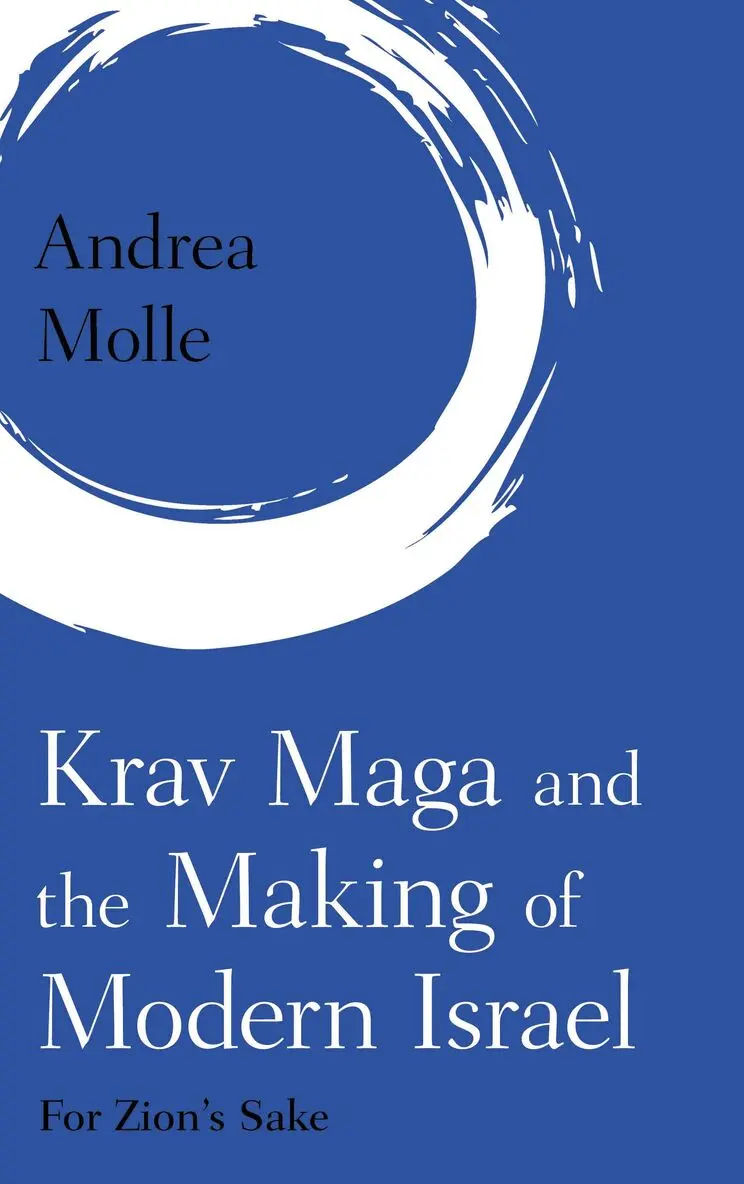
This book examines the profound interplay of martial arts, combative, and self-defense disciplines with nationalism and ethno-religious politics through the analysis of Zionism, the birth of the State of Israel, antisemitism, and the life of the contemporary Jewish Diaspora in the United States. It connects martial arts studies and political science, spearheading the new field of political hoplology. Focusing on the complex formative process of national communities, their growth, resilience, and consequences for the individuals, Krav Maga and the Making of Modern Israel presents the unique case of Krav Maga (literally hand to hand combat), a self-defense system developed between the late nineteenth and early twentieth centuries, which is now considered a staple of Israeli culture and a prime self-defense practice. Through its chapters, the book provides strong evidence supporting the idea that physical violence is indeed needed as a unifying experience to allow national communities to emerge and thrive. Furthermore, it examines the growing importance of violence for modern democratic societies and suggests the existence of a “gladiatorial effect,” or the need for a certain level of violence to exist to maintain a harmonious, stable, and cooperative society.
488 kr
Skickas inom 10-15 vardagar
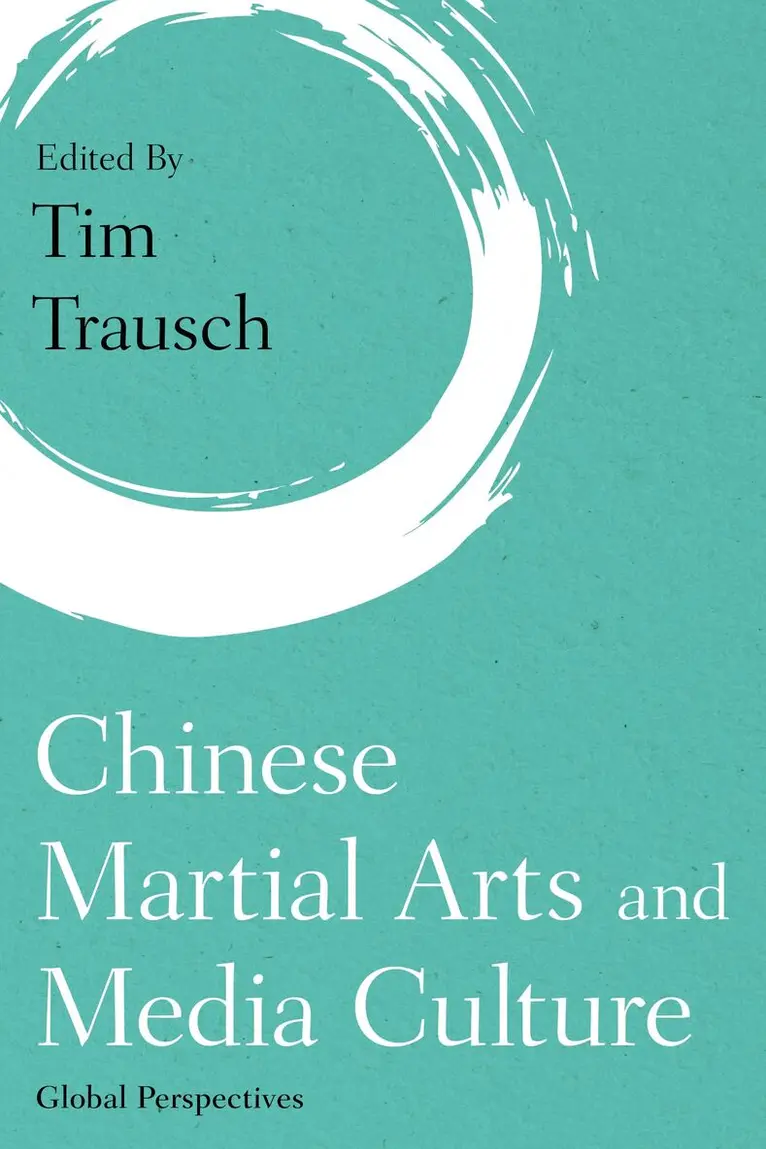
Signs and images of Chinese martial arts increasingly circulate through global media cultures. As tropes of martial arts are not restricted to what is considered one medium, one region, or one (sub)genre, the essays in this collection are looking across and beyond these alleged borders. From 1920s wuxia cinema to the computer game cultures of the information age, they trace the continuities and transformations of martial arts and media culture across time, space, and multiple media platforms.
1 476 kr
Skickas inom 10-15 vardagar
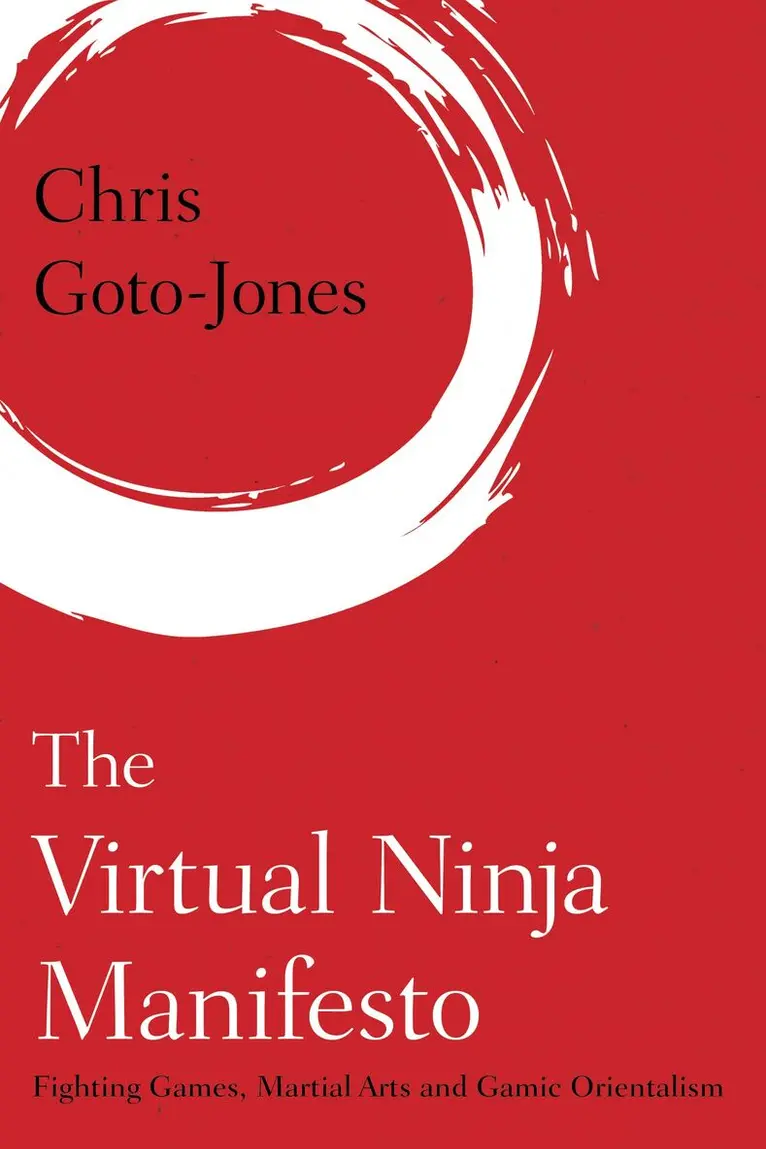
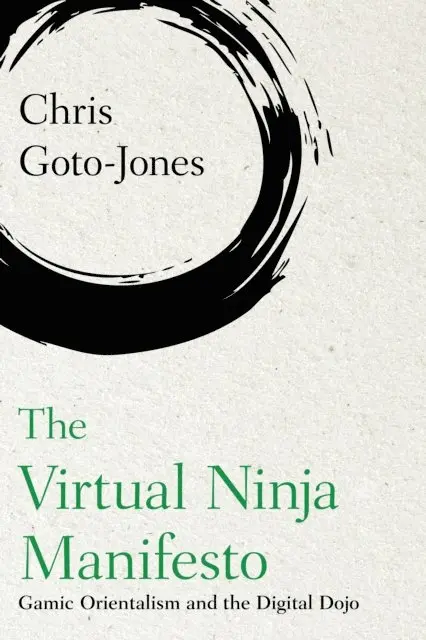
Navigating between society’s moral panics about the influence of violent videogames and philosophical texts about self-cultivation in the martial arts, The Virtual Ninja Manifesto asks whether the figure of the ‘virtual ninja’ can emerge as an aspirational figure in the twenty-first century. Engaging with the literature around embodied cognition, Zen philosophy and techno-Orientalism it argues that virtual martial arts can be reconstructed as vehicles for moral cultivation and self-transformation. It argues that the kind of training required to master videogames approximates the kind of training described in Zen literature on the martial arts. Arguing that shift from the actual dojo to a digital dojo represents only a change in the technological means of practice, it offers a new manifesto for gamers to signify their gaming practice. Moving beyond perennial debates about the role of violence in videogames and the manipulation of moral choices in gamic environments it explores the possibility that games promote and assess spiritual development.
501 kr
Skickas inom 10-15 vardagar
Navigating between society’s moral panics about the influence of violent videogames and philosophical texts about self-cultivation in the martial arts, The Virtual Ninja Manifesto asks whether the figure of the ‘virtual ninja’ can emerge as an aspirational figure in the twenty-first century. Engaging with the literature around embodied cognition, Zen philosophy and techno-Orientalism it argues that virtual martial arts can be reconstructed as vehicles for moral cultivation and self-transformation. It argues that the kind of training required to master videogames approximates the kind of training described in Zen literature on the martial arts. Arguing that shift from the actual dojo to a digital dojo represents only a change in the technological means of practice, it offers a new manifesto for gamers to signify their gaming practice. Moving beyond perennial debates about the role of violence in videogames and the manipulation of moral choices in gamic environments it explores the possibility that games promote and assess spiritual development.
1 808 kr
Skickas inom 10-15 vardagar
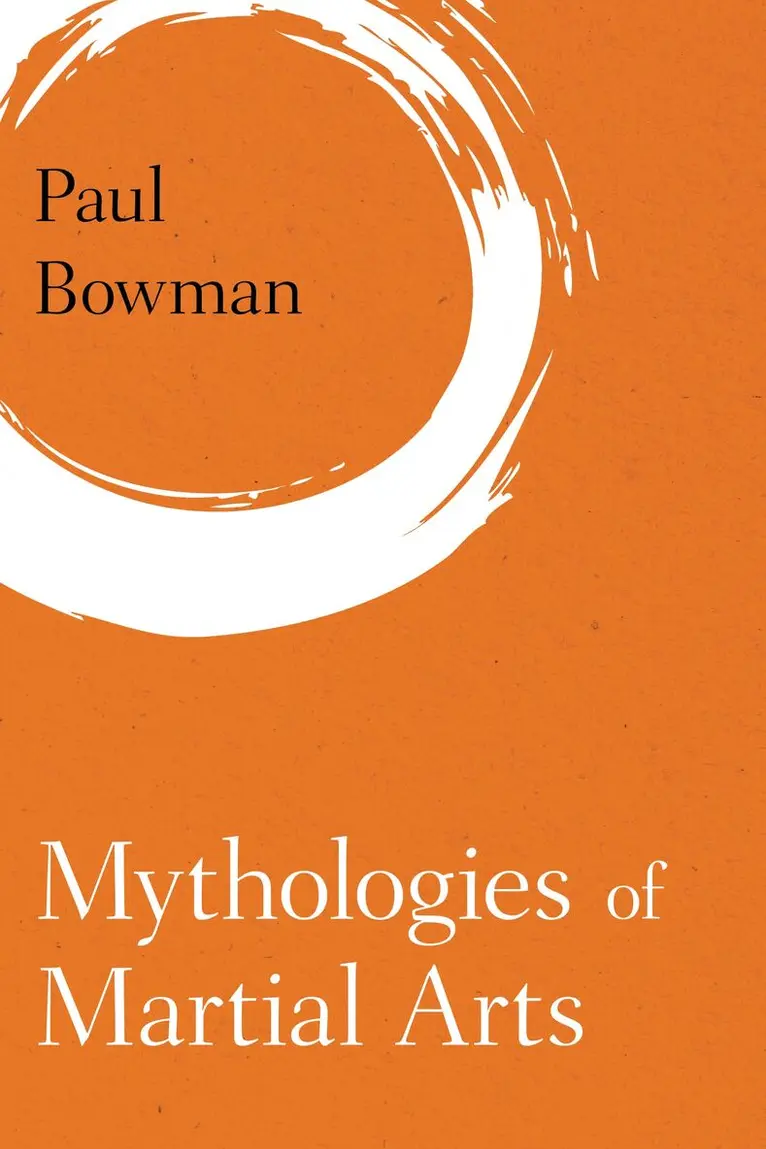
What do martial arts signify today? What do they mean for East-West cross cultural exchanges? How does the representation of martial arts in popular culture impact on the wide world? What is authentic practice? What does it all mean?From Kung Fu to Jiujitsu and from Bruce Lee to The Karate Kid, Mythologies of Martial Arts explores the key myths and ideologies in martial arts in contemporary popular culture. The book combines the author’s practical, professional and academic experience of martial arts to offer new insights into this complex, contradictory world. Inspired by the work of Roland Barthes in Mythologies, the book focusses on the signs, signifiers and practices of martial arts globally. Bringing together cultural studies, film studies, media studies, postcolonial studies with the emerging field of martial arts studies the book explores the broader significance of martial arts in global culture. Using an accessible yet theoretically sophisticated style the book is ideal for students, scholars and anyone interested in any type of martial art.
631 kr
Skickas inom 10-15 vardagar
What do martial arts signify today? What do they mean for East-West cross cultural exchanges? How does the representation of martial arts in popular culture impact on the wide world? What is authentic practice? What does it all mean?From Kung Fu to Jiujitsu and from Bruce Lee to The Karate Kid, Mythologies of Martial Arts explores the key myths and ideologies in martial arts in contemporary popular culture. The book combines the author’s practical, professional and academic experience of martial arts to offer new insights into this complex, contradictory world. Inspired by the work of Roland Barthes in Mythologies, the book focusses on the signs, signifiers and practices of martial arts globally. Bringing together cultural studies, film studies, media studies, postcolonial studies with the emerging field of martial arts studies the book explores the broader significance of martial arts in global culture. Using an accessible yet theoretically sophisticated style the book is ideal for students, scholars and anyone interested in any type of martial art.
1 833 kr
Skickas inom 10-15 vardagar
A decade ago, the question was ‘could martial arts ever be studied academically?’ Today we are witnessing the global emergence and rapid proliferation of Martial Arts Studies – an exciting and dynamic new field that studies all aspects of martial arts in culture, history, and society. In recent years there have been a proliferation of studies of martial arts and race, gender, class, nation, ethnicity, identity, culture, politics, history, economics, film, media, art, philosophy, gaming, education, embodiment, performance, technology and many other matters. Given the diversity of topics and approaches, the question for new students and researchers is one of how to orientate oneself and gain awareness of the richness and diversity of the field, make sense of different styles of academic approach, and organise one’s own study, research and writing.The Martial Arts Studies Reader answers this need, by bringing together pioneers of the field and scholars at its cutting edges to offer authoritative and accessible insights into its key concerns and areas. Each chapter introduces and sets out an approach to and a route through a key issue in a specific area of martial arts studies. Taken together or in isolation, the chapters offer stimulating and exciting insights into this fascinating research area. In this way, The Martial Arts Studies Reader offers the first authoritative field-defining overview of the global and multidisciplinary phenomena of martial arts and martial arts studies.
675 kr
Skickas inom 10-15 vardagar
A decade ago, the question was ‘could martial arts ever be studied academically?’ Today we are witnessing the global emergence and rapid proliferation of Martial Arts Studies – an exciting and dynamic new field that studies all aspects of martial arts in culture, history, and society. In recent years there have been a proliferation of studies of martial arts and race, gender, class, nation, ethnicity, identity, culture, politics, history, economics, film, media, art, philosophy, gaming, education, embodiment, performance, technology and many other matters. Given the diversity of topics and approaches, the question for new students and researchers is one of how to orientate oneself and gain awareness of the richness and diversity of the field, make sense of different styles of academic approach, and organise one’s own study, research and writing.The Martial Arts Studies Reader answers this need, by bringing together pioneers of the field and scholars at its cutting edges to offer authoritative and accessible insights into its key concerns and areas. Each chapter introduces and sets out an approach to and a route through a key issue in a specific area of martial arts studies. Taken together or in isolation, the chapters offer stimulating and exciting insights into this fascinating research area. In this way, The Martial Arts Studies Reader offers the first authoritative field-defining overview of the global and multidisciplinary phenomena of martial arts and martial arts studies.
632 kr
Skickas
Signs and images of Chinese martial arts increasingly circulate through global media cultures. As tropes of martial arts are not restricted to what is considered one medium, one region, or one (sub)genre, the essays in this collection are looking across and beyond these alleged borders. From 1920s wuxia cinema to the computer game cultures of the information age, they trace the continuities and transformations of martial arts and media culture across time, space, and multiple media platforms.
1 476 kr
Skickas inom 10-15 vardagar
This imaginative and innovative study by Daniel Miles Amos, begun in 1976 and completed in 2020, examines sociocultural changes in the practices of Chinese martial artists in two closely related and interconnected southern Chinese cities, Hong Kong and Guangzhou. The initial chapters of the book compare how sociocultural changes from World War II to the mid-1980s affected the practices of Chinese martial artists in the British Crown Colony of Hong Kong and neighboring Guangzhou in mainland China. An analysis is made of how the practices of Chinese martial artists have been influenced by revolutionary sociocultural changes in both cities. In Guangzhou, the victory of the Chinese Communist Party lead to the disappearance in the early 1950s of secret societies and kungfu brotherhoods. Kungfu brotherhoods reappeared during the Cultural Revolution, and subsequently were transformed again after the death of Mao Zedong, and China’s opening to capitalism. In Hong Kong, dramatic sociocultural changes were set off by the introduction of manufacturing production lines by international corporations in the mid-1950s, and the proliferation of foreign franchises and products. Economic globalization in Hong Kong has led to dramatic increases both in the territory’s Gross Domestic Product and in cultural homogenization, with corresponding declines in many local traditions and folk cultures, including Chinese martial arts. The final chapters of the book focus on changes in the practices of Chinese martial arts in Hong Kong from the years 1987 to 2020, a period which includes the last decade of British colonial administration, as well as the first quarter of a century of rule by the Chinese government.