New Approaches to Anthropological Archaeology - Böcker
Visar alla böcker i serien New Approaches to Anthropological Archaeology. Handla med fri frakt och snabb leverans.
5 produkter
5 produkter
3 126 kr
Skickas inom 5-8 vardagar
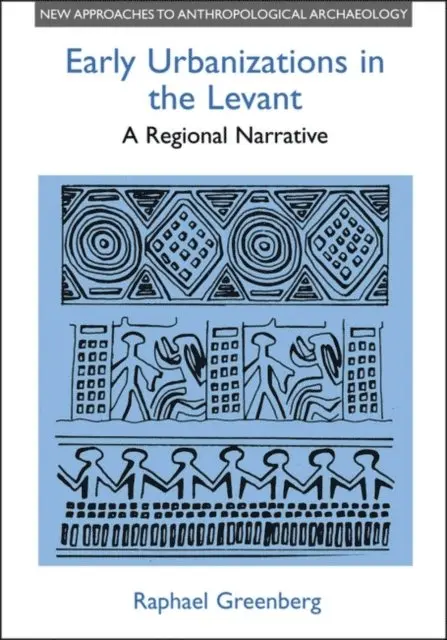
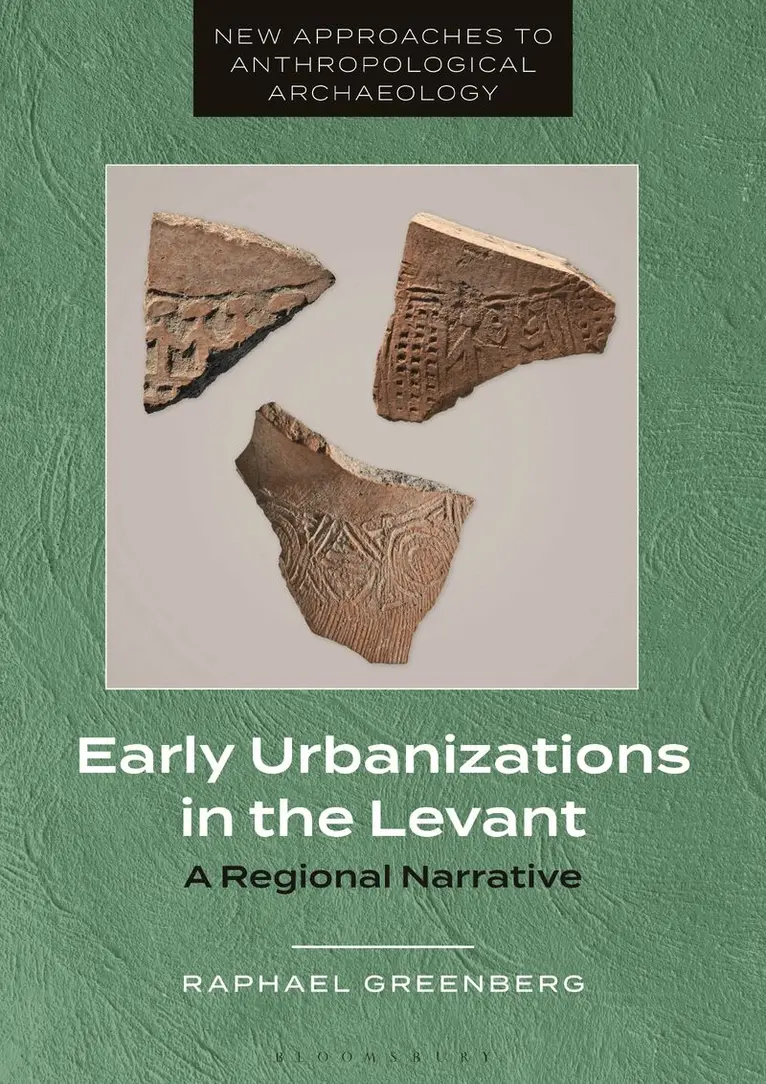
Early Urbanizations in the Levant examines the first cycle of urbanization, collapse and reurbanization in the 4th-2nd millennium BCE Levant. The core of the study is a detailed analysis of settlement fluctuations and material culture development in the Hula Valley, at the crossroads between modern Israel, Syria and Lebanon. Focusing on field data and a close reading of the material text, the book emphasizes the variety exhibited in patterns of cultural and social change when small, densely settled regions are carefully scrutinized. Using the concepts of time-space edges and shifting loci of power, the study suggests new scenarios to explain changes in the regional archaeological record, and considers the implications these have for existing reconstructions of social evolution in the larger region. The Levant is shown to be composed of a fluid mosaic of polities that moved along multiple, if often parallel, paths towards and away from complexity. This book should be of interest to anyone studying the archaeology of early state formation in the Near East, particularly in areas of asecondaryAe urbanization - Palestine, Syria and Anatolia.With its detailed consideration of settlement patterns and ceramic production, it is also indispensable for the study of the early history of the two major sites in the area, Tel Dan and Tel Hazor, being the first attempt to integrate the results of excavations at these sites with the information obtained in archaeological surveys of the valley which sustained them.
4 996 kr
Skickas inom 10-15 vardagar
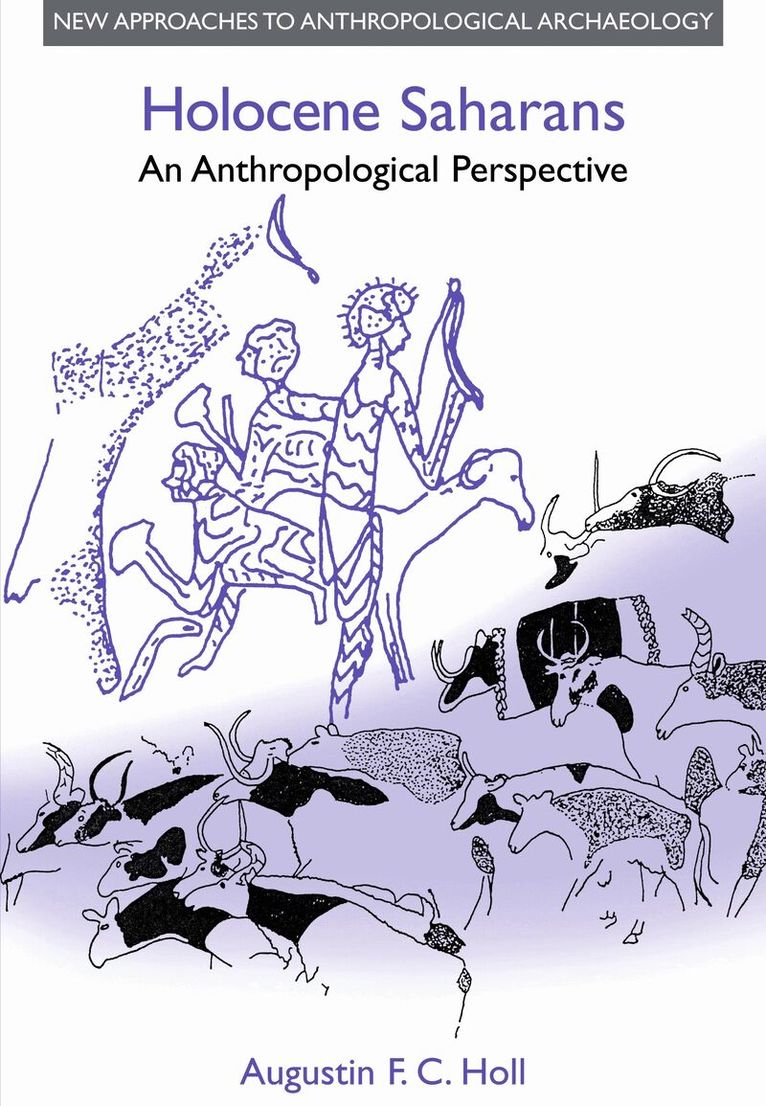
This book addresses issues of continuity and change in past life-ways as well as radical shifts in techniques, innovation and achievements of the Saharan people during the Holocene period, the last 10,000 years. The project is accomplished through a series of precise case studies, each addressing a topical space-time problem. The key pre-occupation linking the case studies is a concern with the replicability of research protocols and the testability of suggested results. The anthropological perspective advocated in this book is anchored on the investigation of dynamic processes that have shaped the archaeological record and the evolution of past Saharan societies. The approach is a broad one and does not focus exclusively on any one of the many conflicting approaches currently debated by archaeologists. Theoretical issues are systematically woven with the empirical record and consistently tested, supported or refuted with hard archaeological facts.
Neanderthals in the Levant
Behavioural Organization and the Beginnings of Human Modernity
Häftad, Engelska, 2023
447 kr
Skickas inom 10-15 vardagar
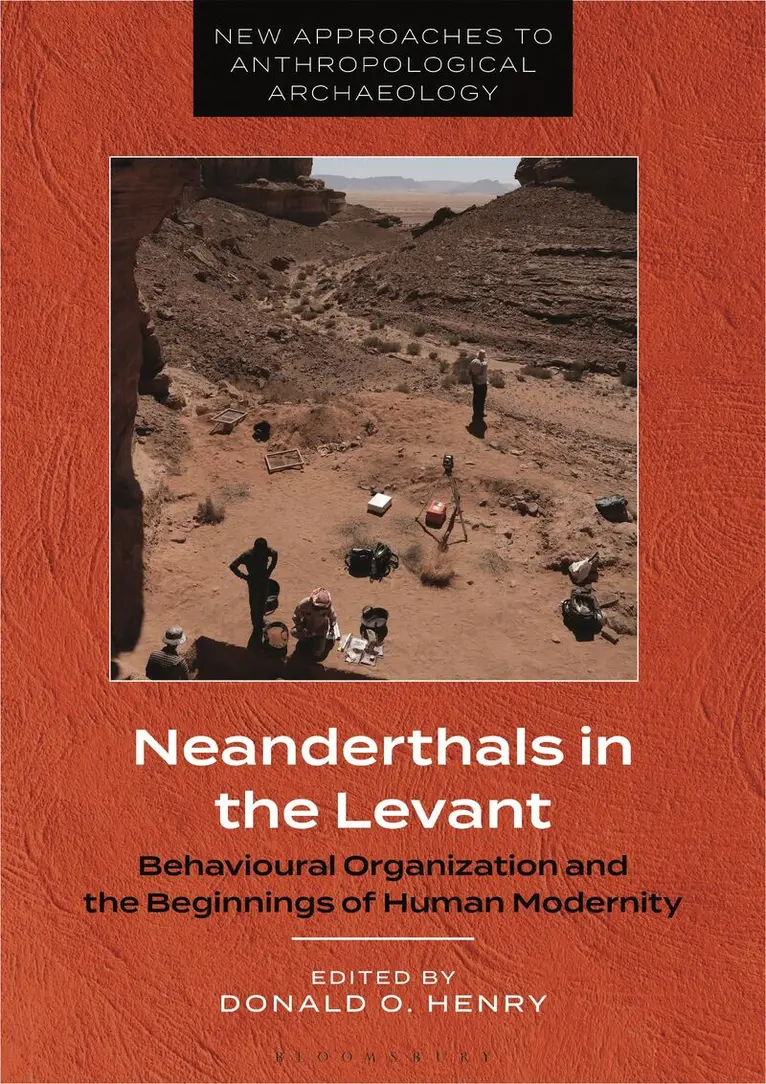
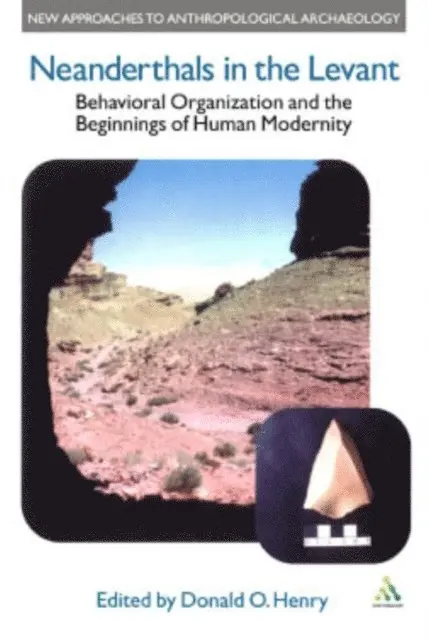
This significant contribution to scholarship on the Middle Paleolithic, now reissued with a new preface, traces the controversy that revolves around the bio-cultural relationships of Archaic (Neanderthal) and Modern humans at global and regional, Levantine scales. The focus of the book is on understanding the degree to which the behavioral organization of Archaic groups differed from Moderns. To this end, a case study is presented for a 44-70,000 year old, Middle Paleolithic occupation of a Jordanian rockshelter. The research, centering on the spatial analysis of artifacts, hearths and related data, reveals how the Archaic occupants of the shelter structured their activities and placed certain conceptual labels on different parts of the site. The structure of Tor Faraj is compared to site structures defined for modern foragers, in both ethnographic and archaeological contexts, to measure any differences in behavioral organization.The comparisons show very similar structures for Tor Faraj and its modern cohorts, and the implications of this finding challenge prevailing views that Archaic groups had inferior cognition and less complex behavioral-social organization than modern foragers. The study also calls into question the contention that such behaviors only emerged after the appearance of the Upper Paleolithic, dated some 10-20,000 years later than the occupation of Tor Faraj.
434 kr
Skickas inom 10-15 vardagar
The apparent timelessness of the Dreaming of Aboriginal Australia has long mystified European observers, conjuring images of an ancient people in harmony with their surroundings. It may come as a surprise, therefore, that the Dreaming's historical antiquity had never been explored by archaeologists prior to this study. In this seminal text in rock-art research, now reissued with a new preface, Bruno David examines the archaeological evidence for Dreaming-mediated places, rituals and symbolism. What emerges is not a static culture, but a mode of conceiving the world that emerged in its recognizable form only about 1,000 years ago. This is a world of what the philosopher Hans-Georg Gadamer has called pre-understanding, a condition of knowledge that shapes one's experience of the world. By tracing through time the archaeological visibility of one well known mode of pre-understanding - the Dreaming of Aboriginal Australia - the author argues that it is possible to scientifically explore an archaeology of pre-understanding; of body and mind, identity and Being-in-the-world.
447 kr
Skickas inom 10-15 vardagar
This critical examination of the first cycle of urbanization, collapse and reurbanization in the 4th-2nd millennium BCE Levant is now reissued with a new preface reflecting on developments in research since its first publication. The core of the study is a detailed analysis of settlement fluctuations and material culture development in the Hula Valley, at the crossroads between modern Israel, Syria and Lebanon. Focusing on field data and a close reading of the material text, the book emphasizes the variety exhibited in patterns of cultural and social change when small, densely settled regions are carefully scrutinized. Using the concepts of time-space edges and shifting loci of power, the study suggests new scenarios to explain changes in the regional archaeological record, and considers the implications these have for existing reconstructions of social evolution in the larger region. The Levant is shown to be composed of a fluid mosaic of polities that moved along multiple, if often parallel, paths towards and away from complexity. This book is for anyone studying the archaeology of early state formation in the Near East, particularly in areas of secondary urbanization - Palestine, Syria and Anatolia. With its detailed consideration of settlement patterns and ceramic production, it is also indispensable for the study of the early history of the two major sites in the area, Tel Dan and Tel Hazor, being the first attempt to integrate the results of excavations at these sites with the information obtained in archaeological surveys of the valley which sustained them.