Augustin F.C. Holl - Böcker
Visar alla böcker från författaren Augustin F.C. Holl. Handla med fri frakt och snabb leverans.
3 produkter
3 produkter
590 kr
Tillfälligt slut
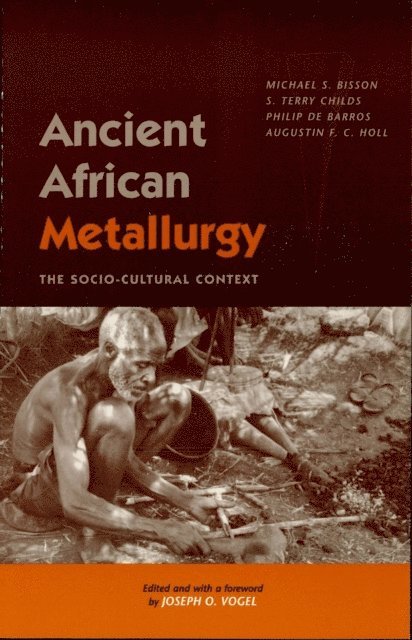
Gold. Copper. Iron. Metal working in Africa has been the subject of both public lore and extensive archaeological investigation. Here, four of the leading contemporary researchers on this topic attempt to provide a complete synthesis of current debates and understandings: Where, how, and when was metal first introduced to the continent? How were iron and copper tools, implements, and objects used in everyday life, in trade, in political and cultural contexts? What role did metal objects play in the ideological systems of precolonial African peoples? Substantive chapters address the origins of metal working and the technology and the various uses and meanings of copper and iron. An ethnoarchaeological account in the words of a contemporary iron worker enriches the archaeological explanations. This book provides a comprehensive, timely summary of our current knowledge.
1 393 kr
Tillfälligt slut
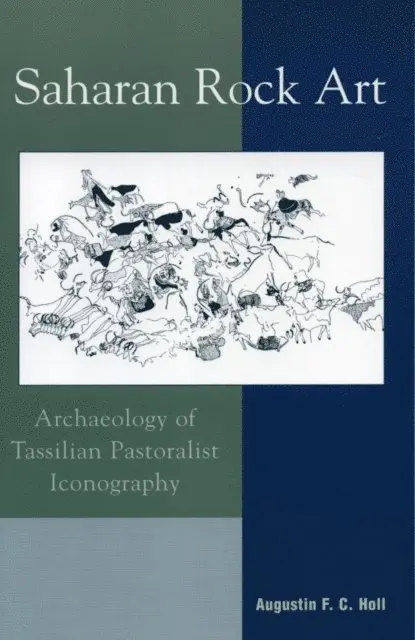
The Neolithic rock images of Iheren, Algeria are the starting point for Augustin Holl's careful analysis of the iconography of Saharan rock art. Created in the third millennium B.C., the Iheren murals are over 3 meters wide and contain multiple compositions that present an allegorical depiction of the lifeways of Tassilian pastoralists in the Sahara. Holl approaches his task as an archaeologist, examining the various strands of evidence—icons, ideas, motifs, colors, and sizes-and weaving them together into a story that offers a window on the pastoralist worldview through the semiotics of their art. His deconstruction and synthesis of this corpus of material should be of interest to African archaeologists, rock art specialists, art historians, and cultural anthropologists alike.
4 996 kr
Skickas inom 10-15 vardagar
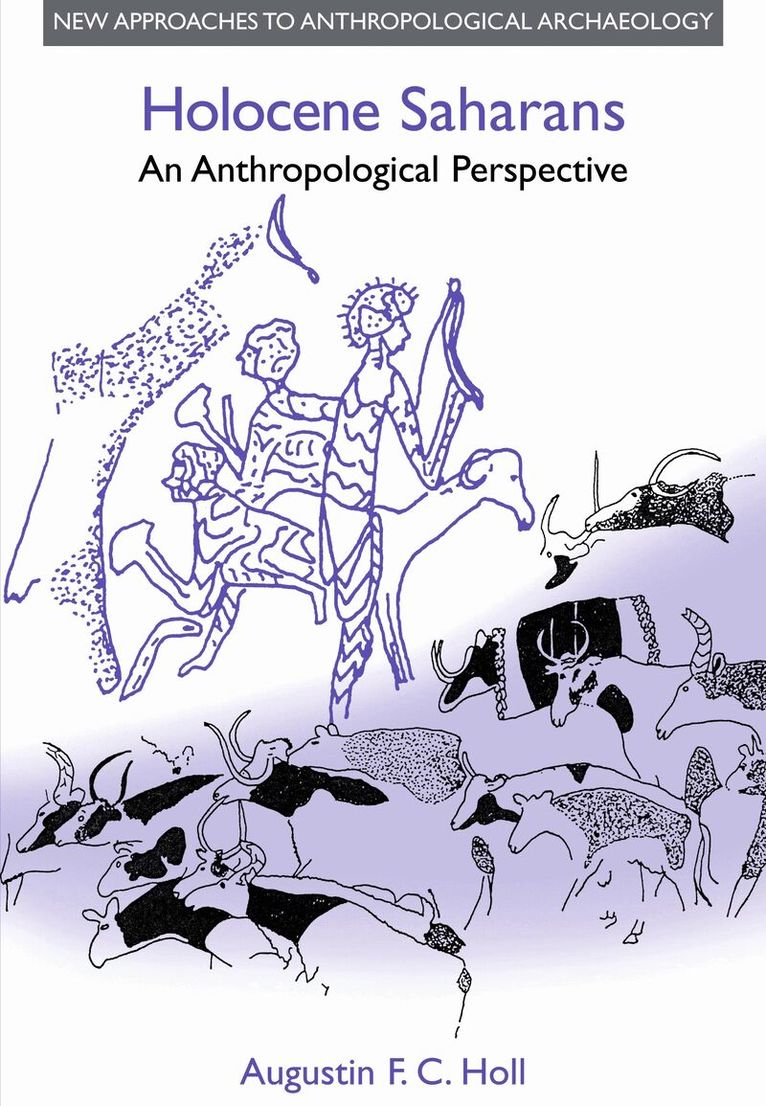
This book addresses issues of continuity and change in past life-ways as well as radical shifts in techniques, innovation and achievements of the Saharan people during the Holocene period, the last 10,000 years. The project is accomplished through a series of precise case studies, each addressing a topical space-time problem. The key pre-occupation linking the case studies is a concern with the replicability of research protocols and the testability of suggested results. The anthropological perspective advocated in this book is anchored on the investigation of dynamic processes that have shaped the archaeological record and the evolution of past Saharan societies. The approach is a broad one and does not focus exclusively on any one of the many conflicting approaches currently debated by archaeologists. Theoretical issues are systematically woven with the empirical record and consistently tested, supported or refuted with hard archaeological facts.