New Geographies of Europe – serie
Visar alla böcker i serien New Geographies of Europe. Handla med fri frakt och snabb leverans.
6 produkter
6 produkter
Inbunden, Engelska, 2015
1 091 kr
Skickas inom 10-15 vardagar
This book presents a multifaceted perspective on regional development and corresponding processes of adaptation and response, focusing on the concepts of polarization and peripheralization. It discusses theoretical and empirical foundations and presents several compelling case studies from Central and Eastern Europe and beyond.
Inbunden, Engelska, 2016
549 kr
Skickas inom 10-15 vardagar
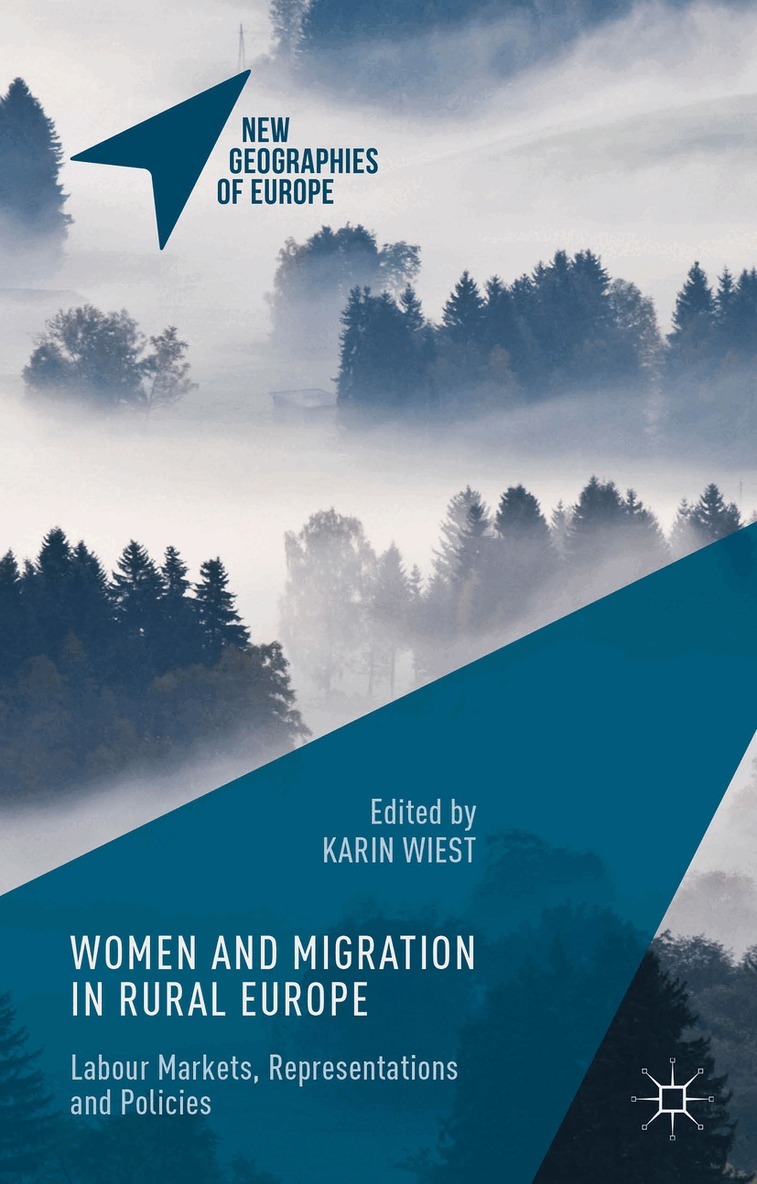
Fundamental societal changes in the globalising European countryside impact women's migration decisions. The chapters in this volume represent diverse attempts to explain women's movements from rural areas, taking prevailing labour market conditions as well as gender relations into account. Utilising empirical findings from countries including Austria, Germany, Hungary, Poland, Romania and Spain, this collection particularly aims to build bridges between research following the 'cultural turn' and functionalist explanations which refer to material and practiced ruralities. The international range of contributors to Women and Migration in Rural Europe focus on societal constructions of gender and rurality, and in doing so, address various female perspectives on rural life. The analysis of the different working and living conditions in different parts of rural Europe reveals distinct obstacles but also prospects for young women. Importantly, the book includes policy implications withrespect to the challenges of demographic change, questions of gender equality and women's contribution to rural development.
Inbunden, Engelska, 2016
1 091 kr
Skickas inom 10-15 vardagar
This book assesses the instruments and measures geared towards determining the EU's relations with it's neighbours. These are channelled on the one hand by the enlargement policy focusing on the Western Balkans and on the other hand by the neighbourhood policy which will enable the integration of Central and Eastern European neighbouring countries without offering membership. Both of these policies have strong local and regional effects in the EU's neighbouring countries. However, little attention has been paid to the perceptions of and impact of these policies in the neighbouring countries themselves. By presenting theoretical contributions and empirical case studies drawing on qualitative and ethnographic fieldwork, this book provides new insights that will be of great interest for students, researchers and practitioners in the fields of Geography, Sociology, Political Science and European Studies.
Inbunden, Engelska, 2016
1 416 kr
Skickas inom 10-15 vardagar
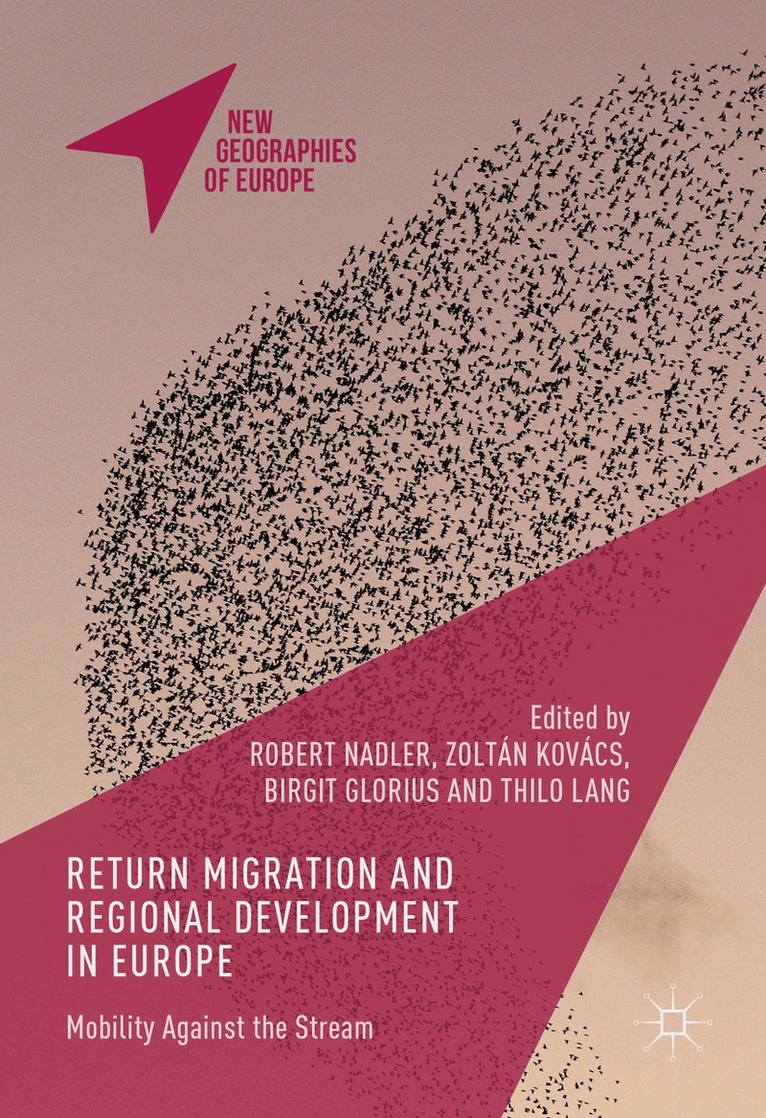
This book assesses recent migration patterns in Europe, which have significantly included 'return migration' against the stream of East-West migration. Since the Eastern enlargement of the EU, many regions of Central and Eastern European have experienced a loss of human resources in core industries, raising concerns about social, economic and territorial cohesion in the region. The success rates of national and regional governmental policy aiming to retain or re-attract skilled workers have been variable, yet return migration has emerged as a major element of migration flows.Bringing together leading researchers on this important topic in contemporary European geography, the contributors analyse a series of key issues. These include: theoretical frameworks in the field of return migration; the nexus between return migration and regional development; the effects of the global and European crisis on emigration and return migration; non-economic motivations for emigration and return; the intergenerational character of return migration, and; the reintegration of return migrants into post-socialist societies. Taken together, the chapters see return migrants as important agents of change, innovation and economic growth. The book will be of great interest for scholars and students of human, economic and political geography.
Inbunden, Engelska, 2019
549 kr
Skickas inom 10-15 vardagar
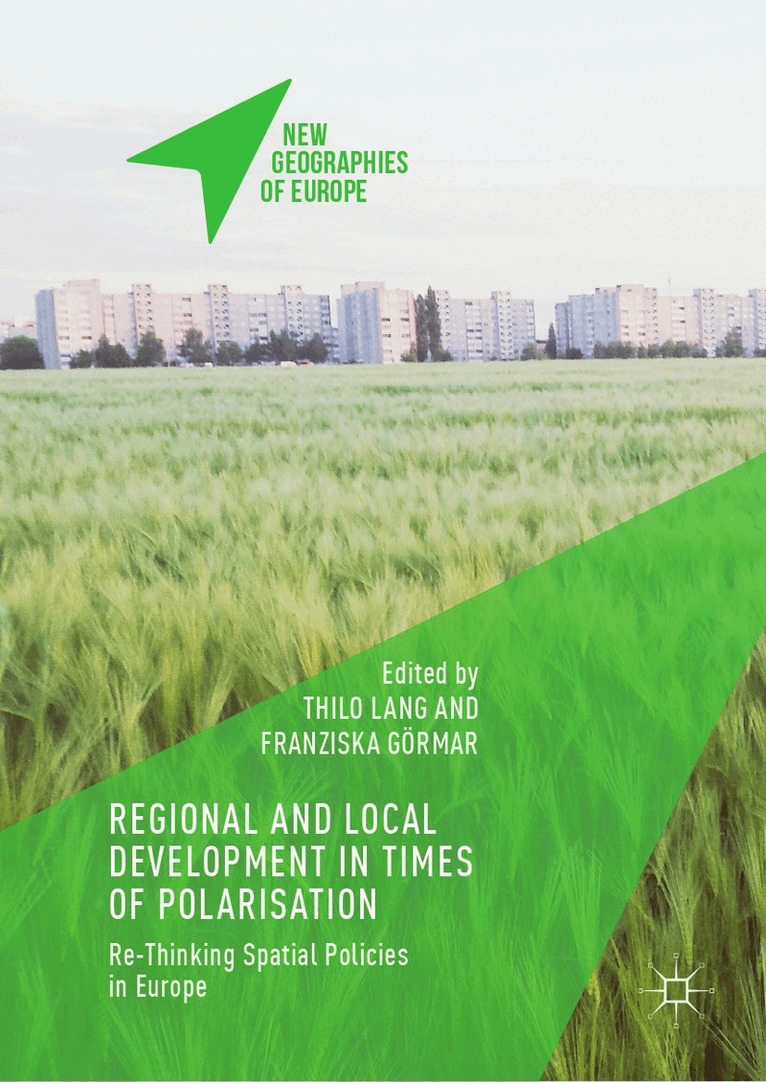
Despite the emphasis of the European Regional Policy on territorial cohesion, regional disparities have been increasing within Europe in the past years. The metropolitan areas in almost all countries are considerably growing while regions outside of agglomerations are stagnating or even declining. Against this background this book aims to provide an understanding of the underlying processes of polarisation and related regional and local policies.This open access volume contributes to the debates about polarisation and regional development by focussing on questions of spatial justice, power distribution and policy transfer. Theoretical and empirically grounded contributions show that European policies are indeed reproducing socio-spatial inequalities instead of challenging them. The book shows further the existing potentials and limits of individuals, economic, political and civil society actors to respond to polarisation on the regional and local level.In this book conceptual thoughts on polarisation, regional policy and regional development are combined with empirical research and resulting implications for policymaking. As such, it is a valuable source for early career students and researchers as well as professionals in the field of regional and economic development, policy consultants, and policy makers.
Inbunden, Engelska, 2026
549 kr
Skickas inom 10-15 vardagar
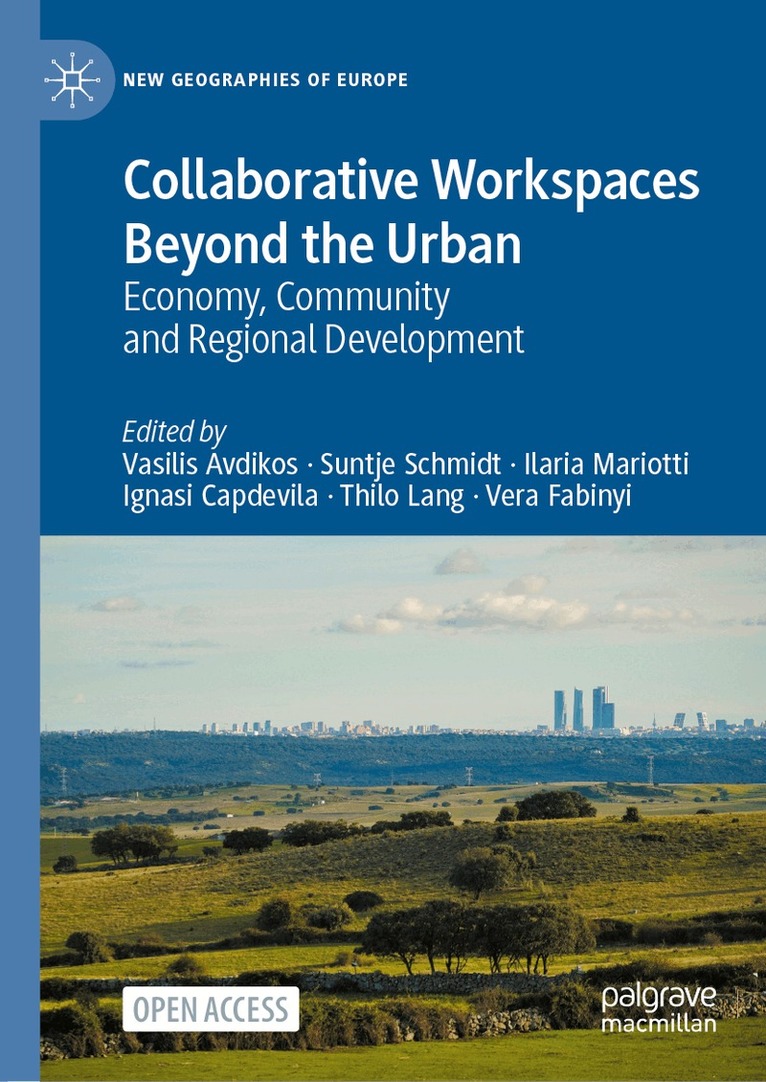
This Open Access book explores the contemporary socio-economic challenges that European non-urban areas face, illuminating how collaborative workspaces (CWS) contribute to tackling them in multiple ways. Collaborative workspaces (such as coworking spaces, fab labs, creative hubs, etc.) for freelancers, self-employed, remote workers and start-ups are increasingly becoming a subject of local and regional economic development policies as they are considered important intermediaries that help deliver entrepreneurial development and local innovation agendas. There has also been a rise in CWS in less densely populated communities in rural and peripheral regions across the European Union that face particular challenges such as brain drain, low investment levels, and low levels of entrepreneurship. These non-urban CWS differ in terms of scopes, functions and impacts compared to those in urban centers. The contributions in this volume unpack the development processes of CWS in rural, suburban, remote and peripheral areas, their wider economic, social and community impacts at the local and regional level, as well as at the level of the individual worker and the enterprise. The book brings together contributions from a broad range of scientific disciplines, including social and economic geography, economics, business studies, architecture, planning, gender studies, and management studies.