New Perspectives on the Past - Böcker
Visar alla böcker i serien New Perspectives on the Past. Handla med fri frakt och snabb leverans.
11 produkter
11 produkter
489 kr
Skickas inom 7-10 vardagar
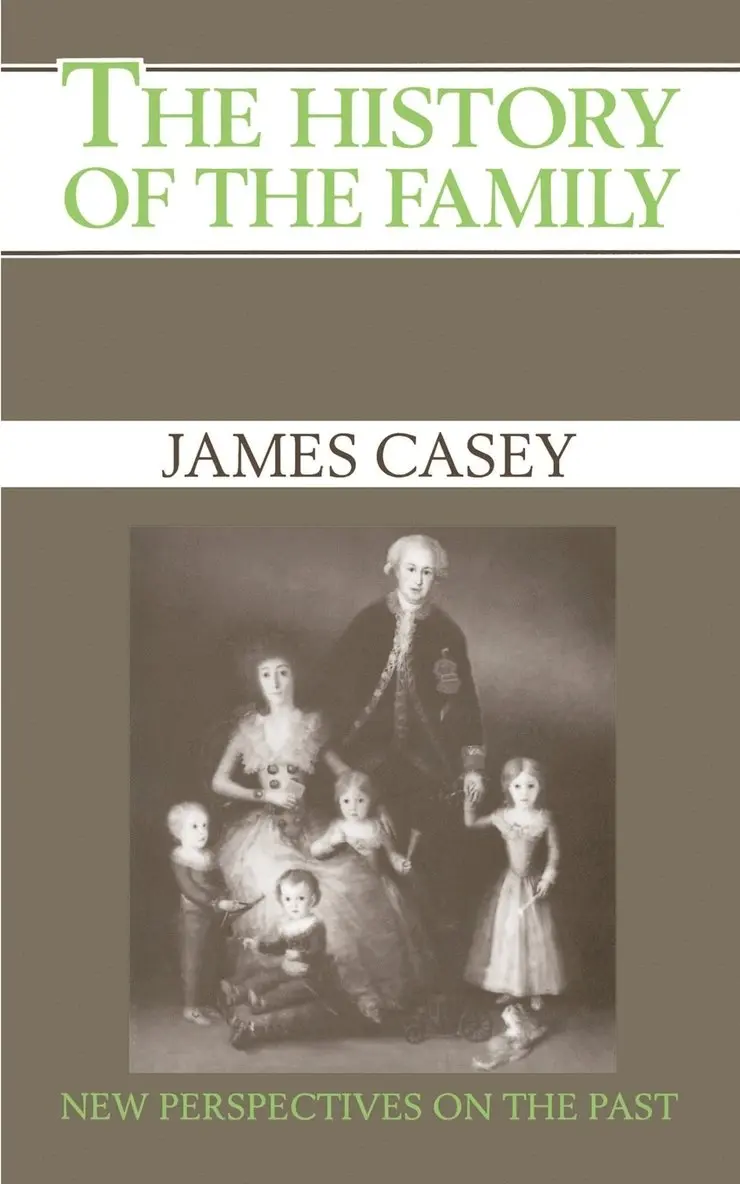
The History of the Family concerns the changing interactions between family and social, political and religious structures over the last thousand years of European history. The family is usually described in terms of patterns of kinship, inheritance, and relations between sexes and generations. The author examines the contemporary use of these terms and their evolution from nineteenth-century anthropology and social thought. He then considers how these concepts apply to and reveal the nature of European and other societies.
503 kr
Skickas inom 7-10 vardagar
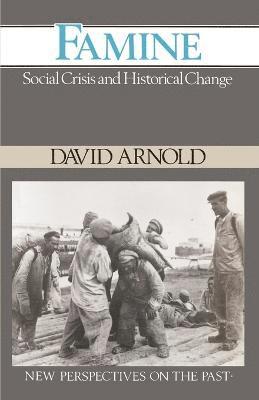
In this original and timely work, David Arnold draws upon the history of Asia, Africa, Latin America and Europe, to explain the origins and characteristics of famine. He considers whether some societies are more vulnerable to famine than others, and contests the assumption that those affected by famine are simply passive 'victims'. He compares the ways in which individuals and states have responded to the threat of mass starvation, and the relation of famine to political and social power.
503 kr
Skickas inom 7-10 vardagar
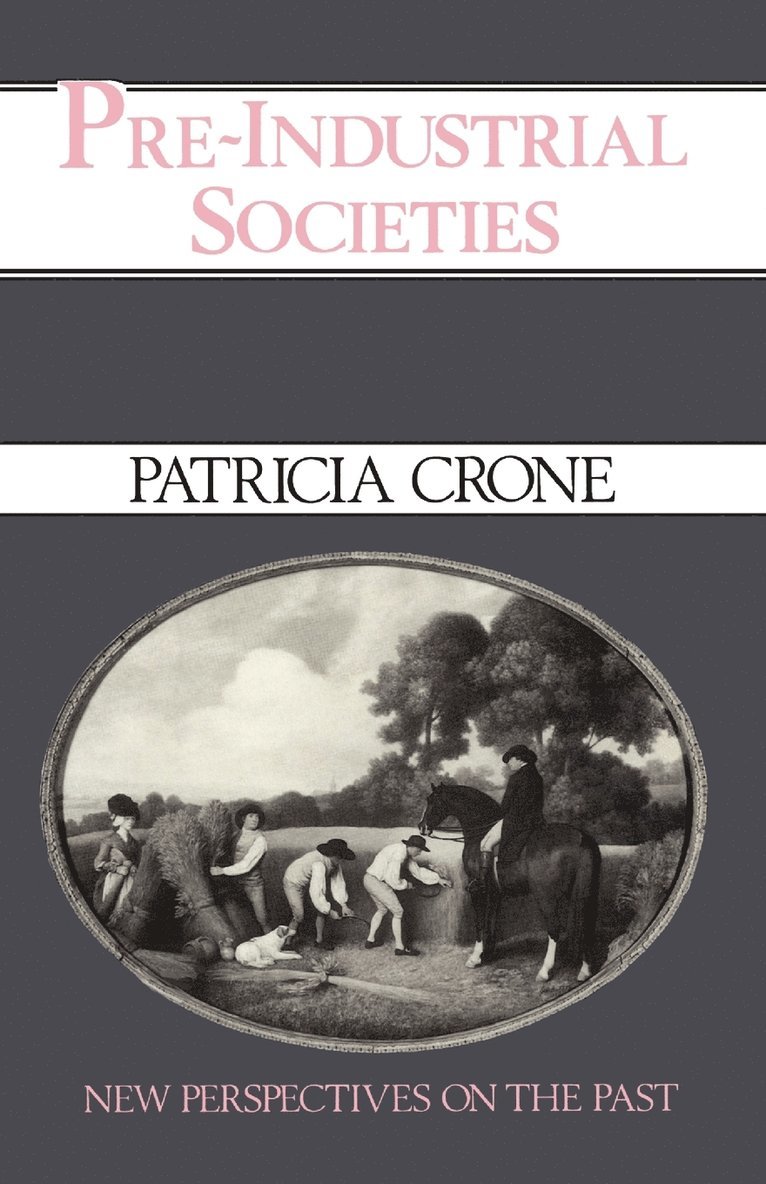
One would not normally expect students of biology to dissect frogs without prior knowledge of frog anatomy; yet students of history are regularly expected to analyse pre-modern institutions and events without any prior knowledge whatsoever of the general anatomy of pre-industrial societies. Gifted students will often acquire considerable knowledge of their particular areas - own individual frogs, so to speak - but the extent to which these conform to or depart from a common pattern remains unknown to them, a fact which seriously limits their capacity for interpretation. What goes for students goes for non-academic readers too. They have at their disposal a mountain of historical works written at every conceivable level of popularization and specialization. But most of these works are devoted to specific historical phenomena, or at most to a comparison between two or three; and those which attempt more general surveys tend to be either inordinately long or else inordinately abstract. Where does one turn for a brief summary of the ground-rules? A bluffer's guide to the behaviour of pre-modern societies does not seem to be available.What this book attempts is precisely that: to offer a bluffer's guide to the nature of pre-industrial societies, or more precisely to pre-industrial societies of the complex type (omitting primitive societies whose nature, again, is different). It sketches out the general anatomy of all such societies without attempting a full description of any one; and it is neither excessively long nor (it is hoped) excessively abstract. Armed with this book, the reader ought to find the specific cultures, societies, institutions and events of pre-industrial history considerable less puzzling than they are when approached directly.
1 359 kr
Skickas inom 7-10 vardagar
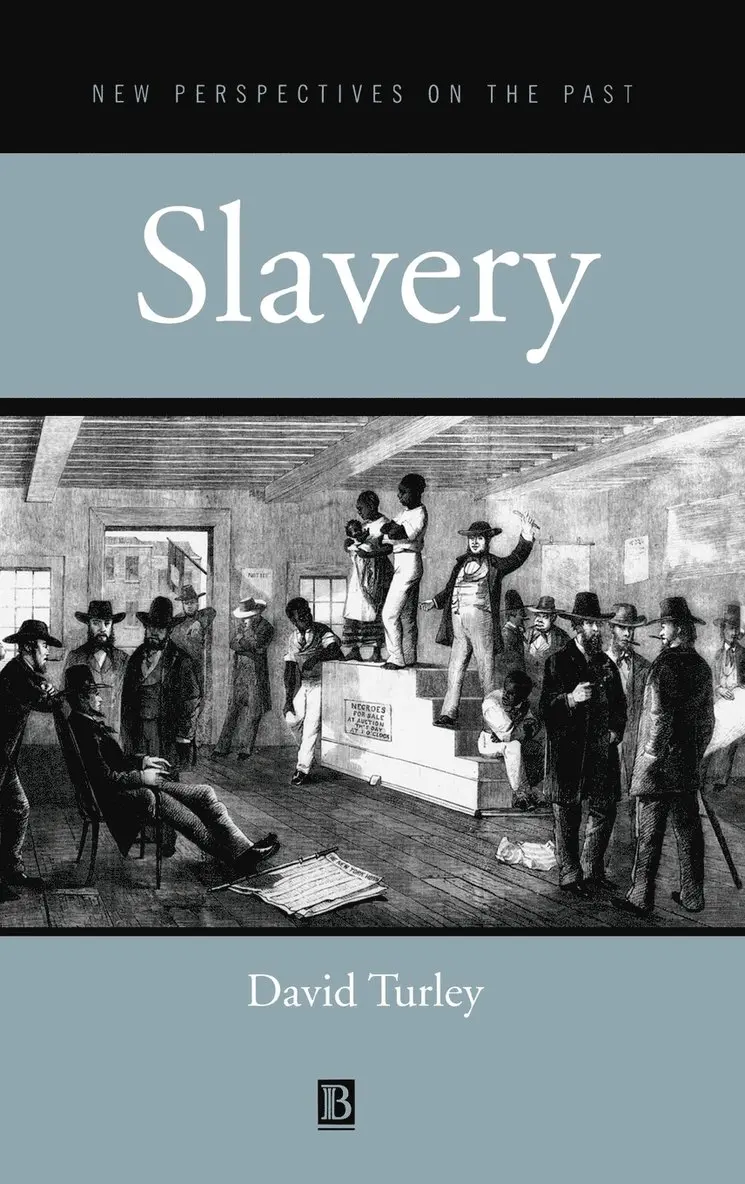
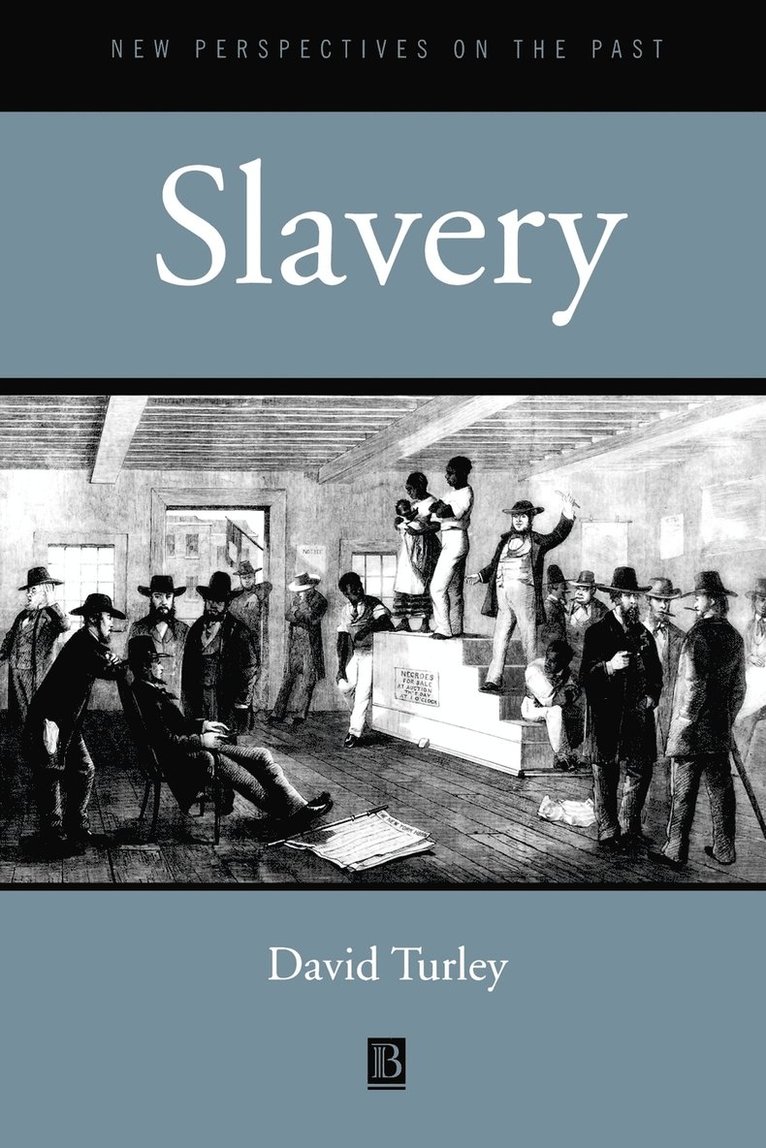
This book is a cross-cultural examination of slavery. It draws material from the many regions, and widely separated historical periods, in which slavery has existed - ancient Greece and Rome, medieval Europe, the Muslim societies of the Middle East and Africa, sub-Saharan Africa and the Americas. With such a wide geographic and chronological scope, Slavery will provoke historians and sociologists to make new connections and see old problems in a fresh light. Turley analyses three key themes in the history of slavery: the social and economic importance of slavery within societies, the experience of slavery by both the slaves and those who control them, and the means by which slavery was reproduced and maintained in different societies. Employing this thematic approach, Turley acknowledges the historical diversity of slavery and develops two models of slave societies - those in which slavery was primarily a domestic institution (societies with slaves) and in those in which it was the mode of production on which the dominant group depended for its position (slave societies).The book also explains how slavery was maintained by discussing the role of race, ethnicity and religious differences in the functioning of slave systems. Turley completes this wide-ranging analysis of slavery by examining emancipation, showing that both the early modern expansion of slavery and its ending were paradoxically connected to different phases of European imperialism.
588 kr
Skickas inom 7-10 vardagar
This book is a cross-cultural examination of slavery. It draws material from the many regions, and widely separated historical periods, in which slavery has existed - ancient Greece and Rome, medieval Europe, the Muslim societies of the Middle East and Africa, sub-Saharan Africa and the Americas. With such a wide geographic and chronological scope, Slavery will provoke historians and sociologists to make new connections and see old problems in a fresh light. Turley analyses three key themes in the history of slavery: the social and economic importance of slavery within societies, the experience of slavery by both the slaves and those who control them, and the means by which slavery was reproduced and maintained in different societies. Employing this thematic approach, Turley acknowledges the historical diversity of slavery and develops two models of slave societies - those in which slavery was primarily a domestic institution (societies with slaves) and in those in which it was the mode of production on which the dominant group depended for its position (slave societies).The book also explains how slavery was maintained by discussing the role of race, ethnicity and religious differences in the functioning of slave systems. Turley completes this wide-ranging analysis of slavery by examining emancipation, showing that both the early modern expansion of slavery and its ending were paradoxically connected to different phases of European imperialism.
518 kr
Skickas inom 7-10 vardagar
This book considers how nature - in both its biological and environmental manifestations - has been invoked as a dynamic force in human history. It shows how historians, philosophers, geographers, anthropologists and scientists have used ideas of nature to explain the evolution of cultures, to understand cultural difference, and to justify or condemn colonization, slavery and racial superiority. It examines the central part that ideas of environmental and biological determinism have played in theory, and describes how these ideas have served in different ways at different times as instruments of authority, identity and defiance. The book shows how powerful and problematic the invocation of nature can be.
503 kr
Skickas inom 7-10 vardagar
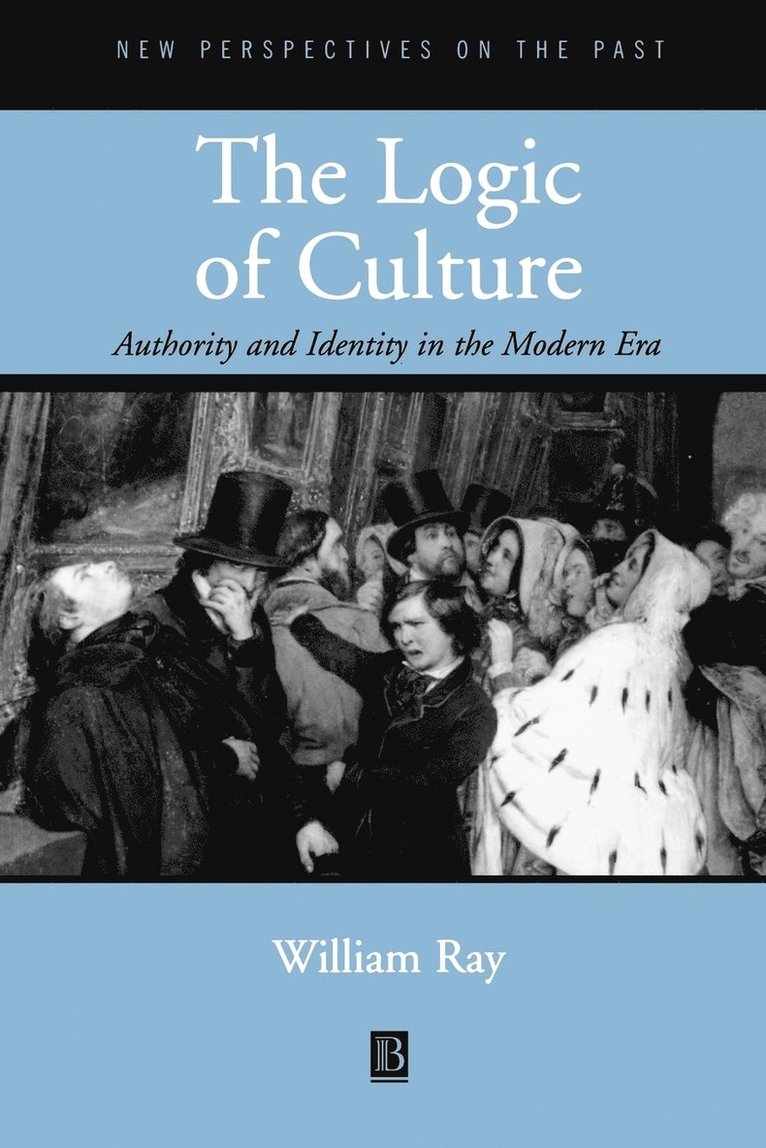
This book proposes an analysis of the underlying 'logic' of culture, drawing on a wide range of material not previously examined in works of this kind.
1 209 kr
Skickas inom 7-10 vardagar
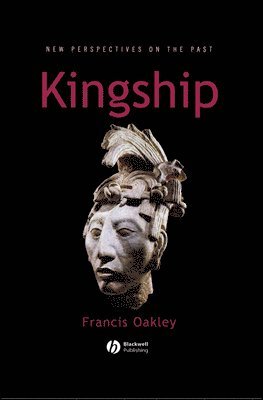
From despots to powerless figureheads, and from the Neolithic era to the present, this book traces the history of kingship around the world and the tenacity of its connection with the sacred. Considers the many forms that kingship took during this period, including: the Pharaohs of ancient Egypt; the emperors of Japan; the Maya rulers of Mesoamerica; the medieval popes and emperors; and the English and French monarchs of early modern EuropeExplores the panoply of governing roles that kingship involved – administrative, military, judicial, economic, religious and symbolic – but focussing on its connection with the sacred.Draws on the insights of cultural anthropology and comparative religion, as well as the on the resources provided by historians.
508 kr
Skickas inom 7-10 vardagar
From despots to powerless figureheads, and from the Neolithic era to the present, this book traces the history of kingship around the world and the tenacity of its connection with the sacred. Considers the many forms that kingship took during this period, including: the Pharaohs of ancient Egypt; the emperors of Japan; the Maya rulers of Mesoamerica; the medieval popes and emperors; and the English and French monarchs of early modern EuropeExplores the panoply of governing roles that kingship involved – administrative, military, judicial, economic, religious and symbolic – but focussing on its connection with the sacred.Draws on the insights of cultural anthropology and comparative religion, as well as the on the resources provided by historians.
367 kr
Skickas inom 7-10 vardagar
This updated edition of Ernest Gellner’s classic exploration of the roots of nationalism includes an extended introduction from John Breuilly, tracing the way the field has changed over the past two decades. As pertinent today as it was when it was first published in 1983. Argues that nationalism is a product of industrialization. The new edition includes references to important work on nationalism published since 1983. Second Edition not available in the USA.
658 kr
Skickas inom 7-10 vardagar
Sociocultural evolution is the most important concept that has guided social science thought over the past 300 years. Throughout this time it has, however, been fiercely contested and has changed as it has slowly discarded the providential concerns that originally characterized it. This book traces the gradual development of the concept of sociocultural evolution and relates how it is currently understood, and misunderstood, to the major political and cultural debates of the present day. The author examines, in particular, issues relating to neo-conservative socioeconomic policy and postmodernism, which he regards as the chief cultural expression of transnational capitalism. He argues that continued sociocultural development requires a greater degree of planning than ever before in human history and far more general participation in the planning process than has been possible or attempted in the past. Sociocultural Evolution will be welcomed by students of anthropology, history, and archaeology, as well as general readers interested in the concerns surrounding further technological development and social change.