New World Diasporas – serie
Visar alla böcker i serien New World Diasporas. Handla med fri frakt och snabb leverans.
19 produkter
19 produkter
Häftad, Engelska, 2002
269 kr
Skickas inom 10-15 vardagar
Häftad, Engelska, 2004
269 kr
Skickas inom 10-15 vardagar
Häftad, Engelska, 2009
324 kr
Skickas inom 10-15 vardagar
Inbunden, Engelska, 2009
338 kr
Skickas inom 10-15 vardagar
Häftad, Engelska, 2011
269 kr
Skickas inom 10-15 vardagar
Inbunden, Engelska, 2013
835 kr
Skickas inom 10-15 vardagar
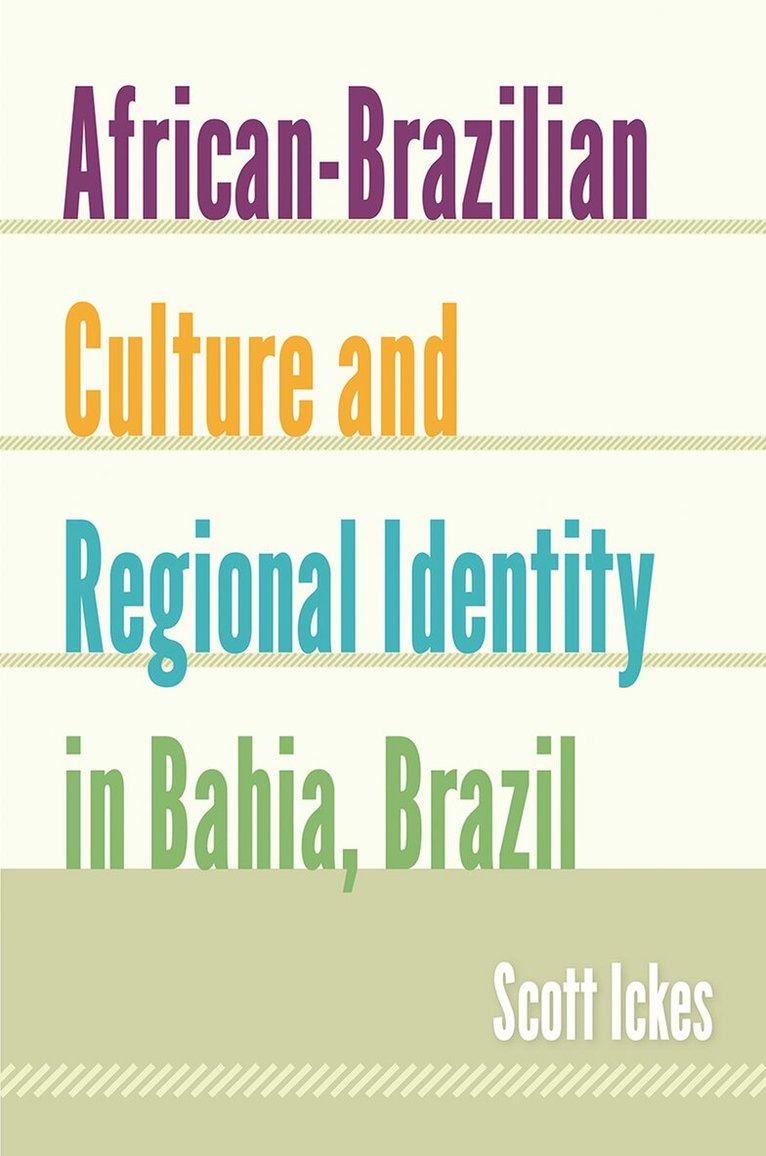
Salvador, the capital of the state of Bahia, is often referred to as “Brazil’s Black Rome” because of its culturally complex, vibrant and historically rich African-descended population, one of the largest in Latin America. Yet even though the state has a majority black population, African-Bahians remain a marginalised racial group within the state as a whole.In African-Brazilian Culture and Regional Identity in Bahia, Brazil, Scott Ickes examines how in the middle of the twentieth century, Bahian elites began to recognise African-Bahian cultural practices as essential components of Bahian regional identity. Previously, public performances of traditionally African-Bahian practices such as capoeira, samba, and Candomblé during carnival and other popular religious festivals had been repressed in favour of more European traditions.The newfound acceptance of these customs by the elite was a democratic move forward, but it came with limitations. The cultural appropriation of these celebrated markers of African-Bahian identity also perpetuated the political and economic marginalisation of the black majority. Nevertheless, Ickes argues that this cultural-political dynamic between African-Bahian cultural practitioners and their dominant class allies helped to create a meaningful framework through which African-Bahian inclusion could be negotiated - a framework that is also important in the larger discussions of race and regional and national identity throughout Brazil.
Häftad, Engelska, 2017
338 kr
Skickas inom 10-15 vardagar
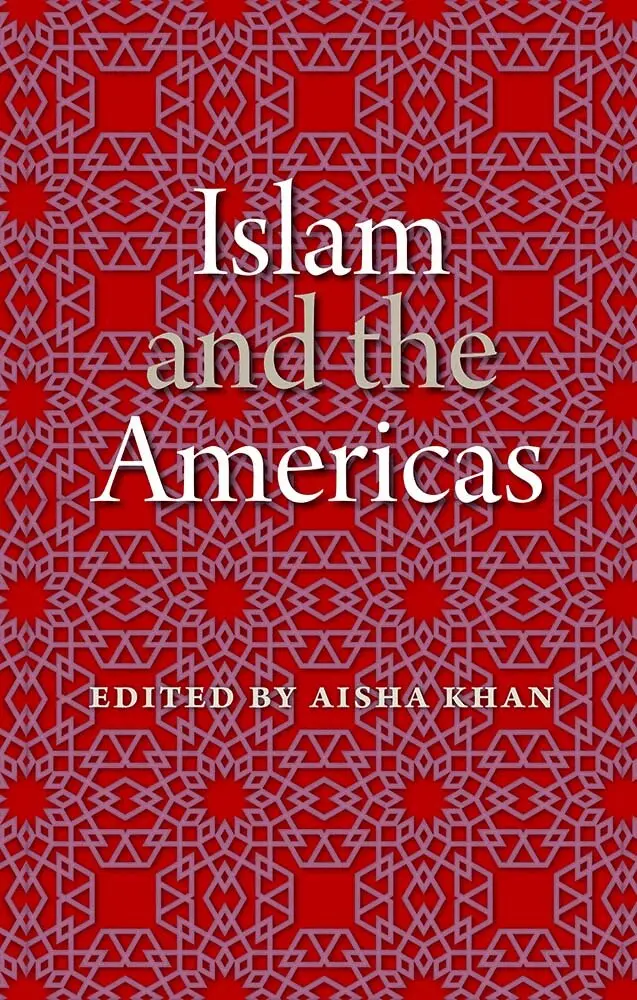
In case studies that include the Caribbean, Latin America, and the United States, the contributors to this interdisciplinary volume trace the establishment of Islam in the Americas over the past three centuries. They simultaneously explore Muslims’ lived experiences and examine the ways Islam has been shaped in the “Muslim minority” societies in the New World, including the Gilded Age’s fascination with Orientalism, the gendered interpretations of doctrine among Muslim immigrants and local converts, the embrace of Islam by African American activist-intellectuals like Malcolm X, and the ways transnational hip hop artists re-create and reimagine Muslim identities.Together, these essays challenge the typical view of Islam as timeless, predictable, and opposed to Western worldviews and value systems, showing how this religious tradition continually engages with local and global issues of culture, gender, class, and race.
Häftad, Engelska, 2015
849 kr
Skickas inom 10-15 vardagar
In case studies that include the Caribbean, South America, Mexico, and the United States, the contributors to this interdisciplinary volume trace the establishment of Islam in the Americas over the past four centuries. They simultaneously explore Muslims’ lived experiences and the ways Islam has been shaped in the New World - by “Muslim minority” societies such as the Shriners; through the Gilded Age’s fascination with Orientalism; in the embrace of Islam by American black intellectuals like Malcolm X and the Black Power movement; and by the ways hip hop artists re-create and reimagine Muslim identities.Together the twelve essays challenge the typical view of Islam as timeless, predictable, and opposed to Western worldviews and value systems, showing how the religion continually engages with issues of culture, class, gender, and race.
Inbunden, Engelska, 2015
974 kr
Skickas inom 10-15 vardagar
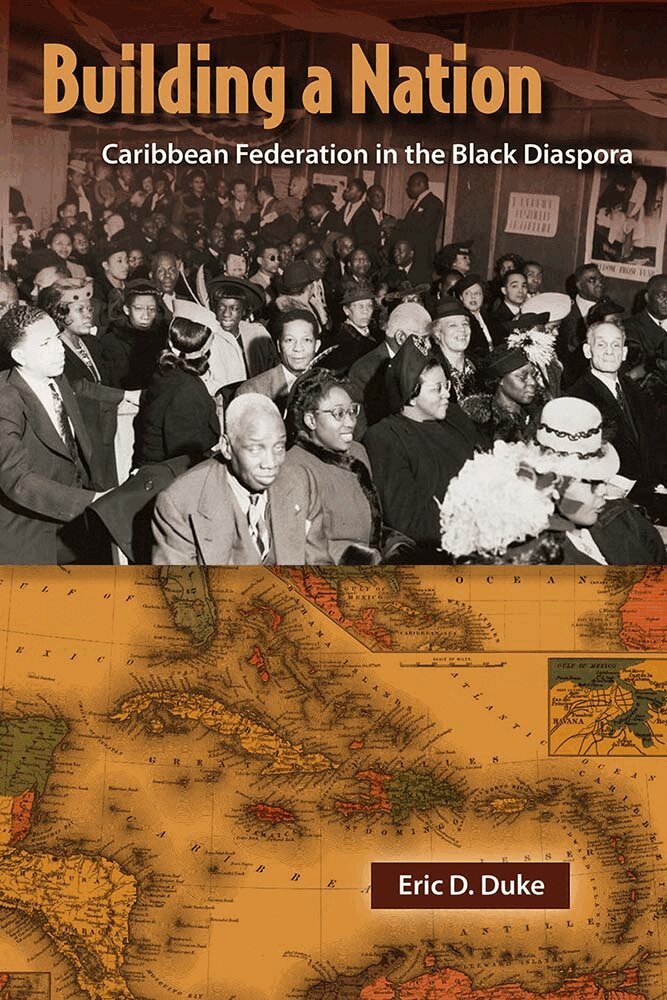
The initial push for a federation among British Caribbean colonies might have originated among the white elites, but the banner for federation was quickly picked up by Afro-Caribbean activists who saw in the possibility of a united West Indian nation a means of securing political power and more.In Building a Nation, Eric Duke moves beyond the narrow view of federation as only relevant to Caribbean and British imperial histories. By examining support for federation among many Afro-Caribbean and other black activists in and out of the West Indies, Duke convincingly expands and connects the movement’s history squarely into the wider history of political and social activism in the early-mid-twentieth century Black Diaspora.Exploring the relationships between the pursuit of Caribbean federation and Black Diaspora politics, Duke posits that federation was more than a regional endeavor; it was a diasporic, black–nation building undertaking—with broad support in diaspora centers such as Harlem and London—deeply immersed in ideas of racial unity, racial uplift, and black self-determination.
Häftad, Engelska, 2015
380 kr
Skickas inom 10-15 vardagar
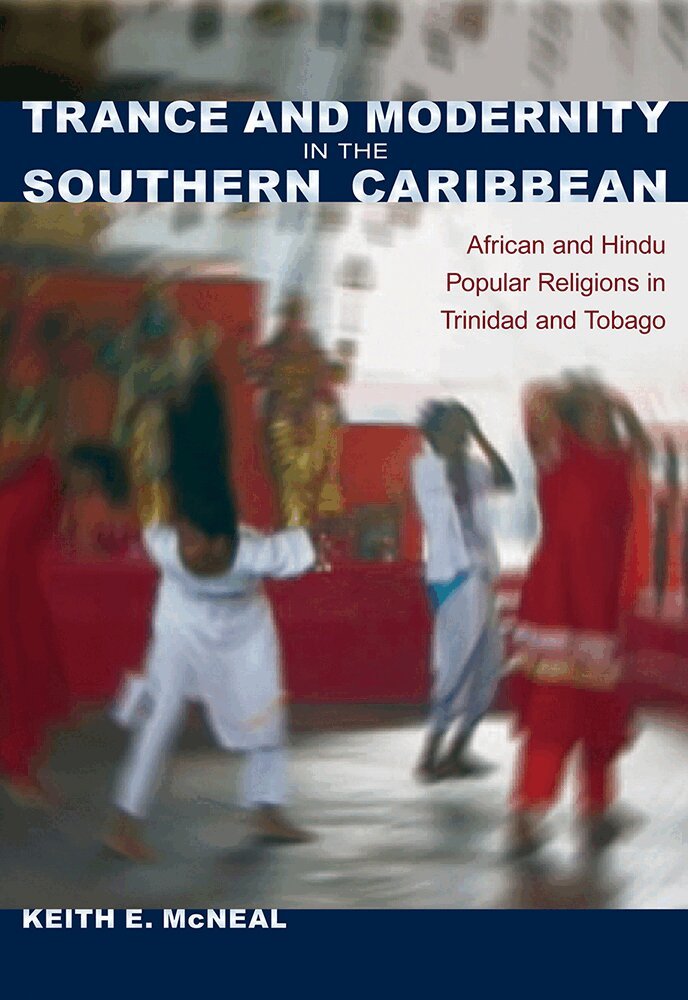
This comparative study of African and Hindu popular religions in the Republic of Trinidad and Tobago charts the development of religion in the Caribbean by analyzing the ways ecstatic forms of worship, enacted through trance performance and spirit mediumship, have adapted to capitalism and reconfigured themselves within the context of modernity.Showing how diasporic traditions of West African Orisha Worship and South Asian Shakti Puja converged in their ritual adaptations to colonialism in the West Indies, as well as diverged politically within the context of postcolonial multiculturalism, Keith McNeal reveals the unexpected ways these traditions of trance performance have become both globalized and modernized.The first book-length work to compare and contrast Afro- and Indo-Caribbean materials in a systematic and multidimensional manner, this volume makes fresh and innovative contributions to anthropology, religious studies, and the historiography of modernity.By giving both religious subcultures and their intersections equal attention, McNeal offers a richly textured account of southern Caribbean cultural history and pursues important questions about the history and future of religion.
Häftad, Engelska, 2015
297 kr
Skickas inom 10-15 vardagar
Salvador, the capital of the state of Bahia, is often referred to as “Brazil's Black Rome”. Culturally complex, vibrant, and rich with history, its African-descended population is one of the largest in Latin America. Yet despite representing a majority of the population, African-Bahians remain a marginalized racial group within the state as a whole.In African-Brazilian Culture and Regional Identity in Bahia, Brazil, Scott Ickes examines how in the middle of the twentieth century, African-Bahian cultural practices such as capoeira, samba, and Candomblé during carnival and other popular religious festivals came to be accepted as essential components of Bahian regional identity. Previously, public performances of traditionally African-Bahian practices were repressed in favor of more European traditions and a more “modern” vision.Newfound acceptance of these customs was a democratic move forward, but it also perpetuated the political and economic marginalization of the black majority. Ickes argues that cultural-political alliances between African-Bahian cultural practitioners and their dominant-class allies nevertheless helped to create a meaningful framework through which African-Bahian inclusion could be negotiated a framework that is also important in the larger discussions of race and regional and national identity throughout Brazil.
Häftad, Engelska, 2016
269 kr
Skickas inom 10-15 vardagar
Being Jewish in Brazil - the world's largest Catholic country - is fraught with paradoxes, and living in Sao Paulo only amplifies these vivid contradictions. The metropolis is home to Jews from over 60 countries of origin, and to the Hebraica, the world's largest Jewish athletic and social club.Jewish identity is rooted in layered experiences of historical and contemporary dispersal and border crossings. Brazil is famously tolerant of difference but less understanding of longings for elsewhere. Celebrating both Carnival and the High Holidays is but one example of how Jews in Sao Paulo hold themselves together as a community in the face of the forces of assimilation.Misha Klein's fascinating ethnography reveals the complex intertwining of Jewish and Brazilian life and identity.
Häftad, Engelska, 2018
311 kr
Skickas inom 10-15 vardagar
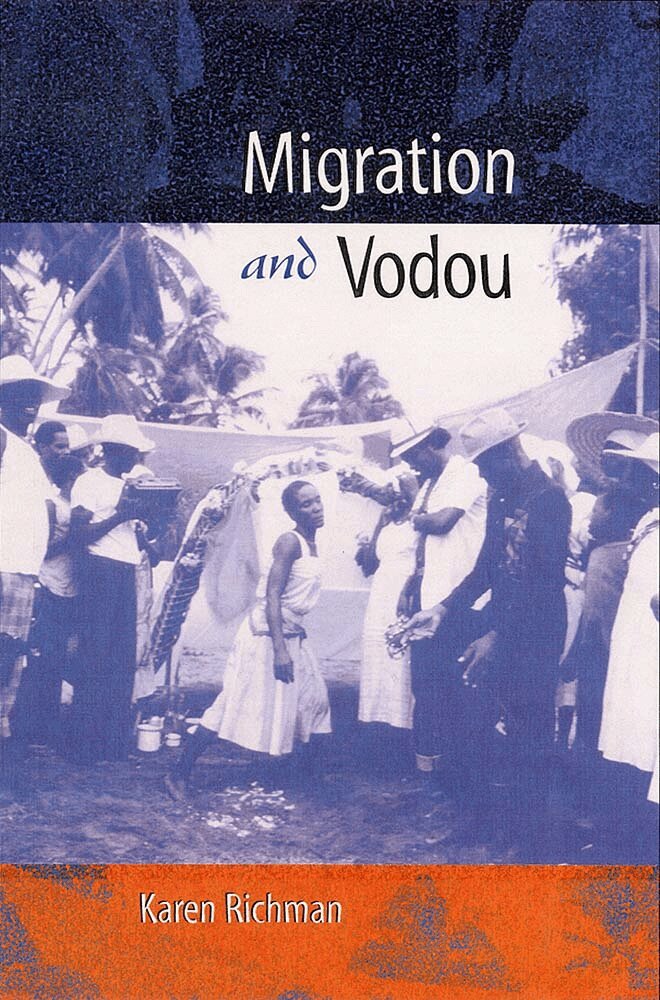
This book and accompanying compact disc provide a rare excursion in the innovative ways a community of Haitian migrants to South Florida has maintained religious traditions and familial connections. It demonstrates how religion, ritual, and aesthetic practices affect lives on both sides of the Caribbean, and it debunks myths of exotic and primitive vodou (often spelled ""voodoo""), which have long been used against Haitians.As Karen Richman shows, Haitians at home and in migrant settlements make ingenious use of audio and video tapes to extend the boundaries of their ritual spaces and to reinforce their moral and spiritual anchors to one another. The book and CD were produced in collaboration to give the reader intimate access to this new expressive media. Sacred songs are recorded on tapes and circulated among the communities. Migrants are able to hear not only the performance sounds--drumming, singing, and chatter--but also a description, as narrators tell of offerings, sacrifices, prayers, and the exchange of possessions. Spirits who inhabit the bodies of ritual actors are aware of the recording devices and personally address the absent migrants, sometimes warning them of their financial obligations to family members in Haiti. The migrants’ dependence on their home village is dramatically reinforced while their economic independence is restricted. Using standard ethnographic methods, Richman’s work illuminates the connections among social organization, power, production, ritual, and aesthetics. With its transnational perspective, it shows how labor migration has become one of Haiti’s chief economic exports. A volume in the series New World Diasporas, edited by Kevin A. Yelvington
Häftad, Engelska, 2018
334 kr
Skickas inom 10-15 vardagar
The initial push for a federation among British Caribbean colonies might have originated among colonial officials and white elites, but the banner for federation was quickly picked up by Afro-Caribbean activists who saw in the possibility of a united West Indian nation a means of securing political power and more.In Building a Nation, Eric Duke moves beyond the narrow view of federation as only relevant to Caribbean and British imperial histories. By examining support for federation among many Afro-Caribbean and other black activists in and out of the West Indies, Duke convincingly expands and connects the movement's history squarely into the wider history of political and social activism in the early to mid-twentieth century black diaspora.Exploring the relationships between the pursuit of Caribbean federation and black diaspora politics, Duke convincingly posits that federation was more than a regional endeavor; it was a diasporic, black nation-building undertaking--with broad support in diaspora centers such as Harlem and London--deeply immersed in ideas of racial unity, racial uplift, and black self-determination.A volume in this series New World Diasporas, edited by Kevin A. Yelvington
Inbunden, Engelska, 2020
945 kr
Skickas inom 10-15 vardagar
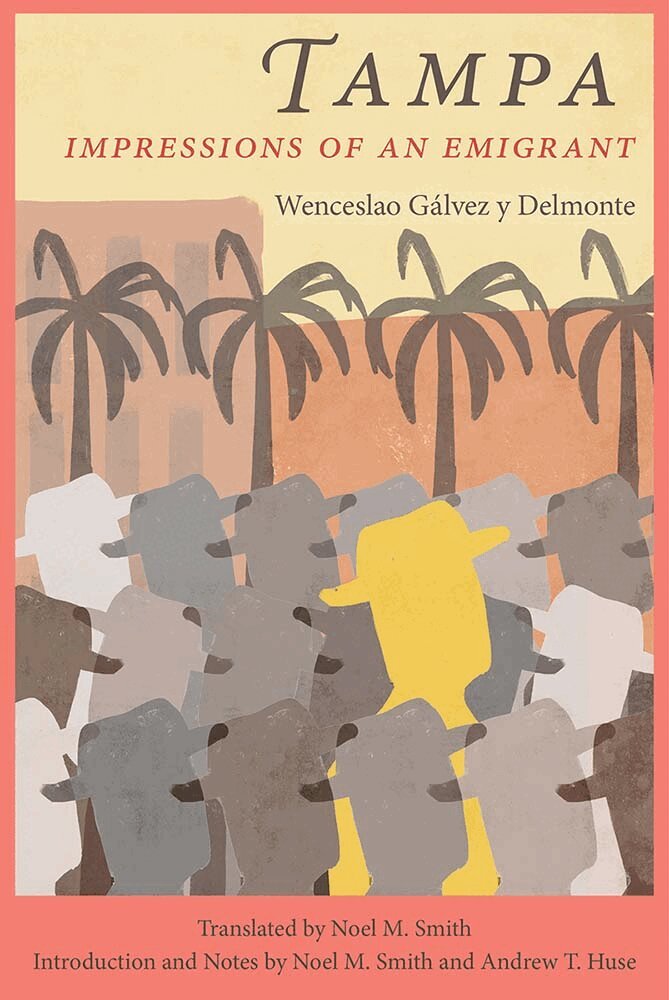
In 1896, Wenceslao Gálvez y Delmonte fled the violence of Cuba's war for independence and settled in Tampa. He soon made his new home the focus of a work of costumbrismo, the Spanish-language genre built on closely observing the everyday manners and customs of a place.Translated here into English, Gálvez's narrative mixes evocative descriptions with charming commentary to bring to life the early Cuban exile communities in Ybor City and West Tampa. The writer's sharp eye finds the local characters, the barber shops and electric streetcars, the city landmarks and new Cuban enclaves. One day, Gálvez offers his thoughts on the pro-independence activities of community leaders like Martín Herrera and Fernando Figuerdo. On another, our exiled bourgeois intellectual author wryly recounts his new life as a door-to-door salesman and lector reading aloud to workers in a cigar factory.This scholarly edition includes photographs and newspaper clippings, a foreword on Gálvez's extraordinary pre-exile years, extensive notes to the translation, and a wealth of other supplementary material putting the author's life and work in context.
Inbunden, Engelska, 2023
974 kr
Skickas inom 10-15 vardagar
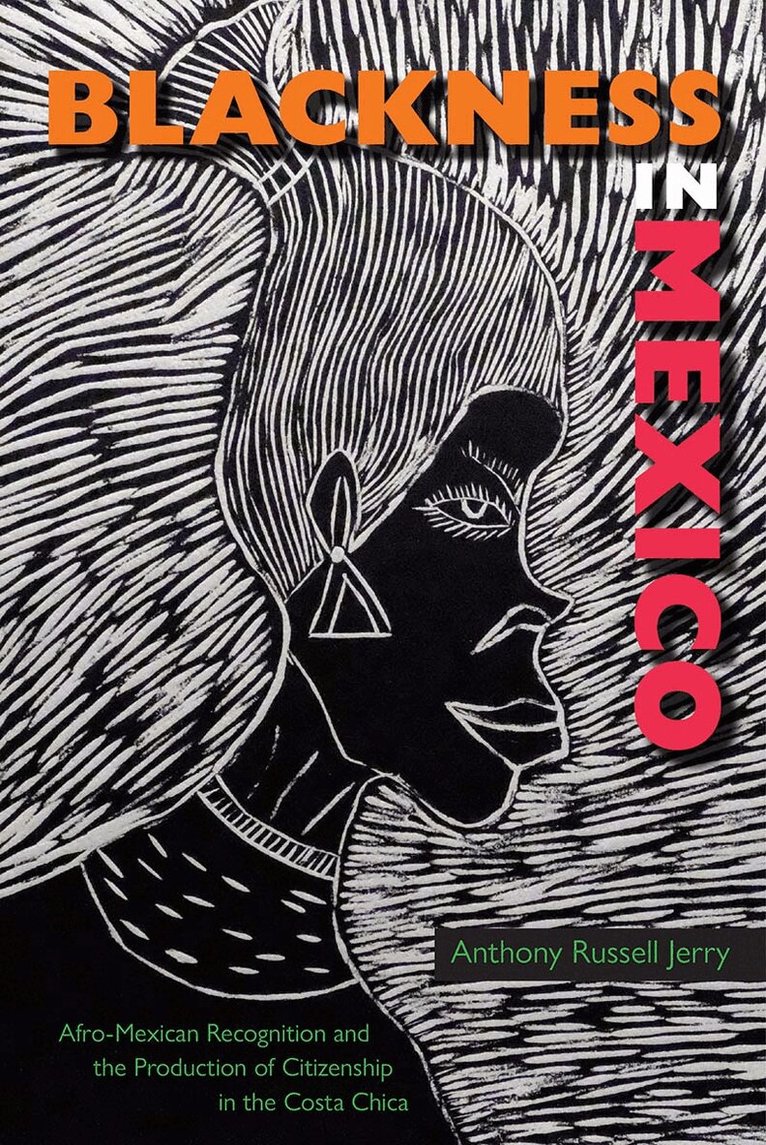
An up-close view of the movement to make “Afro-Mexican” an official cultural categoryThrough historical and ethnographic research, Blackness in Mexico delves into the ongoing movement toward recognizing Black Mexicans as a cultural group within a nation that has long viewed the non-Black mestizo as the archetypal citizen. Anthony Jerry focuses on this process in Mexico’s Costa Chica region in order to explore the relational aspects of citizenship and the place of Black people in how modern citizenship is imagined.Jerry’s study of the Costa Chica shows the political stakes of the national project for Black recognition; the shared but competing interests of the Mexican government, activists, and townspeople; and the ways that the state and NGOs are working to make “Afro-Mexican” an official cultural category. He argues that that the demand for recognition by Black communities calls attention to how the mestizo has become an intuitive point of reference for identifying who qualifies as “other.” Jerry also demonstrates that while official recognition can potentially empower African descendants, it can simultaneously reproduce the same logics of difference that have brought about their social and political exclusion.One of few books to center Blackness within a discussion of Mexico or to incorporate a focus on Mexico into Black studies, this book ultimately argues that the official project for recognition is itself a methodology of mestizaje, an opportunity for the government to continue to use Blackness to define the national subject and to further the Mexican national project.A volume in the series New World Diasporas, edited by Kevin A. Yelvington Publication of this work made possible by a Sustaining the Humanities through the American Rescue Plan grant from the National Endowment for the Humanities.
Inbunden, Engelska, 2023
974 kr
Skickas inom 10-15 vardagar
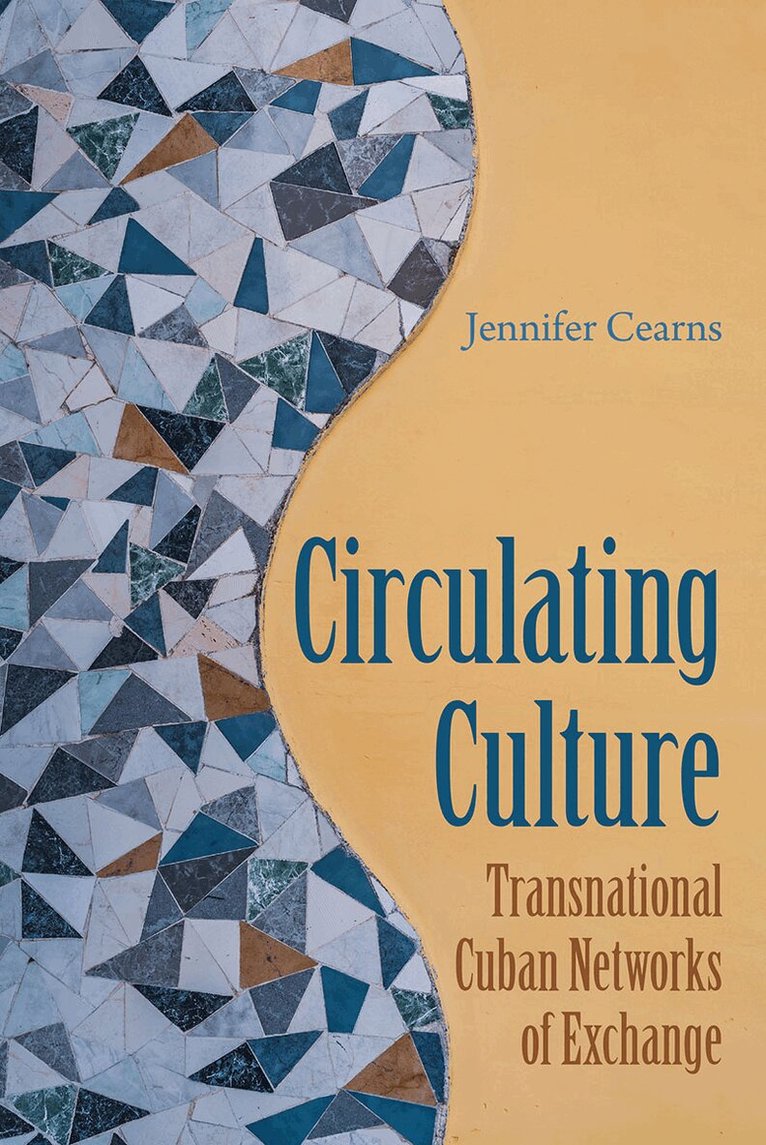
Tracing the flows of people, material items, and digital content between Havana and Miami, as well as between Cuba and Panama, Guyana, and Mexico, this book demonstrates the worldmaking of marginalized Cuban communities in a transnational setting.
Häftad, Engelska, 2023
391 kr
Skickas inom 10-15 vardagar
Tracing the flows of people, material items, and digital content between Havana and Miami, as well as between Cuba and Panama, Guyana, and Mexico, this book demonstrates the worldmaking of marginalized Cuban communities in a transnational setting.
Häftad, Engelska, 2023
391 kr
Skickas inom 10-15 vardagar
An up-close view of the movement to make “Afro-Mexican” an official cultural categoryThrough historical and ethnographic research, Blackness in Mexico delves into the ongoing movement toward recognizing Black Mexicans as a cultural group within a nation that has long viewed the non-Black mestizo as the archetypal citizen. Anthony Jerry focuses on this process in Mexico’s Costa Chica region in order to explore the relational aspects of citizenship and the place of Black people in how modern citizenship is imagined.Jerry’s study of the Costa Chica shows the political stakes of the national project for Black recognition; the shared but competing interests of the Mexican government, activists, and townspeople; and the ways that the state and NGOs are working to make “Afro-Mexican” an official cultural category. He argues that that the demand for recognition by Black communities calls attention to how the mestizo has become an intuitive point of reference for identifying who qualifies as “other.” Jerry also demonstrates that while official recognition can potentially empower African descendants, it can simultaneously reproduce the same logics of difference that have brought about their social and political exclusion.One of few books to center Blackness within a discussion of Mexico or to incorporate a focus on Mexico into Black studies, this book ultimately argues that the official project for recognition is itself a methodology of mestizaje, an opportunity for the government to continue to use Blackness to define the national subject and to further the Mexican national project.A volume in the series New World Diasporas, edited by Kevin A. Yelvington Publication of this work made possible by a Sustaining the Humanities through the American Rescue Plan grant from the National Endowment for the Humanities.