Palgrave Studies in American Economic History – serie
Visar alla böcker i serien Palgrave Studies in American Economic History. Handla med fri frakt och snabb leverans.
14 produkter
14 produkter
Inbunden, Engelska, 2018
1 183 kr
Skickas inom 10-15 vardagar
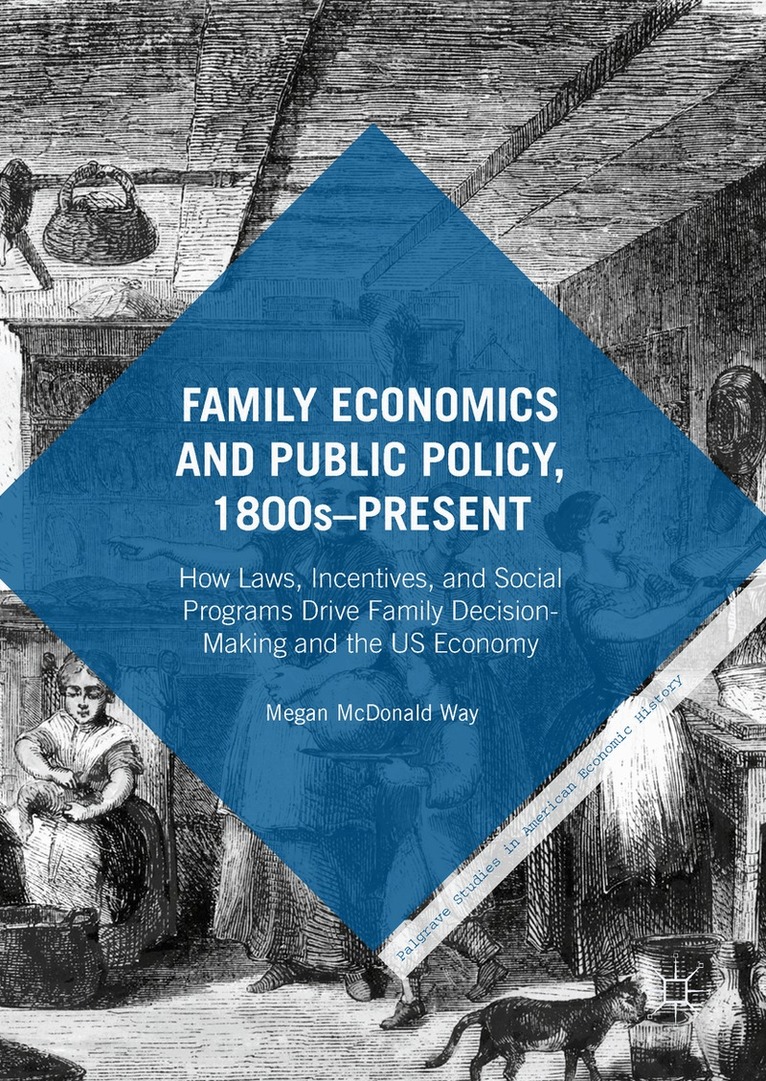
This book explores family economic decision-making in the United States from the nineteenth century through present day, specifically looking at the relationship between family resource allocation decisions and government policy.
Häftad, Engelska, 2019
862 kr
Skickas inom 10-15 vardagar
This book explores family economic decision-making in the United States from the nineteenth century through present day, specifically looking at the relationship between family resource allocation decisions and government policy.
Inbunden, Engelska, 2019
1 218 kr
Skickas inom 10-15 vardagar
This book applies the contents of a working economist’s tool-kit to explain, clearly and intuitively, when and why over the course of four centuries individuals, families, and enterprises decided to locate in or around the lower Hudson River Valley.
Häftad, Engelska, 2020
1 218 kr
Skickas inom 10-15 vardagar
This book applies the contents of a working economist’s tool-kit to explain, clearly and intuitively, when and why over the course of four centuries individuals, families, and enterprises decided to locate in or around the lower Hudson River Valley.
Inbunden, Engelska, 2020
1 218 kr
Skickas inom 10-15 vardagar
When we start to perceive that there is a problem in the market (such as monopoly, fraud or speculation), the legislature passes a law to correct it, a bureaucracy is created to interpret and enforce the new law, firms and other market participants comply, and the problem is solved.
Häftad, Engelska, 2021
1 218 kr
Skickas inom 10-15 vardagar
When we start to perceive that there is a problem in the market (such as monopoly, fraud or speculation), the legislature passes a law to correct it, a bureaucracy is created to interpret and enforce the new law, firms and other market participants comply, and the problem is solved.
Inbunden, Engelska, 2020
1 108 kr
Skickas inom 10-15 vardagar
World War II presented a unique opportunity for American business to improve its reputation after years of censure for inflicting the Great Depression upon the nation. No employers’ organization worked harder or devoted greater resources to reviving business prestige during the war than the National Association of Manufacturers, which spent millions of dollars on promoting the indispensability of private enterprise to the successful mobilization of the American economy in an uncompromising multi-media campaign which spanned the factory floor to the movie theatre. Now, using unpublished primary sources, the full extent of the NAM’s wartime mission to raise the stature of American business in the post-war era is revealed. During the war the NAM erected a vast structure of research on an unprecedented scale numbering more than one hundred persons dedicated to planning the best solutions for restoring American ‘free enterprise’ capitalism after the war in a direct challenge tothe ‘liberal’ prescriptions of the reigning administration. These studies were painstakingly assembled and widely distributed and served as a complimentary arm to the better-known pro-business propaganda message of the organization. What emerges is a unique and telling glimpse into the minds of the corporate class of wartime America that reveals the determination of a major employers’ organization to exploit the exceptional circumstances of total war to influence both the power-brokers in Washington who wrote economic policy and the American public as a whole to embrace a post-war future ruled by private enterprise capitalism.
Häftad, Engelska, 2021
1 108 kr
Skickas inom 10-15 vardagar
World War II presented a unique opportunity for American business to improve its reputation after years of censure for inflicting the Great Depression upon the nation. No employers’ organization worked harder or devoted greater resources to reviving business prestige during the war than the National Association of Manufacturers, which spent millions of dollars on promoting the indispensability of private enterprise to the successful mobilization of the American economy in an uncompromising multi-media campaign which spanned the factory floor to the movie theatre. Now, using unpublished primary sources, the full extent of the NAM’s wartime mission to raise the stature of American business in the post-war era is revealed. During the war the NAM erected a vast structure of research on an unprecedented scale numbering more than one hundred persons dedicated to planning the best solutions for restoring American ‘free enterprise’ capitalism after the war in a direct challenge tothe ‘liberal’ prescriptions of the reigning administration. These studies were painstakingly assembled and widely distributed and served as a complimentary arm to the better-known pro-business propaganda message of the organization. What emerges is a unique and telling glimpse into the minds of the corporate class of wartime America that reveals the determination of a major employers’ organization to exploit the exceptional circumstances of total war to influence both the power-brokers in Washington who wrote economic policy and the American public as a whole to embrace a post-war future ruled by private enterprise capitalism.
Inbunden, Engelska, 2021
1 329 kr
Skickas inom 10-15 vardagar
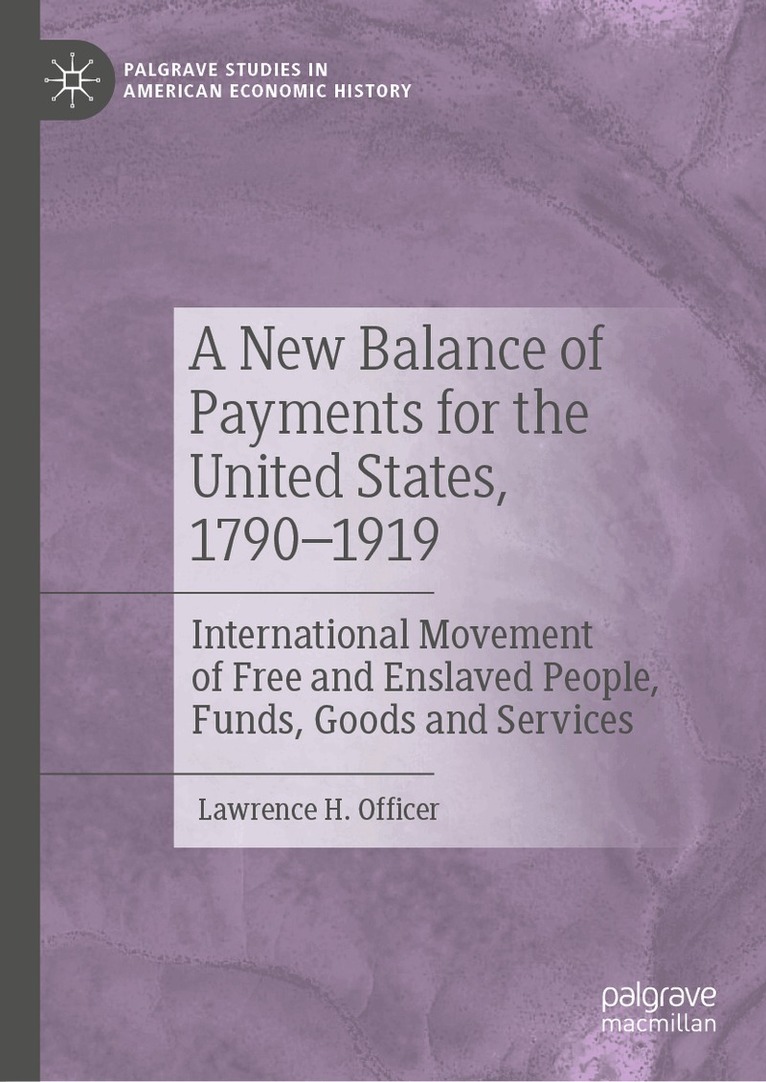
This book develops new balance of payments statistics for the United States from 1790 to 1919, before official statistics were kept.
Häftad, Engelska, 2022
1 329 kr
Skickas inom 10-15 vardagar
This book develops new balance of payments statistics for the United States from 1790 to 1919, before official statistics were kept.
Inbunden, Engelska, 2016
1 108 kr
Skickas inom 10-15 vardagar
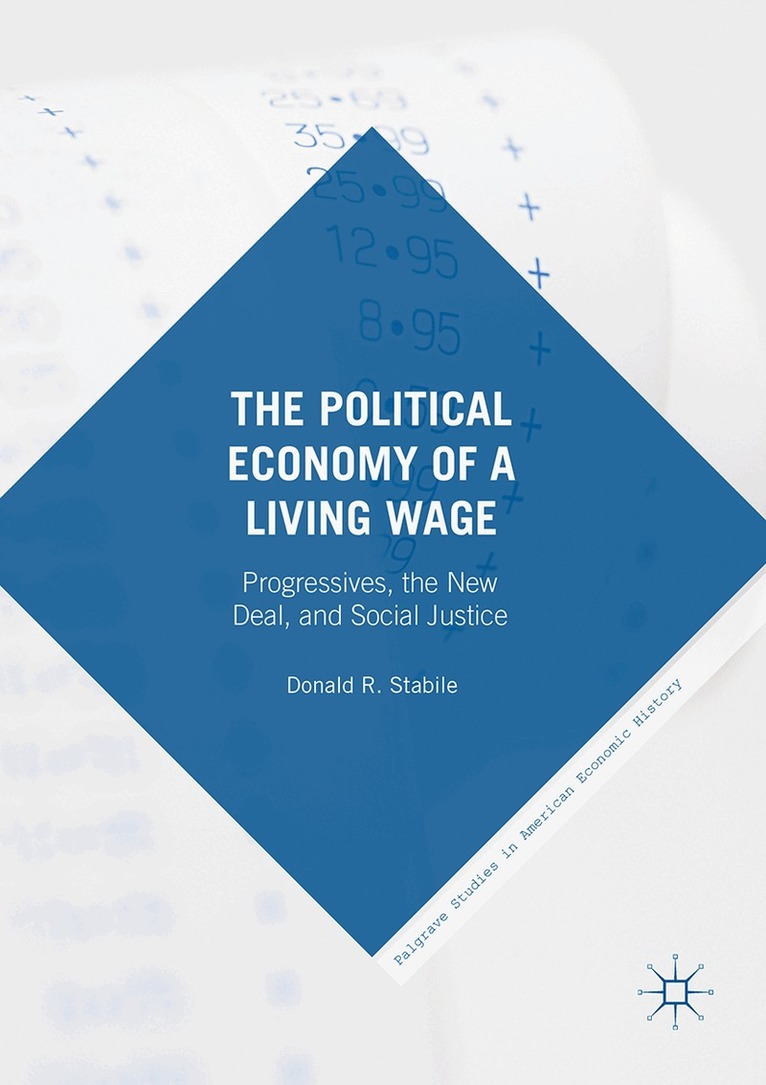
This book tells the story behind President Franklin D. Roosevelt’s use of the phrase "living wage" in a variety of speeches, letters, and statements, and examines the degree to which programs of the New Deal reflected the ideas of a living wage movement that existed in the US for almost three decades before Roosevelt was elected president. Far from being a side issue, the previously unexplored living wage debate sheds light on the New Deal philosophy of social justice by identifying the value judgments behind its policies. Moving chronologically through history, this book's highlights include the revelation of a living wage agenda under the War Industry Board (WIB)'s National War Labor Board (NWLB) during World War I, the unearthing of long-forgotten literature from the 1920s and 30s that formed the foundation of Roosevelt's statements on a living wage, and the examination of contemporary studies that used a simple living wage formula combining collective bargaining, social insurance,and minimum wage as a standard for social justice used to measure the impact of New Deal polices.
Inbunden, Engelska, 2017
1 290 kr
Skickas inom 10-15 vardagar
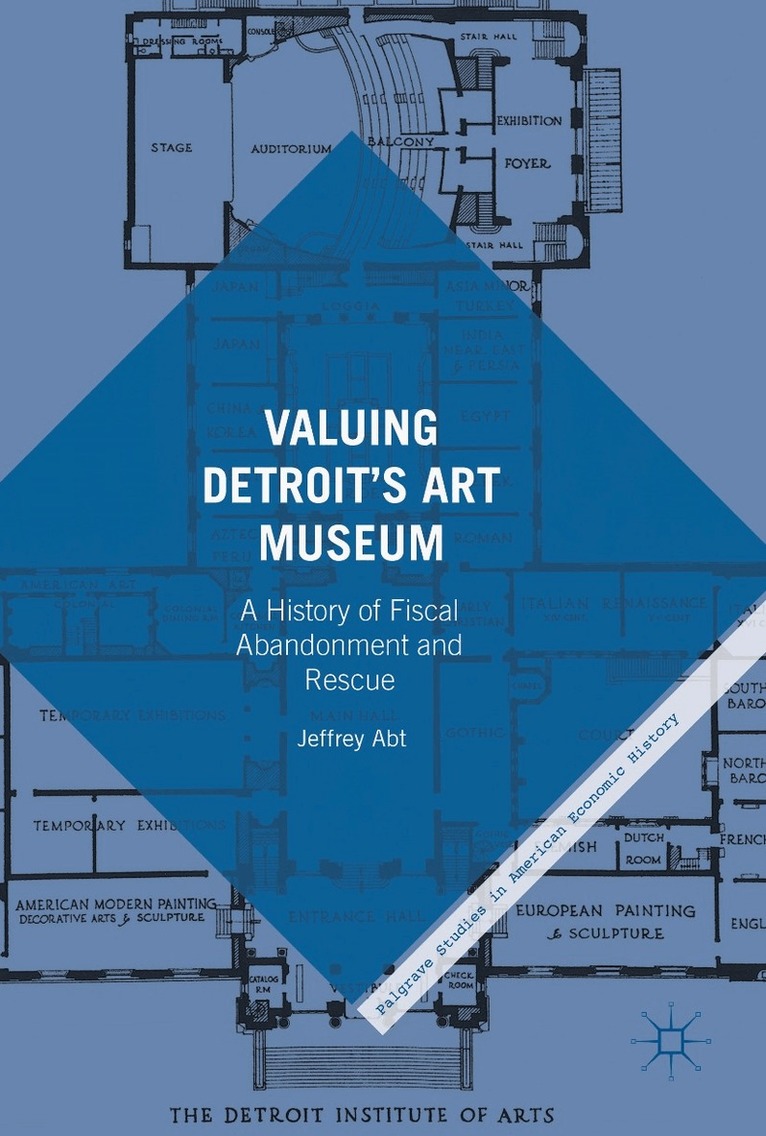
This book explores the perilous situation that faced the Detroit Institute of Arts during the city's bankruptcy, when creditors considered it a "nonessential asset" that might be sold to settle Detroit's debts. It presents the history of the museum in the context of the social, economic, and political development of Detroit, giving a history of the city as well as of the institution, and providing a model of contextual institutional history.Abt describes how the Detroit Institute of Arts became the fifth largest art museum in America, from its founding as a private non-profit corporation in 1885 to its transformation into a municipal department in 1919, through the subsequent decades of extraordinary collections and facilities growth coupled with the repeated setbacks of government funding cuts during economic downturns. Detroit's 2013 bankruptcy underscored the nearly 130 years of fiscal missteps and false assumptions that rendered the museum particularly vulnerable to the monetary power of a global art investment community eager to capitalize on the city's failures and its creditors' demands.This is a remarkable and important contribution to many fields, including non-profit management and economics, cultural policy, museum and urban history, and the histories of both the Detroit Institute of Arts and the city of Detroit itself. Despite the museum's unique history, its story offers valuable lessons for anyone concerned about the future of art museums in the United States and abroad.
Häftad, Engelska, 2018
1 397 kr
Skickas inom 10-15 vardagar
This book tells the story behind President Franklin D. Roosevelt’s use of the phrase "living wage" in a variety of speeches, letters, and statements, and examines the degree to which programs of the New Deal reflected the ideas of a living wage movement that existed in the US for almost three decades before Roosevelt was elected president. Far from being a side issue, the previously unexplored living wage debate sheds light on the New Deal philosophy of social justice by identifying the value judgments behind its policies. Moving chronologically through history, this book's highlights include the revelation of a living wage agenda under the War Industry Board (WIB)'s National War Labor Board (NWLB) during World War I, the unearthing of long-forgotten literature from the 1920s and 30s that formed the foundation of Roosevelt's statements on a living wage, and the examination of contemporary studies that used a simple living wage formula combining collective bargaining, social insurance,and minimum wage as a standard for social justice used to measure the impact of New Deal polices.
Häftad, Engelska, 2018
1 290 kr
Skickas inom 10-15 vardagar
This book explores the perilous situation that faced the Detroit Institute of Arts during the city's bankruptcy, when creditors considered it a "nonessential asset" that might be sold to settle Detroit's debts. It presents the history of the museum in the context of the social, economic, and political development of Detroit, giving a history of the city as well as of the institution, and providing a model of contextual institutional history.Abt describes how the Detroit Institute of Arts became the fifth largest art museum in America, from its founding as a private non-profit corporation in 1885 to its transformation into a municipal department in 1919, through the subsequent decades of extraordinary collections and facilities growth coupled with the repeated setbacks of government funding cuts during economic downturns. Detroit's 2013 bankruptcy underscored the nearly 130 years of fiscal missteps and false assumptions that rendered the museum particularly vulnerable to the monetary power of a global art investment community eager to capitalize on the city's failures and its creditors' demands.This is a remarkable and important contribution to many fields, including non-profit management and economics, cultural policy, museum and urban history, and the histories of both the Detroit Institute of Arts and the city of Detroit itself. Despite the museum's unique history, its story offers valuable lessons for anyone concerned about the future of art museums in the United States and abroad.