Pelagic Monographs - Böcker
Visar alla böcker i serien Pelagic Monographs. Handla med fri frakt och snabb leverans.
13 produkter
13 produkter
392 kr
Skickas inom 5-8 vardagar
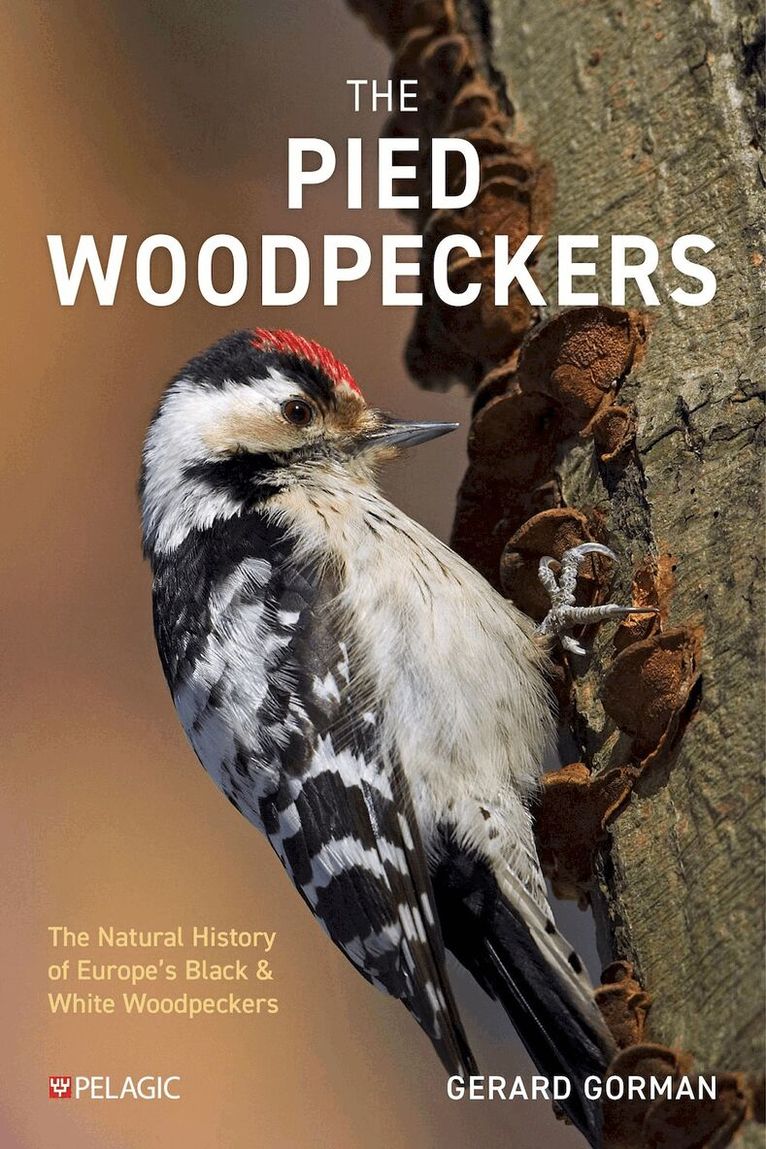
A resonant hammering from the canopy, a flicker of black and white with a flash of red: surely the archetypal image of a woodpecker? This book describes the natural history of five European species, the so-called pied woodpeckers: Middle Spotted Woodpecker, Lesser Spotted Woodpecker, Syrian Woodpecker, Great Spotted Woodpecker and White-backed Woodpecker.These fascinating birds are important ecosystem engineers, shaping the environment by creating cavities in trees where they can raise their young. This ability makes them keystone species, as their holes often go on to become homes for many other animals. Woodpeckers are also umbrella species, as their conservation invariably confers protection on a plethora of other birds, along with mammals and countless invertebrates. They are indicator species, too, for their presence is indicative of the biodiversity and condition of the woodland habitats they frequent. If you walk in a forest and there are no woodpeckers, this is in all likelihood a sign of ecological degradation.Each species is covered in detail, with information on taxonomy, appearance, moult, calls, drumming, distribution, conservation status, habitats, movements, breeding, diet and relationships with other wildlife and with humans. The text is richly illustrated with stunning photographs as well as sound spectrograms. The author is an acknowledged authority on woodpeckers who supplements his vast field experience with an in-depth review of the literature.
282 kr
Skickas inom 5-8 vardagar
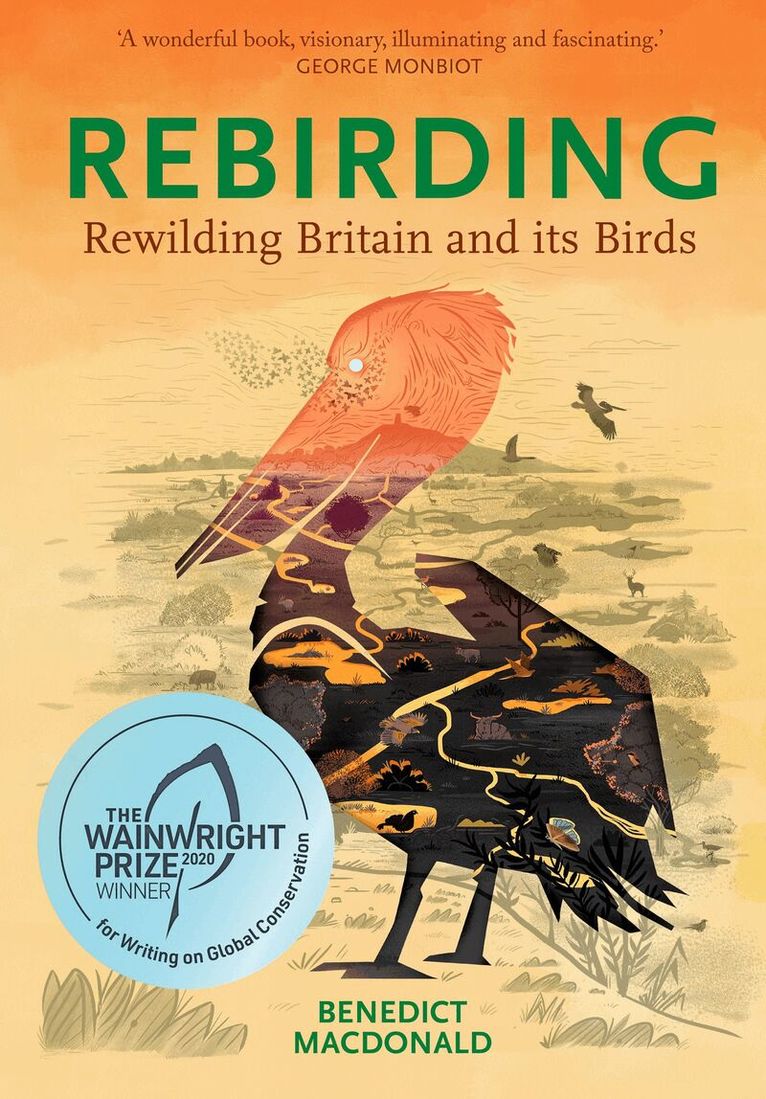
Rebirding takes the long view of Britain's wildlife decline, from the early taming of our landscape and its long-lost elephants and rhinos, to fenland drainage, the removal of cornerstone species such as wild cattle, horses, beavers and boar - and forward in time to the intensification of our modern landscapes and the collapse of invertebrate populations.It looks at key reasons why species are vanishing, as our landscapes become ever more tamed and less diverse, with wildlife trapped in tiny pockets of habitat. It explores how Britain has, uniquely, relied on modifying farmland, rather than restoring ecosystems, in a failing attempt to halt wildlife decline. The irony is that 94% of Britain is not built upon at all. And with more nature-loving voices than any European country, we should in fact have the best, not the most impoverished, wildlife on our continent. Especially when the rural economics of our game estates, and upland farms, are among the worst in Europe.Britain is blessed with all the space it needs for an epic wildlife recovery. The deer estates of the Scottish Highlands are twice the size of Yellowstone National Park. Snowdonia is larger than the Maasai Mara. The problem in Britain is not a lack of space. It is that our precious space is uniquely wasted - not only for wildlife, but for people's jobs and rural futures too.Rebirding maps out how we might finally turn things around: rewilding our national parks, restoring natural ecosystems and allowing our wildlife a far richer future. In doing so, an entirely new sector of rural jobs would be created; finally bringing Britain's dying rural landscapes and failing economies back to life.
704 kr
Skickas inom 5-8 vardagar
Muntjac and water deer were introduced to Britain from East Asia. This book provides a comprehensive overview of their natural history and the management of their environmental impacts.In lowland England, muntjac deer are one of the drivers of changes in woodland structure and species composition, and many of the principles relating to such woodland impact are also applicable to the activities of other species of deer. Interest in environmental impacts of deer is not solely restricted to woodlands. The highest densities of water deer occur in wetlands, where there is potential for conflict, and considerable numbers are also found on agricultural land. Muntjac have also settled in suburbia and frequently cause impacts there. Conservationists and national decision makers are concerned both about invasive alien species and about increasing deer populations.The first section covers the natural history of both species including: breeding biology, deer in the field, colonisation of Britain, a detailed look at colonisation in a single county, methods for studying deer populations and a review of deer population numbers. The second section covers environmental impact: risk assessment, impact management, control of muntjac, effect of muntjac browsing and grazing, habitat recovery from muntjac impacts and a study on the impacts of water deer. The section concludes with an overview of management and monitoring.The costs and benefits of both species are discussed, and questions asked about whether we are getting on top of problems caused by muntjac (locally and nationally) and will water deer turn out to be similar to muntjac? Attitudes and approaches to these species are changing: with water deer we are actively studying whether it might be an environmental problem, not waiting until after it has obviously become one. What will happen to distribution, numbers, impacts and attitudes in the future? Will water deer ever become a suburban animal? What does the future hold for water deer in China and Korea - and how important is the English population as a global conservation resource?
481 kr
Skickas inom 5-8 vardagar
'thoroughly recommended' —Country-side magazineThe Red Kite (Milvus milvus) – one of our most elegant and impressive birds of prey – has a varied and dramatic history in Britain. Having been driven perilously close to extinction, it has now made a welcome comeback, in part through one of the most successful reintroduction projects ever undertaken. This beautifully illustrated book follows the birds through the ups and downs of the year, from the rigours of raising young during the warm summer months to the struggle for survival in the depths of winter.Interspersed with the monthly accounts, are chapters on the history of the Red Kite in Britain, the reintroduction programme, the threats it still faces, and its status elsewhere in Europe. Red Kite biology is explored from nest construction, egg laying and nest defence, through to juveniles leaving the nest and learning to live independently. The book concludes with an overview of Red Kite status throughout their range.With a foreword by Mark Avery.
369 kr
Skickas
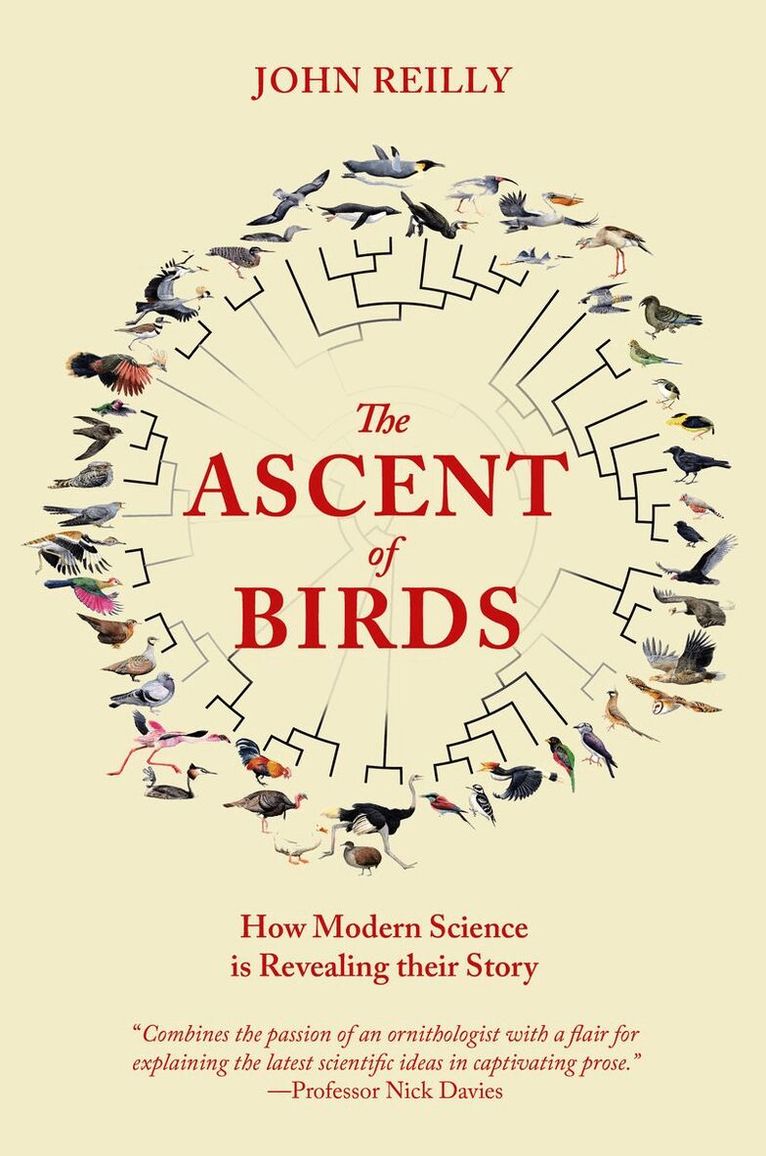
When and where did the ancestors of modern birds evolve? What enabled them to survive the meteoric impact that wiped out the dinosaurs? How did these early birds spread across the globe and give rise to the 10,600-plus species we recognise today ― from the largest ratites to the smallest hummingbirds? Based on the latest scientific discoveries and enriched by personal observations, The Ascent of Birds sets out to answer these fundamental questions.The Ascent of Birds is divided into self-contained chapters, or stories, that collectively encompass the evolution of modern birds from their origins in Gondwana, over 100 million years ago, to the present day. The stories are arranged in chronological order, from tinamous to tanagers, and describe the many dispersal and speciation events that underpin the world's 10,600-plus species. Although each chapter is spearheaded by a named bird and focuses on a specific evolutionary mechanism, the narrative will often explore the relevance of such events and processes to evolution in general.The book starts with The Tinamou’s Story, which explains the presence of flightless birds in South America, Africa, and Australasia, and dispels the cherished role of continental drift as an explanation for their biogeography. It also introduces the concept of neoteny, an evolutionary trick that enabled dinosaurs to become birds and humans to conquer the planet.The Vegavis's Story explores the evidence for a Cretaceous origin of modern birds and why they were able to survive the asteroid collision that saw the demise not only of dinosaurs but of up to three-quarters of all species.The Duck's Story switches to sex: why have so few species retained the ancestral copulatory organ? Or, put another way, why do most birds exhibit the paradoxical phenomenon of penis loss, despite all species requiring internal fertilisation?The Hoatzin's Story reveals unexpected oceanic rafting from Africa to South America: a stranger-than-fiction means of dispersal that is now thought to account for the presence of other South American vertebrates, including geckos and monkeys.The latest theories underpinning speciation are also explored. The Manakin’s Story, for example, reveals how South America’s extraordinarily rich avifauna has been shaped by past geological, oceanographic and climatic changes, while The Storm-Petrel’s Story examines how species can evolve from an ancestral population despite inhabiting the same geographical area. The thorny issue of what constitutes a species is discussed in The Albatross's Story, while The Penguin’s Story explores the effects of environment on phenotype ― in the case of the Emperor penguin, the harshest on the planet.Recent genomic advances have given scientists novel approaches to explore the distant past and have revealed many unexpected journeys, including the unique overland dispersal of an early suboscine from Asia to South America (The Sapayoa’s Story) and the blackbird's ancestral sweepstake dispersals across the Atlantic (The Thrush’s Story).Additional vignettes update more familiar concepts that encourage speciation: sexual selection (The Bird-of-Paradise's Story); extended phenotypes (The Bowerbird's Story); hybridisation (The Sparrow's Story); and 'great speciators' (The White-eye's Story). Finally, the book explores the raft of recent publications that help explain the evolution of cognitive skills (The Crow's Story); plumage colouration (The Starling's Story); and birdsong (The Finch's Story)
618 kr
Skickas inom 5-8 vardagar
Graham Martin takes the reader deep into the world of birds from a new perspective, with a ‘through birds’ eyes’ approach to ornithology that goes beyond the traditional habitat or ecological point of view. There is a lot more to a bird’s world than what it receives through its eyes. This book shows how all of the senses complement one another to provide each species with a unique suite of information that guides their daily activities.The senses of each bird have been fine-tuned by natural selection to meet the challenges of its environment and optimise its behaviour: from spotting a carcase on a hillside, to pecking at minute insects, from catching fish in murky waters, to navigating around the globe.The reader is also introduced to the challenges posed to birds by the obstacles with which humans have cluttered their worlds, from power lines to windowpanes. All of these challenges need explaining from the birds’ sensory perspectives so that effective mitigations can be put in place.The book leads the reader through a wealth of diverse information presented in accessible text, with over 100 colour illustrations and photographs. The result is a highly readable and authoritative account, which will appeal to birdwatchers and other naturalists, as well as researchers in avian biology.The author has researched the senses of birds throughout a 50-year career in ornithology and sensory science. He has always attempted to understand birds from the perspective of how sensory information helps them to carry out different tasks in different environments. He has published papers on more than 60 bird species, from Albatrosses and Penguins, to Spoonbills and Kiwi. His first fascination was with owls and night time, and owls have remained special to him throughout his career. He has collaborated and travelled widely and pondered diverse sensory challenges that birds face in the conduct of different tasks in different habitats, from mudflats and murky waters, to forests, deserts and caves. In recent years he has focused on how understanding bird senses can help to reduce the very high levels of bird deaths that are caused by human artefacts; particularly, wind turbines, power lines, and gill nets.
468 kr
Skickas
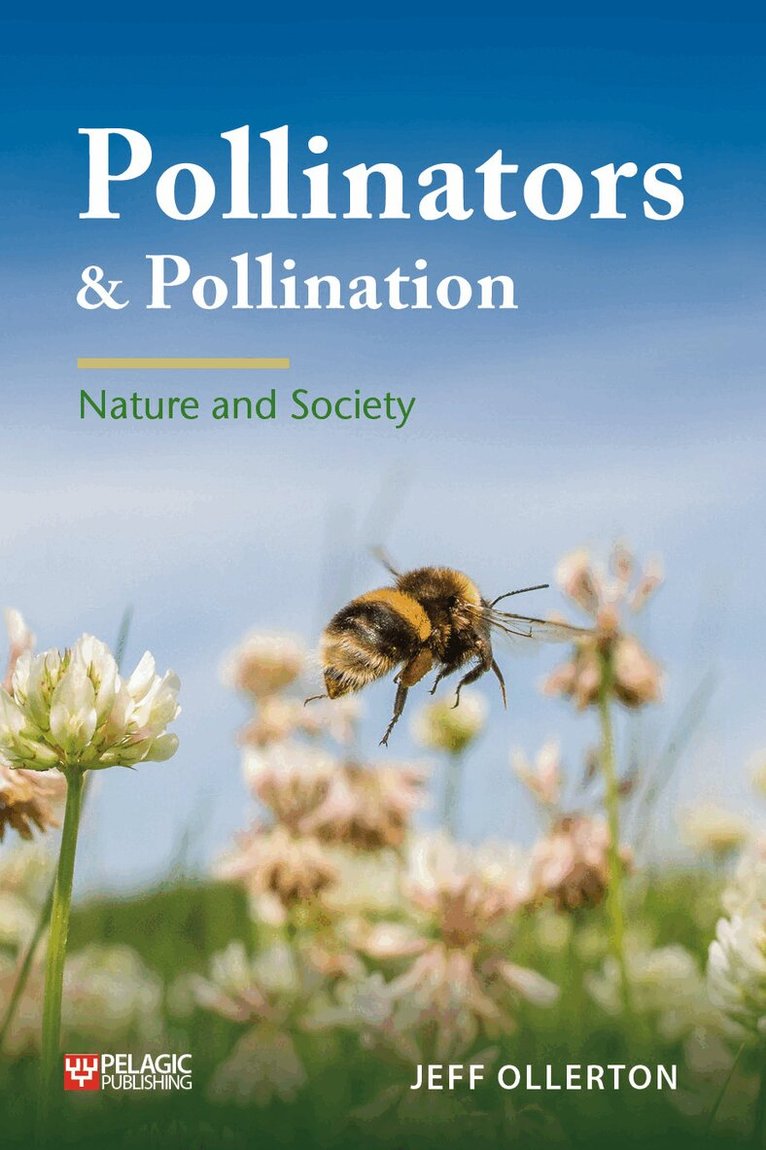
A unique and personal insight into the ecology and evolution of pollinators, their relationships with flowers, and their conservation in a rapidly changing world.The pollination of flowers by insects, birds and other animals is a fundamentally important ecological function that supports both the natural world and human society. Without pollinators to facilitate the sexual reproduction of plants, the world would be a biologically poorer place in which to live, there would be an impact on food security, and human health would suffer.Written by one of the world's leading pollination ecologists, this book provides an introduction to what pollinators are, how their interactions with flowers have evolved, and the fundamental ecology of these relationships. It explores the pollination of wild and agricultural plants in a variety of habitats and contexts, including urban, rural and agricultural environments. The author also provides practical advice on how individuals and organisations can study, and support, pollinators.As well as covering the natural history of pollinators and flowers, the author discusses their cultural importance, and the ways in which pollinator conservation has been portrayed from a political perspective. The book draws on field work experiences in South America, Africa, Australia, the Canary Islands and the UK.For over 30 years the author has spent his career researching how plants and pollinators evolve relationships, how these interactions function ecologically, their importance for society, and how we can conserve them in a rapidly changing world. This book offers a unique and personal insight into the science of pollinators and pollination, aimed at anyone who is interested in understanding these fascinating and crucial ecological interactions.
468 kr
Skickas
This book considers the natural history and cultural symbolism of a most unusual woodpecker – a species that neither excavates nest holes in trees, nor bores into wood to find insect prey. The Wryneck is best renowned for performing a twisting, writhing head and neck display when threatened, but this ground-breaking work reveals many more secrets of its behaviour and evolution. Detailed information is presented on the species' origins, taxonomy, anatomy, appearance, moult, calls, distribution, conservation status, habitats, movements, breeding, diet and relationships, along with a chapter on its closest relative, the Red-throated Wryneck.The text is richly illustrated throughout with high quality photographs as well as sound spectrograms. The author augments his many hours watching Wrynecks with comprehensive literature research, creating what is surely the definitive volume on the species. This all-encompassing and engaging account has been written for a wide audience, whether professional ornithologist, citizen scientist, amateur birder, woodpecker aficionado or simply someone who wishes to learn more about this curious and remarkable bird.
468 kr
Skickas
Offering new insights into how they grow, learn and live, this book delves deep into the secretive behaviour of one of our rarest and most elusive mammals. It covers Pine Marten social interactions, courtship, mating, nesting and kit rearing, feeding and diet, as well as relationships with other wildlife. It also examines the considerable advantages of having these animals around and why it is in our interest to help them.Pine Martens are slowly starting to increase their numbers and expand their range in Britain and Ireland as conservation efforts help them recover. There are now more sightings, while interest in what these animals do and why is greater than ever. This book uniquely uses photography to show (not tell) the reader all aspects of Pine Marten behaviour – uncovering these mammals’ private life and shining light into the darkness of the night. The candid images allow the reader to experience this magnificent animal close up as never before. Aimed at amateur naturalists and experts alike, this groundbreaking book provides fascinating observations and a wealth of information.
392 kr
Skickas
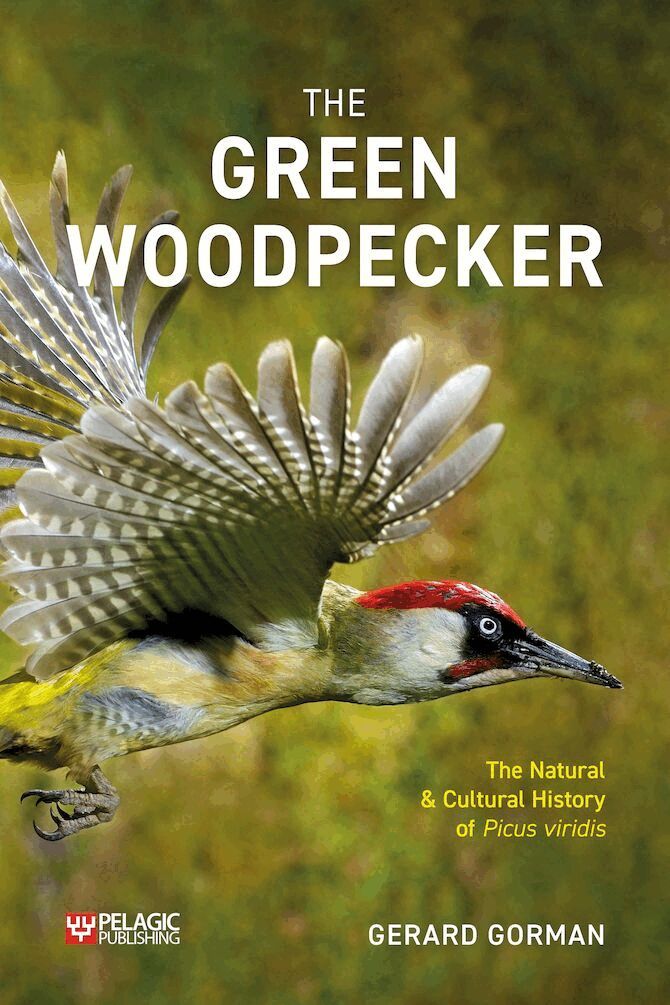
This book describes the natural and cultural history of an iconic and unusual woodpecker – a species that nests in tree cavities but which forages mostly on the ground. The Green Woodpecker, known in folk English as the Yaffle, is afforded comprehensive coverage in this work, with information on its origins, taxonomy, anatomy, appearance, moult, calls, distribution, conservation status, habitats, movements, breeding, diet and relationships with other wildlife and humans all presented.The text is richly illustrated throughout with quality photographs as well as sound spectrograms. Many eye-opening observations of Green Woodpecker behaviour are detailed. This all-encompassing and engaging account has been written for a wide audience, whether professional ornithologist, citizen scientist, amateur birder, woodpecker aficionado or simply someone who wishes to learn more about this curious and remarkable bird.
Badger Behaviour, Conservation & Rehabilitation
70 Years of Getting to Know Badgers
Häftad, Engelska, 2015
379 kr
Skickas
A fascinating insight into the badger’s world. Badger biology, life in the sett, rescue & rehabilitation, consultancy, badgers & farming, and badger-watching with George Pearce – an expert on badgers.George has surveyed over 700 sites, visited 1,500 setts, been consulted as an expert in 120 animal cruelty cases and rehabilitated more than 100 badgers. Brought up on a farm, he earned his living as a farmer for 45 years. Today, he is a badger consultant and one of the foremost experts on the British mammal he admires the most.For many years, the RSPCA, police, veterinary surgeons and conservation groups all over the country have relied on George Pearce’s knowledge and his instinctive feel for animal behaviour. Now you can share in his experience and enthusiasm for badgers from his 70 years of badger watching and his vast professional wildlife experience.
Del 1 - Pelagic Monographs
Britain’s Game Fishes
Celebration and Conservation of Salmonids
Inbunden, Engelska, 2013
445 kr
Skickas inom 5-8 vardagar
Game fishes, particularly those of the salmon family, are critical indicators of the health of those ecosystems upon which we now know we are dependent. As the authors of this important environmental book argue, “Our game fishes [then] serve as more than merely an indicator of healthy waters. Instead, they can be regarded as iconic of the ecosystems in which they occur.” Moreover, “the quality requirements of different types of fish population have formed the backbone of a great deal of water management in the UK, Europe and the USA over several decades.”With sections on how and why Britain’s game fishes are under pressure from changes in land use, agriculture, housing needs, etc. – and their concomitant pollution effects – this book assesses how our knowledge of these game fishes reflect the changing values we place on our surrounding wildlife.
468 kr
Skickas
The Peregrine, the fastest bird in the world, has made a remarkable recovery over the past 30 years. As the species re-establishes itself around the world it is becoming a familiar sight in towns and cities.This beautifully illustrated book is the first in-depth focus on the lives of Peregrines in towns and cities. In words and stunning photographs, Ed Drewitt reveals the latest information on Peregrine behavior including how they are adapting to, and taking advantage of, the urban environment.The book is also a how-to-guide, with information on finding peregrines, studying their diet, ringing individuals for research, putting up nest boxes and enabling people to learn more about them through public viewing points or web cameras.Ed also discusses what makes a Peregrine urban, their contemporary relationship with people, and helps dispel some myths and reveal some truths about this agile predator.