Perspectives on Sustainable Growth - Böcker
Visar alla böcker i serien Perspectives on Sustainable Growth. Handla med fri frakt och snabb leverans.
8 produkter
8 produkter
977 kr
Skickas inom 10-15 vardagar
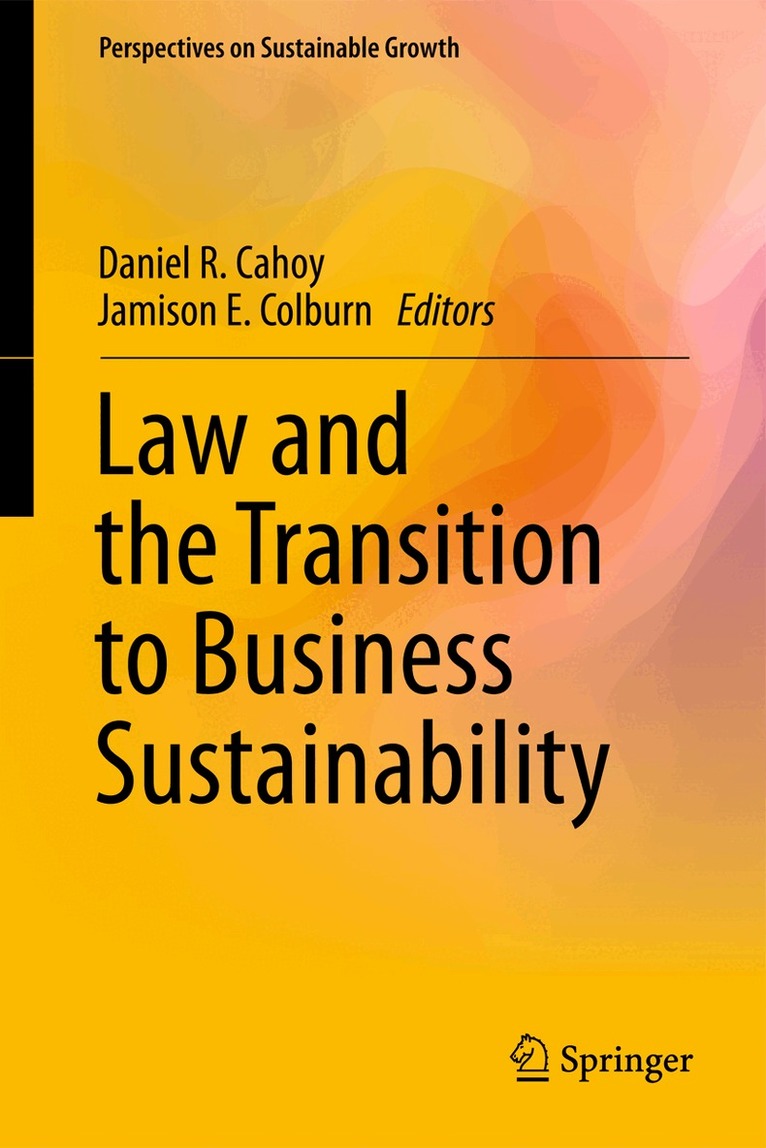
Law and the Transition to Business Sustainability
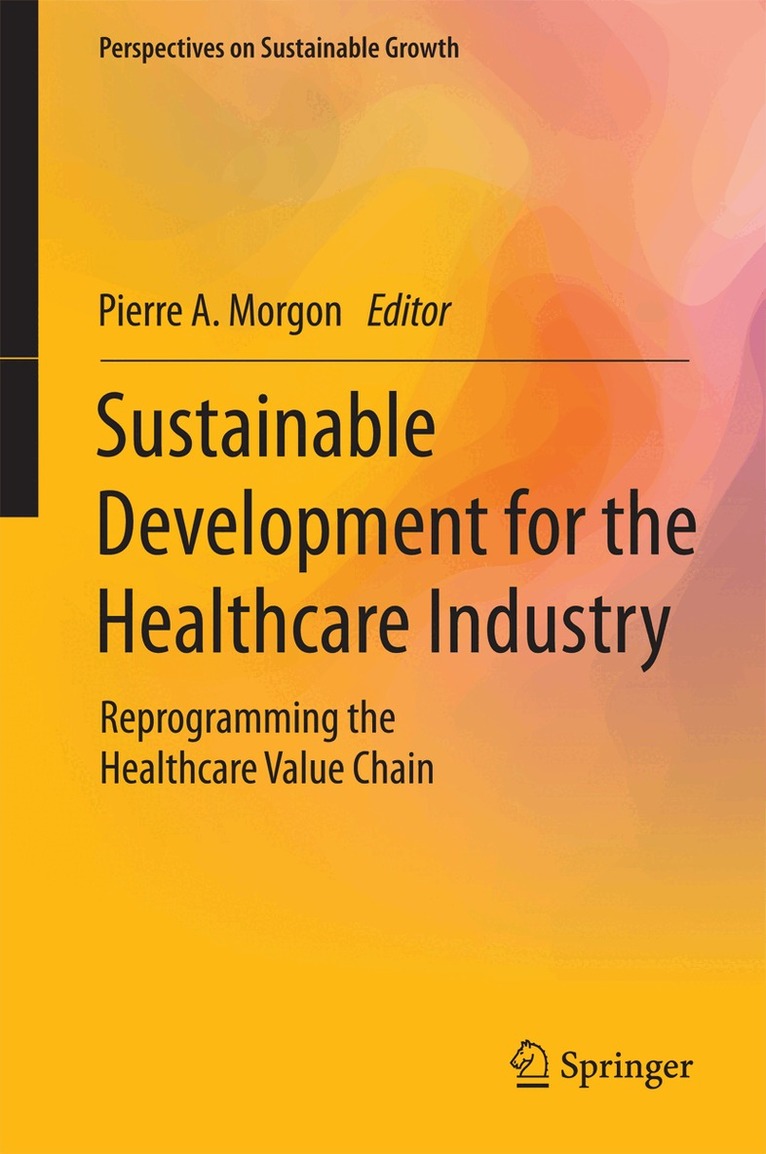
Sustainable Development for the Healthcare Industry
Reprogramming the Healthcare Value Chain
Inbunden, Engelska, 2014
534 kr
Skickas inom 10-15 vardagar
This volume addresses the dynamics of sustainable development in the healthcare industry, covering all major aspects, including R&D, manufacturing, regulation, market access, commercialization, and general management. Healthcare markets are evolving under demographic and economic pressures. In mature markets, patients navigate complex systems with limited control on healthcare quality and outcomes, while in developing markets, patients have limited awareness, access, and ability to pay for healthcare. The industry needs to identify which business targets are genuinely attractive for major or new investments. At the same time, development of new products and services must be tackled within the context of environmental sustainability. Rather than focusing on the traditional issues of innovation, cost management, and commercial effectiveness associated with growth, the authors explore such emerging topics as:The mutations of innovation managementThe need to foster patient-centricity along the entire value chain of the healthcare industry and company-wideIssues related to improving healthcare access and disease managementThe allocation of educational resources focused on the patient to increase the effectiveness of disease managementThe preservation of natural resources and the environmental effect of pollution and hazards created by the handling of pharmaceutical productsIssues related to the size of medical need and/or market demandThe private-public partnerships necessary to address the full spectrum of public health issues, from basic patient access to care to managing global health crisesThe required organizational and governance evolutions for the healthcare industry to maintain profitability and sustainablegrowth. Featuring contributions from leading academics and industry insiders with emphasis on environmental, economically, and socially sustainable practices, the authors present a unique, multi-faceted set of perspectives on this vital and rapidly evolving field.
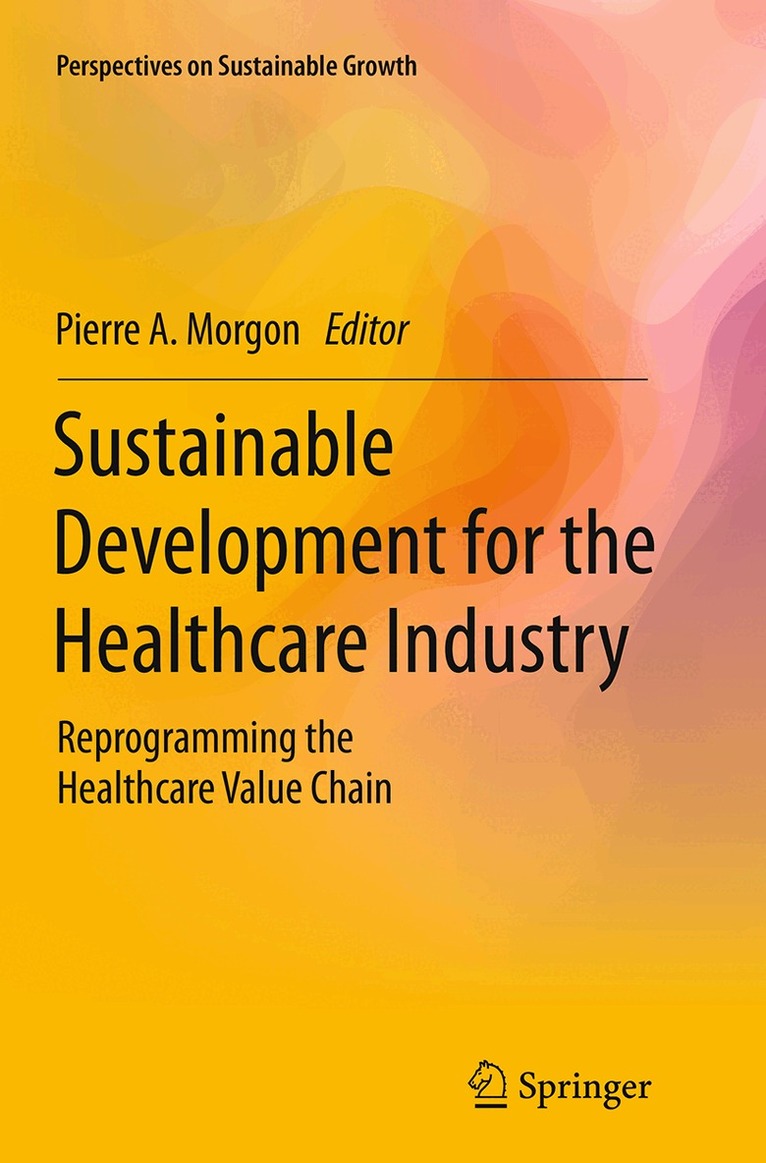
Sustainable Development for the Healthcare Industry
Reprogramming the Healthcare Value Chain
Häftad, Engelska, 2016
534 kr
Skickas inom 10-15 vardagar
This volume addresses the dynamics of sustainable development in the healthcare industry, covering all major aspects, including R&D, manufacturing, regulation, market access, commercialization, and general management. Healthcare markets are evolving under demographic and economic pressures. In mature markets, patients navigate complex systems with limited control on healthcare quality and outcomes, while in developing markets, patients have limited awareness, access, and ability to pay for healthcare. The industry needs to identify which business targets are genuinely attractive for major or new investments. At the same time, development of new products and services must be tackled within the context of environmental sustainability. Rather than focusing on the traditional issues of innovation, cost management, and commercial effectiveness associated with growth, the authors explore such emerging topics as:The mutations of innovation managementThe need to foster patient-centricity along the entire value chain of the healthcare industry and company-wideIssues related to improving healthcare access and disease managementThe allocation of educational resources focused on the patient to increase the effectiveness of disease managementThe preservation of natural resources and the environmental effect of pollution and hazards created by the handling of pharmaceutical productsIssues related to the size of medical need and/or market demandThe private-public partnerships necessary to address the full spectrum of public health issues, from basic patient access to care to managing global health crisesThe required organizational and governance evolutions for the healthcare industry to maintain profitability and sustainablegrowth. Featuring contributions from leading academics and industry insiders with emphasis on environmental, economically, and socially sustainable practices, the authors present a unique, multi-faceted set of perspectives on this vital and rapidly evolving field.
1 296 kr
Skickas inom 5-8 vardagar
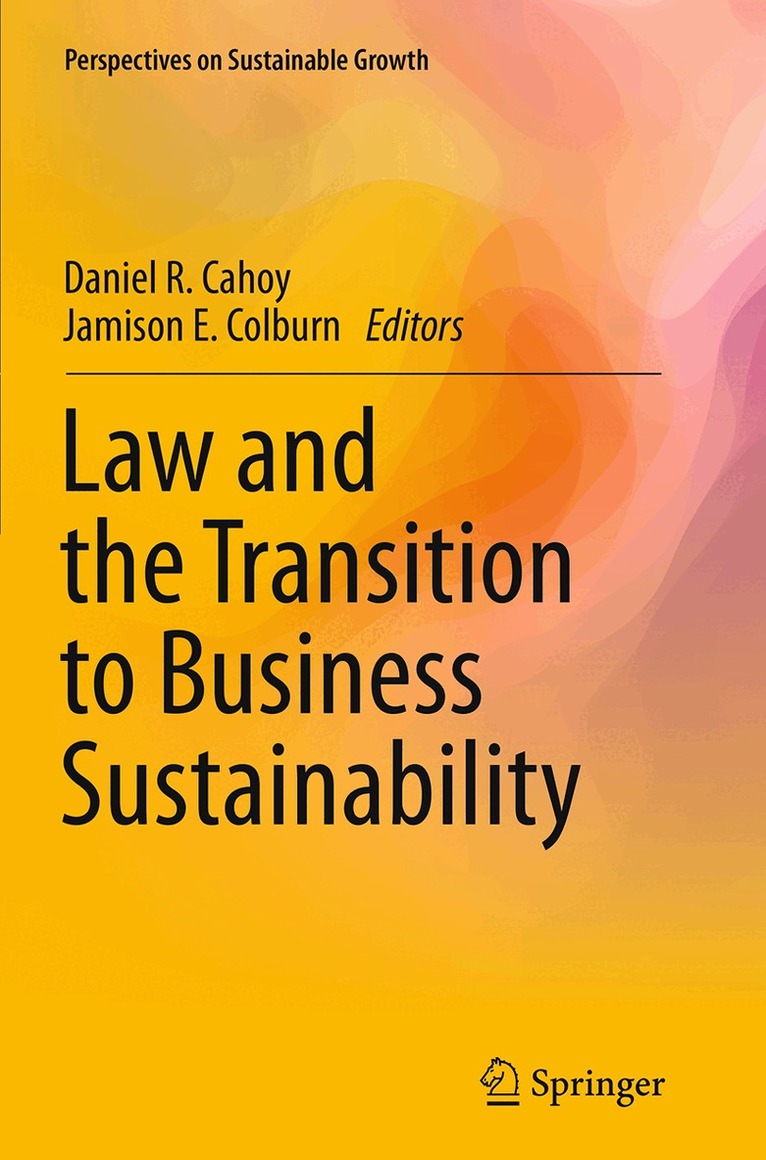
This book expands on law-related research by examining the legal aspects of sustainability with a focus on the impact on business strategies. It recognizes that firms must adopt an integrated approach to law and sustainability, considering multiple disciplines and goals, and serve as a forum for bringing together scholarship from fields such as environmental law, energy, government regulation and intellectual property. Firms increasingly have an interest in transitioning to sustainable business practices that take into consideration the fact that global resources are finite and will be increasingly scarce. They acknowledge that current actions have social, economic and environmental consequences and employ options to ensure that future generations have the same options and benefits. Examples of sustainable practices increasingly employed by firms include the institutionalization of “whole life-cycle” analysis in marketing and product design, utilization of sustainable inputs and energy sources, tracking and reporting sustainability performance, attempting the valuation of future generation prosperity and happiness as a discounting mechanism, and integrating sustainability into firm culture and management goals. It is clear that law and regulation have an extremely important role to play in the transition to more sustainable business practices. Broadly stated, law can provide structure for firms responding to forces that pull transition by enabling sustainability leadership and competitive advantage through funding models, intellectual property rights and collaboration means. Additionally, law can work to push transition by compelling firms to act through regulatory structures, accounting and governance mechanisms.
1 062 kr
Skickas inom 10-15 vardagar
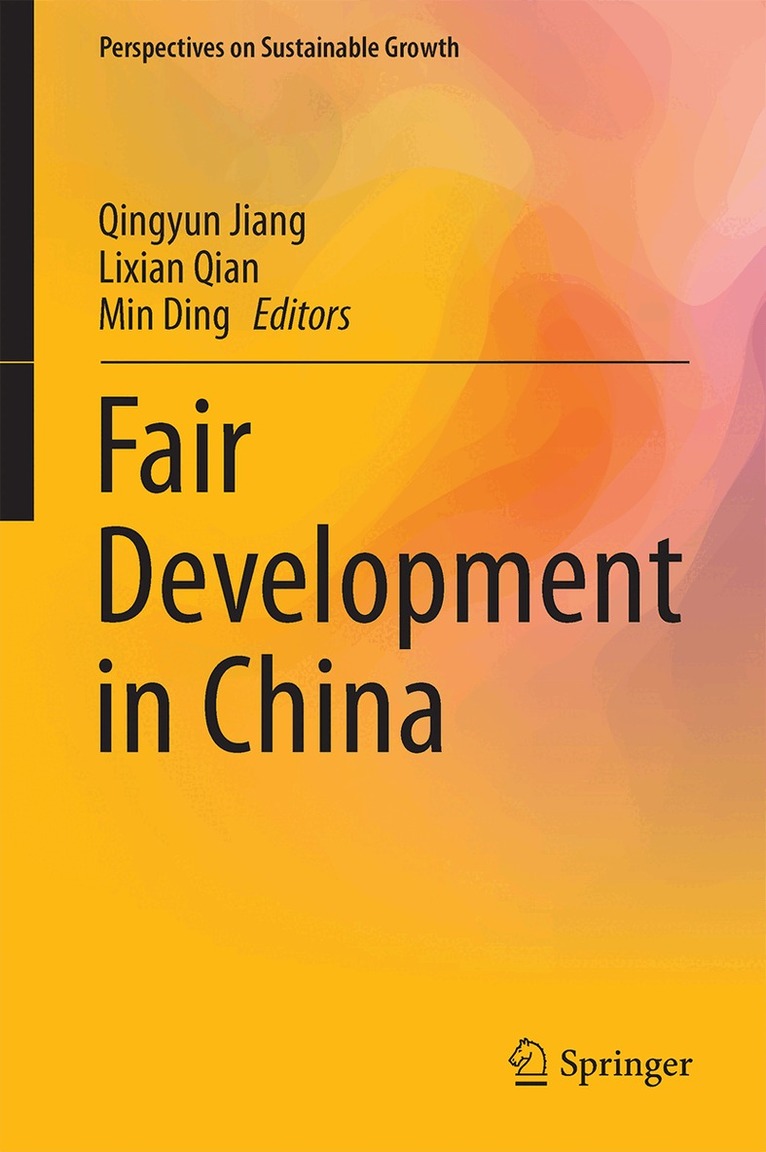
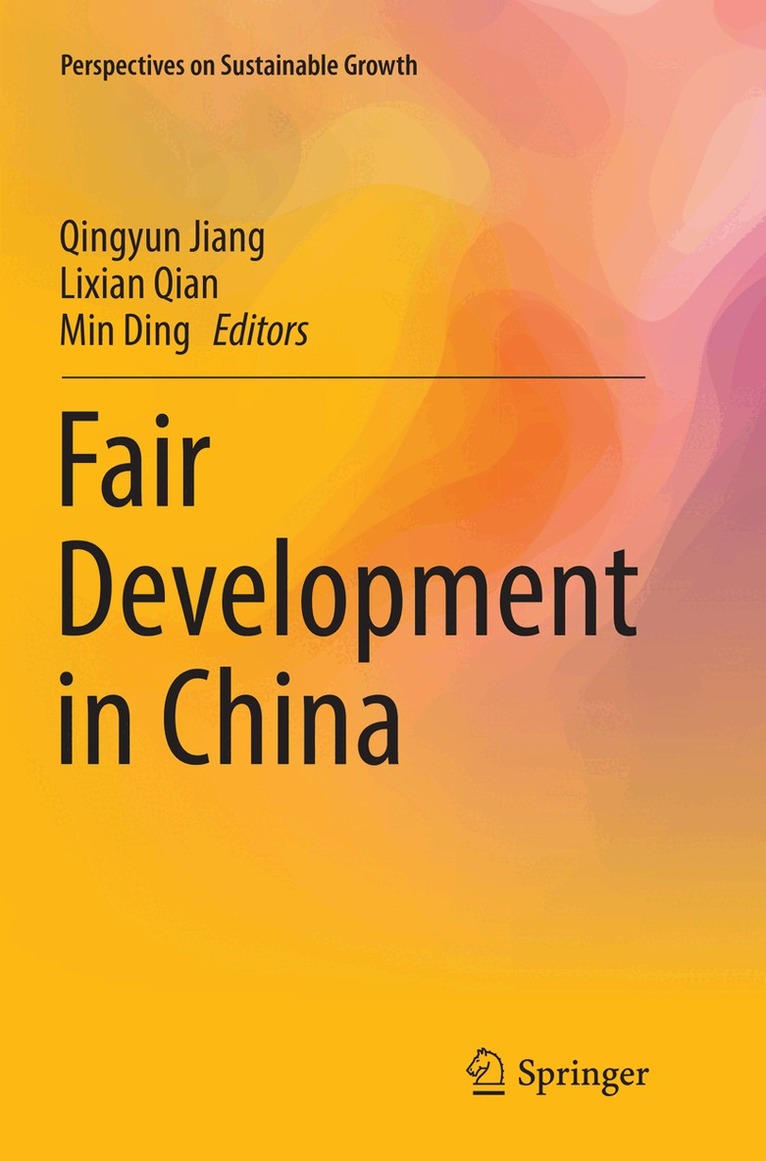
The purpose of this volume is to explore sustainable innovation and “fair development” in China. It examines various existing problems currently faced in China, such as food safety, education, healthcare, employment, housing, the environment and censorship, among others, and provides different perspectives in relation to fair development. Topics covered include coordinated governance, energy consumption and policy, dynamic sustainability, green marketing, and people-oriented education. While the focus of the volume is on China, the research process and structure presented can also be used to explore fair development in other emerging economies.Fair development is a framework that includes such principles as sustainability, with particular respect to the implications for human development in the context of available opportunities, resources, and outputs. China, the world’s second largest economy, continues to face several challenges when pursuing sustainable development, suchas unbalanced growth pressure in the central and western regions and rural areas of China, the fragility of the natural environment, and resource constraints and structural problems in economic and social development. It is a crucial mission for China to sustain economic growth without sacrificing environmental sustainability or human rights. For example, there is increasing pressure on China to reduce its dependence on fossil energy. Therefore, innovations in technologies, management, and even systems are critical to drive a transition to low-carbon energy, which will be a long-term process.Featuring contributions from a diverse group of researchers from multiple disciplines, this volume provides a comprehensive collection of perspectives on economic, political, and social development in China.
1 589 kr
Skickas inom 10-15 vardagar
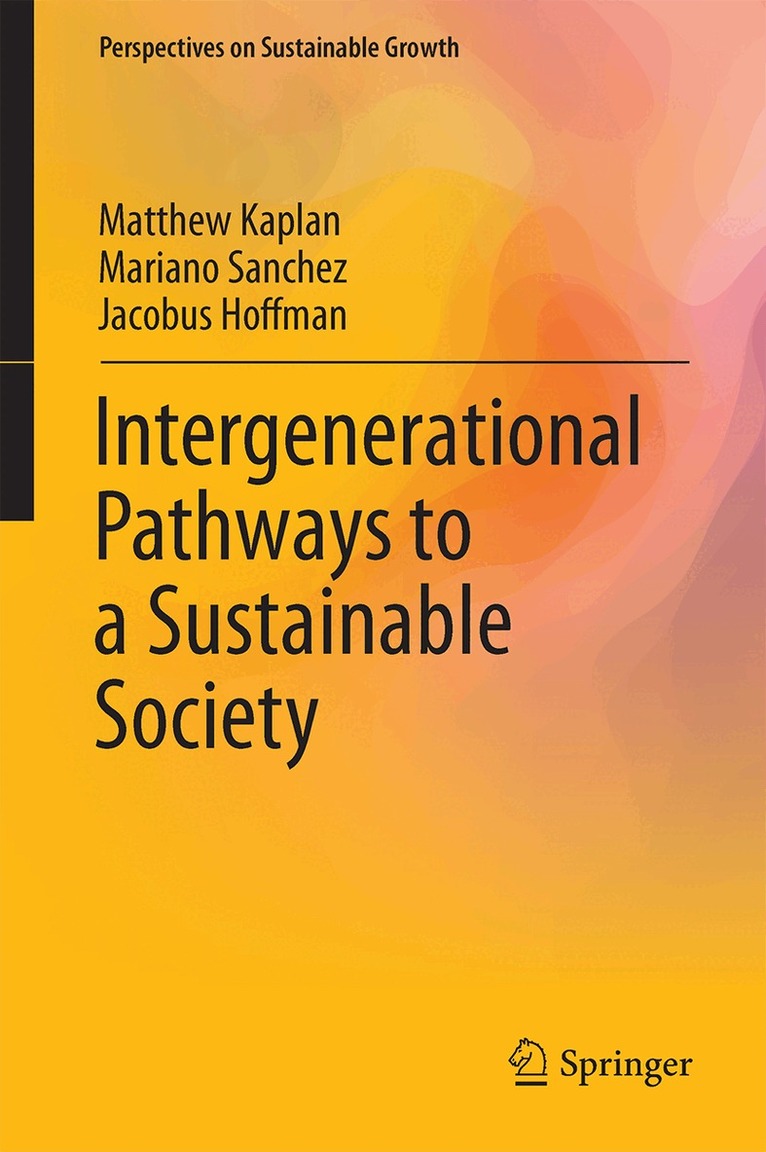
This volume explores intergenerational practices and their impact on social sustainability, with an emphasis on developing programmatic efforts to address profound social challenges such as underperforming educational and work-related systems, failing support systems for dependent or vulnerable populations, and community renewal and regeneration efforts. To this end, the core argument is to present issues related to age, aging, and generations, not only as problems, but as catalysts to facilitate improved quality of life for all generations.For societies to be sustainable, all generations must coexist at any given time and across time (non-contemporary generations). Hence, the ultimate vision presented here is one of intergenerational sustainability as both a conceptual tool and as a call for action. Intergenerational pathways are introduced as strategies for improving health and well-being across the lifespan, strengthening families, improving under-performing educational and work-related systems, and helping to build more cohesive, caring communities.Reviewing some of the historical factors and developments influencing intergenerational studies, as well as presenting regional case studies and comparative research, this book presents successful models that may be applied to everyday multigenerational practices in institutions such as education, family life, housing, healthcare, employment, and community development. The result is an accessible resource for students, academics, policymakers, community leaders, and citizens concerned with creating opportunities amidst challenging demographic and social changes.
1 361 kr
Skickas inom 5-8 vardagar
The purpose of this volume is to explore sustainable innovation and “fair development” in China. It examines various existing problems currently faced in China, such as food safety, education, healthcare, employment, housing, the environment and censorship, among others, and provides different perspectives in relation to fair development. Topics covered include coordinated governance, energy consumption and policy, dynamic sustainability, green marketing, and people-oriented education. While the focus of the volume is on China, the research process and structure presented can also be used to explore fair development in other emerging economies.Fair development is a framework that includes such principles as sustainability, with particular respect to the implications for human development in the context of available opportunities, resources, and outputs. China, the world’s second largest economy, continues to face several challenges when pursuing sustainable development, suchas unbalanced growth pressure in the central and western regions and rural areas of China, the fragility of the natural environment, and resource constraints and structural problems in economic and social development. It is a crucial mission for China to sustain economic growth without sacrificing environmental sustainability or human rights. For example, there is increasing pressure on China to reduce its dependence on fossil energy. Therefore, innovations in technologies, management, and even systems are critical to drive a transition to low-carbon energy, which will be a long-term process.Featuring contributions from a diverse group of researchers from multiple disciplines, this volume provides a comprehensive collection of perspectives on economic, political, and social development in China.
1 589 kr
Skickas inom 10-15 vardagar
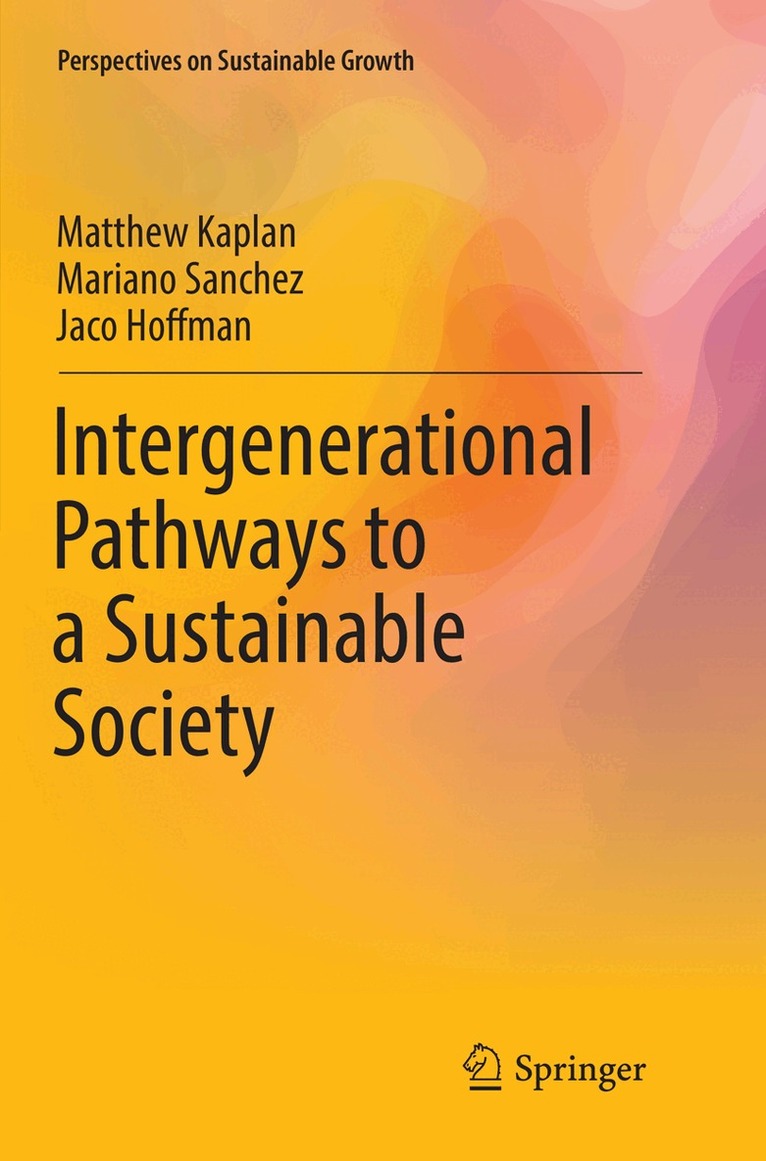
This volume explores intergenerational practices and their impact on social sustainability, with an emphasis on developing programmatic efforts to address profound social challenges such as underperforming educational and work-related systems, failing support systems for dependent or vulnerable populations, and community renewal and regeneration efforts. To this end, the core argument is to present issues related to age, aging, and generations, not only as problems, but as catalysts to facilitate improved quality of life for all generations.For societies to be sustainable, all generations must coexist at any given time and across time (non-contemporary generations). Hence, the ultimate vision presented here is one of intergenerational sustainability as both a conceptual tool and as a call for action. Intergenerational pathways are introduced as strategies for improving health and well-being across the lifespan, strengthening families, improving under-performing educational and work-related systems, and helping to build more cohesive, caring communities.Reviewing some of the historical factors and developments influencing intergenerational studies, as well as presenting regional case studies and comparative research, this book presents successful models that may be applied to everyday multigenerational practices in institutions such as education, family life, housing, healthcare, employment, and community development. The result is an accessible resource for students, academics, policymakers, community leaders, and citizens concerned with creating opportunities amidst challenging demographic and social changes.