Philosophy Now - Böcker
Visar alla böcker i serien Philosophy Now. Handla med fri frakt och snabb leverans.
6 produkter
6 produkter
2 104 kr
Skickas inom 10-15 vardagar
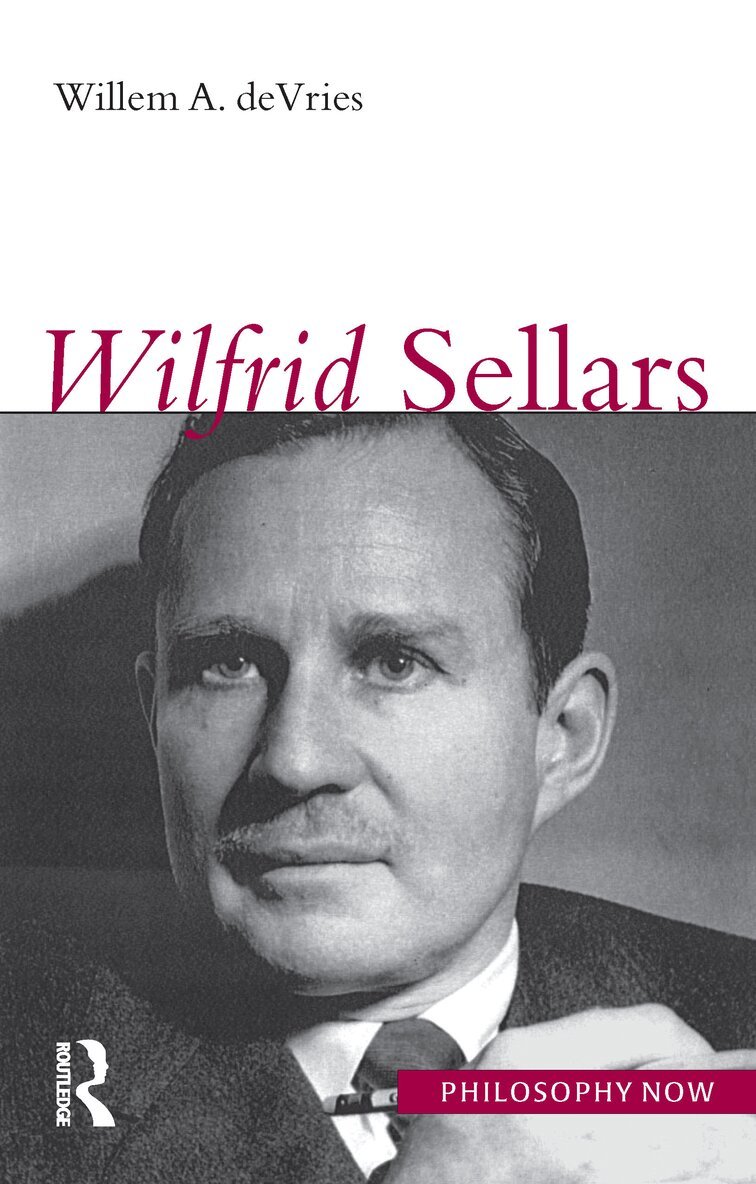
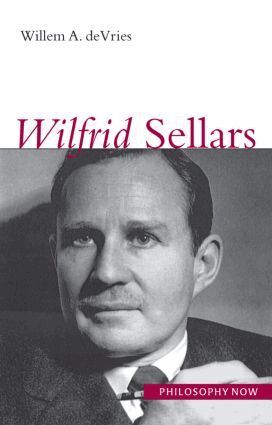
Wilfrid Sellars (1912-89) has been called "the most profound and systematic epistemological thinker of the twentieth century" (Robert Brandom). He was in many respects ahead of his time, and many of his innovations have become widely acknowledged, for example, his attack on the "myth of the given", his functionalist treatment of intentional states, his proposal that psychological concepts are like theoretical concepts, and his suggestion that attributions of knowledge locate the knower "in the logical space of reasons". However, while many philosophers have begun to acknowledge Sellars's inspiration in their work, their interpretation of his thought has not always been the most accurate. His writings are difficult. Individually, his essays are complex and sometimes rely on doctrines and arguments he put forward elsewhere. Each of his articles is deepened and strengthened by seeing it in its systematic context, but he never wrote a unified exposition of his system, which therefore has to be pieced together from numerous disparate sources. Willem deVries addresses these difficulties specifically and provides a careful reading and remarkable overview of Sellars's systematic philosophy that will become the standard point of reference for all philosophers seeking to understand Sellars's hugely significant body of work.
508 kr
Skickas inom 10-15 vardagar
Wilfrid Sellars (1912-89) has been called "the most profound and systematic epistemological thinker of the twentieth century" (Robert Brandom). He was in many respects ahead of his time, and many of his innovations have become widely acknowledged, for example, his attack on the "myth of the given", his functionalist treatment of intentional states, his proposal that psychological concepts are like theoretical concepts, and his suggestion that attributions of knowledge locate the knower "in the logical space of reasons". However, while many philosophers have begun to acknowledge Sellars's inspiration in their work, their interpretation of his thought has not always been the most accurate. His writings are difficult. Individually, his essays are complex and sometimes rely on doctrines and arguments he put forward elsewhere. Each of his articles is deepened and strengthened by seeing it in its systematic context, but he never wrote a unified exposition of his system, which therefore has to be pieced together from numerous disparate sources. Willem deVries addresses these difficulties specifically and provides a careful reading and remarkable overview of Sellars's systematic philosophy that will become the standard point of reference for all philosophers seeking to understand Sellars's hugely significant body of work.
1 698 kr
Skickas inom 10-15 vardagar
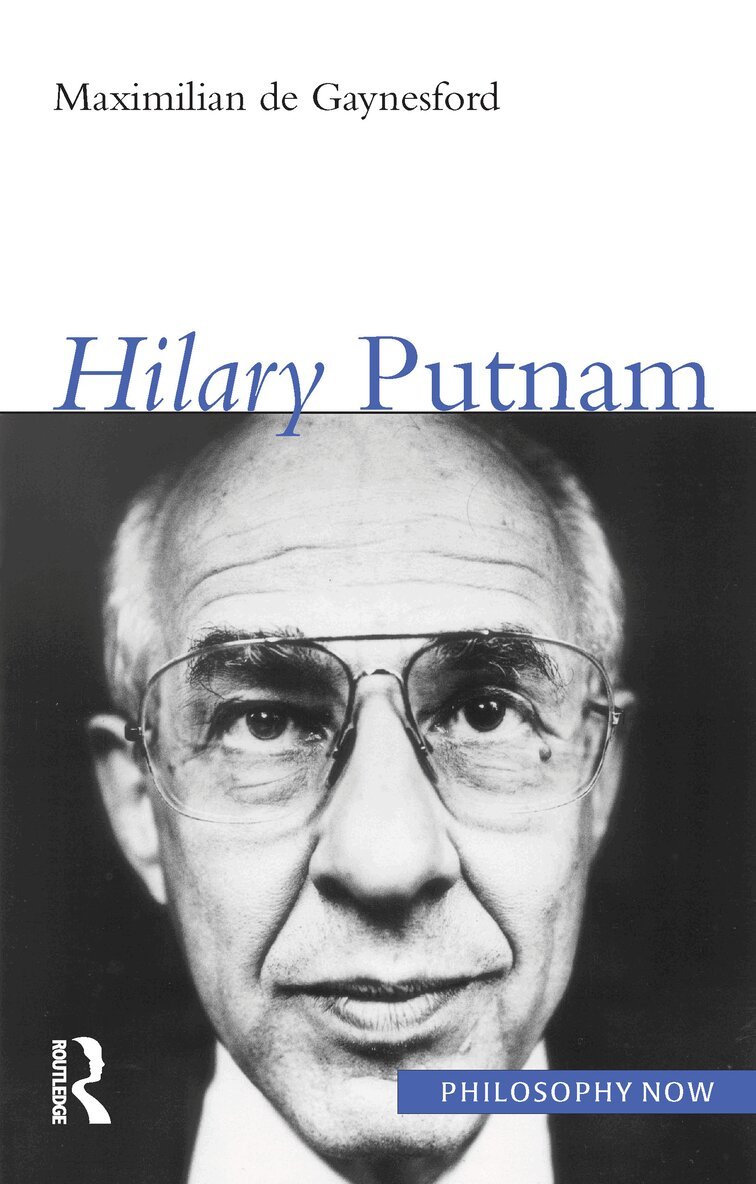
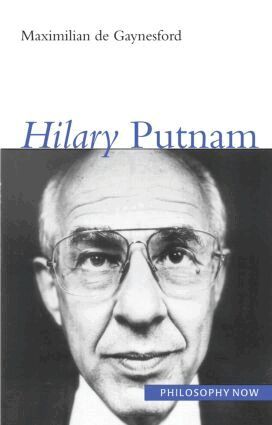
Putnam is one of the most influential philosophers of recent times, and his authority stretches far beyond the confines of the discipline. However, there is a considerable challenge in presenting his work both accurately and accessibly. This is due to the width and diversity of his published writings and to his frequent spells of radical re-thinking. But if we are to understand how and why philosophy is developing as it is, we need to attend to Putnam's whole career. He has had a dramatic influence on theories of meaning, semantic content, and the nature of mental phenomena, on interpretations of quantum mechanics, theory-change, logic and mathematics, and on what shape we should desire for future philosophy. By presenting the whole of his career within its historical context, de Gaynesford discovers a basic unity in his work, achieved through repeated engagements with a small set of hard problems. By foregrounding this integrity, the book offers an account of his philosophy that is both true to Putnam and helpful to readers of his work.
508 kr
Skickas inom 10-15 vardagar
Putnam is one of the most influential philosophers of recent times, and his authority stretches far beyond the confines of the discipline. However, there is a considerable challenge in presenting his work both accurately and accessibly. This is due to the width and diversity of his published writings and to his frequent spells of radical re-thinking. But if we are to understand how and why philosophy is developing as it is, we need to attend to Putnam's whole career. He has had a dramatic influence on theories of meaning, semantic content, and the nature of mental phenomena, on interpretations of quantum mechanics, theory-change, logic and mathematics, and on what shape we should desire for future philosophy. By presenting the whole of his career within its historical context, de Gaynesford discovers a basic unity in his work, achieved through repeated engagements with a small set of hard problems. By foregrounding this integrity, the book offers an account of his philosophy that is both true to Putnam and helpful to readers of his work.
1 698 kr
Skickas inom 10-15 vardagar
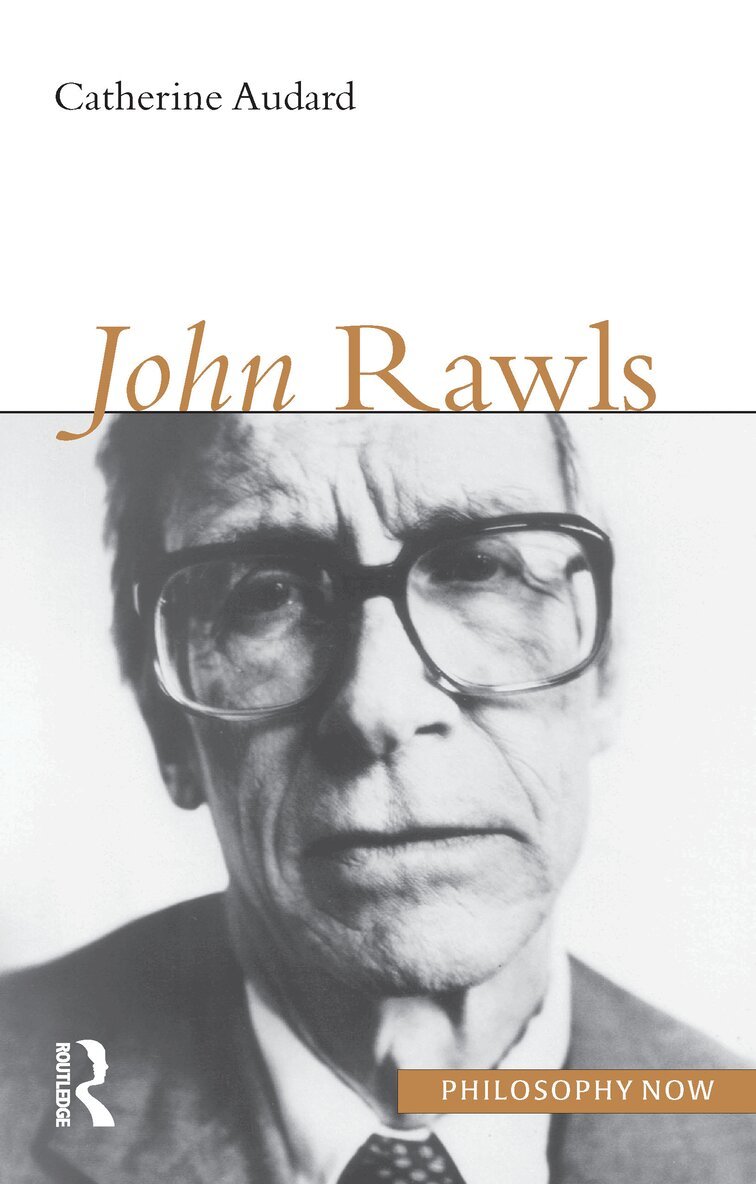
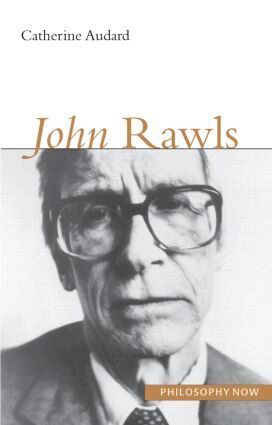
John Rawls (1921-2002) is one of the most influential thinkers of the twentieth century. Contemporary political philosophy has been reshaped by his seminal ideas and most current work in the discipline is a response to them. This book introduces his central ideas and examines their contribution to contemporary political thought. In the first part of the book Catherine Audard focuses on Rawls' conception of political and social justice and its justification as presented in his groundbreaking A Theory of Justice. This includes sustained examination of Rawls' moral philosophy and its core thesis, the primacy of justice, the complex relation between Rawls' views and utilitarianism, and his most famous concept, the Original Position Device. In the second half of the book, Audard explores Rawls' more practical concerns for stability and political consensus, citizenship and international justice, and shows the continuity between these concerns and his earlier work. Throughout, Audard contextualizes Rawls' ideas by giving a sense of their historical development, which underlines the intellectual cohesion of his thought. The move between ethics and politics so characteristic of Rawls' work, and which makes for the richness of his philosophy, is shown to also create for it significant problems. John Rawls combines clear exposition with insightful analysis and provides an interpretative and critical framework that will help shape ongoing debates surrounding Rawls' work.
508 kr
Skickas inom 10-15 vardagar
John Rawls (1921-2002) is one of the most influential thinkers of the twentieth century. Contemporary political philosophy has been reshaped by his seminal ideas and most current work in the discipline is a response to them. This book introduces his central ideas and examines their contribution to contemporary political thought. In the first part of the book Catherine Audard focuses on Rawls' conception of political and social justice and its justification as presented in his groundbreaking A Theory of Justice. This includes sustained examination of Rawls' moral philosophy and its core thesis, the primacy of justice, the complex relation between Rawls' views and utilitarianism, and his most famous concept, the Original Position Device. In the second half of the book, Audard explores Rawls' more practical concerns for stability and political consensus, citizenship and international justice, and shows the continuity between these concerns and his earlier work. Throughout, Audard contextualizes Rawls' ideas by giving a sense of their historical development, which underlines the intellectual cohesion of his thought. The move between ethics and politics so characteristic of Rawls' work, and which makes for the richness of his philosophy, is shown to also create for it significant problems. John Rawls combines clear exposition with insightful analysis and provides an interpretative and critical framework that will help shape ongoing debates surrounding Rawls' work.