Plant Biotechnology Series - Böcker
Visar alla böcker i serien Plant Biotechnology Series. Handla med fri frakt och snabb leverans.
5 produkter
5 produkter
2 115 kr
Skickas inom 10-15 vardagar
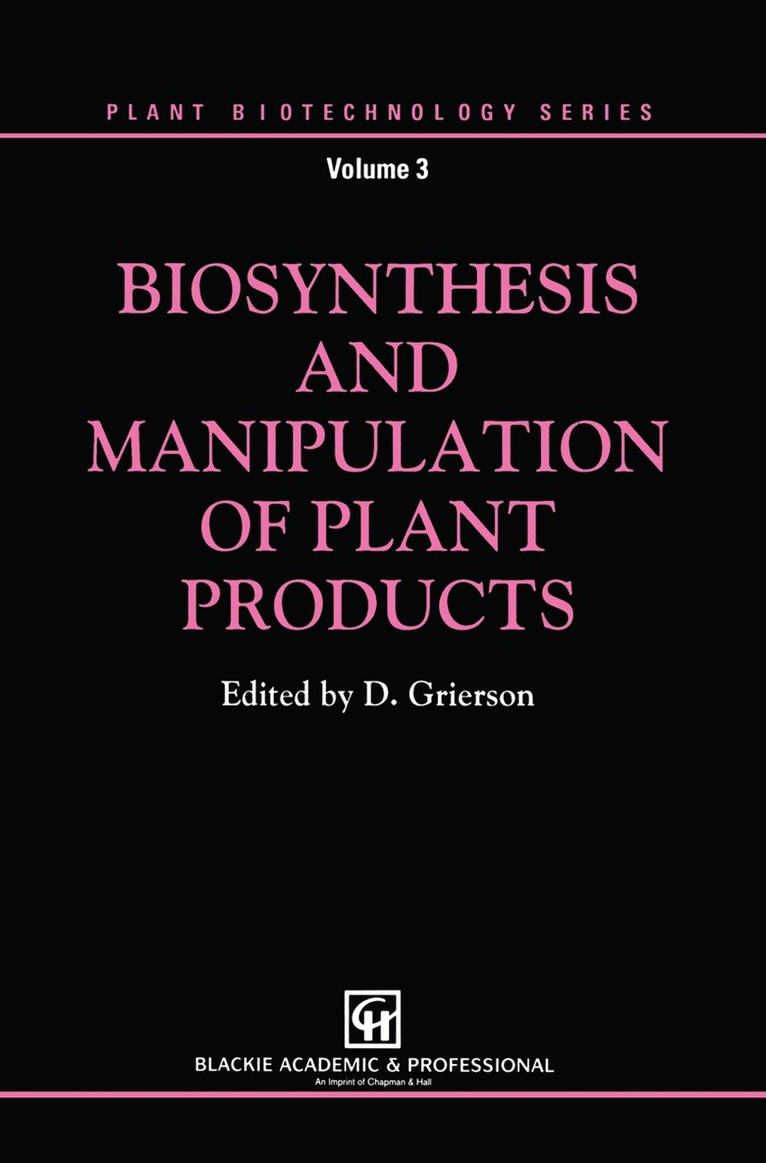
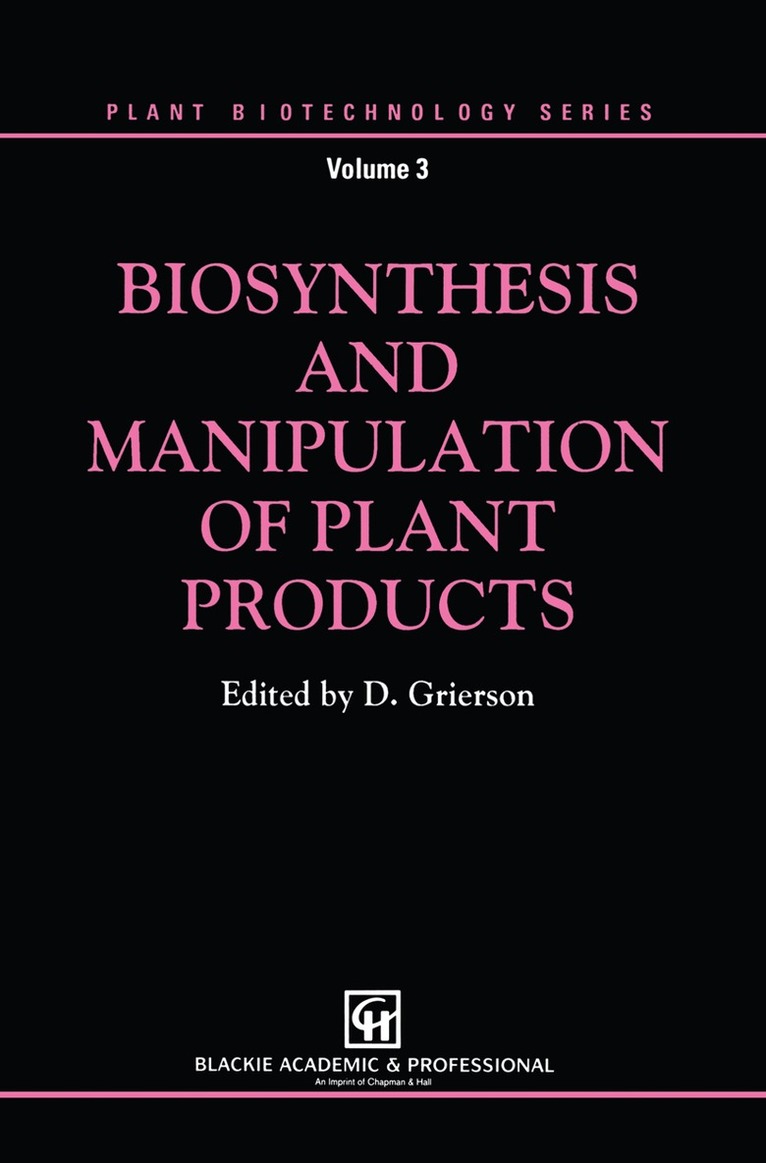
This series reviews recent developments in plant biotechnology, shows how scientific understanding leads to commercial applications, and discusses opportunities and problems in this rapidly developing field. Most important phases of plant growth, development and reproduction that affect food production and quality involve changes in plant gene expression. These include processes such as germination, flowering, ripening, seed development, formation of storage organs, senescence, and response to alterations in the environment and to pathogens. Recent developments in plant physiology, biochemistry and molecular biology mean that we are beginning to understand these processes in molecular terms. Most importantly, the availability of plant genetic engineering techniques means that we can do experiments in planta. This makes it possible to provide new scientific information about macromolecular interactions and control mechanisms, and to alter the properties of plants in a directed and controlled way. It is now possible to consider altering the properties of raw materials in the plant, by gene technology.This has profound implications for the future quality and industrial processing of plant products. This volume discusses present knowledge of the biosynthesis of plant natural products, their use as fresh produce, in processing prior to consumption and as raw materials for industrial processing, and the potential of programmes designed to change natural products within the plant by genetic engineering.
2 115 kr
Skickas inom 10-15 vardagar
Volumes I and 2 of this Plant Biotechnology series reviewed fundamental aspects of plant molecular biology and discussed production and analysis of the first generation of transgenic plants of potential use in agriculture and horticulture. These included plants resistant to insects, viruses and herbicides, which were produced by adding genes from other organisms. Realisation of the potential of plant breeding has led to a resurgence of interest in methods of altering the structure, composition and function of plant constituents, which represents an even greater challenge and offers scope for improving the quality of a wide range of agricultural products. This, in tum, has resulted in a re-evaluation of priorities and targets by industry. Volume 3 of this series considers the biochemical and gentic basis of the biosynthesis of plant products such as starch, lipids, carotenoids and cell walls, and evaluates the ways in which biosynthesis of these products can be modified for use in the food industries. Authors also cover the biosynthesis of rare secondary products and the function and application of proteins for plant protection and therapeutic use. The emphasis throughout is on the relationship between fundamen tal aspects of biosynthesis and structure-function relationships, and application of this knowledge to the redesigning and altering of plant products by molecular genetics.
Del 2 - Plant Biotechnology Series
Developmental Regulation of Plant Gene Expression
Häftad, Engelska, 2014
534 kr
Skickas inom 10-15 vardagar
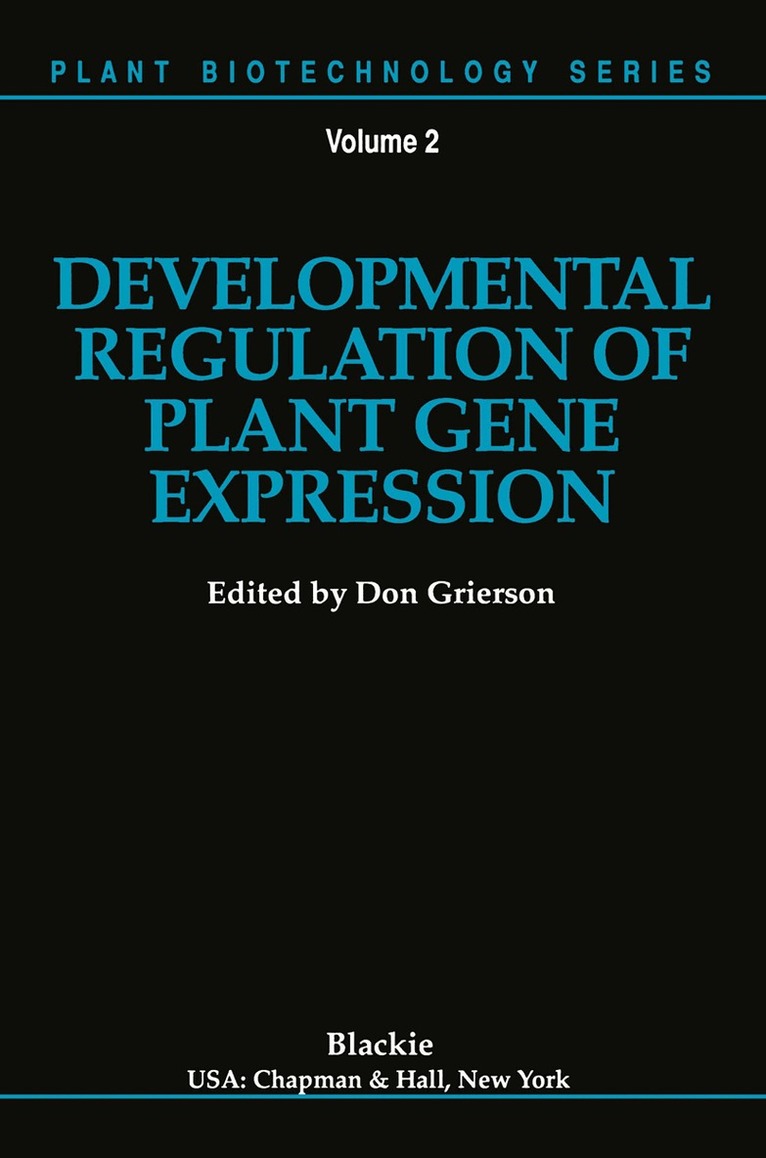
The intricacies of plant growth and development present a fascinating intellectual challenge, and yet our understanding of the subject has increased relatively slowly, despite the application of many different experimental approaches. Now, however, the introduction of molecular methods, coupled with genetic transformation technology, has provided a change in pace, and fundamental advances are occurring rapidly. This volume, the second in our Plant Biotechnology series, shows how we are beginning to understand the molecular basis of plant growth and development, and are thus moving from the descriptive to the predictive stage. The ability, discussed in chapter one, to generate a fivefold change in plant height by overexpression of a single gene for the photoreceptor phytochrome heralds not only a new phase in plant photobiology but also highlights the close relationship between fundamental knowledge and commercial application. Other chapters review progress in our understanding of the molecular basis of hormone action and processes such as tuber development, seed protein synthesis and deposition, fruit ripening, and self-recognition during pollination. The successful uses of antisense genes to alter the colour and pattern of flowers and to change the enzymic composition of ripening fruit are also discussed, together with identification and down regulation of a gene involved in ethylene synthesis by antisense technology. Opportunities are considered for altering the composition and quality of harvested plant organs and for using plants to synthesise novel products.
1 061 kr
Skickas inom 10-15 vardagar
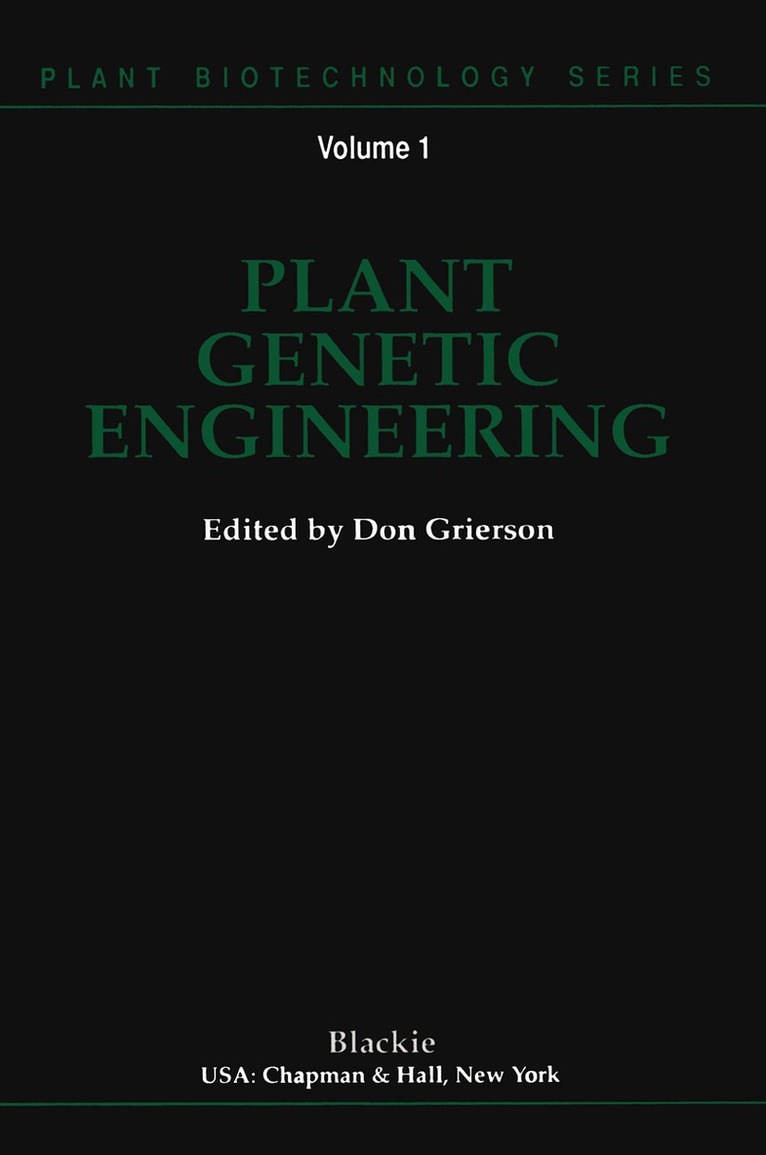
Plant biotechnology offers important opportunities for agriculture, horticul ture, and the food industry by generating new transgenic crop varieties with altered properties. This is likely to change farming practices, improve the quality of fresh and processed plant products, and reduce the impact of food production on the environment. The purpose of this series is to review the basic science that underpins plant biotechnology and to show how this knowledge is being used in directed plant breeding. It is intended for those involved in fundamental and applied research on transgenic plants in the academic and commercial sectors. The first volume deals with plant genes, how they work, and their transfer from one organism to another. Authors discuss the production and evaluation of the first generation of transgenic crops resistant to insects, viruses and herbicides, and consider aspects of gene regulation and targeting of their protein products to the correct cellular location. All the contributors are actively engaged in research in plant biotechnology and several are concerned directly with its commercial applications. Their chapters highlight the importance of a fundamental understanding of plant physiology, biochemistry, and cell and molecular biology for the successful genetic engineering of plants. This interdisciplinary approach, which focuses research from traditionally separate areas, is the key to further developments which are considered in subsequent volumes. Don Grierson Contributors Alan B. Bennett Mann Laboratory, Department of Vegetable Crops, University of California, Davis, CA 95616 John W. s.
534 kr
Skickas inom 10-15 vardagar
Plant biotechnology offers important opportunities for agriculture, horticul ture, and the food industry by generating new transgenic crop varieties with altered properties. This is likely to change farming practices, improve the quality of fresh and processed plant products, and reduce the impact of food production on the environment. The purpose of this series is to review the basic science that underpins plant biotechnology and to show how this knowledge is being used in directed plant breeding. It is intended for those involved in fundamental and applied research on transgenic plants in the academic and commercial sectors. The first volume deals with plant genes, how they work, and their transfer from one organism to another. Authors discuss the production and evaluation of the first generation of transgenic crops resistant to insects, viruses and herbicides, and consider aspects of gene regulation and targeting of their protein products to the correct cellular location. All the contributors are actively engaged in research in plant biotechnology and several are concerned directly with its commercial applications. Their chapters highlight the importance of a fundamental understanding of plant physiology, biochemistry, and cell and molecular biology for the successful genetic engineering of plants. This interdisciplinary approach, which focuses research from traditionally separate areas, is the key to further developments which are considered in subsequent volumes. Don Grierson Contributors Alan B. Bennett Mann Laboratory, Department of Vegetable Crops, University of California, Davis, CA 95616 John W. s.