Praeger Series on the Early Modern World – serie
Visar alla böcker i serien Praeger Series on the Early Modern World. Handla med fri frakt och snabb leverans.
13 produkter
13 produkter
Inbunden, Engelska, 2009
723 kr
Skickas inom 10-15 vardagar
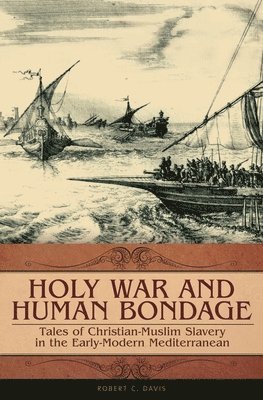
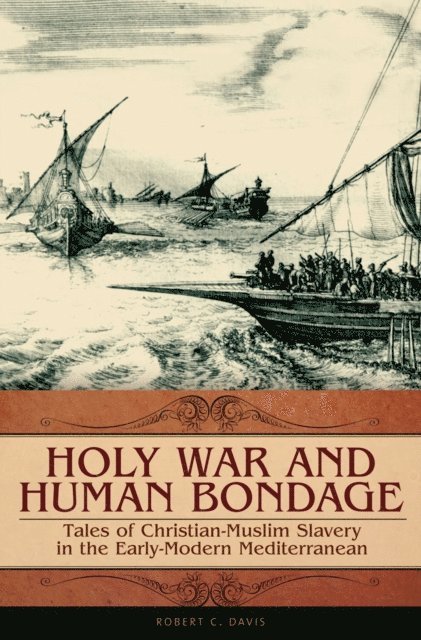
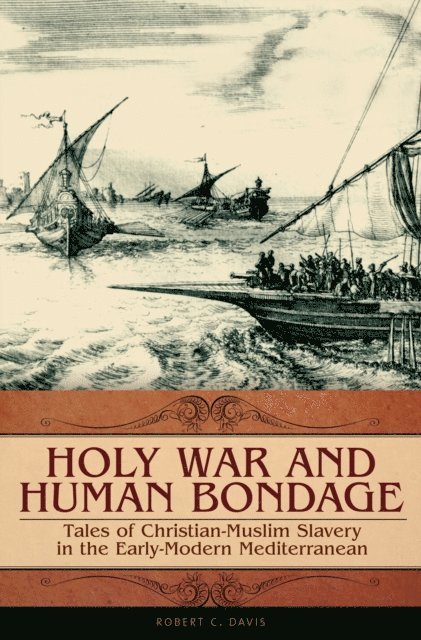
Holy War and Human Bondage: Tales of Christian-Muslim Slavery in the Early-Modern Mediterranean tells a story unfamiliar to most modern readers—how this pervasive servitude involved, connected, and divided those on both sides of the Mediterranean. The work explores how men and women, Christians and Muslims, Jews and sub-Saharan Africans experienced their capture and bondage, while comparing what they went through with what black Africans endured in the Americas.Drawing heavily on archival sources not previously available in English, Holy War and Human Bondage teems with personal and highly felt stories of Muslims and Christians who personally fell into captivity and slavery, or who struggled to free relatives and co-religionists in bondage.In these pages, readers will discover how much race slavery and faith slavery once resembled one other and how much they overlapped in the Early-Modern mind. Each produced its share of personal suffering and social devastation—yet the whims of history have made the one virtually synonymous with human bondage while confining the other to almost complete oblivion.
E-bok
PDF, Engelska, 2011752 kr
Läs direkt efter köp
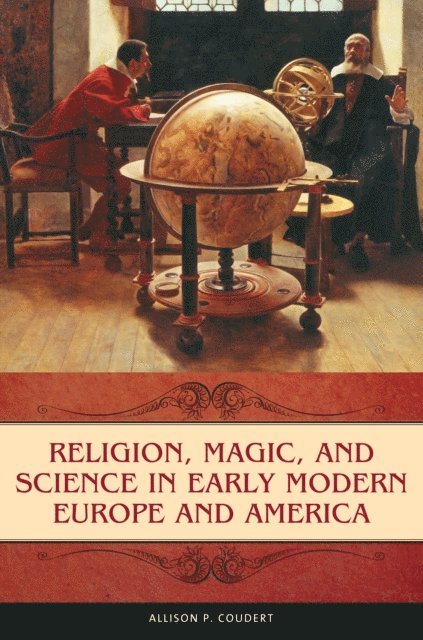
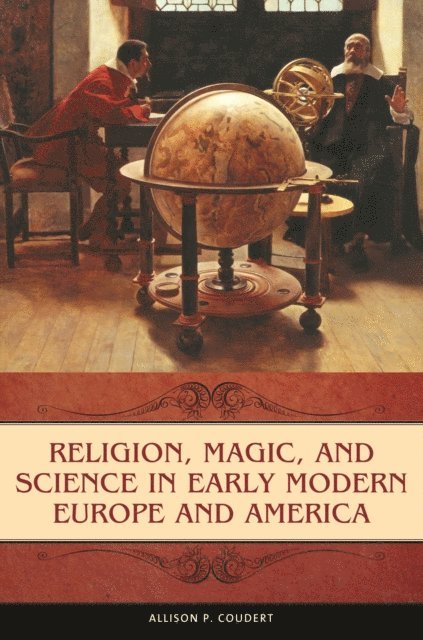
This fascinating study looks at how the seemingly incompatible forces of science, magic, and religion came together in the 15th, 16th, and 17th centuries to form the foundations of modern culture.As Religion, Magic, and Science in Early Modern Europe and America makes clear, the early modern period was one of stark contrasts: witch burnings and the brilliant mathematical physics of Isaac Newton; John Locke's plea for tolerance and the palpable lack of it; the richness of intellectual and artistic life, and the poverty of material existence for all but a tiny percentage of the population. Yet, for all the poverty, insecurity, and superstition, the period produced a stunning galaxy of writers, artists, philosophers, and scientists.This book looks at the conditions that fomented the emergence of such outstanding talent, innovation, and invention in the period 1450 to 1800. It examines the interaction between religion, magic, and science during that time, the impossibility of clearly differentiating between the three, and the impact of these forces on the geniuses who laid the foundation for modern science and culture.
Inbunden, Engelska, 2008
866 kr
Skickas inom 10-15 vardagar
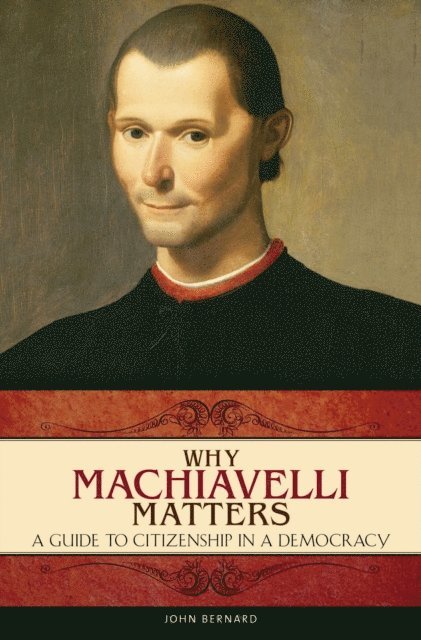
Machiavelli (1469-1527) is the seminal figure in early modern intellectual history for those living, or wishing to live, in a functional democracy. What Machiavelli is primarily about, and what makes him indispensable to those of us living in and struggling to preserve democracy in America, is the sum of individual and collective qualities required of a citizen, or what he termed virtu: a host of traits ranging from manliness to boldness, ingenuity, excellence, self-esteem, and even stoic resignation. In a narrative spanning Machiavelli's life and work as one of the world's most fascinating philosophers, Bernard illuminates for the modern reader just how relevant his insights are to our own evolving debate on the appropriate relations between religion and politics, church and state.Besides offering a detailed sketch of Machiavelli as a chancellor in the Italian Soderini Republic (1498-1512), this book examines the man's political philosophy, particularly his complex view of republics and principalities, in The Prince, the Discourses, and the Florentine Histories. It also establishes the importance of Machiavelli's writing as it evolved during his exile, especially in the reflexive passages of his plays Mandragola and Clizia. The book concludes with the potential uses of Machiavellism in 21st-century mass democracies, as well as presenting ways in which his legacy lives on in our own activities as citizens in a democracy.
E-bok
PDF, Engelska, 2008908 kr
Läs direkt efter köp
Machiavelli (1469-1527) is the seminal figure in early modern intellectual history for those living, or wishing to live, in a functional democracy. What Machiavelli is primarily about, and what makes him indispensable to those of us living in and struggling to preserve democracy in America, is the sum of individual and collective qualities required of a citizen, or what he termed virtu: a host of traits ranging from manliness to boldness, ingenuity, excellence, self-esteem, and even stoic resignation. In a narrative spanning Machiavelli's life and work as one of the world's most fascinating philosophers, Bernard illuminates for the modern reader just how relevant his insights are to our own evolving debate on the appropriate relations between religion and politics, church and state.Besides offering a detailed sketch of Machiavelli as a chancellor in the Italian Soderini Republic (1498-1512), this book examines the man's political philosophy, particularly his complex view of republics and principalities, in The Prince, the Discourses, and the Florentine Histories. It also establishes the importance of Machiavelli's writing as it evolved during his exile, especially in the reflexive passages of his plays Mandragola and Clizia. The book concludes with the potential uses of Machiavellism in 21st-century mass democracies, as well as presenting ways in which his legacy lives on in our own activities as citizens in a democracy.
E-bok
PDF, Engelska, 2009779 kr
Läs direkt efter köp
Holy War and Human Bondage: Tales of Christian-Muslim Slavery in the Early-Modern Mediterranean tells a story unfamiliar to most modern readers—how this pervasive servitude involved, connected, and divided those on both sides of the Mediterranean. The work explores how men and women, Christians and Muslims, Jews and sub-Saharan Africans experienced their capture and bondage, while comparing what they went through with what black Africans endured in the Americas.Drawing heavily on archival sources not previously available in English, Holy War and Human Bondage teems with personal and highly felt stories of Muslims and Christians who personally fell into captivity and slavery, or who struggled to free relatives and co-religionists in bondage.In these pages, readers will discover how much race slavery and faith slavery once resembled one other and how much they overlapped in the Early-Modern mind. Each produced its share of personal suffering and social devastation—yet the whims of history have made the one virtually synonymous with human bondage while confining the other to almost complete oblivion.
Inbunden, Engelska, 2012
967 kr
Skickas inom 10-15 vardagar
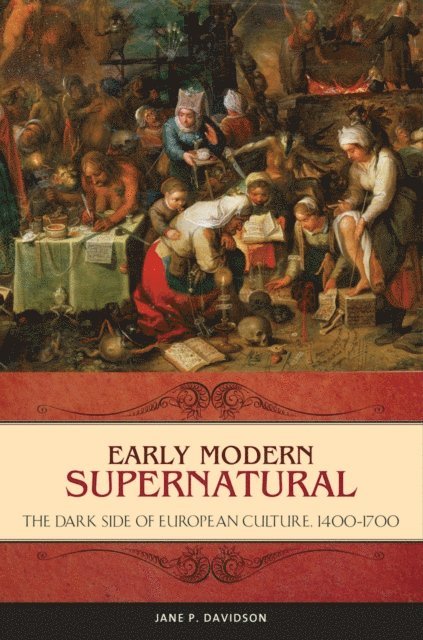
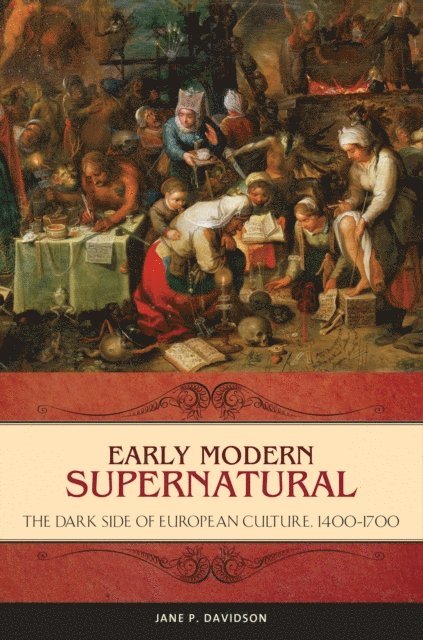
Devils, ghosts, poltergeists, werewolves, and witches are all covered in this book about the "dark side" of supernatural beliefs in early modern Europe, tapping period literature, folklore, art, and scholarly writings in its investigation.The dark side of early modern European culture could be deemed equal in historical significance to Christianity based on the hundreds of books that were printed about the topic between 1400 and 1700. Famous writers and artists like William Shakespeare and Albrecht Dürer depicted the dark side in their work, and some of the first printed books in Europe were about witches. The pervasive representation of these monsters and apparitions in period literature, folklore, and art clearly reflects their power to inspire fear and superstition, but also demonstrates how integral they were to early modern European culture.This unique book addresses topics of the supernatural within the context of the early modern period in Europe, covering "mythical" entities such as devils, witches, ghosts, poltergeists, and werewolves in detail and examining how they fit in with the emerging new scientific method of the time. This unique combination of cultural studies for the period is ideal for undergraduate students and general readers.
E-bok
Engelska, 2012935 kr
Läs direkt efter köp
Devils, ghosts, poltergeists, werewolves, and witches are all covered in this book about the "dark side" of supernatural beliefs in early modern Europe, tapping period literature, folklore, art, and scholarly writings in its investigation.The dark side of early modern European culture could be deemed equal in historical significance to Christianity based on the hundreds of books that were printed about the topic between 1400 and 1700. Famous writers and artists like William Shakespeare and Albrecht Dürer depicted the dark side in their work, and some of the first printed books in Europe were about witches. The pervasive representation of these monsters and apparitions in period literature, folklore, and art clearly reflects their power to inspire fear and superstition, but also demonstrates how integral they were to early modern European culture.This unique book addresses topics of the supernatural within the context of the early modern period in Europe, covering "mythical" entities such as devils, witches, ghosts, poltergeists, and werewolves in detail and examining how they fit in with the emerging new scientific method of the time. This unique combination of cultural studies for the period is ideal for undergraduate students and general readers.
Inbunden, Engelska, 2015
868 kr
Skickas inom 10-15 vardagar
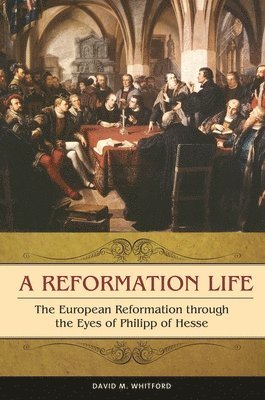
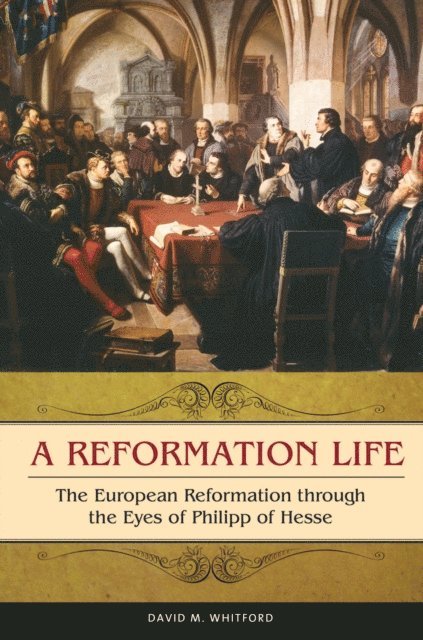
This title presents the European Reformation as seen through the life of an important but little-known participant—Philipp of Hesse, a nobleman who became a Reformation leader in Germany.The Reformation was the most cataclysmic event in Western Christianity. An ideal resource for undergraduate history students and general readers, this title provides an accessible human narrative through the complex events of the period that many find bewildering. History comes alive and events unfold through the eyes of Philipp of Hesse, a German nobleman who ascended to becoming a key Reformation leader.The book begins with a detailed survey of the Holy Roman Empire at the turn of the 16th century and provides chronological coverage of Philipp's life and role in the Reformation through to after his death in 1567, after which Calvinism rose within the empire. The chapters document how Philipp of Hesse knew every major figure of the German Reformation; participated in every major Reformation-era imperial diet; was present at every important event in the Lutheran-dominated, foundational period of 1521 to 1555; and became a leading Lutheran prince in the Holy Roman Empire. Additionally, the work thoroughly documents the connections between religion, politics, and society and explains the important role of the German nobility in the development of the Reformation.
902 kr
Läs direkt efter köp
This title presents the European Reformation as seen through the life of an important but little-known participant—Philipp of Hesse, a nobleman who became a Reformation leader in Germany.The Reformation was the most cataclysmic event in Western Christianity. An ideal resource for undergraduate history students and general readers, this title provides an accessible human narrative through the complex events of the period that many find bewildering. History comes alive and events unfold through the eyes of Philipp of Hesse, a German nobleman who ascended to becoming a key Reformation leader.The book begins with a detailed survey of the Holy Roman Empire at the turn of the 16th century and provides chronological coverage of Philipp's life and role in the Reformation through to after his death in 1567, after which Calvinism rose within the empire. The chapters document how Philipp of Hesse knew every major figure of the German Reformation; participated in every major Reformation-era imperial diet; was present at every important event in the Lutheran-dominated, foundational period of 1521 to 1555; and became a leading Lutheran prince in the Holy Roman Empire. Additionally, the work thoroughly documents the connections between religion, politics, and society and explains the important role of the German nobility in the development of the Reformation.
E-bok
Engelska, 2012935 kr
Läs direkt efter köp
Devils, ghosts, poltergeists, werewolves, and witches are all covered in this book about the "dark side" of supernatural beliefs in early modern Europe, tapping period literature, folklore, art, and scholarly writings in its investigation.The dark side of early modern European culture could be deemed equal in historical significance to Christianity based on the hundreds of books that were printed about the topic between 1400 and 1700. Famous writers and artists like William Shakespeare and Albrecht Dürer depicted the dark side in their work, and some of the first printed books in Europe were about witches. The pervasive representation of these monsters and apparitions in period literature, folklore, and art clearly reflects their power to inspire fear and superstition, but also demonstrates how integral they were to early modern European culture.This unique book addresses topics of the supernatural within the context of the early modern period in Europe, covering "mythical" entities such as devils, witches, ghosts, poltergeists, and werewolves in detail and examining how they fit in with the emerging new scientific method of the time. This unique combination of cultural studies for the period is ideal for undergraduate students and general readers.
E-bok
Engelska, 2009779 kr
Läs direkt efter köp
Holy War and Human Bondage: Tales of Christian-Muslim Slavery in the Early-Modern Mediterranean tells a story unfamiliar to most modern readers—how this pervasive servitude involved, connected, and divided those on both sides of the Mediterranean. The work explores how men and women, Christians and Muslims, Jews and sub-Saharan Africans experienced their capture and bondage, while comparing what they went through with what black Africans endured in the Americas.Drawing heavily on archival sources not previously available in English, Holy War and Human Bondage teems with personal and highly felt stories of Muslims and Christians who personally fell into captivity and slavery, or who struggled to free relatives and co-religionists in bondage.In these pages, readers will discover how much race slavery and faith slavery once resembled one other and how much they overlapped in the Early-Modern mind. Each produced its share of personal suffering and social devastation—yet the whims of history have made the one virtually synonymous with human bondage while confining the other to almost complete oblivion.
935 kr
Läs direkt efter köp
This title presents the European Reformation as seen through the life of an important but little-known participant—Philipp of Hesse, a nobleman who became a Reformation leader in Germany.The Reformation was the most cataclysmic event in Western Christianity. An ideal resource for undergraduate history students and general readers, this title provides an accessible human narrative through the complex events of the period that many find bewildering. History comes alive and events unfold through the eyes of Philipp of Hesse, a German nobleman who ascended to becoming a key Reformation leader.The book begins with a detailed survey of the Holy Roman Empire at the turn of the 16th century and provides chronological coverage of Philipp's life and role in the Reformation through to after his death in 1567, after which Calvinism rose within the empire. The chapters document how Philipp of Hesse knew every major figure of the German Reformation; participated in every major Reformation-era imperial diet; was present at every important event in the Lutheran-dominated, foundational period of 1521 to 1555; and became a leading Lutheran prince in the Holy Roman Empire. Additionally, the work thoroughly documents the connections between religion, politics, and society and explains the important role of the German nobility in the development of the Reformation.
E-bok
Engelska, 2011757 kr
Läs direkt efter köp
This fascinating study looks at how the seemingly incompatible forces of science, magic, and religion came together in the 15th, 16th, and 17th centuries to form the foundations of modern culture.As Religion, Magic, and Science in Early Modern Europe and America makes clear, the early modern period was one of stark contrasts: witch burnings and the brilliant mathematical physics of Isaac Newton; John Locke's plea for tolerance and the palpable lack of it; the richness of intellectual and artistic life, and the poverty of material existence for all but a tiny percentage of the population. Yet, for all the poverty, insecurity, and superstition, the period produced a stunning galaxy of writers, artists, philosophers, and scientists.This book looks at the conditions that fomented the emergence of such outstanding talent, innovation, and invention in the period 1450 to 1800. It examines the interaction between religion, magic, and science during that time, the impossibility of clearly differentiating between the three, and the impact of these forces on the geniuses who laid the foundation for modern science and culture.