Primatology Monographs – serie
Visar alla böcker i serien Primatology Monographs. Handla med fri frakt och snabb leverans.
13 produkter
13 produkter
Inbunden, Engelska, 2010
2 712 kr
Skickas inom 10-15 vardagar
Japanese macaques (Macaca fuscata) have been studied by primatologists since 1948, and considerable knowledge of the primate has been accumulated to elucidate the adaptation of the species over time and to distinct environments in Japan. The Japanese macaque is especially suited to intragenera and interpopulation comparative studies of behavior, physiology, and morphology, and to socioecology studies in general. This book, the most comprehensive ever published in English on Japanese macaques, is replete with contributions by leading researchers in field primatology. Highlighted are topics of intraspecific variations in the ecology and behaviors of the macaque. Such variations provide evidence of the ecological determinants on this species’ mating and social behaviors, along with evidence of cultural behavior. The book also addresses morphology, population genetics, recent habitat change, and conflicts with humans, and attests to the plasticity and complex adaptive system of macaque societies. The valuable information in this volume is recommended reading for researchers in primatology, anthropology, zoology, animal behavior, and conservation biology.
Inbunden, Engelska, 2011
1 630 kr
Skickas inom 10-15 vardagar
The biological and genetic bases of behavioral diversity have long been topics of study within many disciplines, including evolutionary biology, genetics, ethology, sociobiology, and comparative psychology, but only relatively recently have attempts been made to bring these different approaches together. This volume covers a wide range of interdisciplinary research which uses some of the newest and most promising methods and technologies. Presented here is an overview of findings in the ongoing search for the ultimate causes of behavior in several different species, including primates, dogs, rodents, birds, and fish. Divided into five parts, the work describes research on sexual and kin selection, personality and temperament, molecular genetics of personality, color vision and body coloration, and the neurological underpinnings of complex behaviors. Valuable for researchers as well as graduate students in a wide range of fields from neuroscience to ecology, the book is also useful to those seeking to move beyond the boundaries of their own discipline and to expand their knowledge.
2 560 kr
Skickas inom 10-15 vardagar
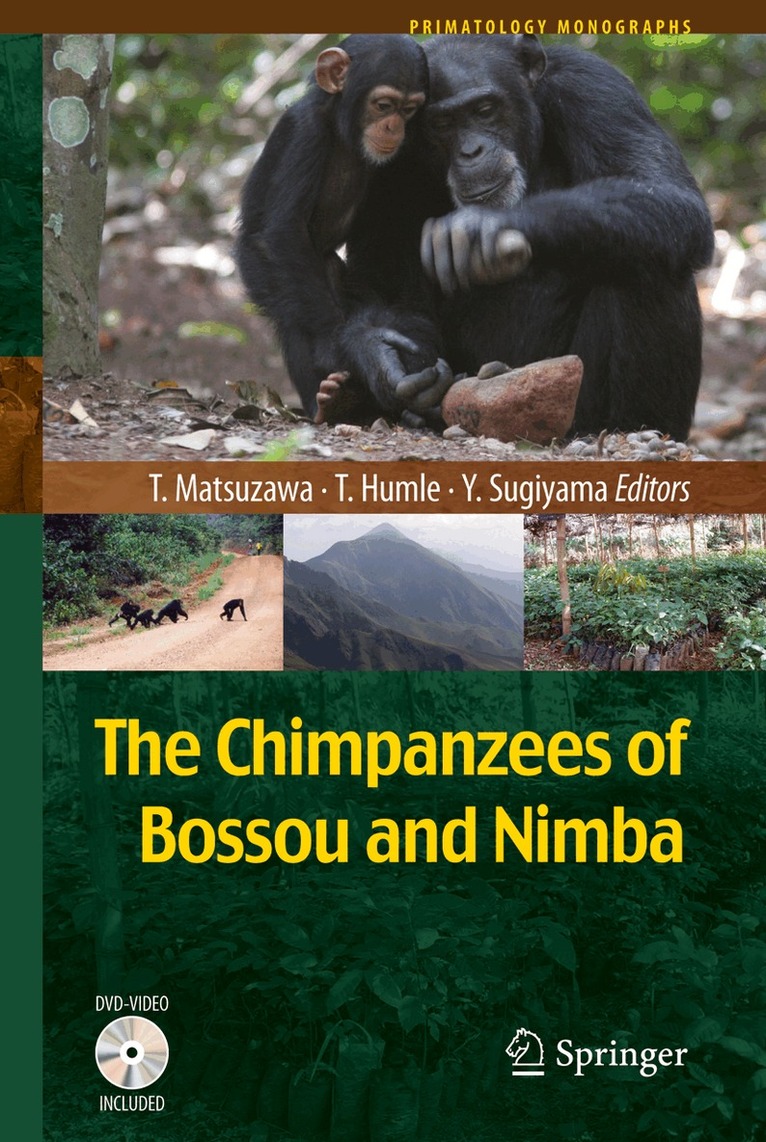
The chimpanzees of Bossou in Guinea, West Africa, form a unique community which displays an exceptional array of tool use behaviors and behavioral adaptations to coexistence with humans. This community of Pan troglodytes verus has contributed more than three decades of data to the field of cultural primatology, especially chimpanzees’ flexible use of stones to crack open nuts and of perishable tools during foraging activities. The book highlights the special contribution of the long-term research at Bossou and more recent studies in surrounding areas, particularly in the Nimba Mountains and the forest of Diécké, to our understanding of wild chimpanzees’ tool use, cognitive development, lithic technology and culture. This compilation of research principally strives to uncover the complexity of the mind and behavioral flexibility of our closest living relatives. This work also reveals the necessity for ongoing efforts to conserve chimpanzees in the region. Chimpanzees have shed more light on our evolutionary origins than any other extant species in the world, yet their numbers in the wild are rapidly declining. In that sense, the Bossou chimpanzees and their neighbors clearly embody an invaluable cultural heritage for humanity as a whole.Readers can enjoy video clips illustrating unique behaviors of Bossou chimpanzees, in an exclusive DVD accompanying the hardcover or at a dedicated website described in the softcover.
Inbunden, Engelska, 2012
1 630 kr
Skickas inom 10-15 vardagar
In 2001, first reports of the human draft genome were published. Since then, genomes of many other organisms have been sequenced, including several primate species: the chimpanzee, rhesus macaque, gorilla, orangutan, gibbon, baboon, marmoset, tarsier, galago, lemur, and more recently Neanderthals. In a new era of "post-genome biology", scientists now have the vast amount of information revealed by genome research to confront one of the most challenging, fundamental questions in primatology and anthropology: What makes us human? This volume comprises a collection of articles on a variety of topics relevant to primate genomes, including evolution, human origins, genome structure, chromosome genomics, and bioinformatics. The book covers the cutting-edge research in molecular primatology and provides great insights into the functional diversity of primates. This valuable collection will benefit researchers and students, including primatologists, anthropologists, molecular biologists, evolutionary biologists, and animal behaviorists.
Inbunden, Engelska, 2013
2 712 kr
Skickas inom 10-15 vardagar
In this book, the editors present a view of the socioecology of primates and cetaceans in a comparative perspective to elucidate the social evolution of highly intellectual mammals in terrestrial and aquatic environments. Despite obvious differences in morphology and eco-physiology, there are many cases of comparable, sometimes strikingly similar patterns of sociobehavioral complexity. A number of long-term field studies have accumulated a substantial amount of data on the life history of various taxa, foraging ecology, social and sexual relationships, demography, and various patterns of behavior: from dynamic fission–fusion to long-term stable societies; from male-bonded to bisexually bonded to matrilineal groups.Primatologists and cetologists have come together to provide four evolutionary themes: (1) social complexity and behavioral plasticity, (2) life history strategies and social evolution, (3) the interface between behavior, demography, and conservation, and (4) selected topics in comparative behavior. These comparisons of taxa that are evolutionarily distant but live in comparable complex sociocognitive environments boost our appreciation of their sophisticated mammalian societies and can advance our understanding of the ecological factors that have shaped their social evolution. This knowledge also facilitates a better understanding of the day-to-day challenges these animals face in the human-dominated world and may improve the capacity and effectiveness of our conservation efforts.
Häftad, Engelska, 2014
1 197 kr
Skickas inom 10-15 vardagar
The biological and genetic bases of behavioral diversity have long been topics of study within many disciplines, including evolutionary biology, genetics, ethology, sociobiology, and comparative psychology, but only relatively recently have attempts been made to bring these different approaches together. This volume covers a wide range of interdisciplinary research which uses some of the newest and most promising methods and technologies. Presented here is an overview of findings in the ongoing search for the ultimate causes of behavior in several different species, including primates, dogs, rodents, birds, and fish. Divided into five parts, the work describes research on sexual and kin selection, personality and temperament, molecular genetics of personality, color vision and body coloration, and the neurological underpinnings of complex behaviors. Valuable for researchers as well as graduate students in a wide range of fields from neuroscience to ecology, the book is also useful to those seeking to move beyond the boundaries of their own discipline and to expand their knowledge.
Häftad, Engelska, 2014
1 954 kr
Skickas inom 10-15 vardagar
Japanese macaques (Macaca fuscata) have been studied by primatologists since 1948, and considerable knowledge of the primate has been accumulated to elucidate the adaptation of the species over time and to distinct environments in Japan. The Japanese macaque is especially suited to intragenera and interpopulation comparative studies of behavior, physiology, and morphology, and to socioecology studies in general. This book, the most comprehensive ever published in English on Japanese macaques, is replete with contributions by leading researchers in field primatology. Highlighted are topics of intraspecific variations in the ecology and behaviors of the macaque. Such variations provide evidence of the ecological determinants on this species’ mating and social behaviors, along with evidence of cultural behavior. The book also addresses morphology, population genetics, recent habitat change, and conflicts with humans, and attests to the plasticity and complex adaptive system of macaque societies. The valuable information in this volume is recommended reading for researchers in primatology, anthropology, zoology, animal behavior, and conservation biology.
Häftad, Engelska, 2014
1 197 kr
Skickas inom 10-15 vardagar
In 2001, first reports of the human draft genome were published. Since then, genomes of many other organisms have been sequenced, including several primate species: the chimpanzee, rhesus macaque, gorilla, orangutan, gibbon, baboon, marmoset, tarsier, galago, lemur, and more recently Neanderthals. In a new era of "post-genome biology", scientists now have the vast amount of information revealed by genome research to confront one of the most challenging, fundamental questions in primatology and anthropology: What makes us human? This volume comprises a collection of articles on a variety of topics relevant to primate genomes, including evolution, human origins, genome structure, chromosome genomics, and bioinformatics. The book covers the cutting-edge research in molecular primatology and provides great insights into the functional diversity of primates. This valuable collection will benefit researchers and students, including primatologists, anthropologists, molecular biologists, evolutionary biologists, and animal behaviorists.
Inbunden, Engelska, 2015
1 089 kr
Skickas inom 10-15 vardagar
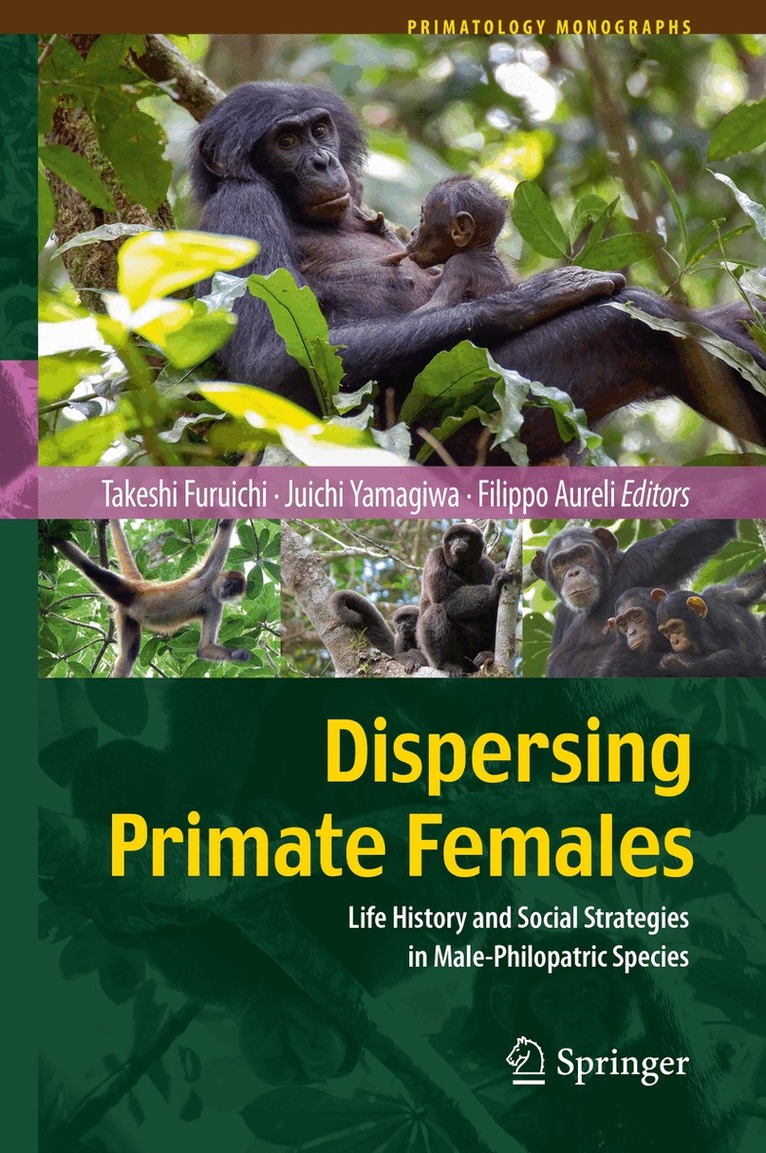
Why do females in male-philopatric species seem to show larger variation in their life history strategies than males in female-philopatric species? Why did females in human societies come to show enormous variation in the patterns of marriage, residence and mating activities?To tackle these important questions, this book presents the latest knowledge about the dispersing females in male-philopatric non-human primates and in human societies. The non-human primates that are covered include muriquis, spider monkeys, woolly monkeys, gorillas, chimpanzees, bonobos and some species of colobine monkeys. In these non-human primate species females typically leave their natal group before sexual maturation and start reproduction in other groups into which they immigrate. However, there is a large variation as some females may breed in their natal group with some risks of inbreeding with their male relatives and some females may associate with males of multiple groups at the same time after leaving their natal group. Such variation seems to provide better strategies for reproduction depending on local circumstances. Although knowledge about female dispersal patterns and life history is indispensable for understanding the dynamic structure of primate societies, it is still not known how females behave after leaving their natal groups, how many groups they visit before finally settling down and which kinds of groups they choose to immigrate into, due to the large variation and flexibility and the difficulty of tracking females after natal dispersal.To encourage further progress in this important field, this volume provides new insights on evolution of female dispersal by describing factors influencing variations in the dispersal pattern across primates and a hypothesis for the formation of human families from the perspectives of female life history. This book is recommended reading for researchers and students in primatology, anthropology, animal behavior and evolution and for anyone interested in primate societies and human evolution.
Häftad, Engelska, 2017
2 712 kr
Skickas inom 10-15 vardagar
In this book, the editors present a view of the socioecology of primates and cetaceans in a comparative perspective to elucidate the social evolution of highly intellectual mammals in terrestrial and aquatic environments. Despite obvious differences in morphology and eco-physiology, there are many cases of comparable, sometimes strikingly similar patterns of sociobehavioral complexity. A number of long-term field studies have accumulated a substantial amount of data on the life history of various taxa, foraging ecology, social and sexual relationships, demography, and various patterns of behavior: from dynamic fission–fusion to long-term stable societies; from male-bonded to bisexually bonded to matrilineal groups.Primatologists and cetologists have come together to provide four evolutionary themes: (1) social complexity and behavioral plasticity, (2) life history strategies and social evolution, (3) the interface between behavior, demography, and conservation, and (4) selected topics in comparative behavior. These comparisons of taxa that are evolutionarily distant but live in comparable complex sociocognitive environments boost our appreciation of their sophisticated mammalian societies and can advance our understanding of the ecological factors that have shaped their social evolution. This knowledge also facilitates a better understanding of the day-to-day challenges these animals face in the human-dominated world and may improve the capacity and effectiveness of our conservation efforts.
Häftad, Engelska, 2016
1 089 kr
Skickas inom 10-15 vardagar
Why do females in male-philopatric species seem to show larger variation in their life history strategies than males in female-philopatric species? Why did females in human societies come to show enormous variation in the patterns of marriage, residence and mating activities?To tackle these important questions, this book presents the latest knowledge about the dispersing females in male-philopatric non-human primates and in human societies. The non-human primates that are covered include muriquis, spider monkeys, woolly monkeys, gorillas, chimpanzees, bonobos and some species of colobine monkeys. In these non-human primate species females typically leave their natal group before sexual maturation and start reproduction in other groups into which they immigrate. However, there is a large variation as some females may breed in their natal group with some risks of inbreeding with their male relatives and some females may associate with males of multiple groups at the same time after leaving their natal group. Such variation seems to provide better strategies for reproduction depending on local circumstances. Although knowledge about female dispersal patterns and life history is indispensable for understanding the dynamic structure of primate societies, it is still not known how females behave after leaving their natal groups, how many groups they visit before finally settling down and which kinds of groups they choose to immigrate into, due to the large variation and flexibility and the difficulty of tracking females after natal dispersal.To encourage further progress in this important field, this volume provides new insights on evolution of female dispersal by describing factors influencing variations in the dispersal pattern across primates and a hypothesis for the formation of human families from the perspectives of female life history. This book is recommended reading for researchers and students in primatology, anthropology, animal behavior and evolution and for anyone interested in primate societies and human evolution.
Inbunden, Engelska, 2019
378 kr
Skickas inom 10-15 vardagar
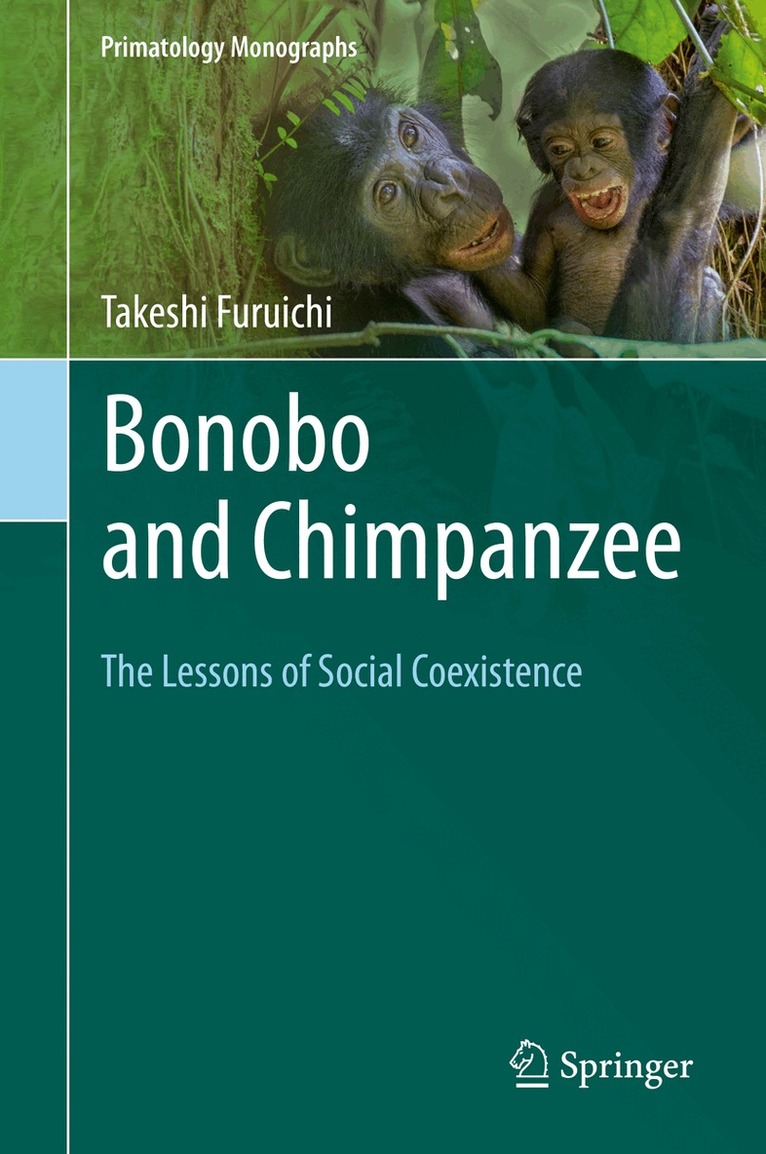
This book describes the similarities and differences between two species, bonobos and chimpanzees, based on the three decades the author has spent studying them in the wild, and shows how the contrasting nature of these two species is also reflected in human nature.
Häftad, Engelska, 2020
349 kr
Skickas inom 10-15 vardagar
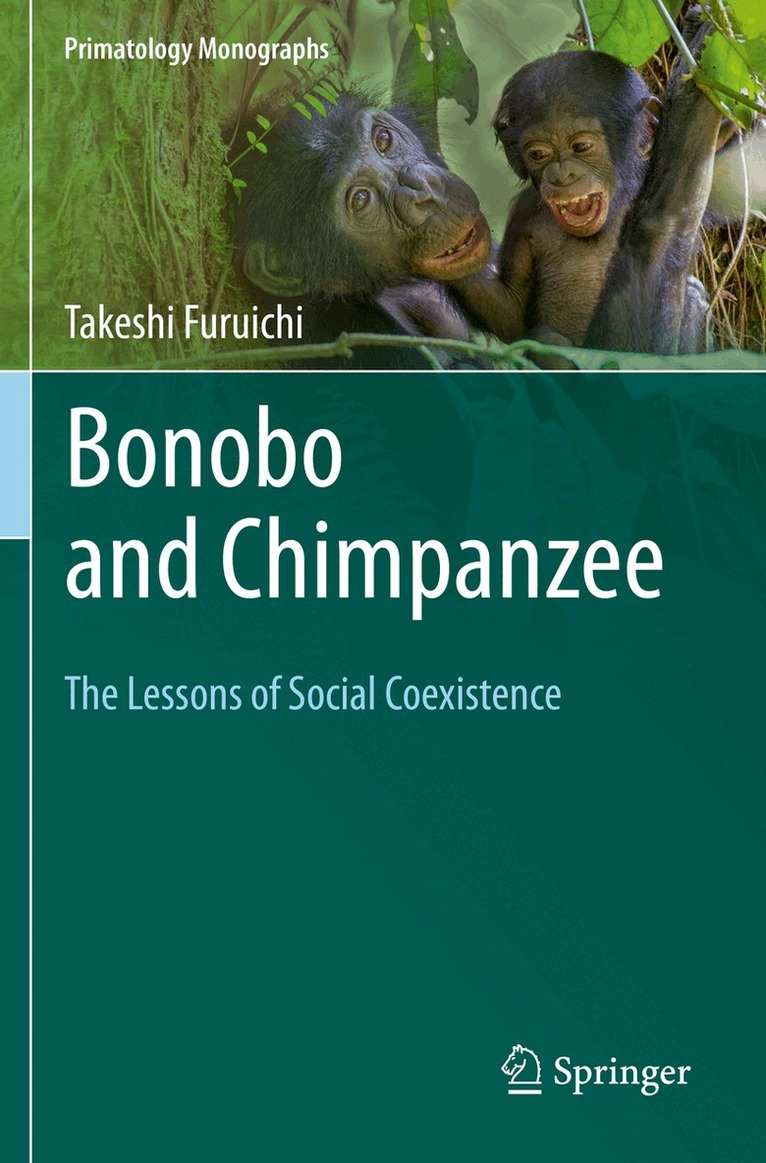
This book describes the similarities and differences between two species, bonobos and chimpanzees, based on the three decades the author has spent studying them in the wild, and shows how the contrasting nature of these two species is also reflected in human nature.