Problem Based Learning - Böcker
Visar alla böcker i serien Problem Based Learning. Handla med fri frakt och snabb leverans.
4 produkter
4 produkter
2 118 kr
Skickas inom 10-15 vardagar
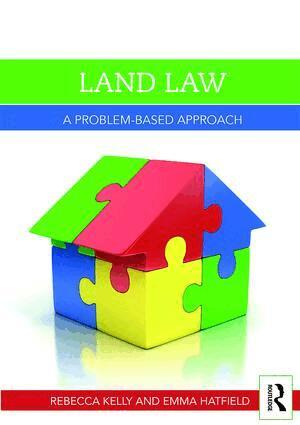
Problem-Based Learning is a way of learning that presents a practical problem scenario in the context of which learning is conducted. Normally students are taught law through the transmission of information about legal principles and not presented with problems until they have accumulated enough information to solve them. In PBL, discussion and analysis of the problem starts the process of learning, rather than acting as an end point. As a curriculum concept, it is becoming increasingly common in law schools as the use of problem scenarios helps to trigger awareness of legal issues and to engage interest by highlighting the real-world ramifications. This new textbook creates a fresh approach to learning land law through the use of scenarios found in real-life which bring what is often perceived to be a dry and difficult subject to life. This helps both to engage the student and make the subject more accessible as well as demonstrating to students how land law actually operates in the real world. Land Law is often seen as an esoteric subject with lots of technicalities and complex vocabulary and students often forget the context in which it operates. With Land Law: A Problem-Based Approach, context is placed at the heart of learning. Students are learning through application rather than via an abstract set of rules and can therefore gain a deeper understanding of how land law works, not just what it is.Unlike other textbooks, Land Law: A Problem-Based Approach integrates a thorough exposition of the law with practice, facilitating a more active learning approach and helping students to engage directly with the key cases and statutes to develop key skills of analysis, problem-solving and application. Written in a clear and concise style but without sacrificing detail or analysis, the book guides the reader towards a deeper understanding of the land law curriculum. Key features include:• An introductory chapter outlining the problem-based learning approach and how to use the book.• Content overviews at the start of each chapter which provide a useful outline of the chapter’s content and the key principles• PBL scenarios at the start of each chapter which provide the real-life context to each topic and help to familiarise readers with the legal language and style they will encounter. Together with the relevant supporting documents, these scenarios are referenced and integrated throughout the chapter• ‘let’s put this into context’ boxes which require students to apply the law that they have learnt back to the problem scenario and offer opportunities to reflect and consolidate on the content covered • Essential Cases and Essential Statutes boxes reinforce the essential role of cases and legislation in the development and application of land law and help students identify key cases and legislation for revision purposes• Understanding Terminology boxes and an online glossary help students to get to grips with the technical terms and vocabulary unique to land law• Tables and diagrams explain difficult concepts and rules, ideal for visual learners• Tips and notes highlight key issues and make links between different aspects of the law without interrupting the flow of the text.• Specimen exam-style questions are ideal for revision and help to provide opportunities to apply learning and practice exam technique
627 kr
Skickas inom 10-15 vardagar
Problem-Based Learning is a way of learning that presents a practical problem scenario in the context of which learning is conducted. Normally students are taught law through the transmission of information about legal principles and not presented with problems until they have accumulated enough information to solve them. In PBL, discussion and analysis of the problem starts the process of learning, rather than acting as an end point. As a curriculum concept, it is becoming increasingly common in law schools as the use of problem scenarios helps to trigger awareness of legal issues and to engage interest by highlighting the real-world ramifications. This new textbook creates a fresh approach to learning land law through the use of scenarios found in real-life which bring what is often perceived to be a dry and difficult subject to life. This helps both to engage the student and make the subject more accessible as well as demonstrating to students how land law actually operates in the real world. Land Law is often seen as an esoteric subject with lots of technicalities and complex vocabulary and students often forget the context in which it operates. With Land Law: A Problem-Based Approach, context is placed at the heart of learning. Students are learning through application rather than via an abstract set of rules and can therefore gain a deeper understanding of how land law works, not just what it is.Unlike other textbooks, Land Law: A Problem-Based Approach integrates a thorough exposition of the law with practice, facilitating a more active learning approach and helping students to engage directly with the key cases and statutes to develop key skills of analysis, problem-solving and application. Written in a clear and concise style but without sacrificing detail or analysis, the book guides the reader towards a deeper understanding of the land law curriculum. Key features include:• An introductory chapter outlining the problem-based learning approach and how to use the book.• Content overviews at the start of each chapter which provide a useful outline of the chapter’s content and the key principles• PBL scenarios at the start of each chapter which provide the real-life context to each topic and help to familiarise readers with the legal language and style they will encounter. Together with the relevant supporting documents, these scenarios are referenced and integrated throughout the chapter• ‘let’s put this into context’ boxes which require students to apply the law that they have learnt back to the problem scenario and offer opportunities to reflect and consolidate on the content covered • Essential Cases and Essential Statutes boxes reinforce the essential role of cases and legislation in the development and application of land law and help students identify key cases and legislation for revision purposes• Understanding Terminology boxes and an online glossary help students to get to grips with the technical terms and vocabulary unique to land law• Tables and diagrams explain difficult concepts and rules, ideal for visual learners• Tips and notes highlight key issues and make links between different aspects of the law without interrupting the flow of the text.• Specimen exam-style questions are ideal for revision and help to provide opportunities to apply learning and practice exam technique
2 304 kr
Skickas inom 10-15 vardagar
Equity and Trusts: A Problem-Based Approach creates a fresh approach to learning through the use of integrated realistic case studies designed to simulate how the law works in practice. With comprehensive coverage of the complete equity and trusts curriculum, unlike other textbooks, it integrates a thorough exposition of the legal rules with applied problem-solving opportunities, highlighting the legal issues and providing essential context for the law.The book’s goal is to familiarise students with a more active and practical approach to equity and trusts that will deepen their knowledge and understanding. Written in a clear and concise style but without sacrificing detail or analysis, Judith Riches not only provides students with a full and wide-ranging account of the law, but also helps them to develop the analytical and problem-solving skills they will need to succeed in their studies and beyond. Key features include: Case studies at the start of each chapter provide real-world context to each topic and help to familiarise readers with the legal language and style they will encounter Apply Your Learningboxes invite students to reflect and consolidate on the content covered in order to apply the law back to the case study Consider This boxes present variations to the case studies and alternative scenarios to challenge students to take their application of the law to the next level Key Cases and Statutes boxes reinforce the essential role of cases and legislation in the development and application of land law and help students identify key sources of legal authority for revision purposes Tutor Tips highlight important issues and opportunities to impress tutors and examiners without interrupting the flow of the text
665 kr
Skickas inom 10-15 vardagar
Equity and Trusts: A Problem-Based Approach creates a fresh approach to learning through the use of integrated realistic case studies designed to simulate how the law works in practice. With comprehensive coverage of the complete equity and trusts curriculum, unlike other textbooks, it integrates a thorough exposition of the legal rules with applied problem-solving opportunities, highlighting the legal issues and providing essential context for the law.The book’s goal is to familiarise students with a more active and practical approach to equity and trusts that will deepen their knowledge and understanding. Written in a clear and concise style but without sacrificing detail or analysis, Judith Riches not only provides students with a full and wide-ranging account of the law, but also helps them to develop the analytical and problem-solving skills they will need to succeed in their studies and beyond. Key features include: Case studies at the start of each chapter provide real-world context to each topic and help to familiarise readers with the legal language and style they will encounter Apply Your Learningboxes invite students to reflect and consolidate on the content covered in order to apply the law back to the case study Consider This boxes present variations to the case studies and alternative scenarios to challenge students to take their application of the law to the next level Key Cases and Statutes boxes reinforce the essential role of cases and legislation in the development and application of land law and help students identify key sources of legal authority for revision purposes Tutor Tips highlight important issues and opportunities to impress tutors and examiners without interrupting the flow of the text