Progress in European Ethnology - Böcker
Visar alla böcker i serien Progress in European Ethnology. Handla med fri frakt och snabb leverans.
6 produkter
6 produkter
1 298 kr
Skickas inom 10-15 vardagar
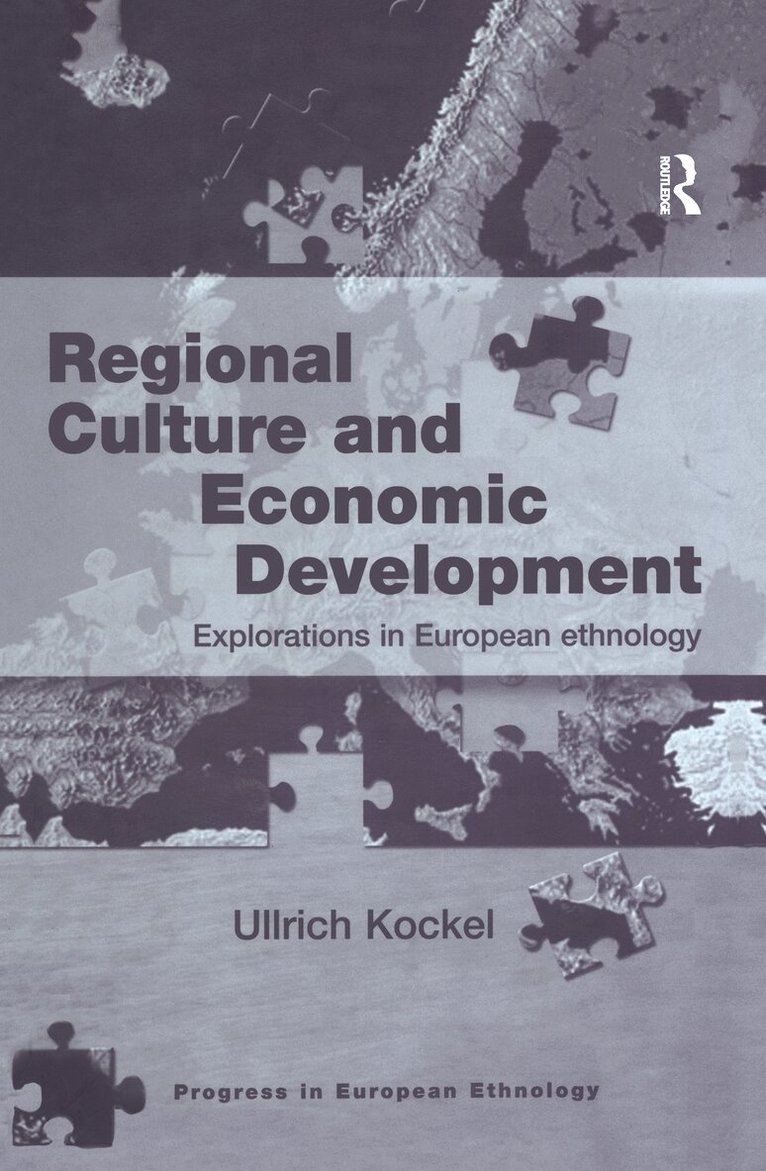
From an interdisciplinary perspective based primarily on European ethnology and political economy, this book explores issues and concepts concerning the link between culture and economy. A historical introduction to key theoretical problems is followed by five empirical chapters discussing aspects of development in rural as well as urban locations. The author considers local leadership, looking in particular at part-time farming, counter-urban migration, and pluriactivity. The classification of informal economy is illustrated with examples drawn from fieldwork, and urban poverty and migration are each explored in detail. A discussion of heritage and identity as a resource for development questions whether the concern with the authenticity of culture(s) may be an inappropriate approach to take. The book concludes with a theoretical reflection on the problematic of culture and economy and a call for a return to the roots of European ethnology as an essentially political science.
2 113 kr
Skickas inom 10-15 vardagar
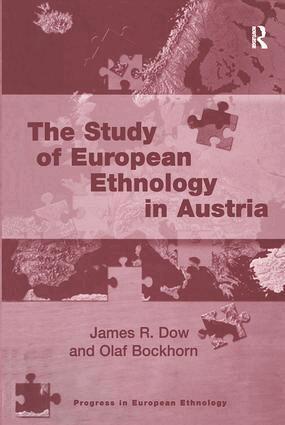
The study of ethnology or ’Volkskunde’ in Austria has had a troubled past. Through most of the 20th century it was under the influence of the so-called Viennese ’Mythological School’ and the controversy between the two opposing branches, the ’Ritualist’ and the ’Mythologists', set much of the agenda from the 1920s until long after the World War ended in 1945. The volume examines two Austrian characters, Richard Wolfram and Karl Haiding, and the impact of their research and sets them in the context of Austrian ethnology before, during and after the war years. The book concludes by examining the present day ethnological outlook in the country.
2 113 kr
Skickas inom 10-15 vardagar
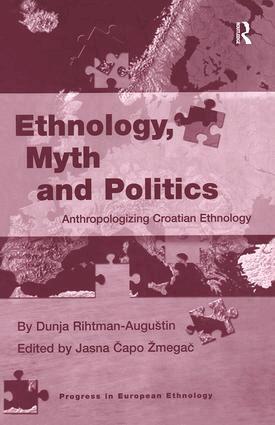
The book offers a critical overview of Croatian ethnology written by the most prominent Croatian ethnologist/ anthropologist in the second half of the 20th century - Dunja Rihtman-Augustin (recently deceased). She was the first Croatian ethnologist to break with the long established tradition of diffusionist (culture area) studies of her contemporaries and start to anthropologize Croatian ethnology. This book, compiled and completed by Jasna Capo Zmegac, highlights some crucial remarks with regard to the relationship between ethnology and politics. They are formulated as a series of research questions and problems, including: the role of folk culture as mythomoteur, cannonization of the folk culture, nationalization of the peasants in the 19th century and the role of ethnology. This vividly written text offers an exceptional insight into Croatian ethnological developments in the past century, as well as into crucial ruptures in Croatian society which have had important repercussions on ethnological discipline.
442 kr
Skickas inom 10-15 vardagar
From an interdisciplinary perspective based primarily on European ethnology and political economy, this book explores issues and concepts concerning the link between culture and economy. A historical introduction to key theoretical problems is followed by five empirical chapters discussing aspects of development in rural as well as urban locations. The author considers local leadership, looking in particular at part-time farming, counter-urban migration, and pluriactivity. The classification of informal economy is illustrated with examples drawn from fieldwork, and urban poverty and migration are each explored in detail. A discussion of heritage and identity as a resource for development questions whether the concern with the authenticity of culture(s) may be an inappropriate approach to take. The book concludes with a theoretical reflection on the problematic of culture and economy and a call for a return to the roots of European ethnology as an essentially political science.
673 kr
Skickas inom 10-15 vardagar
The study of ethnology or ’Volkskunde’ in Austria has had a troubled past. Through most of the 20th century it was under the influence of the so-called Viennese ’Mythological School’ and the controversy between the two opposing branches, the ’Ritualist’ and the ’Mythologists', set much of the agenda from the 1920s until long after the World War ended in 1945. The volume examines two Austrian characters, Richard Wolfram and Karl Haiding, and the impact of their research and sets them in the context of Austrian ethnology before, during and after the war years. The book concludes by examining the present day ethnological outlook in the country.
673 kr
Skickas inom 10-15 vardagar
The book offers a critical overview of Croatian ethnology written by the most prominent Croatian ethnologist/ anthropologist in the second half of the 20th century - Dunja Rihtman-Augustin (recently deceased). She was the first Croatian ethnologist to break with the long established tradition of diffusionist (culture area) studies of her contemporaries and start to anthropologize Croatian ethnology. This book, compiled and completed by Jasna Capo Zmegac, highlights some crucial remarks with regard to the relationship between ethnology and politics. They are formulated as a series of research questions and problems, including: the role of folk culture as mythomoteur, cannonization of the folk culture, nationalization of the peasants in the 19th century and the role of ethnology. This vividly written text offers an exceptional insight into Croatian ethnological developments in the past century, as well as into crucial ruptures in Croatian society which have had important repercussions on ethnological discipline.