Psychopharmacology Series - Böcker
Visar alla böcker i serien Psychopharmacology Series. Handla med fri frakt och snabb leverans.
11 produkter
11 produkter
Sleep, Benzodiazepines and Performance
Experimental Methodologies and Research Prospects
Häftad, Engelska, 2011
1 094 kr
Skickas inom 10-15 vardagar
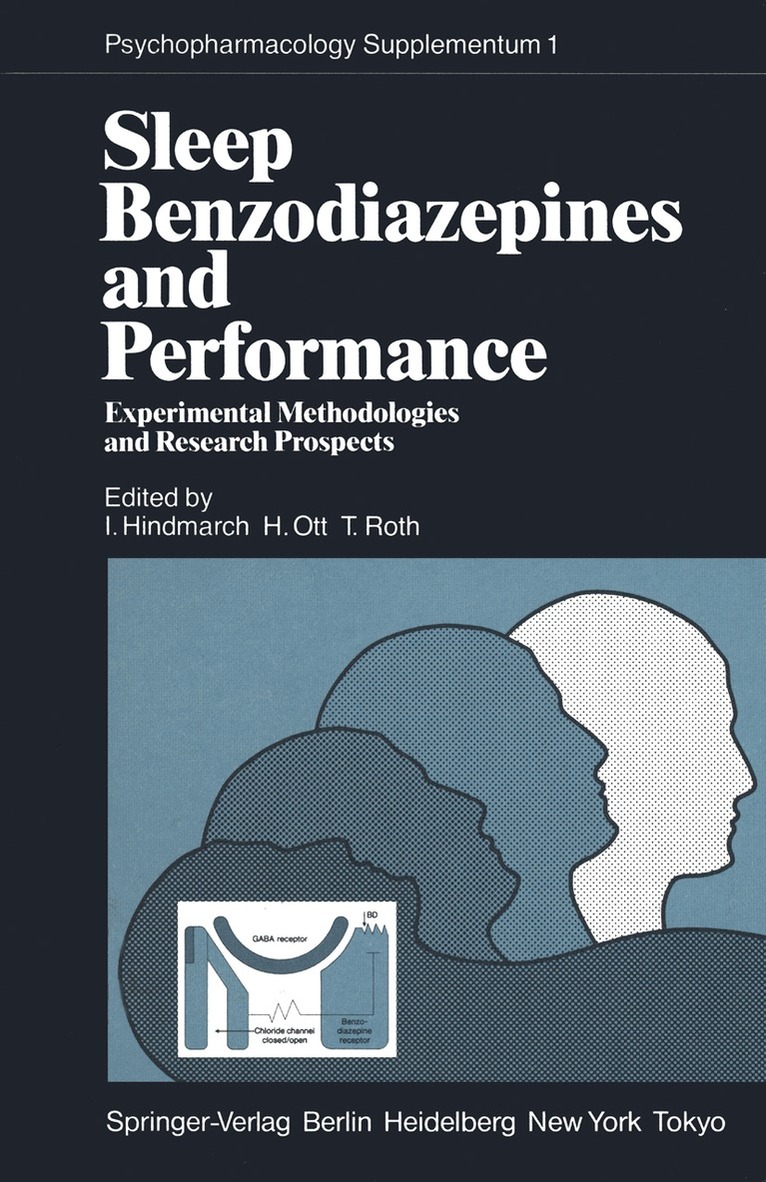
The following papers were presented at an International Workshop on experi mental methodologies and research strategies in sleep, benzodiazepines and per formance during the VII. International Congress of Psychiatry in Vienna 1983. Authors were asked to examine and review the methods used and the results obtained from the various studies within their particular expertise and to provide guidelines for future strategies in the psychopharmacology of sleep. It has long been felt by sleep researchers, psychopharmacologists and clini cians that the effects of drugs on sleep or even sleep itself cannot be evaluated without reference to the daytime behaviour of the individual. Sleep and daytime performance are complementary aspects of the same circadian cycle. The modifi cation of sleep parameters by hypnotic medication must necessarily have an impact upon daytime behaviour. The overall change in a patient's daytime behaviour following nocturnal administration of a benzodiazepine is of importance when considering the toler ability and safety of the drug in clinical use. Alterations to the integrity of daytime performance also have consequences for that patient's subsequent sleep and nocturnal behaviour. Thus this workshop was conceived as a platform for examining the inter relationship of sleep, benzodiazepine hypnotics and daytime performance from pharmacological, psychological, experimental and clinical standpoints. The fol lowing papers also highlight the complexity of the interaction between sleep, patient, drug and daytime performance and emphasize the need to approach problem areas with appropriate research strategies and experimental method ologies.
1 094 kr
Skickas inom 10-15 vardagar
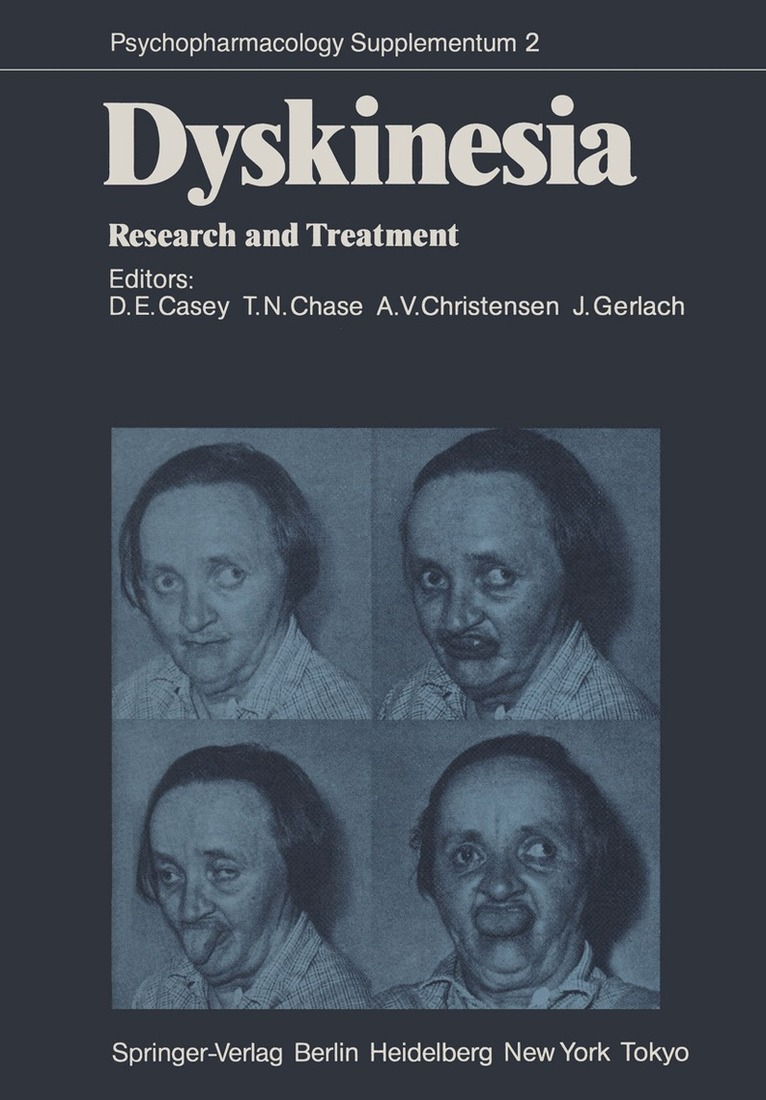
More than a quarter century has passed since the initial descriptions of tardive dyskinesia (Schonecker, 1957; Sigwald et aI., 1959). The earliest epidemiologic study of this disorder was carried out in Roskilde, Denmark, by Uhrbrand and Faurbye (1960); the term tardive dyskinesia was first used a few years later in a subsequent paper (Faurbye et aI., 1964). Despite 25 years of intensive investiga- tive scrutiny, the syndrome persists, and approaches to its prevention and treat- ment continue to have limited efficacy. It is thus fitting to evaluate what has already been learned and consider future directions for research. . Tardive dyskinesia is generally dermed as an involuntary movement disorder, mainly involving the mouth, which attends long-term neuroleptic exposure. Beyond these simple facts, however, there has been relatively little consensus about this disorder. A desire to address the controversies associated with tardive dyskinesia prompted the organization of an international symposium at Kolle- kolle, just outside Copenhagen. This publication comprises all 26 presentations.
Clinical Pharmacology in Psychiatry
Selectivity in Psychotropic Drug Action — Promises or Problems?
Häftad, Engelska, 2011
1 094 kr
Skickas inom 10-15 vardagar
The Fourth International Meeting on Clinical Pharmacology in Psychiatry was held in Bethesda, Maryland on 5-8 September 1985 and was dedicated to the memory of Dr. Earl Usdin. Earl was one of the organizers of the three previous meetings held in Chicago (1979), Troms0 (1980), and Odense (1982). During the organization of the fourth meeting Earl became ill and had to relinquish his role as one of the principal organizers. It is safe to conclude that there was no better, or more professional, or more efficient an organizer of scientific meetings in the field of neuropharmacology and psychiatry than Earl U sdin, and it was quite a task for the remaining organizers to fill the void left when he withdrew from this one. Those of us who have organized previous meetings with Earl were struck by how much more difficult our work became without him. This obviously speaks well for his subtle (and at times not so subtle) organizational skills. Nevertheless, in Earl's memory the organizers proceeded to invite a group of internationally renowned neuropsychopharmacologists to address the problem of selectivity in psychotropic drug action and to try to reconcile the amazing advances in basic preclinical neuropsychopharmacology with the problem of clinical specificity encountered by the psychiatrist.
1 094 kr
Skickas inom 10-15 vardagar
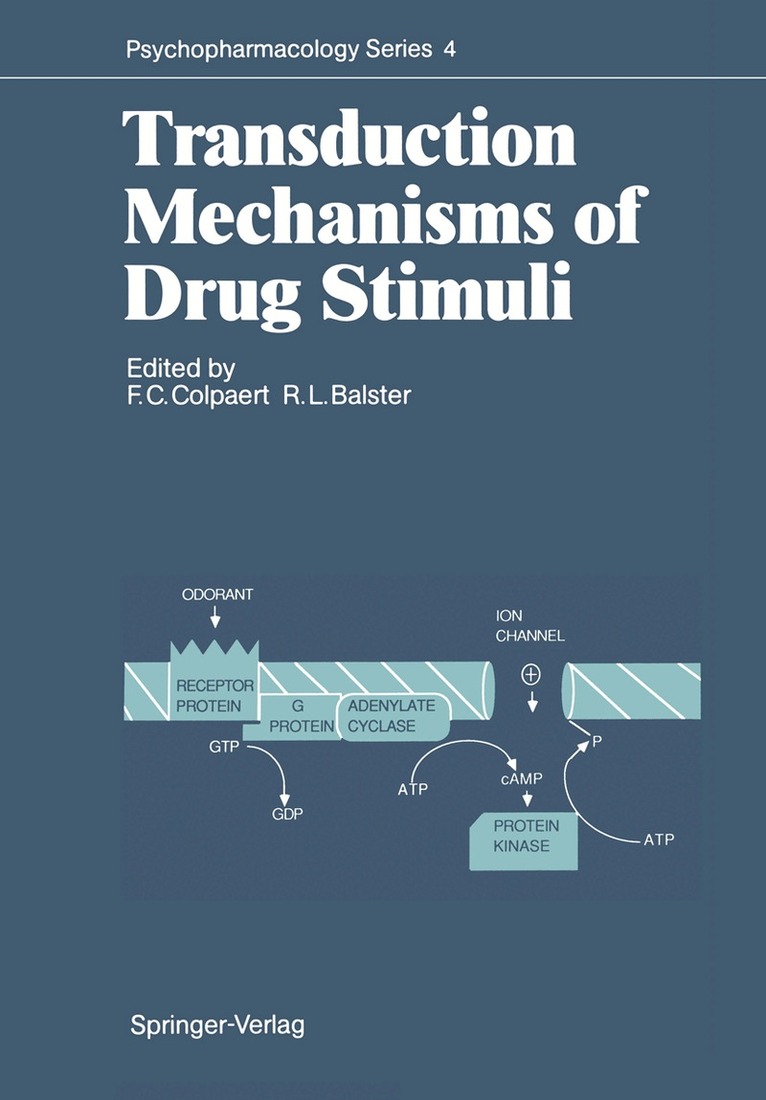
In this book the latest data available on transduction mechanisms of drug stimuli are presented. A common theme underlying the chapter in this volume is the recognition that drugs can act as stimuli, in much the same manner as external events do. Accordingly, the papers focus on the mechanisms by which these stimuli are transduced at different levels of analysis, such as the behavioral, pharmacological, and molecular levels. Some chapters discuss the mechanisms of transduction of the discriminative effects of several important classes of drugs, while others deal with the methods and research strategies by which these mechanisms can be analyzed. Collectively, the papers in this volume reflect the current status of knowledge in the rapidly expanding field of behavioral pharmacology.
1 094 kr
Skickas inom 10-15 vardagar
The landmark description by Delay and Deniker in 1952 of chlorpromazine's effect in psychosis suddenly eclipsed all other progress in psychopharmacology over the previous centuries. Since this report 35 years ago, a vast amount of research has contributed to the major advances in treatment that have improved the lives of millions of patients who would otherwise be incapacitated by their psychiatric disorders. This research has also led to valuable new insights into the causes of mental illnesses and the mechanisms of action of therapeutic drugs. However, there is much more work to be done. Thus, it is of great value periodically to assess the present state of knowledge as a first step to charting future directions. This symposium held in Denmark in 1987 covered many critical issues in psychopharmacology. The etiology, pathogenetic mechanisms, clinical aspects, and future directions of research in schizophrenia, affective disorders, anxiety, and dementia are addressed. Several of the problems with current therapeutic agents, such as side effects and limited efficacy, are also reviewed. Preclinical strategies with existing and new animal and computer models are discussed to point the way for developing better psychopharmacologic treatments of all psychiatric disorders.
Benzodiazepine Receptor Ligands, Memory and Information Processing
Psychometric, Psychopharmacological and Clinical Issues
Häftad, Engelska, 2011
1 094 kr
Skickas inom 10-15 vardagar
The following papers were presented at an international workshop on benzo diazepine receptor ligands, memory and information processing, held during the 15th CINP meeting in Puerto Rico in December 1986 and organised by the editors and T. Roth. This workshop was aimed at reviewing and reflecting on past experience with benzodiazepines, evaluating the current state of knowledge of the actions of psychotropic orugs (particularly benzodiazepines, fJ-carbolines and benzodiazepine antagonists), and laying a basis of interest and speculation for future research into the potential use of these drugs in disorders of memory and information processing. There is much published material regarding the theoretical underpinnings of what psychologists call "memory", and doubtless there will be several more libraries filled with theses on the topic before a consensus is reached as regards basic definitions or even meaningful distinctions between for example, "short" and "long"-term memory - everyone has his own particular theory. The qualitative and quantitative diversity of the different approaches might seem to present an insurmountable problem for the psychologist seeking a unified conceptual framework. In practice the various theories produce a plethora of pragmatic and experimental techniques for psychopharmacologists and clinicians to use when investigating drugs with putative amnestic or promnestic properties.
1 963 kr
Skickas inom 10-15 vardagar
This volume collects the invited lectures and some selected contributions presented at the 5th International Meeting on Clinical Pharmacology in Psychiatry, which was held 26-30 June 1988 at the University of Troms0, Norway. The 24 h of daylight at the northernmost university in the world al lowed for long, pleasant and productive sessions. The title of the conference as well as a number of the topics covered represent a continuation of four previous conferences, the first held in Chicago in 1979 and organized by the late Earl U sdin and colleagues. The earlier conferences have been documented in Clinical Pharmacology in Psychiatry, edited by E. Usdin (Elsevier, New York, 1981), Clinical Pharmacology in Psychiatry. Neuroleptic and Antidepressant Research, edited by E. Usdin, S. G. Dahl, L. F. Gram and o. Lingjrerde (Macmillan Publishers Ltd., London, 1981), Clinical Pharmacology in Psychiatry. Bridging the Experimental-Therapeutic Gap, edited by LF. Gram, E. Usdin, S.G. Dahl, P. Kragh-Sorensen, P. L. Morselli and F. Sjoqvist (Macmillan Publishers Ltd., London, 1983), and Clinical Pharmacology in Psychiatry. Selectivity in Psychotropic Drug Action - Promises or Problems? edited by S. G. Dahl, L.F. Gram, S.M. Paul and W.Z. Potter (Psychopharmacology Series 3, Springer, Heidelberg, 1987).
1 094 kr
Skickas inom 10-15 vardagar
The idea of placebo-controlled drug trials and the advent of test statistics during the first part of this century were the major milestones in the establishment of a convincing methodology for demonstrating the efficacy of treatments. The first tricyclic and neuroleptic drugs were tested for their efficacy in psychiatric disorders along the lines of these methodological developments, but subsequent trials with psychotropic drugs did not adhere to these principles to the same extent because it became difficult to justify placebo-controlled trials once effective treatments had been established. Consequently, the second generation of an tidepressants and neuroleptics (since the early 1960s) were mainly tested, in Europe at least, in samples of patients using trials controlled by standard treatment only, and the methodological basis of these second generation trials became fragile, as will be demonstrated by several papers in this book. This development did not provoke much discussion until recently, when scientific and administrative interest in the methodology of the evaluation of psychotropic drugs increased substantially. A series of factors contribute to the growing interest in the standards of psychotropic drug trials: 1. The proportion of psychiatric patients resistant to treatment is growing; the efficacy of well-established forms of treatment therefore seems to be limited. 2. A series of psychotropic drugs were withdrawn from the market, mainly because they caused serious side effects. The efficacy and safety ofthese drugs had previously been demonstrated in drug trials, which raised the question whether the drug trials carried out were well-designed.
550 kr
Skickas inom 10-15 vardagar
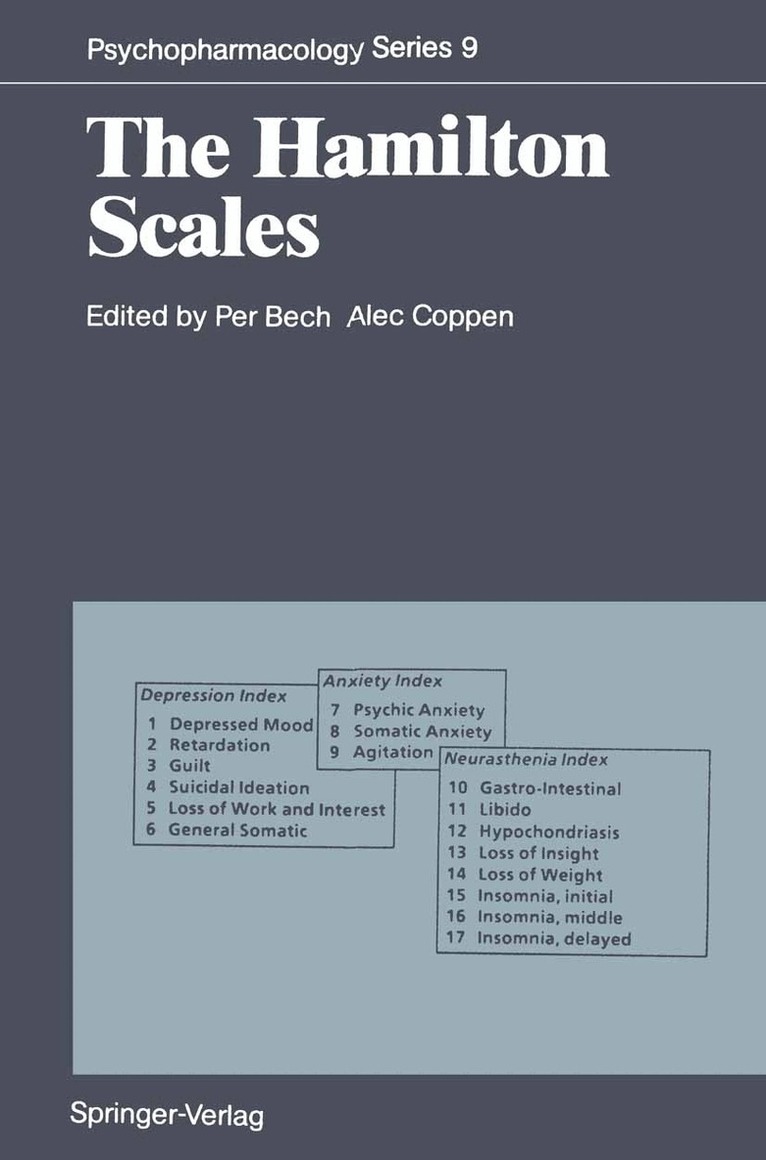
The European College of Neuropsychopharmacology (ECNP) is a scientific and educational association which represents a variety of disciplines. The first ECNP congress took place in Copenhagen, May 1985, where a working group of European scientists within the field of psychopharmacology was elected to prepare a constituent ECNP congress in Brussels, 1987. Among the most active members of this group was Max Hamilton. At the second ECNP congress in Brussels Max Hamilton was elected as the first honorary member of the ECNP. When we received the message of his death we decided at once to arrange a Max Hamilton memorial symposium at the third ECNP congress, May 1989, in Gothenburg, Sweden. This monograph contains the proceedings of the Max Hamilton symposium which was chaired by the editors. The opening lecture of the third ECNP congress was a Max Hamilton lecture: "A life devoted to science in psychiatry" which was presented by Sir Martin Roth. It seemed obvious to include Sir Martin's lecture as the opening article of this monograph. Although G .E. Berrios was unable to participate in the ECNP congress we have found it logical to include his manuscript on "The Hamilton Depression Scale and the Numerical Description of the Symptoms of Depression" as another personal contribution to Max Hamilton and his rating scales.
Clinical Pharmacology in Psychiatry
Strategies in Psychotropic Drug Development
Häftad, Engelska, 2011
1 637 kr
Skickas inom 10-15 vardagar
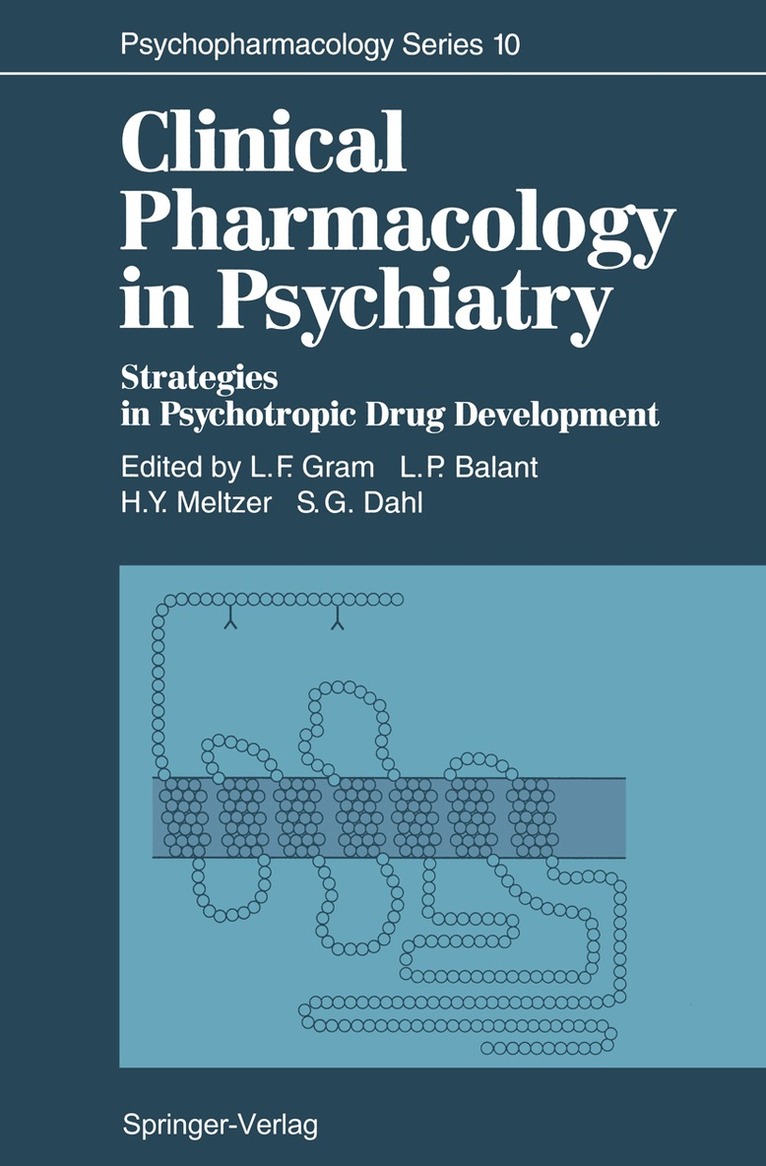
This book contains the papers from invited lecturers as well as selected contributions presented at the 6th International Meeting on Clinical Pharmacology in Psychiatry (I.M.C.P.P.) held in Geneva, Switzerland, 5-7 June 1991. At this meeting the basic theme of the previous meetings in this series (Chicago 1979, Troms0 1980, Odense 1982, Bethesda 1985, Troms0 1988) was continued, namely, to bridge the gap between experimental development and clinical reality in psychopharmacology. After more than 25 years of intensive research in biological psychiatry, basic understanding of the biological mechanisms underlying major psychiatric diseases has advanced significantly but is still far from complete. Likewise, the hypotheses underlying the development of new psychotropics have been refined and produced a wide spectrum of novel, yet designed compounds. The crucial condition for all progress in this field is reliable, informative clinical testing of new compounds. It is our hope that this book, as a continuation of the earlier publications in this series, provides further evidence of the ongoing interaction between preclinical and clinical scientists, who only together can assure progress in this exciting area of research and clinical practice.
1 094 kr
Skickas inom 10-15 vardagar
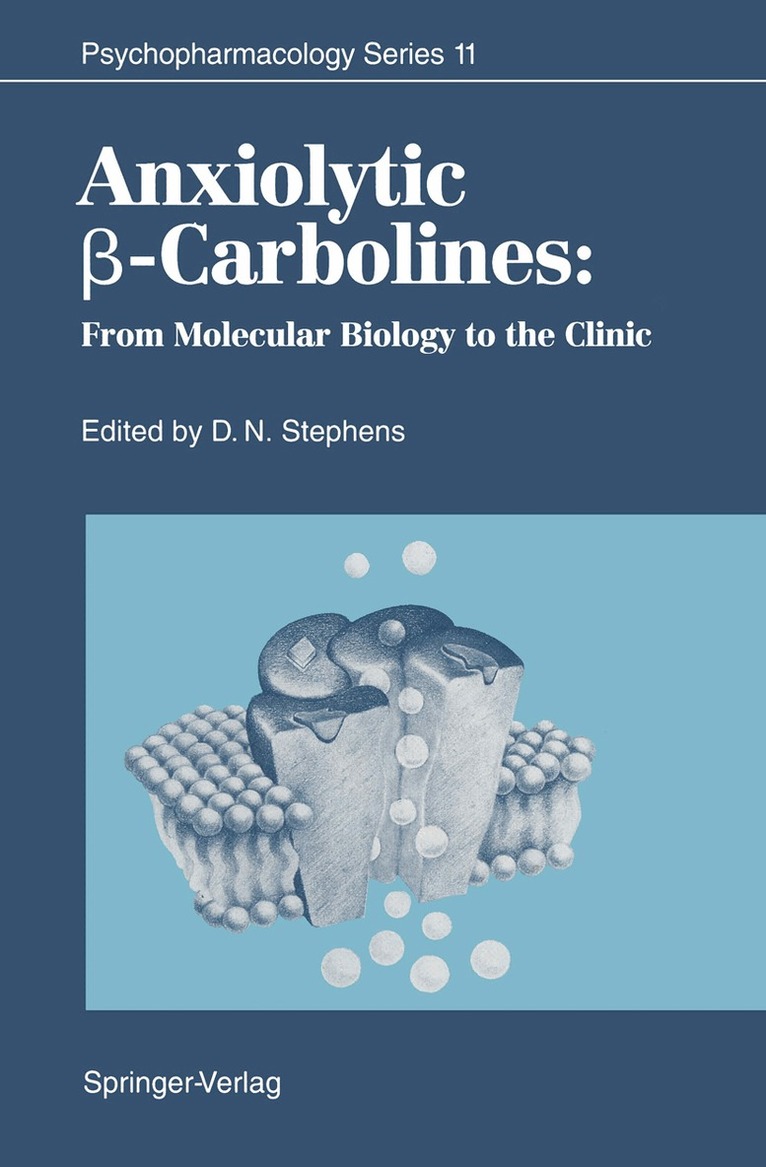
Since the discovery some 15 years ago of benzodiazepinemodulatory sites associated with GABA A receptors, greateffort has gone into understanding their molecularpharmacology and into developing new anxiolytic drugs thatinteract selectively with them. Prominent in this researchhas beenthe discovery that ~-carbolines, a differentchemical class from benzodiazepines, also act at thesereceptors but that their effects are sometimes quitedifferent from those of the benzodiazepines.This bookdocuments the latest discoveries in the molecularbiology of the GABA A receptor and reveals howan integration of the results of research inmolecularbiology, synthetic chemistry, biochemical and behavioralpharmacology, and clinical pharmacology has paved the wayforthe development of ~-carbolines from substances inducinganxiety and convulsions to a novel therapy for anxietystates, achieving a behavioral selectivity through selectiveactions at subtypes of receptors.