Questions for Feminism - Böcker
Visar alla böcker i serien Questions for Feminism. Handla med fri frakt och snabb leverans.
3 produkter
3 produkter
305 kr
Skickas inom 3-6 vardagar
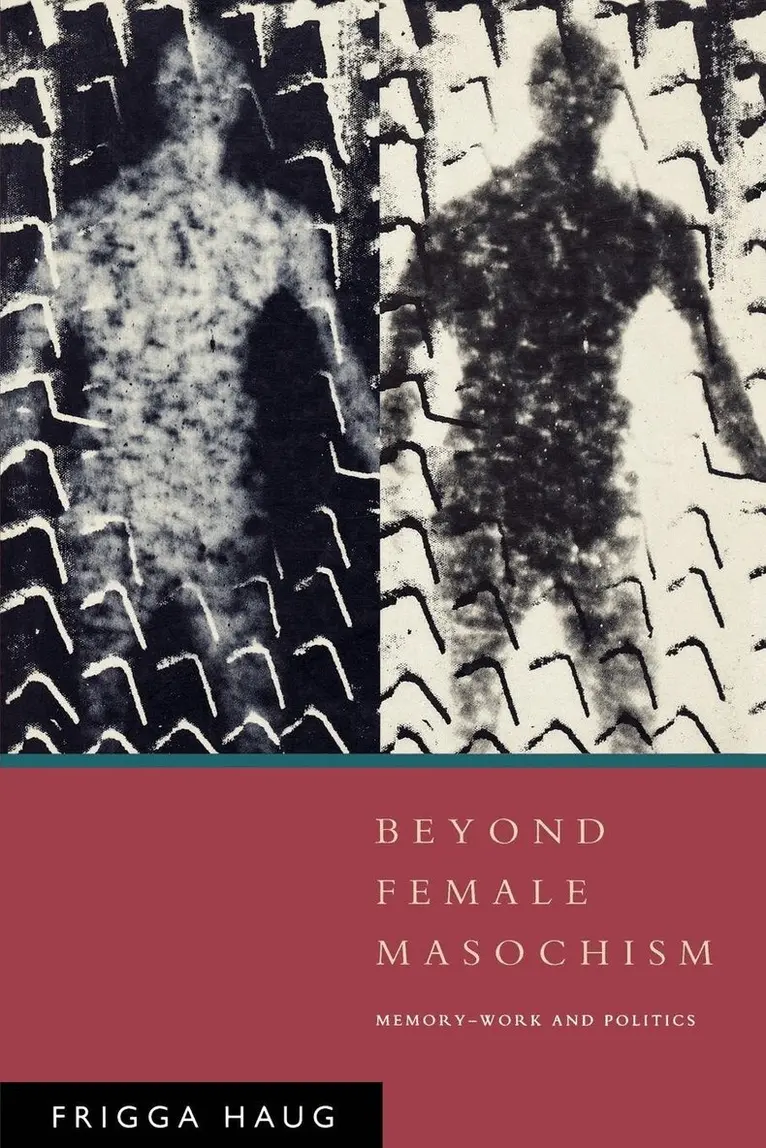
Frigga Haug, one of Germany's best-known feminist and Marxist critics, develops here a profound challenge both to women's oppression and to what she sees as women's 'collusion' in that oppression. Rejecting the essentialism of much feminist writing today, along with the denial of subjectivity that still permeates Marxism, Haug explores the connections between Marxist theory and the emancipation of women, a project which necessarily involves, as she explains, "diverting a powerful and long-standing anger into detective work."Under the headings of Socialization, Work and Politics, she combines the fruits of these investigations with the influential "memory-work" she has pioneered with women's collectives, to throw startling new light on a wide range of themes and issues: personal ethics and public morality; daydreams, domesticity and consumerism; privatization, new technologies and the restructuring of the workplace; the evolution of women's politics in Germany; the future of socialist feminism in the wake of Communism's collapse.Above all, this is a book which strives to find new links between the micro-politics of daily life and the evolving structures of capitalism. "If we could find out why and when our hopes for life were buried," Haug argues, "then we could try to take our history in our own hands." Beyond Female Masochism provides the materials, and inspiration, to do just that.
314 kr
Skickas inom 3-6 vardagar
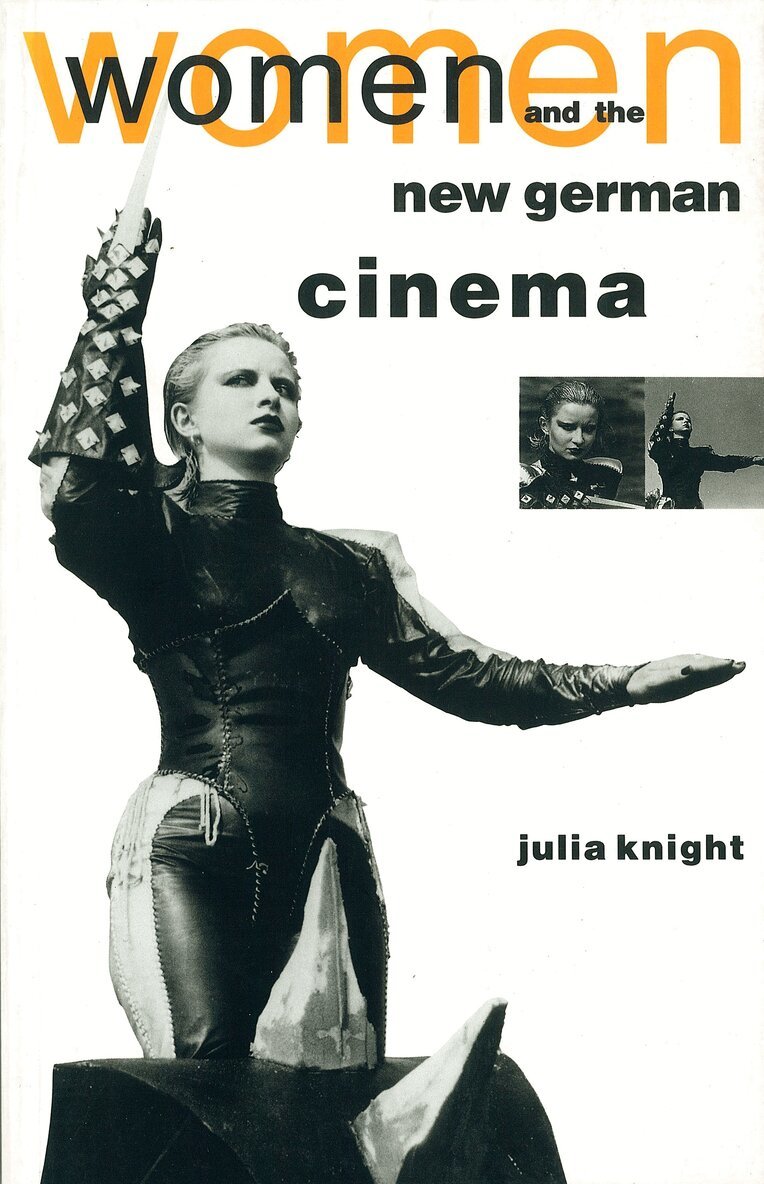
There were virtually no women film directors in Germany until the 1970s. Today there are proportionally more than in any other film-making country, and their work has been extremely influential. Directors like Margarethe von Trotta, Helma Sanders-Brahms, Ulrike Ottinger and Helke Sander have made a huge contribution to feminist film culture, but until now critical consideration of New German Cinema in Britain and the United States has focused almost exclusively on male directors such as Rainer Werner Fassbinder and Wim Wenders.In Women and the New German Cinema Julia Knight examines how restrictive social, economic and institutional conditions have compounded the neglect of the new women directors. Rejecting the traditional auteur approach, she explores the principal characteristics of women's film-making in the 1970s and 1980s, in particular the role of the women's movement, the concern with the notion of a 'feminine aesthetic', women's entry into the mainstream, and the emergence of a so-called post-feminist cinema.This timely and comprehensive study will be essential reading for everyone concerned with contemporary cinema and feminism.
297 kr
Skickas
Despite the large number of women working in offices, few accounts of women and work look at clerical workers and fewer still focus on secretaries. Even feminist studies have generally confined themselves to looking at how women combine work with motherhood, or the experience of women in factories.This book explores this 'invisibility' of secretaries through interviews with almost five hundred office workers from a wide range of workplaces. The author looks at the boss/secretary relationship as an archetype of contemporary power relations, examining the ways in which women as secretaries negotiate these power structures and the complex connections between domination, sexuality and pleasure. She charts the changing roles available to secretaries - from mother or mistress to 'asexual' teamworker - and the way these roles reflect technological change.In subjecting these relations to scrutiny, Secretaries Talk examines what might be meant by the term 'women's work', raising questions that are central to the understanding both of gender and of the familiar polarities of home and work, private and public.