• Fri frakt över 249 kr
  • •
  • Snabba leveranser
  • •
  • Billiga böcker
Kundservice

Du är på sajten för privatpersoner.

Företag, bibliotek eller offentlig verksamhet?

Du handlar på classic.bokus.com, där alla dina funktioner finns intakta.
Till classic.bokus.com
Bokus logotyp. Gå till startsidan.
  • Erbjudanden
  • Nyheter
  • Student
  • Topplistor
  • Barn & ungdom
  • Bokus Play
  • E-böcker
  • Pocketböcker
  • Spel & pussel

10% rabatt på allt med kod NYSTART10 →

Sidfot

Mina sidor

    Hjälp

    • Kundservice
    • Vanliga frågor och svar
    • Frakt och leverans
    • Retur vid ångerrätt
    • Reklamera vara
    • Betalning
    • Köpvillkor
    • Allmänna villkor
    • Information om webbplatsens tillgänglighet

    Om Bokus

    • Om oss
    • Pressrum
    • För studenter
    • För företag
    • För bibliotek och offentlig verksamhet
    • För leverantörer
    • Hållbarhet

    Populärt

    • Aktuella erbjudanden
    • Presentkort
    • Studentlitteratur
    • Nya böcker
    • Topplistor
    • Signerade böcker
    • Engelska böcker

    Inspiration

    • Boktips
    • BookTok
    • Populära bokserier
    • Barnbokskaraktärer
    • Populära författare
    Logotyp för Bokus
    Följ oss på Facebook (extern länk)Följ oss på Instagram (extern länk)Följ oss på YouTube (extern länk)Följ oss på TikTok (extern länk)
    bokus @ CookiesAnpassa cookiesIntegritetspolicyKöpvillkor
    Till Citymail hemsida (extern länk)Till Budbee hemsida (extern länk)Till Postnord hemsida (extern länk)Till Schenker hemsida (extern länk)Till Early Bird hemsida (extern länk)Till Walleys hemsida (extern länk)
    1. Samhälle och politik
    2. Samhälle och kultur
    3. Sociala grupper och identitet
    4. Genusvetenskap

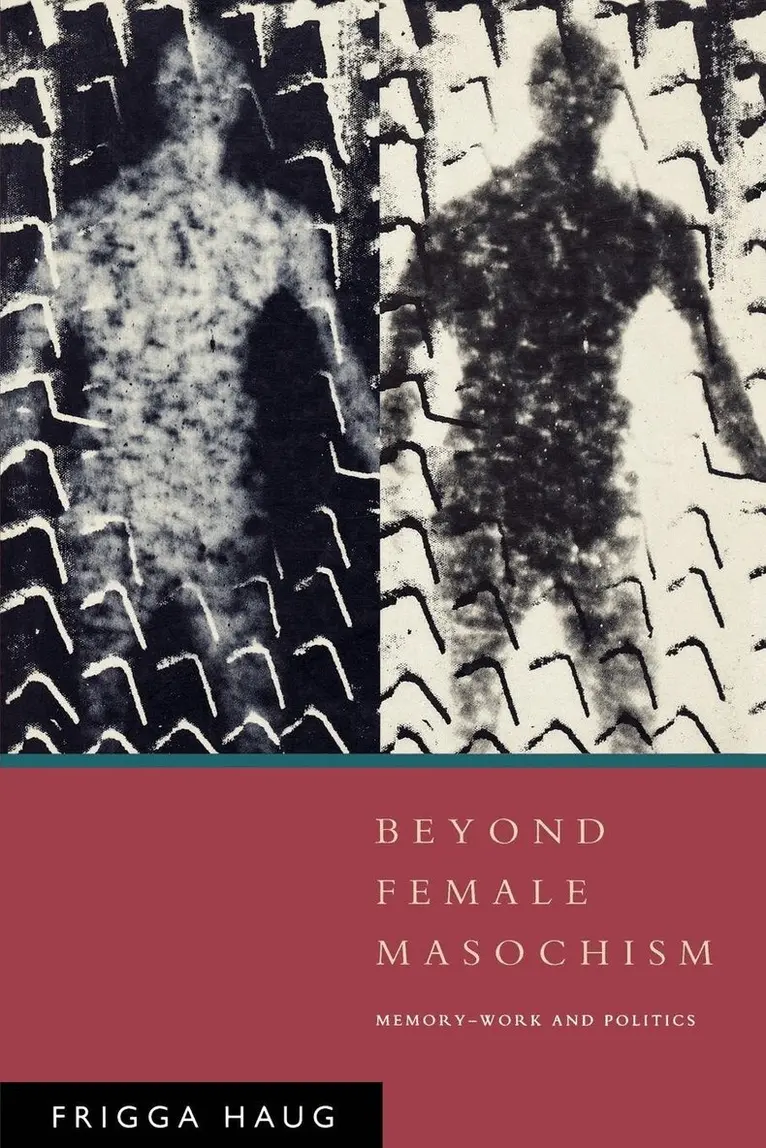
    Beyond Female Masochism

    Memory-Work and Politics

    AvFrigga Haug

    Häftad, Engelska, 1992

    Del i serien Questions for Feminism

    306 kr

    Beställningsvara. Skickas inom 3-6 vardagar. Fri frakt över 249 kr.

    Beskrivning

    Frigga Haug, one of Germany's best-known feminist and Marxist critics, develops here a profound challenge both to women's oppression and to what she sees as women's 'collusion' in that oppression. Rejecting the essentialism of much feminist writing today, along with the denial of subjectivity that still permeates Marxism, Haug explores the connections between Marxist theory and the emancipation of women, a project which necessarily involves, as she explains, "diverting a powerful and long-standing anger into detective work."Under the headings of Socialization, Work and Politics, she combines the fruits of these investigations with the influential "memory-work" she has pioneered with women's collectives, to throw startling new light on a wide range of themes and issues: personal ethics and public morality; daydreams, domesticity and consumerism; privatization, new technologies and the restructuring of the workplace; the evolution of women's politics in Germany; the future of socialist feminism in the wake of Communism's collapse.Above all, this is a book which strives to find new links between the micro-politics of daily life and the evolving structures of capitalism. "If we could find out why and when our hopes for life were buried," Haug argues, "then we could try to take our history in our own hands." Beyond Female Masochism provides the materials, and inspiration, to do just that.

    Produktinformation

    • Utgivningsdatum:1992-06-17
    • Mått:152 x 236 x 15 mm
    • Vikt:704 g
    • Format:Häftad
    • Språk:Engelska
    • Serie:Questions for Feminism
    • Antal sidor:280
    • Förlag:Verso Books
    • ISBN:9780860915621
    • Översättare:Rodney Livingstone

    Utforska kategorier

    • Genusvetenskap inom Samhälle och politik
    • Barnpsykologi och utvecklingspsykologi inom Psykologi och pedagogik

    Mer om författaren

    Frigga Haug teaches politics and sociology in Berlin. She is the editor of Female Sexualization (Verso, 1987) and of the journal Das Argument.

    Recensioner i media

    In these invigorating and original essays, Frigga Haug bravely goes against the fashionable grain, working through dream, memory and experience and revealing theoretical contours for a much-needed reorientation of socialist feminist politics.