Radiotherapy in Practice - Böcker
Visar alla böcker i serien Radiotherapy in Practice. Handla med fri frakt och snabb leverans.
6 produkter
6 produkter
1 205 kr
Skickas inom 7-10 vardagar
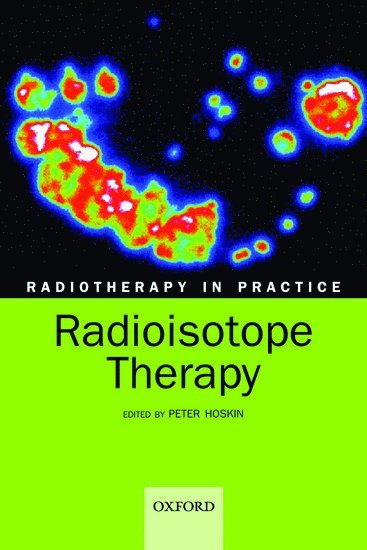
Radioisotope therapy is an internal form of radiation used to treat cancer; it may be administered orally or intravenously and represents the nearest treatment option to the 'magic bullet', specifically targeting sites of disease whilst sparing surrounding normal tissues. Radioisotope therapy has an important role to play in modern medicine, particularly in the treatment of thyroid disease, neuroendocrine tumours, bone metastasis and non-Hodgkin's lymphoma. It is found in both the diagnostic setting and in therapy, but recently there has been a renaissance in the application of radioisotope unsealed sources in therapeutic indications. It is an active area of research, with the quest for new compounds that will be specific for therapeutic targets.This book is an essential, practical guide to the use of radioisotope therapy, and also includes the background and developmental biology which underpins its use. Individual tumours and diseases are explored, with specific focus given to radioisotope treatment options. The barriers to radioisotope therapy, such as ease of access, acquisition of radioisotopes, radiation protection regulations, and cost are also discussed. ABOUT THE SERIESRadiotherapy remains the major non-surgical treatment modality for the management of malignant disease, with over 50% of patients receiving treatment at some time during the management of their malignant disease. It is based on the application of the principles of applied physics, radiobiology, and tumour biology to clinical practice. Each volume in this series takes the reader through the basic principles of different types of radiotherapy, and then develops these by individual sites. This series of practical handbooks are aimed at physicians both training and practising in radiotherapy, as well as medical physicists, dosimetrists, radiographers and senior nurses.
1 056 kr
Skickas inom 5-8 vardagar
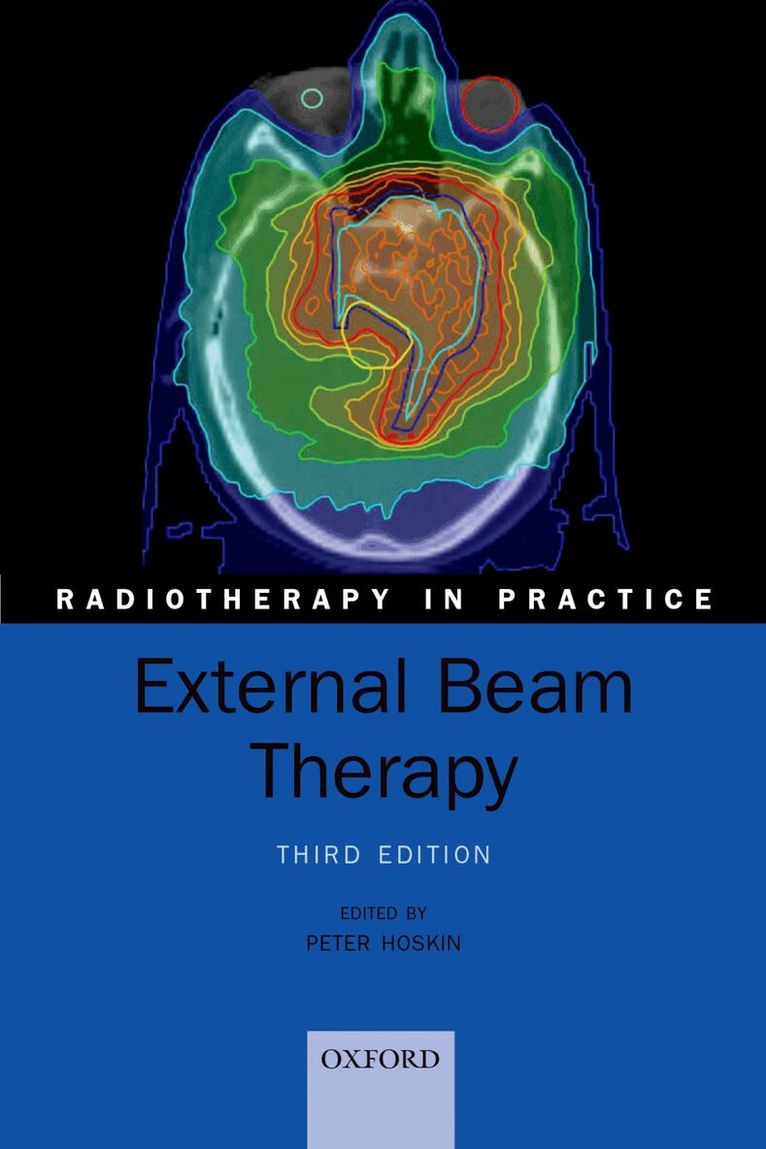
External beam therapy is the most common form of radiotherapy, delivering ionizing radiation such as high-energy x-rays, gamma rays, or electron beams directly into the location of the patient's tumour. Now in its third edition, this book is an essential, practical guide to external beam radiotherapy planning and delivery, covering the rapid technological advances made in recent years. The initial chapters give a detailed insight into the fundamentals of clinical radiotherapy. This is followed by systematic details for each tumour site commonly treated with radiotherapy, covering indications, treatment, and planning. The final chapter covers the all important aspect of quality assurance in radiotherapy delivery. This third edition has been fully updated and revised to reflect new techniques, including details of intensity modulated radiotherapy (IMRT), image guided radiotherapy (IGRT), stereotactic body radiotherapy (SBRT), and proton therapy.Written by experts in each field, External Beam Therapy is an invaluable companion to professionals and trainees in medical physics, therapeutic radiology, and clinical or radiation oncology.ABOUT THE SERIESRadiotherapy remains the major non-surgical treatment modality for the management of malignant disease. It is based on the application of the principles of applied physics, radiobiology, and tumour biology to clinical practice. Each volume in the series takes the reader through the basic principles of the use of ionizing radiation and then develops this by individual sites. This series of practical handbooks is aimed at physicians both training and practising in radiotherapy, as well as medical physics, dosimetrists, radiographers, and senior nurses.
1 140 kr
Skickas inom 5-8 vardagar
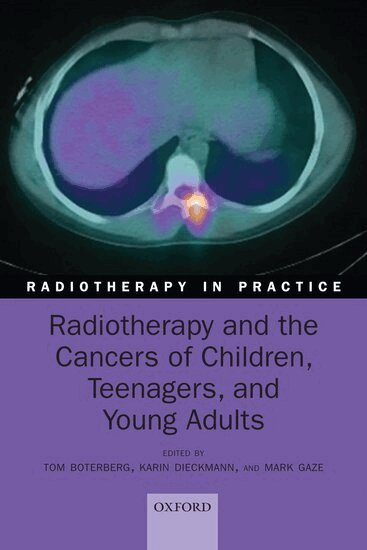
This new volume in the Radiotherapy in Practice series provides a comprehensive and evidence-based guide to radiotherapy in the management of children and young people with cancer. It explains the roles of the various modalities of treatment available, including image-guided and intensity modulated radiotherapy, brachytherapy, proton beam therapy, and molecular radiotherapy, and aids selection of the most appropriate technique in different situations. Each cancer type in children is explored, including diagnostic investigations, risk stratification, multi-modality approaches to treatment, and decision making with regard to radiotherapy. Specific guidance is given for the planning and prescription of radiotherapy for infants, children, and teenagers. The authors also identify the need for specialist paediatric radiotherapy service provision, and the wider requirements for radiotherapy in children, including consent, immobilisation, anaesthesia, multi-professional team working, and play specialist support. With over 75 colour illustrations, case histories to demonstrate the various approaches, and a carefully selected guide to further reading on each topic, this practical volume will be a valuable resource for physicians and trainees in radiotherapy and clinical oncology, and to nurses, radiographers and other allied health professionals who come into contact with young patients receiving radiotherapy.ABOUT THE SERIESRadiotherapy remains the major non-surgical treatment modality for the management of malignant disease. It is based on the application of the principles of applied physics, radiobiology, and tumour biology to clinical practice. Each volume in the series takes the reader through the basic principles of the use of ionizing radiation and then develops this by individual sites. This series of practical handbooks is aimed at physicians both training and practising in radiotherapy, as well as medical physics, dosimetrists, radiographers, and senior nurses.
1 140 kr
Skickas inom 5-8 vardagar
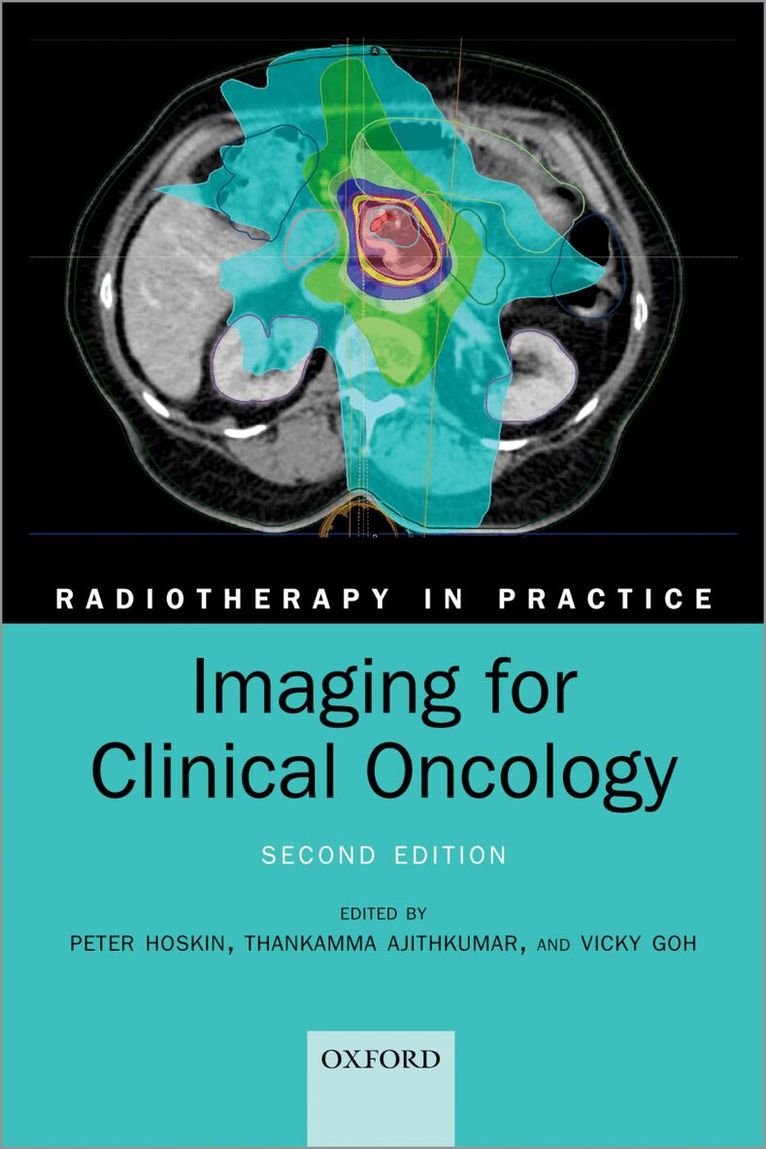
Imaging is a critical component in the delivery of radiotherapy to patients with malignancy, and this book teaches the principles and practice of imaging specific to radiotherapy. Introductory chapters outline the basic principles of the available imaging modalities including x-rays, CT, ultrasound, MRI, nuclear medicine, and PET. Site specific chapters then cover the main tumour sites, reviewing optimal imaging techniques for diagnosis, staging, radiotherapy planning, and follow-up for each site. The important areas of radiation protection, exposure justification, and risks are also covered, exploring issues such as balancing radiation exposure with long-term risks of radiation effects, such as second cancer induction.This second edition has been fully revised and updated to reflect current techniques, and includes two brand new chapters on imaging for radiotherapy treatment verification, and the role of specialist MRI techniques and functional imaging for radiotherapy planning. With insights from experts in each field and over 200 illustrations, this comprehensive and easy-to-read guide will be an invaluable resource for radiation oncologists, clinical oncologists, and radiotherapists, both qualified and in training. ABOUT THE SERIESRadiotherapy remains the major non-surgical treatment modality for the management of malignant disease. It is based on the application of the principles of applied physics, radiobiology, and tumour biology to clinical practice. Each volume in the series takes the reader through the basic principles of the use of ionizing radiation and then develops this by individual sites. This series of practical handbooks is aimed at physicians both training and practising in radiotherapy, as well as medical physics, dosimetrists, radiographers, and senior nurses.
828 kr
Skickas inom 7-10 vardagar
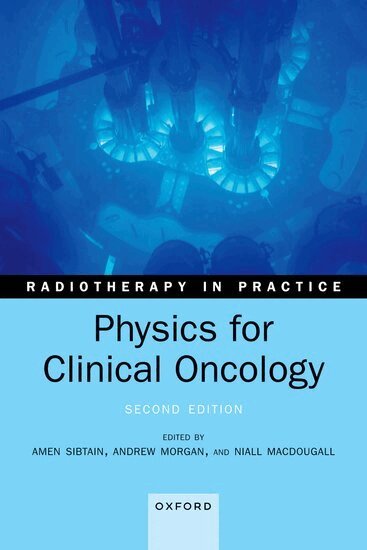
Radiotherapy remains a major non-surgical treatment modality for malignant disease, and an understanding of how this treatment works is essential in ensuring optimum practice. Trainees in oncology learn about ionising radiation, but to understand it fully they must also understand the physics relevant to its use in therapy. This book is written specifically for the oncology and radiation team, supporting clinical oncologists in their understanding of the science which underpins radiotherapy. It begins with basic concepts and then explores the principles and practice of physics as it relates to radiotherapy, including discussion of specific types of therapy.Written by authors chosen for their expertise in in their respective fields, and aligned to the Royal College of Radiologists FRCR Curriculum in Oncology, this volume will provide an excellent source of information for trainee and practicing oncologists, and wider radiotherapy teams. This second edition has been fully updated to reflect advances in technology and the increased complexity in modern radiotherapy, including two new chapters on imaging and a new brachytherapy chapter.
1 138 kr
Skickas inom 7-10 vardagar
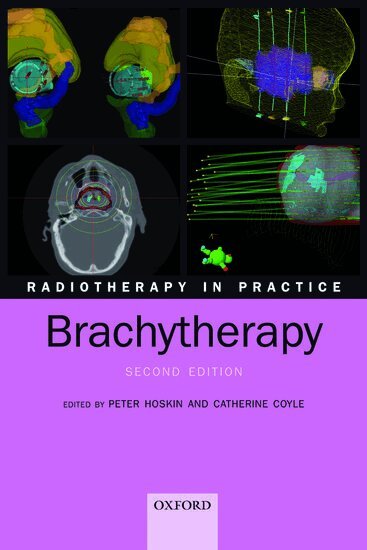
Brachytherapy remains an important component of radical radiation therapy in the modern management of cancer. Widespread adoption of remote afterloading now enables brachytherapy to be delivered with minimum exposure to staff and other patients. Technical advances in imaging and computing power have improved the precision of implantation and complex dosimetry can now be achieved in routine practice. The advantages of direct placement of the radiation source into the area to be treated, overcoming the problems of patient and organ movement, together with the dosimetric advantages inherent in brachytherapy, will ensure that modern brachytheraoy continues to provide the optimal means of delivering accurate high does radiation therapy for many patients.Fully updated for the second edition, this book provides practical guidance on the use of brachytherapy. Each chapter gives the reader a solid background in the physics and dosimetry of the technique, followed by practical information on its use in common disease sites. Whilst low, medium, and high dose rate techniques are covered, emphasis is placed on high dose rate afterloading techniques which are likely to replace most other forms of brachytherapy in the future.ABOUT THE SERIES:Radiotherapy remains the major non-surgical treatment modality for the management of malignant disease. It is based on the application of the principles of applied physics, radiobiology, and tumour biology to clinical practice. Each volume in this series takes the reader through the basic principles of the use of ionising radiation and then develops this by individual sites. This series of practical handbooks are aimed at physicians both training and practising in radiotherapy, as well as medical physicists, dosimetrists, radiographers and senior nurses.