Religion and Conflict – serie
Visar alla böcker i serien Religion and Conflict. Handla med fri frakt och snabb leverans.
13 produkter
13 produkter
Inbunden, Engelska, 2022
1 586 kr
Skickas inom 10-15 vardagar
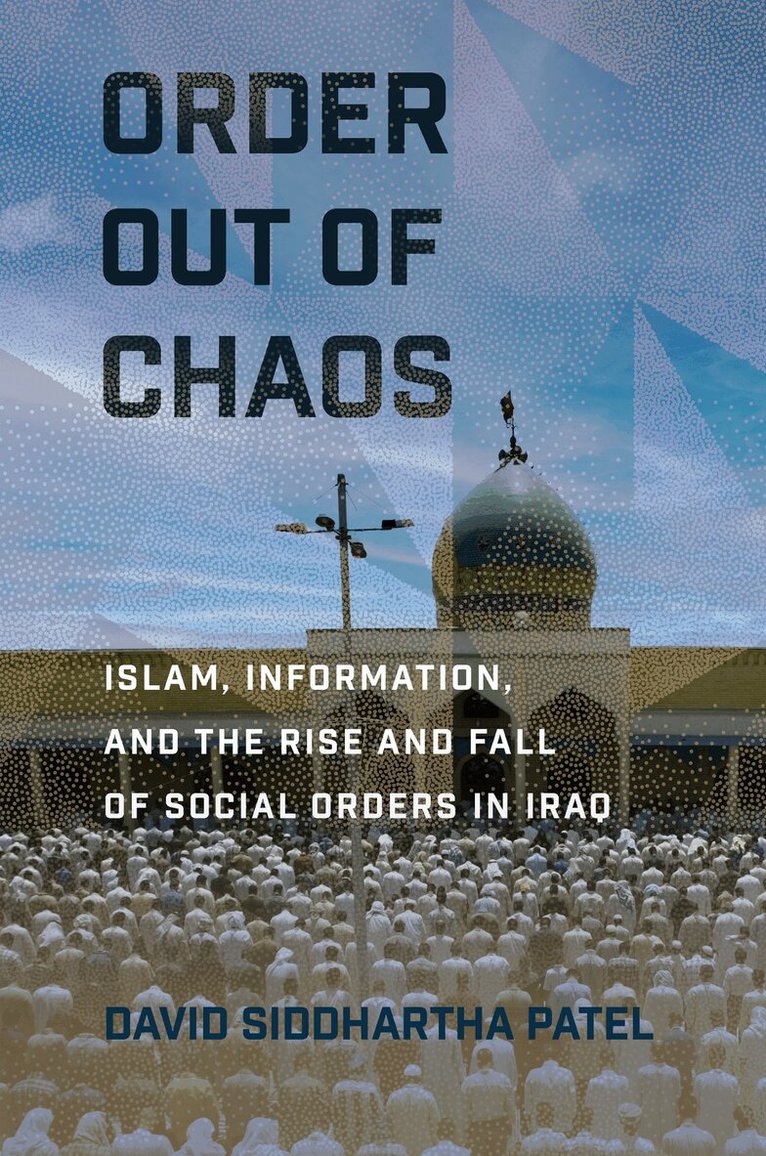
Order out of Chaos explains why Iraqis turned to the mosque after state collapse. In 2003, the US-led invasion of Iraq destroyed the Bathist state. Despite this the citizens of Basra established predictable routines of daily life and social order as the familiar and customary structures of state-imposed order collapsed. What enabled individuals in Basra to work together to produce order amid anarchy? The answer: the Friday mosque. A week after the regime fell, Shii imams introduced Friday congregational prayers and associated sermons for the first time in most places since the 1950s. These sermons facilitated the spread of common knowledge and coordination, both locally and nationally, and contributed to the emergence of a relatively cohesive imagined community of Iraqi Shia that came to dominate Iraq's political order.Combining rational choice approaches, ethnographic understanding, and GIS analysis, David Siddhartha Patel reveals the interconnectedness of the enduring problem of how societies create social order in a stateless environment, the origins and limits of political authority and leadership, and the social and political salience of collective identity.
Inbunden, Engelska, 2020
377 kr
Skickas inom 3-6 vardagar
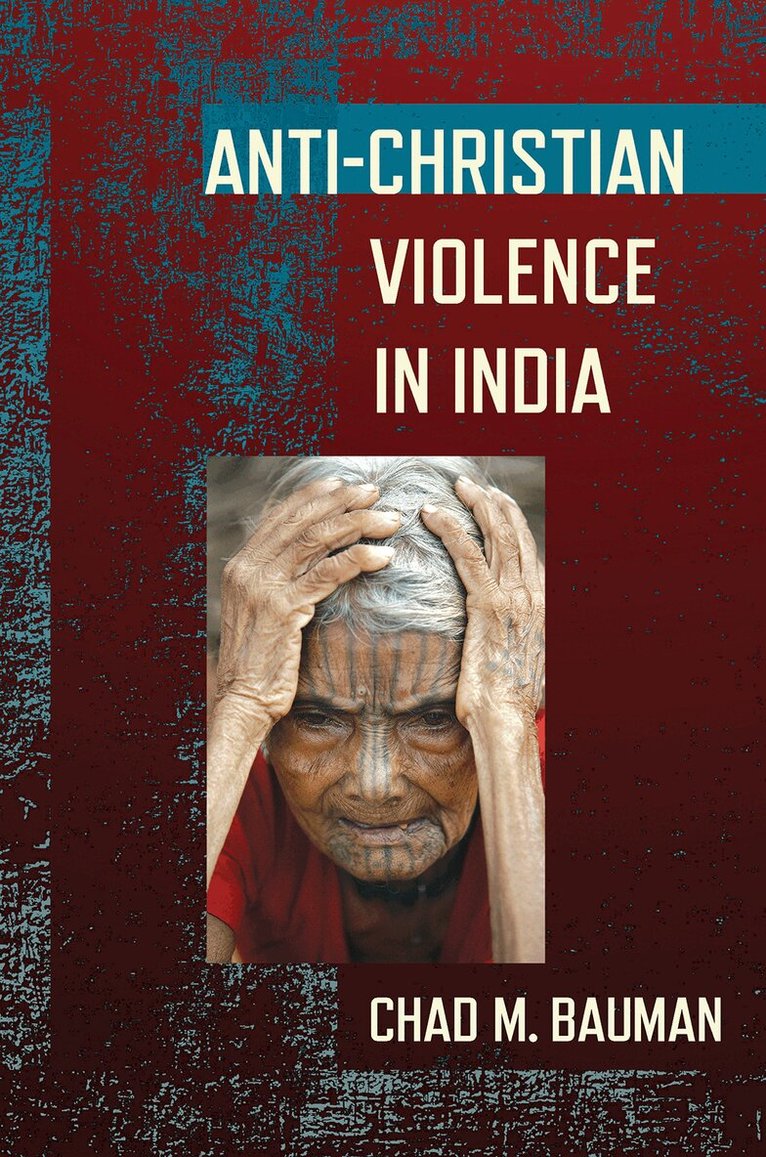
Does religion cause violent conflict, asks Chad M. Bauman, and if so, does it cause conflict more than other social identities? Through an extended history of Christian-Hindu relations, with particular attention to the 2007–2008 riots in Kandhamal, Odisha, Anti-Christian Violence in India examines religious violence and how it pertains to broader aspects of humanity. Is "religious" conflict sui generis, or is it merely one species of intergroup conflict? Why and how might violence become an attractive option for religious actors? What explains the increase in religious violence over the last twenty to thirty years?Integrating theories of anti-Christian violence focused on politics, economics, and proselytization, Anti-Christian Violence in India additionally weaves in recent theory about globalization and, in particular, the forms of resistance against Western secular modernity that globalization periodically helps to provoke. With such theories in mind, Bauman explores the nature of anti-Christian violence in India, contending that resistance to secular modernities is, in fact, an important but often overlooked reason behind Hindu attacks on Christians. Intensifying the widespread Hindu tendency to think of religion in ethnic rather than universal terms, the ideology of Hindutva, or "Hinduness," explicitly rejects both the secular privatization of religion and the separability of religions from the communities that incubate them. And so, with provocative and original analysis, Bauman questions whether anti-Christian violence in contemporary India is really about religion, in the narrowest sense, or rather a manifestation of broader concerns among some Hindus about the Western sociopolitical order with which they associate global Christianity.
Häftad, Engelska, 2022
334 kr
Skickas inom 10-15 vardagar
Order out of Chaos explains why Iraqis turned to the mosque after state collapse. In 2003, the US-led invasion of Iraq destroyed the Bathist state. Despite this the citizens of Basra established predictable routines of daily life and social order as the familiar and customary structures of state-imposed order collapsed. What enabled individuals in Basra to work together to produce order amid anarchy? The answer: the Friday mosque. A week after the regime fell, Shii imams introduced Friday congregational prayers and associated sermons for the first time in most places since the 1950s. These sermons facilitated the spread of common knowledge and coordination, both locally and nationally, and contributed to the emergence of a relatively cohesive imagined community of Iraqi Shia that came to dominate Iraq's political order.Combining rational choice approaches, ethnographic understanding, and GIS analysis, David Siddhartha Patel reveals the interconnectedness of the enduring problem of how societies create social order in a stateless environment, the origins and limits of political authority and leadership, and the social and political salience of collective identity.
Inbunden, Engelska, 2023
1 586 kr
Skickas inom 10-15 vardagar
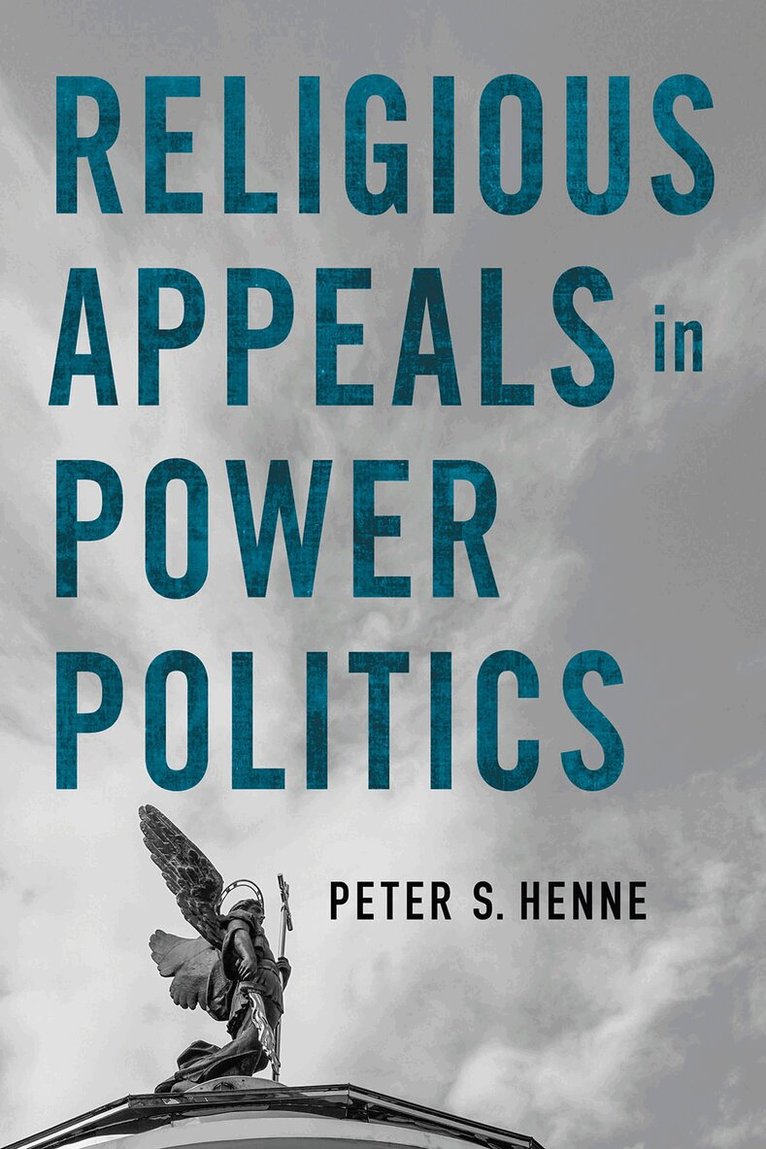
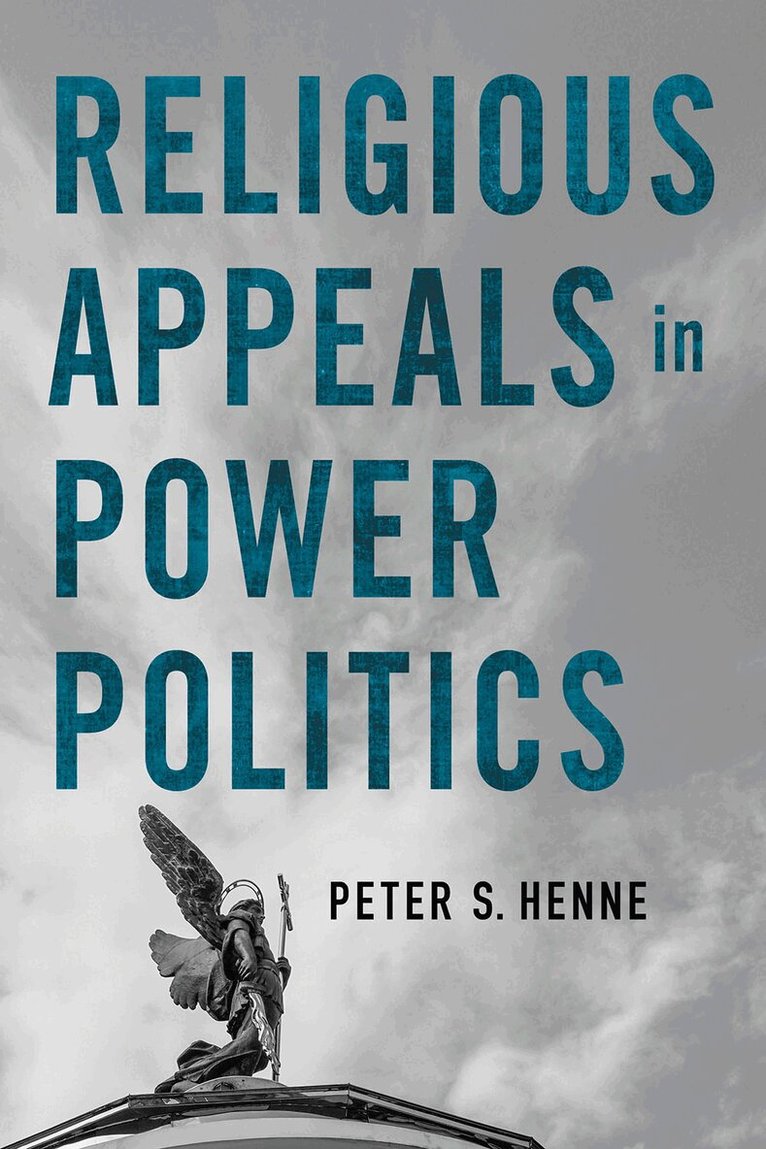
Religious Appeals in Power Politics examines how states use, or attempt to use, confessional appeals to religious belief and conscience to advance political strategies and objectives. Through case studies of the United States, Saudi Arabia, and Russia, Peter S. Henne demonstrates that religion, although not as high profile or well-funded a tool as economic sanctions or threats of military force, remains a potent weapon in international relations. Public policy analysis often minimizes the role of religion, favoring military or economic matters as the "important" arenas of policy debate. As Henne shows, however, at transformative moments in political history, states turn to faith-based appeals to integrate or fragment international coalitions. Henne highlights Saudi Arabia's 1960s rivalry with Egypt, the United States's post-9/11 leadership in the global war on terrorism, and the Russian Federation's contemporary expansionism both to reveal the presence and power of calls for religious unity and to emphasize the uncertainty and anxiety such appeals can create. Religious Appeals in Power Politics offers a bold corrective to those who consider religion as tangential to military or economic might.
Häftad, Engelska, 2023
293 kr
Skickas inom 10-15 vardagar
Religious Appeals in Power Politics examines how states use, or attempt to use, confessional appeals to religious belief and conscience to advance political strategies and objectives. Through case studies of the United States, Saudi Arabia, and Russia, Peter S. Henne demonstrates that religion, although not as high profile or well-funded a tool as economic sanctions or threats of military force, remains a potent weapon in international relations. Public policy analysis often minimizes the role of religion, favoring military or economic matters as the "important" arenas of policy debate. As Henne shows, however, at transformative moments in political history, states turn to faith-based appeals to integrate or fragment international coalitions. Henne highlights Saudi Arabia's 1960s rivalry with Egypt, the United States's post-9/11 leadership in the global war on terrorism, and the Russian Federation's contemporary expansionism both to reveal the presence and power of calls for religious unity and to emphasize the uncertainty and anxiety such appeals can create. Religious Appeals in Power Politics offers a bold corrective to those who consider religion as tangential to military or economic might.
Inbunden, Engelska, 2024
1 586 kr
Skickas inom 10-15 vardagar
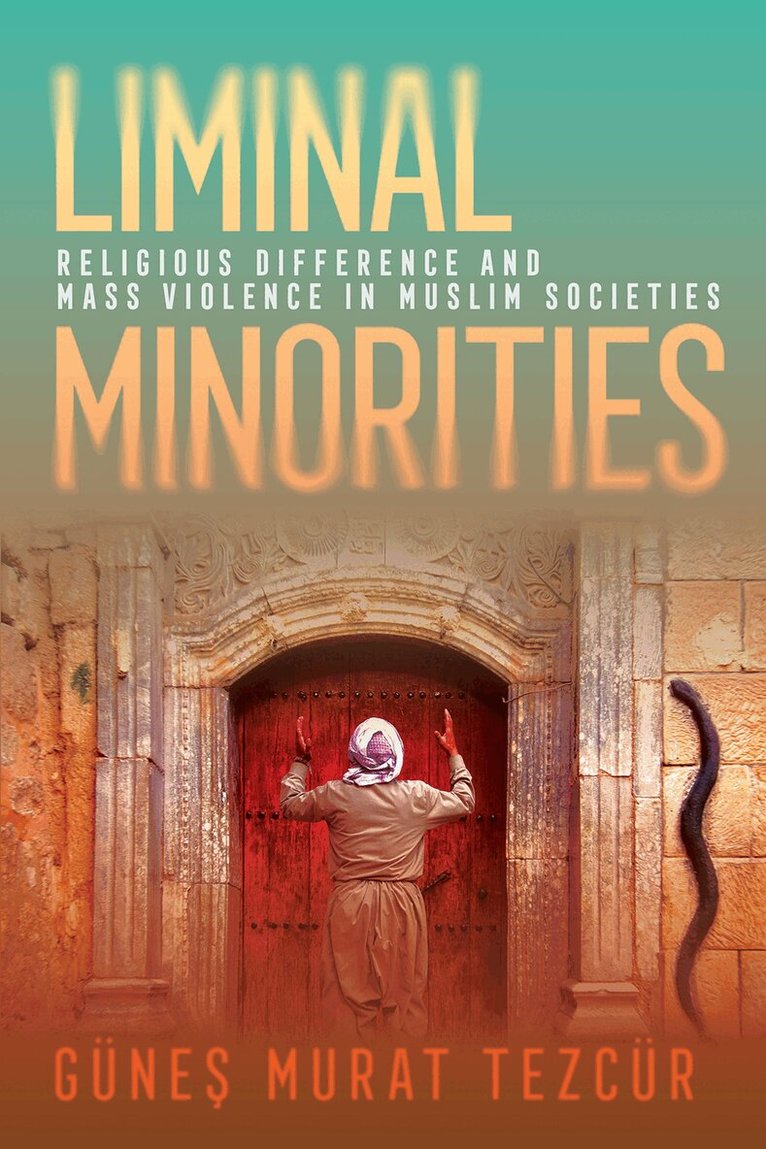
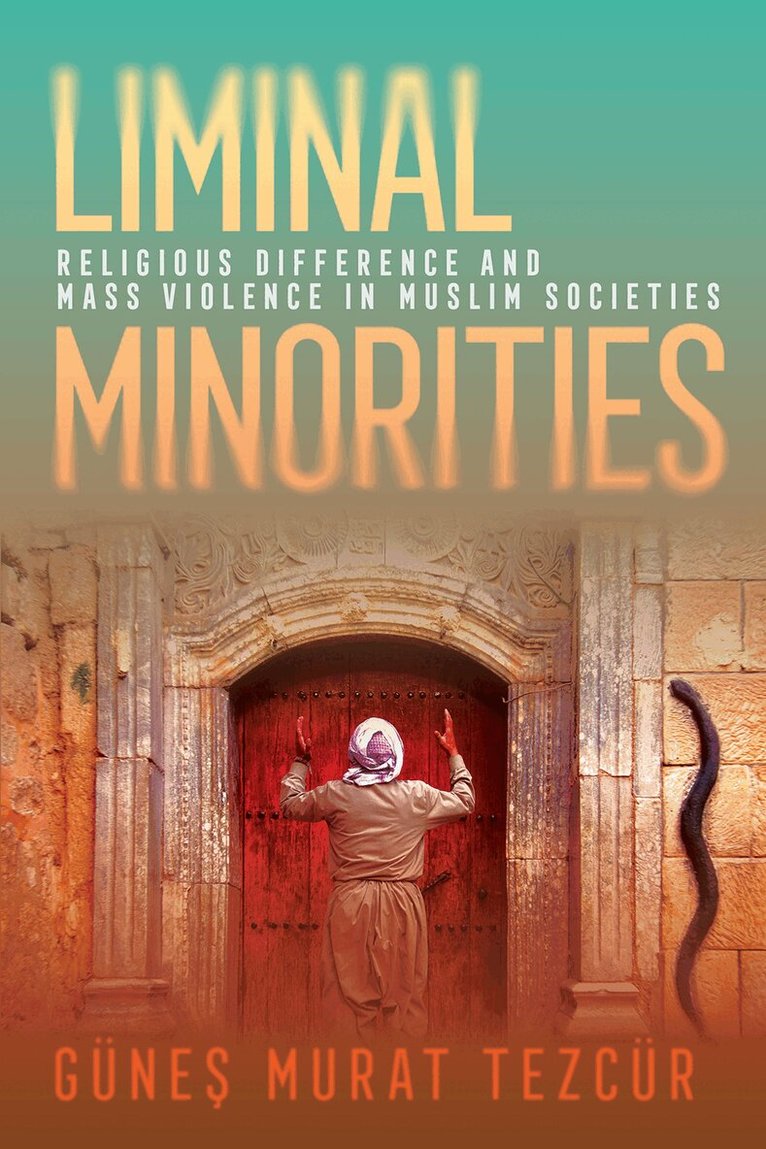
Winner of the Religion and International Relations Book Award of the Religion and International Relations Section of the International Studies AssociationLiminal Minorities addresses the question of why some religious minorities provoke the ire of majoritarian groups and become targets of organized violence, even though they lack significant power and pose no political threat. Güneş Murat Tezcür argues that these faith groups are stigmatized across generations, as they lack theological recognition and social acceptance from the dominant religious group. Religious justifications of violence have a strong mobilization power when directed against liminal minorities, which makes these groups particularly vulnerable to mass violence during periods of political change.Offering the first comparative-historical study of mass atrocities against religious minorities in Muslim societies, Tezcür focuses on two case studies—the Islamic State's genocidal attacks against the Yezidis in northern Iraq in the 2010s and massacres of Alevis in Turkey in the 1970s and 1990s—while also addressing discrimination and violence against followers of the Bahá'í faith in Iran and Ahmadis in Pakistan and Indonesia. Analyzing a variety of original sources, including interviews with survivors and court documents, Tezcür reveals how religious stigmatization and political resentment motivate ordinary people to participate in mass atrocities.
Häftad, Engelska, 2024
334 kr
Skickas inom 10-15 vardagar
Winner of the Religion and International Relations Book Award of the Religion and International Relations Section of the International Studies AssociationLiminal Minorities addresses the question of why some religious minorities provoke the ire of majoritarian groups and become targets of organized violence, even though they lack significant power and pose no political threat. Güneş Murat Tezcür argues that these faith groups are stigmatized across generations, as they lack theological recognition and social acceptance from the dominant religious group. Religious justifications of violence have a strong mobilization power when directed against liminal minorities, which makes these groups particularly vulnerable to mass violence during periods of political change.Offering the first comparative-historical study of mass atrocities against religious minorities in Muslim societies, Tezcür focuses on two case studies—the Islamic State's genocidal attacks against the Yezidis in northern Iraq in the 2010s and massacres of Alevis in Turkey in the 1970s and 1990s—while also addressing discrimination and violence against followers of the Bahá'í faith in Iran and Ahmadis in Pakistan and Indonesia. Analyzing a variety of original sources, including interviews with survivors and court documents, Tezcür reveals how religious stigmatization and political resentment motivate ordinary people to participate in mass atrocities.
Inbunden, Engelska, 2025
1 586 kr
Skickas inom 10-15 vardagar
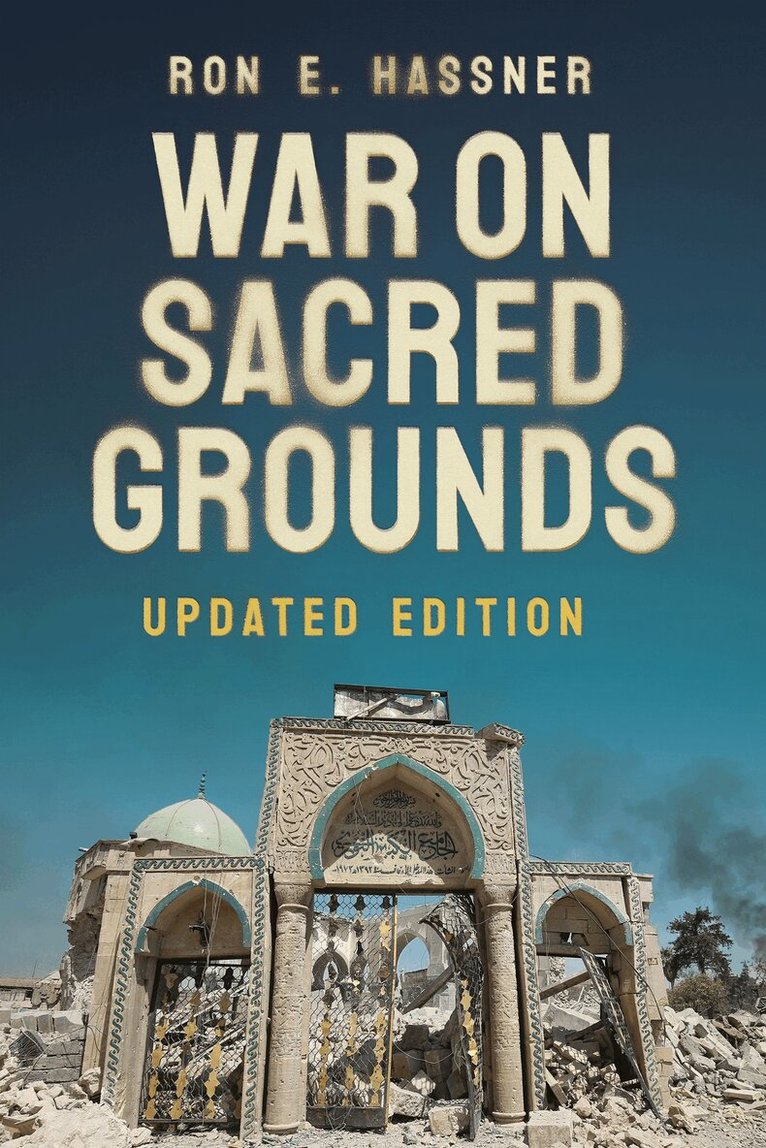
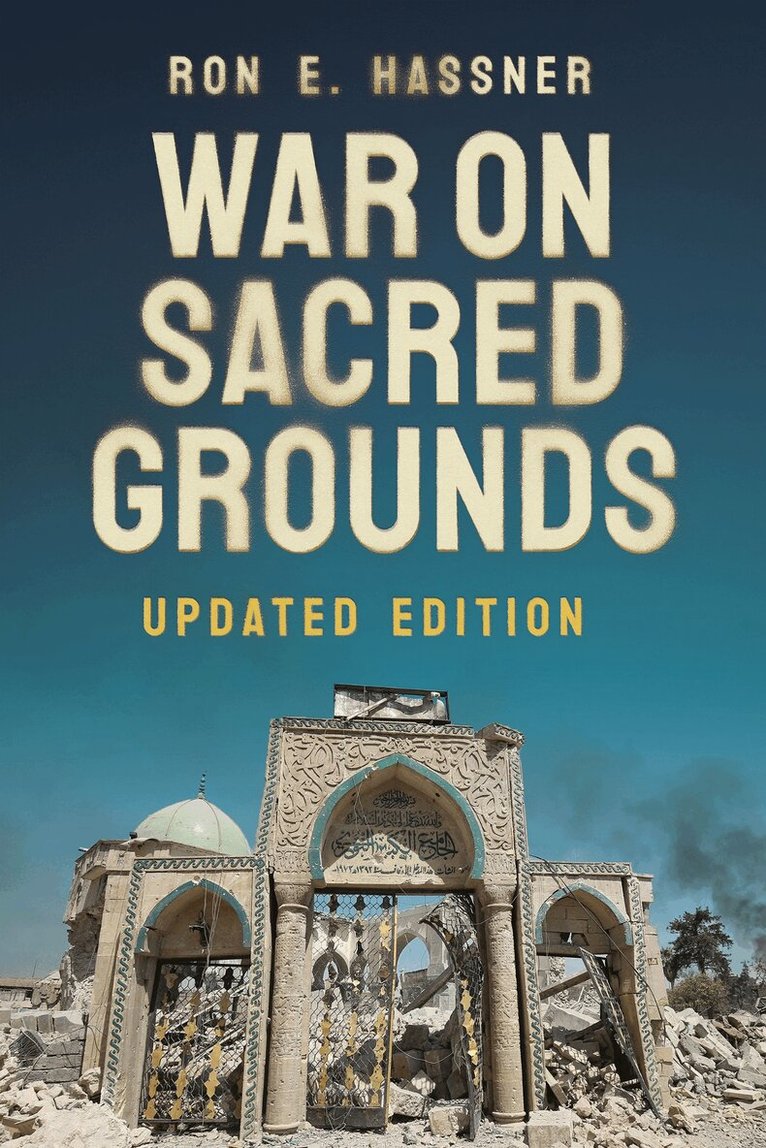
In War on Sacred Grounds, Ron E. Hassner investigates the causes and properties of struggles over sites that are both venerated and contested, and proposes ways for managing these disputes. Holy places can create the potential for clashes, not only between competing religious groups but also between religious groups and secular actors. Hassner illustrates this complex, violent dynamic through a series of case studies, including the conflict over Jerusalem and competing Hindu and Muslim claims over Ayodhya. He also analyses successful compromises that reduced conflict in Jerusalem in 1967 and in Mecca in 1979. In this updated edition of War on Sacred Grounds, Hassner reevaluates his findings and conclusions and surveys ongoing conflicts over holy sites.
Häftad, Engelska, 2025
334 kr
Skickas inom 10-15 vardagar
In War on Sacred Grounds, Ron E. Hassner investigates the causes and properties of struggles over sites that are both venerated and contested, and proposes ways for managing these disputes. Holy places can create the potential for clashes, not only between competing religious groups but also between religious groups and secular actors. Hassner illustrates this complex, violent dynamic through a series of case studies, including the conflict over Jerusalem and competing Hindu and Muslim claims over Ayodhya. He also analyses successful compromises that reduced conflict in Jerusalem in 1967 and in Mecca in 1979. In this updated edition of War on Sacred Grounds, Hassner reevaluates his findings and conclusions and surveys ongoing conflicts over holy sites.
Inbunden, Engelska, 2026
1 586 kr
Skickas inom 10-15 vardagar
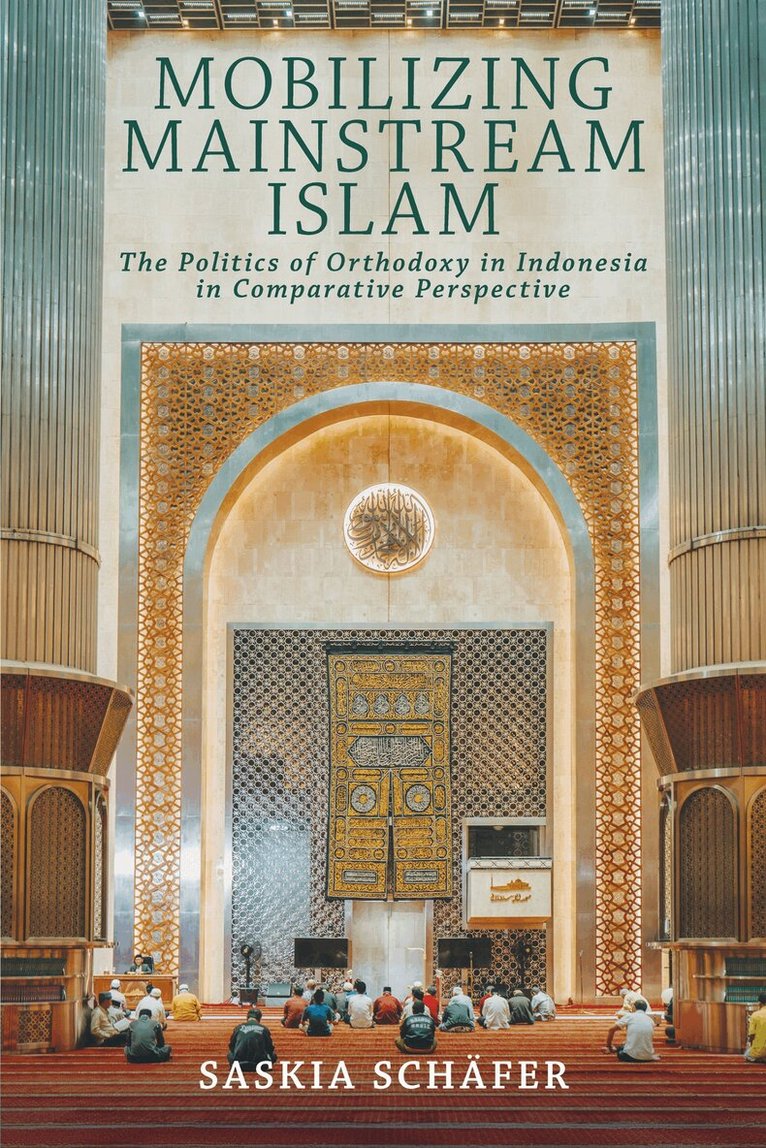
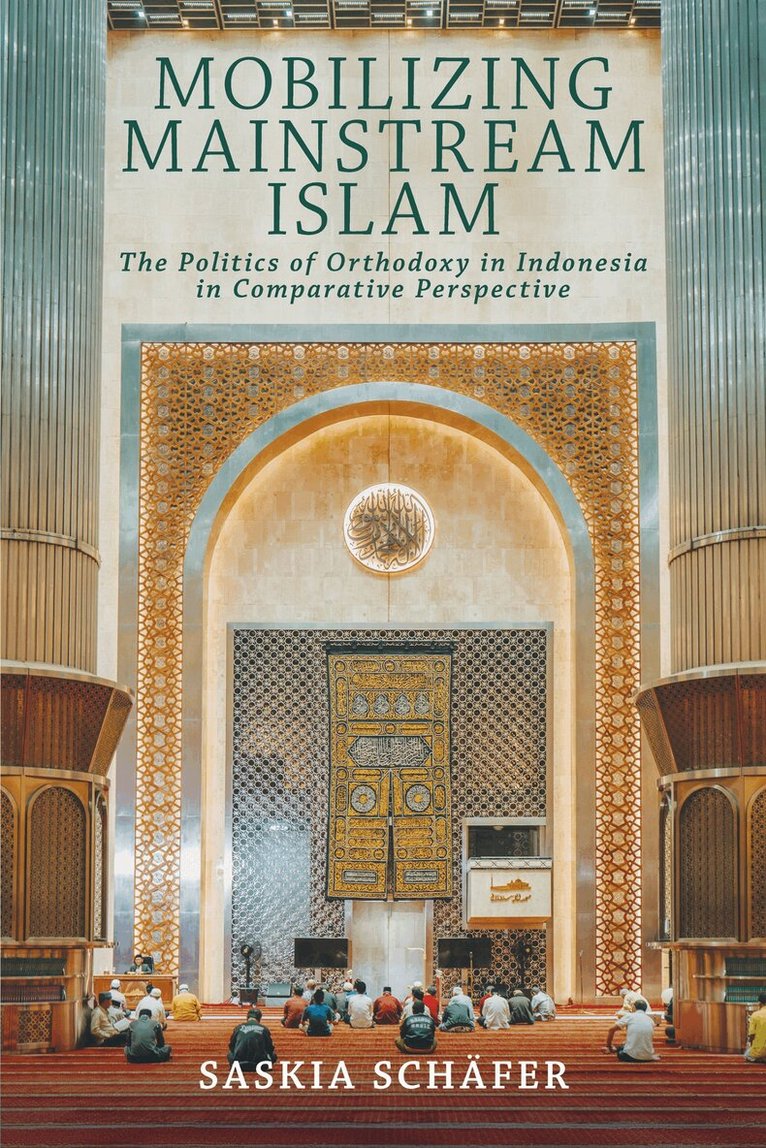
Mobilizing Mainstream Islam explains the rise and changing shape of religious nationalism in Indonesia after the fall of Suharto in 1998. In the 2000s, a time of electoral democratization, Indonesia's religious and political landscape experienced significant competition and reshuffling as religious and political elites formed an alliance to challenge Indonesia's official policies of tolerance and religious pluralism. As Saskia Schäfer argues, state and religious authorities have in the post-Suharto era constructed a homogenized, bureaucratized form of Islam – which she terms "Mainstream Islam"—that deliberately marginalizes people framed as minorities, such as Ahmadiyya, Shia Muslims and LGBTQI-identifying people, through securitization and theological delegitimization. She shows how the discourses of human rights have only sharpened the contours of these identities within the national imaginary.Through diverse case studies, Mobilizing Mainstream Islam explores how competitive electoral politics, decentralization, and media fragmentation facilitated the emergence of Islamist majoritarian rule and compares Indonesia's decentralized model with Malaysia's state-driven approach. Schäfer examines how competition over resources and public support shape religious nationalism. As the case of Indonesia illuminates broader global trends of religious nationalism, this book offers fresh insights into the challenges of maintaining pluralism in electoral democracies.
Häftad, Engelska, 2026
374 kr
Skickas inom 10-15 vardagar
Mobilizing Mainstream Islam explains the rise and changing shape of religious nationalism in Indonesia after the fall of Suharto in 1998. In the 2000s, a time of electoral democratization, Indonesia's religious and political landscape experienced significant competition and reshuffling as religious and political elites formed an alliance to challenge Indonesia's official policies of tolerance and religious pluralism. As Saskia Schäfer argues, state and religious authorities have in the post-Suharto era constructed a homogenized, bureaucratized form of Islam – which she terms "Mainstream Islam" – that deliberately marginalizes people framed as minorities, such as Ahmadiyya, Shia Muslims and LGBTQI-identifying people, through securitization and theological delegitimization. She shows how the discourses of human rights have only sharpened the contours of these identities within the national imaginary.Through diverse case studies, Mobilizing Mainstream Islam explores how competitive electoral politics, decentralization, and media fragmentation facilitated the emergence of Islamist majoritarian rule and compares Indonesia's decentralized model with Malaysia's state-driven approach. Schäfer examines how competition over resources and public support shape religious nationalism. As the case of Indonesia illuminates broader global trends of religious nationalism, this book offers fresh insights into the challenges of maintaining pluralism in electoral democracies.
Inbunden, Engelska, 2026
2 141 kr
Skickas inom 3-6 vardagar
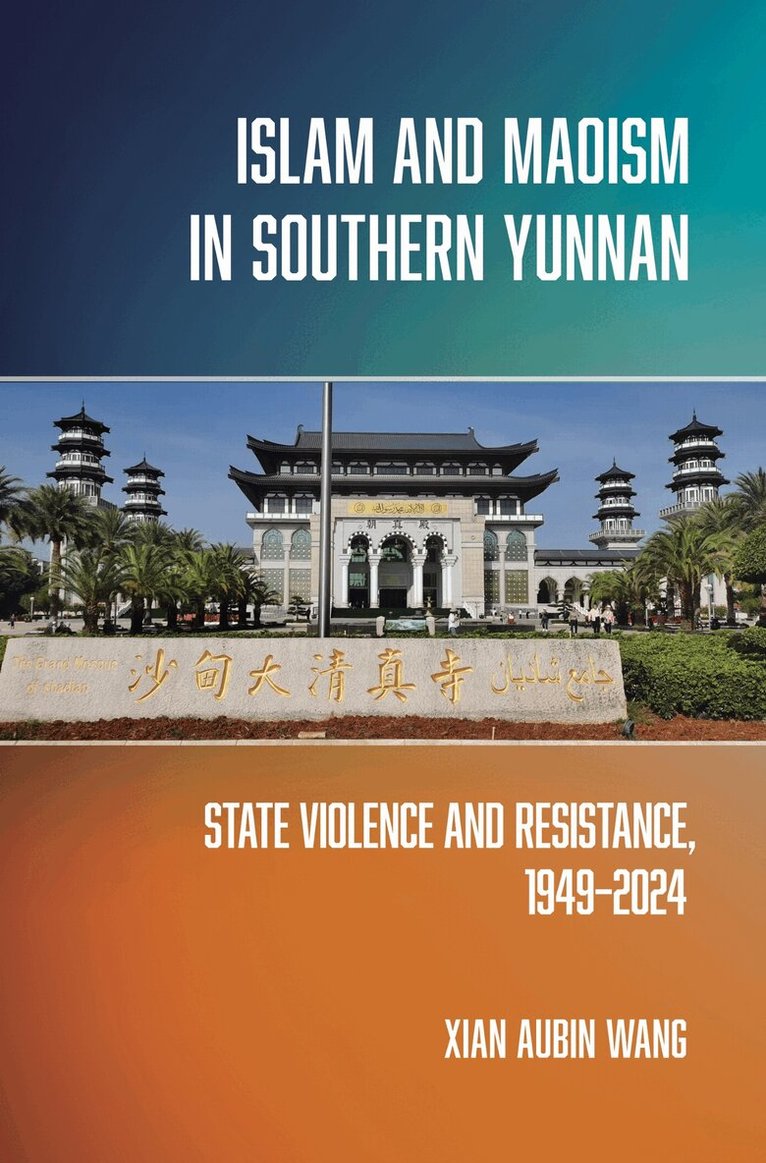
Islam and Maoism in Southern Yunnan investigates decades of contentious relations between the Communist party-state of China and the Muslim community of southern Yunnan centered on the village of Shadian, site of an incident of state violence in 1975 that resulted in 1600 civilian deaths. Examining the causes and legacies of the Shadian massacre, Xian Aubin Wang draws on an extensive review of internal official documents, original written testimonies, and firsthand interviews with Muslim villagers. By exploring interactions among Beijing, the Yunnan provincial government, county officials, CCP Muslim cadres, and Shadian villagers against the backdrop of the CCP's nationwide political campaigns since the early 1950s, Wang shows how Islam and Maoism influenced the ways that local villagers and party cadres saw and dealt with each other – and how these encounters shaped the developing conflict and its aftermath. Providing an in-depth account of Chinese religious groups living under the CCP, Islam and Maoism in Southern Yunnan reveals how religion and politics shaped Muslim villagers' responses to the party-state's efforts to control and secularize them.
Häftad, Engelska, 2026
620 kr
Skickas inom 3-6 vardagar
Islam and Maoism in Southern Yunnan investigates decades of contentious relations between the Communist party-state of China and the Muslim community of southern Yunnan centered on the village of Shadian, site of an incident of state violence in 1975 that resulted in 1600 civilian deaths. Examining the causes and legacies of the Shadian massacre, Xian Aubin Wang draws on an extensive review of internal official documents, original written testimonies, and firsthand interviews with Muslim villagers. By exploring interactions among Beijing, the Yunnan provincial government, county officials, CCP Muslim cadres, and Shadian villagers against the backdrop of the CCP's nationwide political campaigns since the early 1950s, Wang shows how Islam and Maoism influenced the ways that local villagers and party cadres saw and dealt with each other – and how these encounters shaped the developing conflict and its aftermath. Providing an in-depth account of Chinese religious groups living under the CCP, Islam and Maoism in Southern Yunnan reveals how religion and politics shaped Muslim villagers' responses to the party-state's efforts to control and secularize them.