Religion and Society in Asia Pacific – serie
Visar alla böcker i serien Religion and Society in Asia Pacific. Handla med fri frakt och snabb leverans.
10 produkter
10 produkter
Inbunden, Engelska, 2016
1 741 kr
Skickas inom 10-15 vardagar
Bringing together the work of leading scholars of religion in imperial Japan and colonial Korea, this collection addresses the complex ways in which religion served as a site of contestation and negotiation among different groups, including the Korean Choson court, the Japanese colonial government, representatives of different religions, and Korean and Japanese societies. It considers the complex religious landscape as well as the intersection of historical and political contexts that shaped the religious beliefs and practices of imperial and colonial subjects, offering a constructive contribution to contemporary conflicts that are rooted in a contested understanding of a complex and painful past and the unresolved history of Japan’s colonial and imperial presence in Asia. Religion is a critical aspect of the current controversies and their historical contexts. Examining the complex and diverse ways that the state, and Japanese and colonial subjects negotiated religious policies, practices, and ministries in an attempt to delineate these “imperial relationships," this cutting edge text sheds considerable light on the precedents to current sources of tension.
Inbunden, Engelska, 2017
1 524 kr
Skickas inom 10-15 vardagar
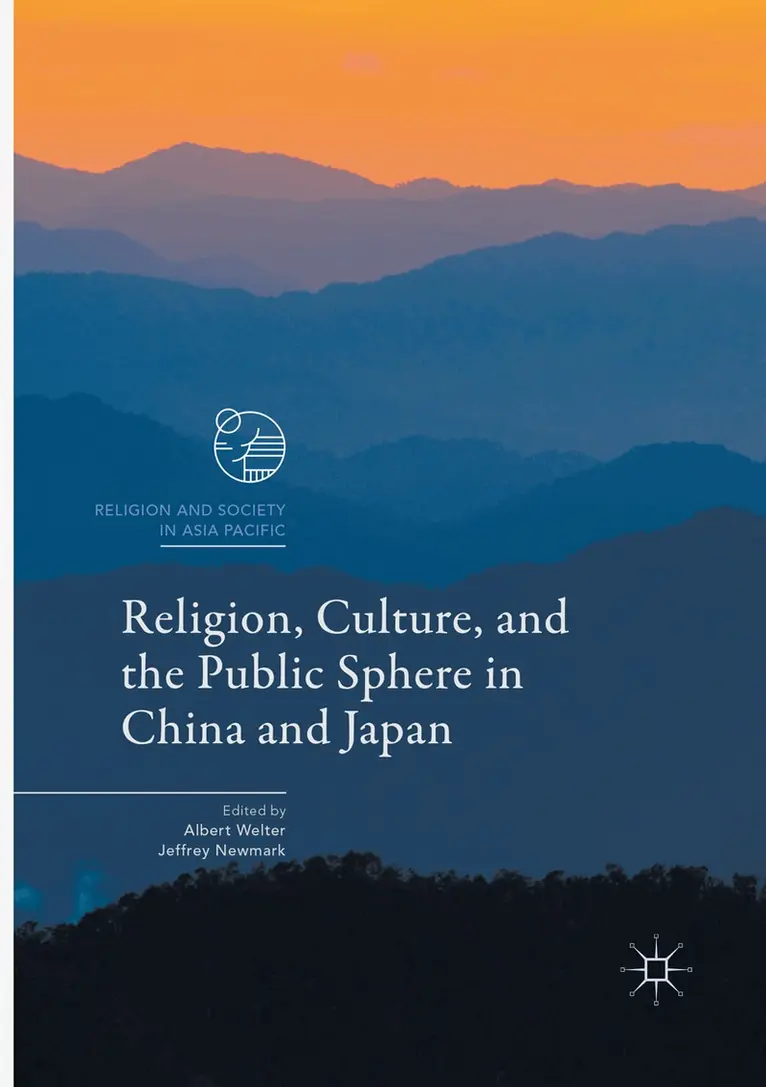
This collection examines the impact of East Asian religion and culture on the public sphere, defined as an idealized discursive arena that mediates the official and private spheres. Contending that the actors and agents on the fringes of society were instrumental in shaping the public sphere in traditional and modern East Asia, it considers how these outliers contribute to religious, intellectual, and cultural dialog in the public sphere. Jürgen Habermas conceptualized the public sphere as the discursive arena which grew within Western European bourgeoisie society, arguably overlooking topics such as gender, minorities, and non-European civilizations, as well as the extent to which agency in the public sphere is effective in non-Western societies and how practitioners on the outskirts of mainstream society can participate. This volume responds to and builds upon this dialogue by addressing how religious, intellectual, and cultural agency in the public sphere shapes East Asian cultures, particularly the activities of those found on the peripheries of historic and modern societies.
Inbunden, Engelska, 2017
1 524 kr
Skickas inom 10-15 vardagar
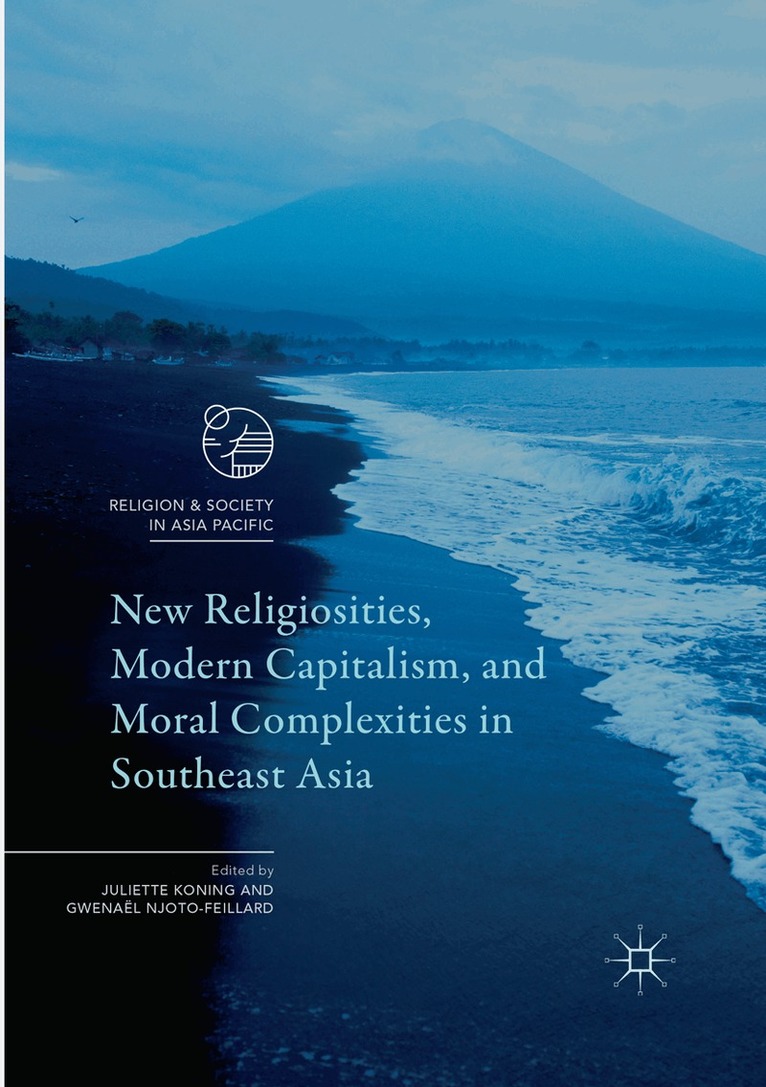
As Southeast Asia experiences unprecedented economic modernization, religious and moral practices are being challenged as never before. From Thai casinos to Singaporean megachurches, from the practitioners of Islamic Finance in Jakarta to Pentecostal Christians in rural Cambodia, this volume discusses the moral complexities that arise when religious and economic developments converge. In the past few decades, Southeast Asia has seen growing religious pluralism and antagonisms as well as the penetration of a market economy and economic liberalism. Providing a multidisciplinary, cross-regional snapshot of a region in the midst of profound change, this text is a key read for scholars of religion, economists, non-governmental organization workers, and think-tankers across the region.
Häftad, Engelska, 2018
1 741 kr
Skickas inom 10-15 vardagar
Bringing together the work of leading scholars of religion in imperial Japan and colonial Korea, this collection addresses the complex ways in which religion served as a site of contestation and negotiation among different groups, including the Korean Choson court, the Japanese colonial government, representatives of different religions, and Korean and Japanese societies. It considers the complex religious landscape as well as the intersection of historical and political contexts that shaped the religious beliefs and practices of imperial and colonial subjects, offering a constructive contribution to contemporary conflicts that are rooted in a contested understanding of a complex and painful past and the unresolved history of Japan’s colonial and imperial presence in Asia. Religion is a critical aspect of the current controversies and their historical contexts. Examining the complex and diverse ways that the state, and Japanese and colonial subjects negotiated religious policies, practices, and ministries in an attempt to delineate these “imperial relationships," this cutting edge text sheds considerable light on the precedents to current sources of tension.
Häftad, Engelska, 2018
1 123 kr
Skickas inom 10-15 vardagar
This collection examines the impact of East Asian religion and culture on the public sphere, defined as an idealized discursive arena that mediates the official and private spheres. Contending that the actors and agents on the fringes of society were instrumental in shaping the public sphere in traditional and modern East Asia, it considers how these outliers contribute to religious, intellectual, and cultural dialog in the public sphere. Jürgen Habermas conceptualized the public sphere as the discursive arena which grew within Western European bourgeoisie society, arguably overlooking topics such as gender, minorities, and non-European civilizations, as well as the extent to which agency in the public sphere is effective in non-Western societies and how practitioners on the outskirts of mainstream society can participate. This volume responds to and builds upon this dialogue by addressing how religious, intellectual, and cultural agency in the public sphere shapes East Asian cultures, particularly the activities of those found on the peripheries of historic and modern societies.
Häftad, Engelska, 2018
1 524 kr
Skickas inom 10-15 vardagar
As Southeast Asia experiences unprecedented economic modernization, religious and moral practices are being challenged as never before. From Thai casinos to Singaporean megachurches, from the practitioners of Islamic Finance in Jakarta to Pentecostal Christians in rural Cambodia, this volume discusses the moral complexities that arise when religious and economic developments converge. In the past few decades, Southeast Asia has seen growing religious pluralism and antagonisms as well as the penetration of a market economy and economic liberalism. Providing a multidisciplinary, cross-regional snapshot of a region in the midst of profound change, this text is a key read for scholars of religion, economists, non-governmental organization workers, and think-tankers across the region.
Inbunden, Engelska, 2022
1 307 kr
Skickas inom 10-15 vardagar
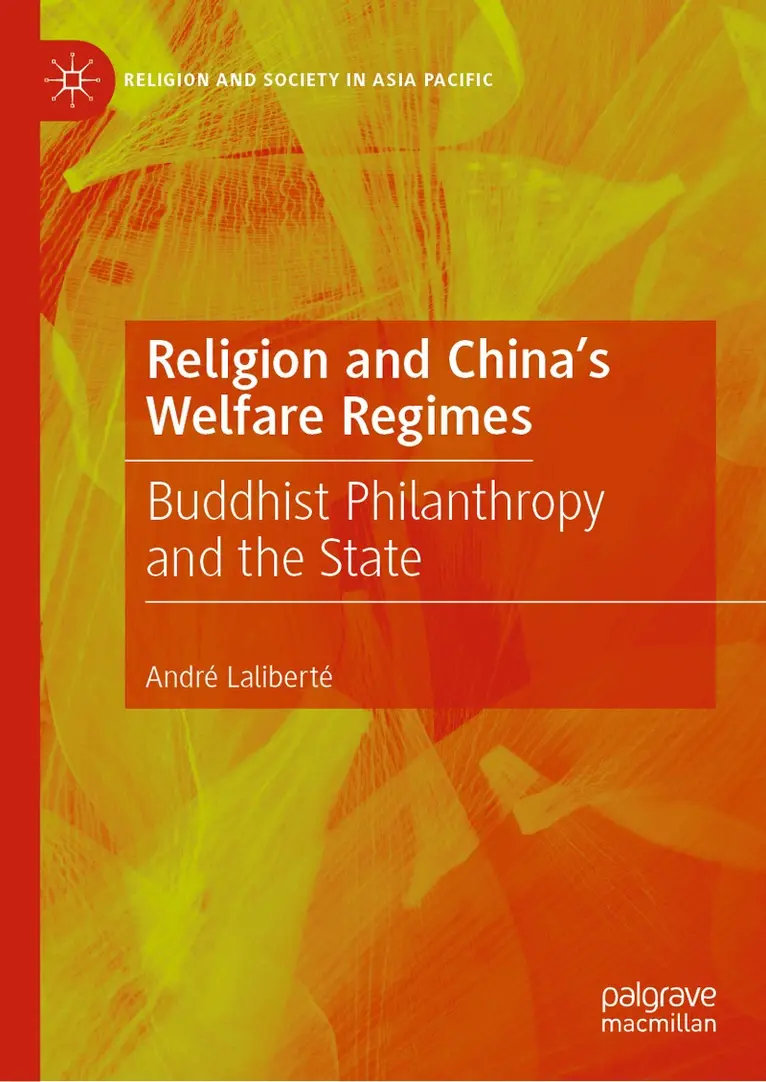
This book presents the welfare regime of China as a liminal space where religious and state authorities struggle for legitimacy as new social forces emerge. It offers a unique analysis of relations between religion and state in the People’s Republic of China by presenting how the Chinese Communist Party (CCP) tries to harness Buddhist resources to assist in the delivery of social services and sheds light on the intermingling of Buddhism and the state since 1949. This book will appeal to academics in social sciences and humanities and broader audiences interested in the social role of religions, charity, NGOs, and in social policy implementation. The author explores why the CCP turns to Buddhist followers and their leaders and presents a detailed view of Buddhist philanthropy, contextualized with an historical overview, a regional comparative perspective, and a review of policy debates. This book contributes to our understanding of secularity in a major non-Western society influenced by religions other than Christianity.
Häftad, Engelska, 2023
1 307 kr
Skickas inom 10-15 vardagar
This book presents the welfare regime of China as a liminal space where religious and state authorities struggle for legitimacy as new social forces emerge. It offers a unique analysis of relations between religion and state in the People’s Republic of China by presenting how the Chinese Communist Party (CCP) tries to harness Buddhist resources to assist in the delivery of social services and sheds light on the intermingling of Buddhism and the state since 1949. This book will appeal to academics in social sciences and humanities and broader audiences interested in the social role of religions, charity, NGOs, and in social policy implementation. The author explores why the CCP turns to Buddhist followers and their leaders and presents a detailed view of Buddhist philanthropy, contextualized with an historical overview, a regional comparative perspective, and a review of policy debates. This book contributes to our understanding of secularity in a major non-Western society influenced by religions other than Christianity.
Inbunden, Engelska, 2022
1 307 kr
Skickas inom 10-15 vardagar
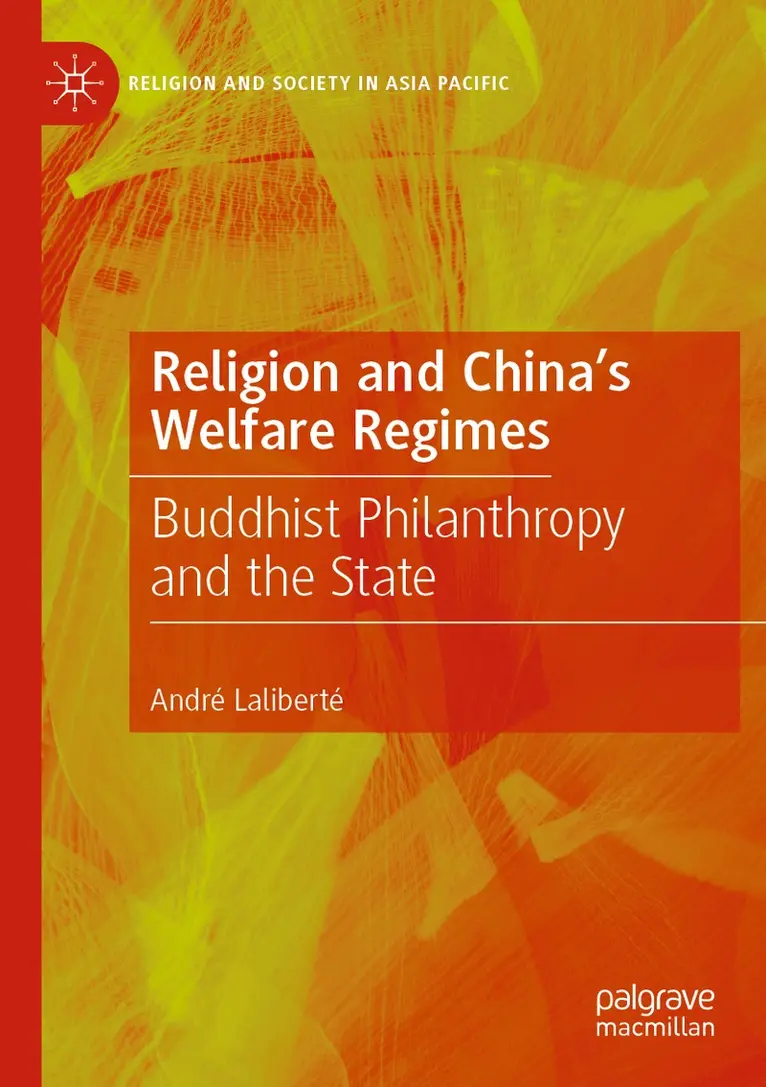
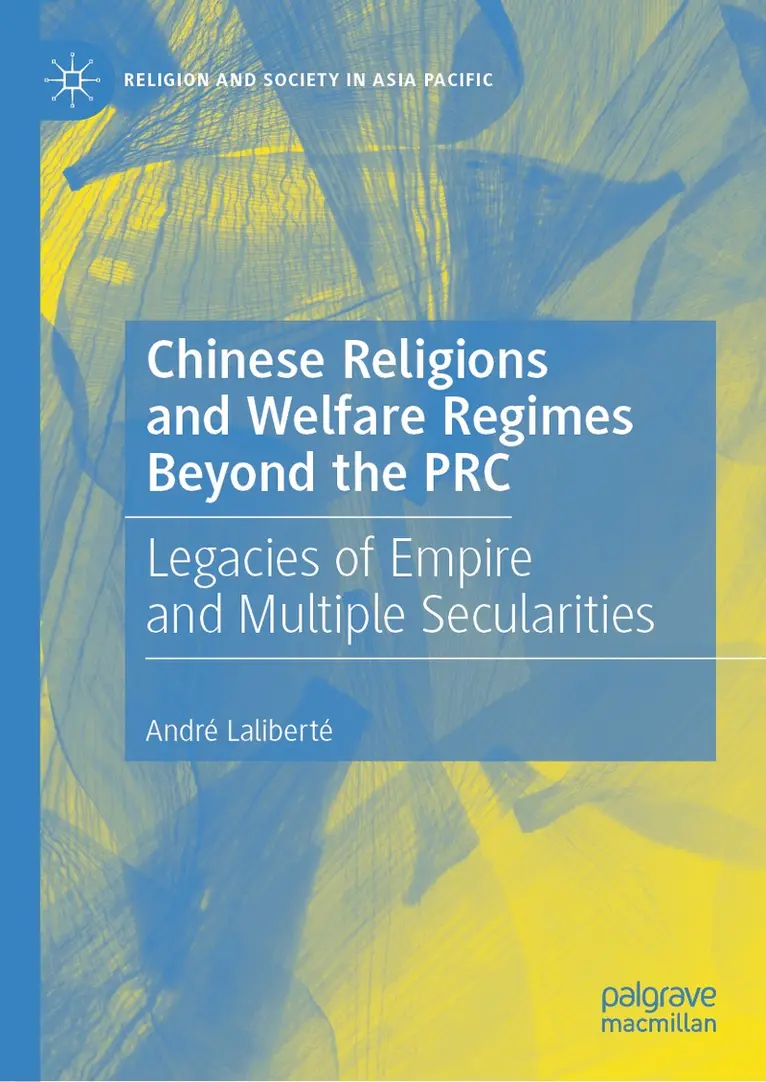
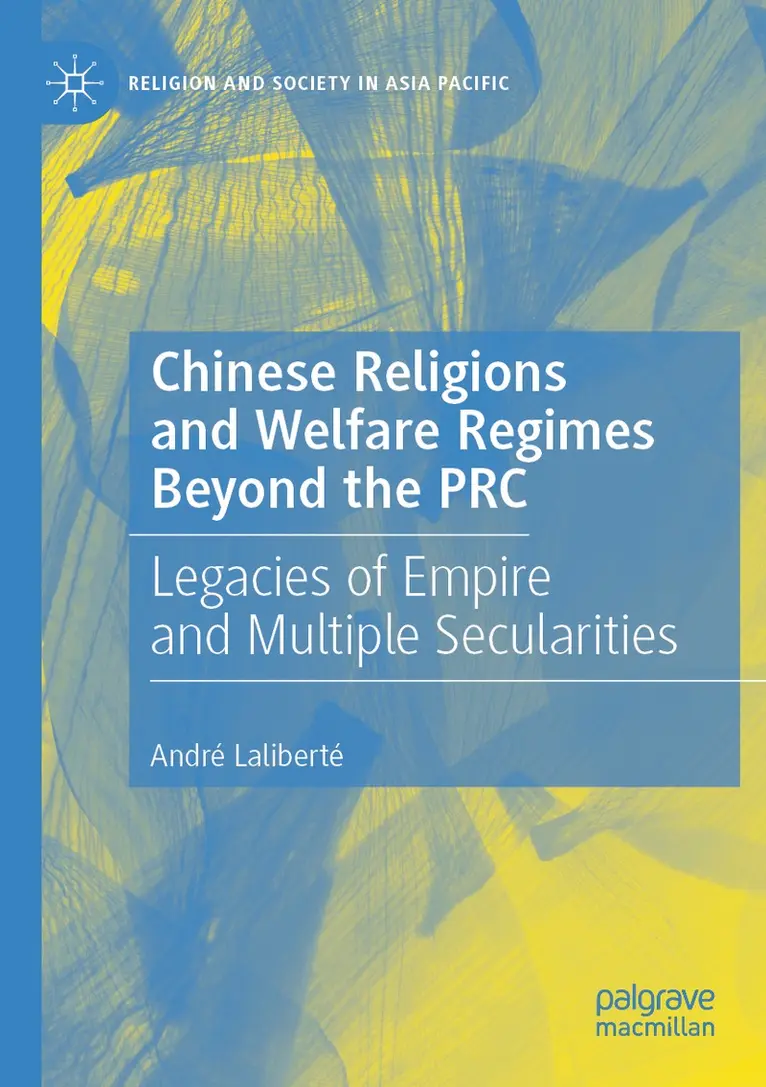
This book presents the welfare regime of societies of Chinese heritage as a liminal space where religious and state authorities compete with each other for legitimacy. It offers a path-breaking perspective on relations between religion and state in East Asia, presenting how the governments of industrial societies try to harness the human resources of religious associations to assist in the delivery of social services. The book provides background to the intermingling of Buddhism and the state prior to 1949; and the continuation of that intertwinement in Taiwan and in other societies where live many people of Chinese heritage since then. The main contribution of this work is its detailed account of Buddhist philanthropy as viewed from the perspectives of the state, civil society, and Buddhists. This book will appeal to academics in social sciences and humanities and broader audiences interested by the social role of religions, charity, and NGOs, in social policy implementation. It explores why governments turn to Buddhist followers and their leaders and presents a detailed view of Buddhist philanthropy. This book contributes to our understanding of secularity in non-Western societies, as influenced by religions other than Christianity.
Häftad, Engelska, 2023
1 307 kr
Skickas inom 10-15 vardagar
This book presents the welfare regime of societies of Chinese heritage as a liminal space where religious and state authorities compete with each other for legitimacy. It offers a path-breaking perspective on relations between religion and state in East Asia, presenting how the governments of industrial societies try to harness the human resources of religious associations to assist in the delivery of social services. The book provides background to the intermingling of Buddhism and the state prior to 1949; and the continuation of that intertwinement in Taiwan and in other societies where live many people of Chinese heritage since then. The main contribution of this work is its detailed account of Buddhist philanthropy as viewed from the perspectives of the state, civil society, and Buddhists. This book will appeal to academics in social sciences and humanities and broader audiences interested by the social role of religions, charity, and NGOs, in social policy implementation. It explores why governments turn to Buddhist followers and their leaders and presents a detailed view of Buddhist philanthropy. This book contributes to our understanding of secularity in non-Western societies, as influenced by religions other than Christianity.