RERIS Studies in International Sport Relations – serie
Visar alla böcker i serien RERIS Studies in International Sport Relations. Handla med fri frakt och snabb leverans.
3 produkter
3 produkter
1 263 kr
Skickas inom 5-8 vardagar
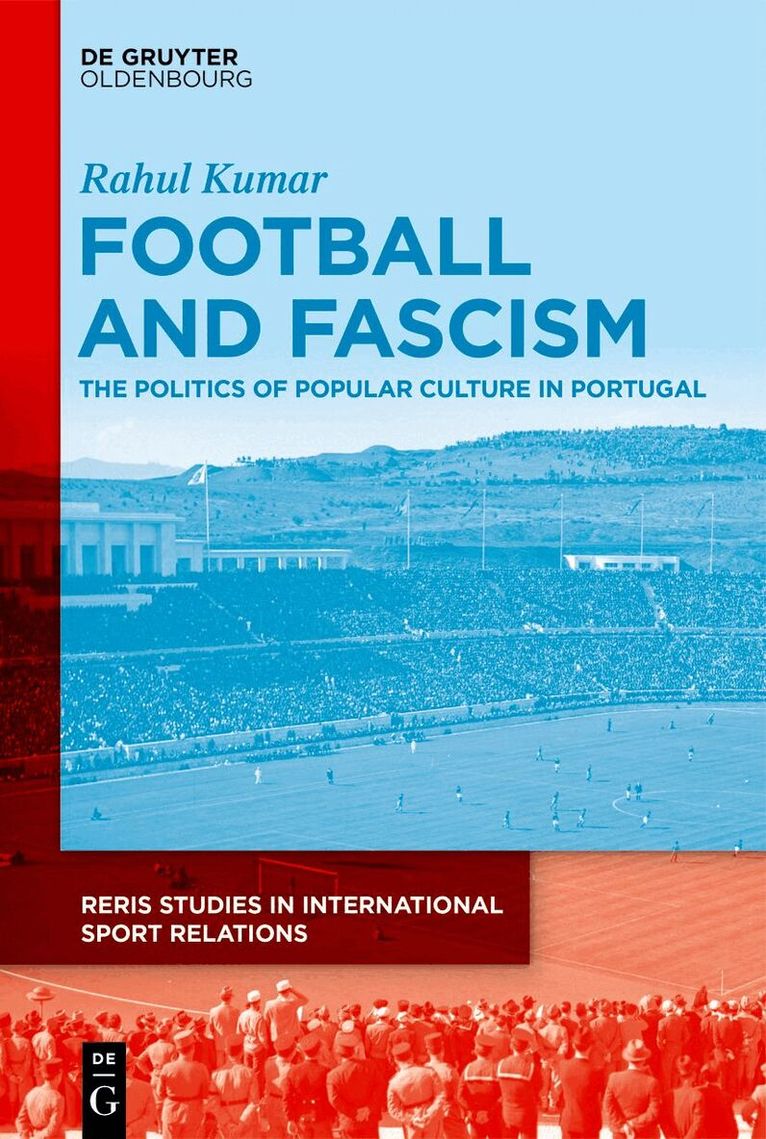
Football and Fascism. The Politics of Popular Culture in Portugal tells the hidden history of football and discusses its political, social and cultural foundations, during the longest running authoritarian regime in Europe. Theoretically grounded on Bourdieu’s field theory, and using a multi-scalar methodology, this award-winning research explores the political tensions between the nationalization of sports envisaged by the Portuguese “New State” and the integration of national football in a globalized urban popular culture. Mobilizing unexplored archival sources, and a wide array of primary materials, this groundbreaking work offers new insight on the administrative structures of the corporativist state, the making of an authoritarian cultural program, and the relation between state institutions and civil society. Besides broadening the scope of existing transnational histories of football, this study also puts into question the conventional geographies and political chronologies adopted in sports history. For his oustanding research, Rahul Kumar won the 2015 “Mário Soares Award - EDP Foundation” for best work in Portuguese history by researchers under 35 and received an honourable mention, also in 2015, in the “CES Award for Young Portuguese speaking Social Scientists”, attributed by the Centre for Social Studies of Coimbra University.
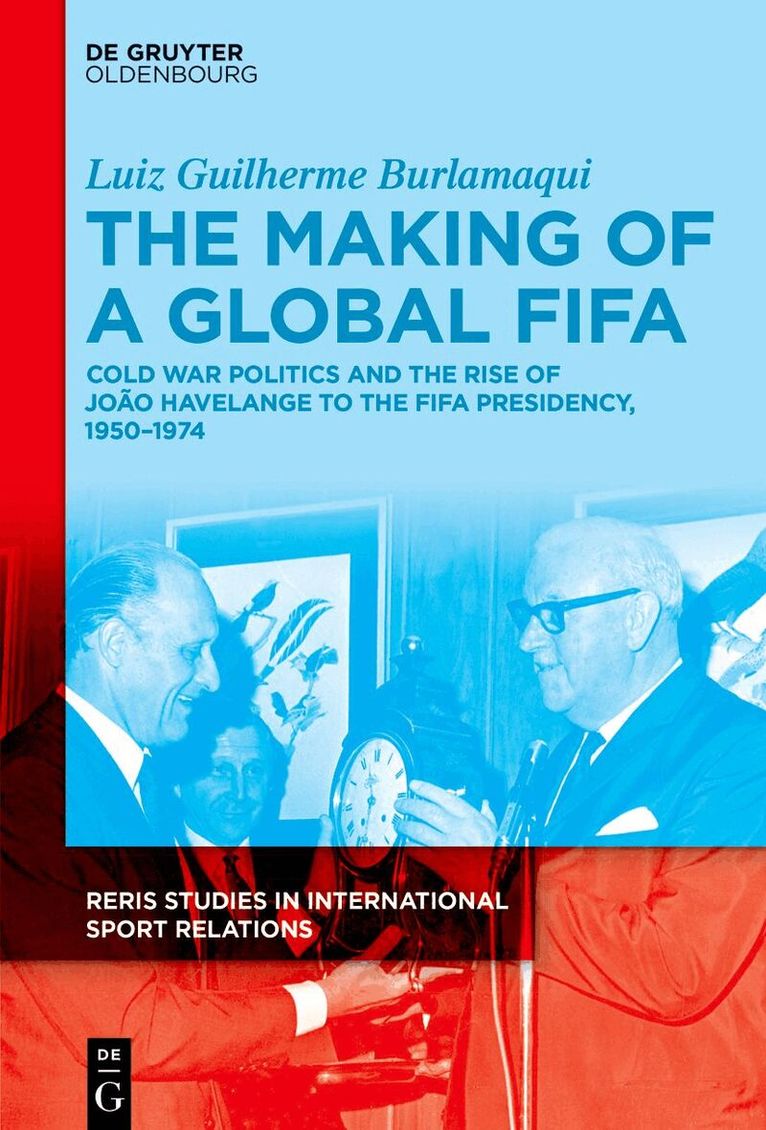
Making of a Global FIFA
Cold War Politics and the Rise of João Havelange to the FIFA Presidency, 1950–1974
Inbunden, Engelska, 2023
1 411 kr
Skickas inom 5-8 vardagar
In 1974, the Brazilian sports official João Havelange was elected FIFA’s president in a two-round election, defeating the incumbent Stanley Rous. The story told by Havelange himself describes a private odyssey in which the protagonist crisscrosses two thirds of the world canvassing for votes and challenging the institutional status quo. For many scholars, Havelange’s triumph changed FIFA’s (International Federation of Football Association) identity, gradually turning it into a global and immensely wealthy institution. Conversely, the election can be analyzed as a historical event. It can be thought of as a political window by means of which the international dynamic of a specific moment in the Cold War can be perceived. In this regard, this book seeks to understand which actors were involved in the election, how the networks were shaped, and which political agents were directly engaged in the campaign.
1 719 kr
Skickas inom 3-6 vardagar
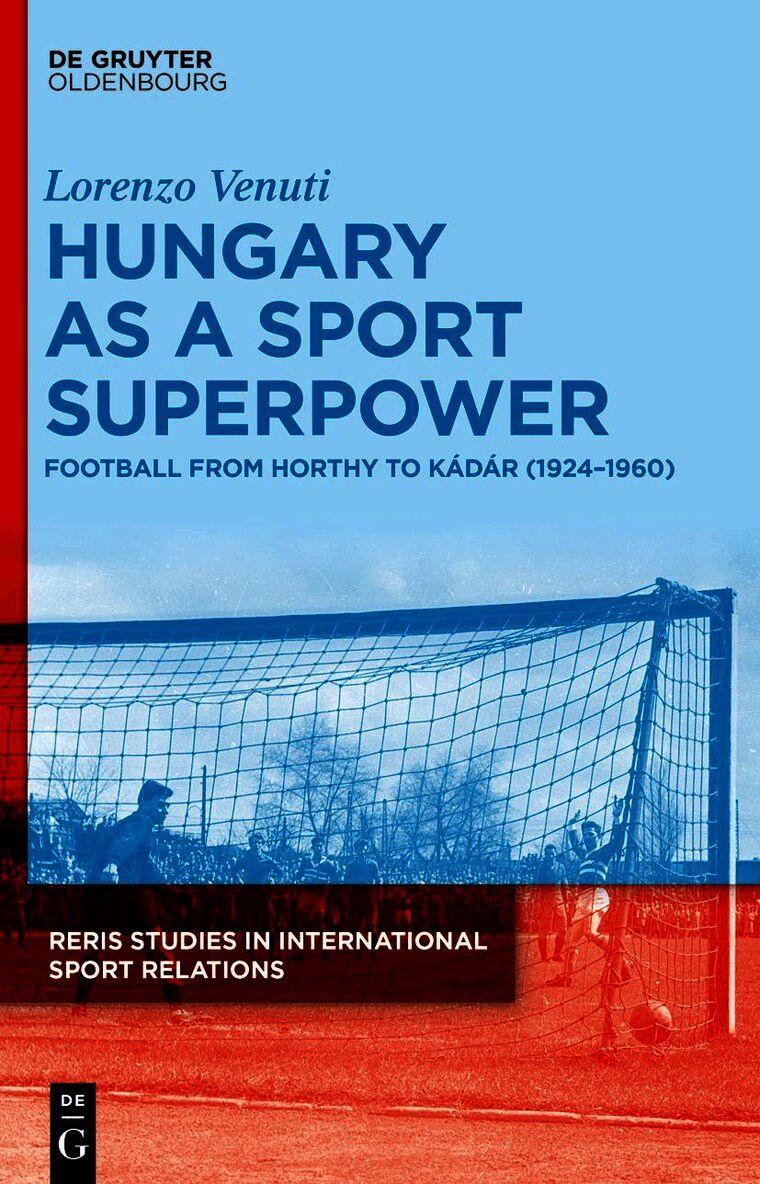
What role has football (and sport in general) played in Hungarian foreign policy? Was there a continuity between the inter-war period and communism? Are foreign politics and sporting diplomacy synonyms? This book tries to provide answers to these questions through a careful examination of documents of the Hungarian Foreign Ministry and Hungarian newspapers, supplemented by documentation from several European countries. Through Hungarian football, the author traces a history of Hungary during the Age of Extremes with a special focus on the period during which sport played a particular role in Hungarian foreign policy: from 1924, the date of the Paris Olympics, the first time the country competed after World War I, to 1960, date of the Olympics of Rome. The result is a study from a particularly original perspective, highlighting, first and foremost, the transnational dimension of Hungarian football. Winner of the Susan Glantz Book Prize of the Hungarian Studies Association