Research in Educational Diversity and Excellence - Böcker
Visar alla böcker i serien Research in Educational Diversity and Excellence. Handla med fri frakt och snabb leverans.
6 produkter
6 produkter
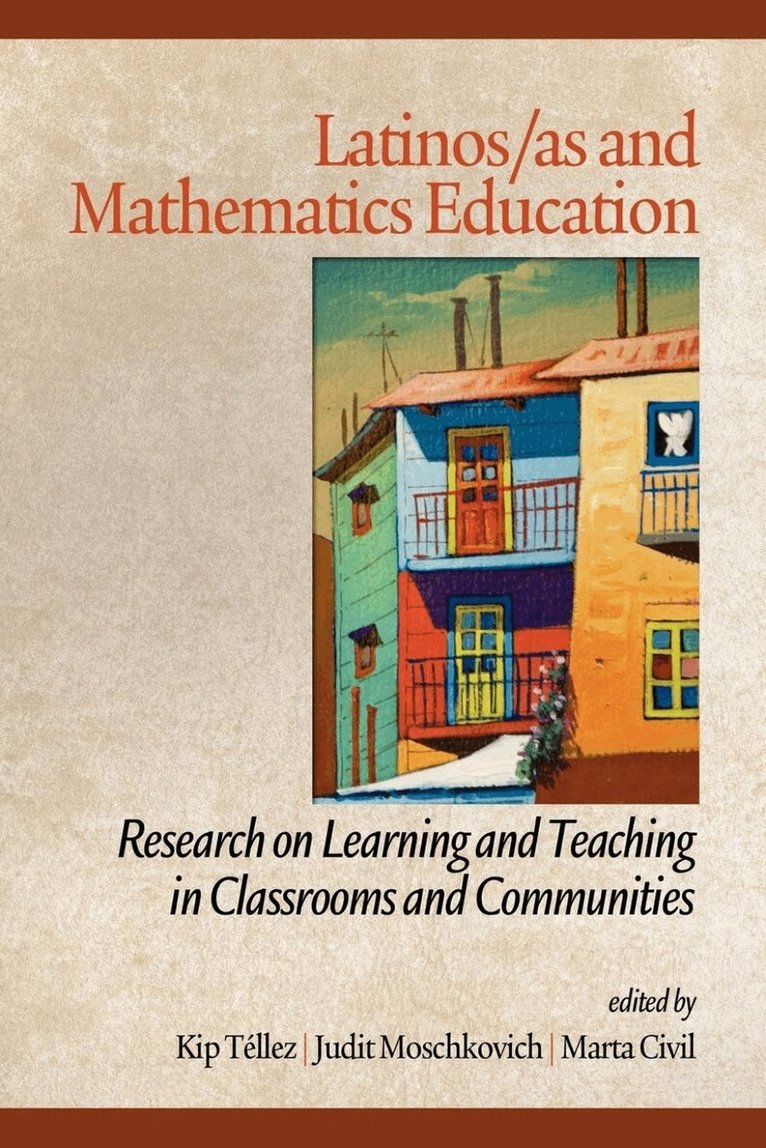
Latinos/as and Mathematics Education
Research on Learning and Teaching in Classrooms and Communities
Häftad, Engelska, 2011
661 kr
Skickas inom 7-10 vardagar
This book that explores the mathematics education of Latinos/as in 13 original research studies. Each chapter represents research that grounds mathematics instruction for Latinos/as in the resources to be found in culture and language. By inverting the deficit perspective, this volume redresses the shortcomings found in the previous literature on Latino/a learners. Each study frames language (e.g. bilingualism) not as an obstacle to learning, but as a resource for mathematical reasoning. Other chapters explore the notion of cultural variation not as a liability but as a tool for educators to build upon in the teaching of mathematics. Specifically, the book reframes culture as a focus on the practices, objects, inscriptions, or people that connect mathematical concepts to student thinking and experiences, both in and out of school.The book's four sections divide the research: The first section of the book focuses on mathematic learning in classrooms, specifically exploring bilingual, Latino/a students; the second section explores Latino/a learners in communities, including the role parents can play in advancing learning; the third section includes chapters focused on teacher professional growth; the final section concerns the assessment (and mis-assessment) of Latino/a learners. The research shared in this volume provides ample evidence that mathematics educators who choose to ignore language or culture in their pedagogy risk shortchanging their Latino/a students.
Latinos/As and Mathematics Education
Research on Learning and Teaching in Classrooms and Communities
Inbunden, Engelska, 2011
1 118 kr
Skickas inom 7-10 vardagar
This book that explores the mathematics education of Latinos/as in 13 original research studies. Each chapter represents research that grounds mathematics instruction for Latinos/as in the resources to be found in culture and language. By inverting the deficit perspective, this volume redresses the shortcomings found in the previous literature on Latino/a learners. Each study frames language (e.g. bilingualism) not as an obstacle to learning, but as a resource for mathematical reasoning. Other chapters explore the notion of cultural variation not as a liability but as a tool for educators to build upon in the teaching of mathematics. Specifically, the book reframes culture as a focus on the practices, objects, inscriptions, or people that connect mathematical concepts to student thinking and experiences, both in and out of school.The book's four sections divide the research: The first section of the book focuses on mathematic learning in classrooms, specifically exploring bilingual, Latino/a students; the second section explores Latino/a learners in communities, including the role parents can play in advancing learning; the third section includes chapters focused on teacher professional growth; the final section concerns the assessment (and mis-assessment) of Latino/a learners. The research shared in this volume provides ample evidence that mathematics educators who choose to ignore language or culture in their pedagogy risk shortchanging their Latino/a students.
579 kr
Skickas inom 7-10 vardagar
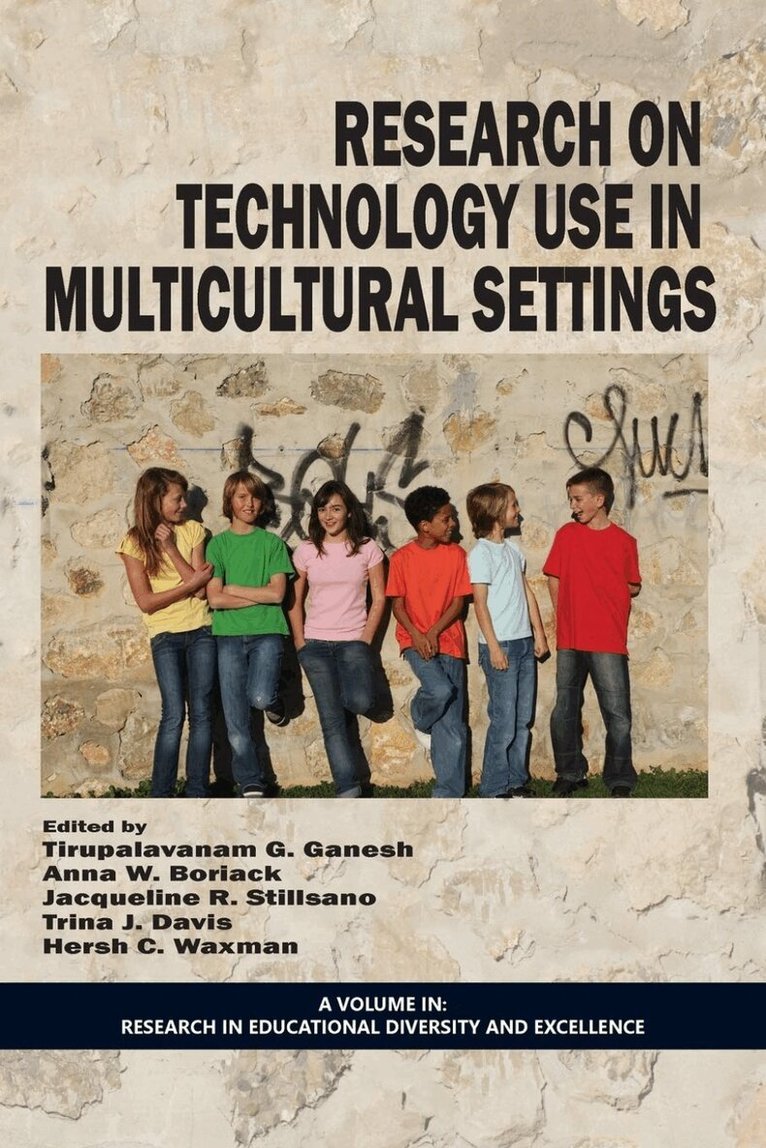
This book is the third volume in the series on Research in Educational Diversity and Excellence. The goal of this series is to bring issues of diversity and educational risk to the forefront of national attention in order to assist the nation’s diverse students at risk of failure to achieve academic excellence. This series focuses on critical issues in the education of linguistic and cultural minority students and those placed at risk by factors of race, poverty, and geographic location.The purpose of the present book is to summarize and discuss recent perspectives, research, and practices related to the use of educational technology in multicultural settings. Technology that is already ubiquitous in our daily lives brings a myriad of issues to the area of education. Although educational systems should be geared to address challenges appropriately, the systems should be designed and developed to provide opportunities to take advantage of technology use. This book is noteworthy in that it presents a variety of theoretical and practical considerations for technology use in diverse multicultural contexts. Consisting of 12 chapters, the book (a) proposes theoretical concerns for understanding technological learning environments today and envisions the potential impact of future technology use and (b) examines technology tools and models that have been used for interventions, programs, and projects and measures and documents specific outcomes and challenges involving complex interactions within low-income and languageminority families and students.
1 023 kr
Skickas inom 7-10 vardagar
This book is the third volume in the series on Research in Educational Diversity and Excellence. The goal of this series is to bring issues of diversity and educational risk to the forefront of national attention in order to assist the nation’s diverse students at risk of failure to achieve academic excellence. This series focuses on critical issues in the education of linguistic and cultural minority students and those placed at risk by factors of race, poverty, and geographic location.The purpose of the present book is to summarize and discuss recent perspectives, research, and practices related to the use of educational technology in multicultural settings. Technology that is already ubiquitous in our daily lives brings a myriad of issues to the area of education. Although educational systems should be geared to address challenges appropriately, the systems should be designed and developed to provide opportunities to take advantage of technology use. This book is noteworthy in that it presents a variety of theoretical and practical considerations for technology use in diverse multicultural contexts. Consisting of 12 chapters, the book (a) proposes theoretical concerns for understanding technological learning environments today and envisions the potential impact of future technology use and (b) examines technology tools and models that have been used for interventions, programs, and projects and measures and documents specific outcomes and challenges involving complex interactions within low-income and languageminority families and students.
776 kr
Skickas inom 5-8 vardagar
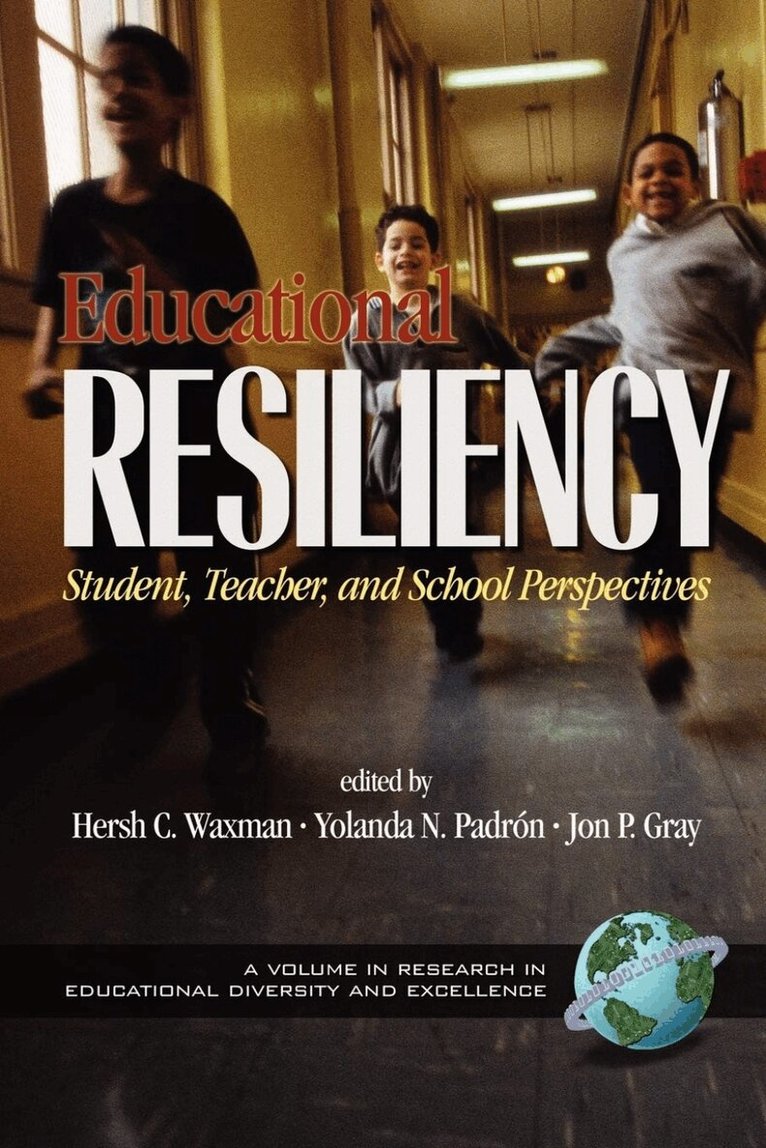
This book is the first volume in the series Research in Educational Diversity and Excellence. The purpose of the present book is to summarize and discuss recent perspectives, research, and practices related to educational resilience.There are three distinct parts of the book. The first part, "Conceptual Issues and Reviews of Research," focuses on issues related to defining resiliency as well as reviewing classical and recent studies in the area of educational resiliency. Part II, "Studies of Students’ Resiliency," focuses on recent resiliency findings including methodological issues and implications of individual and school-level resilience. The final part, "Schools, Programs, and Communities that Enhance Resiliency," concentrates primarily on interventions and instructional programs that foster resiliency in youth and the schools they attend.
1 369 kr
Skickas inom 5-8 vardagar
This book is the first volume in the series Research in Educational Diversity and Excellence. The purpose of the present book is to summarize and discuss recent perspectives, research, and practices related to educational resilience.There are three distinct parts of the book. The first part, "Conceptual Issues and Reviews of Research," focuses on issues related to defining resiliency as well as reviewing classical and recent studies in the area of educational resiliency. Part II, "Studies of Students’ Resiliency," focuses on recent resiliency findings including methodological issues and implications of individual and school-level resilience. The final part, "Schools, Programs, and Communities that Enhance Resiliency," concentrates primarily on interventions and instructional programs that foster resiliency in youth and the schools they attend.